
Tabelog Bronze #8
Our verdict
A Tabelog Bronze Award winner every year since 2019 and a three-time selection for Tabelog Japanese Cuisine WEST 100, Aji Arai brings Kyushu kappo cooking to Nakatsu, Oita, with a declared emphasis on fish sourcing and a format that runs from a late-afternoon counter sitting to a tatami room service after 19:00. Dinner runs JPY 15,000–19,999 by listed price, with review-based averages placing actual spend closer to JPY 20,000–29,999.

Pearl is the En Primeur Club membership app, where members save venues, book tables and use the concierge.
The menu
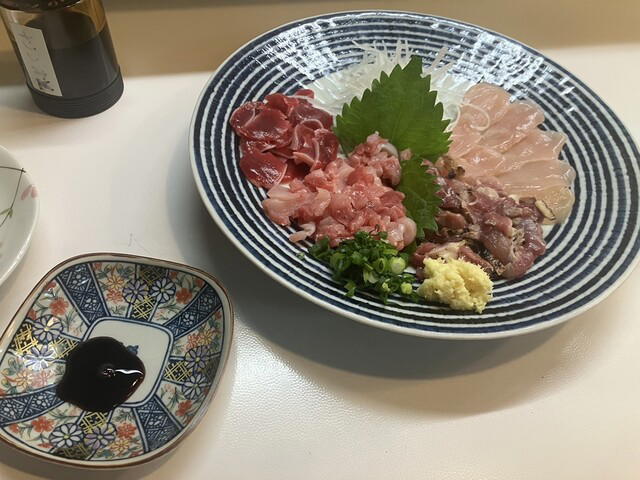
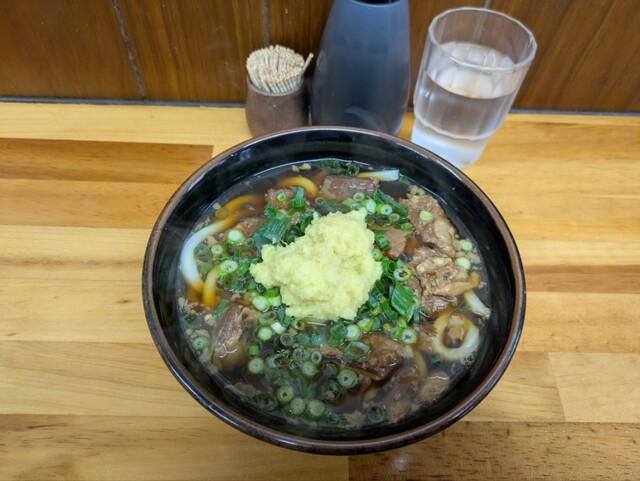
What to order
- Baked pufferfish shirako
- Squid and uni
- Straw-seared bonito tataki
Nakatsu, Kyushu, and the Logic of Kappo
Kappo, the Japanese cooking tradition whose name literally means 'to cut and to cook,' occupies a distinct register in the country's dining hierarchy. Unlike kaiseki, which follows a rigidly sequenced ceremonial form, kappo gives the kitchen latitude to respond to what arrived at the market that morning, what the season is doing, and what the counter guests in front of them seem to want. In cities like Osaka and Kyoto, kappo counters have accumulated decades of critical attention. In Kyushu, the format sits closer to its working roots: seafood-led, less fetishised, and often connected directly to specific coastal sources. Nakatsu, a castle town in northern Oita Prefecture roughly midway between Fukuoka and Beppu, has built a credible dining identity within that Kyushu kappo tradition, and Aji Arai is the restaurant that draws visitors from outside the prefecture to understand why.
Fish, Provenance, and What 'Particular About Fish' Actually Means
The Tabelog record for Aji Arai uses a specific designation: 'particular about fish.' In the context of Kyushu kappo, that phrase carries real weight. The Seto Inland Sea meets the Bungo Channel just off Oita's coast, and the waters around the Kyushu and Shikoku coastlines are among the most productive in Japan for quality white fish, shellfish, and the seasonal species that kappo kitchens depend on. The prefecture itself is known for products including Bungo beef and locally farmed chicken, but the marine angle is the structural spine of kappo in this region.
What 'particular about fish' signals to a returning Tabelog reviewer or a first-time visitor from outside the prefecture is that the kitchen has built sourcing relationships rather than relying on wholesale markets. That distinction matters because it affects timing, condition, and what gets served when. A kitchen sourcing fish directly from specific fishermen or regional buyers will adjust its menu in ways that a venue pulling from a general distributor cannot. For guests choosing between Aji Arai and other well-regarded Japanese cuisine venues in Oita, such as Beppu Hirokado or Jimgu, the sourcing emphasis at Aji Arai is a meaningful differentiator rather than a marketing phrase.
This sourcing orientation places Aji Arai in a broader conversation about how Japanese fine dining has evolved outside the three major metropolitan markets. Venues like Gion Sasaki in Kyoto and Harutaka in Tokyo operate at higher price points and with longer critical histories, but the underlying discipline of ingredient-first Japanese cooking applies across tiers. Closer in geography and format, Goh in Fukuoka represents the kind of Kyushu-rooted cooking that earns national attention without relocating to the capital.
The Physical Space and How the Evening is Structured
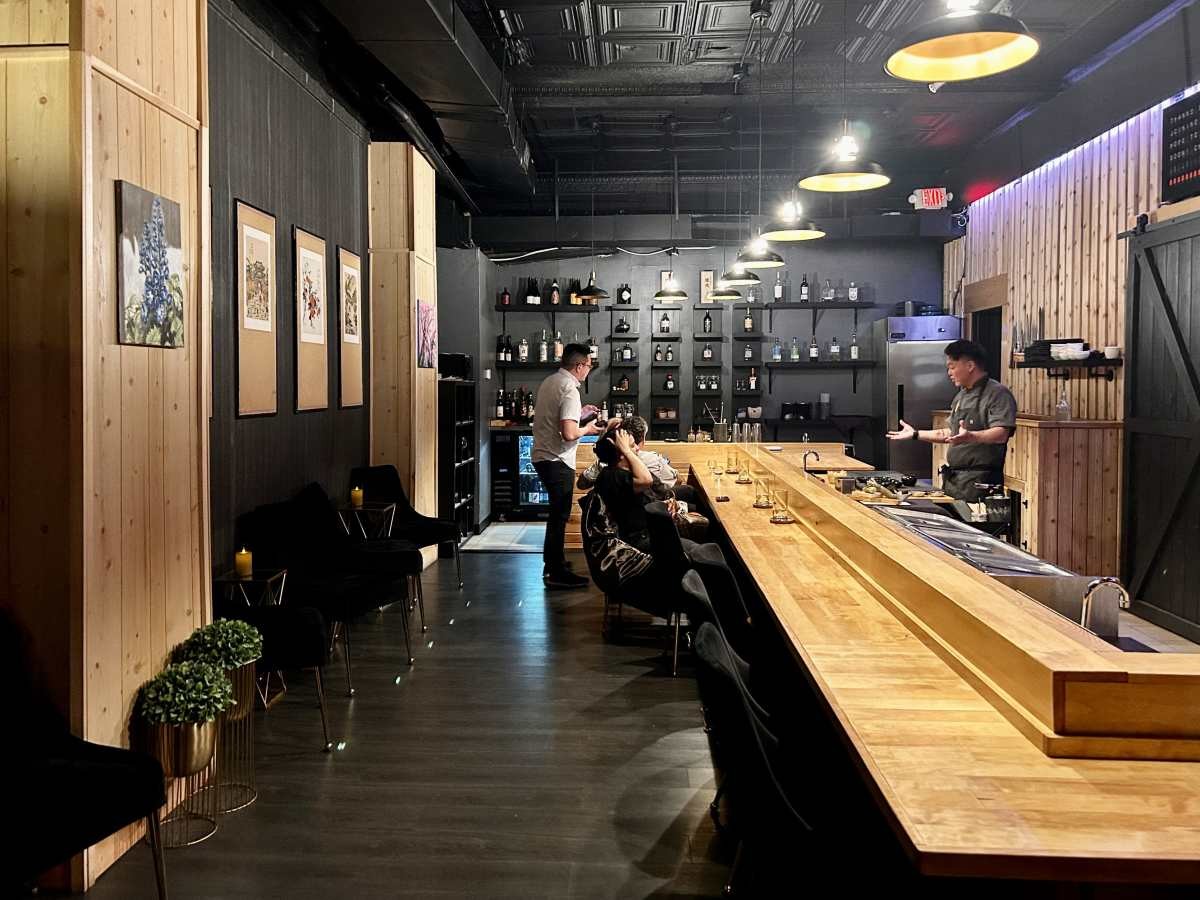
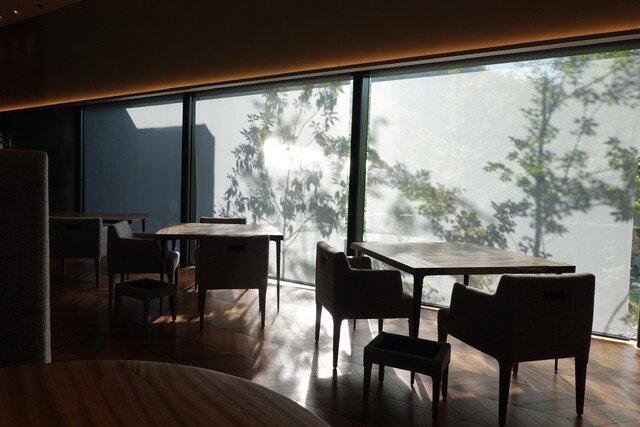
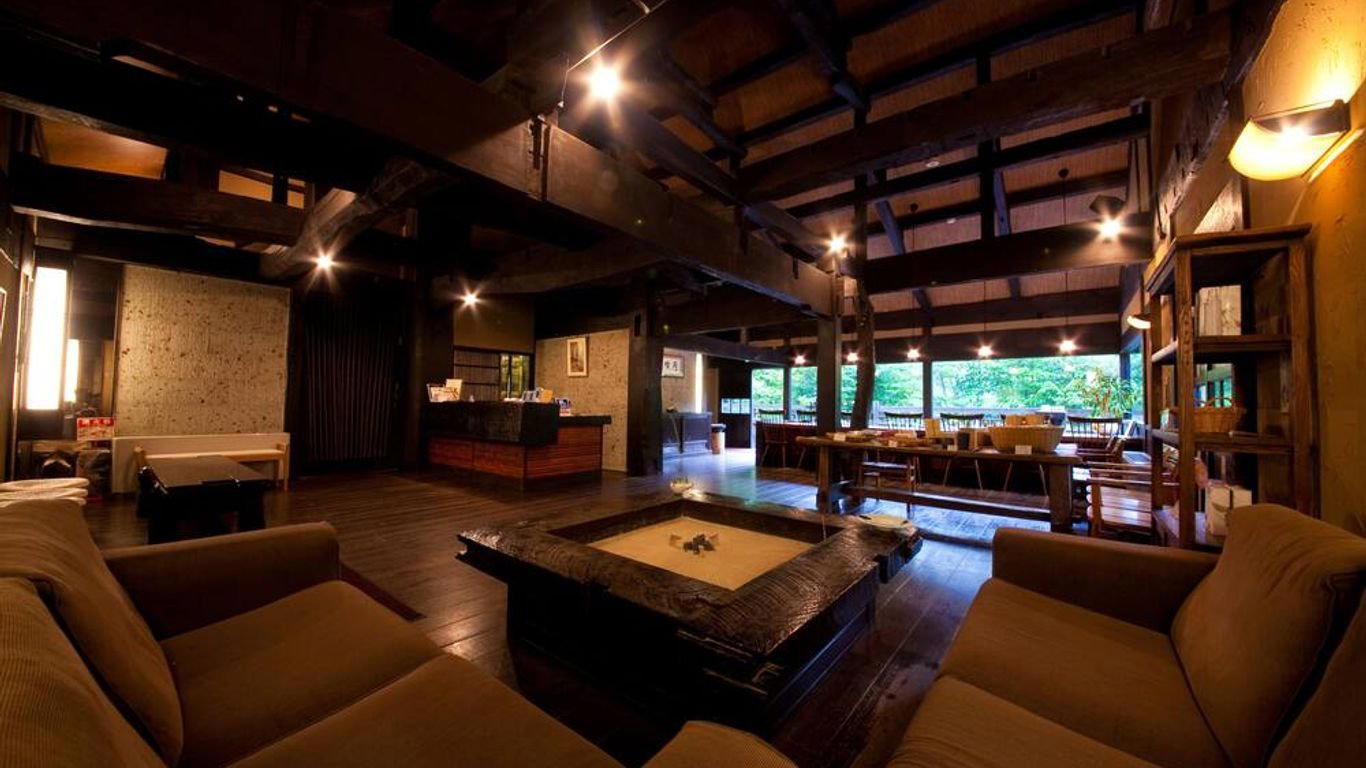
The restaurant offers two distinct seating environments: a counter and a tatami room. The counter accommodates guests from 16:00, with a second seating from 19:00. The tatami room opens at 19:00 only. Both spaces begin simultaneously from the 19:00 service, which means the kitchen is coordinating across formats at that hour. The sunken seating listed in the facilities suggests the tatami room includes horigotatsu-style arrangements, a practical concession to guests who find extended floor-level sitting uncomfortable while maintaining the visual register of a traditional Japanese room.
Private rooms are available for parties of two, four, six, or eight, and the restaurant can accommodate private use for up to 20 people. That range makes it functional for business dinners and family occasions alike; the venue's Tabelog record specifically cites business and family settings as recommended occasions. Children are welcome, which is less common in higher-end kappo, and the non-smoking environment is consistent across the space. Four parking spaces across two locations (adjacent to the restaurant and under the nearby refined railway) are available, which matters in a city where the majority of guests arriving from outside the prefecture will likely drive or arrive by hired car from Nakatsu Station.
Award Consistency and What Eight Consecutive Bronze Awards Indicate
Aji Arai has held Tabelog Bronze recognition every year from 2019 through 2026, a run of eight consecutive awards. It has also been selected for the Tabelog Japanese Cuisine WEST 100 in 2021, 2023, and 2025. The current Tabelog score sits at 4.35. These numbers are worth reading carefully: Tabelog's scoring is crowdsourced but weighted toward verified reviews, and Bronze-level sustained recognition in a regional city is a different signal than a single-year listing in a major metropolitan market.
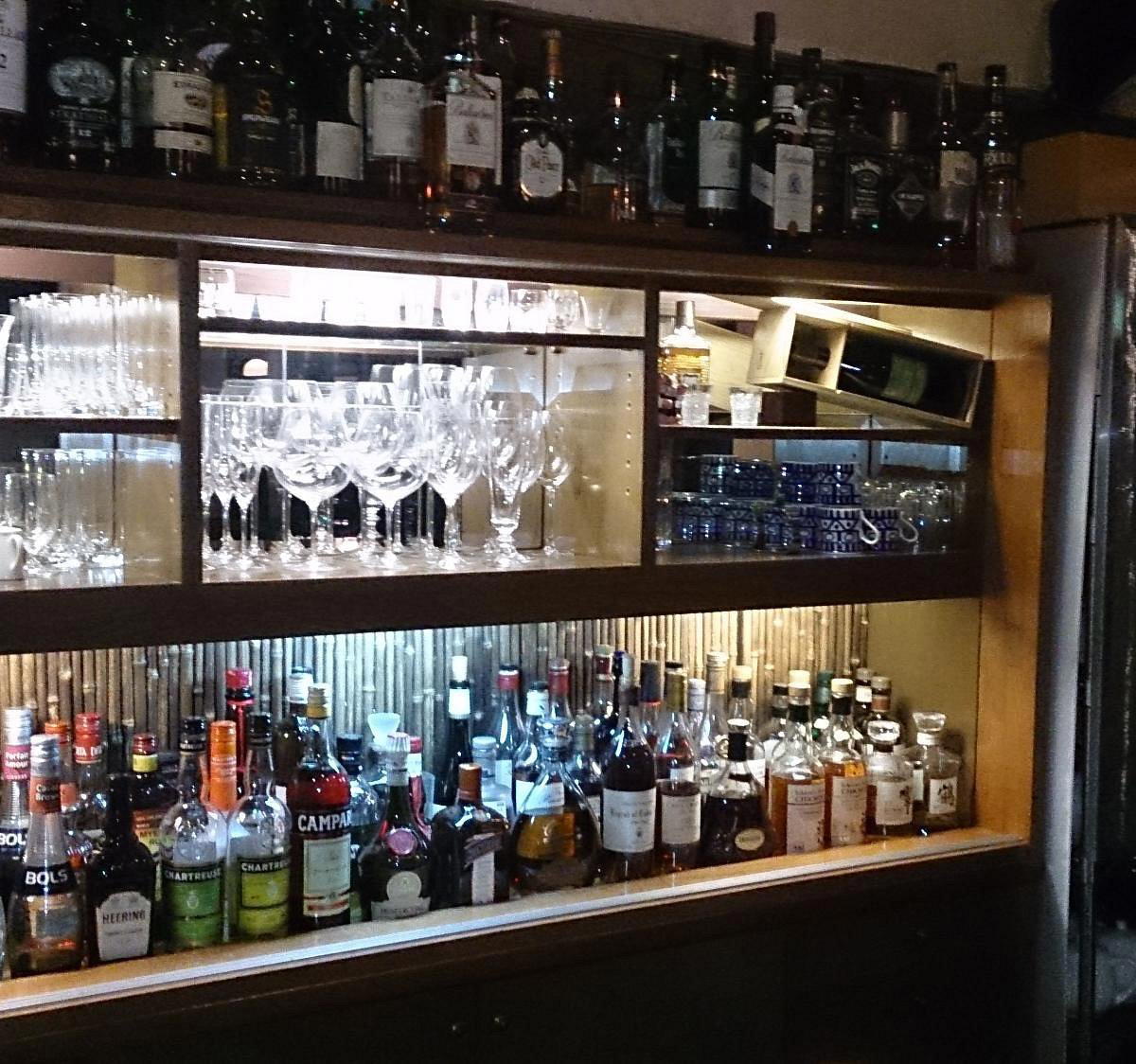
The review-based average spend of JPY 20,000–29,999 running above the listed price range of JPY 15,000–19,999 is also informative. The gap typically reflects drink spend, which at a kappo counter with sake, shochu, and wine available can add meaningfully to a base food bill.
In comparative terms, this price tier sits below the leading Kyushu counters in Fukuoka or the flagship kappo venues in Osaka such as HAJIME, but it operates with a similar philosophical commitment to product quality. For visitors building a Kyushu itinerary, Aji Arai offers a regional expression of that commitment at a price point that makes multiple visits across a trip viable. See Ito for another Oita dining reference worth considering alongside it.
Getting There and Planning the Visit
Nakatsu Station on the JR Nippo Main Line is approximately a ten-minute walk from the restaurant. Visitors travelling from Fukuoka by limited express can reach Nakatsu in roughly an hour, while those coming from Beppu should allow around 40 minutes by rail. The restaurant operates on a reservation-only basis, which is standard at this level of recognition in regional Japan. Credit cards are accepted across major networks including VISA, Mastercard, JCB, American Express, and Diners; electronic money and QR code payments are not accepted. The kitchen is closed on Sundays, so any itinerary building around a Saturday arrival in the region should factor that in. Guests planning a broader Oita trip can cross-reference our full Oita restaurants guide, along with guides to Oita hotels, Oita bars, Oita wineries, and Oita experiences.
For those building a longer Japan itinerary, Aji Arai sits in an interesting position relative to the wider Tabelog 100 cohort. Venues selected for the Japanese Cuisine WEST 100 tend to attract guests who move between Kyushu and Kansai; adding stops at akordu in Nara, 1000 in Yokohama, or 6 in Okinawa gives a sense of how regional expressions of Japanese fine dining differ in emphasis and product access. Abon in Ashiya offers a further Kansai-region point of comparison. For internationally-minded context on fish-focused fine dining at the highest tier, Le Bernardin in New York City and Atomix in New York City represent different but instructive reference points on how sourcing-led kitchens build reputation across markets.
Frequently asked questions
Would Aji Arai be comfortable with kids?
Yes, the Tabelog record explicitly lists Aji Arai as children welcome, and the tatami room with sunken seating offers a more contained, private environment for families than the open counter. Private rooms accommodate groups of two to eight people, which gives families practical separation from the main dining space. That said, courses run over 2.5 hours, so younger children who struggle with long, multi-course meals may find the format a stretch.
What's the vibe at Aji Arai?
Aji Arai operates as a reservation-only kappo restaurant in Nakatsu, Oita, with two distinct settings: a counter open from 16:00 and a tatami room with sunken seating for the 19:00 sitting. The format is structured and unhurried, services run over 2.5 hours, with a non-smoking policy throughout. Given eight consecutive Tabelog Bronze awards and a score of 4.35, the room draws a mix of local regulars and visitors travelling specifically from outside Oita prefecture.
What awards or recognition does Aji Arai have?
Aji Arai has received recognition including:
What do people recommend at Aji Arai?
The Tabelog record flags the kitchen as 'particular about fish,' which in Kyushu kappo terms signals that sourcing and preparation of seafood is the central commitment rather than a secondary offering. Review-based spending at Aji Arai averages JPY 20,000–29,999 per person at dinner, slightly above the listed menu range of JPY 15,000–19,999, suggesting guests are ordering across the drinks list, sake, shochu, and wine are all available. The restaurant's consistent inclusion in the Tabelog Japanese Cuisine WEST Top 100 (2021, 2023, 2025) points to the fish-led courses as the reason diners return.
A Quick Peer Check
Comparable venues nearby, for context on price, style, and recognition.
| Venue | Cuisine | Price | Awards | Notes |
|---|---|---|---|---|
| Aji AraiThis venue (the venue you are viewing) | Kyushu Kappo | $150–200 | Tabelog Bronze #8 | Not listed |
| Jimgu | Farm-Driven Innovative Japanese | $100–150 | Relais Chateaux Award · Tabelog Bronze #146 | Yufuin |
| Beppu Hirokado | Kaiseki Kappo with Kyushu Ingredients | $150–200 | Tabelog Silver #36 | Horita |
| おおいた花山椒 | Oita Local Japanese Fine Dining | $50–100 | Not listed | Miyako-machi |
| MIYAKO HAMBURG | Japanese Hamburger Steak Grill | $1–10 | Tabelog 100 #98 | Miyako Town |
| Bimi Nakayoshi | Japanese Teishoku / Cafeteria | $1–10 | Tabelog 100 #49 | Higashikasugamachi |
Recognition history
Dated appearances from independent guides and award organizations, with the underlying list record or original source where available.
Tabelog Bronze #8
Tabelog
Full recognition history (3 entries)
Tabelog 100 #70 · No. 70
Tabelog · Tabelog 100 - Japanese cuisine - WEST - 2025
Tabelog Bronze
Tabelog
Details
- Elegant
- Intimate
- Sophisticated
- Quiet
- Special Occasion
- Business Dinner
- Celebration
- Chefs Counter
- Open Kitchen
- Private Dining
- Sake Program
- Local Sourcing
- Farm To Table
- Sustainable Seafood
- Tasting Menu
- Counter Dining
- Set Menu
- Sake
- Shochu
- Wine
- Allergy Accommodating
Current opening hours
- Monday
- 4–10 PM
- Tuesday
- 4–10 PM
- Wednesday
- 4–10 PM
- Thursday
- 4–10 PM
- Friday
- 4–10 PM
- Saturday
- 4–10 PM
- Sunday
- Closed
Hours can change for holidays and private events. Hours as of .
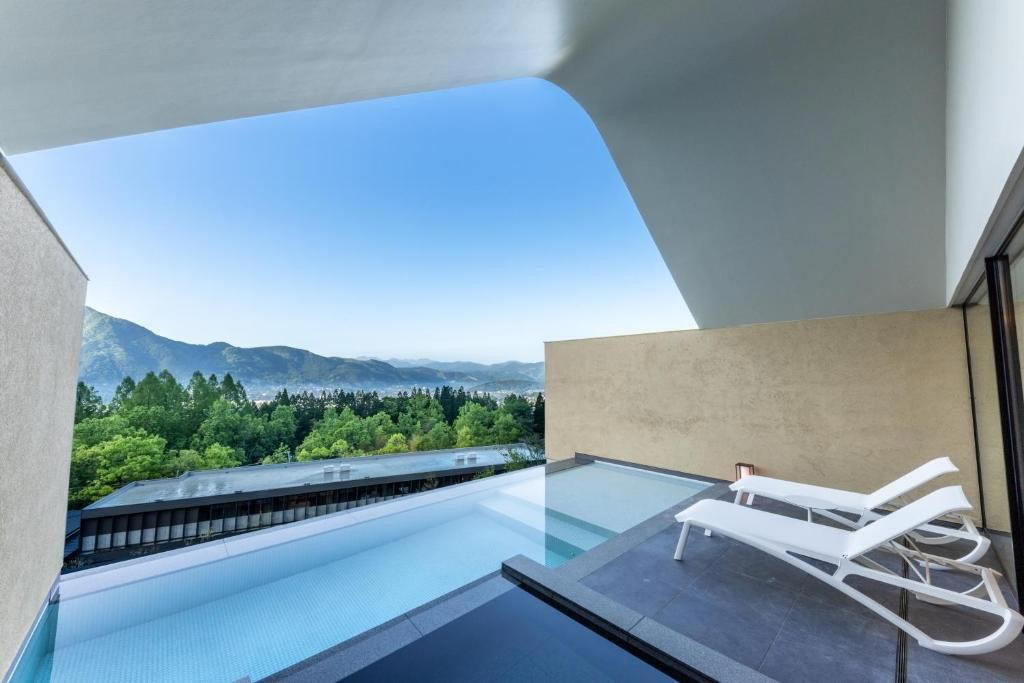
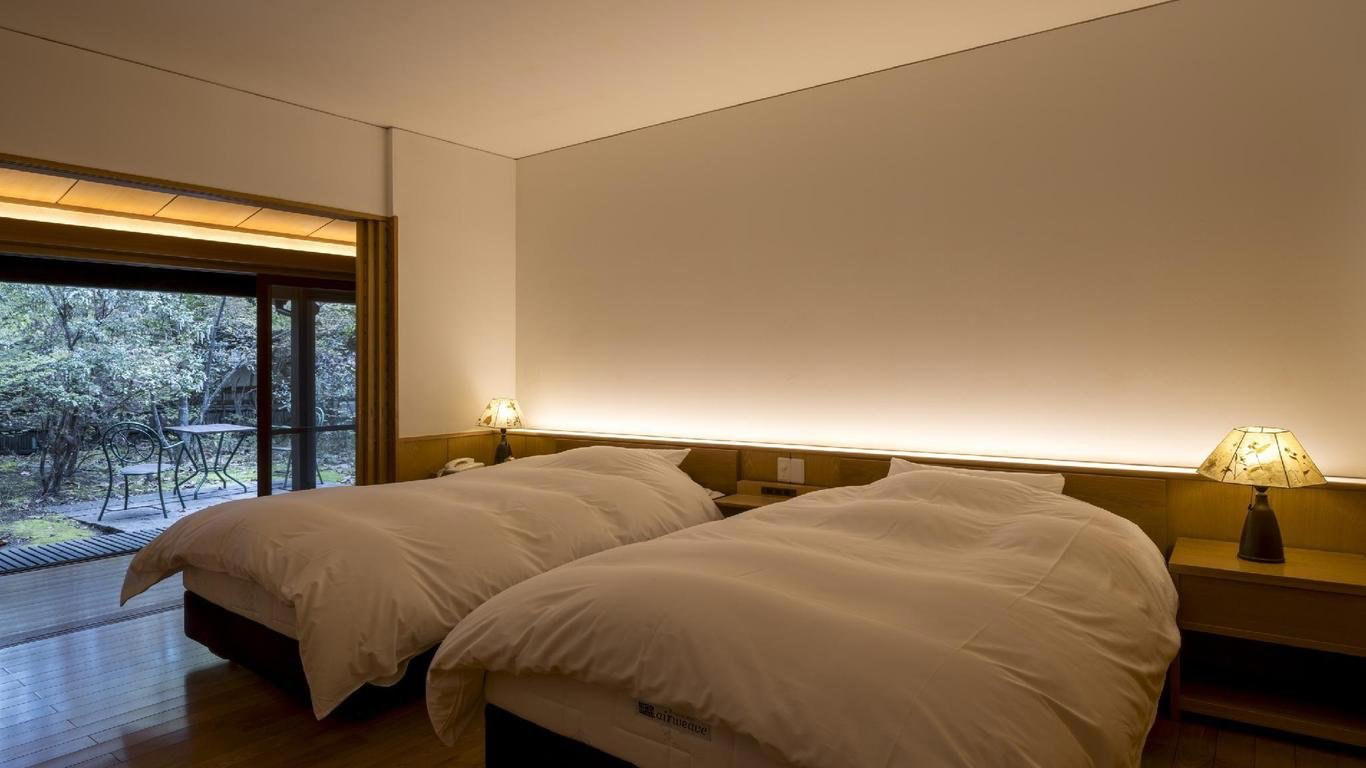
Warm, refined residential setting with polished wood counter and deliberate focus on chef's work; low-key Japanese aesthetic with tatami rooms available for private dining.