

Michelin Plate
Our verdict
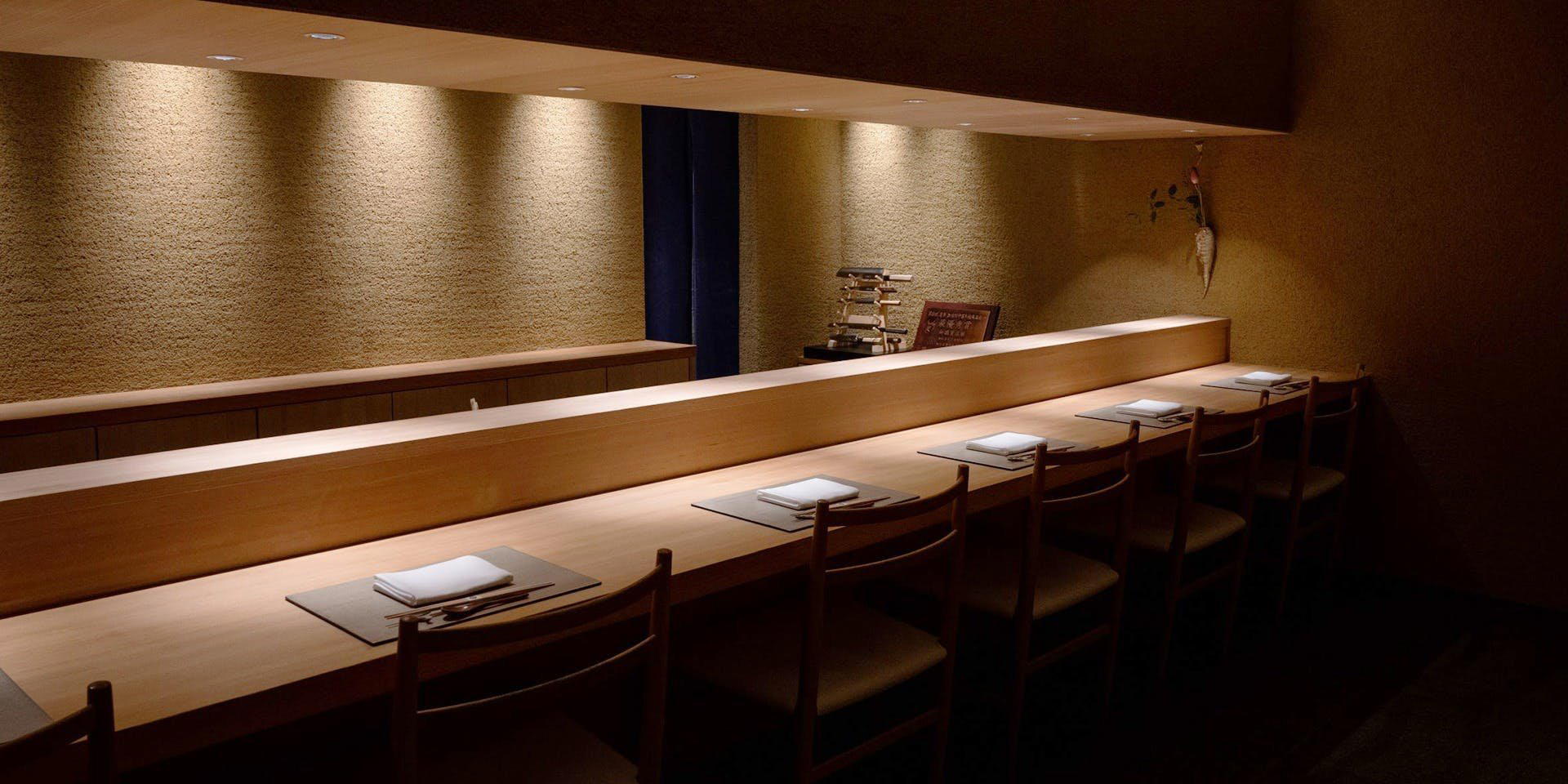
In Kamimeguro, Udatsu Sushi operates at an angle distinct from Tokyo's traditional omakase circuit. Original paintings line the walls, the kitchen incorporates tempura techniques into nigiri construction, and the 2025 Michelin Plate signals enough craft to warrant attention without the three-month booking sprint.

Pearl is the En Primeur Club membership app, where members save venues, book tables and use the concierge.
The menu
What to order
- Double uni sushi
- Smoked salmon sushi
- Sea urchin with fried nori
A Sushi Counter That Doubles as a Gallery
Most of Tokyo's sushi conversation orbits counters in Ginza, Akasaka, or the quieter reaches of Minami-Aoyama, rooms defined by pale cedar, low lighting, and a studied absence of visual distraction. Udatsu Sushi, in the Kamimeguro neighbourhood of Meguro, takes a different position. Paintings by working artists occupy the walls of the dining room, giving the space the feel of a mid-size contemporary gallery that also happens to serve some of Tokyo's more interesting nigiri. That decision, to treat the physical container as actively expressive rather than reverentially neutral, separates Udatsu from the mainstream omakase format before a single piece of fish is cut.
The design logic here is worth reading as an editorial statement about where sushi is heading. The traditional counter aesthetic emerged from the same philosophy that governs edomae technique itself: remove anything that competes with the fish. Udatsu's approach proposes an alternative, that colour, visual stimulus, and a sense of cultural production can coexist with precise seafood work without diminishing either. For a city in which sushi room design has been largely codified for decades, that is a considered departure, not a casual one.
Technique at the Intersection of Tradition and Experimentation
The nigiri program at Udatsu does not abandon foundational edomae principles. Knife work, rice temperature, and the sequencing of a meal through lighter to richer cuts follow the logic that Tokyo's serious sushi counters have refined across generations. What changes is a willingness to borrow from adjacent Japanese cooking traditions, notably tempura, and apply those methods to specific components. Sea urchin paired with fried nori is a representative example from the 2025 Michelin documentation: a familiar luxury ingredient made structurally more interesting through a frying technique that introduces texture and a different delivery of flavour without masking the uni beneath it.
This kind of cross-technique work sits within a broader movement in Tokyo dining. Counters that hold three and four Michelin stars, Harutaka, Sukiyabashi Jiro Roppongiten, Sushi Kanesaka, have built their authority on a different model: incremental refinement within strict stylistic parameters. Udatsu operates at a price tier below those rooms (¥¥¥ rather than ¥¥¥¥) and with a creative vocabulary that points in a different direction. It shares more with counters that treat sushi as an open framework than with those that treat it as a closed canon.
Side dishes extend that range further. Herb rolls and smoked tuna preparations, alongside vegetable-forward constructions, broaden the menu beyond a pure nigiri sequence. These additions allow the kitchen to express more register, seasonal produce, lighter acidic elements, smoke, without those flavours appearing in the nigiri itself, which preserves the integrity of the core program while giving the meal more structural variety.
Kamimeguro as Context
The neighbourhood matters. Kamimeguro is not a district that carries significant fine-dining weight compared with Ginza or Azabu-Juban, but it has developed a coherent identity around independent restaurants, wine bars, and creative-class tenants over the past decade. A sushi counter with gallery walls and ¥¥¥ pricing fits that environment precisely. It speaks to a diner who takes food seriously but does not require the full ceremony, the neutral room, the reverent silence, the ¥¥¥¥ commitment, that Tokyo's top-tier omakase counters demand.
For visitors who want to read Tokyo's sushi scene in full, Udatsu provides a useful reference point at the experimental end of the spectrum, while counters like Edomae Sushi Hanabusa and Hiroo Ishizaka occupy more traditional stylistic positions. The contrast between them is instructive, not a question of quality hierarchy but of different answers to what sushi in a contemporary city can be. Tokyo's sushi scene has enough critical mass that both approaches sustain serious operations simultaneously, which is one reason the city remains the most important reference point in the world for the format.
Beyond sushi, Tokyo's dining range extends to kaiseki and innovative multi-course formats, consult our full Tokyo restaurants guide for a mapped overview. For broader Japan, the same creative tension between tradition and experimentation appears in different forms at HAJIME in Osaka, Gion Sasaki in Kyoto, akordu in Nara, Goh in Fukuoka, 1000 in Yokohama, and 6 in Okinawa. And for those tracking Tokyo-style sushi counters operating outside Japan, Sushi Shikon in Hong Kong and Shoukouwa in Singapore both repay attention.
Know Before You Go
Planning Notes
- Address: 2 Chome-48-10 Kamimeguro, Meguro City, Tokyo 153-0051
- Price tier: ¥¥¥, mid-range by Tokyo sushi standards; meaningfully below ¥¥¥¥ omakase counters
- Recognition: Michelin Plate, 2025 Guide
- For the full Tokyo picture: Hotels · Bars · Wineries · Experiences
Frequently asked questions
Is UDATSU SUSHI award-winning?
UDATSU SUSHI has received recognition including: A fresh intersection between sushi and art. The walls of this modern space are hung with paintings by artists, giving the feeling of dining in a gallery. Bright and colourful side dishes include herb rolls, smoked tuna and veggie rolls. Nig….
What should I eat at UDATSU SUSHI?
The kitchen's most distinctive output sits where edomae foundations meet tempura technique. The 2025 Michelin documentation specifically cites sea urchin with fried nori as a signature piece, a textural contrast that sets Udatsu apart from straightforward nigiri counters. Smoked tuna and herb rolls anchor the side dish program, adding colour and range before the nigiri sequence.
Where is UDATSU SUSHI in Tokyo?
UDATSU SUSHI is located at 2 Chome-48-10 Kamimeguro, Meguro City, Tokyo 153-0051, Japan, Tokyo.
What's the best way to book UDATSU SUSHI?
Udatsu holds a 2025 Michelin Plate in one of the world's most competitive sushi cities, which means demand reliably outpaces walk-in availability. Reservations through a hotel concierge or a Tokyo dining booking service such as Tableall or Omakase are the most reliable routes, particularly for overseas visitors without a Japanese phone number on file.
A Quick Peer Check
A compact comparison to help you place this venue among nearby peers.
| Venue | Cuisine | Price | Awards | Notes |
|---|---|---|---|---|
| UDATSU SUSHIThis venue (the venue you are viewing) | Modern Omakase Sushi | $200–300 | Michelin Plate | Not listed |
| Harutaka | Edo-Style Omakase Sushi | $200–300 | 3 Michelin Stars · World's 50 Best #76 | Sushi |
| RyuGin | Modern Kaiseki | $500+ | 3 Michelin Stars · World's 50 Best #41 | Kaiseki, Japanese |
| L'Effervescence | Modern French with Japanese Influences | $200–300 | 3 Michelin Stars · World's 50 Best #69 | French |
| HOMMAGE | Modern French with Japanese Influences | $150–200 | 2 Michelin Stars · World's 50 Best #78 | Innovtive French, French |
| MAZ | Innovative Peruvian-Japanese Fusion | $150–200 | 2 Michelin Stars · World's 50 Best #28 | Innovative |
Recognition history
Dated appearances from independent guides and award organizations, with the underlying list record or original source where available.
Michelin Plate
Michelin
Opinionated About Dining Top Restaurants in Japan Recommended
Opinionated About Dining
Full recognition history (3 entries)
Michelin Plate
Michelin
Continue exploring
More in Tokyo
Restaurants in Tokyo
All restaurants in Tokyo →
Bars in Tokyo
All bars in Tokyo →
Details
- Modern
- Intimate
- Elegant
- Trendy
- Date Night
- Special Occasion
- Chefs Counter
- Sake Program
- Omakase
- Counter Dining
- Sake
- Vegetarian Friendly
Current opening hours
- Monday
- 12–2 PM, 6–11 PM
- Tuesday
- 12–2 PM, 6–11 PM
- Wednesday
- 12–2 PM, 6–11 PM
- Thursday
- 12–2 PM, 6–11 PM
- Friday
- 12–2 PM, 6–11 PM
- Saturday
- 11 AM–3 PM, 6–11 PM
- Sunday
- 11 AM–3 PM, 6–11 PM
Hours can change for holidays and private events. Hours as of .
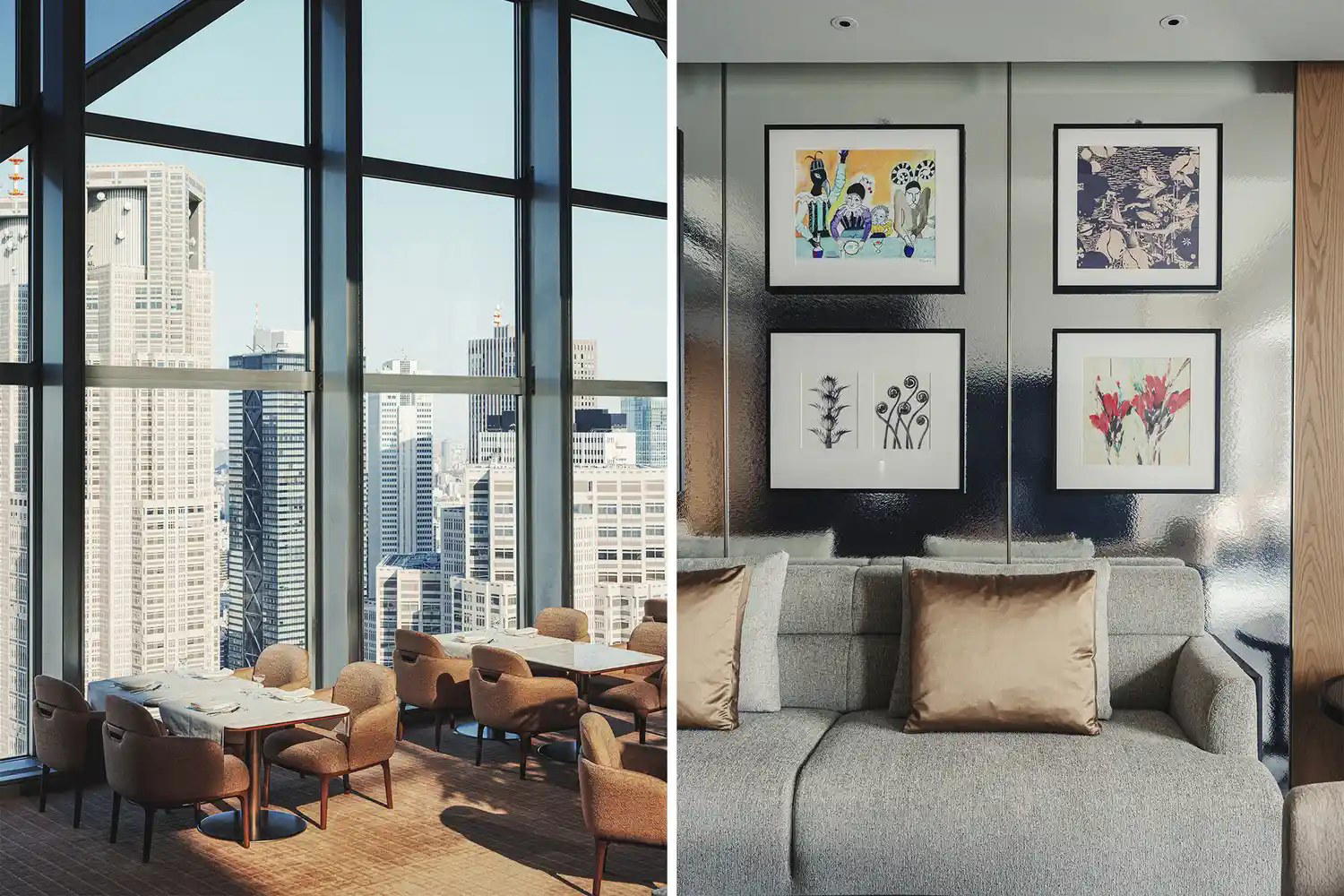
Serene and intimate atmosphere with contemporary art, background music, and a relaxed yet sophisticated dining vibe.