Google: 4.6 · 85 reviews
.png)

A Michelin Plate Japanese restaurant on the second floor of a quiet Akasaka building, Akasaka Watanabe earns loyalty through ritual as much as cooking. Sesame ground tableside, karasumi shaved to order, and rice sourced from the chef's family farm in Niigata are the touchstones regulars return for. At the ¥¥¥ price tier, it occupies a considered middle ground in Tokyo's kaiseki-adjacent dining scene.

Pearl is the En Primeur Club membership app — saves, bookings, and concierge access live there. Same editors, same standards.

What the Regulars Know About Akasaka Watanabe
There is a particular kind of Tokyo restaurant that tourists rarely discover and regulars guard with quiet possessiveness. The second-floor room on a residential stretch of Akasaka's 2-chome fits that description precisely. You climb the stairs to find Yujiro Watanabe in white, bow tie fastened, already mid-greeting before you've set your bag down. The atmosphere is not theatrical in the way of destination kaiseki counters — there is no silent reverence, no hushed orchestration of courses. The conversation is lively, deliberately so, and the service philosophy driving that energy is stated plainly: delicious, fun, and welcoming. For the clientele who come back season after season, that tone is as much the point as the food.
Ritual as the Real Menu
What distinguishes the experience at Akasaka Watanabe from comparable ¥¥¥-tier Japanese restaurants in the city is the degree to which shared ritual anchors the meal. Three moments in particular have become the unwritten contract between kitchen and regular: the grinding of sesame in a large bowl, the tableside shaving of karasumi (salted and dried grey mullet roe), and the staging of the kitchen itself as a kind of performance space. These are not elaborate theatrical flourishes in the manner of molecular gastronomy or multi-component presentations. They are slower, more deliberate acts that ask the guest to pay attention, and they reward that attention with something closer to participation than spectatorship.
Among Tokyo's Japanese restaurants, this kind of interactive tableside preparation sits in an interesting tradition. It gestures toward the communal warmth of izakaya without the informality, and toward the precision of kaiseki without the distance. The result is a middle register that Akasaka Watanabe has clearly made its own, judging by the loyalty it generates at a relatively compact guest count. At a 4.7 rating across 64 Google reviews, the feedback skews toward exactly this quality: the sense that the meal was conducted with and for the guest, not simply in front of them.
Provenance That Traces to Family
Tokyo's better Japanese restaurants increasingly differentiate through ingredient sourcing, and traceability has become a credible signal of kitchen intent. Akasaka Watanabe's rice comes from Niigata Prefecture, produced by the chef's sister and her husband. That detail matters beyond its sentimental value. Niigata is one of Japan's most respected rice-producing regions, and the family connection makes the supply chain about as transparent as it gets in a restaurant context. Rice in a Japanese meal, particularly in a dish like sea bream chazuke (green tea poured over rice), is not a background element. When the chazuke arrives here, its lineage is known, and regulars who understand that tend to treat it accordingly.
The chazuke itself carries additional meaning: it is described as a legacy from the chef's mentor, which places it in the category of dishes that carry institutional memory. Across Tokyo's Japanese dining scene, dishes of this kind function differently from seasonal specials or creative one-offs. They are the things regulars order without looking at the menu, and the things that anchor a chef's identity across years of changing rosters.
Where Akasaka Watanabe Sits in the Broader Scene
Akasaka as a district occupies a specific position in Tokyo's restaurant geography: government-adjacent, corporate in character, with a dining scene historically oriented toward expense-account kaiseki and traditional Japanese formats rather than the more experimental energy you find in Shimokitazawa or the concentrated luxury of Ginza. Within that context, a ¥¥¥-tier Japanese restaurant with Michelin Plate recognition in 2024 and 2025 sits in a coherent and well-occupied tier.
For comparison: the city's ¥¥¥¥ Japanese tier includes counters like Myojaku and kaiseki institutions like Azabu Kadowaki and Kagurazaka Ishikawa, where formality and price bracket signal a different kind of occasion. Akasaka Watanabe's ¥¥¥ positioning and its emphasis on warmth and participation rather than ceremony place it outside that peer set and into a different one: restaurants where the quality is evident but the experience is calibrated for return visits rather than milestone dinners. Ginza Fukuju and Jingumae Higuchi represent comparable registers worth considering if you're mapping Tokyo's mid-to-upper Japanese dining tier.
The Michelin Plate designation, held across two consecutive years, confirms the kitchen's consistency without placing it in the starred conversation occupied by counters like RyuGin or Den in the innovative Japanese category. That is an honest and appropriate position: the cooking here is precise and purposeful, but the restaurant's primary claim on your attention is not technical ambition so much as the coherent, repeatable experience it delivers.
Planning Your Visit
Akasaka Watanabe is located at 2 Chome-17-59 in Akasaka, Minato City, on the second floor of the Espoir Akasaka building. Given the size of the space and the intimacy of the format, booking ahead is advisable, particularly for weekend evenings when the corporate district's dining rhythm peaks. The ¥¥¥ price tier places it within accessible range for a considered dinner out rather than a special-occasion commitment, though the quality of the sourcing and the ritual elements make it feel more deliberate than the price point might suggest. Walk-ins would be a risk rather than a strategy at a restaurant of this kind.
For a fuller picture of what Tokyo's dining scene offers across categories and price tiers, our full Tokyo restaurants guide covers the range. If you're extending the trip, our Tokyo hotels guide, bars guide, and experiences guide map the city's other dimensions. Japan's dining culture extends well beyond Tokyo: HAJIME in Osaka, Gion Sasaki in Kyoto, Isshisoden Nakamura in Kyoto, Kashiwaya Osaka Senriyama, akordu in Nara, Goh in Fukuoka, 1000 in Yokohama, and 6 in Okinawa each represent a different facet of the country's depth in this category.
Cuisine and Recognition
A small comparison set for context, based on the venues we track.
| Venue | Cuisine | Awards | Notes |
|---|---|---|---|
| Akasaka Watanabe | Japanese | Dressed in white and sporting a bow tie, Yujiro Watanabe greets his guests with… | This venue |
| Harutaka | Sushi | Michelin 3 Star | Sushi, ¥¥¥¥ |
| RyuGin | Kaiseki, Japanese | Michelin 3 Star | Kaiseki, Japanese, ¥¥¥¥ |
| L'Effervescence | French | Michelin 3 Star | French, ¥¥¥¥ |
| HOMMAGE | Innovtive French, French | Michelin 2 Star | Innovtive French, French, ¥¥¥¥ |
| MAZ | Innovative | Michelin 2 Star | Innovative, ¥¥¥¥ |
At a Glance
- Intimate
- Elegant
- Quiet
- Sophisticated
- Hidden Gem
- Special Occasion
- Date Night
- Business Dinner
- Celebration
- Family
- Chefs Counter
- Open Kitchen
- Private Dining
- Sake Program
- Local Sourcing
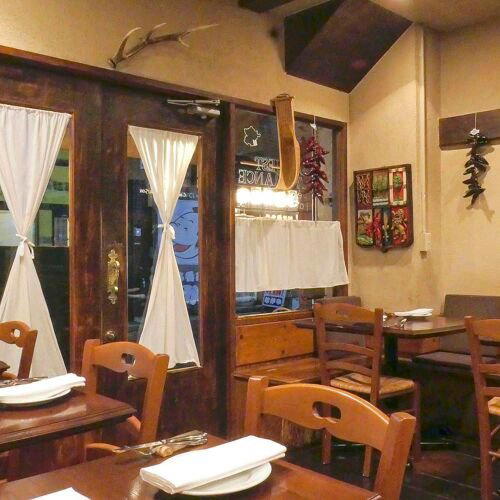
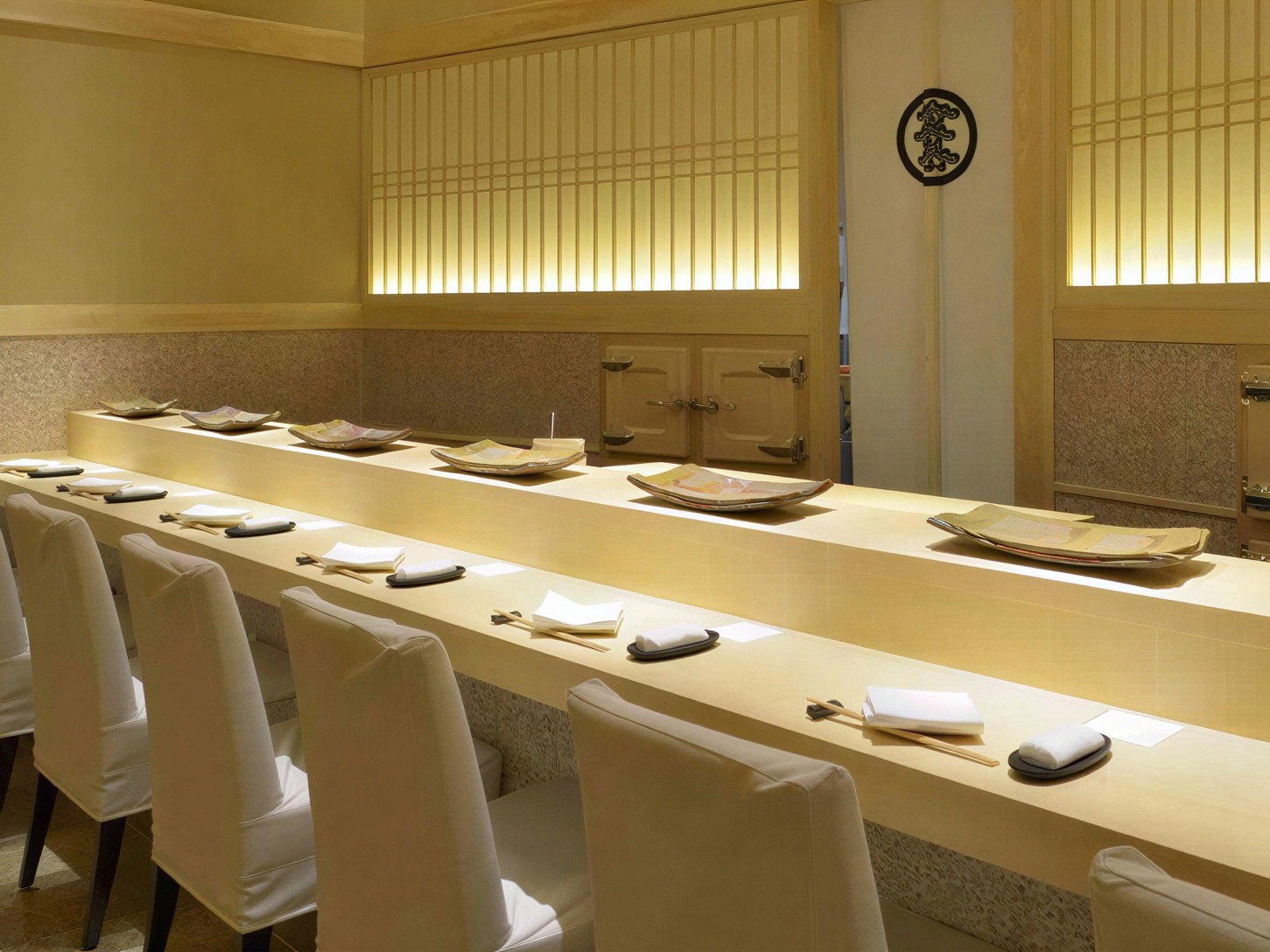
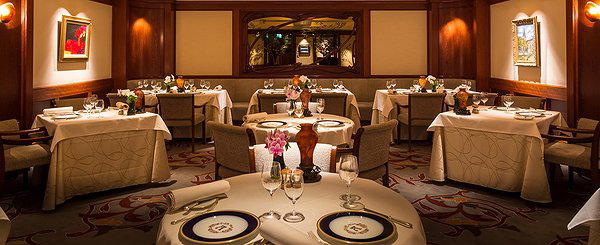
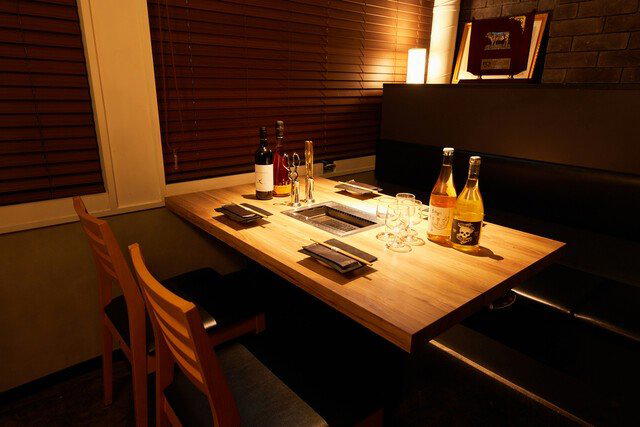
Intimate 8-seat cypress counter with soft, clarity-focused lighting designed to showcase each plate; serene residential setting away from bustling streets with low-to-moderate acoustic levels supporting natural conversation and direct chef interaction.