



2 Michelin Stars · La Liste Top Restaurants · Tabelog 100 #20
Our verdict
Sukiyabashi Jiro Roppongiten places the Jiro lineage inside Roppongi’s international dining circuit rather than Ginza’s old-money sushi theatre. The draw is a disciplined eight-seat counter led by Takashi Ono, with Michelin two-star recognition in 2024 and 2025, La Liste scores, OAD Japan placement, and repeated Tabelog sushi selections anchoring its credibility.

Pearl is the En Primeur Club membership app, where members save venues, book tables and use the concierge.
The menu
What to order
- Tuna progression
- Uni
- Ikura
- Smoked bonito
- Kuruma ebi
Tokyo changes the temperature of serious dining before the first course is served. Some rooms trade on ritual, silence, and inherited formality; other dining rooms bring a more international current, with visitors who arrive with sharper questions about sourcing than protocol. Sukiyabashi Jiro Roppongiten sits in that tension: a highly watched Tokyo restaurant with a familiar name, but in a city where the old script is constantly being translated for a wider audience.
Tokyo’s high-end dining scene now divides into several tribes. There are young rooms chasing creative seasoning, mature restaurants built around repetition and restraint, and polished international-facing rooms where the format has to make sense to diners who may not speak Japanese. This address belongs to the second and third categories at once. The format is restrained, the room is presented as focused, and the reputation depends on discipline rather than novelty.
Tokyo gives the Jiro style a different audience
Location matters in Tokyo because the city shapes expectations from one dining room to the next. Some prestige restaurants sit inside older client networks; others serve a more mixed audience of residents, travellers, and serious diners moving across the city. That does not make the meal less focused. It changes the social frame around it. A restaurant here has to carry formal technique while remaining legible to a broader, more international dining public.
The Jiro name brings an immediate reference point, but the useful comparison is not mythology. It is category. A highly scrutinized Tokyo restaurant with recognition in the Opinionated About Dining 2026 import data operates in a narrow band of serious destination dining. That recognition reinforces the point that Sukiyabashi Jiro Roppongiten is not simply trading on familiarity; it is being read within a competitive contemporary Tokyo field.
The broader point is that Tokyo dining at this level still relies on networks of trust, repetition, and judgment built over years. Public discussion around restaurants like this often turns to sourcing, but the deeper question is how a room converts procurement, timing, and restraint into a coherent meal. In Tokyo, provenance matters; practiced judgment matters more.
The room is restrained, orthodox, and aimed at serious diners
Experience belongs to the focused-dining school rather than the expanded luxury-restaurant model. That scale of ambition changes the meal’s pressure. Service rhythm, temperature, technique, and pacing are not background elements; they are part of the architecture. Tokyo has many dining rooms that add theatre through design or rarity. Here the argument is narrower: a stripped-down sequence, judged by timing and balance rather than decorative excess.
Decision also depends on expectation. This is not positioned as casual dining, nor as a place to choose for spectacle alone. For travellers building a Tokyo dining schedule, it is a restaurant to book for discipline, recognition, and a conservative sense of form rather than for avant-garde reinterpretation. The appeal is less about surprise than about whether a classical format can still feel compelling under contemporary scrutiny.
Against comparison restaurants in the city, the positioning is clear. Sushiya Shota and Fujisushi can be read as different kinds of Tokyo references, while Mitsui and Nishiazabu Sushi Shin sit closer to the same serious-restaurant conversation. Sushi Kimura belongs to another stylistic conversation around mature craft. Sukiyabashi Jiro Roppongiten is not the experimental choice in that set. It is the conservative, high-credentialed Tokyo option for diners who want the Jiro reference point without making novelty the point of the evening.
How to place it in a Tokyo itinerary
The smart way to use this meal is as a dining anchor rather than as one stop in a crowded tasting-menu sprint. Tokyo makes that possible when the rest of the evening is planned with care: a serious restaurant can be the centre of the night, or it can sit within a broader itinerary of hotels, bars, and cultural stops. For a broader read on the city’s dining map, start with Our full Tokyo restaurants guide, then compare nearby or category-adjacent choices with other Tokyo dining rooms and with comparable venues such as Fujisushi, Mitsui, Nishiazabu Sushi Shin, Sushi Kimura, and Sushiya Shota.
Tokyo planning also works better when restaurants are not treated in isolation. The city’s hotel choice affects dining logistics, while bar and experience planning can determine whether a restaurant feels like the centre of the night or a compressed interlude. Use the broader Tokyo hotel, bar, winery, and experience guides to build the surrounding frame. For wider Japan context beyond Tokyo, keep the comparison generic: the national dining landscape ranges from traditional rooms to modern restaurants, casual specialists, and international-facing Japanese restaurants without needing to force every address into the same category.
The critical case for Sukiyabashi Jiro Roppongiten is not that it reinvents the format. It does something more difficult in contemporary Tokyo: it keeps a classical restaurant style commercially relevant in a city that constantly pulls restaurants toward accessibility, branding, and international explanation. For diners choosing between Tokyo dining styles, this is the answer to a specific question: how much weight does restraint, recognition, and disciplined execution still carry when the city’s luxury dining audience has become global?
Frequently asked questions
What style of cooking does Sukiyabashi Jiro Roppongiten do?
Sukiyabashi Jiro Roppongiten is presented here as a serious Tokyo restaurant.
Where do I go for Sukiyabashi Jiro Roppongiten?
Tokyo.
A Quick Peer Check
Comparable venues for context, by category and price tier.
| Venue | Cuisine | Price | Awards | Notes |
|---|---|---|---|---|
| Sukiyabashi Jiro RoppongitenThis venue (the venue you are viewing) | Traditional Japanese Omakase Sushi | $50–100 | 2 Michelin Stars · La Liste Top Restaurants | Not listed |
| Ginza Kojyu | Kaiseki | $200–300 | 2 Michelin Stars · La Liste Top Restaurants | Chūō |
| Ginza Shinohara | Traditional Kaiseki Omakase | $150–200 | 2 Michelin Stars · La Liste Top Restaurants | Chūō |
| Tempura Ginya | Michelin-Starred Tempura Omakase | $300–500 | 1 Michelin Star · Tabelog 100 #38 | Minato |
| Tempura Kondo | Michelin-Starred Edo Tempura | $200–300 | 2 Michelin Stars · La Liste Top Restaurants | Chūō |
| Kikunoi - Tokyo | Kyo-Kaiseki | $150–200 | 2 Michelin Stars · La Liste Top Restaurants | Minato |
Recognition history
Dated appearances from independent guides and award organizations, with the underlying list record or original source where available.
Michelin 2 Stars
Michelin
La Liste Top Restaurants
La Liste
Opinionated About Dining Top Restaurants in Japan Recommended
Opinionated About Dining
Tabelog 100 #20 · No. 20
Tabelog · Tabelog 100 - Sushi - TOKYO - 2025
Full recognition history (10 entries)
La Liste Top Restaurants
La Liste
Michelin 2 Stars
Michelin
Opinionated About Dining Top Restaurants in Japan Ranked #196
Opinionated About Dining
Michelin 2 Stars
Michelin
Opinionated About Dining Top Restaurants in Japan Ranked #189
Opinionated About Dining
Opinionated About Dining Top Restaurants in Japan Ranked #130
Opinionated About Dining
Continue exploring
More in Tokyo
Restaurants in Tokyo
All restaurants in Tokyo →

Bars in Tokyo
All bars in Tokyo →



Details
- Elegant
- Intimate
- Sophisticated
- Minimalist
- Well Known
- Special Occasion
- Solo
- Date Night
- Chefs Counter
- Sake Program
- Sustainable Seafood
- Omakase
- Counter Dining
Current opening hours
- Monday
- 11:30 AM–2 PM, 5:30–9 PM
- Tuesday
- 11:30 AM–2 PM, 5:30–9 PM
- Wednesday
- Closed
- Thursday
- 11:30 AM–2 PM, 5:30–9 PM
- Friday
- 11:30 AM–2 PM, 5:30–9 PM
- Saturday
- 11:30 AM–2 PM, 5:30–9 PM
- Sunday
- 11:30 AM–2 PM, 5:30–9 PM
Hours can change for holidays and private events. Hours as of .
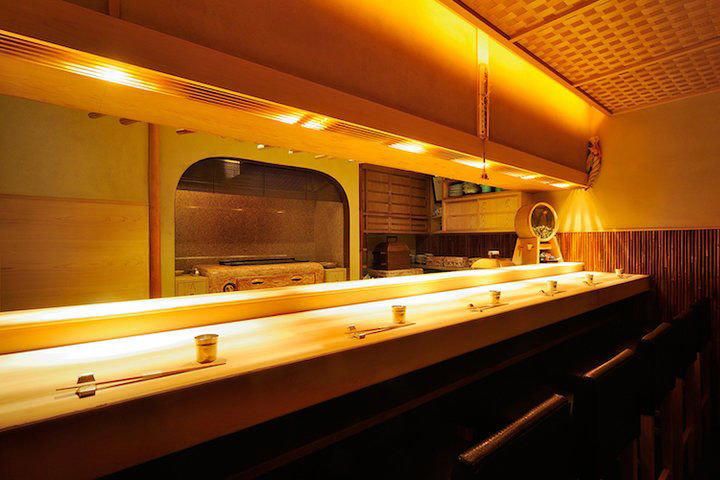
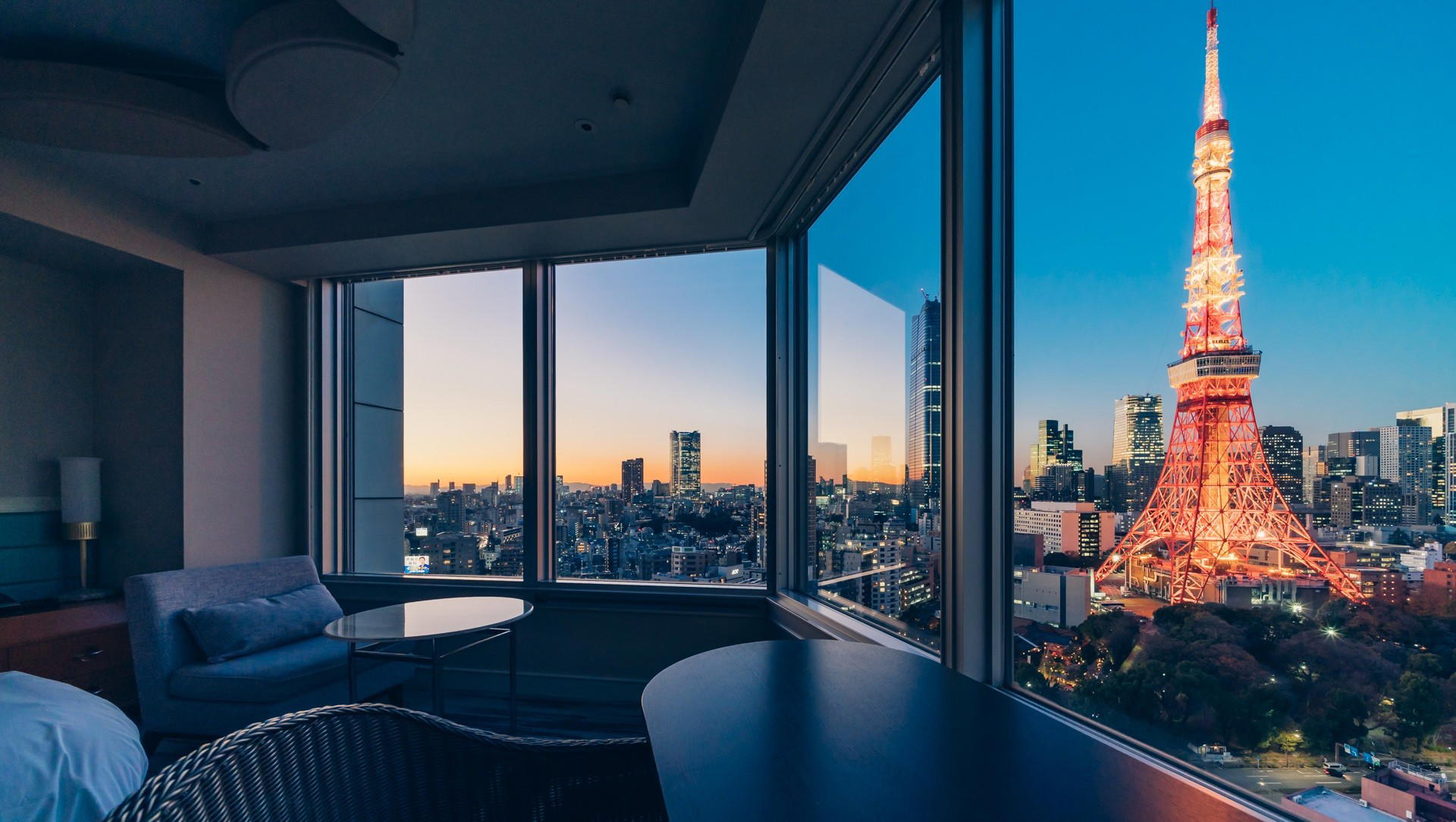
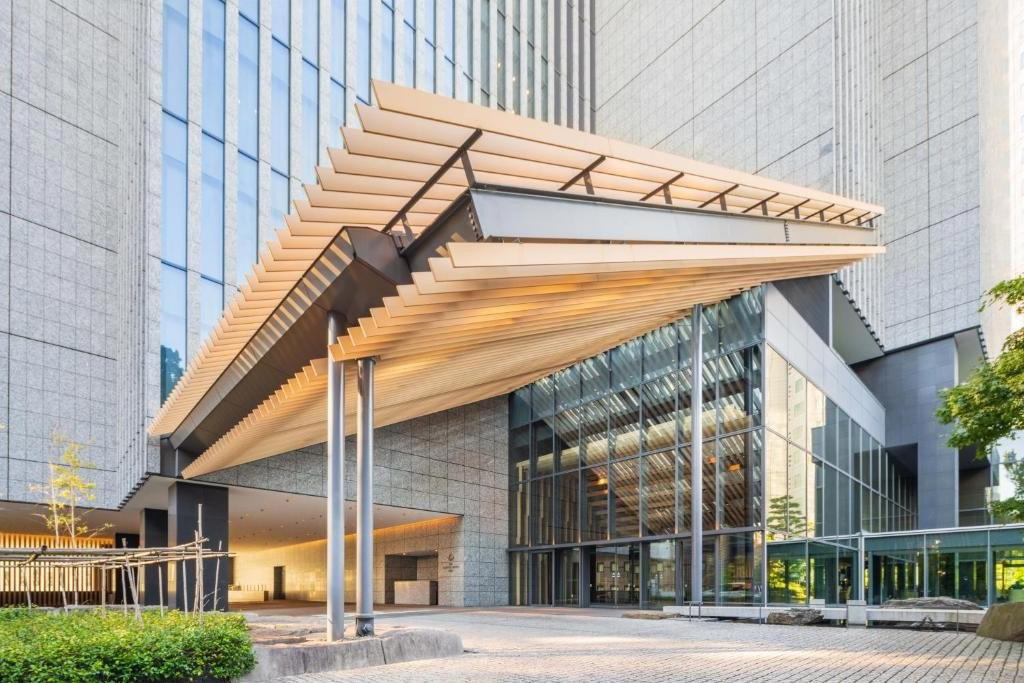
Small, simple, and minimalist counter-only space with an elegant yet focused atmosphere emphasizing precision and the chef's craft.