

A seven-seat kaiseki counter in Akasaka, Akasaka Ogino has earned Tabelog Silver Awards consecutively from 2024 through 2026 and a score of 4.53, placing it among Tokyo's most closely watched Japanese cuisine addresses. Dinner runs JPY 40,000 to 49,999 per person across two seatings, six evenings a week. Reservations are required and the counter fills well in advance.
Pearl is the En Primeur Club membership app — saves, bookings, and concierge access live there. Same editors, same standards.
- Address
- Japan, 〒107-0052 Tokyo, Minato City, Akasaka, 6 Chome−3−13 一階
- Phone
- +81 3-6277-8274
- Website
- akasakaogino.com
- Directions
- Get directions
 Saves & bookings on Pearl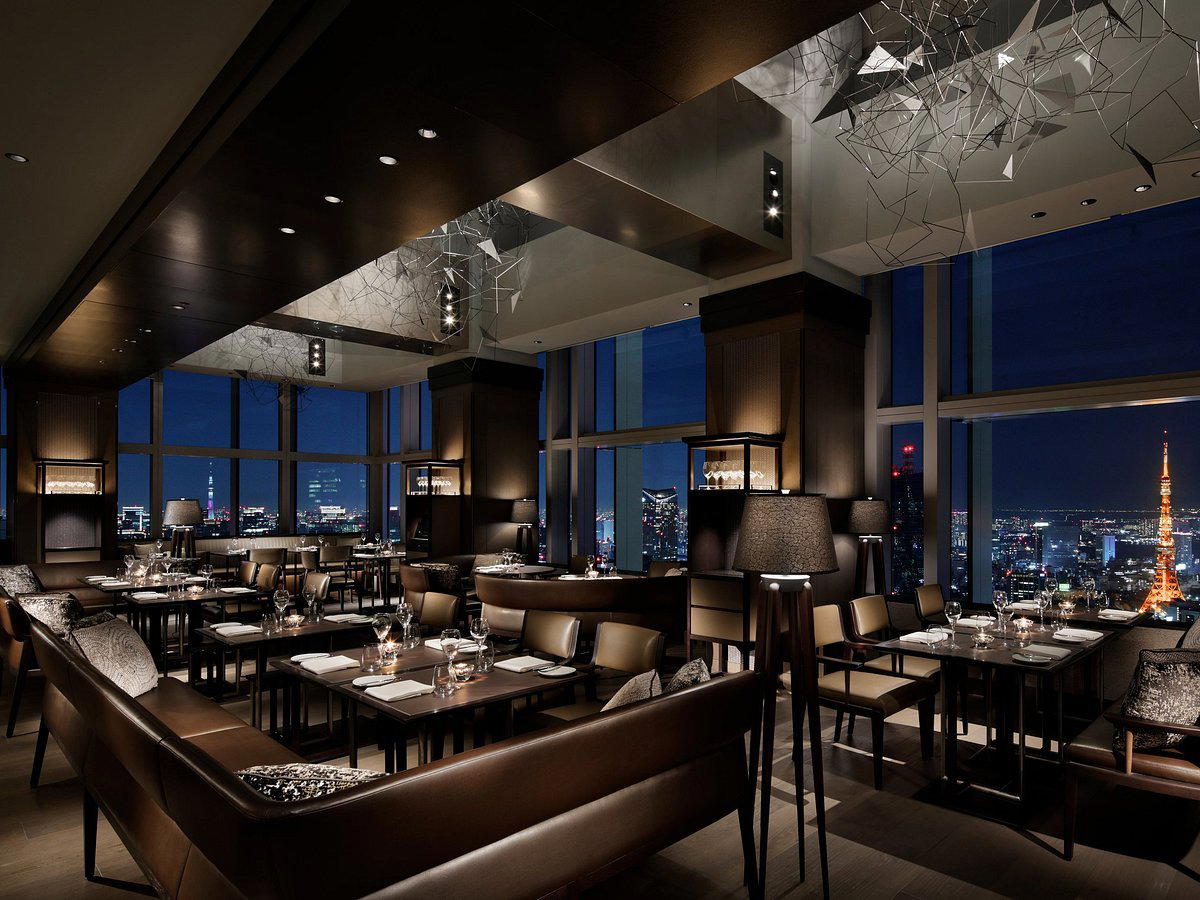
Seven Seats, Two Seatings: The Counter Format That Defines Tokyo Kaiseki at Its Tightest
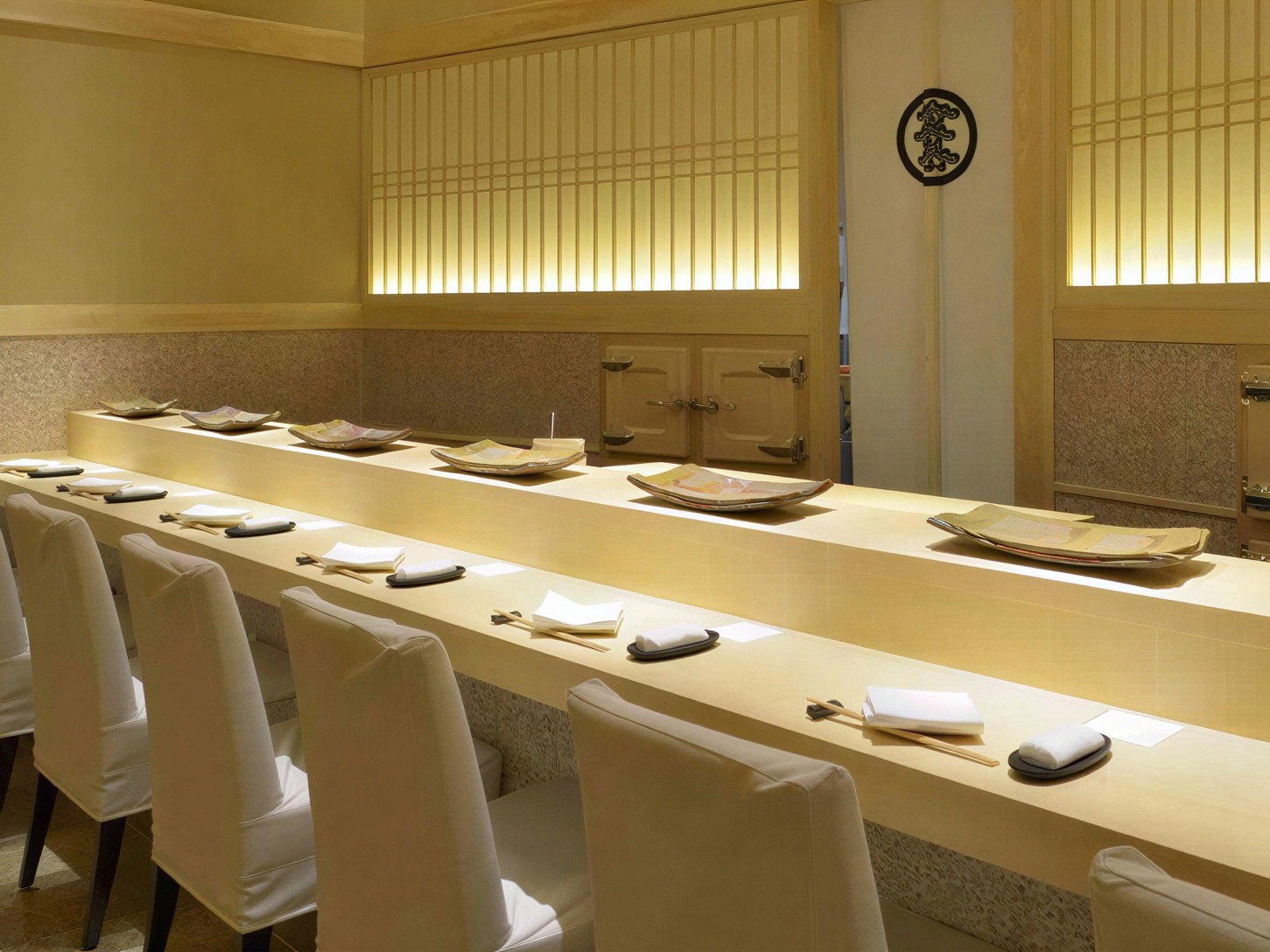
There is a recognisable physical grammar to the serious kaiseki counter in Tokyo. The room is small, the lighting considered, the surfaces spare. Seven guests face a chef whose every gesture is visible, where the distance between kitchen and table has been compressed to nothing. Seven counter seats. Two seatings per evening: 17:30 to 20:00, and 20:30 to 23:00. No private rooms, no overflow tables, no second chances if the timing doesn't suit. The format is not incidental, it is the point. At this scale, kaiseki stops being a series of courses and becomes something closer to a performance with a fixed audience.
Akasaka sits in a particular register of Tokyo's dining geography. It is neither the tourist-facing brightness of Shinjuku nor the conspicuous wealth of Ginza's trophy restaurant blocks. The neighbourhood has long hosted government offices, media companies, and the kind of mid-century private dining rooms that never needed to advertise. A restaurant opening here in March 2020, immediately into the pandemic's earliest disruption, was either an act of confidence or a deliberate long-term bet. Four years later, consecutive Tabelog Silver Awards for 2024, 2025, and 2026, a current score of 4.53, and placement in the Tabelog Japanese Cuisine TOKYO Top 100 in 2021, 2023, and 2025 suggest the bet paid out.
Where Akasaka Ogino Sits in the Tokyo Kaiseki Tier
Tokyo's kaiseki scene has stratified over the past decade into roughly three pricing bands. At the leading, Michelin three-star counters like Kikunoi Tokyo and the Japanese-French registers of places like HAJIME in Osaka or RyuGin command attention as institutional statements. Below them sits a more interesting middle tier: serious practitioners who have built strong peer review records without the full weight of international star machinery behind them. Akasaka Ogino operates in this second tier, dinner averages JPY 40,000 to JPY 49,999, placing it against a competitive set of counters where the primary signal is Tabelog score rather than Michelin stars.
That pricing context matters. At JPY 40,000 to 49,999, you are above the casual kaiseki tier (where JPY 15,000 to 20,000 covers competent but formulaic sequences) and inside the range where seasonal sourcing, specialist fish procurement, and sake program depth are standard expectations rather than differentiators. The kitchen places a specific emphasis on fish quality and a carefully curated sake selection alongside wine. A sommelier is available, and the restaurant accepts BYO arrangements.
For comparison within Tokyo's kaiseki and Japanese cuisine tier, counters like Hirosaku and Ajihiro occupy overlapping territory, while the more contemporary Japanese approaches at Aoyama Jin gesture toward a different register of the same tradition. Across Japan, the kaiseki conversation extends to addresses like Gion Sasaki in Kyoto, Ifuki, and Ankyu, both also in Kyoto, where the tradition is older and the surrounding neighbourhood context quite different from Tokyo's Akasaka.
The Award Trajectory and What It Signals
Tabelog's award structure runs from Bronze through Silver to Gold, with Gold reserved for a small number of restaurants carrying scores above 4.5 with sustained peer validation. Akasaka Ogino progressed from Bronze in 2023 to Silver in 2024 and held Silver through 2025 and 2026, a trajectory that, in Tabelog's framework, reflects not a one-season surge but a consistent accumulation of repeat-diner reviews. The 2026 score of 4.53 puts it within range of the upper Silver tier. The Opinionated About Dining ranking reinforces this reading: Highly Recommended in 2023, ranked 219th in Japan in 2024, and climbing to 148th in 2025. That upward movement over three consecutive years, tracked across two independent review systems, is a more reliable signal than a single award in any one year.
Chef Satoshi Ogino leads the kitchen. In the kaiseki tradition, a chef's name attached to a restaurant carries the implication that the cooking is personal, that seasonal decisions, sourcing relationships, and the composition of each sequence reflect a single sensibility rather than a standardised house style. The seven-seat format reinforces this: at that scale, there is no way to separate the chef from the experience. You are, effectively, watching the decision-making in real time.
Atmosphere and the Physical Experience
The sensory register of a seven-seat counter kaiseki is distinct from almost any other format in fine dining. The sounds are close: the careful arrangement of ceramic, the quiet knife work during prep, the measured conversation between chef and guests that replaces the ambient noise of a full dining room. Fragrance moves differently in a small space, the kitchen's seasonal signals, whether the earthiness of autumn matsutake or the clean cold-water salinity of winter fish, are closer and more immediate than in a room designed to seat forty. Akasaka Ogino's dress code addresses this directly: strong fragrances including perfume are explicitly unwelcome, which is both practical instruction and a statement about what kind of sensory attention the evening requires. The counter is the experience. Everything else, the approach through Akasaka's quieter residential-commercial streets, the ground-floor entry, is preamble.
The drink program adds a further sensory layer. The restaurant's emphasis on sake, described as a specific point of curatorial focus, places it within a tradition where the progression of nihonshu through a kaiseki sequence is as considered as the food itself. Different sake styles, junmai, daiginjo, aged kimoto, interact with dashi, with aged fish preparations, with seasonal vegetables, in ways that wine's acid-tannin structure handles differently. That the restaurant also maintains wine with sommelier support, and accepts BYO, positions it for international guests without abandoning the sake-first logic of the format.
Planning Your Visit
The restaurant is a reservation-only counter with no walk-in capacity. The two seatings, 17:30 and 20:30, are fixed, and the maximum party size is four guests. Given a seven-seat counter, a four-person booking fills more than half the room; smaller parties of one or two are more commonly accommodated. The restaurant is a three-minute walk from Akasaka Station on the Tokyo Metro Chiyoda Line, which makes it direct to reach from central Tokyo without a taxi. No parking is available on-site.
Dinner averages JPY 40,000 to JPY 49,999, plus a five percent service charge. Credit cards are accepted across major networks including VISA, Mastercard, JCB, American Express, and Diners; electronic money and QR code payments are not accepted. The restaurant is non-smoking throughout. The dress code specifies no excessive casual attire and no strong fragrances, both consistent with the format's emphasis on a controlled sensory environment. The kitchen operates Monday through Saturday; Sunday is closed.
For broader Tokyo context, our full Tokyo restaurants guide maps the city's dining by neighbourhood and tier. If you are building a full trip around the city, our Tokyo hotels guide, bars guide, and experiences guide extend the planning. For Japanese fine dining beyond Tokyo, Goh in Fukuoka, akordu in Nara, 1000 in Yokohama, and 6 in Okinawa represent different regional registers of the same seriousness. For contrast in Tokyo's fine dining range, the Bulgari Cafe II and Tokyo wineries listings extend in a different direction entirely.
A Credentials Check
Comparable venues nearby, for context on price, style, and recognition.
| Venue | Cuisine | Price | Awards | Notes |
|---|---|---|---|---|
| Akasaka OginoThis venue — the venue you are viewing | Contemporary Seasonal Kaiseki | $$$$ | Not listed | Not listed |
| Motoazabu Kushima | Modern Japanese Kappo Omakase with Wagyu | $$$$ | Michelin Plate | Minato |
| Shirokane Shin | Modern Japanese Omakase with A La Carte | $$$$ | Michelin Plate | Minato |
| Sushi Ryusuke | Modern Edomae Omakase | $$$$ | Not listed | Chūō |
| Sushi Aoki: Ginza | Edomae Sushi Omakase | $$$$ | Not listed | Chūō |
| Kagurazaka Marutomi | Kaiseki with Iwate Wagyu | $$$$ | Michelin Plate | Shinjuku |
Recognition history
Dated appearances from independent guides and award organizations, with the underlying list record or original source where available.
Opinionated About Dining Top Restaurants in Japan Ranked #94
Opinionated About Dining
Tabelog Silver #97
Tabelog
Opinionated About Dining Top Restaurants in Japan Ranked #148
Opinionated About Dining
Tabelog 100 #82 · No. 82
Tabelog · Tabelog 100 - Japanese cuisine - TOKYO - 2025
Tabelog Silver
Tabelog
Opinionated About Dining Top Restaurants in Japan Ranked #219
Opinionated About Dining
Opinionated About Dining Top Restaurants in Japan Highly Recommended
Opinionated About Dining










At a Glance
- Elegant
- Intimate
- Sophisticated
- Quiet
- Special Occasion
- Celebration
- Chefs Counter
- Open Kitchen
- Sake Program
- Sommelier Led
- Local Sourcing
Current opening hours
- Monday
- 5:30–11 PM
- Tuesday
- 5:30–11 PM
- Wednesday
- 5:30–11 PM
- Thursday
- 5:30–11 PM
- Friday
- 5:30–11 PM
- Saturday
- 5:30–11 PM
- Sunday
- Closed
Hours can change for holidays and private events. Last verified .
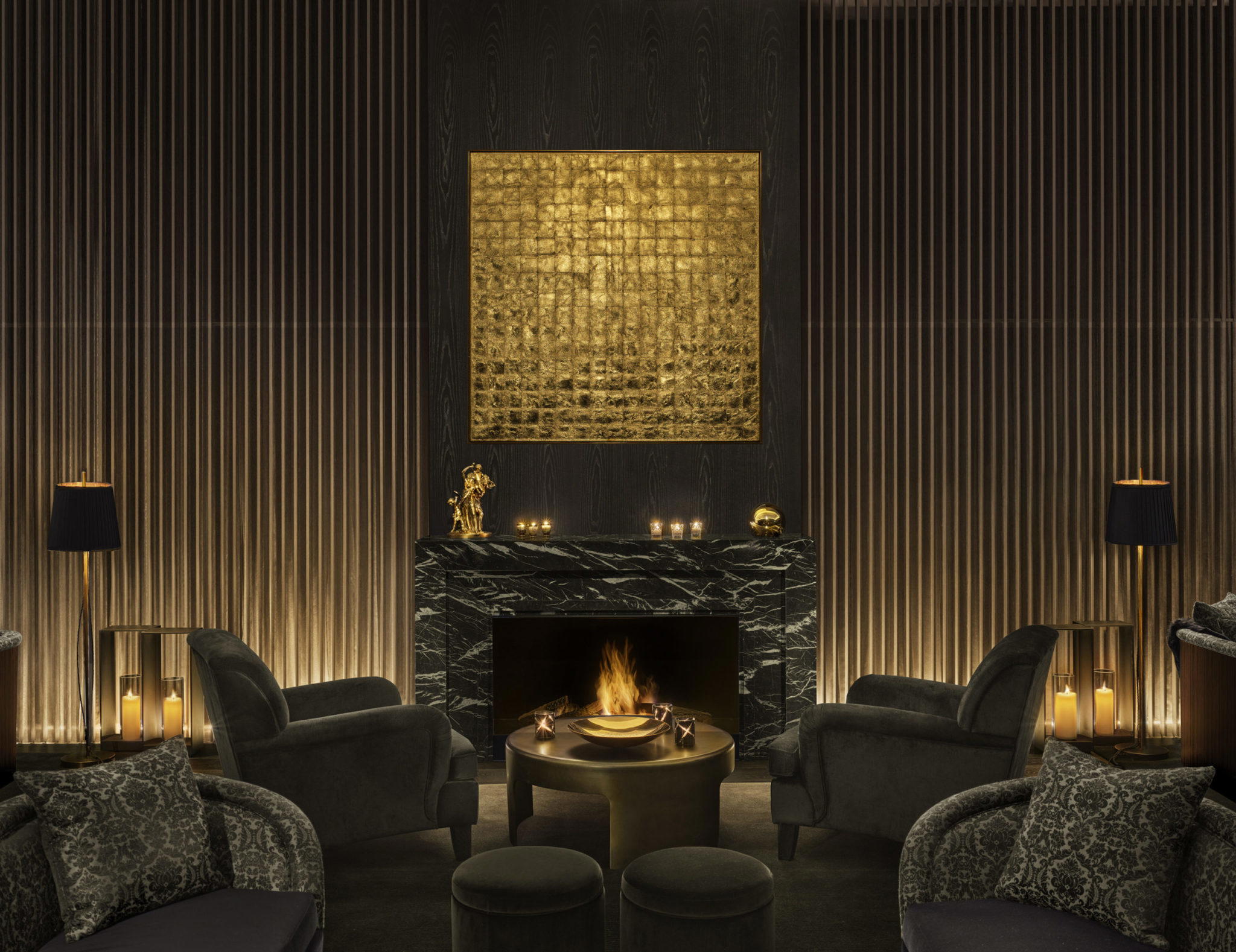
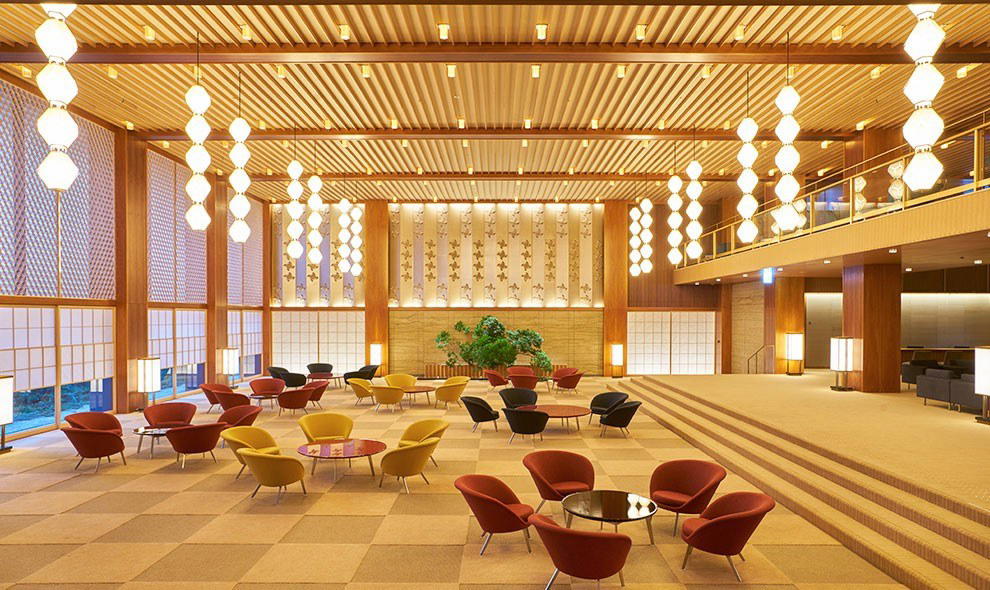
Bright, windowless counter space with traditional Japanese furnishings and modern finish; open kitchen with island grill allows diners to watch chef at work and maintain eye contact; warm and welcoming atmosphere despite elegant setting.