

Ishigaki Yoshida operates from the third floor of a building in Azabu-Juban, Tokyo, bringing a teppanyaki format to one of the city's most considered dining neighbourhoods. Chef Junichi Yoshida leads a counter-focused experience priced in the JPY 20,000 to 29,999 range, with Opinionated About Dining ranking the kitchen among Japan's top 300 restaurants in 2024 and 2025.
Pearl is the En Primeur Club membership app — saves, bookings, and concierge access live there. Same editors, same standards.
- Address
- Japan, 〒106-0045 Tokyo, Minato City, Azabujuban, 2 Chome−8−10 3F
- Phone
- +81 3-6435-3747
- Website
- omakase.in
- Directions
- Get directions
 Saves & bookings on Pearl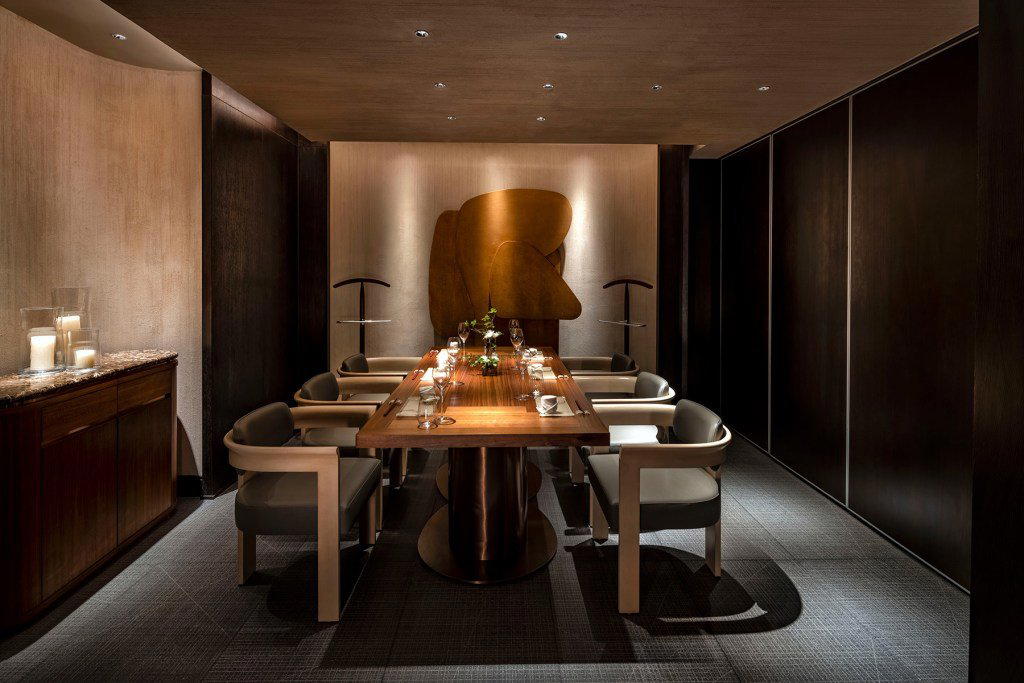
Teppanyaki in Azabu-Juban: Where the Counter Does the Talking
Azabu-Juban sits at an interesting crossroads in Tokyo's dining geography. Close enough to Roppongi to draw an international crowd, yet residential enough to sustain the kind of long-standing neighbourhood restaurants that depend on repeat visitors rather than tourist footfall. The area rewards the guest who looks past the main shopping street and climbs a floor or two. Teppanyaki as a format fits this context well: it demands proximity between kitchen and diner, and works well when the room is small enough that every movement at the iron plate is visible from every seat. Ishigaki Yoshida, on the third floor of a building at 2 Chome-8-10, operates exactly within that logic.
The teppanyaki category in Tokyo spans a wide spectrum. At one end sit the large hotel-based operations with theatrical production values and extensive à la carte menus; at the other, compact counter restaurants where the format is stripped back and the ingredient quality carries the weight. Venues like Ukai-tei Ginza and Ukai-tei Omotesando represent the polished, high-capacity end of the category. Ishigaki Yoshida positions itself differently: smaller in scale, quieter in register, and focused on the counter dynamic that places chef, service team, and guest in close collaboration throughout the meal.
The Counter as a Collaborative Space
The editorial angle at Ishigaki Yoshida is, in the truest sense, the relationship between the people at the plate and the people behind it. Teppanyaki, unlike kaiseki or even sushi, involves a visible performance of timing and heat management. The chef at the iron controls not just the food but the pace of the entire table. When front-of-house operates in sync with that rhythm, reading when to pour, when to explain, when to stay quiet, the experience holds its shape. When that coordination breaks down, even good ingredients produce a disjointed meal.
At this scale of operation, with an evening-only format running Monday through Sunday from 6 pm to 11 pm, the team dynamic is not a background detail. It is the architecture of the service. The drink program, sake, shochu, and wine, requires a front-of-house member who can pace pours against the progression of the iron plate rather than treating the two as separate tracks. This is where smaller counter restaurants at this price tier either distinguish themselves or fall flat. Comparable counter-format venues in Tokyo, including Harutaka in the sushi category, demonstrate how much of the perceived quality of a meal at this level is a product of coordination rather than ingredient alone.
Recognition and Competitive Position
The Opinionated About Dining (OAD) ranking places the restaurant at number 291 among all restaurants in Japan in 2024. OAD rankings aggregate the dining opinions of frequent travellers and food professionals rather than anonymous user reviews, which makes them a useful signal for how a restaurant sits within the serious-dining conversation rather than simply within local popularity metrics.
That position puts the restaurant in a competitive bracket that includes restaurants across multiple cuisine formats. Tokyo's most recognised teppanyaki addresses are measured against kaiseki venues like RyuGin, French kitchens like L'Effervescence, and the broader sushi counter world. Landing inside the top 300 for all of Japan, across all cuisine types, is a signal that the kitchen is operating at a level that serious diners take seriously, even if the format itself does not carry the same institutional weight as a three-star kaiseki room. For teppanyaki specifically, that kind of cross-category recognition is not common. The format tends to be assessed within its own silo; when a teppanyaki counter earns recognition across cuisine types, it usually means the sourcing and execution have moved past what the category baseline requires.
Within the teppanyaki format specifically, Hibana by Koki in Hanoi and JIBUNDOKI in Osaka represent how the format has been interpreted across different regional contexts.
Price Tier and What It Signals
The dinner budget at the restaurant sits in the JPY 20,000 to 29,999 range. In the context of Tokyo's premium counter dining, this places the restaurant at a level where ingredient quality is expected to be high but the pricing has not yet entered the stratosphere occupied by the capital's most expensive omakase or kaiseki addresses. For comparison, three-star sushi counters in Ginza or Azabu routinely price above JPY 40,000 at dinner; the JPY 20,000 to 29,999 bracket is where a well-sourced counter can operate with genuine ambition without requiring the kind of booking infrastructure, years-long wait lists, introduction requirements, that defines the top tier.
Within the teppanyaki format, this pricing also reflects the economics of the iron plate: premium wagyu and seasonal seafood are the primary cost drivers, and a counter of this size has fewer covers per evening to distribute those costs across. The result is a per-head spend that reads as serious-dining territory without crossing into the ceremonial register of a JPY 50,000-plus kaiseki progression.
Azabu-Juban as a Dining Address
The neighbourhood context matters here. Azabu-Juban has a long-established reputation as one of Tokyo's more adult dining destinations, not fashionable in the way that Daikanyama or Nakameguro can feel trend-driven, but consistent in maintaining a concentration of serious, often small-format restaurants that depend on a local professional and expatriate clientele. A third-floor location in this area is not unusual; many of the neighbourhood's more considered restaurants occupy upper floors of low-rise buildings, away from street-level visibility and the passing trade it generates. The format favours guests who have already decided where they are going rather than those browsing for options.
For visitors building a Tokyo itinerary around serious dining, Azabu-Juban functions as a natural cluster point. The area sits close enough to the central hotel belt to be accessible without being in the high-traffic zone around Roppongi Hills or Tokyo Midtown. For broader Tokyo dining and travel planning, Tokyo experiences provide full category coverage across the city.
Planning Your Visit
At a Glance
Comparable venues nearby, for context on price, style, and recognition.
| Venue | Cuisine | Price | Notes |
|---|---|---|---|
| Ishigaki YoshidaThis venue — the venue you are viewing | Minato, Michelin-Starred Teppanyaki | $$$$ | Not listed |
| Hashiguchi | Minato, Edomae Sushi Omakase | $$$$ | Not listed |
| Mikawa Zezankyo | Kōtō, Edo-style Tempura Omakase | $$$$ | Not listed |
| Obana | Arakawa, Traditional Edo-mae Unagi | $$$$ | Not listed |
| Miyake Akira | Not listed | $$$$ | Minato, Seasonal Japanese Kaiseki with Unagi |
| Tagetsu | Minato, Modern Seasonal Kaiseki | $$$$ | Not listed |
Recognition history
Dated appearances from independent guides and award organizations, with the underlying list record or original source where available.
Opinionated About Dining Top Restaurants in Japan Recommended
Opinionated About Dining
Tabelog Bronze #526
Tabelog
Opinionated About Dining Top Restaurants in Japan Ranked #322
Opinionated About Dining
Tabelog 100 #60 · No. 60
Tabelog · Tabelog 100 - Sushi - WEST - 2025
Tabelog Bronze
Tabelog
Opinionated About Dining Top Restaurants in Japan Ranked #291
Opinionated About Dining
Opinionated About Dining Top Restaurants in Japan Highly Recommended
Opinionated About Dining








At a Glance
- Sophisticated
- Elegant
- Intimate
- Special Occasion
- Business Dinner
- Date Night
- Chefs Counter
- Open Kitchen
- Sake Program
- Local Sourcing
Current opening hours
- Monday
- 6–11 PM
- Tuesday
- 6–11 PM
- Wednesday
- 6–11 PM
- Thursday
- 6–11 PM
- Friday
- 6–11 PM
- Saturday
- 6–11 PM
- Sunday
- 6–11 PM
Hours can change for holidays and private events. Last verified .
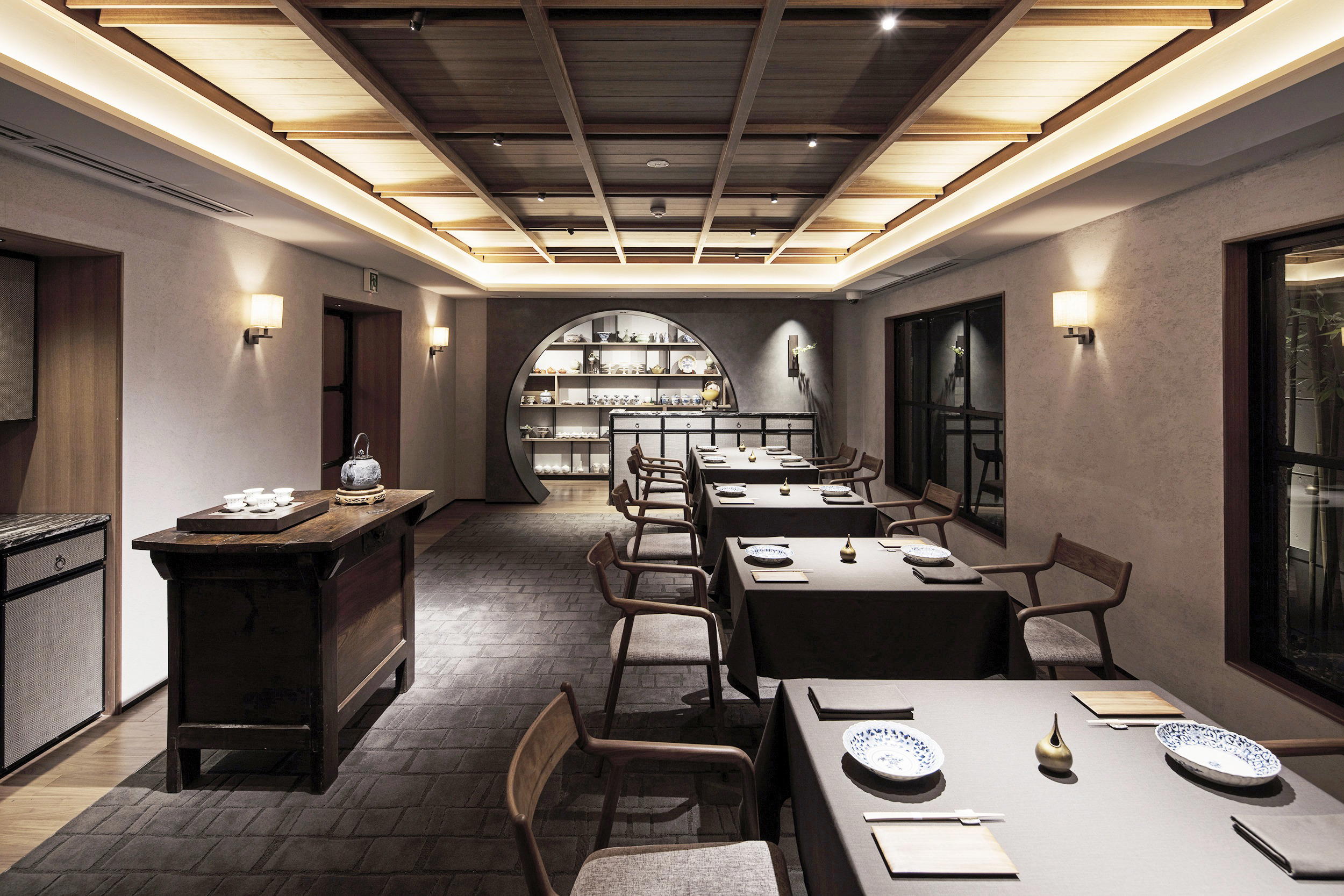
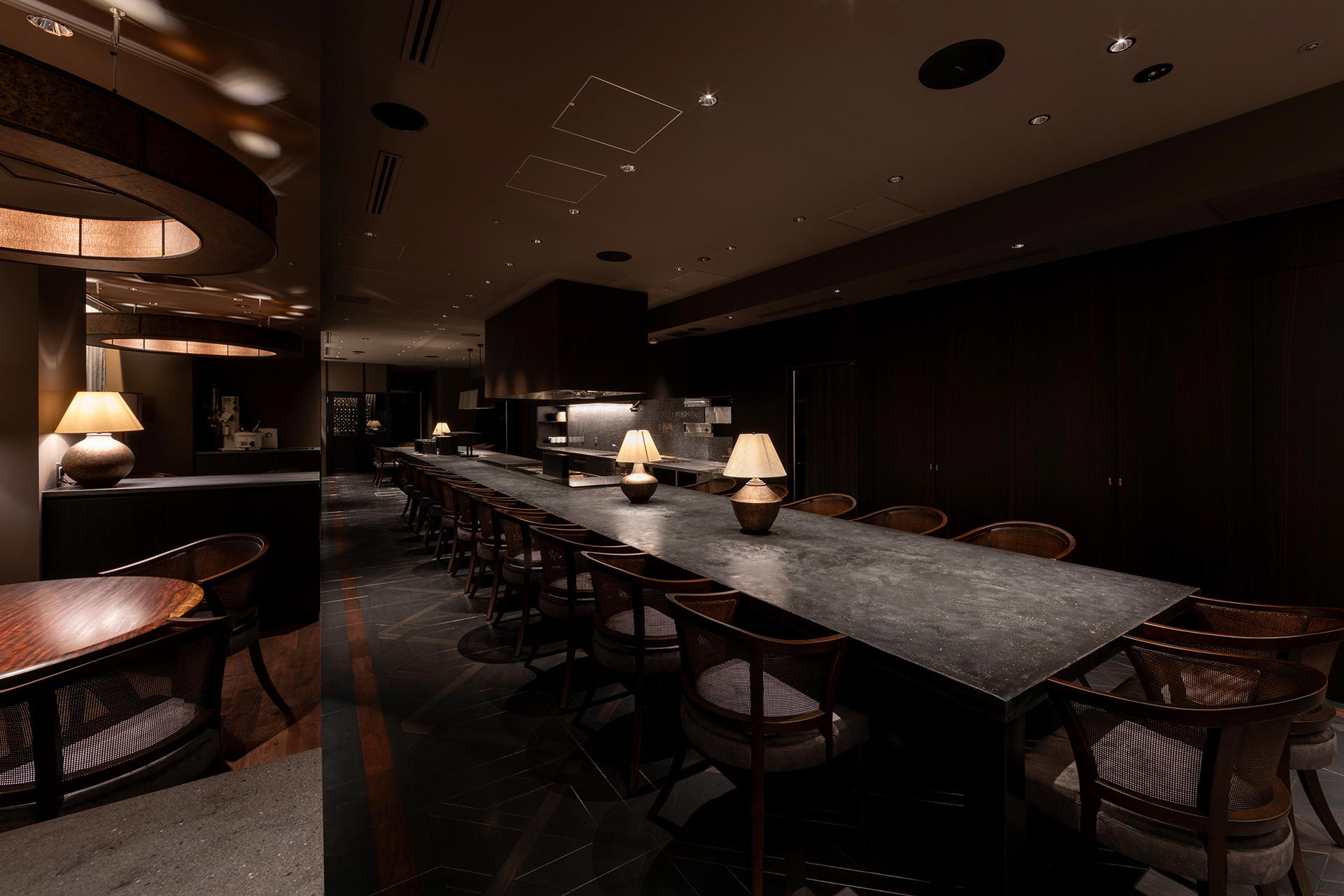
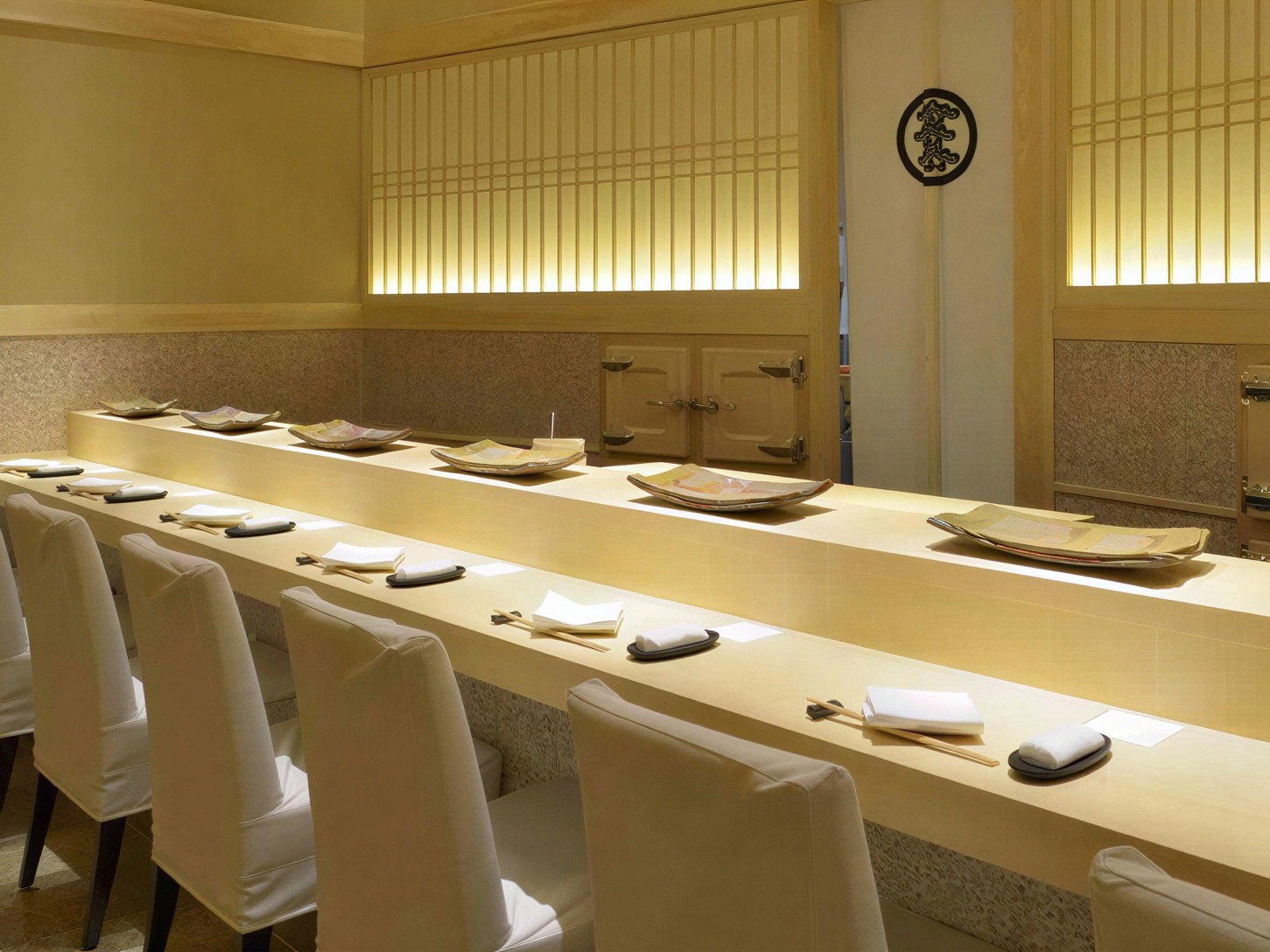
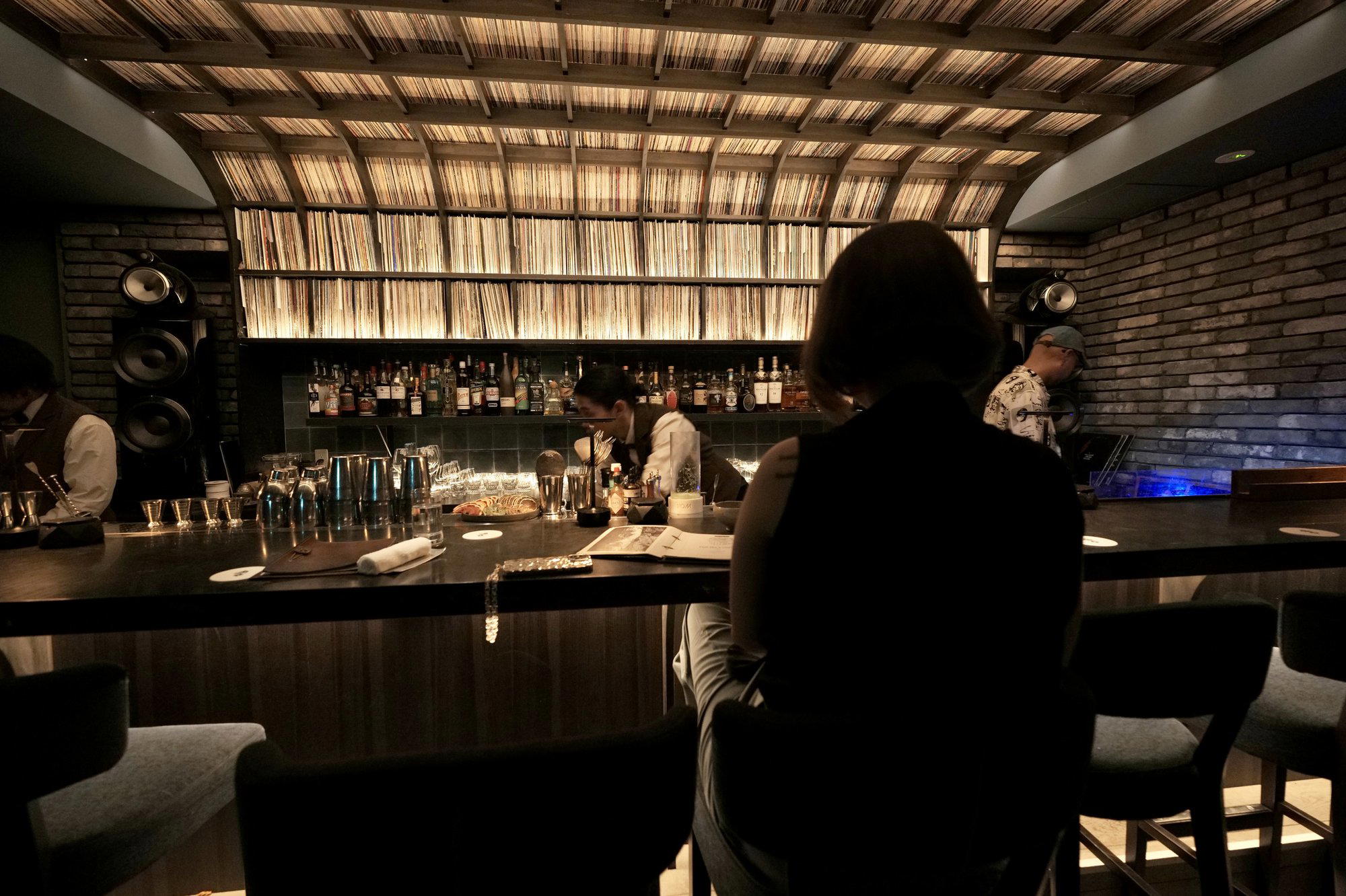
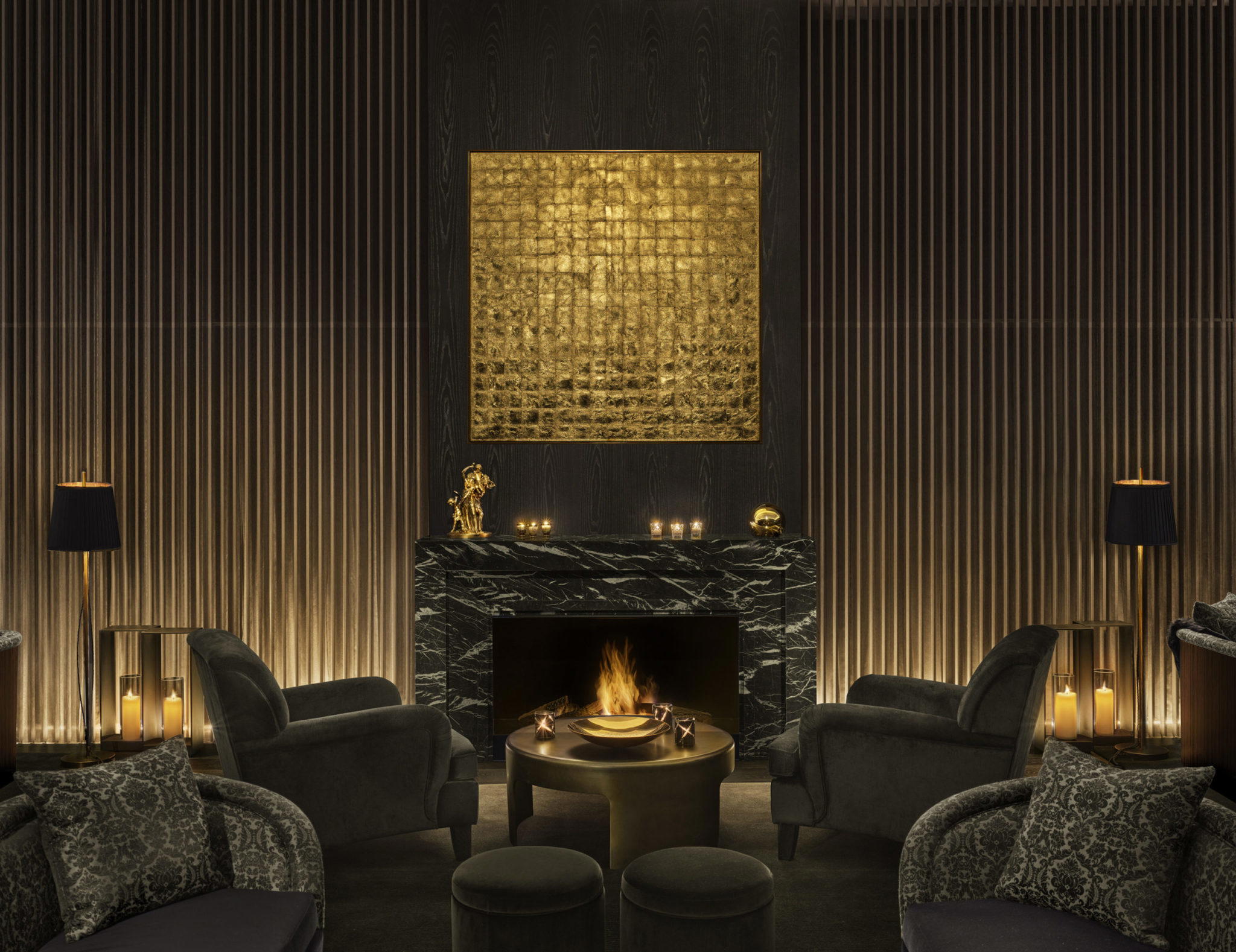
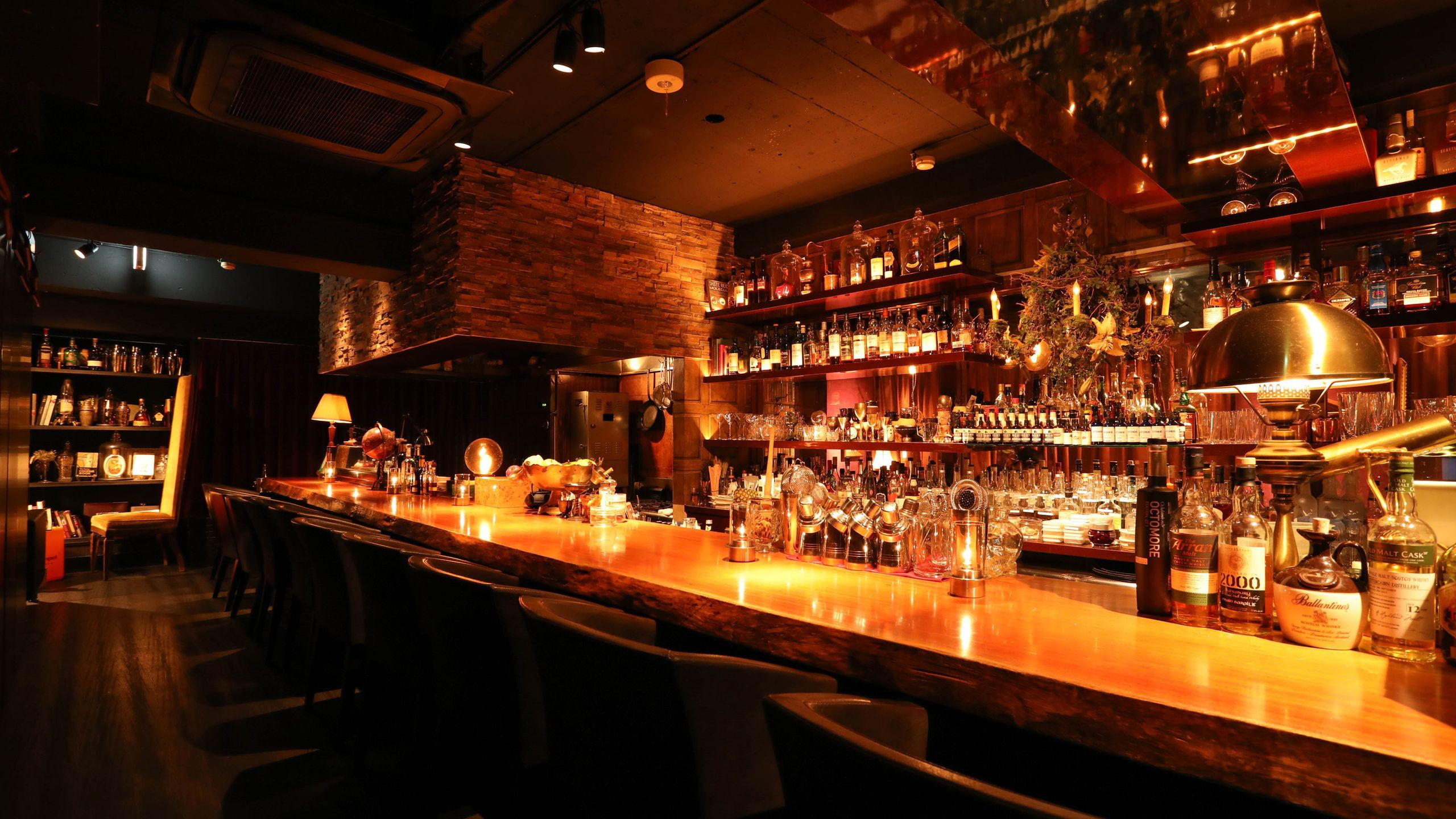
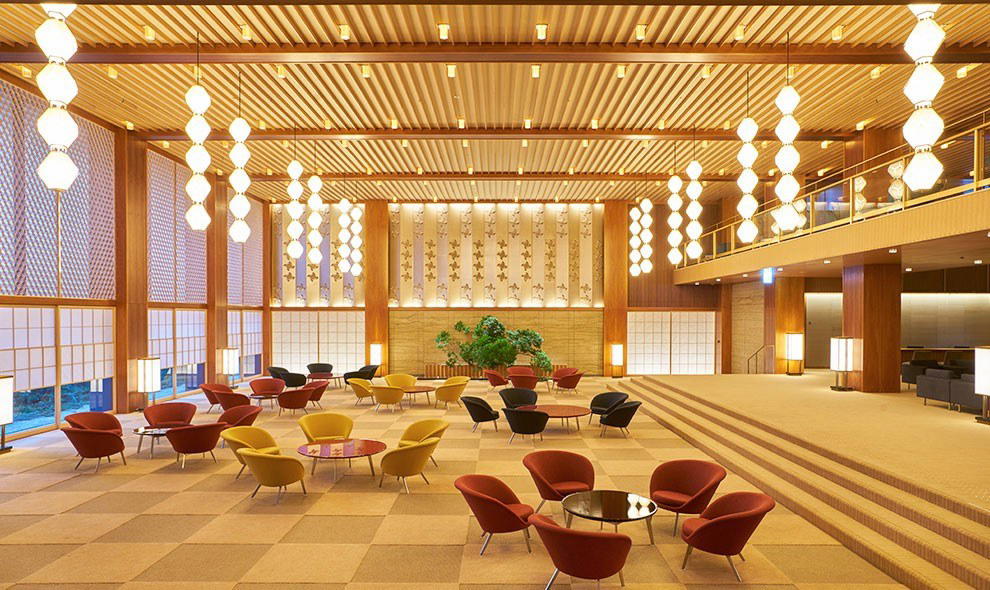
Sophisticated yet restrained atmosphere with a theatre-type kitchen, stylish and relaxing counter seating focused on the chef's performance.