



2 Michelin Stars · La Liste Top Restaurants · Tabelog Bronze #160
Our verdict
The draw is not novelty for its own sake, but the controlled tension between inherited sushi craft, polished counter service, and a price tier that places it among the city’s serious sushi rooms.

Pearl is the En Primeur Club membership app, where members save venues, book tables and use the concierge.
Tokyo’s sushi scene has split over the past decade. One side pushes rarity, overseas demand, and high-friction bookings; another keeps faith with Edomae structure while polish, wine lists, and international access reshape the room. It refers to a Tokyo-born craft shaped by preservation, seasoning, vinegar rice, and the conversion of fish into timed, finished sushi rather than raw luxury alone.
The useful comparison is not old versus new, but restraint versus display. Sushi Kimura is often discussed through a more idiosyncratic ageing lens. Against that field, Sushi Kanesaka reads as a polished Edomae house with international legibility: traditional enough for sushi purists, refined enough for the global fine-dining circuit.
The chef name matters as credential, not mythology. Shinji Kanesaka is associated with exacting training culture and the idea of iki, a term that can point toward freshness, style, or a way of living depending on its written form. It describes a counter style more than a slogan: grace without looseness, elegance without theatrical excess, and the single piece as the unit by which the whole meal is judged.
Room’s scale reinforces that reading. An eight-seat, counter-only format leaves little room for drift. In a larger restaurant, weak pacing can hide inside conversation and service layers; here, every exchange is exposed. Tokyo sushi counters in this bracket compete less on menu length than fluency: how the meal moves, how the chef’s cadence holds attention, and how the room absorbs international guests without softening the craft into hotel-dining generality.
Where it sits in Tokyo's sushi hierarchy
Awards tell only part of the story, but in Tokyo sushi they help separate durable reputation from short-lived demand. Michelin two stars in consecutive recent years places the counter inside the city’s high-recognition sushi tier. La Liste’s 80.
That bracket sets expectations. Do not arrive for maximalist luxury cues or a parade of named “signature” items. Tokyo’s mature sushi counters rarely need that vocabulary. The result is less radical than Sushi Kimura’s category-defining ageing conversation and less about access mythology than some ultra-small counters, but clear for diners who want classical Tokyo sushi without treating tradition as museum craft.
The price signal matters, even when the exact bill depends on service and ordering. This is not a value play; it is for readers who care about established recognition, counter intimacy, and continuity over surprise.
For broader context, read Tokyo by category rather than one reservation chase. Contemporary French-leaning rooms such as 3110, bistro formats like Bistrot Dia, old-school Western dining at Daikanyama Ogawaken, and sushi counters including Ebisu Endo and Edomae Sushi Hanabusa show how varied the city’s high-end dining grammar has become. For planning across categories, use Our full Tokyo restaurants guide, alongside Our full Tokyo hotels guide, Our full Tokyo bars guide, Our full Tokyo wineries guide, and Our full Tokyo experiences guide.
Who should choose this counter
This is a counter for diners who want Tokyo sushi with pedigree and control, not provocation. The better fit understands that Edomae innovation often happens in narrow increments: sourcing discipline, rice balance, seasoning decisions, and exact sequence. Guests seeking a looser à la carte evening, private-room dining, or a heavily conversational restaurant may find the formality demanding.
The practical friction is part of the category. Foreign guests are directed to reserve through a hotel concierge, and the counter-only scale constrains availability. The restaurant is non-smoking, private rooms are not part of the format, and drinks include sake, shochu, and wine. Those details point to a compact, formal evening focused on the sushi sequence rather than social sprawl. Regional dining diversions can take different shapes, from -Grilled beef Sukiyaki- KAMAKURA TANUKIAN 鎌倉 たぬき庵 in Kamakura to.cafe in Osaka.know in Kumamoto, (Shoku) Vietnam in Kawasaki, [Curry Senmon Ten] Maruyama Kyoju. in Sapporo, [ki:] in Kyoto, AKA to SHIRO, Sushi in Osaka, and Akikos, Sushi in San Francisco.
Frequently asked questions
What are the operating hours at Sushi Kanesaka?
Hours at Sushi Kanesaka: Hours: Monday 6–10:30 pm Tuesday 12–2:30 pm, 6–10:30 pm Wednesday 12–2:30 pm, 6–10:30 pm Thursday 12–2:30 pm, 6–10:30 pm Friday 12–2:30 pm, 6–10:30 pm Saturday 12–2:30 pm, 6–10:30 pm Sunday Closed.
Where is Sushi Kanesaka located?
Sushi Kanesaka is located in Tokyo.
Is Sushi Kanesaka focused on a specific cuisine style?
Sushi Kanesaka serves Sushi cuisine.
What is Sushi Kanesaka known for?
Sushi Kanesaka is primarily known for Sushi in Tokyo.
Awards and Standing
Comparable venues by cuisine and price in the same metro.
| Venue | Cuisine | Price | Awards | Notes |
|---|---|---|---|---|
| Sushi KanesakaThis venue (the venue you are viewing) | Edomae Omakase | $200–300 | 2 Michelin Stars · La Liste Top Restaurants | Not listed |
| Ginza Kojyu | Kaiseki | $200–300 | 2 Michelin Stars · La Liste Top Restaurants | Chūō |
| Tempura Ginya | Michelin-Starred Tempura Omakase | $300–500 | 1 Michelin Star · Tabelog 100 #38 | Minato |
| Seizan | Modern Kaiseki | $300–500 | 2 Michelin Stars · La Liste Top Restaurants | Chūō |
| Ensui | Modern Japanese Kaiseki | $100–150 | 2 Michelin Stars · Tabelog Bronze #63 | Meguro |
| Hakuun | Modern Kaiseki Omakase | $300–500 | 2 Michelin Stars · Tabelog Bronze #93 | Minato |
Recognition history
Dated appearances from independent guides and award organizations, with the underlying list record or original source where available.
Michelin 2 Stars
Michelin
La Liste Top Restaurants
La Liste
Opinionated About Dining Top Restaurants in Japan Recommended
Opinionated About Dining
Tabelog Bronze #160
Tabelog
Full recognition history (10 entries)
Michelin 2 Stars
Michelin
Opinionated About Dining Top Restaurants in Japan Ranked #217
Opinionated About Dining
Tabelog 100 #5 · No. 5
Tabelog · Tabelog 100 - Sushi - TOKYO - 2025
Michelin 2 Stars
Michelin
Opinionated About Dining Top Restaurants in Japan Ranked #210
Opinionated About Dining
Opinionated About Dining Top Restaurants in Japan Highly Recommended
Opinionated About Dining
Continue exploring
More in Tokyo
Restaurants in Tokyo
All restaurants in Tokyo →


Bars in Tokyo
All bars in Tokyo →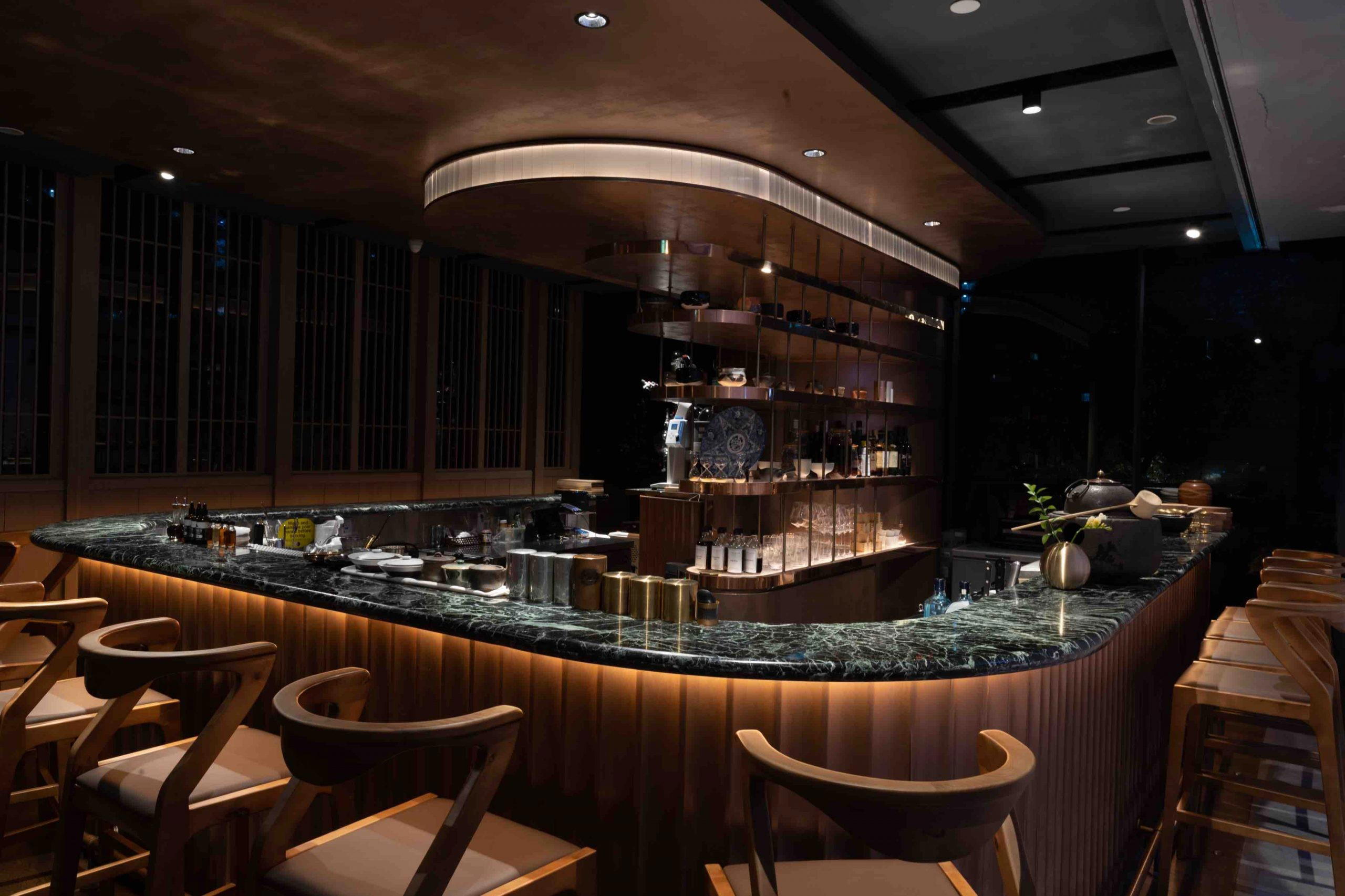
Details
- Elegant
- Intimate
- Sophisticated
- Quiet
- Classic
- Special Occasion
- Date Night
- Business Dinner
- Chefs Counter
- Sake Program
- Sustainable Seafood
- Omakase
- Counter Dining
- Sake Program
- Allergy Accommodating
Current opening hours
- Monday
- 6–10:30 PM
- Tuesday
- 12–2:30 PM, 6–10:30 PM
- Wednesday
- 12–2:30 PM, 6–10:30 PM
- Thursday
- 12–2:30 PM, 6–10:30 PM
- Friday
- 12–2:30 PM, 6–10:30 PM
- Saturday
- 12–2:30 PM, 6–10:30 PM
- Sunday
- Closed
Hours can change for holidays and private events. Hours as of .
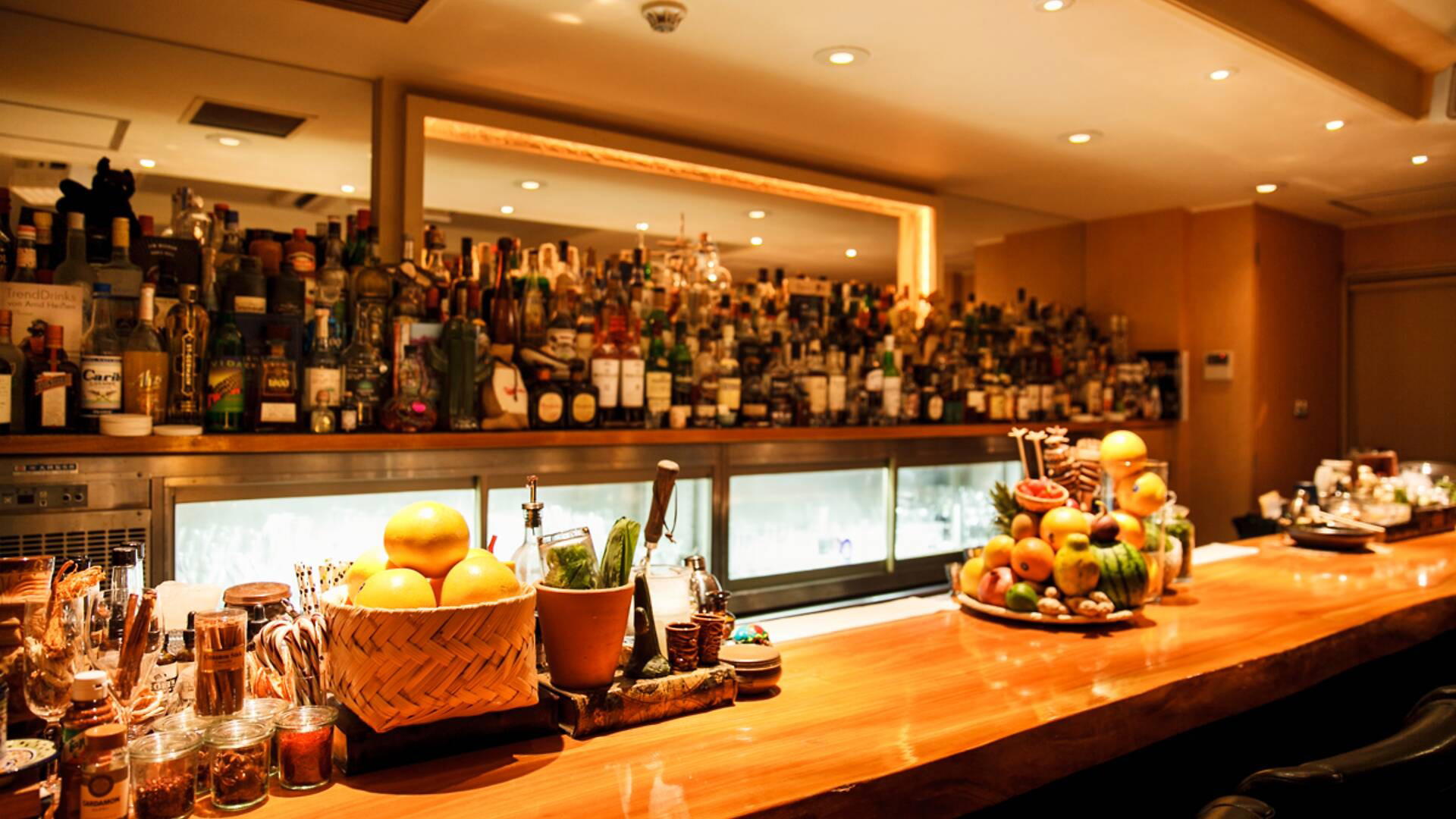
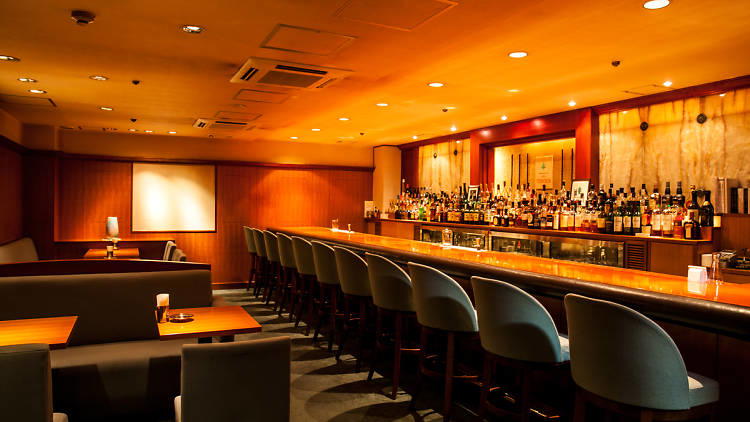
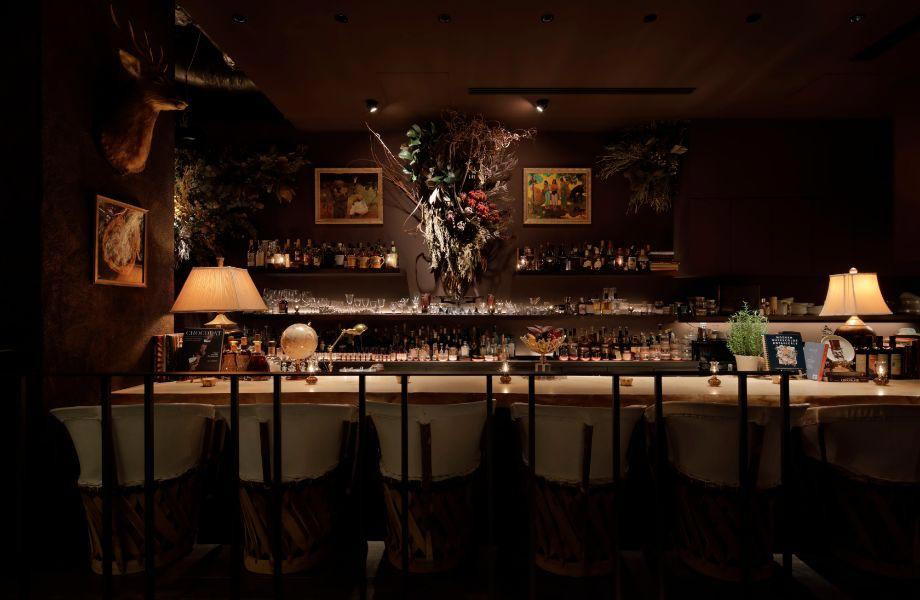
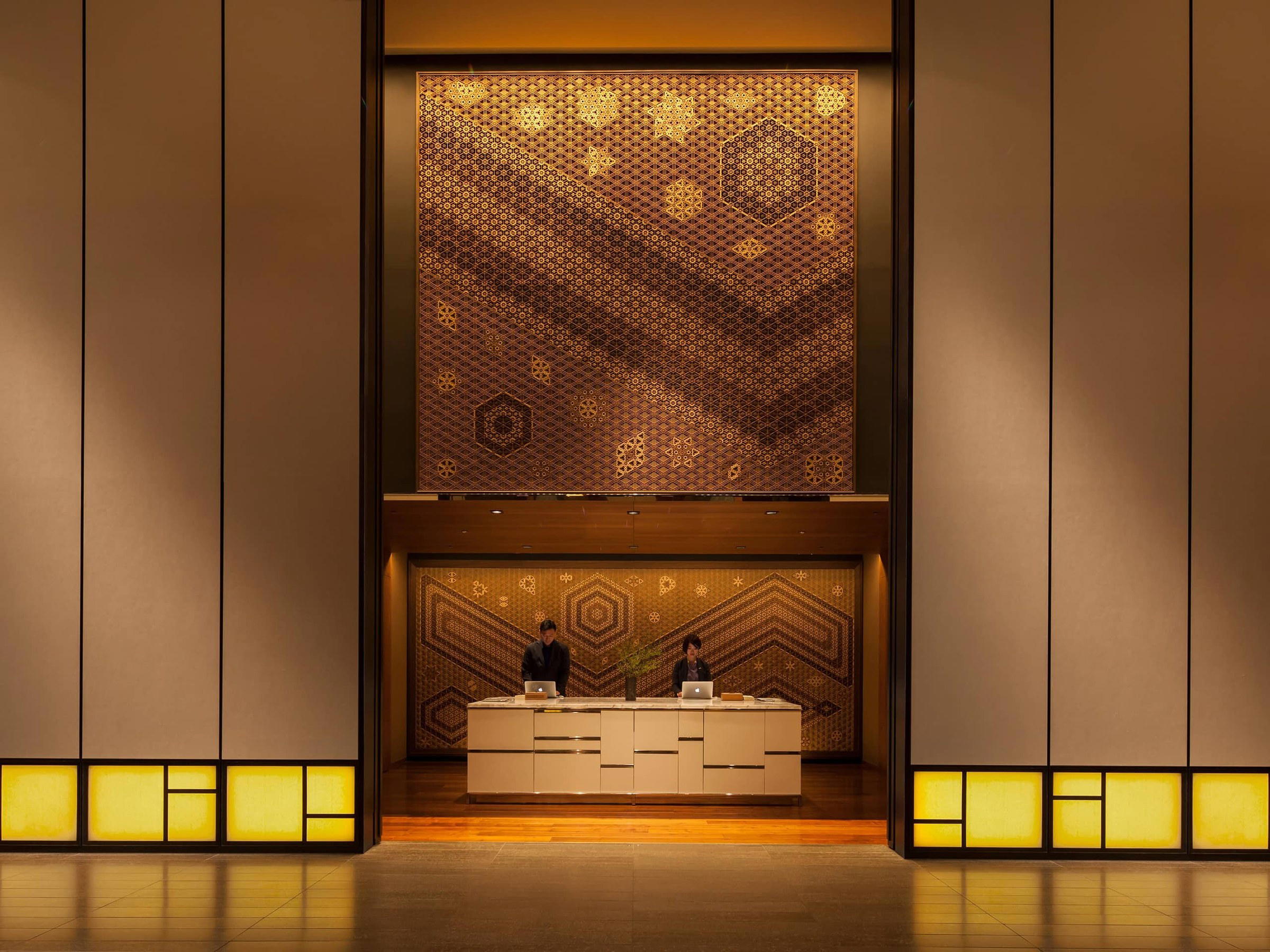
Discreet and elegant sushi counter atmosphere with attentive service and focus on the chef's craft.