
1 Michelin Star
Our verdict
Hiroo Ishizaka holds a Michelin star (2024) and operates from the second floor of Hiroo Village in Shibuya, Tokyo. The omakase format moves through sashimi, bar snacks, vegetarian interlude, and a nigiri sequence anchored by tuna, with individual choices including botan shrimp and Minamiuonuma shiitake. Price range sits at ¥¥¥, placing it a tier below Tokyo's top-bracket omakase counters.

Pearl is the En Primeur Club membership app, where members save venues, book tables and use the concierge.
The menu
What to order
- Shiitake mushroom nigiri
- Soy sauce ice cream
- Botan shrimp
- Chutoro tuna
- Young gizzard shad nigiri
A Counter in Hiroo, Inside a City That Takes Sushi Seriously
Tokyo's residential dining corridors have a particular register. Away from the high-visibility blocks of Ginza and Roppongi, neighbourhoods like Hiroo hold counters that operate at high technical levels with less of the trophy-room atmosphere. The second floor of Hiroo Village, a low-rise address in Shibuya's quieter southern reach, is the kind of location that signals intent before you sit down: the chef here is making a point about craft rather than spectacle.
Hiroo Ishizaka received a Michelin star in the 2024 guide, a credential that places it in a competitive tier shared by hundreds of recognised Tokyo counters, but one that still carries meaningful weight as a signal of consistent execution. At a ¥¥¥ price point, it sits a clear step below the ¥¥¥¥ bracket occupied by counters like Harutaka and Sukiyabashi Jiro Roppongiten, which means it offers Michelin-standard omakase at a price that the broader Tokyo sushi canon does not always make accessible.
How the Menu Is Structured
The omakase sequence at Hiroo Ishizaka follows a format that serious Tokyo counters have refined over decades: it is not improvised, and each stage has a specific function. The meal opens with side dishes, then moves through sashimi and bar snacks before a vegetarian interlude arrives to shift the rhythm. That pause is purposeful. In the architecture of an omakase, the transition from snacks to nigiri benefits from a moment of recalibration, and the vegetarian course serves as that signal rather than mere filler.
The nigiri sequence that follows is where the counter's technical position becomes clear. Tuna is served first, which is not arbitrary: in Tokyo's sushi culture, tuna remains the single piece against which a counter is most rigorously measured. The quality of the fish, the precision of the temperature, the ratio of rice to topping, the seasoning of the vinegared rice itself, all of it is on display in that first bite. Counters that understand this serve tuna early and confidently. Hiroo Ishizaka does.
Beyond the tuna opening, the sequence includes botan shrimp and shiitake mushrooms sourced from Minamiuonuma, a mountain region in Niigata Prefecture known for agricultural quality. Mushroom as sushi topping is a choice that sits outside the conventional Edomae repertoire, counters like Sushi Kanesaka or Edomae Sushi Hanabusa stay close to the fish-and-shellfish orthodoxy of the Edo tradition. The inclusion of Minamiuonuma shiitake alongside botan shrimp reflects a counter willing to extend the ingredient conversation without abandoning structure. The meal closes with tamago, the Japanese omelette, described as light and gentle in flavour, a technically demanding piece that traditionally signals the formal end of the nigiri sequence.
The Sensory Register of a Hiroo Counter
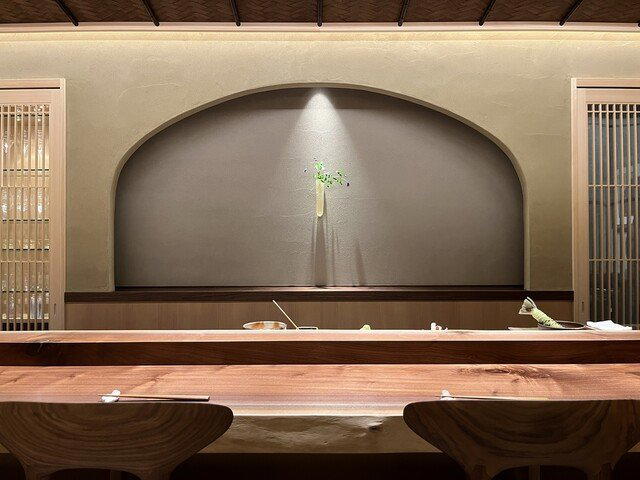
The address in Hiroo Village on the second floor creates a specific atmospheric condition. Residential-adjacent dining rooms in this part of Shibuya tend toward restraint: lower ceilings than the grand Ginza rooms, materials that absorb rather than amplify sound, a pace that is unhurried because the surrounding neighbourhood is. This is not the compressed, high-intensity atmosphere of a Ginza counter with a three-month waitlist and international clientele; it is closer to the quieter end of Tokyo omakase, where the room recedes and the food advances.
In a city where omakase has become a format that attracts as much theatre as technique, counters that hold back on spectacle are making a specific argument. The argument at Hiroo Ishizaka is carried by sequence and ingredient rather than setting or ceremony. The shift from snacks to nigiri, the tuna opener, the specific sourcing of a Niigata mushroom: these are the sensory anchors of the meal rather than anything architectural or performative.
That positioning matters in a broader Tokyo context. The counter sits in a part of the city where internationally connected residents, embassy staff, and long-term Tokyo professionals form a significant portion of any given night's clientele. The Hiroo neighbourhood, a five-minute walk from Hiroo Station on the Hibiya Line, has historically supported serious neighbourhood dining rather than destination tourism. A Michelin-starred sushi counter in that context operates differently from one in a hotel basement in Nihonbashi or a high-floor room in Roppongi Hills.
Hiroo Ishizaka in the Tokyo Omakase Tier
Tokyo's omakase market has stratified considerably. At the leading, three-star counters like Harutaka operate in an allocation-and-referral model where the booking process is as selective as the sushi. The ¥¥¥ tier, where Hiroo Ishizaka sits alongside counters like Jizozushi, represents a stratum where Michelin recognition and technical seriousness co-exist with relative accessibility, both in price and in booking logistics. For a visitor working through Tokyo's sushi register from the middle outward, a one-star counter in this price band offers a more instructive data point than a ¥¥¥¥ booking made on reputation alone.
The Michelin inspectors' own characterisation of the menu, particularly the description of the chef's craftsmanship as honed over many years, with novel touches, positions this as a mature counter rather than a recent opening working to establish itself.
For those approaching Tokyo's sushi scene from beyond Japan, comparable counters operating at similar technical registers include Sushi Shikon in Hong Kong and Shoukouwa in Singapore, both of which export the omakase format to different urban contexts. Neither replicates the specific sourcing relationships and seasonal rhythm available to a Tokyo counter operating within the Tsukiji and Toyosu supply chain.
Planning Your Visit
Location: 5 Chome-19-1 Hiroo Village, 2F, Hiroo, Shibuya, Tokyo 150-0012. Access: Hiroo Station (Tokyo Metro Hibiya Line) is the nearest rail point; the address is within walking distance. Budget: ¥¥¥ price range, placing it below the ¥¥¥¥ top-bracket counters. Awards: Michelin 1 Star (2024). Reservations: Dress: No dress code confirmed; counter dining in this neighbourhood tier typically suits neat casual to smart casual attire.
Explore Further
Hiroo Ishizaka sits within a broader Tokyo dining scene worth mapping in full. Our full Tokyo restaurants guide covers the city's range from kaiseki to ramen. For accommodation context, our Tokyo hotels guide identifies properties across neighbourhoods. Drinking itineraries are covered in our Tokyo bars guide, and cultural and specialist programming in our Tokyo experiences guide. Beyond the capital, the Japanese dining circuit extends to HAJIME in Osaka, Gion Sasaki in Kyoto, akordu in Nara, Goh in Fukuoka, 1000 in Yokohama, and 6 in Okinawa. Our Tokyo wineries guide covers sake and wine options in the city.
Frequently asked questions
How much does it cost to eat at Hiroo Ishizaka?
Pricing at Hiroo Ishizaka is listed as ¥¥¥.
Does Hiroo Ishizaka have a Michelin star or similar recognition?
Hiroo Ishizaka has received recognition including: The omakase set menu provides an impressive variety, beginning with side dishes. After sashimi and bar snacks, vegetarian fare follows to change the pace and to signal the transition from snacks to nigiri. Sushi toppings showcase the chef’s….
What should I eat at Hiroo Ishizaka?
The omakase format decides for you. The sequence opens with side dishes, moves through sashimi and bar snacks, pauses for vegetarian courses, then commits fully to nigiri. The tuna piece arrives first, the standard benchmark at any serious Tokyo counter, followed by less conventional choices including botan shrimp and shiitake mushrooms sourced from Minamiuonuma. The meal closes with a rolled egg omelette, light in flavour and traditional in finish.
Where is Hiroo Ishizaka in Tokyo?
Hiroo Ishizaka is located at Japan, 〒150-0012 Tokyo, Shibuya, Hiroo, 5 Chome−19−1 HIROOVILLAGE 2階, Tokyo.
How hard is it to get a table at Hiroo Ishizaka?
Hiroo Ishizaka holds a 2024 Michelin star, which at any Tokyo omakase counter operating at ¥¥¥ pricing typically means advance planning is required. The format is set-menu only, so the counter runs at fixed capacity each service. Booking directly is advisable well ahead of your intended date; walk-in availability at a Michelin-recognised omakase counter in residential Hiroo is unlikely.
What's the standout thing about Hiroo Ishizaka?
The 2024 Michelin star at a ¥¥¥ price point places Hiroo Ishizaka in a tier where serious technical recognition is accessible without the top-tier allocation systems that govern counters like Harutaka. The menu also signals genuine authorship: botan shrimp and Minamiuonuma shiitake nigiri are specific choices that sit outside the standard omakase template, marking a chef whose perspective extends beyond convention.
Booking and Cost Snapshot
| Venue | Cuisine | Price | Awards | Notes |
|---|---|---|---|---|
| Hiroo IshizakaThis venue (the venue you are viewing) | Edomae Omakase Sushi | $300–500 | 1 Michelin Star | Not listed |
| Harutaka | Edo-Style Omakase Sushi | $200–300 | 3 Michelin Stars · World's 50 Best #76 | Sushi |
| RyuGin | Modern Kaiseki | $500+ | 3 Michelin Stars · World's 50 Best #41 | Kaiseki, Japanese |
| L'Effervescence | Modern French with Japanese Influences | $200–300 | 3 Michelin Stars · World's 50 Best #69 | French |
| HOMMAGE | Modern French with Japanese Influences | $150–200 | 2 Michelin Stars · World's 50 Best #78 | Innovtive French, French |
| MAZ | Innovative Peruvian-Japanese Fusion | $150–200 | 2 Michelin Stars · World's 50 Best #28 | Innovative |
Recognition history
Dated appearances from independent guides and award organizations, with the underlying list record or original source where available.
Michelin 1 Star
Michelin
Full recognition history (2 entries)
Michelin 1 Star
Michelin
Continue exploring
More in Tokyo
Restaurants in Tokyo
All restaurants in Tokyo →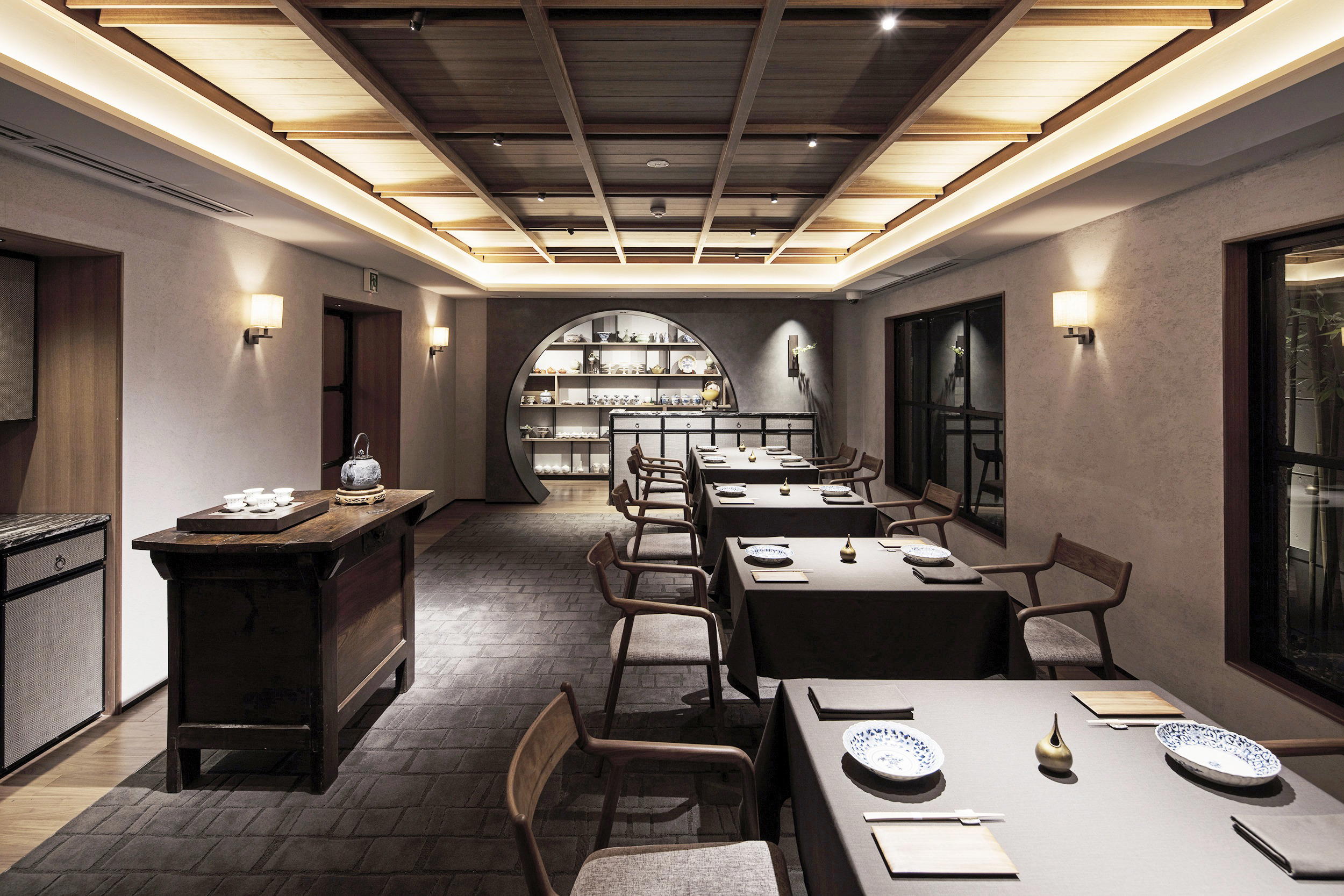








Details
- Intimate
- Elegant
- Quiet
- Sophisticated
- Special Occasion
- Date Night
- Chefs Counter
- Open Kitchen
- Sake Program
- Local Sourcing
- Sustainable Seafood
- Omakase
- Counter Dining
- Sake
- Wine
- Pescatarian Friendly
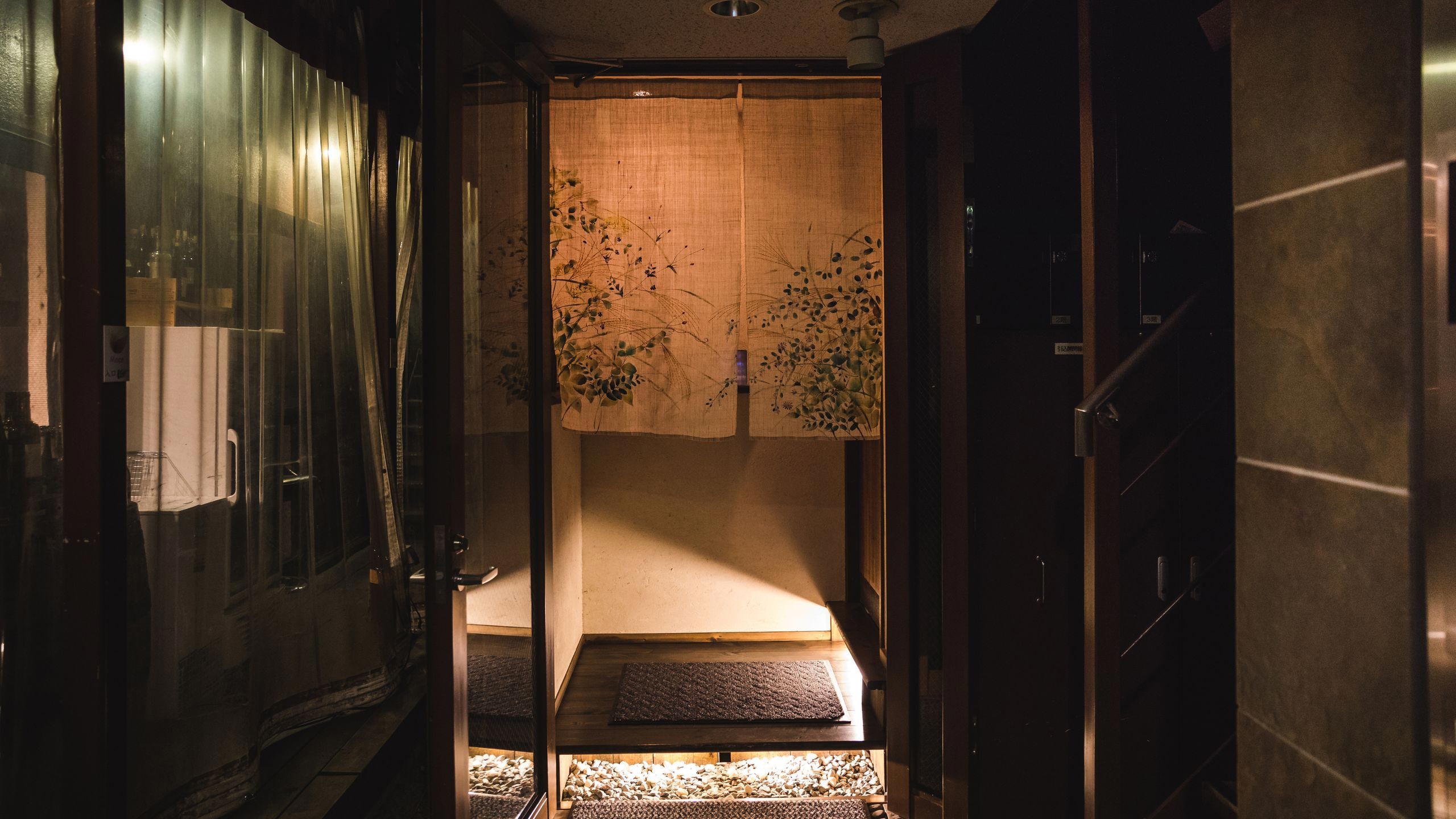
Serene and refined with pale wood counters, warm wood tones, traditional Korean antique furniture, and a single Japanese flower arrangement; soft lighting and near-silent choreography create an atmosphere of quiet luxury and contemplation.