Tsukada shabu shabu brings one of Tokyo's most considered hot-pot traditions to the table, with a format centred on quality broth, thinly sliced protein, and communal pacing. The experience sits within a broader Tokyo dining culture that prizes restraint and technique over volume. For visitors orienting around Japan's slow-food ethos, it belongs on the shortlist alongside the city's more documented kaiseki and sushi counters.
Pearl is the En Primeur Club membership app — saves, bookings, and concierge access live there. Same editors, same standards.
- Address
- Japan, 〒150-0002 Tokyo, Shibuya, 2 Chome−24−12 スクランブルスクエア 12F
- Phone
- +81 3-6427-3613
- Website
- e.japanticket.com
- Directions
- Get directions
 Saves & bookings on Pearl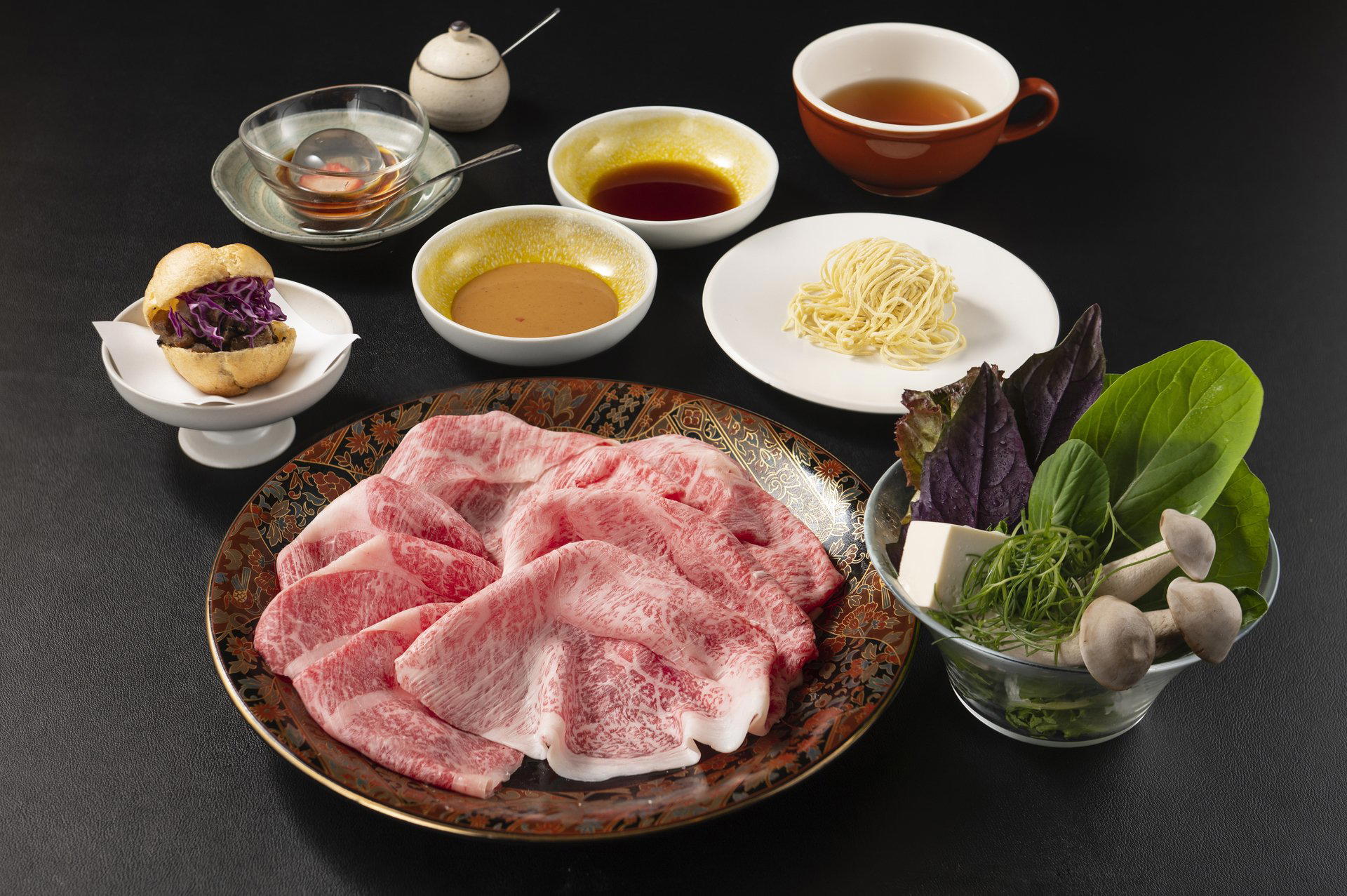
The Shabu-Shabu Tradition and Where Tsukada Sits Within It
Shabu-shabu arrived in Japan's mainstream dining culture in the postwar decades, formalised from older hot-pot customs into a distinct restaurant format by the 1950s. The name itself is onomatopoeic, describing the sound of thinly sliced beef swished through simmering broth. What began as a relatively accessible communal meal has since stratified sharply: at the lower end, you find conveyor-style chains with standardised broth and commodity beef; at the upper end, a smaller set of Tokyo establishments that treat dashi preparation, wagyu sourcing, and seasonal vegetable selection as the actual craft.
That positioning matters for a visitor calibrating expectations. Shabu-shabu at this level is not a quick meal. The format rewards patience: you build flavour across the meal as the broth absorbs successive dips of meat and vegetables, and the pace is set by the table, not by a kitchen sending courses on a fixed timer. In the context of Tokyo's broader dining culture, which includes some of the world's most disciplined tasting-menu formats at places like RyuGin and L'Effervescence, shabu-shabu represents a different register entirely: convivial, participatory, and structured around the diner's own rhythm rather than a chef's sequencing.
Ethical Sourcing and the Sustainability Angle in Premium Hot-Pot
Tokyo's premium shabu-shabu segment has moved, over the past decade, toward a more explicit reckoning with ingredient provenance. Wagyu, which sits at the centre of most high-end shabu-shabu menus, involves a supply chain that is both tightly regulated and, in its certified forms, largely traceable. The Japan Meat Grading Association certification system means that diners at reputable establishments can ask meaningful questions about the cut grade, prefectural origin, and rearing conditions of the beef they are ordering. This traceability is itself a sustainability signal: short, documented supply chains reduce the opacity that often masks environmental and welfare shortfalls in commodity beef markets.
Beyond the protein, the vegetable selection in a well-run shabu-shabu kitchen reflects seasonal discipline in a way that aligns naturally with low-waste cooking. Napa cabbage, chrysanthemum greens, enoki mushrooms, and tofu are not decorative additions to the pot, they serve a functional role in absorbing and extending the broth, and the leading kitchens source them with the same attention applied to the beef. Seasonal rotation of these components means menus shift meaningfully across winter, spring, and autumn, reducing the pressure to import or hold ingredients out of season. Dipping sauces, typically ponzu and sesame-based, are produced in-house at establishments that take the format seriously, cutting reliance on mass-produced condiments and giving the kitchen control over salt content and quality.
This approach is consistent with a broader pattern visible across Tokyo's ingredient-led dining culture. Restaurants like Sézanne and Crony at the French end of the market have made sourcing transparency a central editorial point in their menus, and the same instinct has filtered into the traditional Japanese segment. For shabu-shabu specifically, the format's structural simplicity, broth, protein, vegetables, sauce, means there are few places for a kitchen to hide, and equally few opportunities for waste if the mise en place is disciplined.
Comparing Shabu-Shabu to Tokyo's Broader Hot-Pot and Set-Menu Culture
Visitors accustomed to kaiseki's elaborate sequencing, or to the compressed intensity of a leading omakase counter like Harutaka, sometimes underestimate how technically demanding shabu-shabu execution is at the premium level. The broth is the kitchen's clearest statement: a poorly made dashi reads flat and saline within the first few minutes of cooking, while a well-constructed kombu stock clarifies and deepens as the meal progresses. The beef, sliced to order or to a precise refrigerated specification, must arrive at the table at the right temperature to cook evenly in seconds. Precision of a different kind governs this format than the plating refinement of sushi or the sauce architecture of contemporary French cooking.
Within Japan more broadly, the hot-pot tradition extends well beyond Tokyo. Kyoto's kaiseki houses, including Gion Sasaki, sometimes integrate nabemono as a seasonal course within a longer progression. Osaka's dining culture, represented at the high end by venues like HAJIME, approaches hot-pot differently, often with more elaborate garnishing and a stronger visual narrative. The shabu-shabu format as practised in Tokyo tends toward greater austerity: the bowl, the burner, the broth, and the ingredients speak for themselves without elaborate presentation scaffolding.
For international points of comparison, the closest Western equivalent to shabu-shabu's sustainability logic might be found in the whole-animal or broth-to-finish cooking philosophies that have gained ground in restaurants like Le Bernardin in New York, where nothing extractable from a primary ingredient is discarded. The analogy is not well-suited, but both traditions share a respect for the integrity of the primary ingredient and a reluctance to compensate for lower quality through elaboration.
Planning Your Visit
Tokyo's premium shabu-shabu establishments cluster in neighbourhoods with established dining density: Ginza, Roppongi, Shinjuku, and parts of Shibuya. Many operate on a reservation-preferred or reservation-required basis, particularly for dinner, and smaller counter-format rooms book out several weeks in advance during autumn and winter, when hot-pot dining is at its seasonal peak. If you are coordinating a broader Japan itinerary, it is worth noting that strong dining options exist well beyond Tokyo: akordu in Nara, Goh in Fukuoka, and regional gems such as 一本木 能川製 in Nanao and 湖畔荘 in Takashima represent the depth of Japan's prefectural dining culture. For those venturing further, 古代山乃 in Sapporo, 庄羽屋 in Nishikawa Machi, Birdland in Sakai, and Bistro Ange in Toyohashi demonstrate how seriously Japan's mid-sized cities take their dining culture. Diners considering a Korean-influenced fine dining comparison in New York should note Atomix as a relevant international reference for the kind of ingredient rigour that shabu-shabu at its leading also embodies.
Side-by-Side Snapshot
Comparable venues nearby, for context on price, style, and recognition.
| Venue | Cuisine | Price | Notes |
|---|---|---|---|
| Tsukada shabu shabuThis venue — the venue you are viewing | Premium Shabu-Shabu & Sukiyaki | $$$ | Not listed |
| Sorano Shibuya | Traditional Japanese Tofu Cuisine | $$$ | Shibuya |
| Kuroda | Yakiniku (Japanese BBQ) | $$$ | Shibuya |
| Toritama | Rare Cut Yakitori | $$$ | Shibuya |
| Mizuki | Seasonal Yakitori Omakase | $$$ | Minato |
| Yokoyama | Seasonal Japanese Kaiseki | $$$ | Minato |













At a Glance
- Modern
- Trendy
- Sophisticated
- Date Night
- Special Occasion
- Open Kitchen
- Panoramic View
- Sake Program
- Street Scene
- Skyline
Current opening hours
- Monday
- 11 AM–3 PM, 5–11 PM
- Tuesday
- 11 AM–3 PM, 5–11 PM
- Wednesday
- 11 AM–3 PM, 5–11 PM
- Thursday
- 11 AM–3 PM, 5–11 PM
- Friday
- 11 AM–3 PM, 5–11 PM
- Saturday
- 11 AM–4 PM, 5–11 PM
- Sunday
- 11 AM–4 PM, 5–11 PM
Hours can change for holidays and private events. Last verified .
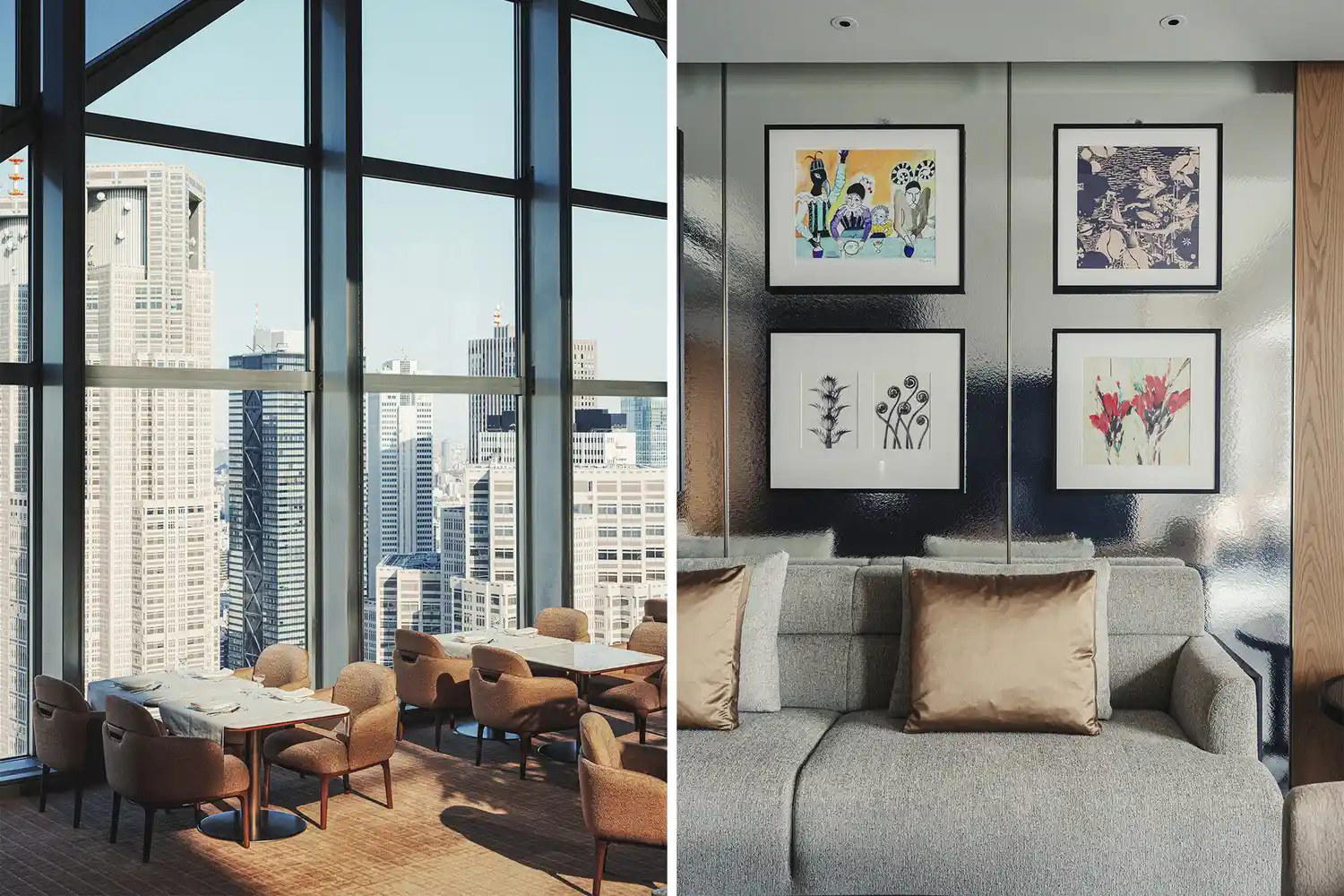
Modern Japanese with clean, spacious interior, counter seating, and city views providing a lively yet private atmosphere.