Sorano Shibuya occupies a quieter pocket of Sakuragaokacho, a neighbourhood that sits at the edge of Shibuya's commercial density but feels several registers calmer. The address places it inside one of Tokyo's more interesting dining corridors, where the city's appetite for precision cooking meets the particular energy of a district in ongoing reinvention. A reservation here requires forward planning, consistent with the booking patterns of Tokyo's serious dining tier.
Pearl is the En Primeur Club membership app — saves, bookings, and concierge access live there. Same editors, same standards.
- Address
- 4-17 Sakuragaokacho, Shibuya, Tokyo 150-0031, Japan
- Phone
- +81357285191
- Website
- foodgate.net
- Directions
- Get directions
 Saves & bookings on Pearl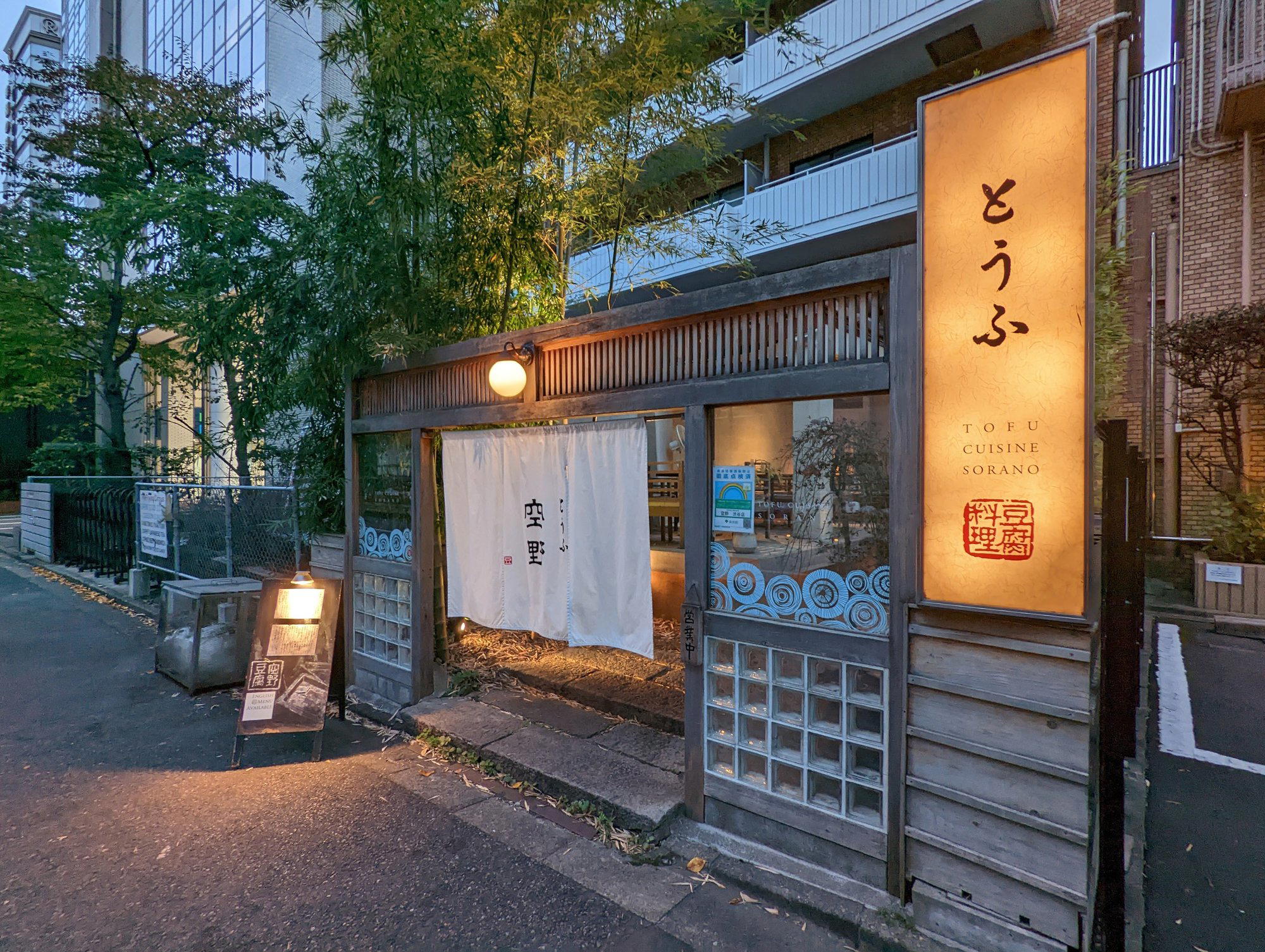
Where Shibuya Quiets Down
Sakuragaokacho is not the Shibuya most visitors picture. The department stores and scramble crossing are a short walk north, but the street character changes quickly once you move south and uphill. The area has attracted a particular kind of dining over the past decade: places that depend less on foot traffic and more on committed guests who arrive with a specific reason to be there. Sorano Shibuya sits at 4-17 Sakuragaokacho in Shibuya, Tokyo, in a part of the city where the ambient noise drops and the architectural scale compresses into something more considered.
This pattern of serious restaurants clustering in quieter Shibuya pockets reflects a broader Tokyo tendency. The highest-stakes cooking in the city rarely happens at particularly prominent addresses. It tends to happen where rents are slightly less punishing and where the clientele is self-selected enough to find you without signage or spectacle. Sakuragaokacho fits that logic.
The Sensory Register of the Room
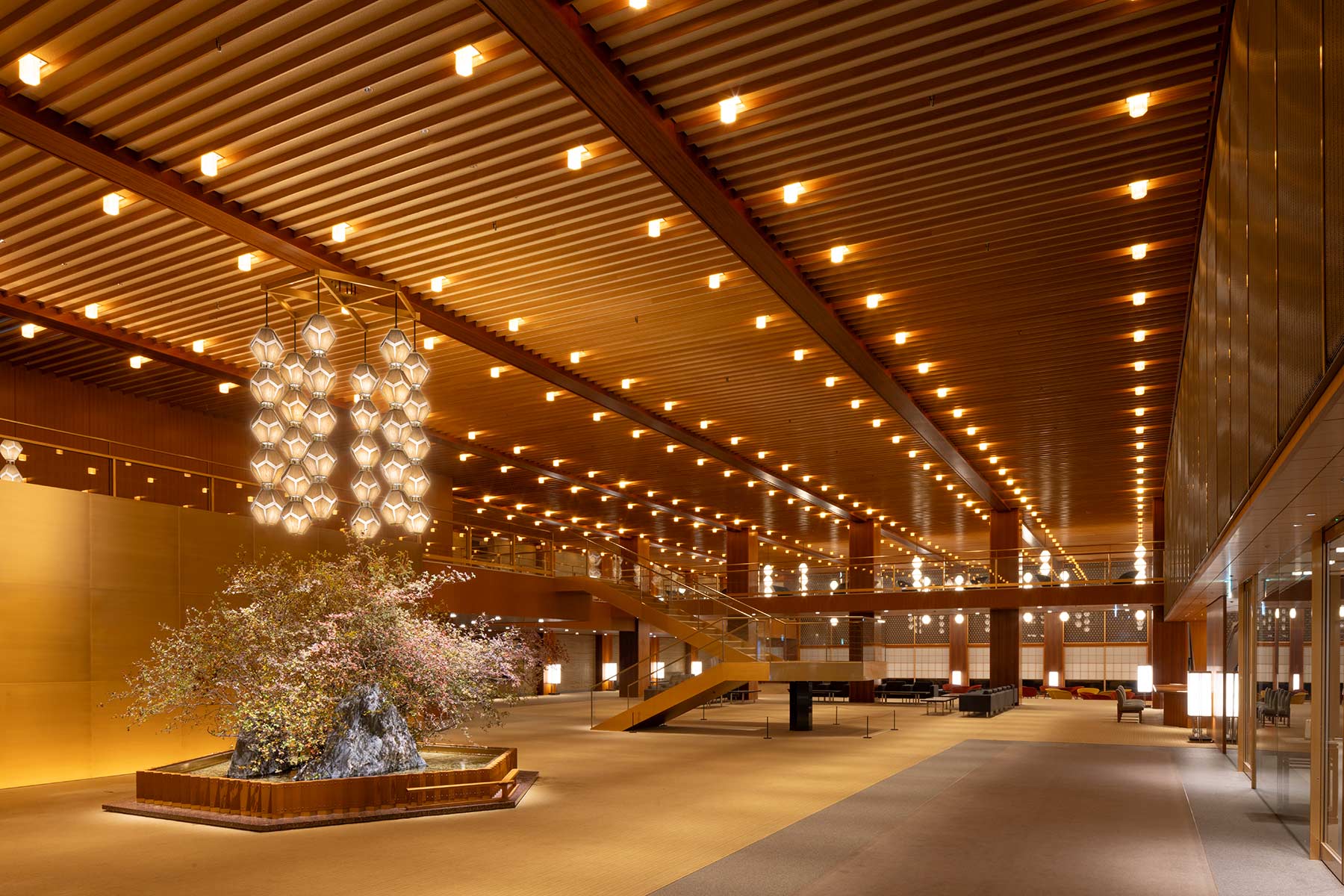
Tokyo dining at this level tends to engage the senses through compression rather than scale. Rooms are often small enough that you notice the temperature of a plate, the particular silence between courses, the grain of the counter material under your hands. This is not minimalism for its own sake but a studied calibration: when a space is stripped of distraction, the food and the service become the entire environment. Sorano Shibuya's Shibuya address places it within that tradition, where the approach to atmosphere tends to be subtractive rather than additive.
The city's premium dining rooms have, over the past fifteen years, moved away from the maximalist hotel-restaurant aesthetic that once dominated formal dining. What replaced it is a mode of design that foregrounds natural materials, controlled light, and an almost architectural relationship between seated guest and kitchen. In rooms like this, the sound of a knife on a board or the hiss of a pan carries meaning rather than just noise. The sensory environment is constructed as deliberately as the menu itself.
Situating Sorano Within Tokyo's Dining Tiers
Tokyo's serious dining scene divides, roughly, into several tiers that operate according to different rules. At the leading end you have multi-Michelin counters where a seat requires months of advance planning and a referral or established relationship with the restaurant: places like Harutaka in Ginza or RyuGin in Roppongi, both operating at the intersection of technical mastery and institutional prestige. Below that sits a wider band of restaurants doing serious, precise work without the same volume of award recognition, where the cooking is often more experimental and the booking process more accessible.
French-inflected cooking occupies a significant share of Tokyo's premium tier. L'Effervescence and Sézanne represent the more established end of that cohort, while Crony pushes the French-innovative category into less codified territory. Sorano Shibuya's Shibuya positioning, away from the Ginza-Roppongi-Minami-Aoyama triangle where most of the Michelin concentration sits, gives it a different spatial logic within the city's dining geography. Whether that translates to a different audience dynamic is part of what makes the address interesting.
For a sense of how Japan's broader fine dining scene operates outside of Tokyo, the comparison restaurants are instructive: HAJIME in Osaka, Gion Sasaki in Kyoto, and Goh in Fukuoka each operate within their city's own version of the premium tier, with distinct culinary identities shaped by local ingredient traditions and audience expectations. More rural contexts, like akordu in Nara, show how the destination-dining model functions when the journey itself is part of the proposition. Tokyo's density makes that logic work differently: the city has enough demand to sustain precision restaurants across multiple neighbourhoods simultaneously, which is why a Shibuya address is a genuine competitive position rather than a fallback.
The International Frame of Reference
It is worth noting how Tokyo's precision dining tradition reads against its international peers. In New York, restaurants like Le Bernardin and Atomix represent the highest formal tier of American fine dining, and both operate with a density of press attention and award recognition that shapes how guests approach them before arrival. Tokyo's equivalent tier is, if anything, less dependent on that kind of external signalling. Regulars at the leading Tokyo restaurants often know the room through word of mouth and repeat visits rather than critical consensus. The press cycle is less dominant than the reservation ledger.
This is one of the things that makes Tokyo dining interesting to observe from the outside: the relationship between critical infrastructure and actual dining culture is inverted relative to most Western cities. The restaurants that are hardest to access are not always the ones with particularly column inches. The restaurant's Shibuya position, slightly outside the critical centre of gravity, may reflect that dynamic.
Japan's Broader Regional Network
Any Tokyo dining itinerary benefits from being placed inside a wider Japan trip. The bullet train network makes same-day travel to Osaka, Kyoto, and Hiroshima direct, and the culinary differences between cities are significant enough to justify the journey. Regional restaurants like a restaurant in Nanao, a restaurant in Sapporo, a restaurant in Takashima, a restaurant in Nishikawa Machi, Birdland in Sakai, and Bistro Ange in Toyohashi each represent different nodes in a national dining network that rewards itinerary planning over spontaneous arrivals.
Planning Your Visit
Shibuya's Sakuragaokacho area is accessible on foot from Shibuya Station, which connects to the JR, Tokyo Metro, and Tokyu lines. The walk south from the station's Sakuragaoka exit takes you out of the main commercial footprint quickly. Booking conventions at Tokyo's serious dining tier typically favour advance reservations made several weeks out, particularly for dinner. Walk-in availability at this level is limited and should not be assumed.
Peers in This Market
Comparable venues nearby, for context on price, style, and recognition.
| Venue | Cuisine | Price | Notes |
|---|---|---|---|
| Sorano ShibuyaThis venue — the venue you are viewing | Traditional Japanese Tofu Cuisine | $$$ | Not listed |
| Kourai Tei | Korean-style Yakiniku (Japanese BBQ) | $$$ | Shibuya |
| Tori Ryori Fuji | Japanese chicken cuisine (tori ryori) | $$$ | Shinagawa |
| Esaki | Modern Kaiseki | $$$ | Shinjuku |
| Zorome | Traditional Japanese Unagi (Kyosui Eel) | $$$ | Toshima |
| Kagayaki | Kaiseki-style Japanese and shabu-shabu | $$$ | Chūō |














At a Glance
- Cozy
- Elegant
- Intimate
- Date Night
- Special Occasion
- Private Dining
- Sake Program
Current opening hours
- Monday
- 5–10:45 PM
- Tuesday
- 5–10:45 PM
- Wednesday
- 5–10:45 PM
- Thursday
- 5–10:45 PM
- Friday
- 5–10:45 PM
- Saturday
- 4:30–10:45 PM
- Sunday
- 4:30–10:30 PM
Hours can change for holidays and private events. Last verified .
Warm wooden interior with traditional Japanese decor, tatami rooms, and a calm, relaxing atmosphere.