Our verdict
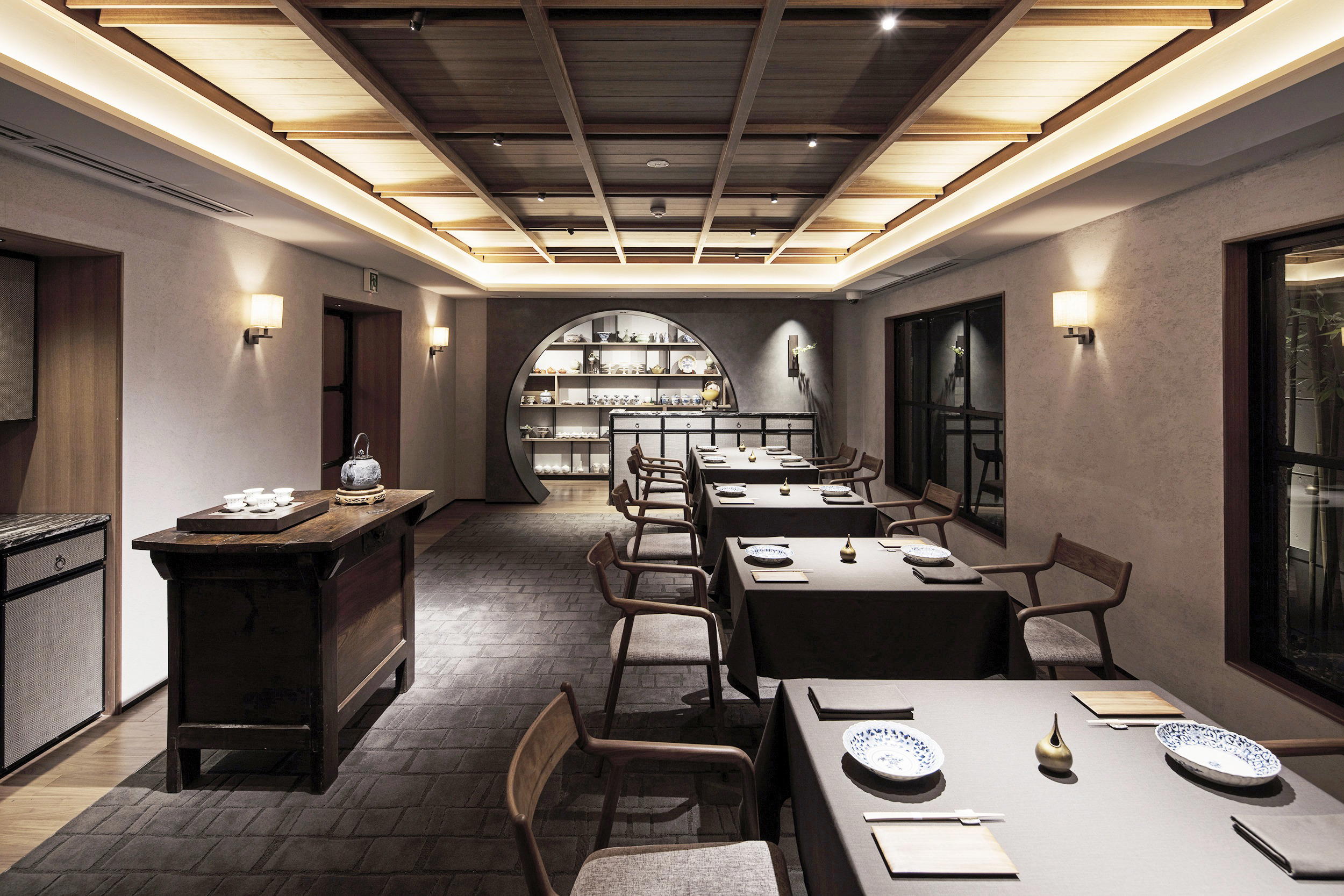
Yokoyama sits in Shirokane, Minato City, one of Tokyo's quieter high-end residential pockets, at a remove from the more trafficked fine-dining corridors of Ginza and Nishiazabu. The venue's evolution over time places it within a broader Tokyo pattern of restaurants that have sharpened their identity through iteration rather than reinvention. For readers building a serious Tokyo dining itinerary, it belongs on the list alongside peers reviewed in our full city guide.

Pearl is the En Primeur Club membership app — saves, bookings, and concierge access live there. Same editors, same standards.
- Address
- Japan, 〒108-0072 Tokyo, Minato City, Shirokane, 3 Chome−9−6 清園ビル 1F
- Phone
- +81354226074
- Hours
- Mon 6–9 PMTue 11:30 AM–1:30 PM, 6–9 PMWed 6–9 PMThu–Fri 11:30 AM–1:30 PM, 6–9 PMSat 6–9 PMSun Closed
- Website
- shirokaneyokoyama.com
- Directions
- Get directions
- Booking
- Book on OpenTable
Shirokane and the Quiet End of Tokyo Fine Dining
Tokyo's premium restaurant tier has never been a single geography. Ginza anchors the most visible end, where counter omakase destinations like Harutaka price against international demand and three-month booking windows are standard. Nishiazabu and Hiroo carry a different register, closer to the city's diplomatic and residential money. Shirokane, where Yokoyama operates from a first-floor address on 3-chome in Minato City, sits in that second category: a neighbourhood where the dining room serves the surrounding community of long-term residents as much as destination diners arriving by taxi from across the city.
That geography matters when reading any restaurant's evolution. Venues in Ginza respond to tourism cycles, to the yen's movement, to the appetite of expense-account diners from Marunouchi. Venues in Shirokane respond to something more local and less volatile. The result, in the leading cases, is a kitchen that develops on its own terms rather than against external pressure. Whether Yokoyama fits that pattern precisely is something the limited public record doesn't confirm in full — but the address alone signals where in Tokyo's dining hierarchy the room has chosen to position itself.
How Tokyo Restaurants Evolve — and Where Yokoyama Sits
The trajectory of Tokyo's serious independent restaurants over the past two decades follows a recognisable arc. An opening builds a local following; recognition from Michelin or the Tabelog elite tier arrives; the format tightens; prices adjust to reflect demand. Some rooms expand. More often, at the higher end, they contract, fewer seats, longer menus, a booking system that moves from walk-in to phone-only to reservation platform. The compression at the leading is real: the gap between a ¥¥¥ room and a ¥¥¥¥ room in Tokyo is not just price but format, capacity, and how far in advance a diner needs to plan.
The restaurants that navigate this arc most effectively tend to be those that resist the temptation to reinvent wholesale. RyuGin in Roppongi is the most cited example of a kitchen that has deepened a single idea across many years rather than pivoting toward a new concept. L'Effervescence in Nishiazabu made a different calculation, committing to French technique with a Japanese ingredient logic that has remained consistent even as the room's reputation grew internationally. These are evolution-through-refinement stories, not reinvention narratives. The public record on Yokoyama doesn't supply the specific dates and pivot points that would allow a full parallel, but its continued presence in a competitive and expensive neighbourhood is itself a data point about staying power.
The Shirokane Address: What the Location Tells You
3-chome address in Shirokane puts Yokoyama within walking distance of Shirokanedai Station on the Namboku and Mita lines, a quieter approach to the neighbourhood than the Hiroo or Azabu-Juban alternatives. First-floor restaurant spaces in this part of Minato City tend to be compact rather than grand, the building typology in the area runs to low-rise residential and commercial mixed-use rather than the purpose-built dining floors of Ginza or the basement-level counter rooms that dominate the Ginza back-streets.
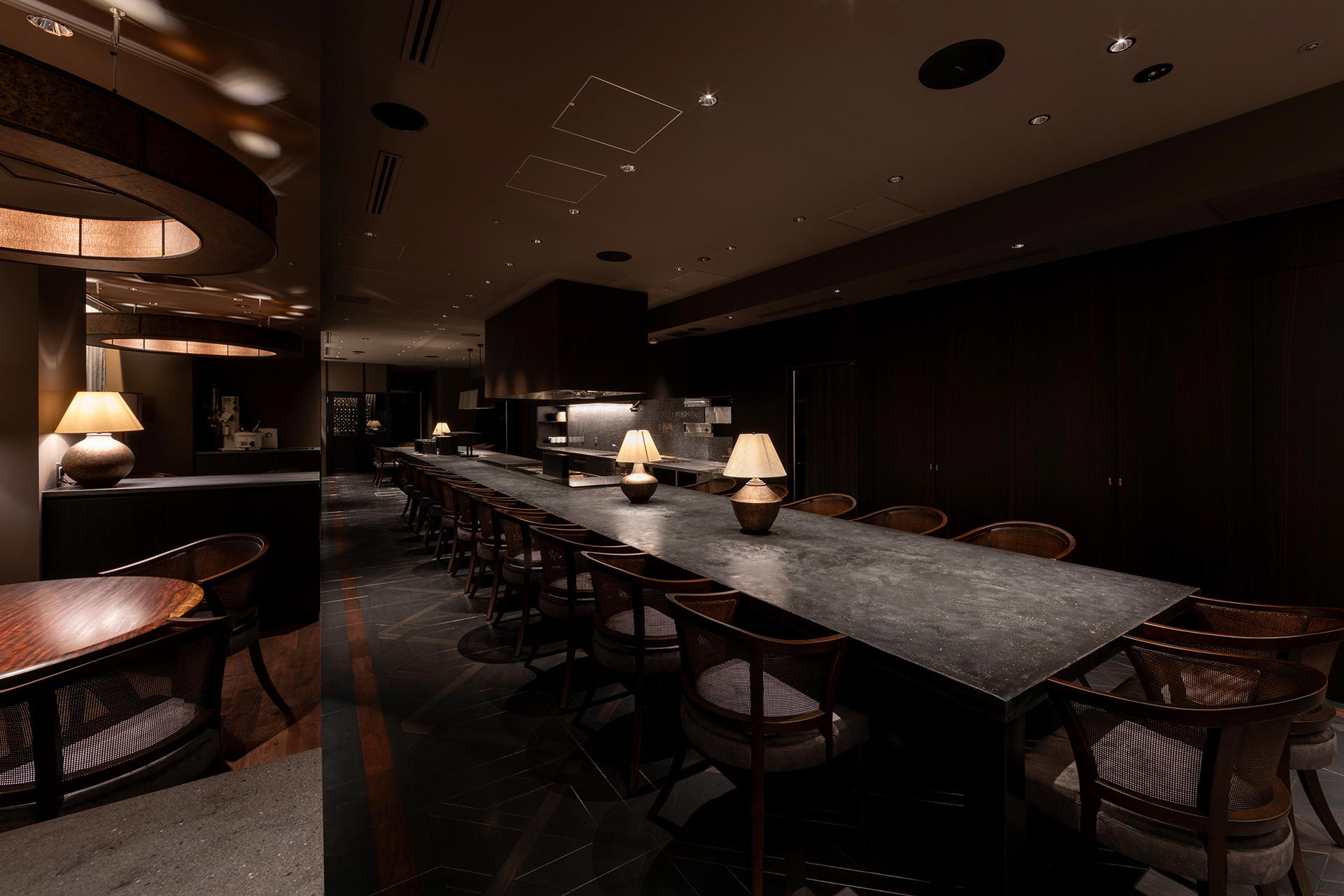
That physical context shapes the dining experience before a menu arrives. Rooms of this type in Tokyo tend toward intimacy by default: smaller seat counts, closer service, less of the choreographed distance that defines a larger Ginza kaiseki room. For comparison, Sézanne in the Four Seasons Marunouchi operates within a hotel structure that gives it a particular kind of formal theatre; Crony in Minami-Aoyama pursues a looser, more casual French register. The Shirokane independent sits between those poles by geography and almost certainly by format.
Planning a Visit: Practical Considerations
For a restaurant at this address and in this neighbourhood category, the standard approach for Tokyo independents applies: reservation by phone is common, English-language booking support varies, and securing a table on short notice at a room with a built local following is rarely direct. Diners planning a Tokyo itinerary that includes Shirokane should treat the booking as the first task, not the last.
Allergen and dietary accommodation at Tokyo independents similarly depends on direct communication rather than a published policy. The directive for any diner with restrictions is to contact the restaurant before confirming a reservation. In Tokyo's fine-dining tier, most kitchens at this level will make adjustments when notified in advance; requests made at the table are harder to accommodate within a set menu format.
For readers building a broader Japan itinerary beyond Tokyo, EP Club covers comparable rooms across the country: HAJIME in Osaka operates at the ¥¥¥¥ tier with a very different conceptual register; Gion Sasaki in Kyoto represents the kaiseki tradition in its home city; akordu in Nara and Goh in Fukuoka extend the picture further. Regional rooms like 一本杉 川島屋 in Nanao, 吉田牧場乃 in Sapporo, 湖畔荘 in Takashima, and 庄羽屋 in Nishikawa Machi show how far the country's serious dining culture extends beyond the three major cities. Outside Japan, Le Bernardin in New York City and Atomix in New York City represent the international tier against which Tokyo's leading rooms are increasingly benchmarked by global diners. Additional Japanese discoveries worth following include Birdland in Sakai and Bistro Ange in Toyohashi.
Our full Tokyo restaurants guide covers the city's dining geography in full, from Ginza counter omakase to Nishiazabu French and the residential-neighbourhood independents that define the middle tier.
Frequently asked questions
Where is Yokoyama in Tokyo?
Yokoyama is located at Japan, 〒108-0072 Tokyo, Minato City, Shirokane, 3 Chome−9−6 æ¸ 園ビル 1F, Tokyo.
Is Yokoyama in Shirokane suitable for a solo diner visiting Tokyo?
Yokoyama's 3-chome address in Shirokane, Minato City, places it on a quieter approach to Tokyo's serious independent restaurant scene — a setting where solo dining is more commonly accommodated than at large-format venues.
What should I order at Yokoyama?
EP Club has not verified a current menu for Yokoyama's Shirokane address. At this level of Tokyo independent dining, the format is typically chef-led with limited or no à la carte choice — arriving with dietary preferences stated in advance is standard practice, not optional.
What's the best way to book Yokoyama?
Restaurants at this address tier in Shirokane are often reservation-only and may require contact through a hotel concierge or a Japanese-language intermediary service if no English booking line is published.
What's the defining dish or idea at Yokoyama?
No specific dish or menu concept has been confirmed in EP Club's verified sources for this Shirokane address. What the location does signal is a deliberate distance from Tokyo's higher-visibility dining corridors — Yokoyama sits in a residential pocket of Minato City where restaurants typically earn their following through word of mouth rather than awards-page prominence.
How does Yokoyama handle allergies?
No allergy policy has been confirmed for Yokoyama. Given the Shirokane address and the format that restaurants in this part of Minato City typically operate, communicating dietary restrictions at the time of booking rather than on arrival is the practical approach — and in many cases a prerequisite for the kitchen to accommodate changes.
Should I splurge on Yokoyama?
Price range for Yokoyama has not been confirmed by EP Club. Tokyo's Shirokane fine dining tier generally sits below the Ginza omakase ceiling but well above casual neighbourhood pricing — context that makes an exploratory booking a measured commitment rather than a speculative one if the format suits your intent.
Comparison Snapshot
Comparable venues nearby, for context on price, style, and recognition.
| Venue | Cuisine | Price | Awards | Notes |
|---|---|---|---|---|
| YokoyamaThis venue — the venue you are viewing | Seasonal Japanese Kaiseki | $100–150 | Not listed | Not listed |
| Yakitori Haruka | Traditional Yakitori & Wine Bar | $100–150 | Tabelog 100 #26 | Minato |
| モリ | Traditional Japanese Cuisine | $50–100 | Not listed | Shibuya |
| Beef Kitchen Ebisu ten | Modern Wagyu Yakiniku | $50–100 | Tabelog 100 #76 | Shibuya |
| 伯雲 | Modern Kaiseki Omakase | $300–500 | 2 Michelin Stars · Tabelog Bronze #93 | Minato |
| Toranomon Yakitori Kuniyoshi | Yakitori & Chicken Dishes | $100–150 | Tabelog 100 #1 | Minato |