
Tabelog 100 #84
Our verdict
Toritama occupies a quiet address in Shirokane, one of Tokyo's more residential corners of Minato, where the yakitori tradition is taken with the same seriousness that Ginza applies to sushi. The format is intimate, the focus disciplined, and the surrounding neighbourhood keeps the room from the tourist circuit that inflates expectations elsewhere.

Pearl is the En Primeur Club membership app, where members save venues, book tables and use the concierge.
Shirokane and the Serious End of Yakitori
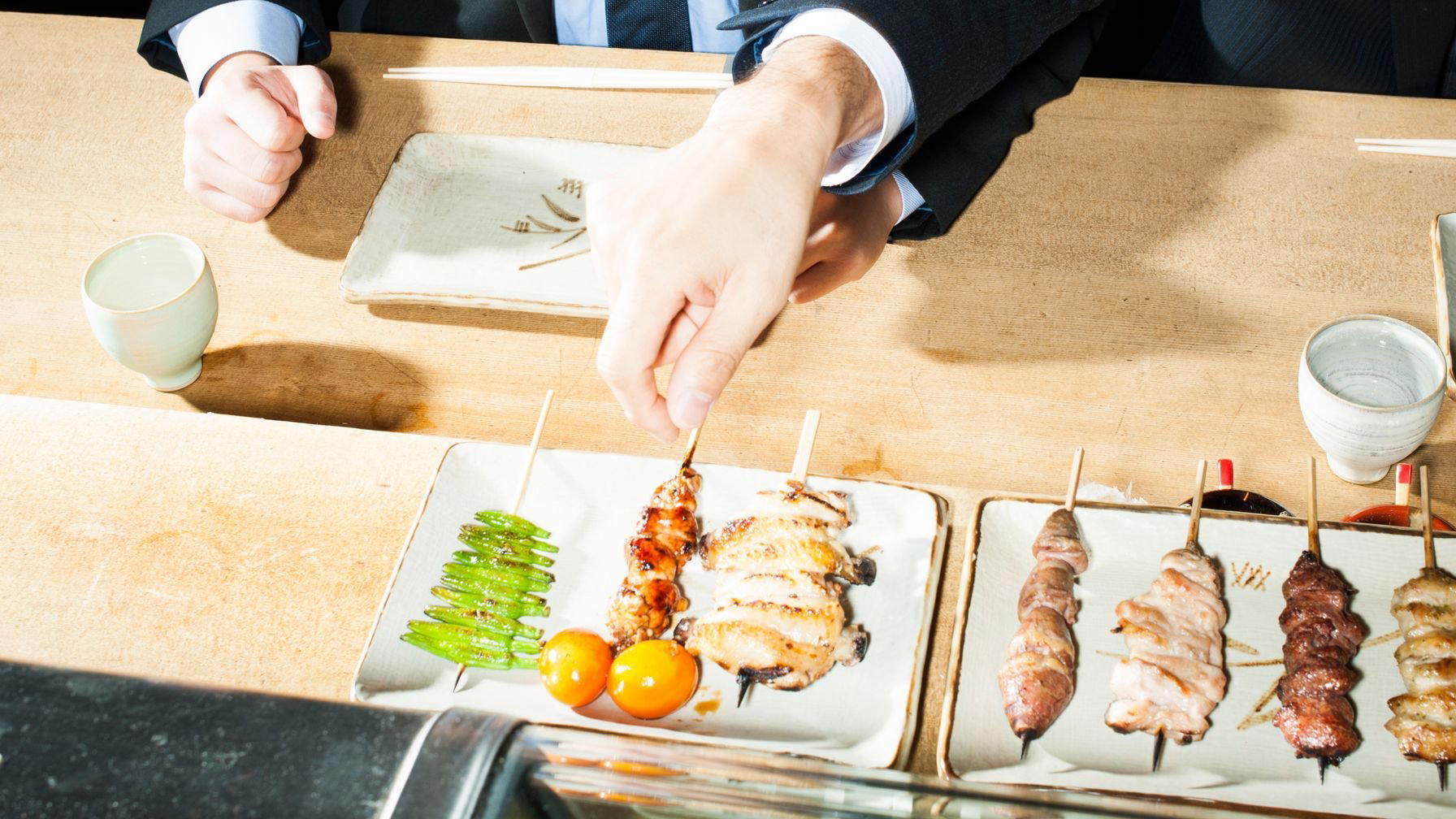
Tokyo's yakitori scene has always operated on a spectrum that runs from standing-room izakaya counters to rooms where the grill work demands the same attention as a kaiseki sequence. Shirokane, tucked inside Minato City, sits closer to the latter end of that spectrum. The neighbourhood is residential in character, quiet by Tokyo standards, and largely indifferent to the kind of visibility that Roppongi or Ginza generate automatically. Restaurants that establish themselves here do so through the quality of their cooking, not through foot traffic or proximity to hotel concierge routes. Toritama, at its address on Shirokane's 6-chome, fits that pattern.
For context on what the serious yakitori tier looks like across Japan: the form has its own internal hierarchies, from mass-production tori-niku operations to counter formats where every cut of a single chicken is presented in deliberate sequence. The latter draws direct comparison to how omakase sushi functions, a through-line from less prized parts to premium cuts, paced by the cook's judgment rather than the diner's order. This is the tradition Toritama operates within, and Shirokane's quieter register suits that format. There is no surrounding noise to compete with. The room's focus holds.
How the Room Works
The editorial angle that leading describes Toritama's appeal is not any single dish or any individual figure behind the grill, it is the way the components of a well-run specialist counter interact. In yakitori at this level, the dynamic between the person manning the binchōtan (the white charcoal that provides radiant, even heat without the acrid flavour of standard charcoal), whoever is managing the sake and drinks, and the floor staff handling pacing and communication determines whether a meal feels orchestrated or merely sequential. At specialist counters like this, the collaboration is structural: the grill generates the rhythm, the drink pairing extends it, and the service reads whether a table needs more time or is ready to move.
This is a different model from the team dynamic at, say, a French kitchen like L'Effervescence or Sézanne, where brigade structure separates production from service more formally. At a counter format, the divide collapses. The cook can read the diner directly. What gets adjusted, salt level, rest time on a skewer, the moment a new stick arrives, happens in response to immediate feedback. Counters at the serious end of the yakitori market have absorbed this logic completely, and it is why the format has earned comparison to omakase sushi in terms of precision, even though the ingredient, chicken, carries none of sushi's luxury cachet.
For reference on how similar collaborative counter dynamics function at the high end of Tokyo dining, Harutaka in the Ginza tier and RyuGin in the kaiseki category both demonstrate how tightly calibrated team communication shapes the experience at single-counter or small-room operations.
The Shirokane Address and What It Signals
The physical location, 6 Chome-22-19 Shirokane, Minato City, places Toritama within walking distance of Shirokanedai Station on the Toei Mita and Tokyo Metro Nanboku lines, which makes access direct from central Tokyo without the venue sitting in a high-rent, high-visibility corridor. This matters: restaurants in Shirokane operate without the automatic credibility that a Ginza or Azabu address lends, which means their reputations are built and sustained by the returning local base and word-of-mouth among the city's dining community.
That community is attentive. Tokyo diners at the specialist-counter level track lineage, sourcing consistency, and whether a room maintains its standards as it ages. Shirokane has a residential demographic that includes long-term residents rather than transient tourist spend, which tends to produce a more demanding regular clientele. A counter that holds that clientele's attention over time has done something genuinely difficult.
Elsewhere in Japan, the same principle applies to counters that have built reputations in secondary cities or quieter districts: Gion Sasaki in Kyoto and HAJIME in Osaka both demonstrate how a neighbourhood address outside the primary tourist corridor can carry authority if the cooking is consistent. Goh in Fukuoka is another example of regional credibility built through cooking rather than location premium.
Yakitori in Its Broader Context
It is worth placing Toritama against the broader pattern of how Tokyo handles specialist formats. The city has a tendency to develop extreme depth in narrow categories: there are ramen shops that serve only one broth, soba-ya that offer half a dozen dishes and nothing else, and yakitori counters that work through a single chicken, named breed, named farm, in a fixed sequence. This is not minimalism for its own sake, it is the product of a culinary culture that rewards iterative refinement within constraints.
The yakitori-as-omakase format, which Toritama represents, sits inside that logic. It draws comparison to how Crony approaches its own constrained-format cooking: the limitation is generative rather than restrictive. Working within a single protein forces a granularity of attention, the difference between thigh, breast, liver, heart, and skin prepared over binchōtan is, at serious counters, substantial enough to sustain a full progression. The form has found international recognition partly because it is so resistant to scaling: you cannot run this kind of counter at volume without losing what makes it work.
For those tracking similar narrow-format specialist counters in other parts of Japan, akordu in Nara and the dedicated operators listed in our regional coverage, including 一本木 石川製 in Nanao, 古代山乃 in Sapporo, 湖畔庄屋 in Takashima, and 座羽黒屋 in Nishikawa Machi, demonstrate how Japan's commitment to specialist formats extends well beyond the capital. The Birdland in Sakai offers a useful regional counterpoint to Tokyo's yakitori scene, as does Bistro Ange in Toyohashi for a different register of specialist dining in the Aichi corridor.
For international comparison, the kind of precision counter-service dynamic that Toritama represents in the yakitori category finds a loose analogue in how Le Bernardin in New York City approaches single-protein focus (seafood), and how Atomix, also in New York, builds a tightly choreographed team narrative around a counter format.
Planning a Visit
Toritama's Shirokane address is reachable via Shirokanedai Station, making it a manageable detour from central Minato or Meguro. Given the counter format and the residential local base, reservations are the practical approach, walk-ins at this tier of specialist counter in Tokyo are rarely reliable, particularly on weekend evenings. For the broader Tokyo restaurant picture and planning context across formats and price tiers, our full Tokyo restaurants guide covers the city's dining categories in detail.
Frequently asked questions
How do I find Toritama?
Toritama is located at 6 Chome-22-19 Shirokane, Minato City, Tokyo 108-0072, Japan, Tokyo.
How does Toritama's Shirokane location compare to Tokyo's other specialist yakitori counters?
Toritama's address at 6 Chome-22-19 Shirokane places it in Minato City, a ward that houses some of Tokyo's highest concentrations of specialist counter dining across formats. Unlike yakitori venues clustered in busier nightlife corridors such as Yurakucho or Shinjuku's Memory Lane, the Shirokane position signals a neighbourhood-anchored, reservation-led operation rather than a walk-in grill. Shirokanedai Station on the Toei Mita and Tokyu Meguro lines provides access without requiring a transfer through central hubs.
What's the best thing to order at Toritama?
At a counter-format yakitori operation of this type, ordering selectively works against the format. The sequence is designed to progress from less prized to more characterful cuts, and disrupting that order loses the internal logic the kitchen has built into the meal. Follow the progression as offered at the counter.
Should I book Toritama in advance?
Yes. Counter-format yakitori at this level in Tokyo runs on limited seats and draws a consistent local clientele from Minato City and surrounding areas. Arriving without a reservation at a room this size risks finding no space, particularly on evenings when regulars hold standing slots.
What is Toritama known for?
Toritama operates within the disciplined tier of Tokyo's yakitori tradition, where the counter format functions as an omakase sequence rather than an à la carte grill session. The focus is on a single-protein progression through chicken cuts, moving from milder to more intensely flavoured skewers in a fixed order. This approach places it alongside Tokyo's broader pattern of extreme specialist depth, applied here to yakitori at the Shirokane address in Minato City.
Can Toritama handle vegetarian requests?
Yakitori is a chicken-centred format by definition, and a counter omakase built around a single-protein progression leaves little structural room for vegetarian substitution. Guests with strict dietary requirements should check the venue's official channels before booking, as the format does not naturally accommodate a plant-based alternative sequence.
Recognition, Side-by-Side
Comparable venues nearby, for context on price, style, and recognition.
| Venue | Cuisine | Price | Awards | Notes |
|---|---|---|---|---|
| ToritamaThis venue (the venue you are viewing) | Rare Cut Yakitori | $50–100 | Tabelog 100 #84 | Not listed |
| Soba Mitate | Soba kappo counter with seasonal course menu | Not listed | Not listed | Minato |
| Hakushū Teppanyaki | Kobe Beef Teppanyaki | $50–100 | Not listed | Shibuya |
| Yakitori Nakamura | Yakitori Omakase | $100–150 | Tabelog 100 #80 | Minato |
| 新ばし 笹田 | Traditional Kappo Japanese | $200–300 | 1 Michelin Star · Tabelog Bronze | Minato |
| Tempura Ginza Tentei | Traditional Ginza Tempura Counter | $50–100 | Tabelog 100 #86 | Chūō |
Recognition history
Dated appearances from independent guides and award organizations, with the underlying list record or original source where available.
Tabelog 100 #84 · No. 84
Tabelog · Tabelog 100 - Yakitori - EAST - 2025
Continue exploring
More in Tokyo
Restaurants in Tokyo
All restaurants in Tokyo →

Bars in Tokyo
All bars in Tokyo →






Details
- Elegant
- Cozy
- Sophisticated
- Intimate
- Date Night
- Solo
- After Work
- Open Kitchen
- Sake Program
- A La Carte
- Counter Dining
- Sake
- Shochu
- Wine
Current opening hours
- Monday
- 5–11:30 PM
- Tuesday
- Closed
- Wednesday
- 5–11:30 PM
- Thursday
- 5–11:30 PM
- Friday
- 5–11:30 PM
- Saturday
- 5–11:30 PM
- Sunday
- 5–11 PM
Hours can change for holidays and private events. Hours as of .
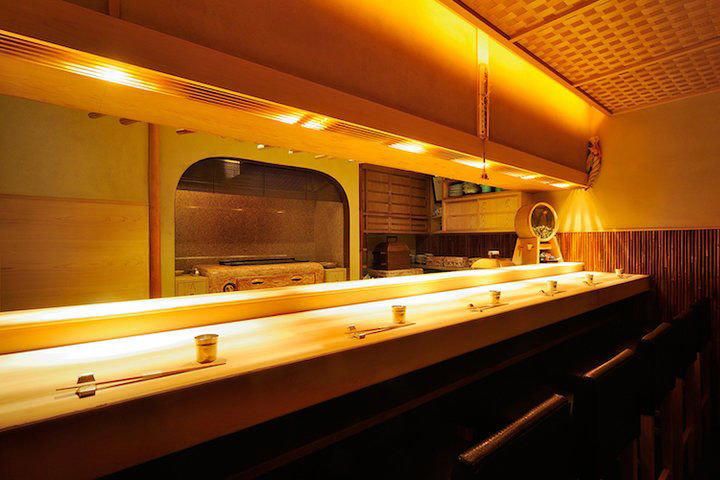
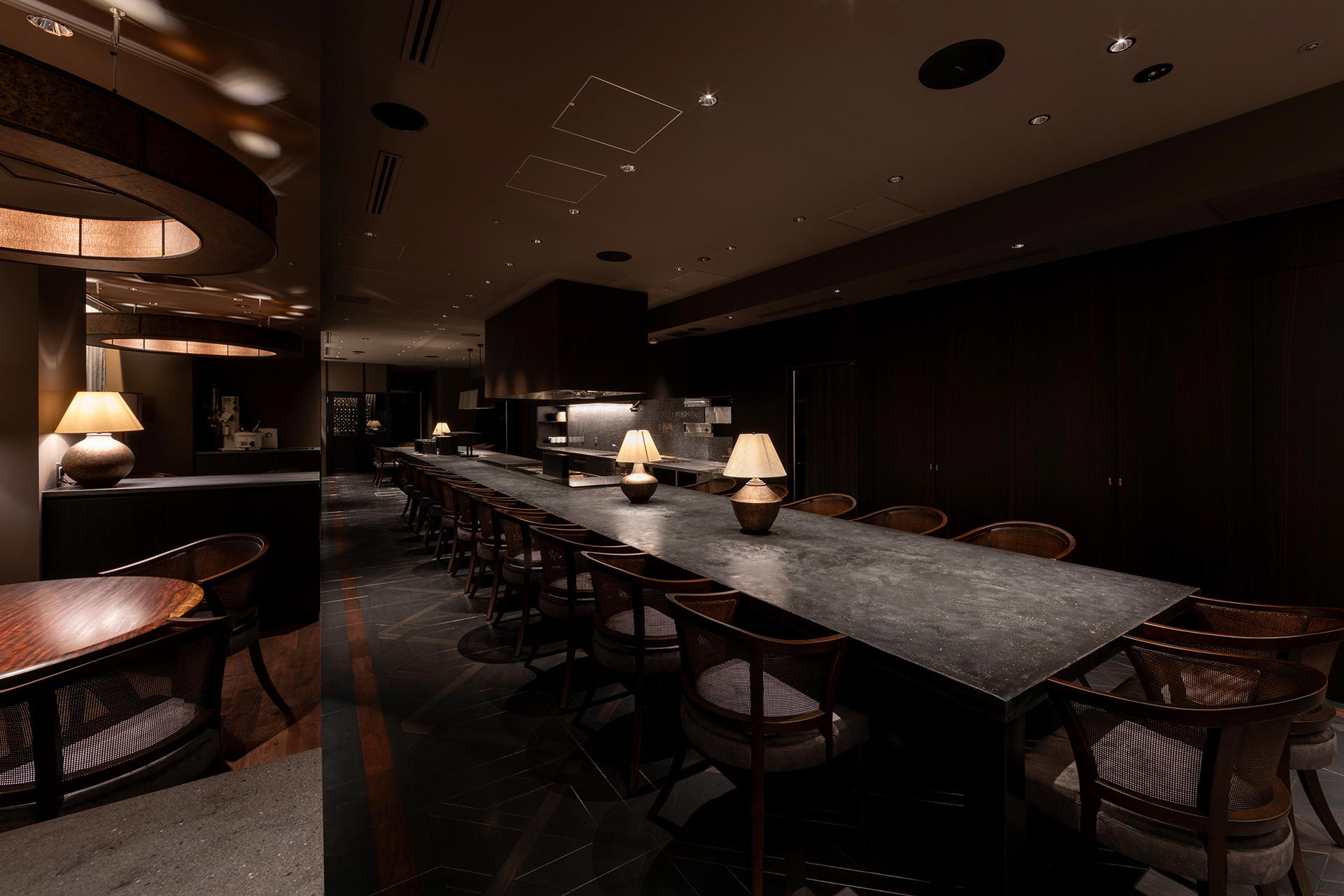
Refined yet comfortable atmosphere with calm, clean, and quiet counter seating, often featuring jazz music.