Our verdict
Kuroda occupies a quiet address in Maruyamacho, Shibuya, within a neighbourhood better known for its nightlife than its serious dining. The restaurant sits in the tier of Tokyo venues where daytime and evening service operate as distinct propositions, each shaped by format, pace, and the particular logic of Japanese hospitality.

Pearl is the En Primeur Club membership app — saves, bookings, and concierge access live there. Same editors, same standards.
- Address
- 1-16 Maruyamacho, Shibuya, Tokyo 150-0044, Japan
- Phone
- +81364552600
- Hours
- Daily 5 PM–4 AM
- Website
- restau.site
- Directions
- Get directions
- Booking
- Book on OpenTable
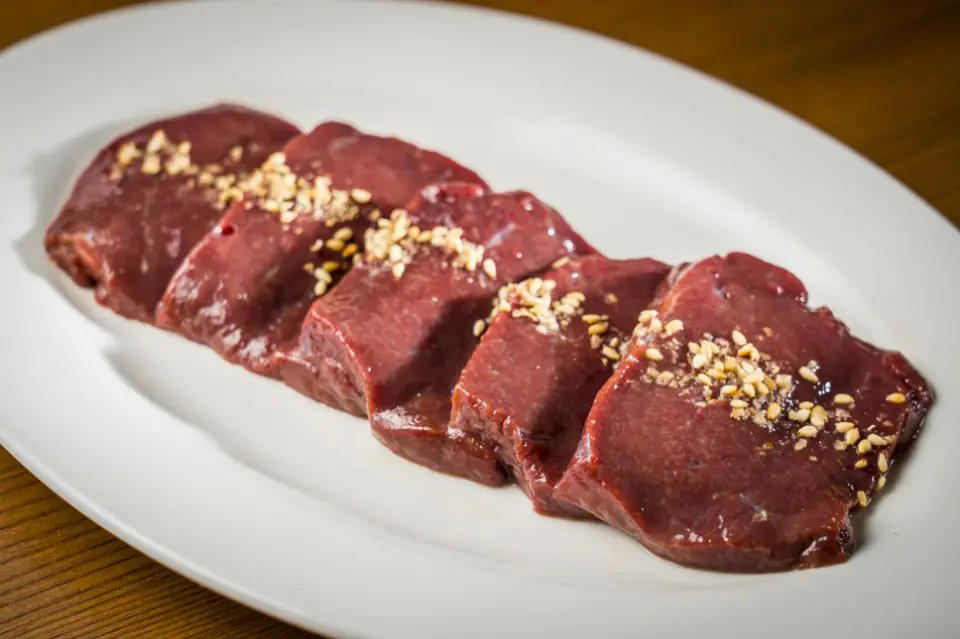
Shibuya's Quieter Register
Maruyamacho sits at an odd angle to Shibuya's main commercial drag. Walk past the cluster of bars and entertainment venues that define the area's reputation and you reach a residential-scale streetscape where the pace drops and the signage thins. This is the context in which Kuroda operates, and it matters: the neighbourhood's relative quietness inside one of Tokyo's most frenetic wards gives the restaurant a particular character before you even step inside. Tokyo dining at this level rarely announces itself loudly, and Maruyamacho reinforces that tendency.
The address at 1-16 Maruyamacho places Kuroda on the Shibuya side of Daikanyama, an area that has attracted a growing number of serious food and drink addresses over the past decade as rents along Omotesando and central Ginza have forced operators toward adjacent postcodes. That geographic shift has produced a coherent but low-profile dining corridor, and Kuroda is part of it.
The Lunch and Dinner Divide in Tokyo's Mid-to-Premium Tier
Across Tokyo's serious restaurant scene, the gap between lunch and dinner has become one of the more structurally interesting features of the market. At the leading end, the distinction is often one of price rather than ambition: the same kitchen, the same counter, the same team, but a compressed menu at noon that functions as an access point for diners priced out of the full evening commitment. At venues in the ¥¥¥ to ¥¥¥¥ range, however, lunch often carries a genuinely different character, with lighter formats, shorter courses, and a daytime pace that suits both the local business crowd and international visitors working around museum hours and afternoon travel.
Kuroda sits in this context. Venues at this address tier typically operate lunch as a tighter, more value-oriented proposition, with dinner shifting toward a longer, more considered service. Whether that applies precisely here is a question for direct confirmation, but it shapes how the restaurant should be approached as a dining decision. If access is the goal, noon is generally the lower-resistance entry point in Tokyo at this level.
For comparison, the dinner services at Harutaka and RyuGin both sit at the ¥¥¥¥ bracket, where a full evening commitment runs considerably north of what most midday seatings demand. L'Effervescence and Sézanne operate similarly, with lunch functioning as a meaningful savings on otherwise expensive formats. Crony in the innovative French space is worth noting as a reference point for how Tokyo's younger kitchen generation approaches the lunch-dinner split with more flexibility in format.
What the Shibuya Dining Scene Tells You About Kuroda's Position
Tokyo's fine dining hierarchy is not evenly distributed across the city. Ginza and Minami-Aoyama carry the highest density of Michelin-starred addresses, while Shibuya has historically punched below its commercial weight in terms of formal dining recognition. That is changing, partly driven by the same residential-adjacency logic that has brought operators to Maruyamacho. A restaurant operating at this address in 2024 is making a specific choice: lower foot traffic, lower visibility, but a customer base that arrives with intention.
That dynamic is common to serious dining rooms in Tokyo's outer-ring wards. HAJIME in Osaka and Gion Sasaki in Kyoto both demonstrate that Japan's most committed restaurant experiences often sit away from the obvious tourist circuit, and the same principle applies within Tokyo itself. Shibuya's Maruyamacho is not where a casual visitor ends up by accident.
For those planning a wider Japan itinerary, it is worth noting that the dining logic at Kuroda connects to a broader regional pattern. akordu in Nara, Goh in Fukuoka, Ishimoto Kanazawa-sei in Nanao, Furuya Sanshi in Sapporo, Kotobukiya in Takashima, and Ohaneya in Nishikawa Machi all illustrate how Japan's serious dining culture operates at scale, with strong regional identities and a consistent emphasis on quiet professionalism over spectacle. Birdland in Sakai and Bistro Ange in Toyohashi extend that picture into less obvious cities.
Planning Your Visit
Given the limited verified data available for Kuroda at publication, direct confirmation of hours, booking method, and current pricing is recommended before visiting. For Tokyo-level restaurants at this address and apparent positioning, the general booking logic applies: reservations are advisable, walk-in availability is uncertain and leading treated as a fallback rather than a strategy, and the most reliable access route is via direct contact or a reputable concierge service.
The broader Tokyo planning picture, including peer restaurants across cuisines and price points, is covered in our full Tokyo restaurants guide. For international reference points on how comparable formats operate in other markets, Le Bernardin in New York City and Atomix in New York City offer useful calibration on what serious tasting-format dining looks like when executed at the top of its category.
Logistics at a Glance
| Factor | Kuroda | Harutaka | RyuGin | Crony |
|---|---|---|---|---|
| Price tier | Not confirmed | ¥¥¥¥ | ¥¥¥¥ | ¥¥¥¥ |
| Cuisine | Not confirmed | Sushi | Kaiseki | Innovative French |
| Neighbourhood | Maruyamacho, Shibuya | Ginza | Roppongi | Aoyama |
| Booking | Confirm directly | Advance required | Advance required | Advance required |
Frequently asked questions
What should I eat at Kuroda?
As a general principle among Tokyo restaurants at this address level and neighbourhood positioning, the kitchen's strongest work tends to reflect either a Japanese culinary tradition (kaiseki, washoku, or a specialist format) or a Franco-Japanese hybrid approach that has become common across Shibuya-area restaurants. Direct inquiry with the venue is the most reliable way to understand the current menu structure. For verified dish-level detail at comparable venues, see Harutaka and RyuGin.
Do they take walk-ins at Kuroda?
In Tokyo's serious dining tier, particularly for restaurants with limited seating and a neighbourhood address that relies on intentional visitors rather than passing trade, walk-in availability is rare outside of last-minute cancellations. If arriving without a reservation is necessary, lunch service on a weekday is statistically the better attempt than a Friday or Saturday evening. Given Shibuya's density and the address's proximity to multiple competing venues, a confirmed booking remains the practical approach.
What's Kuroda leading at?
What the address and neighbourhood context suggest is a restaurant operating with deliberate restraint in terms of visibility, which in Tokyo's dining culture is often a marker of confidence rather than limitation. Peer venues in the area have built reputations on precision and consistency rather than novelty. For benchmarking, L'Effervescence and Sézanne represent the standard of culinary execution in the French register at this tier in Tokyo.
Can Kuroda handle vegetarian requests?
In Tokyo, vegetarian requests at restaurants operating in traditional Japanese formats require advance notice in almost all cases, as dashi and other animal-derived stocks are foundational to the cooking. For Franco-Japanese or contemporary formats, the flexibility is generally greater but still depends on the kitchen's current menu structure.
Does Kuroda justify its prices?
Price data for Kuroda is not confirmed at publication. The broader question of value at Shibuya-area restaurants in this tier is worth contextualising: the ¥¥¥¥ tier in Tokyo runs from approximately ¥20,000 to well above ¥50,000 per person at dinner, and the spread within that bracket is wide. Restaurants positioned away from Ginza and Roppongi frequently offer comparable kitchen ambition at lower price points, partly because the real estate economics are different. Whether Kuroda operates at a price that reflects that neighbourhood logic or prices against Ginza peers is a question that direct confirmation will resolve. The cuisine type and format, once verified, will also determine the relevant comparison set.
Is Kuroda a good choice for a first serious dining experience in Tokyo?
For visitors new to Tokyo's premium dining scene, the Maruyamacho address offers a less overwhelming entry point than Ginza's most formal counters. Shibuya's surrounding neighbourhood is easier to navigate on foot, and the area's mix of formats means the evening can extend naturally before or after the meal. That said, for Kuroda, first-time visitors may find it more useful to start with a venue where the format and expectations are fully documented, such as Crony for a more relaxed innovative format, or to consult our full Tokyo guide for a mapped view of options by cuisine, price, and neighbourhood.
Quick Comparison
Comparable venues nearby, for context on price, style, and recognition.
| Venue | Cuisine | Price | Awards | Notes |
|---|---|---|---|---|
| KurodaThis venue — the venue you are viewing | Yakiniku (Japanese BBQ) | $50–100 | Not listed | Not listed |
| Shinsen Ichinoya | Traditional Kanto-style Unagi (grilled eel) | $50–100 | Tabelog 100 #13 | Shibuya |
| Toranoana Ebisu Ten | Yakiniku Horumon | $50–100 | Not listed | Shibuya |
| Akasaka Gosen | Kaiseki with Soft-Shelled Turtle | $150–200 | Not listed | Minato |
| Izumi | Japanese Sushi | $50–100 | Not listed | Minato |
| Tachinomi Todaka | Creative Japanese Izakaya Course | $100–150 | Tabelog 100 #44 | Shinagawa |
Details
- Cozy
- Elegant
- Date Night
- Business Dinner
- Group Dining
- Private Dining
- Sake Program
- A La Carte
- Omakase
Current opening hours
- Monday
- 5 PM–4 AM
- Tuesday
- 5 PM–4 AM
- Wednesday
- 5 PM–4 AM
- Thursday
- 5 PM–4 AM
- Friday
- 5 PM–4 AM
- Saturday
- 5 PM–4 AM
- Sunday
- 5 PM–4 AM
Hours can change for holidays and private events. Last verified .
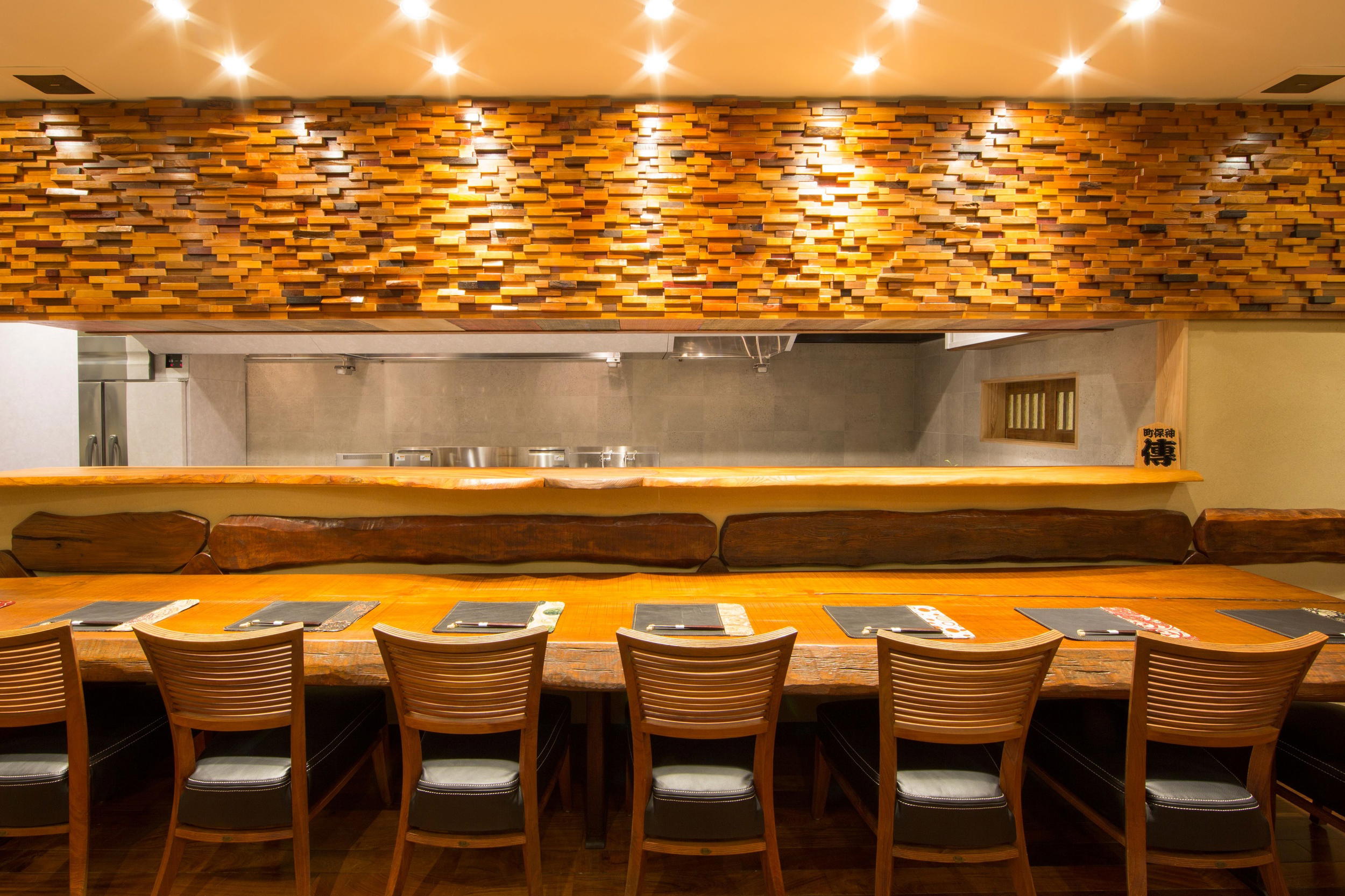
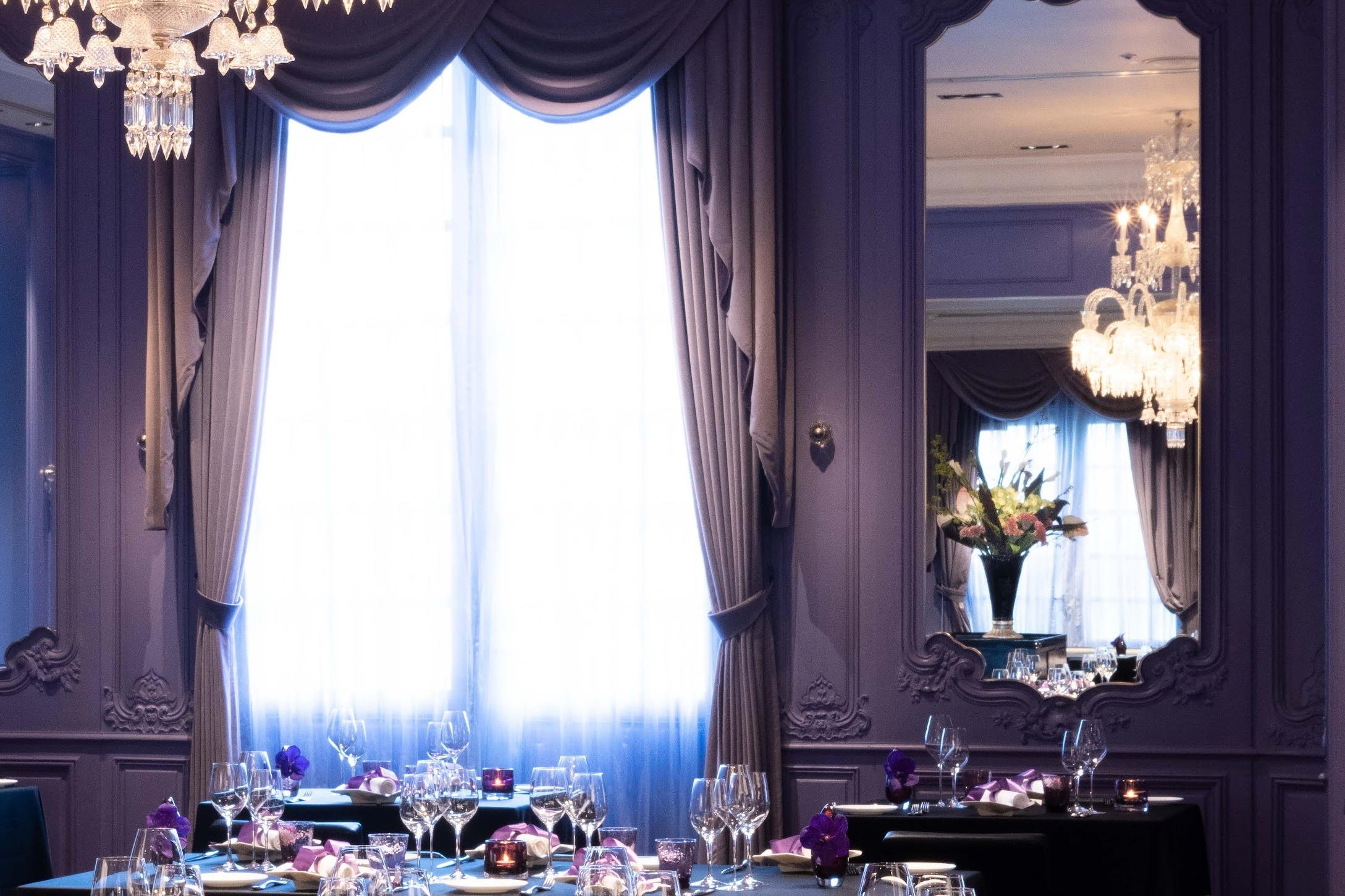
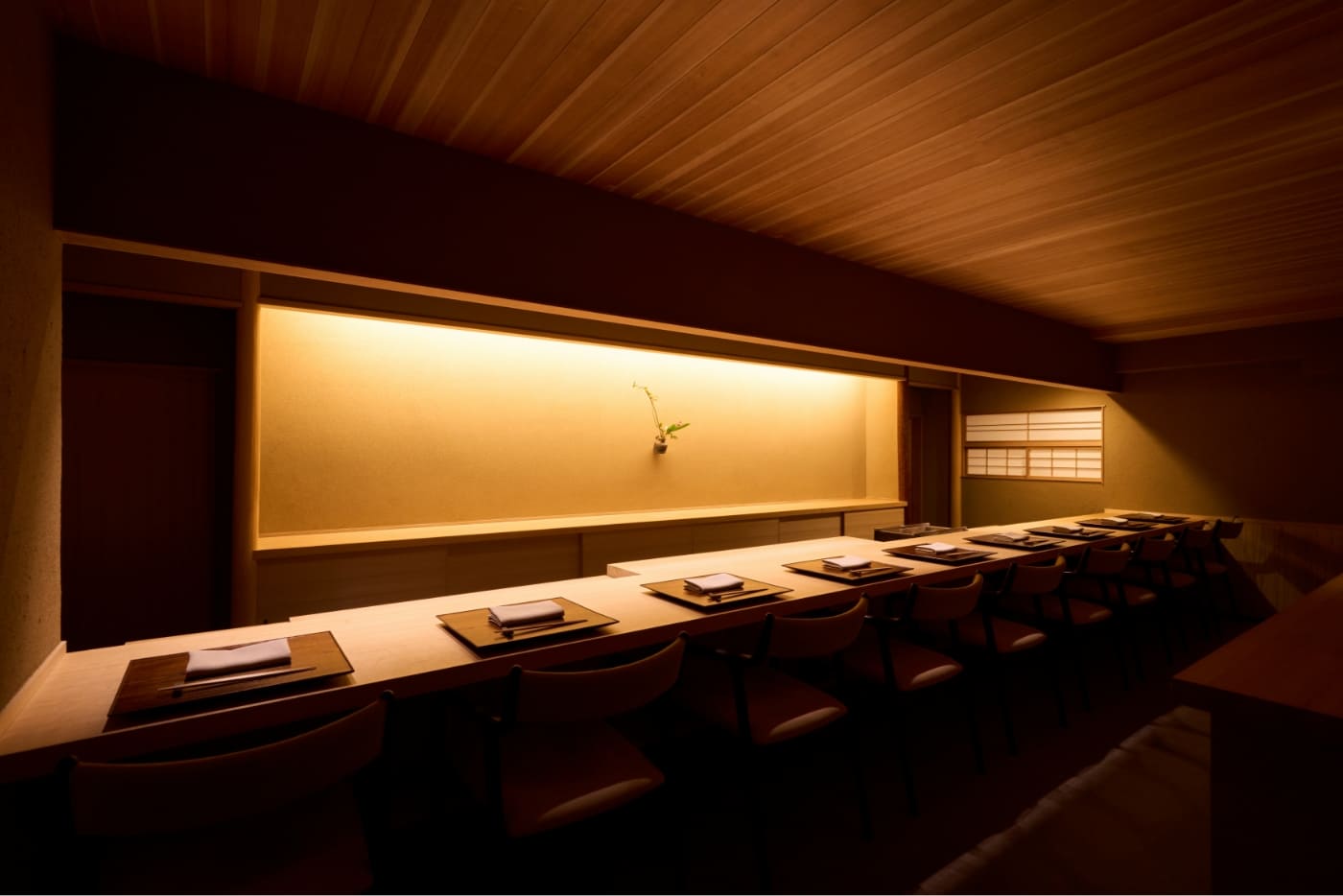
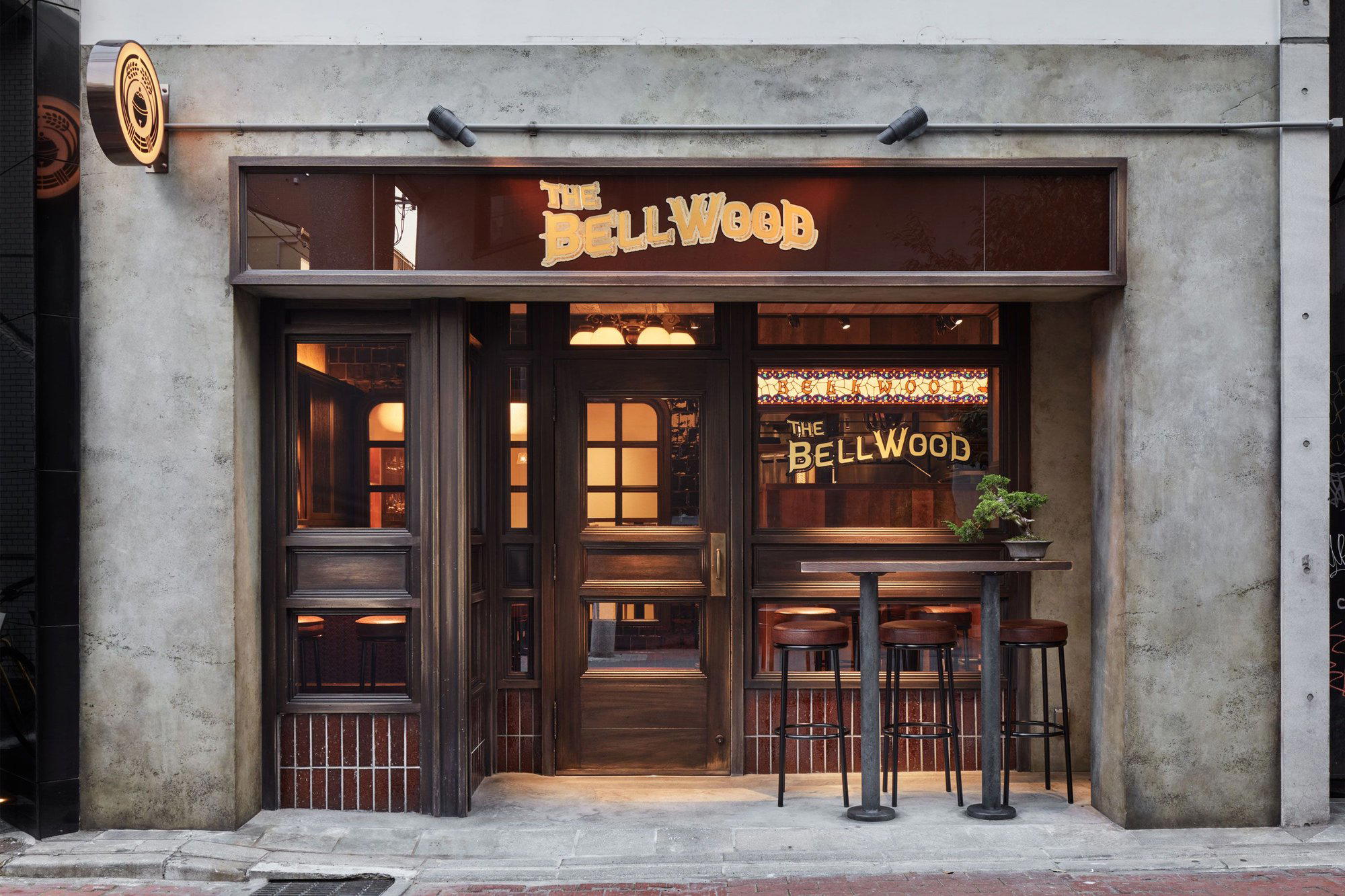
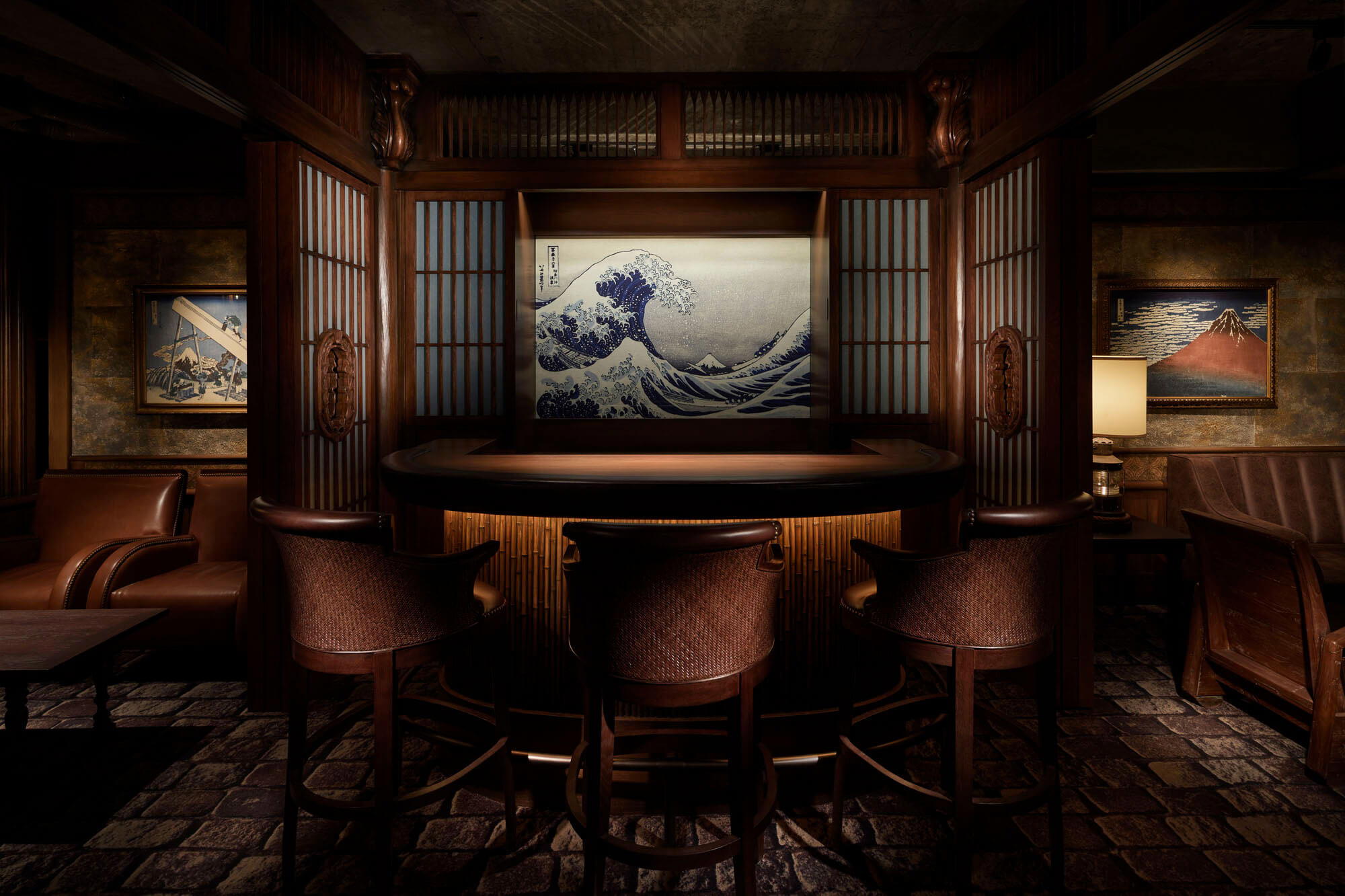
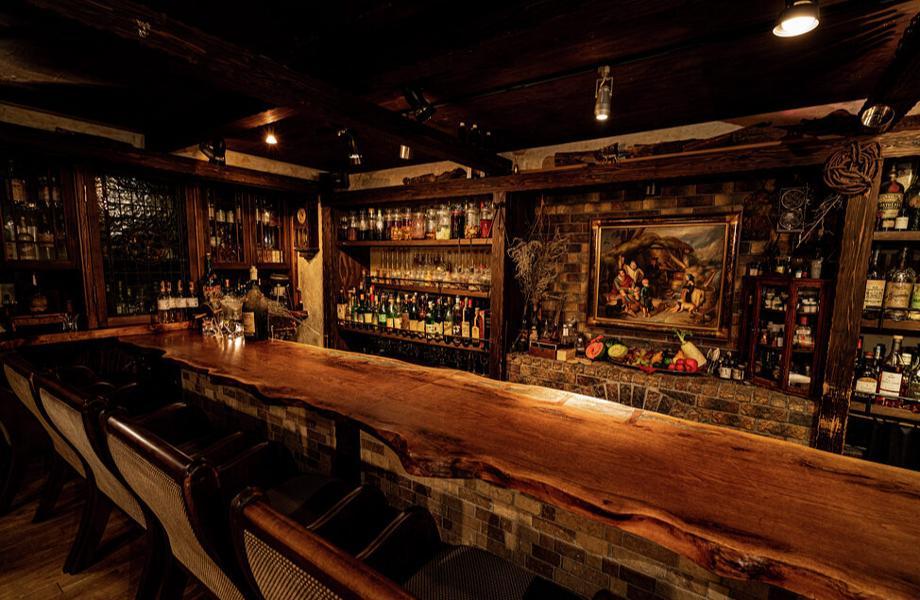
Warm setting away from Shibuya frenzy with friendly service.