
Mizuki brings Tokyo’s serious yakitori conversation to Shirokane, with a nine-seat counter, chicken-focused cooking, regional ingredients and Kishu Binchotan charcoal at the center of the format. Its selection for Tabelog 100 Chicken Cuisine 2025, 4.11 score, and JPY 15,000–19,999 dinner range place it in the city’s higher specialist tier rather than the casual skewer-shop category.
Pearl is the En Primeur Club membership app — saves, bookings, and concierge access live there. Same editors, same standards.
- Address
- 東京都港区白金6-23-2 白金宏和マンション 1F
- Phone
- +81362773411
- Website
- tabelog.com
 Saves & bookings on Pearl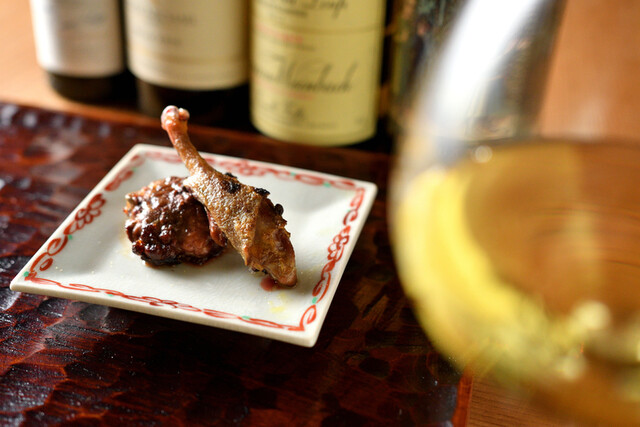
Shirokane moves at a different tempo from Ginza’s restaurant corridors or Shinjuku’s late-night density. Streets thin, apartment blocks replace department-store gloss, and dining rooms announce themselves quietly. Here, Tokyo yakitori feels less like smoke-filled conviviality than concentration: counter, grill, sequenced parts, seasonal accompaniments, and the discipline to make chicken carry dinner.
Mizuki belongs to the Tokyo category where yakitori is a specialist course format, not a snack-and-drink ritual. Over the past decade, the city’s stronger chicken counters have begun competing with sushi and tempura for diners who read sourcing, charcoal, pacing, and seat count as seriously as knife work. Its Tabelog 100 Chicken Cuisine 2025 selection and 4.11 score put it in that conversation, while nine counter seats sharpen the point. This is not for a sprawling group dinner; it is a close-range reading of bird, fire, and timing.
Chicken, charcoal, and regional ingredients set the tone
Tokyo’s high-end yakitori rewards restaurants that make sourcing legible without turning dinner into a lecture. The leading counters build contrast between fat, skin, cartilage, liver, vegetable, smoke, salt, tare, and seasonal produce. Mizuki’s frame is chicken dishes, yakitori, and regional cuisine, with ingredients connected to Gifu and grilling over Kishu Binchotan charcoal. Binchotan matters technically: steady heat, low smoke when handled correctly, and close-coal cooking without flattening the ingredient.
The ingredient universe extends beyond standard chicken skewers: Shiga Omi jidori chicken, duck from Gifu, sweetfish, eel, and fresh vegetables. That breadth makes the meal closer to a charcoal-led seasonal course than a checklist of familiar cuts. Poultry anchors the rhythm; river fish, eel, and vegetables widen it.
The price band is clear. Dinner is JPY 15,000–19,999: above casual yakitori, below Tokyo’s higher omakase sushi counters. In Shirokane, it competes less with izakaya energy than small-format Japanese dining. Nearby comparison points show the spread: RAMA Shirokane is JPY 10,000–14,999, while Shirogane Baru sits lower at JPY 6,000–7,999. Mizuki occupies the neighbourhood’s more specialized end, where seat count, charcoal program, and award recognition matter more than menu breadth.
A nine-seat counter changes the way yakitori is judged
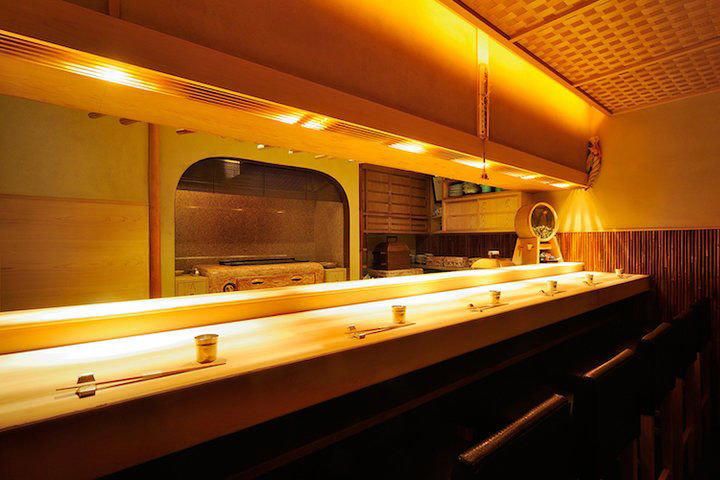
Counter dining in Tokyo is never neutral. At nine seats, timing becomes part of the argument. Yakitori depends on small margins: when to salt, rest, set the skewer near the coals, and serve after fat tightens or skin crisps. A compact counter makes those decisions visible and leaves little room for drift; the grill is the room’s center of gravity.
That is why chicken-cuisine awards in Tokyo can be more telling than broad restaurant praise. Tabelog’s Chicken Cuisine 100 selection is category-specific because yakitori has its own standards. Sushi prestige and kaiseki polish do not translate directly. The questions are narrower: bird quality, charcoal control, seasoning restraint, pacing, and whether non-chicken courses clarify or dilute the meal.
Shirokane adds quiet context. Less socially sprawling than Ebisu and less performative than central luxury districts, it supports understated specialist rooms because the audience is already looking for them. Mizuki marks where Tokyo yakitori now sits: not only older drinking districts, but residential pockets with serious counters and little street theatre.
For readers mapping Tokyo by category rather than neighbourhood, compare Mizuki not only with yakitori counters but with any small, reservation-led Japanese format built on craft sequence. Sushi-omakase diners will recognize the grammar of counter proximity and pacing, though the pleasure here is more elemental: protein, charcoal, heat, controlled repetition. For broader planning, Our full Tokyo restaurants guide gives the wider restaurant frame, while Our full Tokyo hotels guide, Our full Tokyo bars guide, Our full Tokyo wineries guide, and Our full Tokyo experiences guide place dinner inside a fuller itinerary.
How it fits into a Tokyo eating itinerary
Schedule this as the evening’s anchor, not a stop between drinks. The restaurant is reservation-only, with two seatings on several operating days and a single Sunday seating. Reservations start from two people, and course prices vary by season, suiting the ingredient-led style. For travelers fitting Shirokane around Ginza, Ebisu, or Roppongi, flexibility matters.
The area is manageable but rewards planning. Shirokanedai is the nearest named station; Hiroo, Ebisu, and Shirokane-Takanawa are also within walking range. That makes Mizuki useful for travelers staying in central-west Tokyo or building an evening around Ebisu and Hiroo rather than crossing the city afterward. Parking is not part of the proposition, though coin parking is noted nearby; rail or taxi is cleaner for most visitors.
The drinks signal is broader than many chicken counters: sake, shochu, and wine are all listed, with attention to each. Sake can follow salt and tare, shochu handles smoke and fat, and wine offers a path for diners reading yakitori through Burgundy-leaning acidity or lighter reds rather than the izakaya default. No single pairing should be assumed; the program acknowledges yakitori’s position between Japanese drinking culture and fine-dining counter craft.
Tokyo is broad enough that serious yakitori should sit beside less formal eating, not replace it. For contrast, listings such as 124. KAGURAZAKA (Yakitori), 12/10 Shinjuku ten. 鮪と炭火焼き うお炭 秋葉原店, 3 Chome no Curry Ya San, and 2D Cafe show the city shifting between charcoal, curry, novelty café culture, and station-area dining. Wider Japan comparisons stretch the lens: -Grilled beef Sukiyaki- KAMAKURA TANUKIAN 鎌倉 たぬき庵 in Kamakura, [ki:] in Kyoto, to.cafe in Osaka.know in Kumamoto, (Shoku) Vietnam in Kawasaki, and [Curry Senmon Ten] Maruyama Kyoju. in Sapporo. Overseas Japanese-adjacent references such as Jōdo Saké Bar in Los Angeles and Onigiri Time in Pasadena make the same point by contrast: Tokyo counter culture is defined not by Japanese ingredients alone, but by compression, sequence, and restraint.
The case for Mizuki is strongest for diners who want to understand where yakitori goes after the casual skewer shop. The evidence is concrete: nine counter seats, a Tabelog 100 Chicken Cuisine 2025 selection, a 4.11 score, a regional ingredient frame, and Kishu Binchotan charcoal at the center. In a city crowded with specialist counters, that combination places it in the serious chicken-cuisine tier and makes Shirokane part of Tokyo’s current yakitori story.
Cost and Credentials
Comparable venues for cuisine and category context.
| Venue | Cuisine | Price | Notes |
|---|---|---|---|
| Mizuki | Minato, Seasonal Yakitori Omakase | $$$ | Not listed |
| Kuriya Kashi Kurogi | Not listed | $$$ | Hongo, Bunkyo-ku, Artisanal Japanese Wagashi & Kakigori |
| Tori Nago Ebisu ten | Shibuya, Duck hot pot & chicken izakaya | $$$ | Not listed |
| Iwasawa | Shinagawa, Edo-style Omakase Sushi | $$$ | Not listed |
| Tsukada shabu shabu | Shibuya, Premium Shabu-Shabu & Sukiyaki | $$$ | Not listed |
| Soba Ya Tsukigokoro | Meguro, Traditional Soba & Sake Bar | $$$ | Not listed |
Recognition history
Dated appearances from independent guides and award organizations, with the underlying list record or original source where available.
Tabelog 100 #80 · No. 80
Tabelog · Tabelog 100 - Chicken cuisine - 2025












At a Glance
- Cozy
- Intimate
- Elegant
- Date Night
- Special Occasion
- Business Dinner
- After Work
- Chefs Counter
- Open Kitchen
- Standalone
- Design Destination
- Sake Program
- Extensive Wine List
- Local Sourcing
- Farm To Table
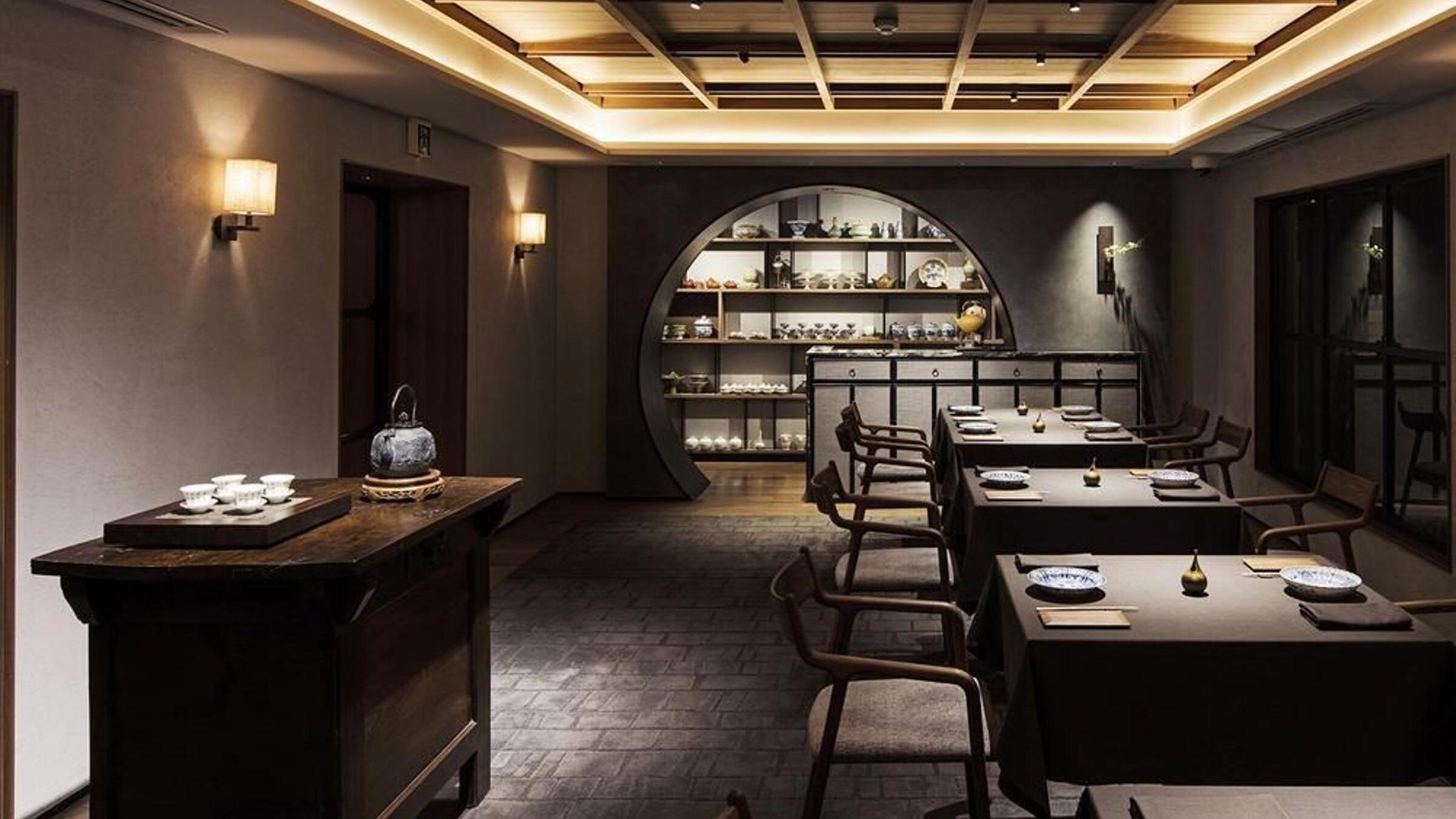
A small, non-smoking counter-only space behind a slatted wooden door with warm, nostalgic lighting and a relaxed, quietly elegant atmosphere shaped by the owner-chef’s calm demeanor.