Our verdict
On Armenia Street in Mar Mikhael, Tawlet operates as a rotating farmer's table that puts Lebanese home cooking — the kind produced by village cooks from across the country — at the centre of a serious dining conversation. Each day brings a different regional cook, a different set of preparations, and a different window into how Lebanon's culinary traditions vary across its geography.

Pearl is the En Primeur Club membership app — saves, bookings, and concierge access live there. Same editors, same standards.
- Address
- Armenia, Beirut, Lebanon
- Phone
- +961 81 266 060
- Website
- tawlet.com
- Directions
- Get directions
A Table That Moves While Staying Still
Mar Mikhael, the neighbourhood that runs along Armenia Street east of Gemmayze, has been Beirut's most reliably interesting dining corridor for the better part of a decade. The street rewards walkers: old industrial buildings converted to restaurants, small bars occupying former workshops, and the occasional institution that has outlasted several rounds of neighbourhood reinvention. Tawlet sits in this corridor, though it operates on a logic that has little to do with the neighbourhood's bar-and-bistro energy. Where much of Mar Mikhael looks outward, toward imported formats and international reference points, Tawlet looks inward, toward the villages, the seasonal calendar, and the home cooks who carry Lebanese culinary tradition in their hands rather than their resumes.
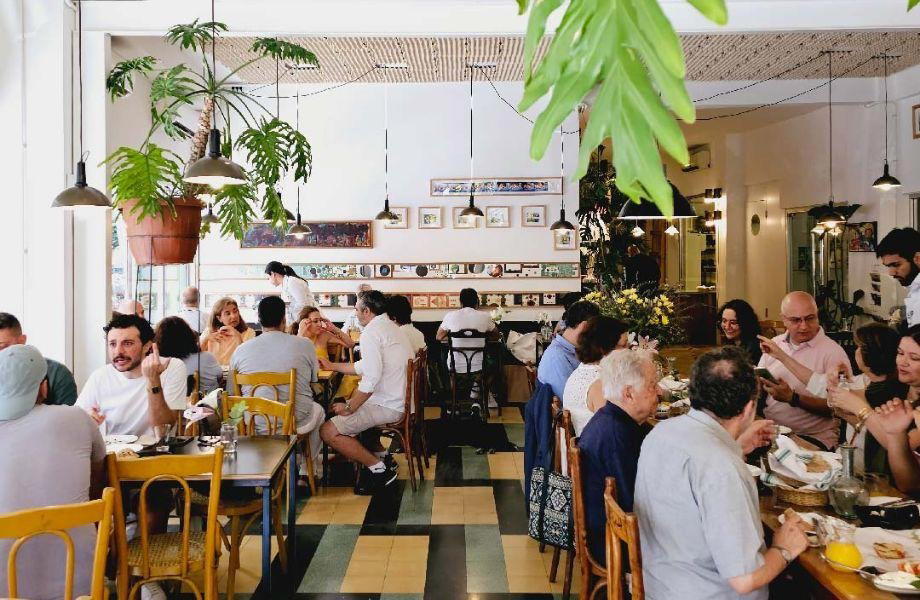
The room itself signals this orientation before any food arrives. It is open, relatively unadorned, with a buffet format that places the food — not the plating, not the theatre — at the centre. Light moves through the space depending on the hour. The sounds are domestic in register: the movement of serving dishes, conversation that rises and falls, the general ambient quality of a place where people are eating seriously rather than performing. There is no tasting menu architecture here, no amuse-bouche sequencing, no sommelier narration. The format is closer to a village lunch than a restaurant meal, which is precisely the point.
The Rotating Kitchen as Editorial Principle
What makes Tawlet structurally distinct from almost every other serious restaurant in Beirut is the rotating cook model. On any given day, the kitchen is run by a different home cook or small producer, typically from a specific Lebanese region, preparing the dishes that define their village or family tradition. This means the menu changes daily and cannot be predicted from outside. It also means that two visits a week apart can produce entirely different sensory experiences: different spices foregrounded, different ratios of grain to vegetable, different preparations of the same base ingredient depending on whether the cook comes from the Bekaa, the north, or the south.
This model sits in a broader context worth naming. Across the Arab world, a significant gap exists between the food prepared in homes and the food served in restaurants. The restaurant version tends toward standardisation, toward dishes that travel well, that photograph easily, that can be replicated by a brigade without the cultural memory that produced them. Tawlet's rotating format is a direct argument against that gap. The credibility of the cook matters here in the way that a chef's Michelin lineage might matter elsewhere. It is a different credential system, but it is a system, and it produces a different quality of honesty in the food.
For comparison, Beirut's formal Lebanese dining addresses, including Em Sherif and Al Halabi, operate with consistent menus and professional brigade kitchens. Both formats have genuine value. But the standardised model, however skillfully executed, is optimised for repeatability. Tawlet is optimised for specificity, for the particular knowledge of a particular person on a particular Tuesday in a particular season.
What the Senses Register
The sensory experience at Tawlet is cumulative rather than punctuated. There is no single arrival moment, no dramatic dish presentation, no tableside preparation designed to produce a reaction. Instead, the experience builds through accumulation: the smell of slow-cooked legumes, the sight of dishes arranged without hierarchy, the texture contrast between fresh-made bread and a preparation that has been cooking since early morning. These are the sensory markers of domestic cooking at its most disciplined, which is a different register from fine dining but not a lesser one.
The seasonal dimension is significant. Lebanon's agricultural calendar is compressed and regional: the Bekaa produces differently from the coast, and both differ from the mountains. A visit in spring brings different preparations than a visit in autumn, not because a chef has updated a menu but because the cooks arriving at Tawlet bring what is available and appropriate in their region at that moment. This makes the experience genuinely time-sensitive in a way that few restaurant formats are. For travellers planning a Beirut itinerary, this is worth building around: the same address in May and in October will not produce the same meal.
Beirut's Home-Cooking Tradition in a Restaurant Frame
Lebanese home cooking is one of the more misrepresented cuisines in its international restaurant form. Outside Lebanon, it tends to collapse into a short list of dishes: hummus, tabbouleh, kibbeh, a handful of mezze. The actual range is far wider, varying significantly by region, religious community, season, and family practice. The north produces differently from the south; the Bekaa's cooking reflects its agricultural abundance in ways that coastal Beirut cooking does not. This regional specificity is largely invisible in the standardised restaurant version of Lebanese cuisine, whether in Beirut or abroad.
Tawlet functions as a corrective to that flattening. Each cook who arrives brings a specific regional tradition, and the dishes that appear on a given day reflect that specificity rather than the genre average. This is what gives the format its documentary quality. It is less a restaurant and more a live archive of Lebanese cooking practice, updated daily by different participants. Places like Al Falamanki Sodeco and Albergo Rooftop occupy different positions in Beirut's Lebanese-food conversation. Tawlet's position is closer to primary source than interpretation.
For travellers who want to extend the search into Lebanon's regions, the country's culinary geography rewards exploration. Lakkis Farm in Baalbek speaks to Bekaa Valley produce culture, while Shams Restaurant in Aanjar represents a different eastern tradition. In the north, Jammal in Batroun District and Feniqia in Byblos each work with regional coastal traditions. The variety that Tawlet compresses into a single rotating table is, across Lebanon, a road trip's worth of discovery. Laiterie Massabki in Chtoura is another address worth knowing for dairy-centred Bekaa traditions.
Other addresses worth cross-referencing in Beirut include Al Rawda in Shatila, which operates in a different register but with comparable commitment to non-glamorised cooking. Beyond the city, Onno Bistro in Bourj Hammoud and Al Halabi in Matn District extend the conversation into the suburbs. For Lebanese wine alongside food of this ambition, BRUT by Youssef Akiki in Keserwan is a natural companion. And for the quick, essential counterpoint to any long lunch, Falafel Sahyoun remains a non-negotiable reference point in Beirut's street-food hierarchy. Kitchen Garage in Aley District offers a mountain-adjacent perspective worth including in any broader Lebanon itinerary.
For travellers mapping Beirut's dining character more broadly, our full Beirut restaurants guide places these addresses in a wider framework. The rotating format at Tawlet also invites comparison with community-table formats at celebrated addresses elsewhere: the producer-driven ethos has parallels with places like Lazy Bear in San Francisco, though the cultural context and price register are entirely different. The commitment to non-chef home cooking as a serious dining proposition also sits in a tradition that formal tasting-menu destinations like Le Bernardin in New York approach from a very different angle.
Planning a Visit
Tawlet operates on Armenia Street in Mar Mikhael, which is walkable from Gemmayze and accessible by taxi from most central Beirut addresses. The buffet format means the practical rhythm of a visit is self-directed: arrive, survey what is available that day, and eat according to appetite rather than a fixed sequence. Lunch is the primary service. Given the rotating cook format, the specific dishes available on any given day are not predictable in advance, which makes the experience genuinely contingent on timing. For travellers spending several days in Beirut, it is worth visiting more than once if the schedule allows.
Frequently asked questions
Is Tawlet child-friendly?
The buffet format works well for families with children — plates are self-selected, portions are flexible, and the Mar Mikhael setting on Armenia Street is relaxed rather than formal. The home-cooking nature of the menu means dishes tend toward the familiar end of Lebanese cuisine, which helps with younger or selective eaters.
Is Tawlet better for a quiet night or a lively one?
Tawlet is primarily a lunch venue, which shapes the atmosphere considerably. The Armenia Street address in Mar Mikhael draws a neighbourhood crowd of regulars alongside curious visitors, making for a sociable but unhurried midday meal rather than a high-energy evening out.
How does Tawlet's rotating cook model differ from a conventional guest chef format?
Rather than hosting established chefs, Tawlet invites home cooks — often women from rural or regional communities across Lebanon — to run the kitchen for a day on Armenia Street in Beirut. This makes it one of the few restaurants in the city where the menu is determined not by a culinary director but by whoever is cooking that particular morning, turning each visit into a snapshot of a specific Lebanese regional tradition.
What dish is Tawlet famous for?
There is no fixed signature dish, which is precisely the point. Because the kitchen rotates between cooks from different Lebanese regions, what appears on the buffet changes daily. The draw is in that variability — a cook from the south might anchor the spread with dishes that a cook from the Bekaa would not include.
Where is Tawlet located?
Tawlet is located at Armenia, Beirut, Lebanon, Beirut.
Nearby-ish Comparables
Comparable venues nearby, for context on price, style, and recognition.
| Venue | Cuisine | Price | Notes |
|---|---|---|---|
| TawletThis venue — the venue you are viewing | Traditional Lebanese Home Cooking | $20–30 | Not listed |
| Hanna Mitri | Traditional Lebanese Bouza & Sweets | $1–10 | Achrafieh |
| Rizk Chicken | Lebanese Fried Chicken & Shawarma | $10–20 | Bachoura |
| Basterma Mano | Armenian Shawarma & Basterma | $1–10 | Borj Hammoud |
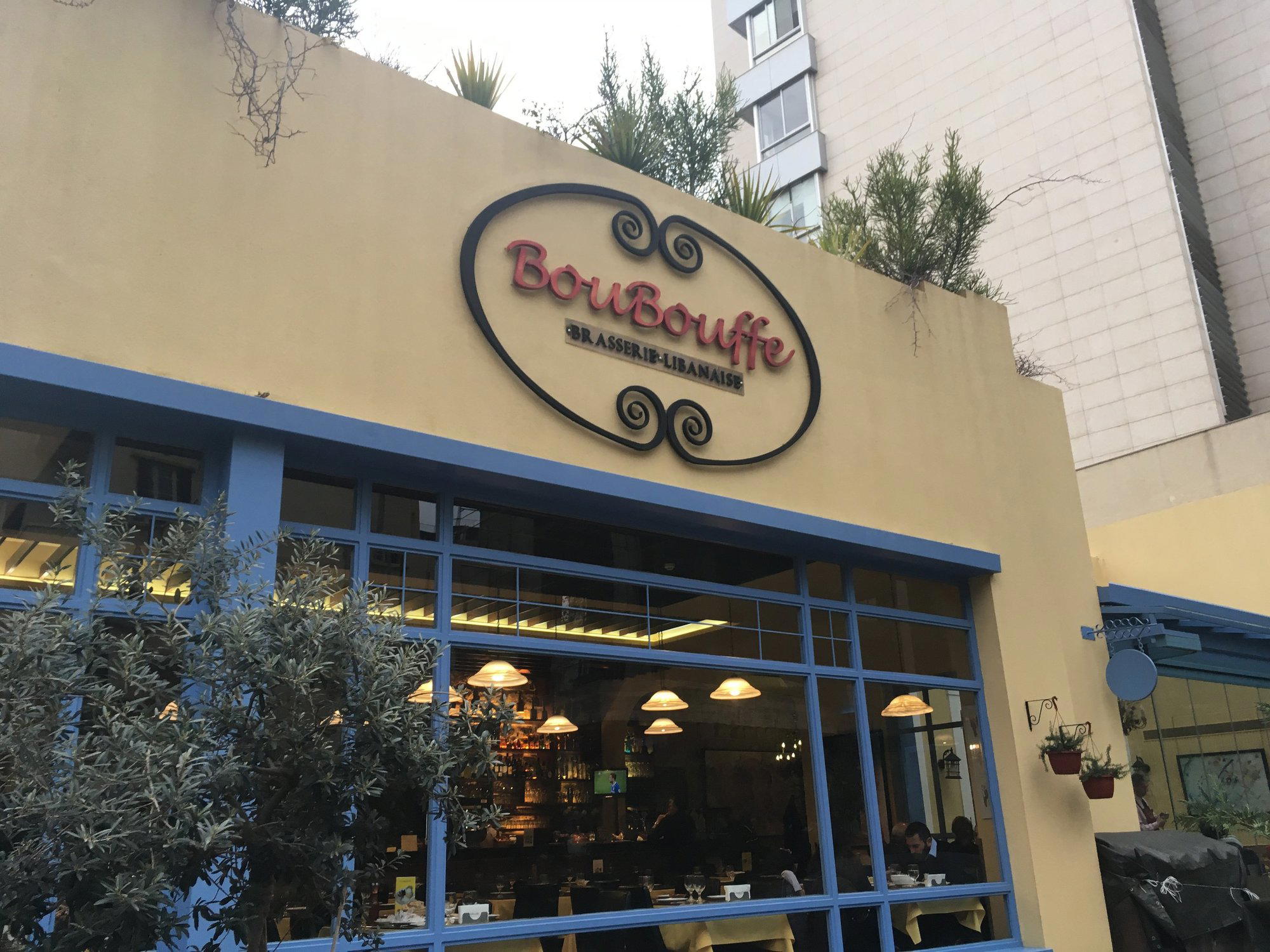
| Boubouffe | Lebanese Brasserie | Not listed | Achrafieh |
| Restaurant Joseph | Lebanese Street Food | $10–20 | Sin El Fil |
Continue exploring
More in Beirut
Restaurants in Beirut
Browse all →
Bars in Beirut
Browse all →
Hotels in Beirut
Browse all →

Details
- Rustic
- Cozy
- Lively
- Brunch
- Casual Hangout
- Open Kitchen
- Farm To Table
- Organic
- Local Sourcing
- Buffet
- Vegetarian Friendly
- Vegan Options
- Gluten Free Options
Soulful sunlit space with an airy open kitchen and bustling activity creating a welcoming home-like atmosphere.