Al Halabi in Antelias sits within a stretch of the greater Beirut metro area where traditional Lebanese hospitality dining has long held its ground against the city's more fashionable restaurant openings. The address places it in the suburban northern corridor, where family-format restaurants tend to run larger, louder, and more grounded in mezze tradition than their Gemmayzeh or Achrafieh counterparts. It occupies a tier defined by occasion dining and generous portions rather than tasting-menu refinement.
 Request Booking on Pearl
Pearl is the En Primeur Club membership app — saves, bookings, and concierge access live there. Same editors, same standards.
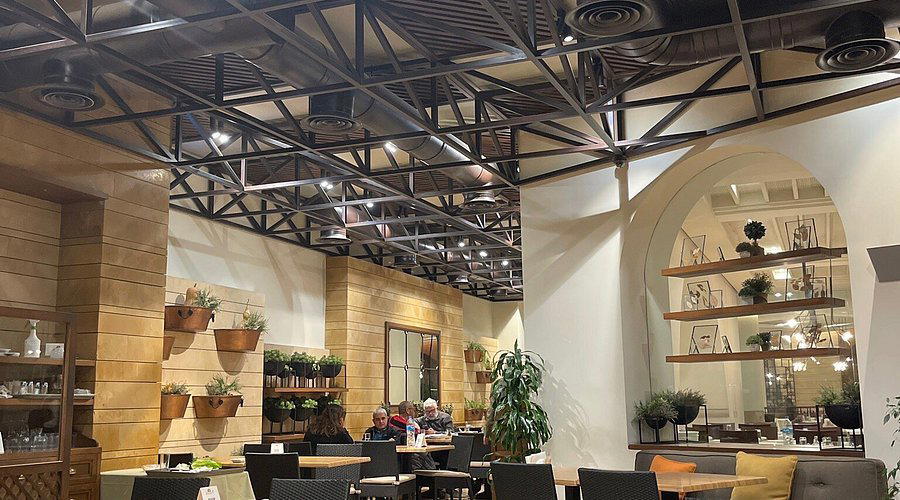
Antelias and the Northern Dining Corridor
Beirut's restaurant gravity has long been centred on its inner neighbourhoods: Gemmayzeh, Mar Mikhael, Verdun, and the waterfront. But the city's dining identity extends well north along the coastal highway, through Antelias and into the Matn suburbs, where a different register of Lebanese hospitality persists. Here, restaurants tend to prioritise table size over room design, and the mezze spread over the single composed plate. Al Halabi operates in this tradition, positioned in Antelias rather than in the more photographed quarters of central Beirut.
That suburban placement is not incidental. The northern corridor between Beirut and Jounieh has historically served as a corridor for large-format Lebanese restaurants that draw families, extended groups, and diners arriving by car rather than on foot. The format that dominates here, long shared tables, cold mezze arriving in waves before anything grilled, arak flowing alongside, is the format that defines Lebanese communal eating at its most traditional. Venues like Al Halabi Restaurant in the Matn District operate in a related register, reflecting how this style of dining has spread and replicated across the greater Beirut area.
What the Antelias Address Signals
Choosing to dine in Antelias rather than in Beirut's core requires a deliberate decision: you are travelling toward a certain kind of experience rather than stumbling into it. That deliberateness filters the crowd in ways that matter. The tables at restaurants in this corridor are rarely occupied by tourists following a guidebook recommendation; they are filled by Lebanese families, by diaspora visitors who grew up eating this style of food, and by groups who want space and noise and quantity rather than restraint and minimalism.
Contrast this with the more curated Lebanese dining available in central Beirut. Em Sherif sits at the formal, ceremony-oriented end of the Lebanese restaurant spectrum, where the mezze arrives with theatrical precision and the room is designed for celebration. Albergo Rooftop positions Lebanese cuisine within a boutique hotel setting, emphasising views and occasion atmosphere. Al Halabi in Antelias belongs to neither of those registers. It is not trying to be a destination in that curated sense; it is trying to be the reliable, generous version of something Beirut has always done well.
The Mezze Framework and What It Demands
Lebanese mezze culture rewards patience and penalises impatience. The cold starters, hummus, moutabal, tabbouleh, fattoush, kibbeh nayeh, warak enab, arrive first and in quantity; the expectation is that you will eat slowly, refill bread repeatedly, and allow the table to fill before anything hot is ordered. This is not a format that suits the clock-watching diner or the solo visitor, and it is not designed to. The social architecture of mezze dining is built around the group, and Antelias-area restaurants like Al Halabi are built around that group dynamic in every spatial and service sense.
Across Lebanon, the strongest traditional restaurants earn their reputations through consistency and volume: the same hummus texture every service, the same char on the mixed grill, the same arak-to-food ratio understood by the kitchen. That kind of consistency over years is what builds the loyal clientele that fills these rooms on a Friday evening without any particular marketing effort. For reference points on how Lebanese cuisine gets positioned at different price and formality levels, Al Falamanki Sodeco and Al Rawda in Shatila represent the more neighbourhood-embedded, everyday register of the same tradition.
Situating Al Halabi Within Greater Beirut
Beirut's restaurant scene in 2024 has continued its complicated recovery and reinvention, with new openings clustered in Gemmayzeh and around the Achrafieh axis. The suburban north has not received the same editorial attention, but it has also not suffered the same cycle of openings and closures that characterises the trendier pockets of the city. Restaurants in Antelias and the Matn tend to be older, more structurally stable businesses, less dependent on a single investor or a moment of media visibility.
That stability matters when you are planning a dinner that is meant to work, not to be interesting. The broader Greater Beirut dining circuit also includes strong regional options worth building a trip around: Jammal in the Batroun District, Feniqia in Byblos, and Lakkis Farm in Baalbek represent how Lebanese hospitality dining disperses along the full length of the country. Within the Matn and Keserwan arc, Onno Bistro in Bourj Hammoud and BRUT by Youssef Akiki in Keserwan represent a newer, more technically oriented dining sensibility developing in the same suburban corridor.
Planning Your Visit
Antelias sits north of the city centre along the coastal highway, most practically reached by car; ride-hailing services cover the route from central Beirut without difficulty, and the journey from Gemmayzeh or the Corniche runs approximately 20 to 30 minutes depending on traffic. Given that large-format Lebanese restaurants in this corridor fill quickly on weekends, arriving early in the service or calling ahead to confirm capacity is advisable, particularly for groups of more than four.
For regional context on how cuisine quality varies across Lebanon's dining circuit, venues like Kitchen Garage in the Aley District, Laiterie Massabki in Chtoura, and Shams Restaurant in Aanjar all speak to the depth of the country's food traditions beyond Beirut's core. At the other end of the formality register entirely, Falafel Sahyoun and Babel Bay show how street-level and casual waterfront dining function as the baseline of the city's food culture.
- beef tartare
- garlic-free hummus
- moudardara
- mhalabiye
- kebah nayah
- warak 3enab
Compact Comparison
Comparable venues nearby, for context on price, style, and recognition.
| Venue | Cuisine | Price | Notes |
|---|---|---|---|
| Al HalabiThis venue — the venue you are viewing | Antelias, Classic Lebanese | $$$ | |
| Babel Bay | Zaitunay Bay, Modern Lebanese Seafood | $$$ | |
| Al Falamanki Sodeco | Sodeco, Traditional Lebanese | $$ | |
| Café D'Orient | Ashrafieh, Oriental Middle Eastern | $$ | |
| Central Station | Mar Mikhael, International Bar Cuisine | $$$ | |
| Casablanca | $$$ | Ain el-Mreisseh, Asian-Mediterranean Fusion |
Continue exploring
More in Beirut
Restaurants in Beirut
Browse all →
At a Glance
- Classic
- Elegant
- Intimate
- Date Night
- Group Dining
- Special Occasion
- Casual Hangout
- Standalone
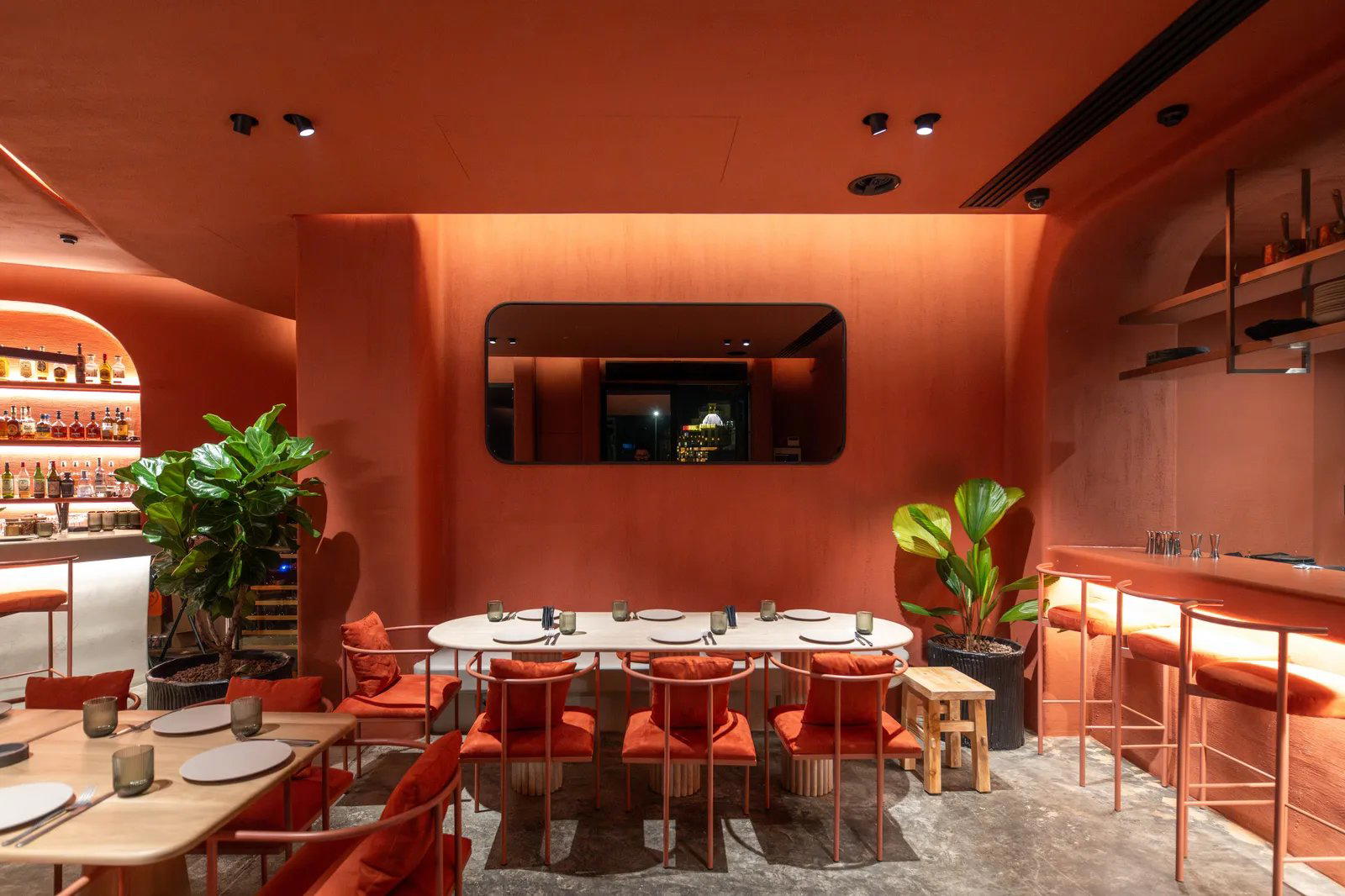
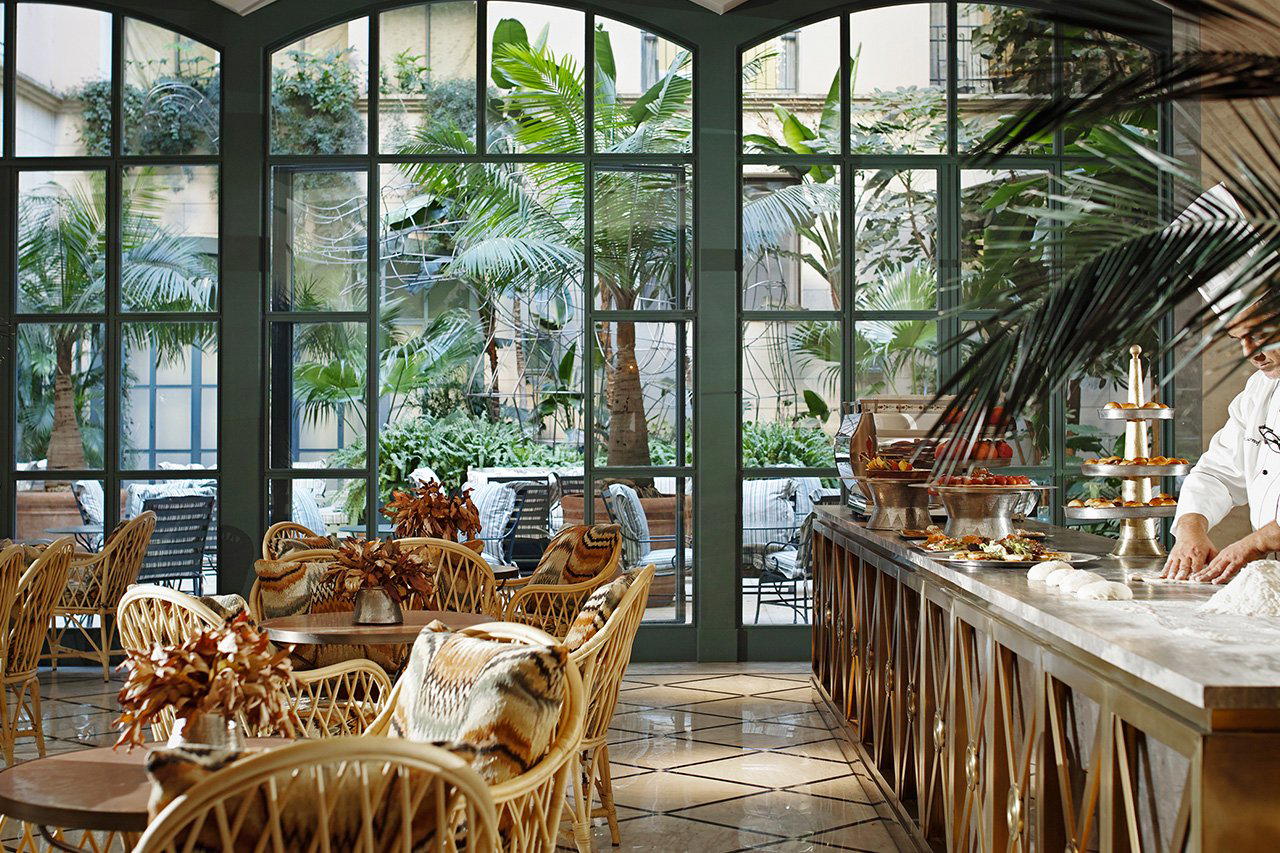
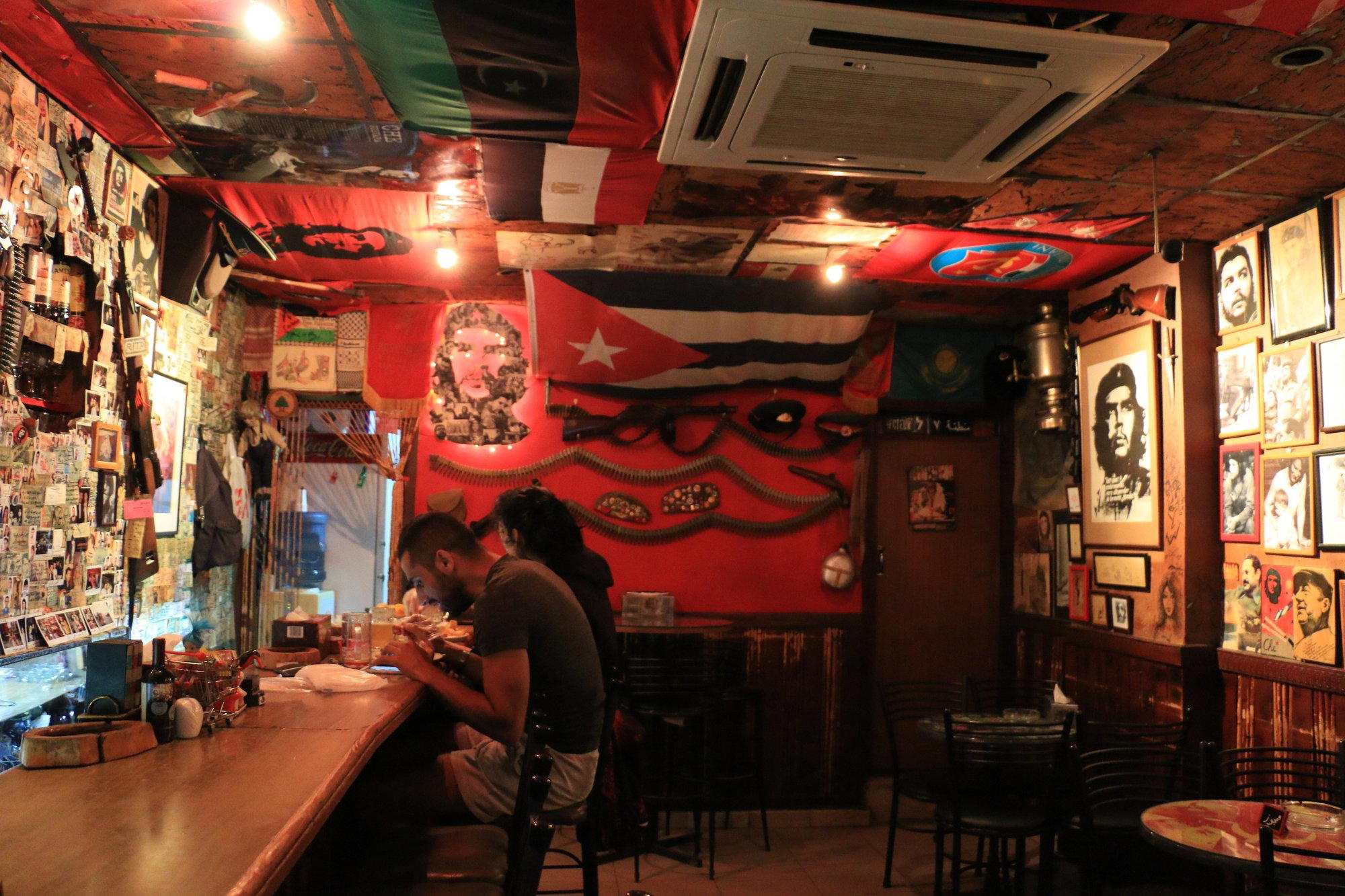
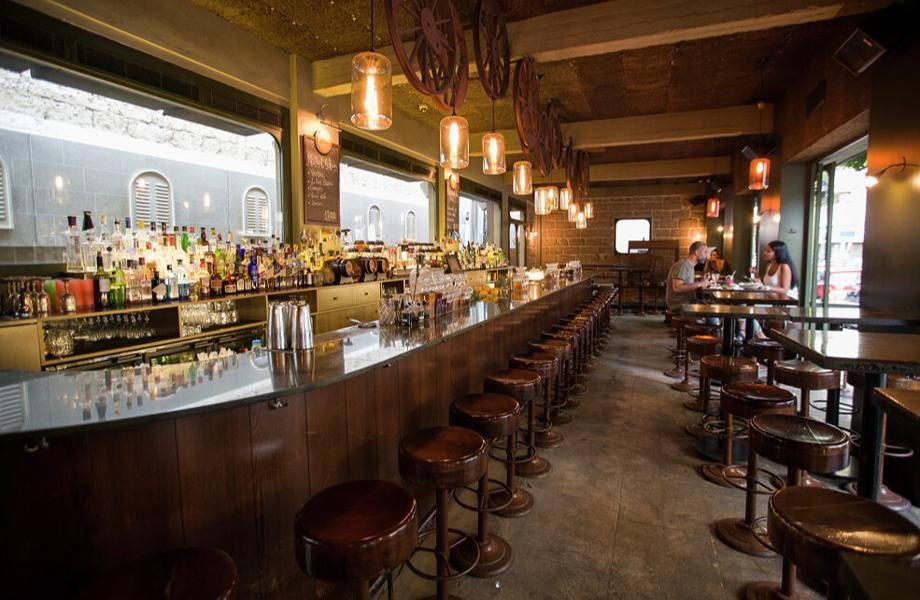
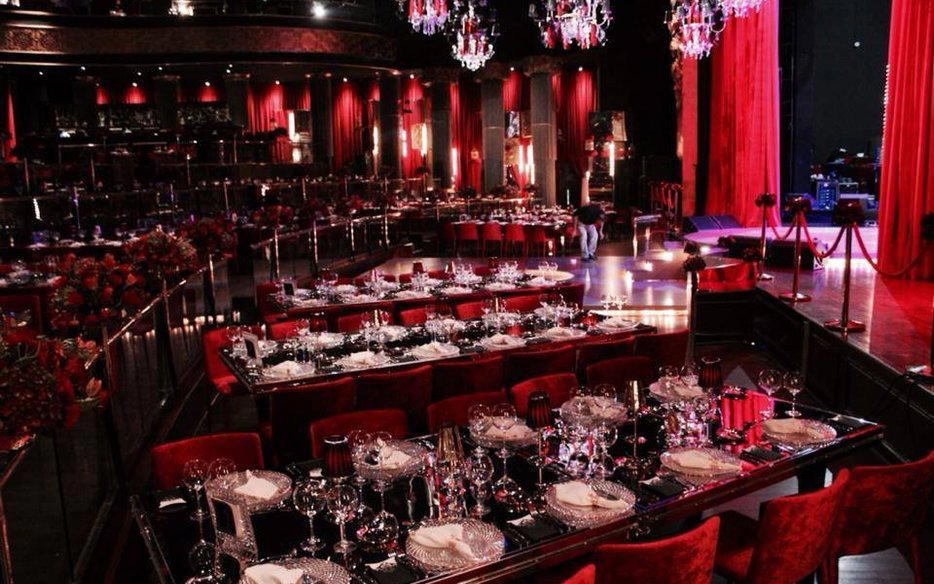
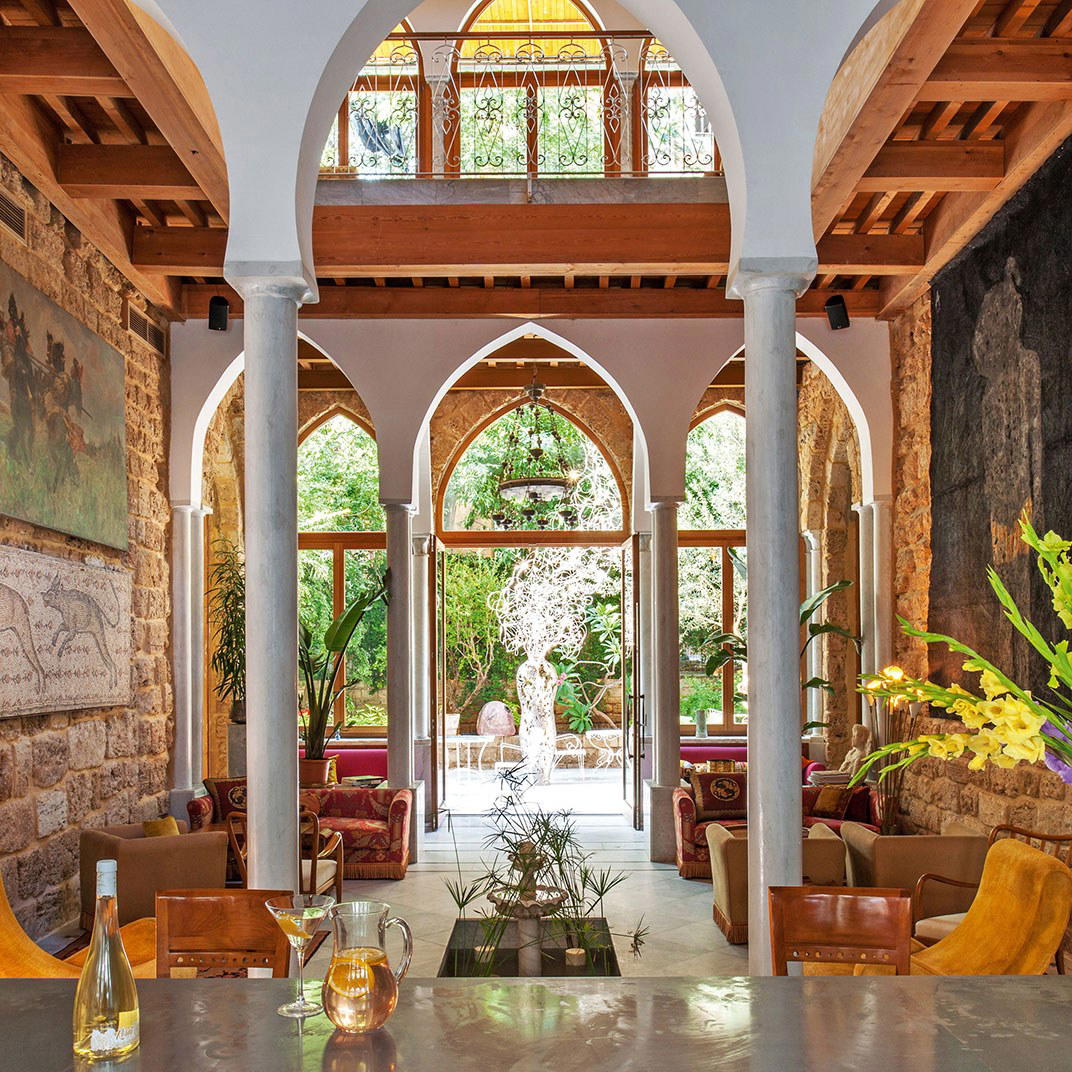
Traditional, no-frills dining room with white tablecloths and single roses on each table; warm and welcoming atmosphere with professional suited waiters.
- beef tartare
- garlic-free hummus
- moudardara
- mhalabiye
- kebah nayah
- warak 3enab