Set in the Bekaa Valley outside Baalbek, Lakkis Farm connects the region's agricultural heritage to the table in a way few properties in Lebanon attempt. The setting, farmland within reach of one of the ancient world's most significant temple complexes, frames a dining experience rooted in what the land produces. For travellers making the journey from Beirut, it represents a different register of Lebanese hospitality entirely.
Pearl is the En Primeur Club membership app — saves, bookings, and concierge access live there. Same editors, same standards.
- Address
- Baalbek, Lebanon
- Directions
- Get directions
 Saves & bookings on Pearl
Farming Ground: Where the Bekaa Valley Feeds the Table
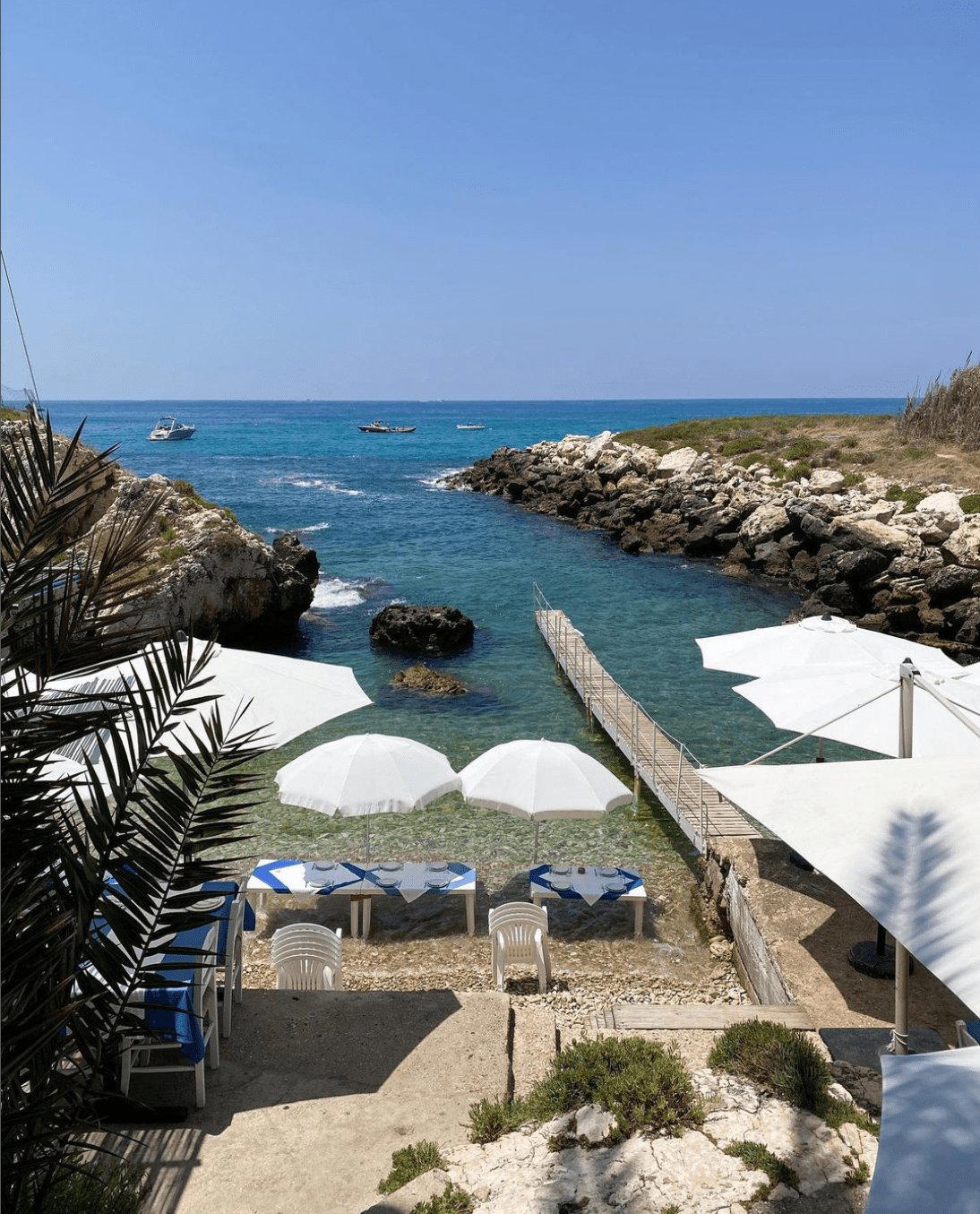
The road into Baalbek from the west crosses particularly productive agricultural land in Lebanon. The Bekaa Valley floor, wide and flat between the Lebanon and Anti-Lebanon mountain ranges, has been cultivated for millennia, Roman-era Heliopolis, whose temple columns still rise at the edge of town, was partly sustained by this same soil. Lakkis Farm sits within that continuum, a property where the source of the food and the character of the place are inseparable. This is a farm-based restaurant that serves Lebanese food in Baalbek's Bekaa Valley. The agricultural context is the operating logic.
Farm-to-table has become a loose phrase in many cities, applied to menus that source one or two ingredients locally and claim a philosophy. In the Bekaa, the model is less a marketing position and more a structural reality. The valley produces wheat, vegetables, fruit, and dairy at scale, and properties like Lakkis Farm draw on supply chains that are short by necessity as much as by choice. What grows nearby is what arrives on the plate, and the seasonal rhythms of the valley determine the menu's range and character more reliably than any chef's creative brief.
The Bekaa as a Culinary Region
Lebanon's dining conversation concentrates heavily on Beirut, where restaurants like Em Sherif in Beirut have built formal, high-production interpretations of Lebanese mezze traditions for an urban and international audience. The Bekaa operates differently. Its food culture is older, less mediated, and tied more directly to what the land and its farming communities produce. Lamb from mountain pastures, sun-dried herbs, fermented dairy, preserved vegetables: these are the ingredients that defined Lebanese mountain and valley cooking long before restaurant culture existed as a category.
For visitors arriving from Beirut or from further afield, the Bekaa represents a recalibration. The drive east through the mountains takes roughly two hours depending on the route, and the shift in environment is pronounced. The air changes, the light changes, and the food changes with them. Properties in this region, including those in nearby Aanjar where Shams Restaurant in Aanjar draws on similar valley ingredients, operate in a register that prioritises produce provenance over presentation sophistication. That is not a limitation; it is the point.
What Farm Sourcing Means in Practice
Across Lebanon, farm-origin dining takes different forms. In the Keserwan hills, BRUT by Youssef Akiki in Keserwan District applies a formal, technique-led approach to local produce. In the Aley District, Kitchen Garage in Aley District takes a more informal position. In Chtoura, at the heart of the Bekaa, Laiterie Massabki in Chtoura has built its reputation specifically around dairy produced in the valley. Each of these represents a distinct answer to the same underlying question: how does a kitchen express the specific character of its agricultural region?
At a farm property, that question is answered before the kitchen even opens. The sourcing decisions that a Beirut restaurant must make deliberately and logistically are resolved by geography at a place like Lakkis Farm. Ingredients travel metres rather than kilometres. What is harvested in the morning can reach the table by afternoon. This structural proximity changes what is possible: produce arrives at a ripeness that chilled transport and overnight logistics cannot replicate, and the menu's range reflects seasonal reality rather than the contents of a regional distributor's catalogue.
The Bekaa's agricultural output spans a wide range. Apricots, cherries, and figs mark the summer months. Root vegetables, squash, and legumes anchor the colder seasons. Dairy production runs year-round, and the valley's cheesemaking traditions, including varieties like akkawi and labneh produced from local herds, feed both local consumption and Beirut's restaurant supply chains. A farm property in this context does not need to construct a sourcing story. The story is structural and visible in the fields adjacent to the dining space.
Visiting Baalbek: Context and Practicalities
Baalbek is Lebanon's most significant archaeological site, and the temples of Jupiter and Bacchus draw visitors who often combine the ruins with a meal before or after. For many travellers, the Bekaa portion of a Lebanon itinerary is a single long day from Beirut, which means lunch rather than dinner is the meal that gets planned. That pattern suits farm properties well: midday light, outdoor settings, and a meal that reflects the morning's harvest align naturally.
The practicalities of visiting Baalbek have shifted over the years with regional security considerations. As of recent travel periods, the site and its surrounding restaurants have been accessible to independent travellers.
Comparisons with internationally recognised farm-dining formats, from the community-table model of Lazy Bear in San Francisco to the tasting-menu precision of Alinea in Chicago, show how different the Bekaa approach is. There is no tasting menu architecture here, no progression designed around a chef's narrative. The food at a Bekaa farm property tends toward mezze abundance: many dishes arriving at once, each reflecting a different aspect of what the land produces, eaten communally and without a fixed sequence. That format is itself a form of sourcing transparency. Every dish on the table is an argument for the valley it came from.
For travellers who have eaten their way through Beirut's more formally ambitious restaurants, including stops at Onno Bistro - Bourj Hammoud in Matn or Al Halabi Restaurant in Matn District, a meal in the Bekaa reads as a useful corrective: a reminder that Lebanese food at its most coherent is a direct expression of land, season, and proximity, and that one honest version of that expression is often found where the fields are visible from the table.
Other Lebanon-based experiences worth considering alongside a Bekaa visit include Feniqia in Byblos on the coast and Jammal in Batroun District further north, both of which anchor their menus in regional produce, albeit from different coastal and mountain contexts. Falafel Sahyoun in بيروت represents Beirut's street-food end of the sourcing spectrum, where chickpeas ground and fried daily form the entire proposition. Across all of these, the underlying logic is the same: Lebanese food rewards proximity to its ingredients.
At-a-Glance Comparison
Comparable venues nearby, for context on price, style, and recognition.
| Venue | Cuisine | Price | Notes |
|---|---|---|---|
| Lakkis FarmThis venue — the venue you are viewing | Traditional Lebanese Farm-to-Table | $ | Not listed |
| M. Sahyoun Falafel | Lebanese Falafel | $ | Ras El-Nabeh |
| Le Chef | Authentic Lebanese Home Cooking | $$ | Gemmayze |
| Malak Al Tawouk | Lebanese Tawouk & Fast Food | $$ | Dora |
| Onno Bistro - Bourj Hammoud | Traditional Lebanese-Armenian Cuisine | $$ | Bourj Hammoud |
| Café D'Orient | Oriental Middle Eastern | $$ | Ashrafieh |
Continue exploring
More in Baalbek
Restaurants in Baalbek
Browse all →

At a Glance
- Rustic
- Cozy
- Relaxed
- Family
- Casual Hangout
- Group Dining
- Open Kitchen
- Farm To Table
- Local Sourcing
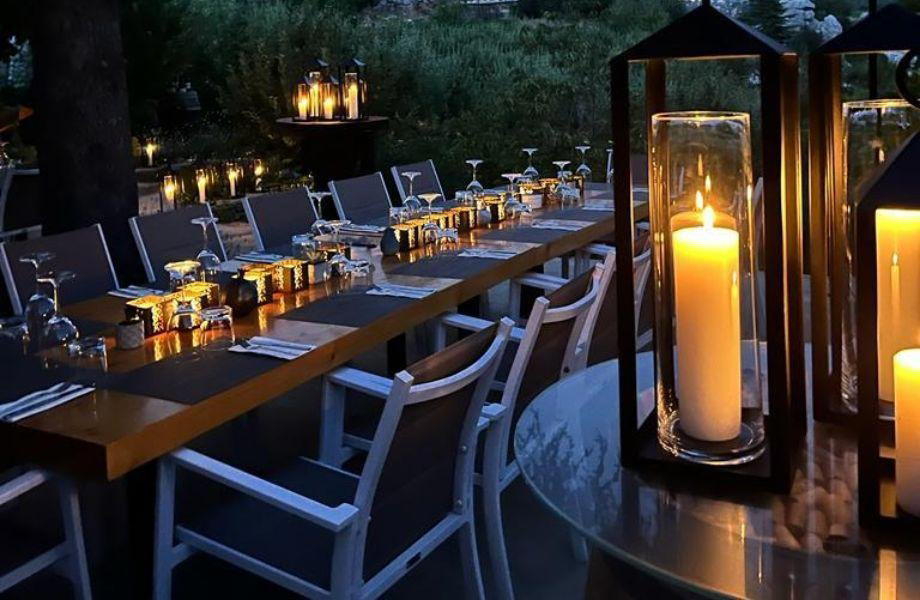
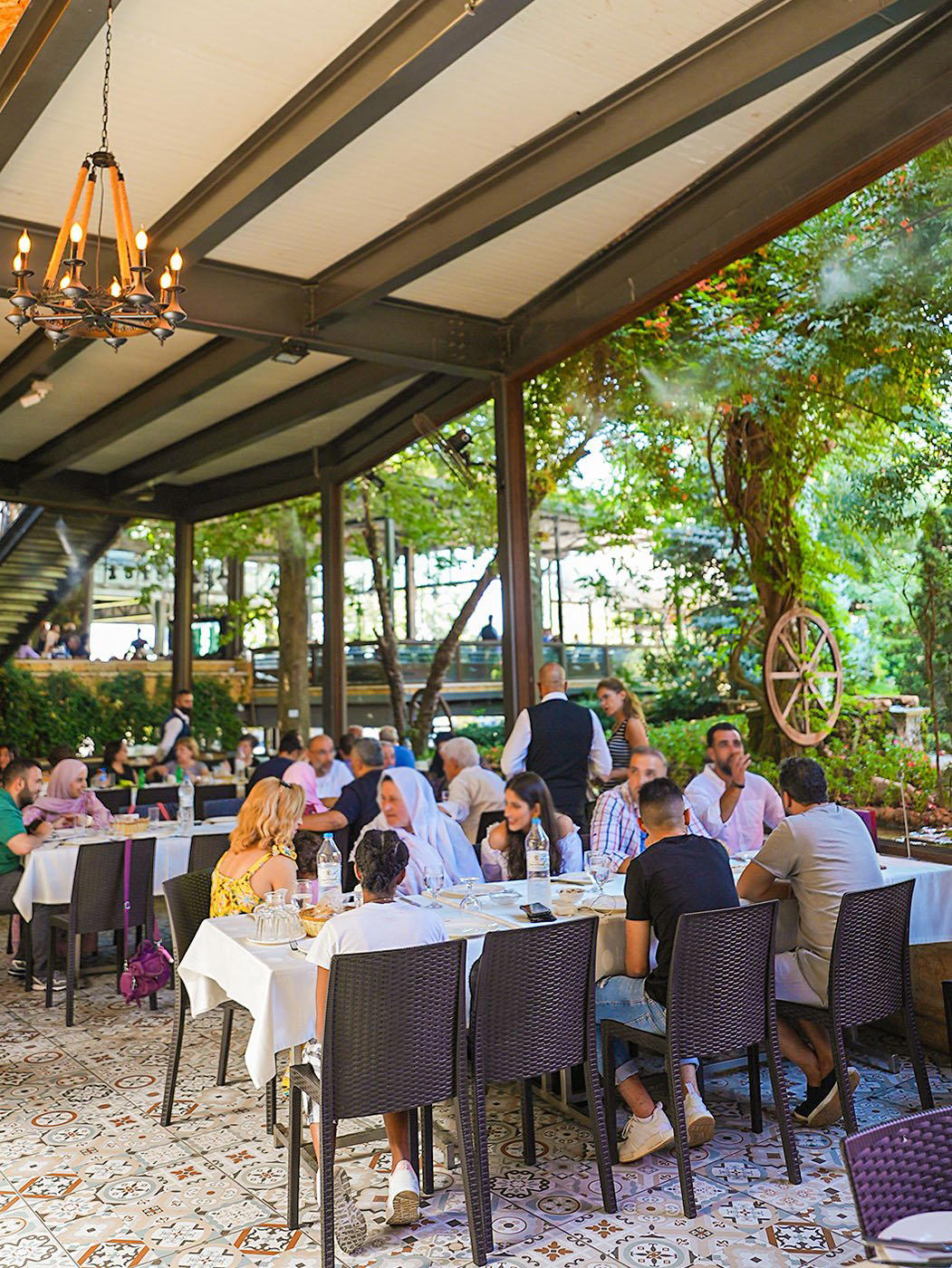
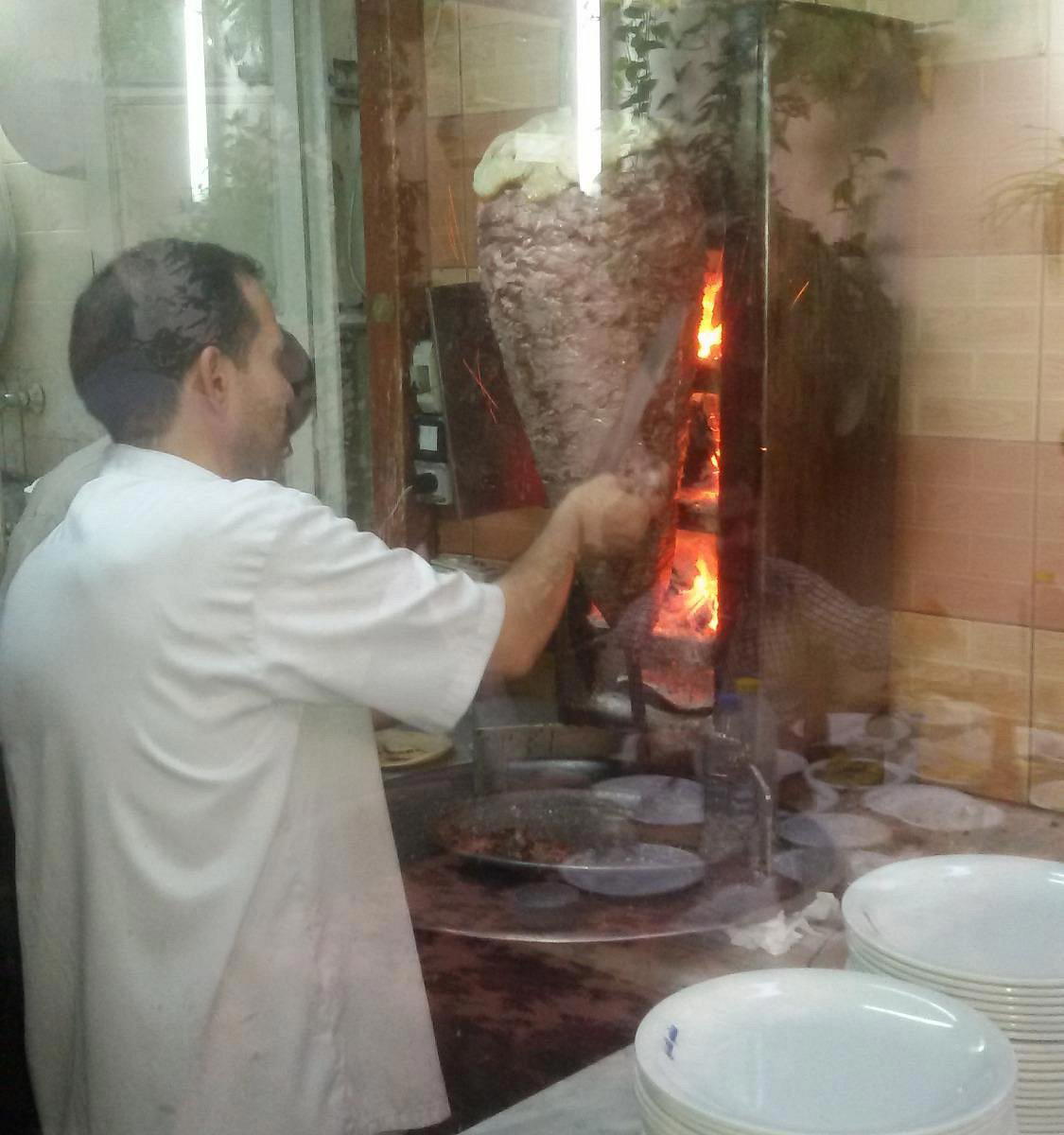
Spacious with a calm and relaxed atmosphere, featuring spotless kitchens and fresh food preparation.