Kitchen Garage
Our verdict
Kitchen Garage sits in Bkheshtay in the Aley District, occupying a slice of the Lebanese mountain dining scene where the setting does as much work as the kitchen. Spare venue data makes direct comparisons difficult, but its address positions it among the hill-town restaurants drawing Beirut diners upward on weekends. A reservation or direct inquiry is advisable before making the drive from the capital.

Pearl is the En Primeur Club membership app — saves, bookings, and concierge access live there. Same editors, same standards.
- Address
- Bkheshtay, Aley 1501, Lebanon
- Phone
- +961 81 412 522
- Hours
- Mon–Tue 2–10:30 PMWed ClosedThu 2–10:30 PMFri–Sun 1–11 PM
- Directions
- Get directions
The menu
What to order
- Mezze platter
Mountain Dining and the Aley District's Place in Lebanon's Food Geography
The road from Beirut to the Aley District rises quickly, and so does the expectation. Within thirty minutes of leaving the coastal city, the air shifts, pine replaces concrete on the horizon, and the restaurants start to change character. This is not the scene of Em Sherif in Beirut or the urban-casual rhythm of Onno Bistro in Bourj Hammoud. The mountain belt running through Aley has its own logic: larger terraces, cooler evenings, and a dining culture shaped by the Lebanese tradition of spending summer weekends above the heat of the coast. Kitchen Garage, addressed at Bkheshtay in the Aley 1501 area, sits inside that tradition.
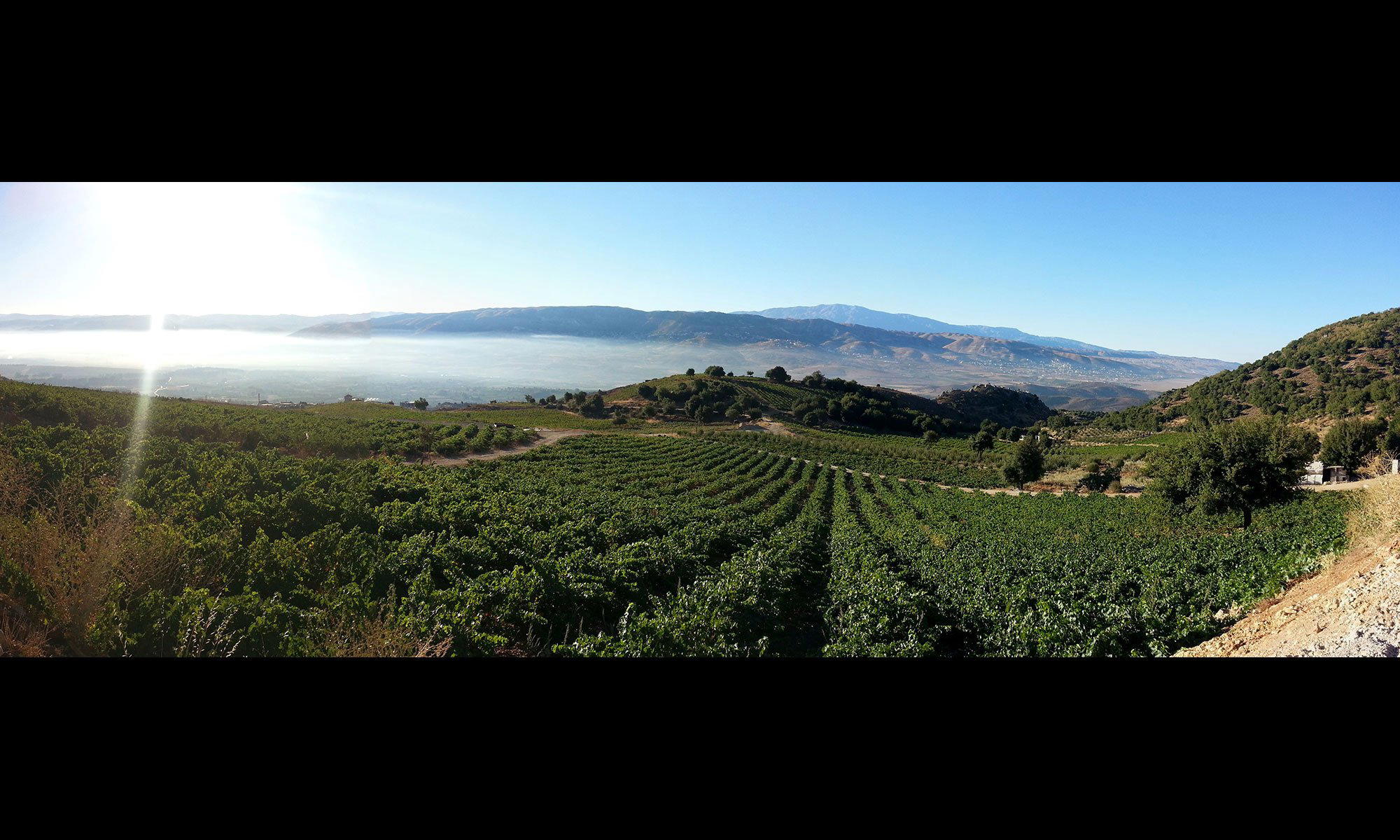
Bkheshtay is a small village within the Aley District, close enough to the main Beirut–Damascus highway to be reachable without significant detour, but far enough up the mountain to carry the altitude sensibility that defines this pocket of Lebanese hospitality. The area attracts a crowd that drives specifically for the experience rather than stumbling in, which shapes the format of restaurants here: they tend to operate on a weekend-heavy rhythm and reward guests who arrive with some planning.
Ingredient Sourcing in the Lebanese Mountain Belt
What distinguishes mountain-district restaurants across Lebanon from their coastal or urban counterparts is often access rather than technique. The Aley District sits within a broader agricultural zone where small producers, orchards, and informal farm-to-table supply chains are a function of proximity, not philosophy. Seasonal herbs, local dairy, and foraged ingredients flow into kitchens in the hills in ways that are harder to replicate in Beirut's restaurant district, where the supply chain is longer and more commercialised.
Across Lebanon, this dynamic has produced a tier of mountain restaurants that function almost as extensions of the surrounding land. Lakkis Farm in Baalbek operates explicitly within this tradition further east, where the Bekaa Valley's agricultural depth is the menu's foundation. The Aley District version of this sourcing story is quieter and less documented, but the geographic conditions are similar: altitude, cooler temperatures, and proximity to smallholder agriculture. Restaurants in Bkheshtay and surrounding villages work within that supply reality, whether they name it explicitly or not.
What can be said is that any kitchen operating in this location has the option of drawing from one of the more productive agricultural micro-regions in the greater Beirut hinterland, and the most thoughtful restaurants in the Aley belt do exactly that. For diners who follow the sourcing story in Lebanese cooking, the area is worth attention as a category, and Kitchen Garage is one of the addresses within it.
The Aley District Dining Scene: Where Kitchen Garage Sits
Lebanese mountain hospitality has fractured into several distinct tiers over the past decade. At one end, large-format restaurants with panoramic terraces serve a weekend crowd more interested in the view and the occasion than the plate. At the other end, smaller, more focused operations have opened in village settings, trading scale for specificity. The comparison set for a restaurant in Bkheshtay includes both categories, and without more data on Kitchen Garage's format and capacity, placing it precisely within that spectrum requires a direct visit or inquiry.
What the address does signal is a village setting rather than a highway-adjacent mega-terrace. Bkheshtay sits away from the main tourist drag, which historically correlates with a more local, repeat-customer clientele in Lebanese mountain dining. This is a different proposition from the rooftop dining of Beirut, typified by venues like Al Halabi Restaurant in Matn District, or the Byblos-area seafood tradition anchored by places like Feniqia in Byblos. Mountain village dining in Aley occupies its own register, one where the meal is often inseparable from the surroundings.
For regional context outside Lebanon, the closest analogue in terms of geographic and sourcing logic might be a rural auberge in the French countryside or a farm-adjacent restaurant in northern Italy, where the distance from the city is itself part of the value proposition. The international fine dining conversation, from Lazy Bear in San Francisco to Alinea in Chicago, has increasingly validated the idea that produce provenance and setting are as important as technical execution. That conversation has a local equivalent in Lebanon's mountain belt, even if it operates without the same critical infrastructure of awards and press coverage.
Planning a Visit: What to Know Before the Drive
The Aley District is roughly a 30 to 45-minute drive from central Beirut under normal traffic conditions, with the ascent to mountain villages adding time depending on the specific destination. Bkheshtay sits in the upper reaches of the district, so visitors should account for the final climb in their journey planning. Lebanese mountain roads are well-maintained in the main routes but narrow in village approaches, and arrival in daylight is advisable for a first visit.
This is not unusual for smaller Lebanese mountain venues, which often operate on a more informal basis or through word-of-mouth and social media channels rather than centralised reservation systems. Confirming availability before making the drive is advisable, and local dining forums or the venue's social presence are the most reliable channels for current operational status. The broader Aley District restaurants guide covers additional venues in the area for those planning a fuller day in the mountains.
Diners exploring Lebanon's wider food geography might also consider the Bekaa-side perspective at Shams Restaurant in Aanjar or the artisan dairy tradition documented at Laiterie Massabki in Chtoura, both of which sit within the broader sourcing story of Lebanon's non-coastal food zones. The mountain dining circuit, with Aley as one of its central nodes, rewards the kind of deliberate planning that treats the drive itself as part of the experience.
Frequently asked questions
What's the overall feel of Kitchen Garage?
The name signals an informal, unpretentious register — garage-style settings in Lebanon's mountain dining tier typically favour open, communal arrangements over tablecloth formality. Situated in Bkheshtay at roughly 800 metres above sea level, the Aley District location adds cooler air and a slower pace than Beirut's coastal restaurant scene.
Is Kitchen Garage worth the drive from Beirut for a standalone meal?
Kitchen Garage sits in Bkheshtay, Aley 1501, roughly 30 to 45 minutes from central Beirut under normal traffic conditions. The Aley District has developed a distinct dining identity separate from Beirut's urban restaurant circuit, with mountain-village venues drawing visitors specifically for the elevation, sourcing proximity to local farms, and a different pace of service. Whether the drive suits a standalone trip depends on your appetite for the mountain-district format rather than any single dish.
What do people recommend at Kitchen Garage?
Checking the venue's current offering before visiting will give the most accurate picture of what's being served.
Comparable Spots, Quickly
Comparable venues nearby, for context on price, style, and recognition.
| Venue | Cuisine | Price | Notes |
|---|---|---|---|
| Kitchen GarageThis venue — the venue you are viewing | Modern Lebanese | Not listed | Not listed |
| Al Rawda - Shatila - Restaurant | Traditional Lebanese | $10–20 | Manara |
| Al Falamanki Sodeco | Traditional Lebanese | $20–30 | Sodeco |
| Feniqia | Modern Lebanese-Mediterranean Fusion | $20–30 | Place de la Citadelle |
| Malak Al Tawouk | Lebanese Fast Food | $1–10 | Dora |
| El Soussi | Traditional Lebanese Breakfast | $20–30 | Mar Elias |
Continue exploring
More in Aley District
Restaurants in Aley District
Browse all →
Bars in Aley District
Browse all →
Hotels in Aley District
Browse all →

Details
- Cozy
- Lively
- Casual Hangout
- Special Occasion
- Live Music
- A La Carte
Current opening hours
- Monday
- 2–10:30 PM
- Tuesday
- 2–10:30 PM
- Wednesday
- Closed
- Thursday
- 2–10:30 PM
- Friday
- 1–11 PM
- Saturday
- 1–11 PM
- Sunday
- 1–11 PM
Hours can change for holidays and private events. Last verified .
Cozy atmosphere enhanced by live music and eclectic tunes.