Le Royal Hotel Beirut occupies a commanding position along the Dbayeh coastal corridor north of central Beirut, where the Matn district meets the Mediterranean. The property sits within the upper tier of Lebanese full-service hotels, drawing guests who prioritise scale and amenity depth over the boutique formats now prevalent in Achrafieh and Gemmayzeh.

Pearl is the En Primeur Club membership app — saves, bookings, and concierge access live there. Same editors, same standards.
- Address
- Dbayeh Beirut Lebanon، 2501 1305, Lebanon
- Phone
- +961 4 555 555
- Website
- leroyal.com
- Directions
- Get directions
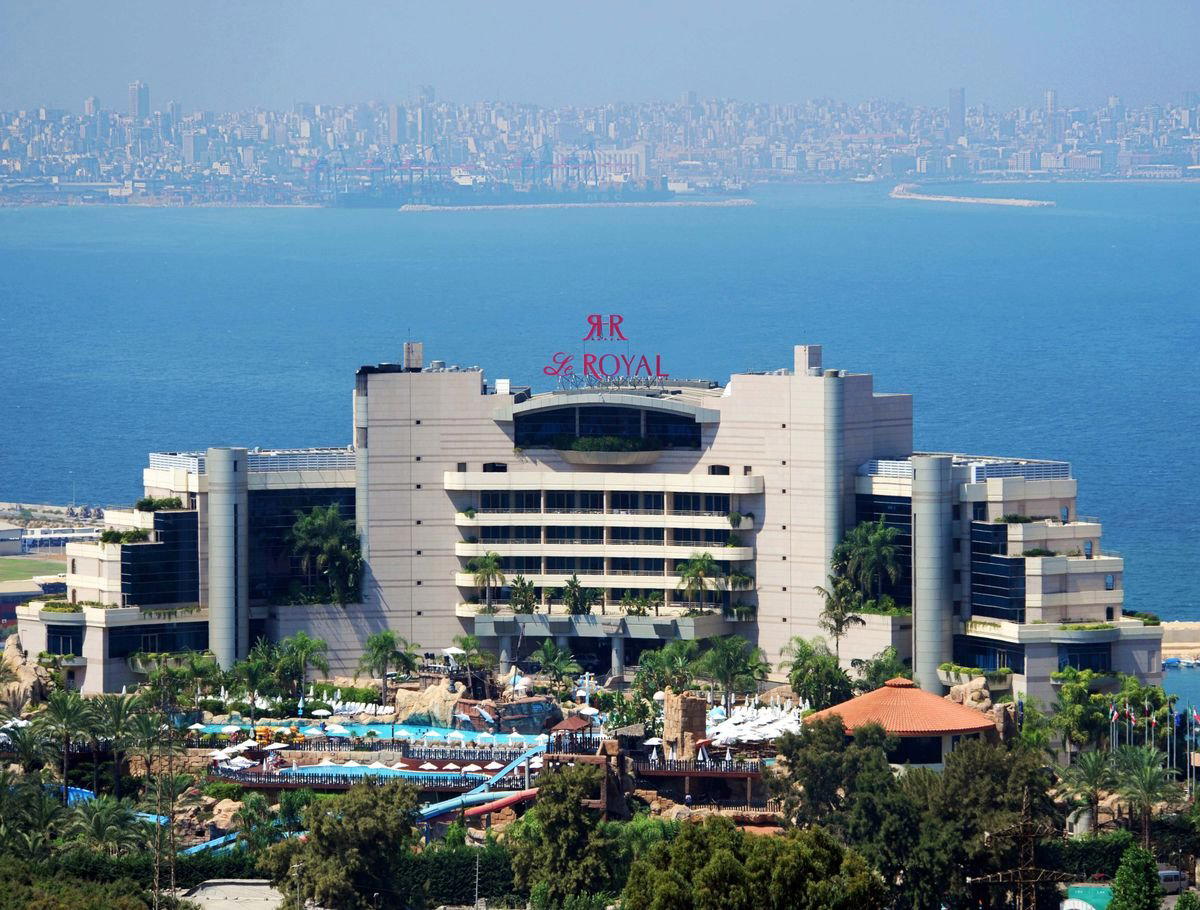
A Hotel on the Beirut Coast Where Grand-Scale Design Still Holds the Floor
Approaching Le Royal Hotel Beirut along the Dbayeh coastal corridor north of the city centre, the building announces itself through scale before anything else. The hotel sits within the Matn district, a stretch of Greater Beirut that runs along the eastern Mediterranean shoreline and has historically served as the address of choice for large-format hospitality in a city better known internationally for its smaller, design-led properties. That context matters: Le Royal represents a particular strain of Lebanese hotel development, one that leans into the grand-hotel tradition of sweeping public spaces and panoramic positioning rather than the intimate boutique register that properties like Hotel Albergo in Achrafieh or Le Gray in Beirut occupy.
Beirut's premium hotel market has long operated across two distinct registers. On one side sit the compact, character-driven properties concentrated in neighbourhoods like Achrafieh and the downtown core, where architecture is adaptive and the key count is intentionally low. On the other sits the large-footprint resort-hotel model, built for conferences, weddings, and the kind of regional business travel that requires ballroom capacity and multiple food-and-beverage outlets under one roof. Le Royal belongs firmly to the second category, and understanding that placement shapes how a traveller should approach it.
The Architecture of Presence
Grand-hotel design in the eastern Mediterranean has its own grammar: lobby volumes measured in metres rather than feel, chandeliers used as architectural statements, and a general aesthetic logic that prioritises arrival impact over the quiet accumulation of detail. This approach draws from the same tradition as Europe's historic palace hotels, though in Beirut it carries the additional weight of a city that rebuilt its hospitality infrastructure across multiple post-conflict phases, each reconstruction adding layers of ambition to the brief.
Le Royal's physical presence at Dbayeh positions it on the northern fringe of Greater Beirut, close to the port-side commercial expansion that characterised Lebanese development in the years before recent crises. The address places it between the city centre and the Kesrwan foothills, a corridor that also includes marina developments and retail infrastructure that cater to both resident and visiting clientele. For comparison, hotels in Europe's palace tier operating at similar scale include Badrutt's Palace Hotel in St. Moritz and Hôtel de Paris Monte-Carlo in Monte Carlo, both of which share Le Royal's commitment to the grand public room as architectural centrepiece. Closer in spirit to the Levantine context are properties like Mandarin Oriental Bangkok in Bangkok, where scale and setting conspire to establish the hotel as a destination in its own right rather than simply an accommodation option.
Position Within Lebanese Hospitality
Lebanon's hospitality sector has operated under conditions that would test any hotel's resilience, and the properties that have maintained continuous operation through multiple periods of regional instability occupy a particular position in the local consciousness. Large-format hotels with conference and events infrastructure have historically served as gathering points for the Lebanese diaspora returning for family occasions, as well as for regional business delegations. That function is distinct from the cultural-tourism positioning of boutique properties, and it creates a different kind of institutional weight.
Within the broader category of Mediterranean large-scale hotel design, Le Royal sits alongside a cohort of properties where the public areas carry as much identity as the rooms themselves. This is the architectural philosophy that animates properties as different as Hotel Plaza Athénée in Paris and Hotel Sacher Wien in Vienna: the lobby, the main dining room, and the primary bar are not adjuncts to the guest experience but its structural spine. For travellers accustomed to that tradition, Le Royal's format will read as familiar; for those oriented toward the smaller, more editorial properties that define the current premium conversation globally, the contrast with options like Cheval Blanc Paris or La Réserve Paris will be apparent.
Matn and the Northern Shore Context
For visitors choosing between Beirut's districts, the Matn address carries specific implications. The journey from central Beirut to Dbayeh runs along the coastal highway and takes roughly 20 to 30 minutes depending on traffic conditions, which in Greater Beirut can vary significantly by time of day. The northern shore position means direct access to the coastal road system that connects to Byblos and the Kesrwan district, making Le Royal a practical base for travellers planning excursions up the Lebanese coast rather than those focused exclusively on Beirut's urban core.
The district's hospitality infrastructure has expanded over the past two decades, with retail and dining options at Dbayeh and nearby Antelias adding options beyond the hotel perimeter. This is a different proposition from staying within walking distance of Mar Mikhael or Gemmayzeh, where Beirut's restaurant and bar density is at its highest. Travellers prioritising urban access should weigh that tradeoff. Those with private transport or a preference for the coastal resort atmosphere over the city-centre energy may find the Matn position a feature rather than a compromise. For more on what the wider area offers, see our full Matn restaurants guide.
Planning Your Stay
Le Royal's Dbayeh address, at 2501 1305 in the Matn district, places it just north of the Greater Beirut urban boundary. Travellers arriving at Beirut Rafic Hariri International Airport should budget approximately 30 to 45 minutes by road, more during peak hours on the coastal highway. The hotel's large-format configuration suggests it will carry multiple dining, events, and leisure facilities on site, which is a practical consideration for guests who prefer to consolidate their activities rather than commute into the city for each meal. For those who want to compare the grand-hotel format with what the boutique end of the Lebanese market offers, the contrast is sharpest when set against properties like Hotel Albergo in Achrafieh, which operates with a fraction of the key count and a neighbourhood-integrated character that Le Royal's scale does not attempt to replicate.
For context on what the global premium hotel tier looks like when similar architectural ambitions are pursued with full budget and institutional backing, properties like Aman Venice, Bvlgari Hotel Tokyo, and Le Bristol Paris provide useful reference points. At the other end of the design spectrum, properties like Amangiri in Canyon Point, Castello di Reschio in Lisciano Niccone, and Casa Maria Luigia in Modena illustrate how premium hospitality can operate at intimate scale without sacrificing depth. Also worth noting in the broader competitive conversation: Hotel Du Cap-Eden-Roc, Hotel Bel-Air in Los Angeles, Mandarin Oriental Ritz, Madrid, Hotel Esencia in Tulum, HOTEL THE MITSUI KYOTO, Aman New York, The Fifth Avenue Hotel in New York City, One&Only Mandarina in Riviera Nayarit, and Cipriani, A Belmond Hotel, Venice all demonstrate how different geographies and formats have approached the question of what a large-format luxury hotel can be.
Side-by-Side Snapshot
| Venue | Price | Awards |
|---|---|---|
| Le Royal Hotel BeirutThis venue — the venue you are viewing | $100–200 | Not listed |
| Hotel Albergo | $200–300 | Michelin Selected · Relais Chateaux Award |
| Le Gray | Not listed | Leading Hotels of World Member |
| O Monot Boutique Hotel | $200–300 | Small Luxury Hotels of the World Member |
Continue exploring
More in Matn
Hotels in Matn
Browse all →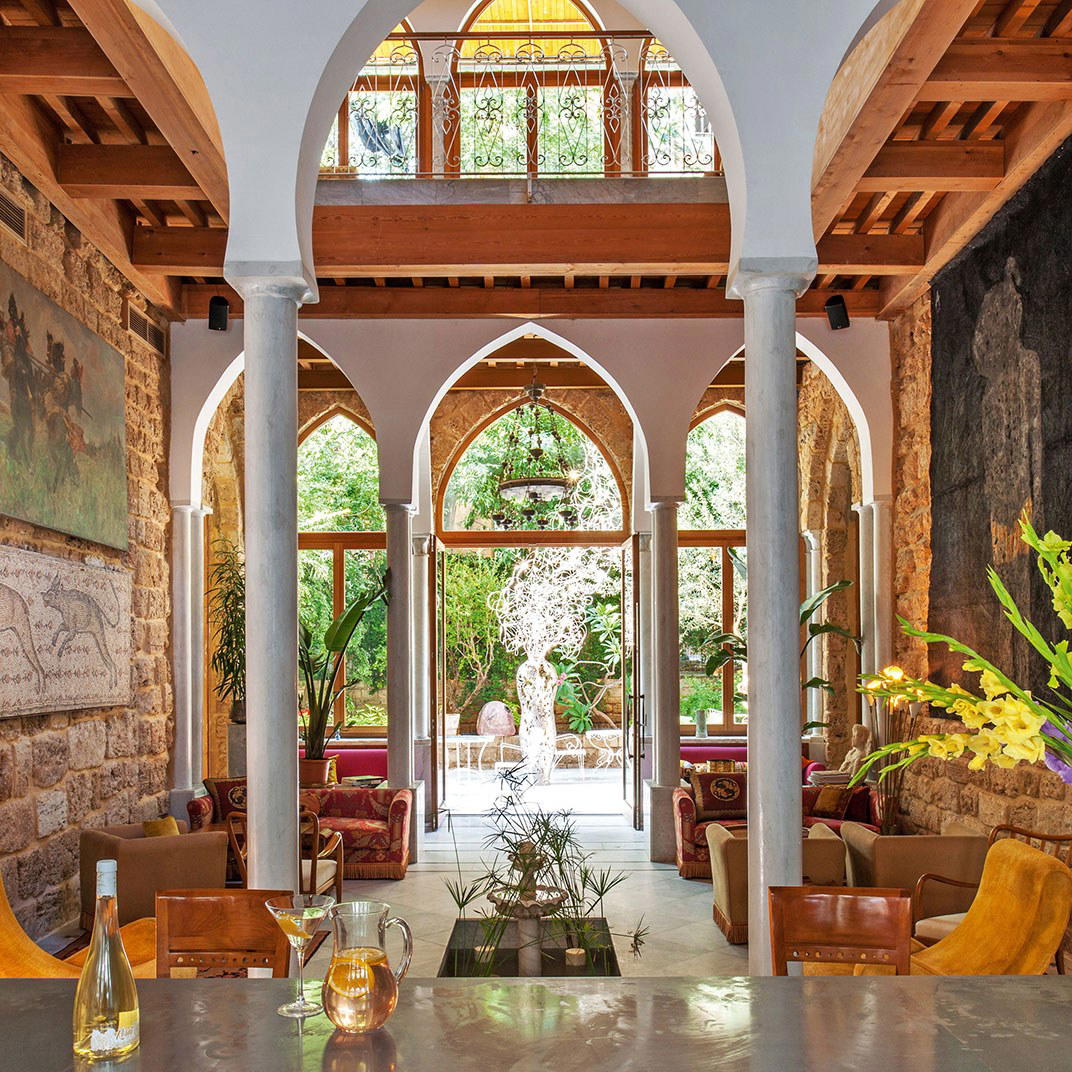
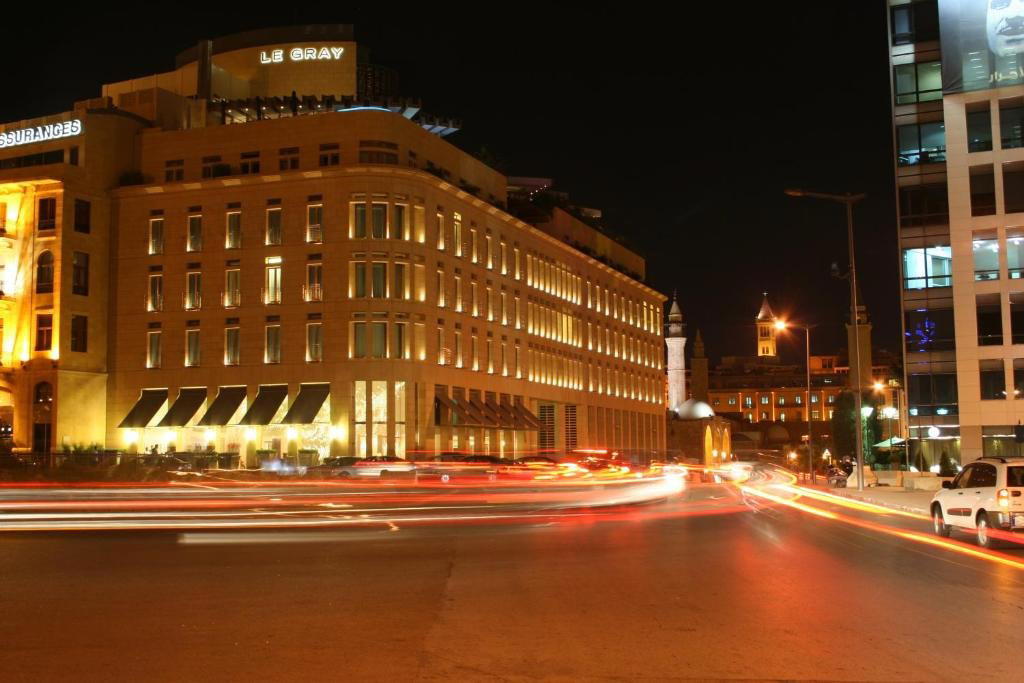
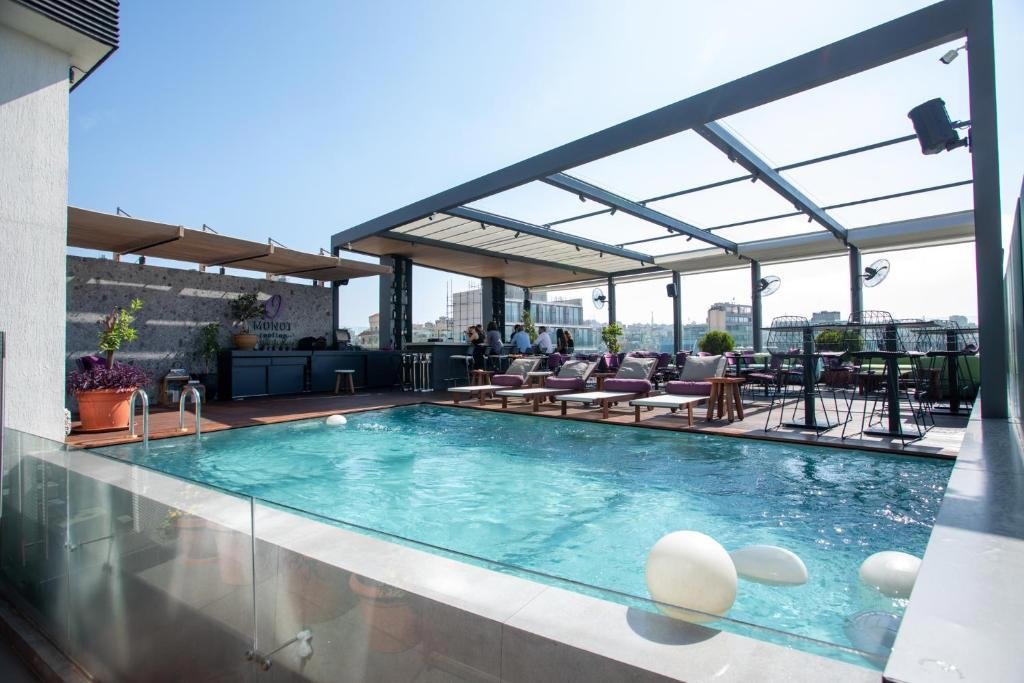
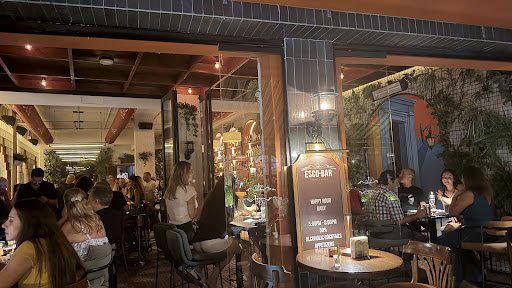
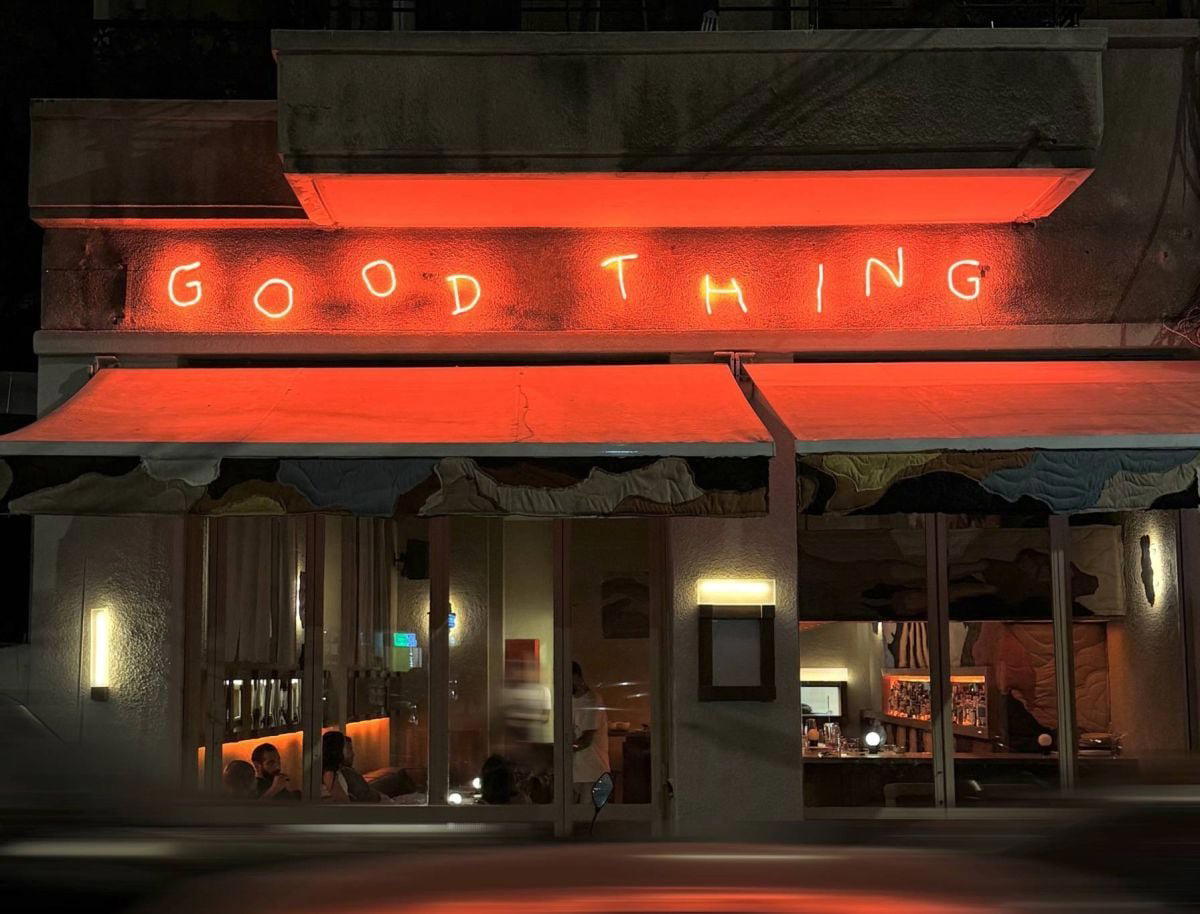
Bars in Matn
Browse all →
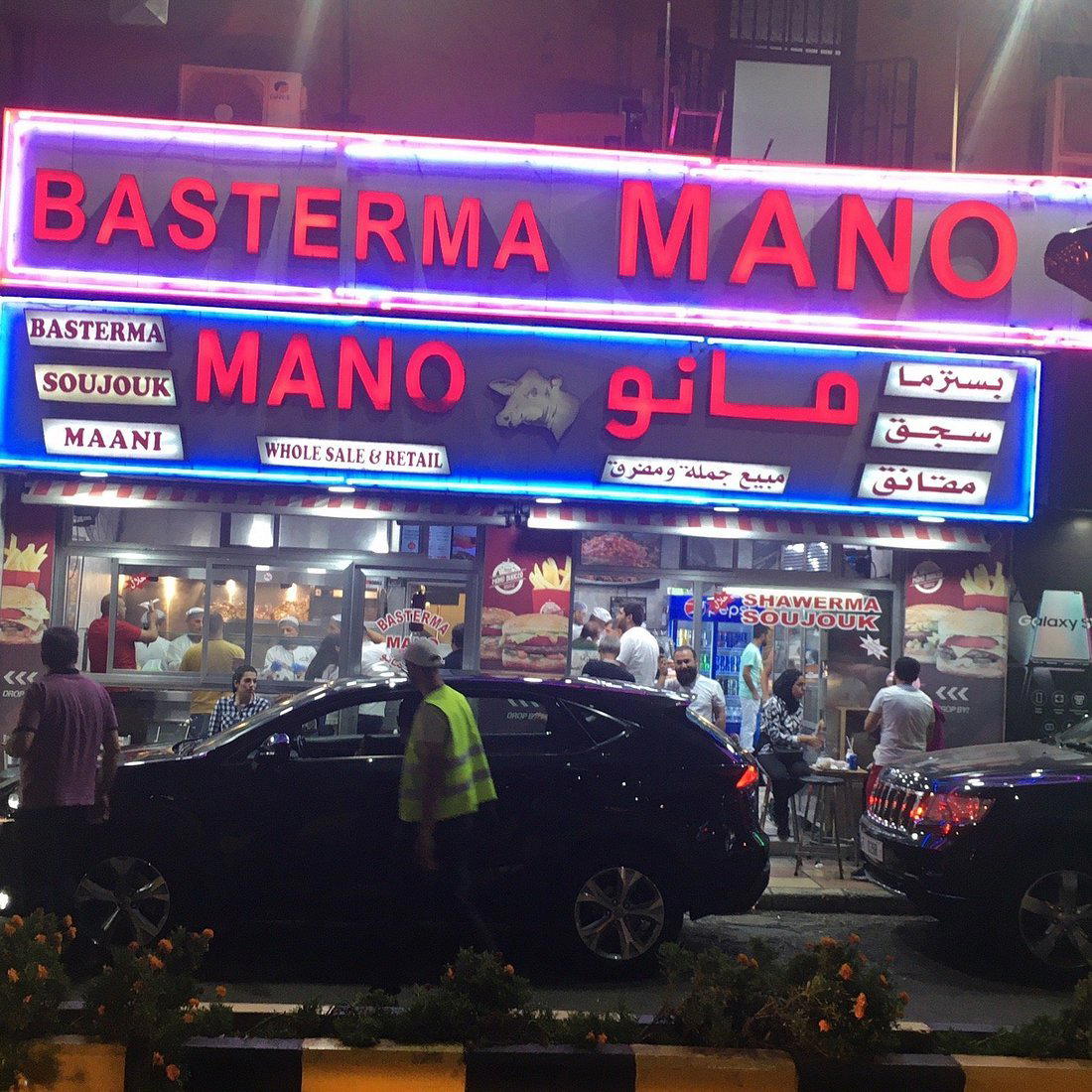
Restaurants in Matn
Browse all →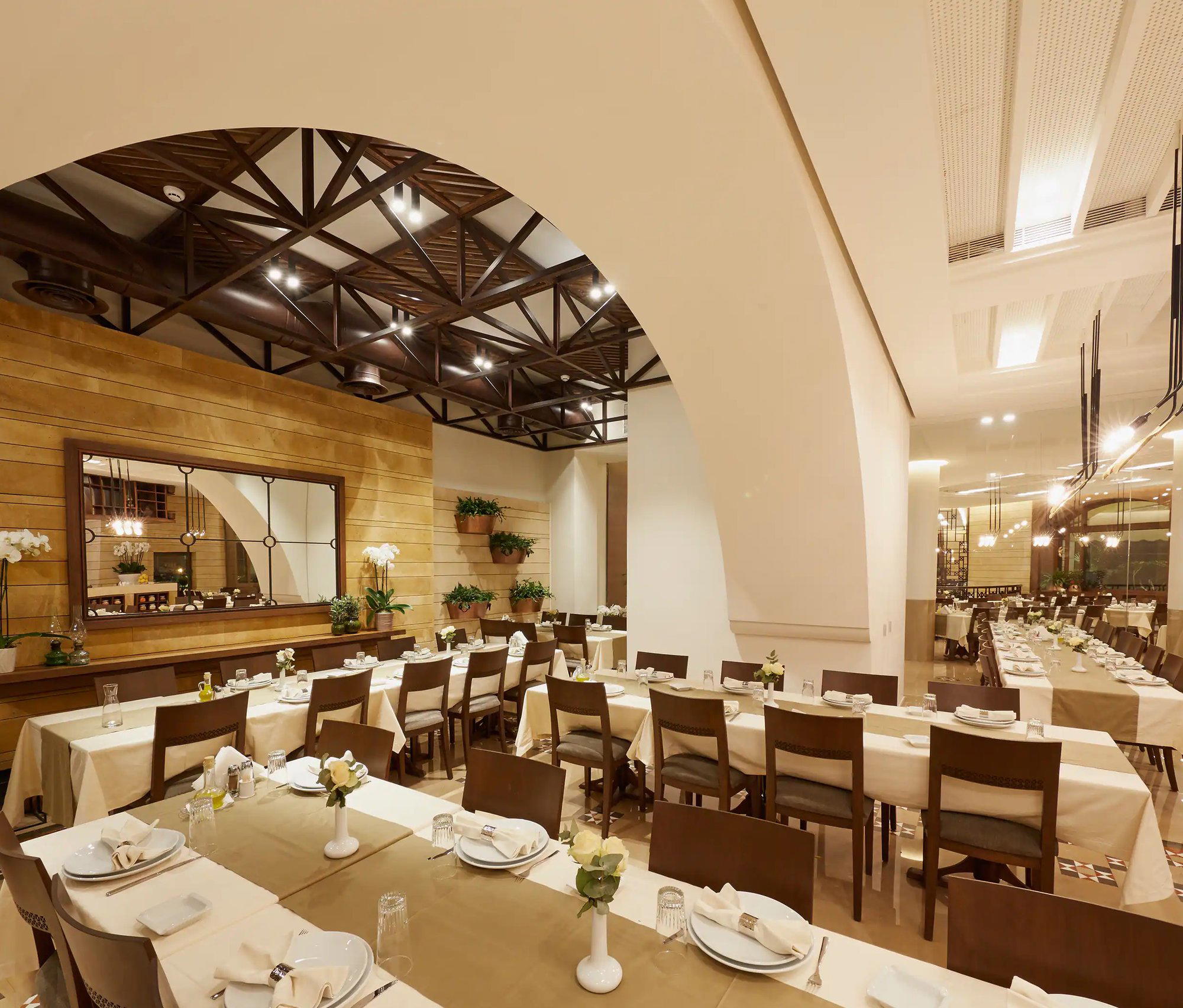

Details
- Elegant
- Sophisticated
- Scenic
- Modern
- Family Vacation
- Romantic Getaway
- Wellness Retreat
- Celebration
- Panoramic View
- Rooftop Pool
- Destination Spa
- Waterfront
- Terrace
- Infinity Pool
- Wi Fi
- Pool
- Spa
- Fitness Center
- Room Service
- Restaurant
- Bar
- Valet Parking
- Business Center
- Kids Club
- Tennis Court
- Waterfront
- Mountain
- Elevator
- Accessible Parking
Contemporary and elegant with panoramic sea views; guests praise the professional and attentive staff, though some note the interior design lacks warmth and coziness.