Onno Bistro sits in Bourj Hammoud, the densely layered Armenian quarter of greater Beirut that has quietly sustained some of Lebanon's most ingredient-driven neighbourhood cooking. The bistro format places it in a mid-tier that prizes sourcing honesty over ceremony, a posture that resonates in a district where food culture runs deep and long. For travellers already oriented toward our full Matn restaurants guide, it represents a neighbourhood-anchored option worth tracking.
Pearl is the En Primeur Club membership app — saves, bookings, and concierge access live there. Same editors, same standards.
- Address
- VGQP+WVJ, Bourj Hammoud, Lebanon
- Phone
- +961 3 801 476
- Directions
- Get directions
 Saves & bookings on Pearl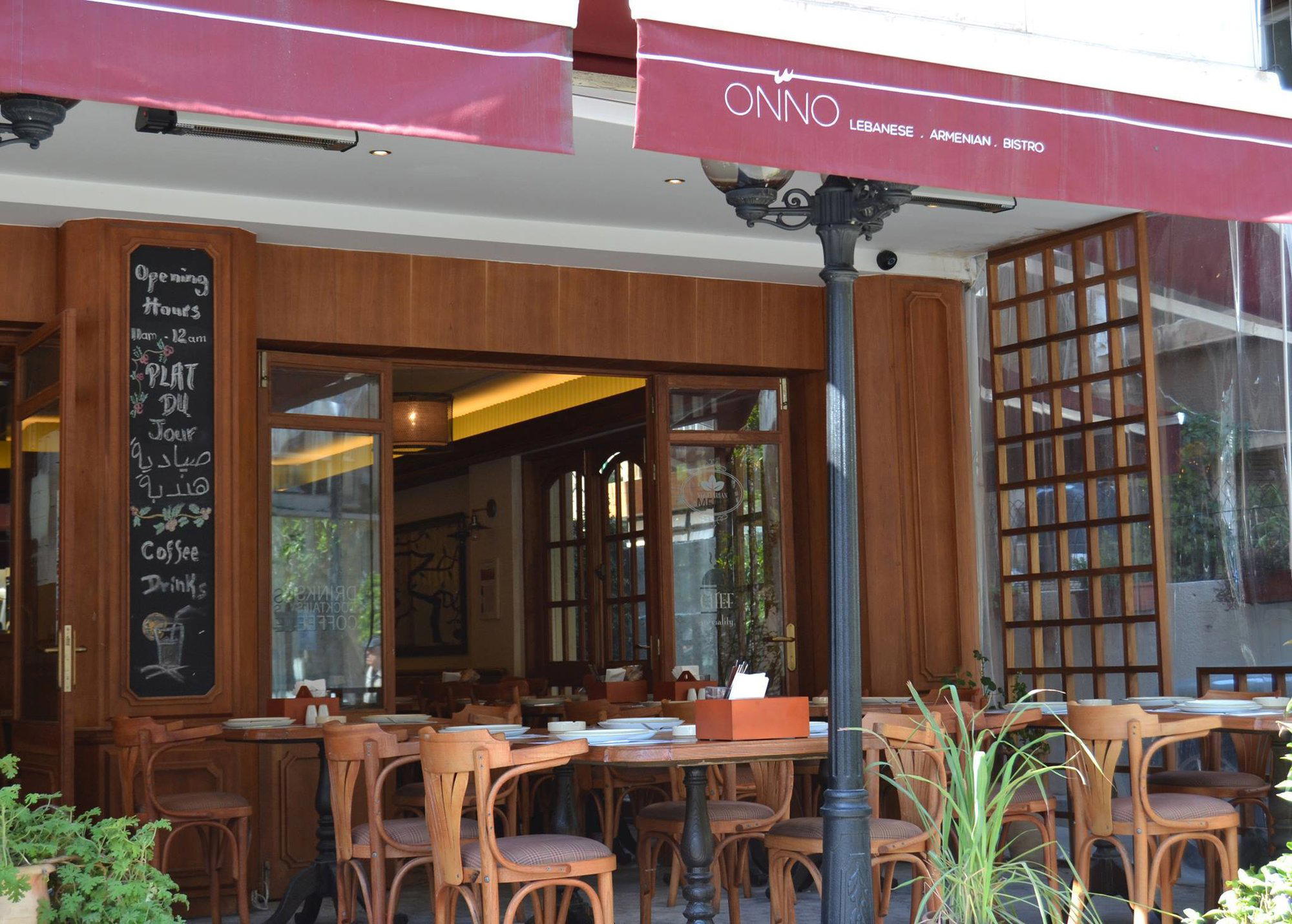
Bourj Hammoud and the Ingredient Question
The Armenian quarter of greater Beirut, folded into the Matn governorate at the city's northeastern edge, runs on a different logic: dense, commercial, culturally layered, and largely indifferent to the approval of outsiders. Its food culture is older and more embedded than the polished restaurant districts of Gemmayzeh or Mar Mikhael, and the cooking here has historically answered to a community rather than a market of diners. That history shapes every neighbourhood bistro operating within it, including Onno Bistro at Bourj Hammoud.
The broader question animating Bourj Hammoud's restaurant scene is sourcing. Lebanese cuisine at its most coherent is a product of proximity: the Bekaa Valley floor an hour inland, the Mediterranean coast a few kilometres west, the mountain villages where dairy and dried goods traditions run centuries deep. At the ambitious end of Beirut dining, venues like Em Sherif in Beirut have built their identity around recovering and centralising that sourcing logic. At the neighbourhood level, the same instinct operates without the ceremony. Bistros in Bourj Hammoud have always drawn from Armenian pantry traditions alongside Lebanese ones, a dual inheritance that shapes what lands on the table.
The Bistro Format in a Lebanese Context
In Lebanon, the word bistro sits somewhere between a promise and an aspiration. It signals informality without imprecision, a shorter menu with genuine attention to what goes into it, and a price tier that sits below the white-tablecloth restaurants while above the street-food economy. The format has proliferated across Beirut and its surrounding districts over the past decade, partly as a response to economic pressure and partly as a genuine shift in how Lebanese diners want to eat. Fewer covers, less overhead, more deliberate sourcing choices become viable at this scale.
Venues like Al Halabi Restaurant in Matn District represent the more established, larger-format end of regional Lebanese dining. The bistro tier, by contrast, tends to be less documented and more dependent on word-of-mouth, a function of both limited marketing capacity and the nature of the communities they serve. BRUT by Youssef Akiki in Keserwan District represents a different strand of the same broader shift: chef-driven, ingredient-focused, and operating at a scale that permits sourcing precision. Onno Bistro occupies a neighbourhood-facing version of that posture.
Sourcing in Bourj Hammoud: What the Quarter Makes Possible
The Armenian community's presence in Bourj Hammoud has created a density of specialist suppliers that is difficult to replicate elsewhere in Lebanon. Dried goods, spice merchants, pastry producers, and cured meat traditions from the Armenian diaspora sit alongside Lebanese staples in the quarter's markets and side streets. For any kitchen operating here, that supply environment is a structural advantage. Ingredients that require sourcing effort in other Beirut neighbourhoods are, in Bourj Hammoud, available at close range and at competitive cost.
Lebanese food sourcing more broadly draws from a network that venues in this region increasingly reference explicitly. The Bekaa Valley supplies the legumes, grains, and much of the dairy; the mountain foothills produce herbs and stone fruits; coastal supply chains provide fresh fish. Restaurants further afield, like Shams Restaurant in Aanjar near the Syrian border, sit within that Bekaa supply corridor directly. Lakkis Farm in Baalbek represents an even more upstream node in that network: farm-to-table in the original geographic sense. The bistro tier in Bourj Hammoud sits downstream from those supply chains but close enough to benefit from them without the logistical friction that larger, more geographically distant restaurants absorb.
Lebanon's dairy heritage is another thread worth tracking. Laiterie Massabki in Chtoura is one of the more documented names in that tradition. The presence of kaymak, labneh, and aged cheeses on Lebanese tables is not decorative; it reflects an active dairy economy that neighbourhood kitchens in Bourj Hammoud have access to through the quarter's own Armenian-inflected supply channels.
How Bourj Hammoud Fits the Wider Matn Dining Picture
Matn as an administrative unit is broad, covering territory from the coast into the lower mountain districts. Its dining scene is correspondingly uneven: some areas are largely residential with limited restaurant infrastructure; others, like Bourj Hammoud, have a commercial food culture dense enough to sustain multiple independent operators. For visitors oriented toward the region, the full Matn restaurants guide maps that variation more completely.
Bourj Hammoud's position relative to central Beirut, immediately northeast and accessible by the coastal road, means it is not a significant detour for anyone already in the city. The quarter's food culture, however, is distinct enough that it functions as a separate dining destination rather than simply an extension of Beirut's restaurant geography. Venues here are rarely on the international dining circuit in the way that Gemmayzeh addresses are; they serve a different function and answer to a different constituency.
For regional comparison, Feniqia in Byblos and Jammal in Batroun District operate in the northern coastal tradition, where seafood sourcing and heritage preservation are primary editorial frames. The Bourj Hammoud bistro context is different in character: more urban, more community-facing, with a sourcing story that runs through the neighbourhood itself as much as through the surrounding agricultural regions. Kitchen Garage in Aley District represents another variant in the broader Lebanese casual-dining evolution, oriented toward the mountain villages south of Beirut.
Street-level eating culture in Beirut, exemplified by longstanding operations like Falafel Sahyoun, sits at a different price point but shares the sourcing discipline that has always defined Lebanese food at its most direct. The bistro tier, including Onno, occupies the space between that street economy and the formal restaurant register.
Planning a Visit
Onno Bistro is located in Bourj Hammoud proper, reachable by the coastal road from central Beirut or from the Matn inland routes. It is walk-in friendly. Visiting during the midday window tends to offer more flexibility in neighbourhood bistros of this type. Internationally, the sourcing-led bistro model finds counterparts in approaches taken by Atelier Moessmer Norbert Niederkofler in Brunico and the terroir-anchored thinking behind Dal Pescatore in Runate, though the Lebanese neighbourhood context is its own category entirely.
- Ras Asfour Karaz
- Mante
- Soubereg
- Kibbeh
- Muhammara
- Hummus
Side-by-Side Snapshot
Comparable venues nearby, for context on price, style, and recognition.
| Venue | Cuisine | Price | Notes |
|---|---|---|---|
| Onno Bistro - Bourj HammoudThis venue — the venue you are viewing | Traditional Lebanese-Armenian Cuisine | $$ | Not listed |
| Tawlet | Traditional Lebanese Home Cooking | $$ | Mar Mikhael |
| Kitchen Garage | Modern Lebanese | $$ | Aley |
| Lakkis Farm | Traditional Lebanese Farm-to-Table | $ | Baalbek |
| El Soussi | Traditional Lebanese Breakfast | $$ | Mar Elias |
| Mayrig | Authentic Armenian | $$$ | Gemmayzeh |
Continue exploring
More in Matn
Restaurants in Matn
Browse all →
Bars in Matn
Browse all →
Hotels in Matn
Browse all →

At a Glance
- Cozy
- Rustic
- Classic
- Intimate
- Casual Hangout
- Family
- Group Dining
- Standalone
- Local Sourcing
Current opening hours
- Monday
- 12 PM–12 AM
- Tuesday
- 12 PM–12 AM
- Wednesday
- 12 PM–12 AM
- Thursday
- 12 PM–12 AM
- Friday
- 12 PM–12 AM
- Saturday
- 12 PM–12 AM
- Sunday
- Closed
Hours can change for holidays and private events. Last verified .
Modest, quaint, and authentically homely with limited but intimate space; warm and inviting atmosphere with marble-topped tables in newer locations.