

Ranked ninth in the World's 50 Best Restaurants MENA 2024 list, Em Sherif translates the logic of Lebanese home cooking into a formal dining setting without flattening what makes it compelling. The room layers chandeliers, deep pink and blue textiles, and live Arabic music against a menu built from endemic Lebanese produce. It occupies the upper tier of Beirut's restaurant scene and prices accordingly.
Pearl is the En Primeur Club membership app — saves, bookings, and concierge access live there. Same editors, same standards.
- Address
- Beirut, Lebanon
- Phone
- +961 70 919 119
- Website
- emsherif.com
- Directions
- Get directions
 Saves & bookings on Pearl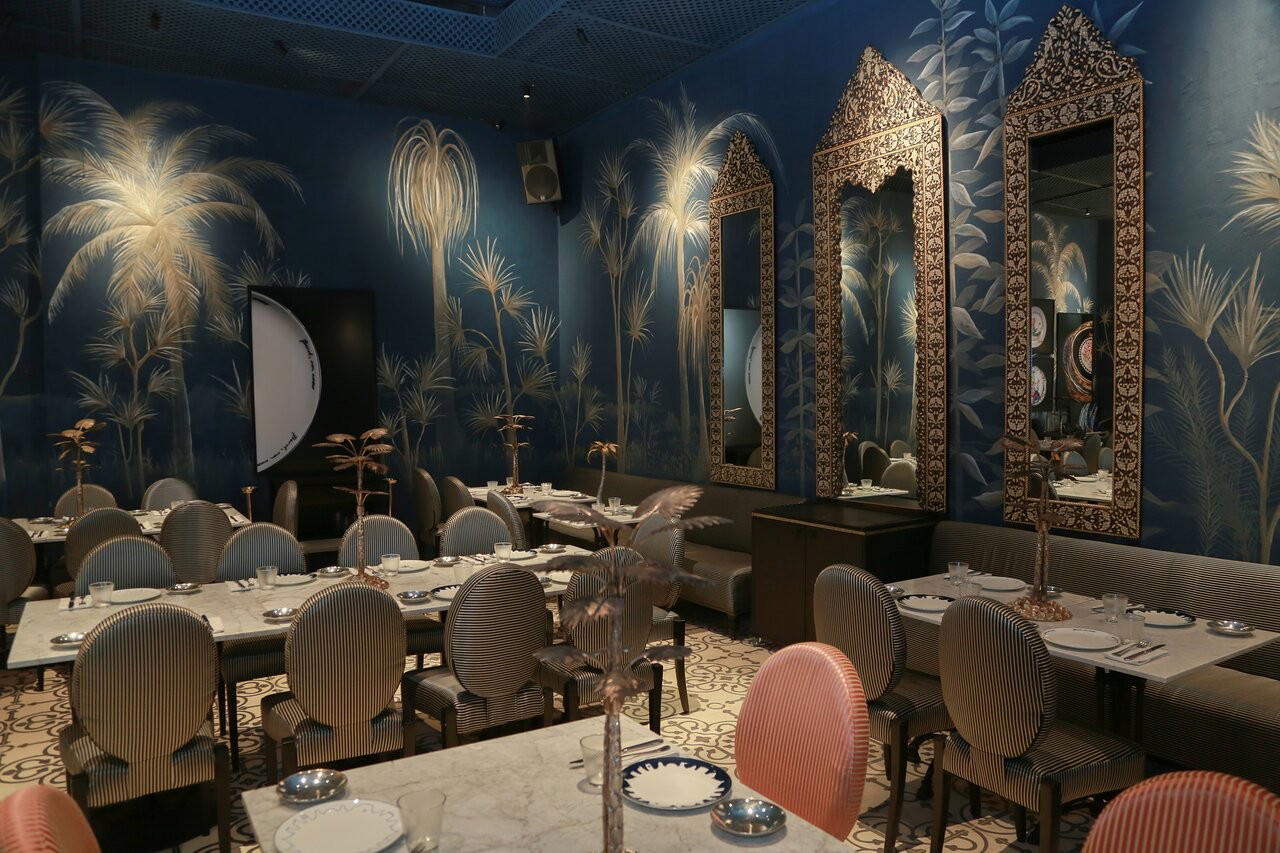
A Room That Sets Its Own Terms
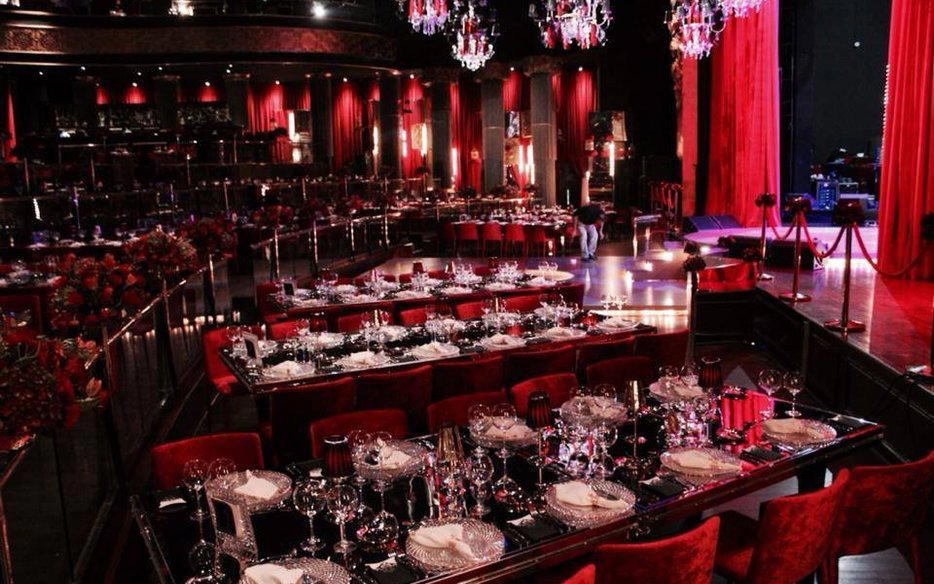
Walking into Em Sherif, the first impression is of density: chandeliers stacked above tables dressed in jewel-toned textiles, the sound of live Arabic music pressing against the hum of conversation, and a colour palette that swings between deep pink and midnight blue. The room doesn't ease you in. It makes a declaration about what Lebanese hospitality can look like when it is taken seriously as an aesthetic position. That atmosphere is not decorative coincidence. It reflects something specific about how Beirut's upper-tier dining has evolved, moving away from European mimicry and toward a more confident articulation of local tradition.
The city's restaurant scene has long carried this tension: whether to pitch to an international visitor's expectations of what fine dining should look like, or to press the case for Lebanese culinary culture on its own terms. Em Sherif sits firmly on one side of that argument. The format, the decor, the live music, and the sourcing all point inward, toward the Lebanese tradition rather than outward toward a globalised template.
The Place in the Regional Tier
Lebanon's restaurant culture has produced several internationally recognised addresses in recent years, and Em Sherif represents the segment where local tradition and formal ambition overlap most directly. Its ranking of ninth in the World's 50 Best Restaurants MENA 2024 list places it in a comparable set that includes particularly discussed addresses in the Gulf and Levant, operating at a scale and visibility that few Beirut restaurants have reached. That recognition matters not just as a credential but as a signal: the format, traditional Lebanese cooking, presented with seriousness and sourced from across the country, has been validated by among the more closely watched ranking systems in the region.
Globally, the restaurants that tend to cluster in similar ranking brackets share a commitment to a legible culinary identity backed by sourcing discipline. Addresses like Le Bernardin in New York City, Amber in Hong Kong, and Alléno Paris au Pavillon Ledoyen in Paris occupy their respective tiers partly because they do one thing with sustained rigour. The restaurant follows a comparable logic. The menu doesn't span cuisines or hedge toward fusion; it applies formal attention to the codes of Lebanese home cooking, which is its point of difference.
Closer to home in Beirut, Albergo Rooftop also works within the Lebanese cuisine frame, though its rooftop setting gives the experience a different spatial quality. Beihouse and Buco offer further points of comparison in the city.
The Logic of Lebanese Home Cooking at Scale
The framing of the restaurant around the idea of home cooking is precise, not marketing language. Lebanese home cooking is a tradition of abundance and proportion: mezze that arrive in multiples, bread baked to order, proteins cooked on charcoal, and a sourcing logic that prizes regional provenance above standardisation. When that tradition is transplanted into a formal dining room, the challenge is to preserve its essential character, the generosity, the tactility, the reliance on good primary ingredients, without ironing it into something inert.
The kitchen draws on endemic produce from across Lebanon, a sourcing approach that connects the menu to the agricultural geography of the country rather than to a generic supply chain. That specificity is part of what separates the restaurant from Lebanese restaurants operating elsewhere in the world, where the supply constraints are real. Eating here is an argument that place and ingredient are inseparable from the tradition being served.
Internationally, restaurants that have done similar work for other home-cooking traditions tend to be among the more discussed in their respective cities. Atomix in New York City, which draws on Korean culinary codes and presents them with formal rigour, operates in a comparable register. So does Alinea in Chicago, though its methodology is more technical. The common thread across all of them is a refusal to apologise for their culinary identity. The restaurant shares that posture.
Sound, Light, and the Role of the Room
Live Arabic music during service is not an affectation at the restaurant. In Lebanese culture, music has historically been inseparable from the communal meal, particularly in contexts where hospitality is being performed at its most demonstrative. The presence of live musicians shifts the dining room away from the contemplative silence of European fine dining and toward something more participatory, more alive to the social occasion. It is worth noting that this format runs counter to the dominant global trend in formal dining, which has moved toward quieter, more controlled atmospheres designed to foreground the food itself. The restaurant's approach suggests that the food and the atmosphere are not in competition; they are both expressions of the same cultural argument.
The design reinforces this. Glittering chandeliers and lavish textiles in rich shades of pink and deep blue produce a room that reads as celebratory rather than austere. The visual logic is closer to a grand Levantine household than to a minimalist temple to gastronomy. That choice has implications for what kind of evening you are signing up for: the restaurant is not a restaurant for a quiet conversation. It is a room that amplifies the occasion.
Planning a Visit
The restaurant sits at the upper end of the Beirut dining tier by pricing and by the formality of its format. Reservations are recommended, particularly for weekend service.
Just the Basics
Comparable venues nearby, for context on price, style, and recognition.
| Venue | Cuisine | Price | Notes |
|---|---|---|---|
| Em SherifThis venue — the venue you are viewing | Not listed | $$$$ | Not listed |
| Beihouse | Not listed | $$$ | Gemmayzeh, Modern Levantine Mediterranean |
| Buco | Modern Gastro Burgers | $$ | Not listed |
| Babel Bay | Zaitunay Bay, Modern Lebanese Seafood | $$$ | Not listed |
| Rizk Chicken | Not listed | $$ | Bachoura, Lebanese Fried Chicken & Shawarma |
| Burgundy | Saifi Village, Modern French Fine Dining | $$$$ | Not listed |
Recognition history
Dated appearances from independent guides and award organizations, with the underlying list record or original source where available.
Opinionated About Dining Casual in Asia Ranked #18
Opinionated About Dining
World's 50 Best MENA's Best Restaurants #13
World's 50 Best
World's 50 Best MENA's Best Restaurants #9
World's 50 Best
Continue exploring
More in Beirut
Restaurants in Beirut
Browse all →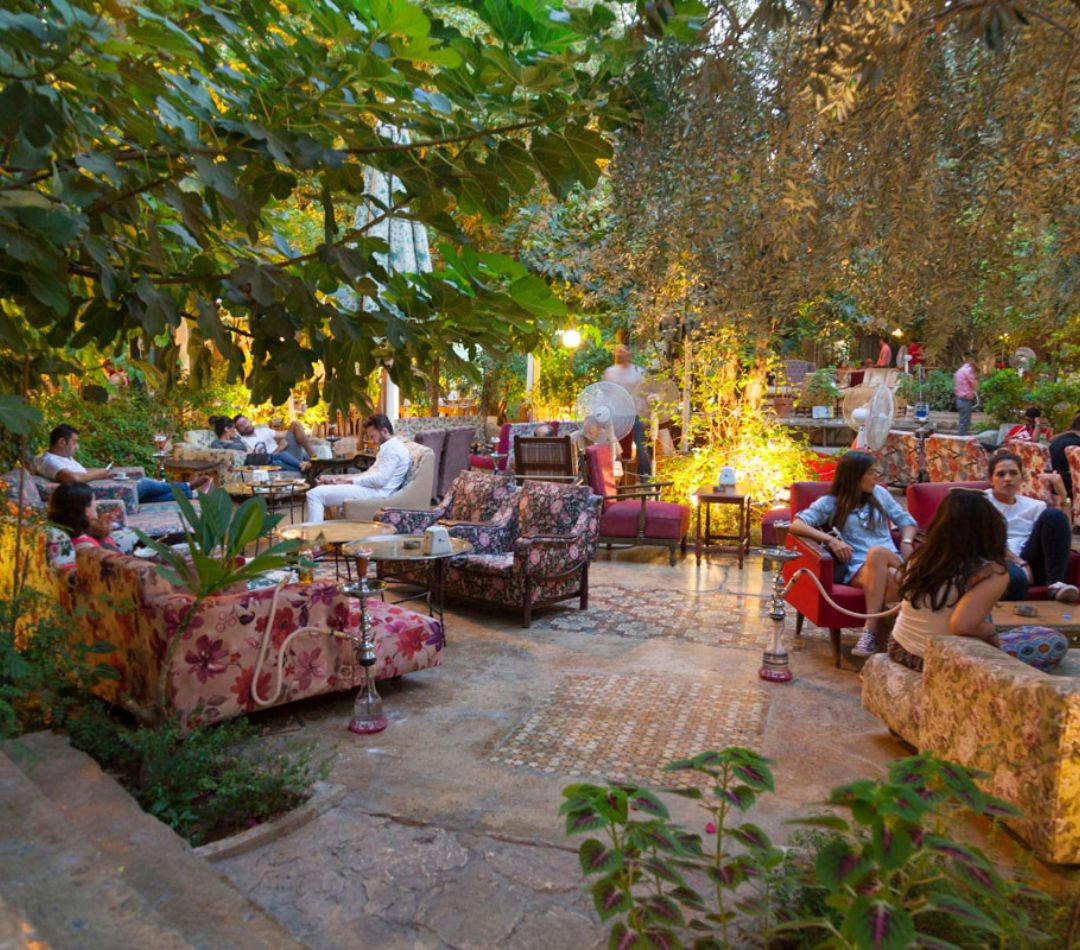
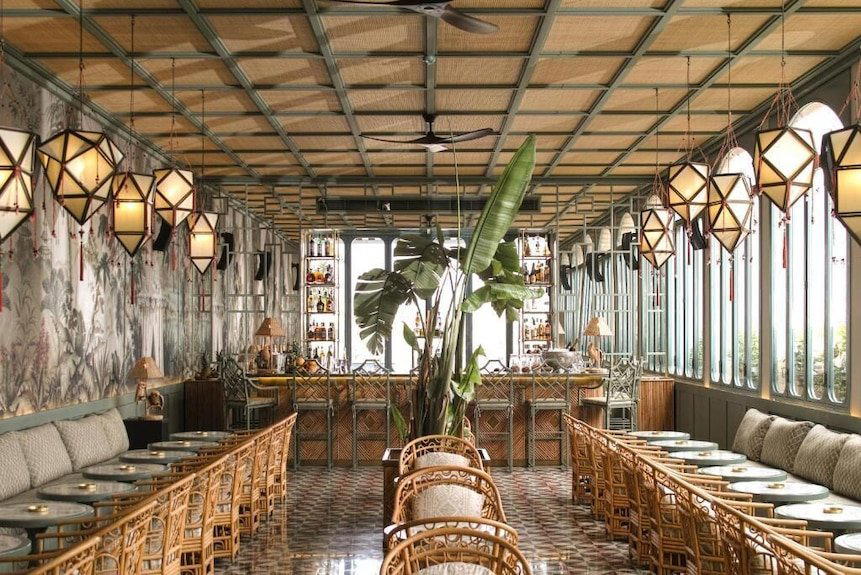
Bars in Beirut
Browse all →
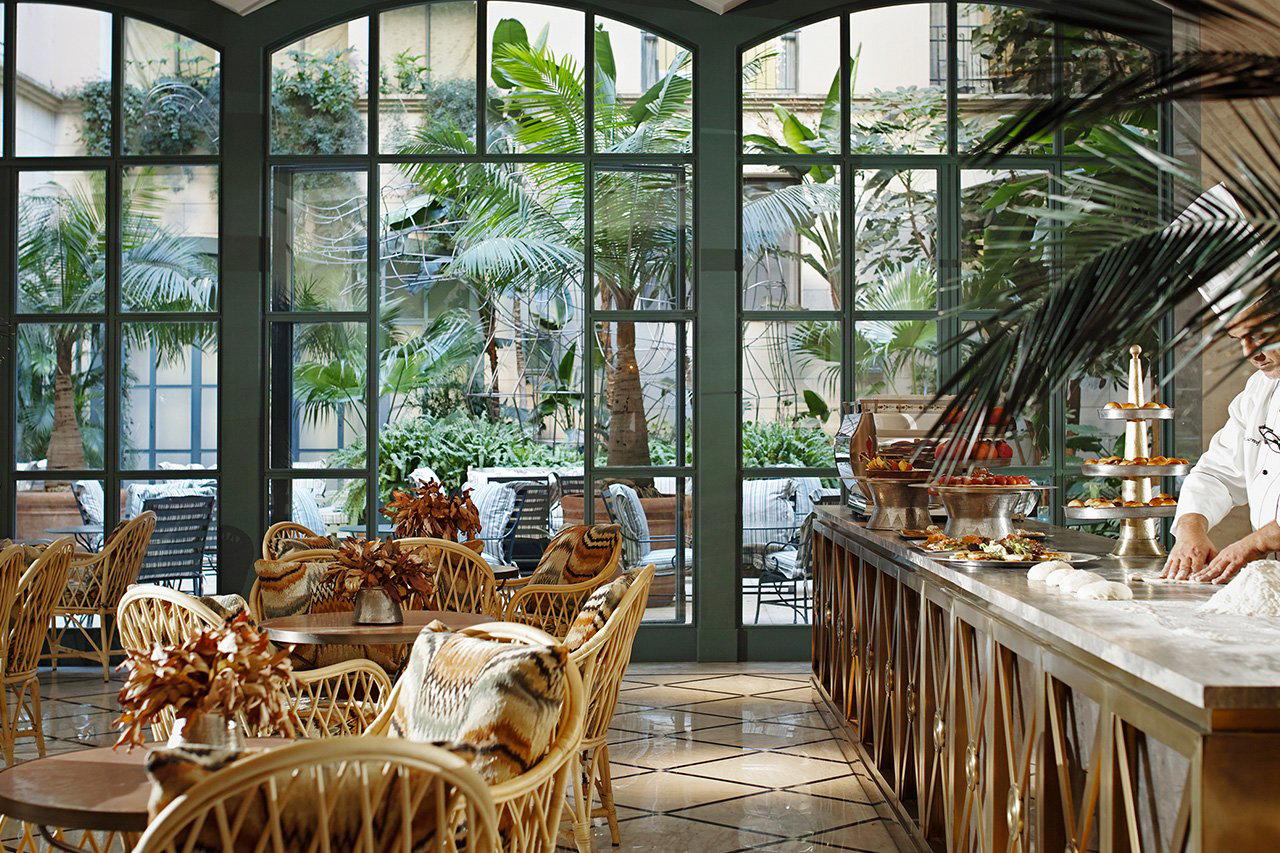
Hotels in Beirut
Browse all →

At a Glance
- Ornate
- Elegant
- Sophisticated
- Classic
- Special Occasion
- Celebration
- Date Night
- Business Dinner
- Family
- Live Music
- Extensive Wine List
Current opening hours
- Monday
- 12 PM–2 AM
- Tuesday
- 12 PM–2 AM
- Wednesday
- 12 PM–2 AM
- Thursday
- 12 PM–2 AM
- Friday
- 12 PM–2 AM
- Saturday
- 12 PM–2 AM
- Sunday
- 9 AM–1 AM
Hours can change for holidays and private events. Last verified .
Ornate and glamorous Oriental-themed dining room featuring water fountains, traditional music, and a buzzy atmosphere.