
Small Luxury Hotels of the World Member
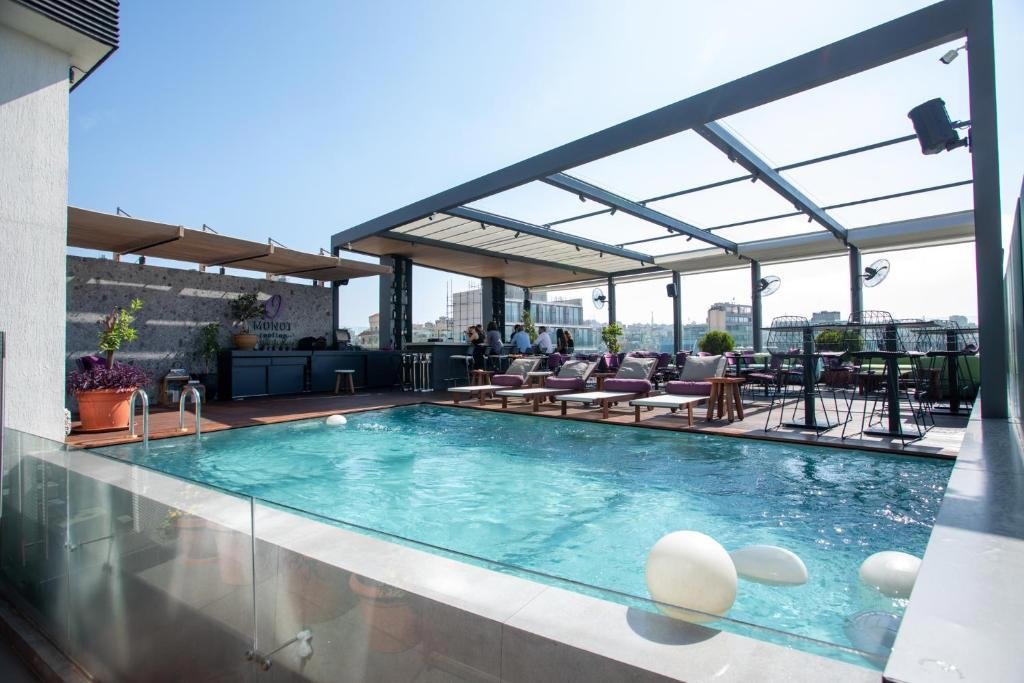
A 41-room independent boutique property in Saifi, Downtown Beirut, O Monot occupies one of the city's more considered residential neighbourhoods and pairs a thoroughly renovated room stock with an in-house gourmet restaurant. For travellers seeking a smaller, design-attentive alternative to Beirut's larger hotel addresses, it represents a coherent choice in a competitive urban tier.

Pearl is the En Primeur Club membership app — saves, bookings, and concierge access live there. Same editors, same standards.
- Address
- Beirut
- Phone
- +961 1 338 777
- Website
- omonot.com
- Directions
- Get directions
Saifi and the Independent Hotel Argument
Beirut's hotel market divides cleanly between large, internationally branded addresses and the smaller independent properties that have emerged from the city's successive cycles of reconstruction and reinvention. The independent tier is not a consolation category. In a city where neighbourhood character shifts block by block, a well-positioned boutique property can give a visitor direct access to a specific kind of Beirut that larger hotels, by necessity, insulate guests from. Saifi is one of those positions. The quarter sits at the edge of Downtown's reconstructed core, carrying a residential and gallery-led atmosphere that distinguishes it from the more transactional pace of the central district. O Monot Boutique Hotel operates from this address, and the location is the first editorial fact worth registering.
The broader pattern across cities that have undergone significant post-conflict urban rebuilding — from Sarajevo to parts of East Beirut — is that boutique properties tend to arrive in the second phase, after the large flagships have stabilised the core. They occupy the fabric buildings, the converted townhouses, the addresses that require a more granular understanding of what the neighbourhood is becoming. Saifi fits that pattern, and a 41-room count places O Monot firmly in the smaller-property cohort where operational specificity and design coherence tend to matter more than brand recognition.
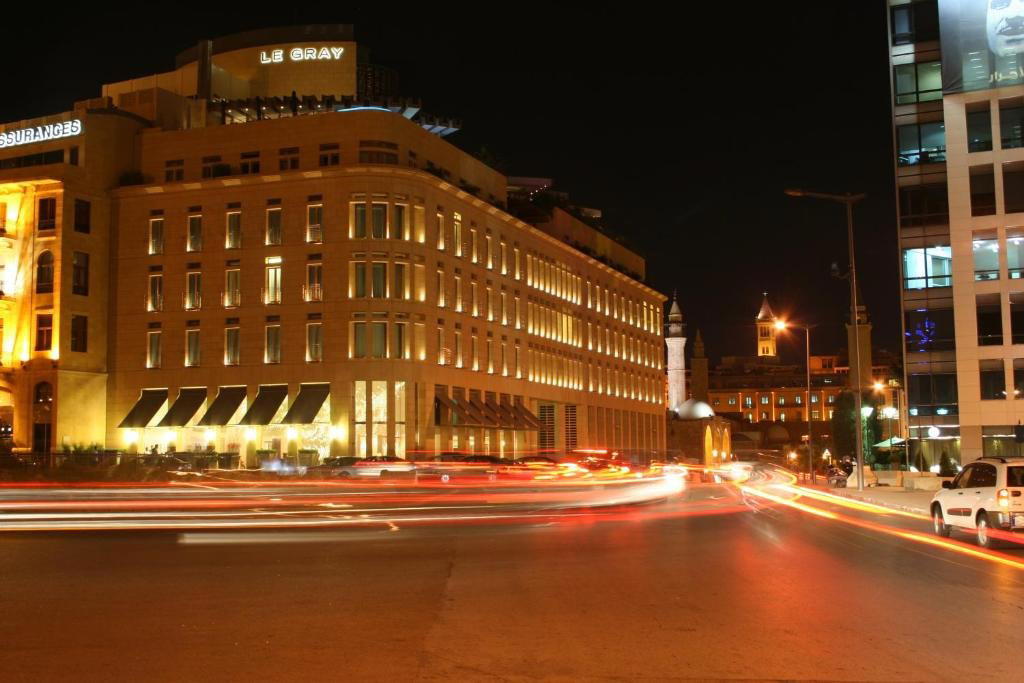
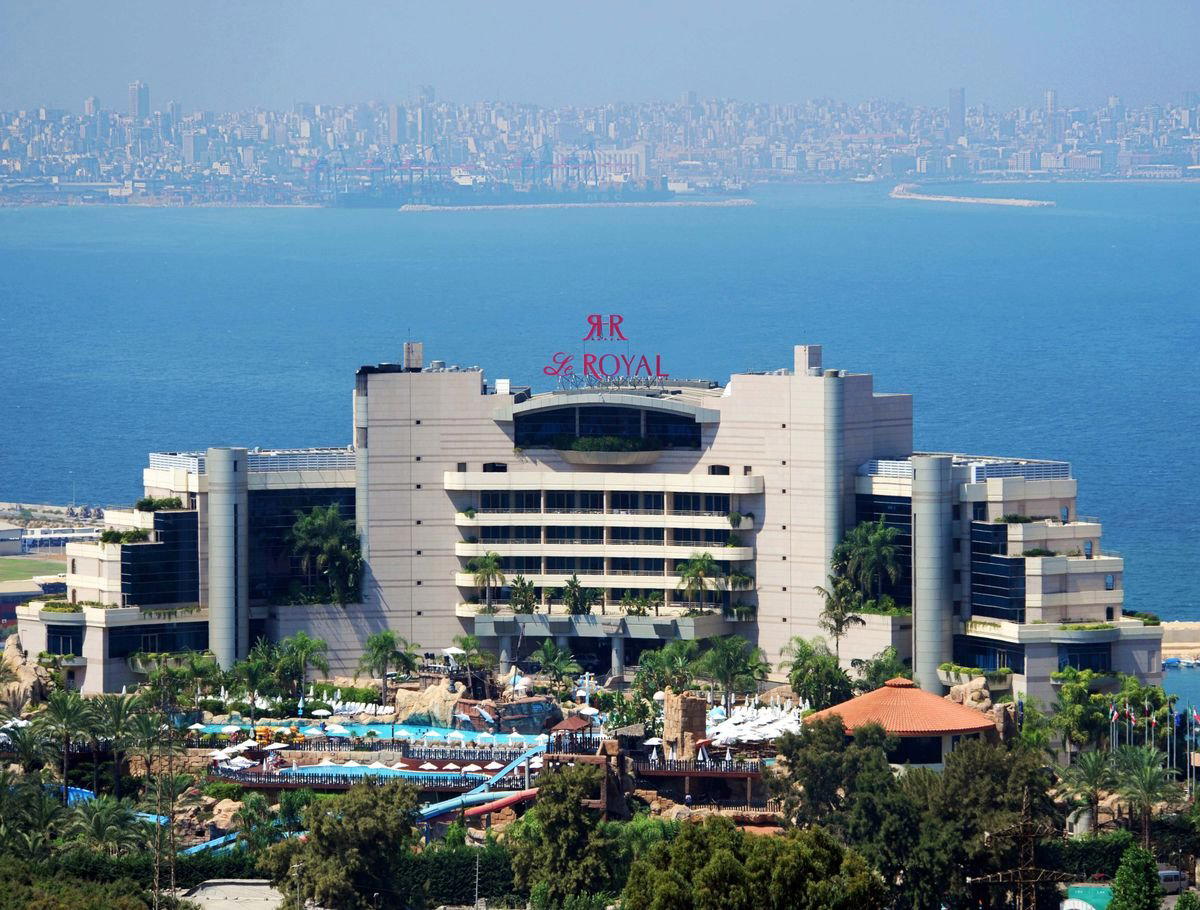
For context on Beirut's broader hotel offering, Le Gray represents the city's large urban design-hotel format, while Hotel Albergo in Achrafieh and Le Royal Hotel Beirut in Matn each occupy different segments of the independent and upper-market tier. O Monot's positioning in Saifi places it in a distinct competitive conversation from all three.
The Renovation as Editorial Statement
A full renovation of a boutique property is a clarifying act. It either reveals an original architectural logic worth preserving, or it demonstrates what the ownership believes the market now expects. In either case, the result is a record of intent. The renovation that produced O Monot's current 41 rooms and suites was described as sensational by independent assessors, a characterisation that points to a degree of ambition beyond standard refresh work. Forty-one keys is a deliberate number: large enough to support a full-service hotel programme, small enough that the room product itself has to carry the property's identity. At that scale, a weak room is visible in a way it would not be in a 200-key address.
The suite tier within a 41-room property typically occupies a small number of the best-positioned units, and in a Saifi address, orientation and light become the primary differentiators.
The Dining Programme: A Gourmet Restaurant in a Boutique Frame
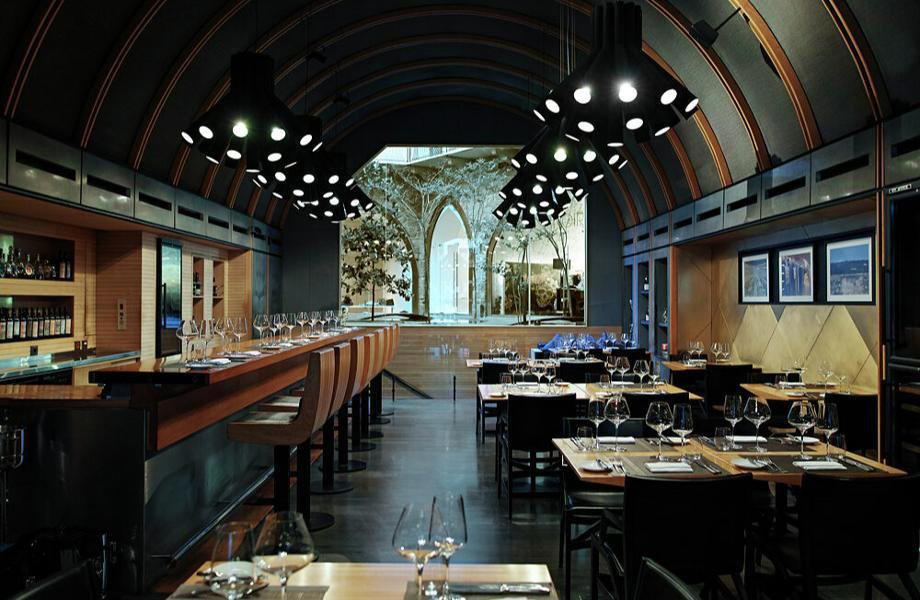
The most editorially significant fact about O Monot's food-and-beverage offer is structural: a gourmet restaurant inside a 41-room independent hotel is a deliberate programme choice, not an amenity. Large hotels carry restaurants because the room count generates captive demand and the brand identity requires it. A boutique property with a serious dining offer is making a different argument, that the restaurant should be able to attract a neighbourhood clientele independently of room occupancy, and that its quality should reflect on the property in the same register as the room product.
Beirut's dining culture supports this model. The city has historically maintained one of the Middle East's most sophisticated restaurant scenes, with a population that takes the quality of a table seriously and is not inclined to lower its expectations because a restaurant happens to be inside a hotel. A gourmet designation, in that context, is not decorative language. It sets an expectation against which the kitchen is measured each service. The in-house restaurant at a Saifi boutique property therefore competes not just with hotel dining in a visitor frame, but with the broader Achrafieh and Downtown restaurant circuit that guests will be comparing it against the moment they open a reservation app. For a full map of that circuit, our full Beirut restaurants guide covers the relevant peer addresses and neighbourhood dining patterns in detail.
What can be said is that the format, a gourmet restaurant inside an independently operated, design-renovated boutique hotel in one of Beirut's more considered residential quarters, is the right structural argument for this tier of property. Whether the kitchen executes at the level the format promises is a question that requires a current booking rather than a published record.
For travellers calibrating O Monot against the global independent boutique tier, the comparison set is instructive. Properties like Hotel Esencia in Tulum and Casa Maria Luigia in Modena each demonstrate how a small key count combined with a serious food-and-beverage programme and a strong neighbourhood or landscape identity can produce a property that punches above its room count in guest experience terms. At the upper end of the design-hotel category, properties like Castello di Reschio in Lisciano Niccone show what a thoroughgoing renovation commitment produces over time. O Monot is operating in a different price register and city context, but the structural logic, design-led renovation, contained key count, serious dining, is the same playbook. The difference is that Beirut itself is a more complex operating environment than Tuscany or the Riviera Maya, which makes a well-executed boutique property in Saifi a more contingent achievement.
For reference, the brand-led end of the global luxury hotel market, from Aman New York and Cheval Blanc Paris to Bvlgari Hotel Tokyo, Hotel Plaza Athénée in Paris, Mandarin Oriental Bangkok, Le Bristol Paris, La Réserve Paris, Badrutt's Palace Hotel in St. Moritz, Hotel Du Cap-Eden-Roc in Cap d'Antibes, Hôtel de Paris Monte-Carlo, Hotel Bel-Air in Los Angeles, Hotel Sacher Wien in Vienna, HOTEL THE MITSUI KYOTO, Aman Venice, Amangiri in Canyon Point, Mandarin Oriental Ritz, Madrid, One&Only Mandarina in Riviera Nayarit, and The Fifth Avenue Hotel in New York City, operates from a different premise entirely. Brand infrastructure, global reservation systems, and category-defining room counts are not O Monot's argument. Its argument is neighbourhood specificity, design coherence, and a contained scale that the brand tier cannot replicate.
Planning a Stay
O Monot sits in Saifi, Downtown Beirut, placing it within reach of both the central district and the Achrafieh restaurant and gallery circuit to the east. Guests intending to use the in-house restaurant should treat it as a dining destination requiring its own reservation rather than assuming availability on the night. Saifi's pedestrian character makes the immediate neighbourhood navigable on foot for the first evening; the wider city requires transport.
A Pricing-First Comparison
Comparable venues nearby, for context on price, style, and recognition.
| Venue | Price | Awards | Notes |
|---|---|---|---|
| O Monot Boutique HotelThis venue — the venue you are viewing | $200–300 | Small Luxury Hotels of the World Member | Not listed |
| Arthaus Beirut | $200–300 | Michelin Selected | Gemmayze, Historic family estate transformed into a high-end boutique hotel and art space in Beirut's lively Gemmayze. |
| Le Gray | Not listed | Leading Hotels of World Member | Beirut Central District, Contemporary luxury boutique in Beirut's lively core |
| Hotel Albergo | $200–300 | Michelin Selected · Relais Chateaux Award | Achrafieh, Luxury boutique hotel housed in a restored 1930s heritage building with old-world charm and contemporary service standards. |
| Le Royal Hotel Beirut | $100–200 | Not listed | Dbayeh, Contemporary luxury resort with art deco influences positioned as Lebanon's premier hilltop destination. |
Recognition history
Dated appearances from independent guides and award organizations, with the underlying list record or original source where available.
Small Luxury Hotels of the World Member
Small Luxury Hotels of the World
Continue exploring
More in Beirut
Hotels in Beirut
Browse all →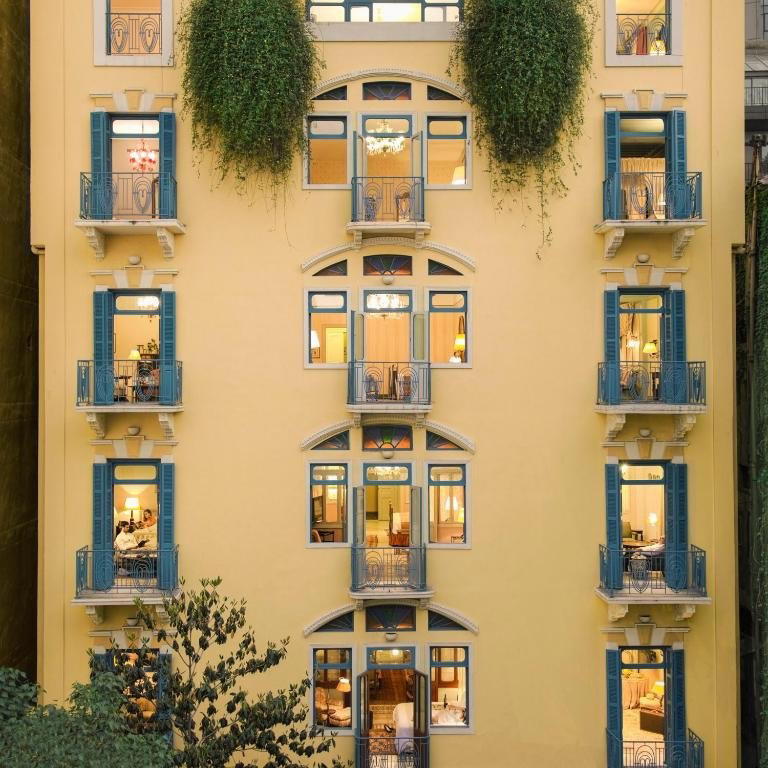
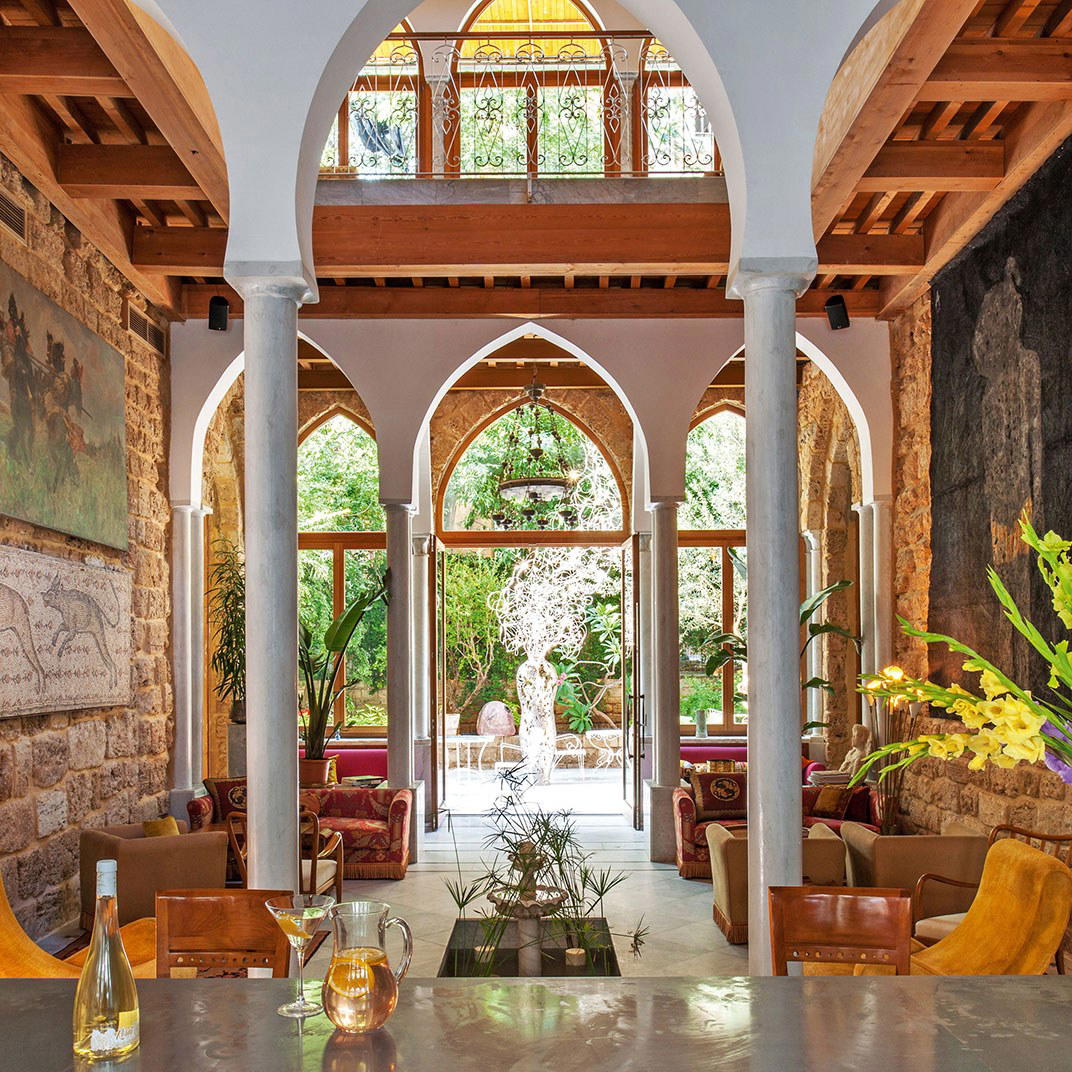
Bars in Beirut
Browse all →
Restaurants in Beirut
Browse all →

Details
- Elegant
- Sophisticated
- Modern
- Business Trip
- Romantic Getaway
- Weekend Escape
- Rooftop Pool
- Terrace
- Garden
- Panoramic View
- Wi Fi
- Pool
- Fitness Center
- Restaurant
- Room Service
- Concierge
- Business Center
- Valet Parking
- Airport Shuttle
- Wheelchair Accessible
- Elevator
- Accessible Parking
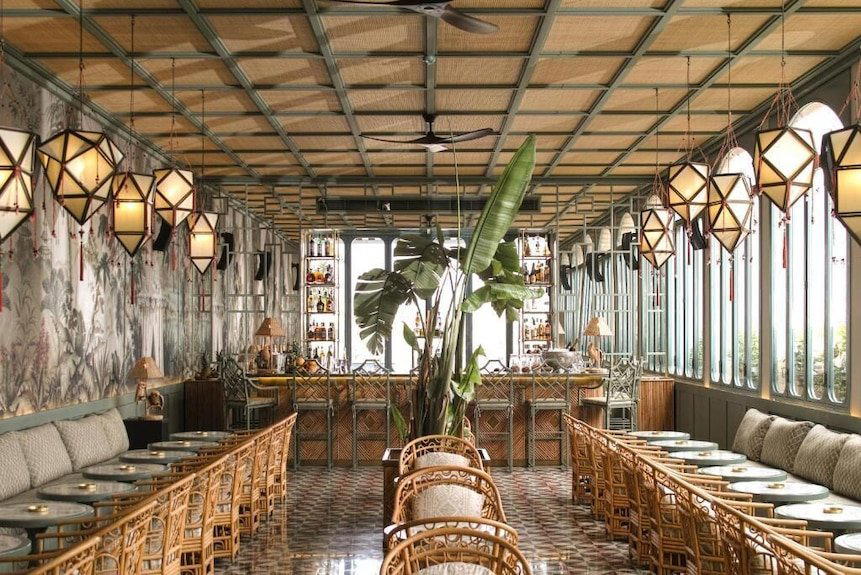
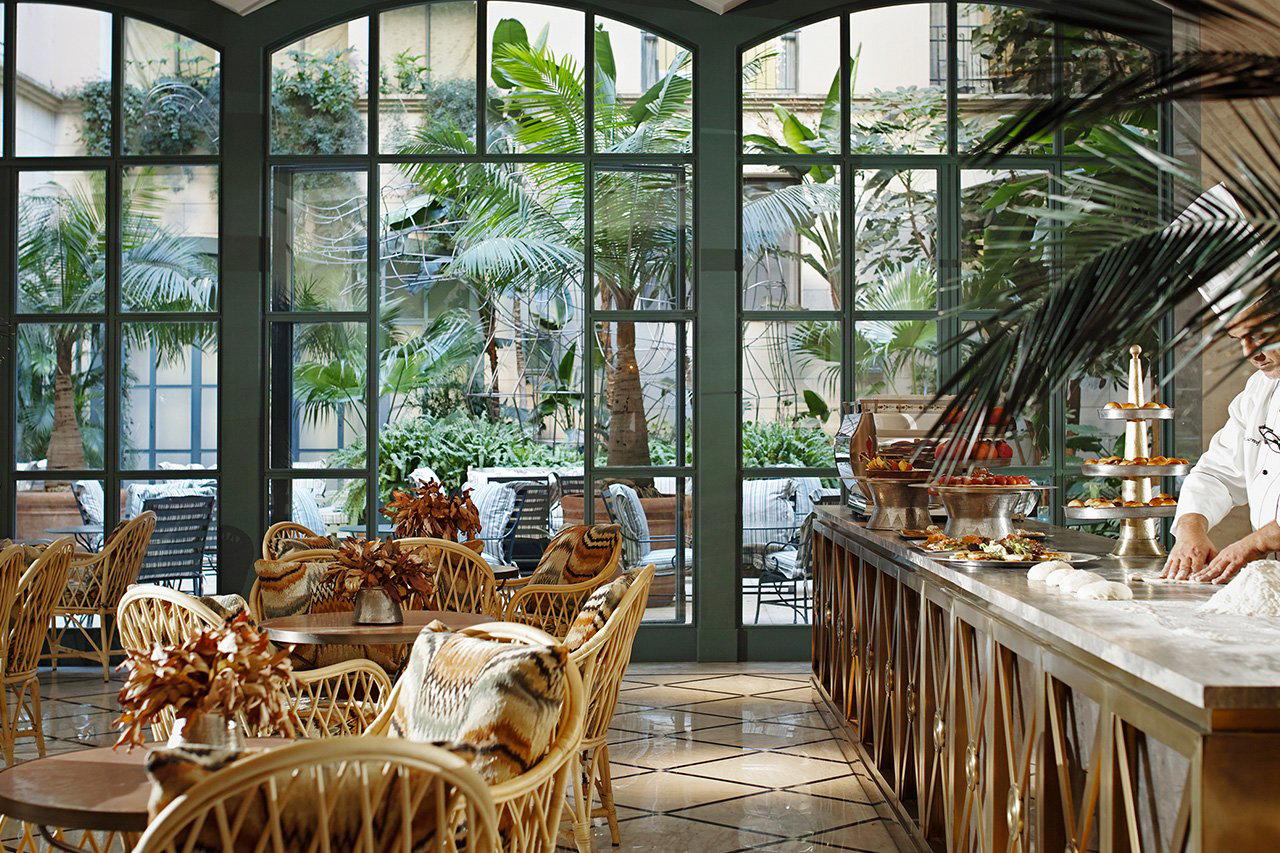
Refined and contemporary with soothing off-white palettes complemented by modern artwork, creating an elegant yet welcoming atmosphere.