Our verdict
Boubouffe is a Beirut restaurant that fits into the city's tradition of convivial, food-forward dining where the menu does the talking. Operating in a city where Lebanese cuisine ranges from street-level falafel counters to elaborate mezze institutions, Boubouffe occupies the middle register where informal warmth and serious cooking coexist. It draws a local crowd that reads as a reliable signal in a restaurant culture as self-aware as Beirut's.

Pearl is the En Primeur Club membership app — saves, bookings, and concierge access live there. Same editors, same standards.
- Address
- Beirut, Lebanon
- Directions
- Get directions
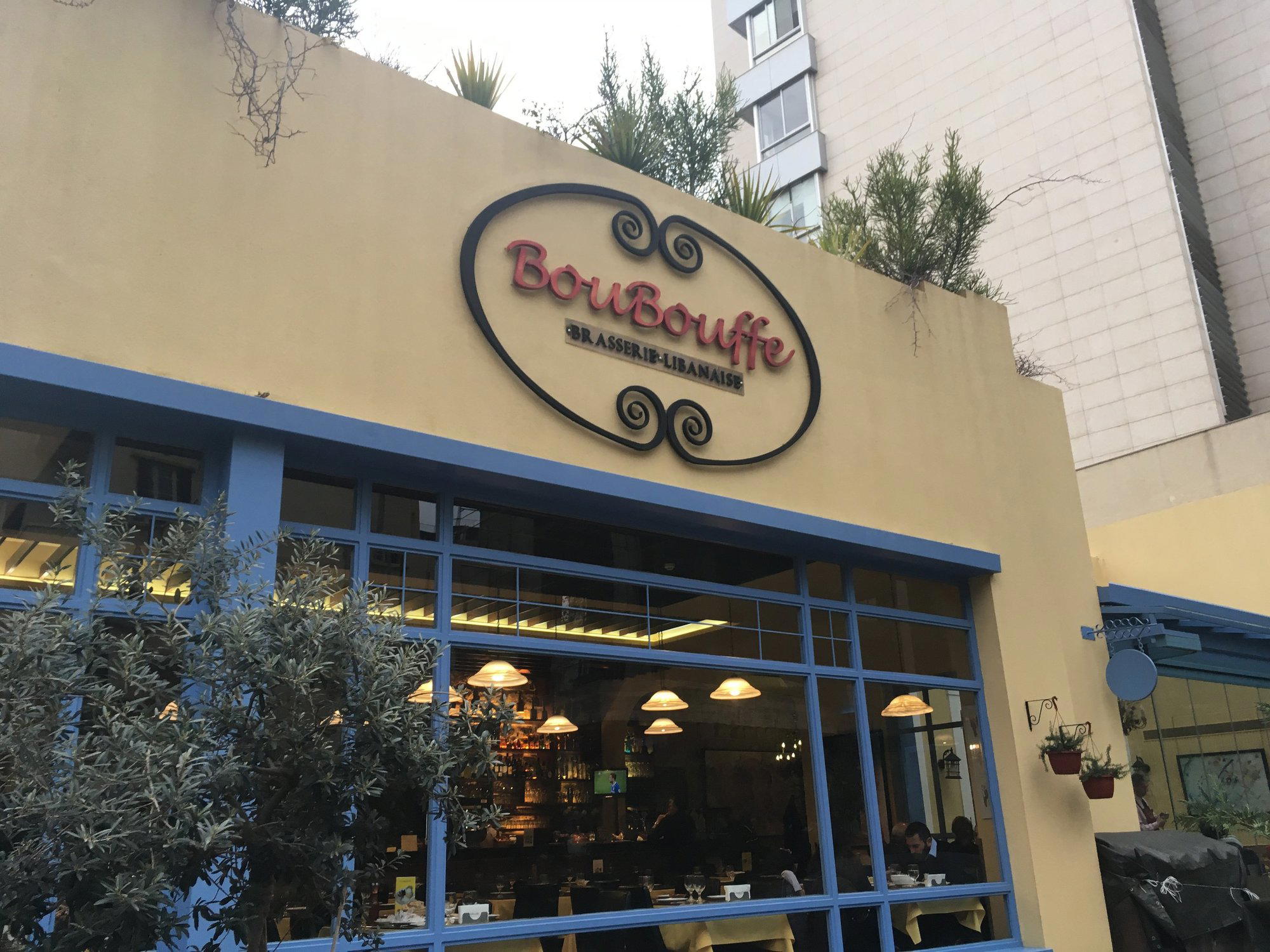
The menu
What to order
- Charcoal-grilled shawarma
- Manakeesh
- French-style steak with handcut fries
What Beirut's Middle Register Looks Like
Beirut's restaurant scene has always operated on a spectrum that runs from the communal street corner — where a place like Falafel Sahyoun has held its ground for generations — to the grand mezze institution typified by Em Sherif, where the table is set for ceremony as much as sustenance. Between those poles sits a category that is harder to name but easier to recognize: restaurants where the cooking is taken seriously without the formality that surrounds it, where the room fills with people who clearly know what they ordered and why. Boubouffe belongs to that register, and in a city with Beirut's dining culture, that positioning is not accidental.
Lebanese restaurant culture rewards places that feel rooted. The city's diners are literate about food in a way that makes fashionable novelty a short-term strategy at leading. The restaurants that last are the ones where the menu holds together as a coherent argument, where you can read what's on offer and understand what the kitchen believes in. Boubouffe has earned the kind of repeat local custom that, in Beirut, functions as a more reliable credential than any formal award.
Reading the Menu as a Document
In Lebanese dining, the structure of a menu tells you almost everything about a restaurant's ambitions and its relationship to tradition. The mezze format, a procession of small plates that builds toward larger proteins, is the dominant grammar, but how a kitchen inflects that grammar reveals its actual priorities. A menu heavy on cold mezze signals confidence in raw ingredients and classical preparation; a kitchen that leans toward hot dishes is making a different argument about technique and timing.
Boubouffe's approach, as understood through the local reputation it has built, leans into the convivial logic of shared eating rather than the tasting-menu formalism that has crept into some of Beirut's more internationally oriented rooms. This positions it closer to Al Falamanki Sodeco in spirit, places where the table is a social space first and a culinary statement second, while maintaining a kitchen focus that separates it from casual café culture.
The comparison that matters most for understanding Boubouffe's menu logic is with the city's established mezze houses. Al Halabi and its counterpart Al Halabi in the Matn District represent the maximalist end of Lebanese mezze, tables that arrive full and stay full, where the sheer breadth of the spread is part of the offer. Boubouffe operates on a more edited logic, where selection implies curation rather than abundance for its own sake.
The Scene in the Room
The atmosphere at a Beirut restaurant in this category is shaped as much by who comes as by what the room looks like. Boubouffe draws the kind of crowd that Beirut's food-aware middle class gravitates toward: not the see-and-be-seen circuit that fills the waterfront terraces, and not the tourist-oriented rooms near the major hotels, but the places where Arabic is the dominant language at the table and where ordering is done with the casual authority of repeat visitors.
That demographic signal matters in Beirut more than in most cities. A room full of locals in a city with this much dining choice is a form of editorial judgment, it means the kitchen has held its standard across seasons and across the particular economic turbulence that has defined Lebanese life in recent years. Restaurants that rely on transient custom tend not to survive that kind of pressure. The ones that do are the ones with a genuinely loyal neighborhood or citywide base.
For context on how other Beirut rooms handle the atmosphere question differently, the Albergo Rooftop offers Lebanese cuisine within a hotel setting that tips the balance toward occasion dining, while Al Rawda in Shatila anchors itself in a neighborhood identity that is as much about place as about food. Boubouffe sits between those poles, with an identity defined by its regulars rather than its setting or its postcode.
Lebanon's Wider Dining Geography
Boubouffe is a Beirut restaurant, but understanding where it sits requires acknowledging that Lebanese dining culture does not stop at the city limits. The Bekaa Valley has produced places like Lakkis Farm in Baalbek and Shams Restaurant in Aanjar, where produce proximity shapes the menu in ways that urban kitchens can reference but not replicate. The mountain district has Kitchen Garage in the Aley District, and the north coast offers Jammal in Batroun and Feniqia in Byblos as reference points for how Lebanese cooking reads outside the capital.
Within Beirut, the Armenian dining culture of Bourj Hammoud, represented by Onno Bistro, adds another layer to the city's culinary map, one that runs parallel to but distinct from the mainstream Lebanese mezze tradition. And the Bekaa wine scene, anchored by producers like BRUT by Youssef Akiki in the Keserwan District, has changed the way serious Beirut restaurants approach their wine programs, a shift visible even in rooms that don't lead with their cellar.
For dairy and larder, the road to the Bekaa passes through Laiterie Massabki in Chtoura, which supplies the kind of aged and fresh cheeses that appear on Lebanese tables at every price point. These supply chains are part of what makes Lebanese restaurant cooking coherent as a tradition rather than a collection of individual decisions.
Placing Boubouffe in the Beirut Conversation
Beirut operates as a city that punches significantly above its size in global dining conversation, partly because its diaspora keeps the culture alive internationally, and partly because Lebanese cuisine has a structural elegance, the mezze logic, the emphasis on vegetables, the herb-forward approach to seasoning, that translates well across cultural contexts. Restaurants at the level of Le Bernardin in New York or Atomix operate on a formalism that Lebanese dining, at its finest, deliberately resists. The power of the tradition lies in its accessibility without sacrifice of depth.
Boubouffe fits that tradition. It is the kind of restaurant that a Beirut local recommends without ceremony, not because it requires no explanation, but because the explanation is the city itself. For visitors working through our full Beirut restaurants guide, it represents the category of Beirut dining that is easiest to overlook in favor of the marquee names and hardest to replicate elsewhere.
Planning a Visit
The restaurant draws a primarily local crowd, which means arriving with some flexibility on timing tends to serve better than fixed expectations. Arabic is useful but not required; Beirut's restaurant culture is practiced at code-switching. Dress is casual to smart-casual in line with the neighborhood norms that apply across most of the city's non-hotel dining rooms.
Frequently asked questions
Is Boubouffe good for families?
Lebanese dining culture is built around the table as a gathering point, and Beirut's neighbourhood restaurants in this register tend to reflect that directly. Large shared plates, a relaxed pace, and rooms that accommodate mixed-age groups are characteristic of the format Boubouffe occupies. It reads as a practical choice for families eating the way Beirut families actually eat.
How would you describe the vibe at Boubouffe?
Boubouffe sits in Beirut's middle register, which means the room is shaped by regulars rather than hotel guests or occasion diners. The atmosphere follows from that: conversational, unhurried, and grounded in neighbourhood loyalty rather than designed ambiance. It is the kind of place where the crowd is the atmosphere.
How does Boubouffe fit into Beirut's broader Lebanese dining conversation?
Beirut punches above its size in regional dining culture, and the restaurants that sustain that reputation are often not the headline addresses but the neighbourhood rooms that hold a consistent local following across years. Boubouffe operates in that category in Beirut, anchored in traditional Lebanese cooking rather than in modern reinterpretation or international positioning.
What do people recommend at Boubouffe?
In that format, the spread rather than any single dish is typically what regulars return for.
Accolades, Compared
| Venue | Cuisine | Price | Awards |
|---|---|---|---|
| BoubouffeThis venue — the venue you are viewing | Lebanese Brasserie | Not listed | Not listed |
| Albergo Rooftop | Mediterranean with Italian Accents | $50–100 | Relais Chateaux Award |
| Em Sherif | Traditional Lebanese Fine Dining | $50–100 | World's 50 Best #13 |
| Beihouse | Modern Levantine Mediterranean | $50–100 | World's 50 Best #5 · The Best Chef One Knife |
| Buco | Modern Gastro Burgers | Not listed | World's 50 Best #39 |
| Liza | Modern Lebanese | $50–100 | Not listed |
Continue exploring
More in Beirut
Restaurants in Beirut
Browse all →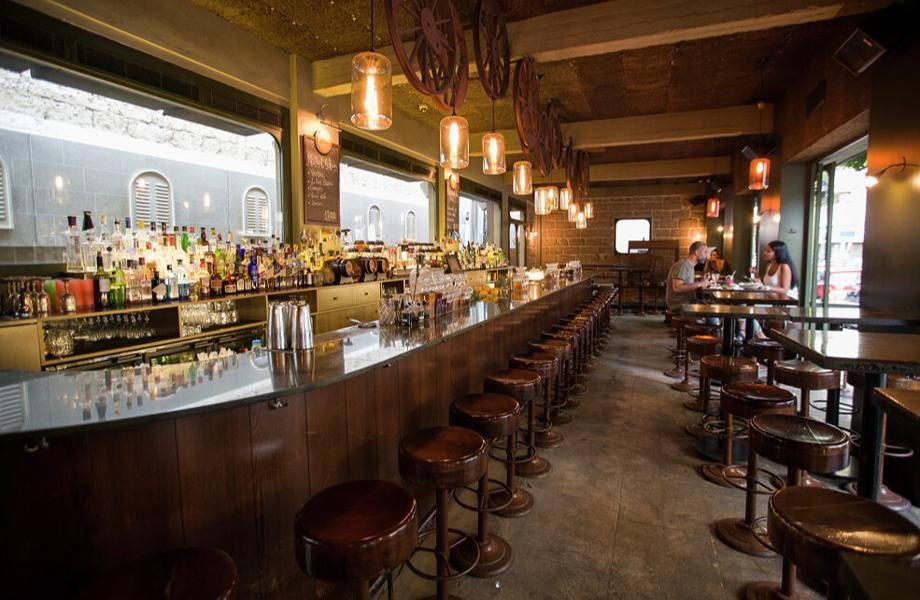
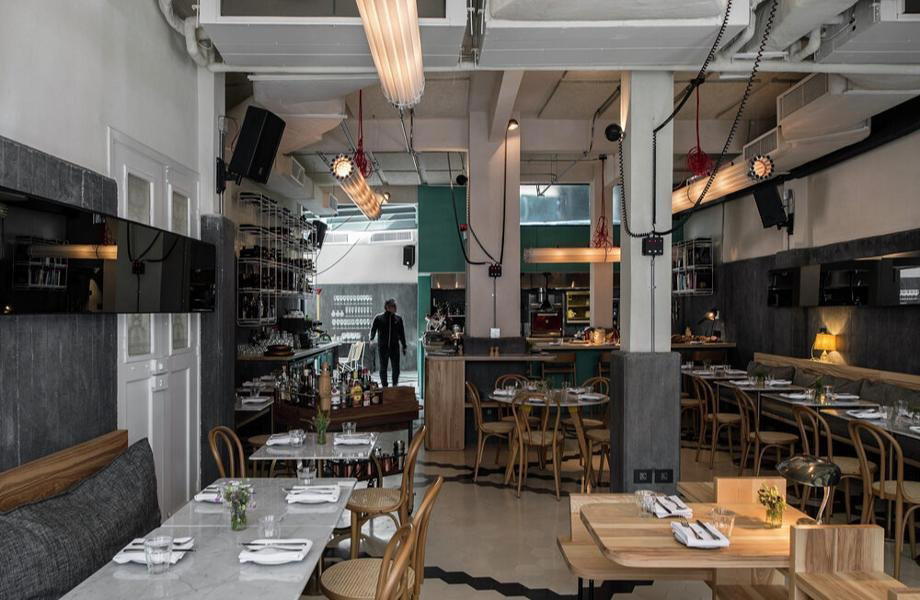
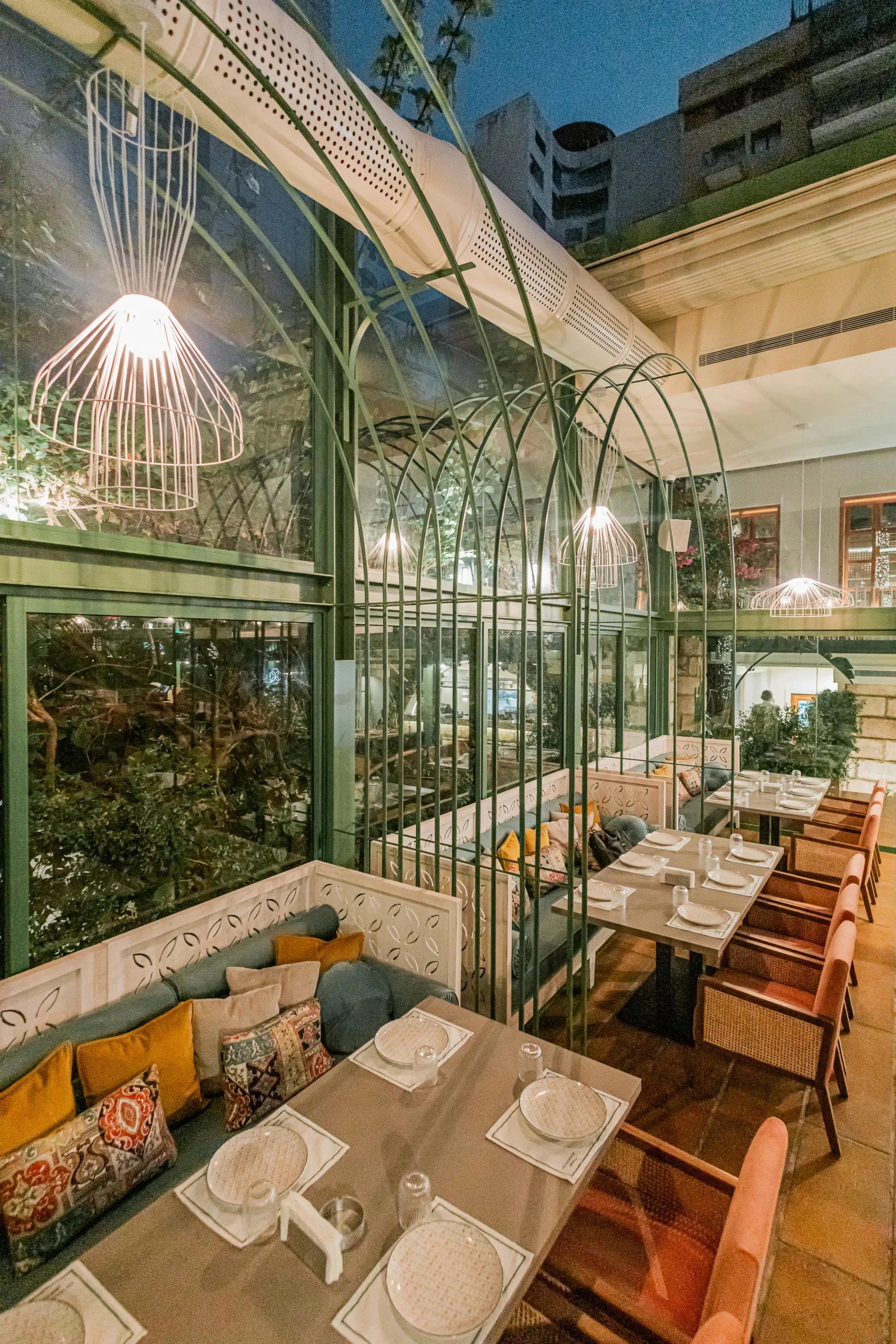
Bars in Beirut
Browse all →
Hotels in Beirut
Browse all →

Details
- Classic
- Cozy
- Casual Hangout
- Family
- Open Kitchen
- Local Sourcing
- A La Carte
- Halal
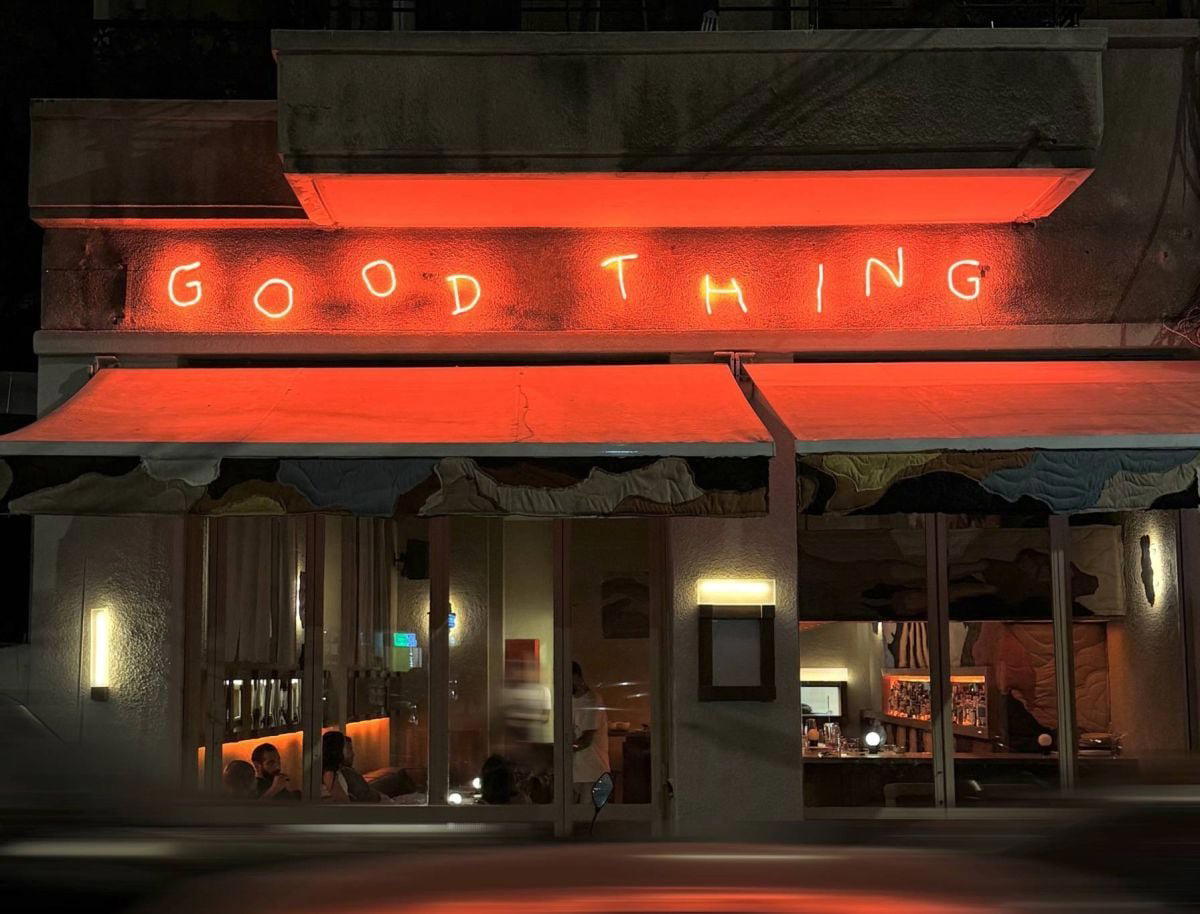
Nicely decorated brasserie with casual indoor and outdoor dining spaces.