Jammal
Our verdict
On Batroun's Old Sea Side Road, Jammal occupies a stretch of Lebanese coast where the proximity to the Mediterranean shapes what lands on the table. The address places it inside a district increasingly recognised for produce-led cooking that draws on local fishermen, mountain farms, and centuries-old mezze tradition. For visitors working through the north Lebanese dining circuit, it earns a place on the itinerary.

Pearl is the En Primeur Club membership app — saves, bookings, and concierge access live there. Same editors, same standards.
- Address
- Old, Sea Side Rd, Lebanon
- Phone
- +9616740095
- Hours
- Mon 9 AM–6 PMTue ClosedWed–Sun 9 AM–6 PM
- Website
- jammalrestaurant.com
- Directions
- Get directions
- Booking
- Book on the venue's website
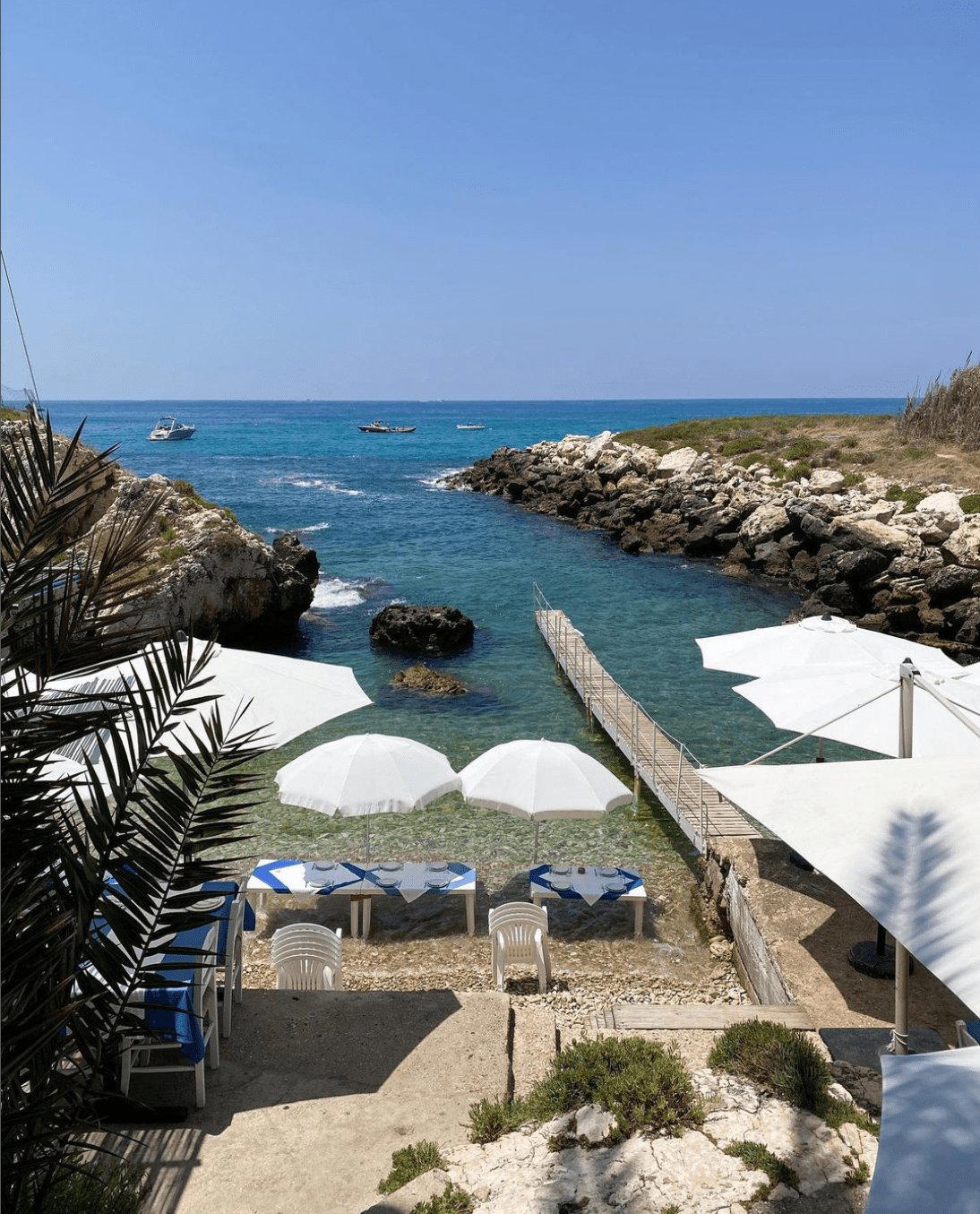
The menu
What to order
- Octopus Provençale
- Red mullet
- Prawns
- Fried calamari
Where the Coast Sets the Terms
The Old Sea Side Road in Batroun cuts close enough to the water that the air carries salt before you reach the door. This part of the Lebanese coast has always organised itself around what the sea provides: small-boat fishing, daily catches landed at harbour walls that predate most modern infrastructure, and a cooking tradition that treats freshness as a structural principle rather than a marketing claim. Restaurants along this stretch inherit that logic whether they choose to or not. The question is how deliberately they build on it.
Batroun District sits roughly an hour north of Beirut by road, and the distance from the capital matters more than the kilometres suggest. The city's dining scene, anchored by places like Em Sherif in Beirut, operates at a register of formal Lebanese hospitality where presentation and occasion-dressing are part of the contract. Batroun runs on different terms: the pace is slower, the sourcing geography is tighter, and the relationship between kitchen and coastline is more literal. Jammal, positioned directly on the seafront road, sits inside that coastal rhythm.
Ingredient Geography: What the Coast and Hinterland Contribute
Lebanese coastal cooking is built on a short supply chain that most international dining cultures have spent decades trying to reconstruct. The Mediterranean off Batroun still yields sea bass, red mullet, squid, and octopus through small-scale fishing operations that supply restaurants along the Old Sea Side Road directly, without the distribution layers that dilute freshness in larger cities. This proximity is not incidental to how the food tastes; it is the primary variable.
The hinterland behind Batroun adds another layer. The mountains above the coast, including the villages of the Koura district to the east, produce olive oil, thyme, and citrus that have supplied Lebanese coastal kitchens for generations. The same supply geography that feeds Lakkis Farm in Baalbek with Bekaa Valley produce operates here through a coastal-specific version: fishing boats in the morning, mountain trucks in the afternoon. A kitchen on the Old Sea Side Road that pays attention to both inputs is working with ingredient quality that urban restaurants in Beirut or abroad spend considerable effort approximating.
This sourcing context matters for how to read the menu at any serious Batroun address. Grilled fish, raw preparations, and herb-forward mezze are not generic Lebanese tropes here; they are direct expressions of what is available and what is seasonal. Comparing this to the studied refinement of, say, Le Bernardin in New York City is a category error. The register is different: informal, coastal, and built on access rather than technique-for-its-own-sake.
The Batroun Dining Context
Batroun has developed a dining identity distinct from both Beirut's restaurant density and Byblos's heritage-tourism framing. Where Feniqia in Byblos operates against a backdrop of Phoenician archaeology and international visitor expectations, Batroun addresses a younger, more locally-rooted crowd alongside travellers who arrive specifically for the coast. The result is a tier of restaurants that are less formal than Beirut's leading tables but more considered than the generic seafood grill that lines beaches throughout the eastern Mediterranean.
For comparison across the Lebanese dining map, Kitchen Garage in Aley District represents the mountain-village register of Lebanese casual dining, while BRUT by Youssef Akiki in Keserwan District occupies a more technique-forward contemporary position. Batroun's coastal spots, including Jammal, occupy a different slot: ingredient-led, geographically specific, and less interested in the kind of conceptual framing that defines Beirut's more ambitious addresses. For visitors building a broader sense of Lebanese regional cooking, the contrast is useful. A single trip through our full Batroun District restaurants guide maps that contrast with more detail.
What the Address Means for Timing
Seasonal logic applies more directly to a seafront address like Jammal's than it does to urban restaurants working with imported or stored produce. Summer on the Lebanese coast runs from June through September, when the Old Sea Side Road fills with Beirut residents escaping the city and the fishing boats are working at full capacity. Lunch service on a clear day in July, with the Mediterranean visible and audible from the dining space, is a materially different experience from a winter visit when Batroun quiets down to its year-round population and the catch is smaller.
Spring, roughly March through May, offers a useful middle ground: the coast is not yet crowded, the mountain suppliers are moving into their productive season, and the kitchen is working with what the sea provides before summer demand inflates expectations. Visitors combining Batroun with other north Lebanese stops, including Shams Restaurant in Aanjar or Laiterie Massabki in Chtoura for a broader Bekaa detour, will find spring the most logistically comfortable period.
Batroun is accessible by road from Beirut in under 90 minutes in normal traffic, with the Charles Helou highway serving as the primary route north. Public transport options exist but are limited in frequency and reliability; most visitors arriving from Beirut drive or arrange private transfers. For those combining the visit with Byblos, the two towns sit close enough on the coastal road to make a single-day itinerary reasonable, though the quality of attention you can give each address improves with an overnight stay in the district.
How Jammal Fits the Broader Lebanese Picture
Lebanon's dining geography rewards visitors who treat it as a set of distinct regional registers rather than a single national cuisine. Beirut addresses like Onno Bistro in Matn or Al Halabi Restaurant in Matn District operate inside the urban logic of a capital city. Falafel Sahyoun in Beirut represents the street-food continuity that runs beneath the fine-dining layer. Batroun coastal addresses represent something else: a regional specificity that is tied to place in a way that urban restaurants, however accomplished, cannot fully replicate.
Jammal's position on the Old Sea Side Road places it inside this coastal-specific tradition. The address alone, before any question of what arrives on the table, signals a particular relationship between kitchen and environment. In a country where that relationship has historically been close, a seafront restaurant in Batroun is working with inherited advantages that the best-resourced urban kitchen cannot simply purchase.
Planning Your Visit
Batroun District restaurants on or near the Old Sea Side Road generally operate within the informal Lebanese coastal register, where reservations are advisable in summer but the atmosphere is relaxed rather than formal. Visitors arriving from Beirut should account for the coastal road's summer traffic, particularly on Friday afternoons and Sunday evenings when the flow reverses. Given that specific hours and booking contacts for Jammal are not publicly consolidated in one place, arriving with some flexibility in timing, or combining the visit with other Batroun stops, is a practical approach. The district rewards a half-day or full-day allocation rather than a rushed single-meal visit.
Frequently asked questions
Is Jammal good for families?
Batroun's coastal dining culture runs informal by regional habit, and a seafront address on the Old Sea Side Road typically accommodates mixed-age groups without formality barriers. The Lebanese coastal register — shared plates, proximity to the water, relaxed pacing — generally suits families. check the venue's official channels to confirm seating arrangements for larger groups.
Is Jammal formal or casual?
Jammal sits on the Old Sea Side Road in Batroun District, a stretch where the ambient register is set by salt air and the waterline rather than by dress codes. Batroun's dining identity sits distinctly apart from Beirut's more formal restaurant tier — expect a casual, coast-oriented atmosphere in keeping with the address.
Does Jammal's location on the Old Sea Side Road affect when it's worth visiting?
A seafront address in Batroun District operates on seasonal logic more directly than an inland or urban restaurant would. The Mediterranean summer months bring peak catch variety and outdoor conditions suited to the waterside setting on Old Sea Side Road. Shoulder seasons — spring and early autumn — tend to offer the same coastal proximity with lighter crowds across Batroun's dining strip.
What's the must-try dish at Jammal?
What the Old Sea Side Road address does signal is proximity to day-boat catch and the short supply chains that define Lebanese coastal cooking — the strongest orders at restaurants in this position are typically whatever arrived that morning. Ask the kitchen what came in fresh.
Where exactly is Jammal?
Jammal is located at Old, Sea Side Rd, Lebanon, Batroun District.
Side-by-Side Snapshot
Comparable venues nearby, for context on price, style, and recognition.
| Venue | Cuisine | Price | Notes |
|---|---|---|---|
| JammalThis venue — the venue you are viewing | Mediterranean Seafood | $20–30 | Not listed |
| BARON | Mediterranean-Japanese Fusion | $30–50 | Mar Mikhael |
| Liza | Modern Lebanese | $50–100 | Achrafieh |
| Yakiniku | Japanese Yakiniku Grill | Not listed | Gemmayze |
| Marinella | Classic Italian Trattoria | $50–100 | Mar Mikhael |
| Tawlet | Traditional Lebanese Home Cooking | $20–30 | Mar Mikhael |
Continue exploring
More in Batroun District
Restaurants in Batroun District
Browse all →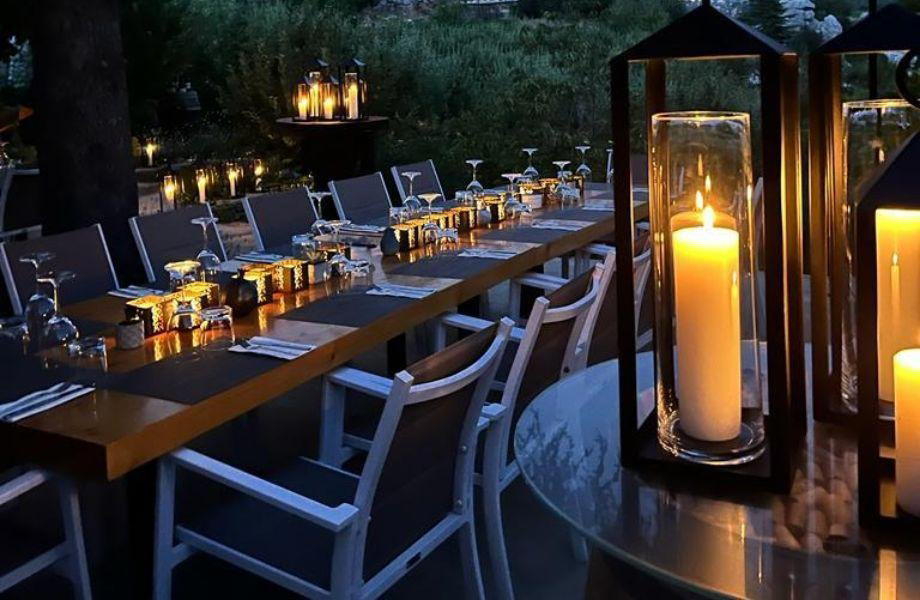
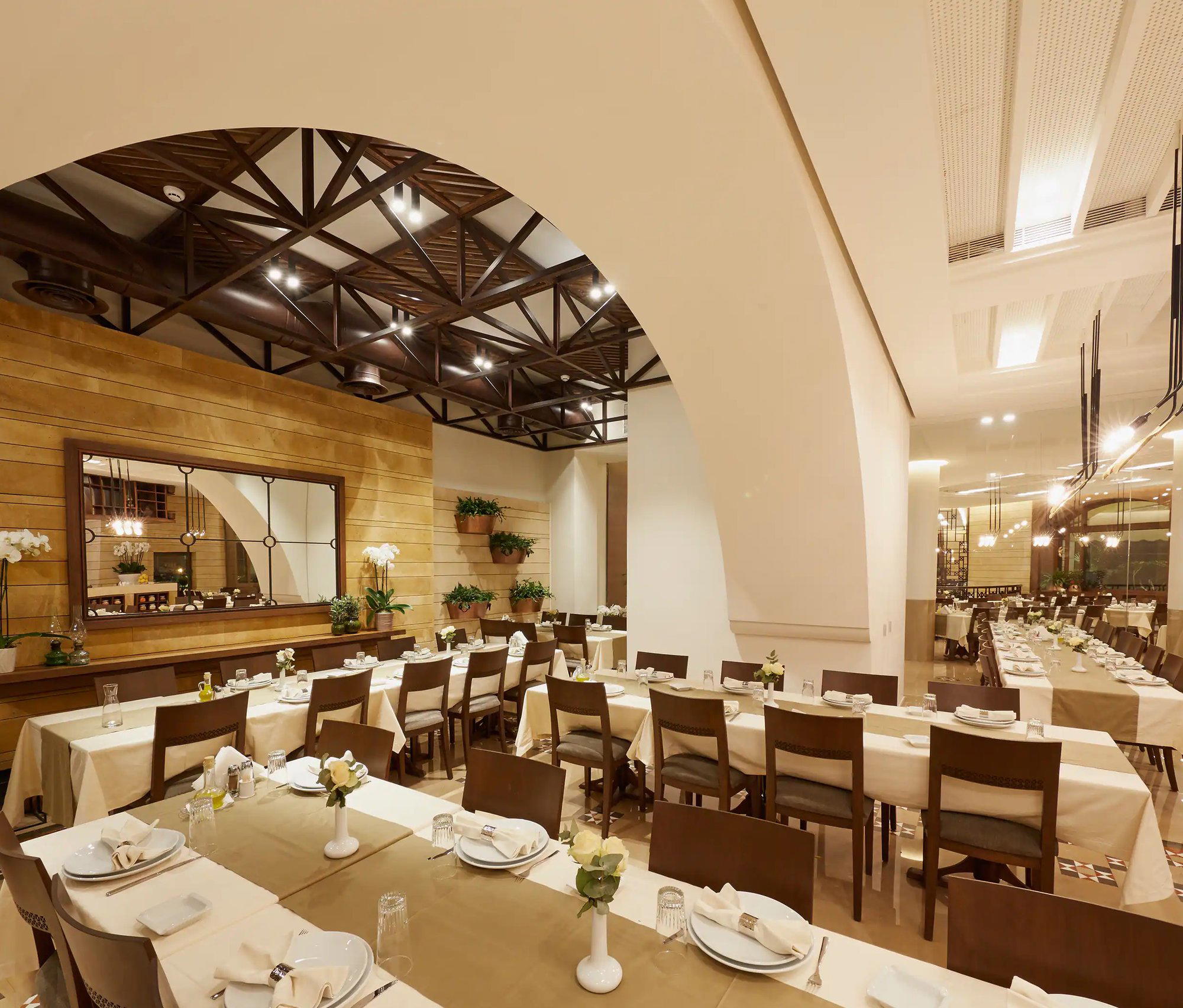
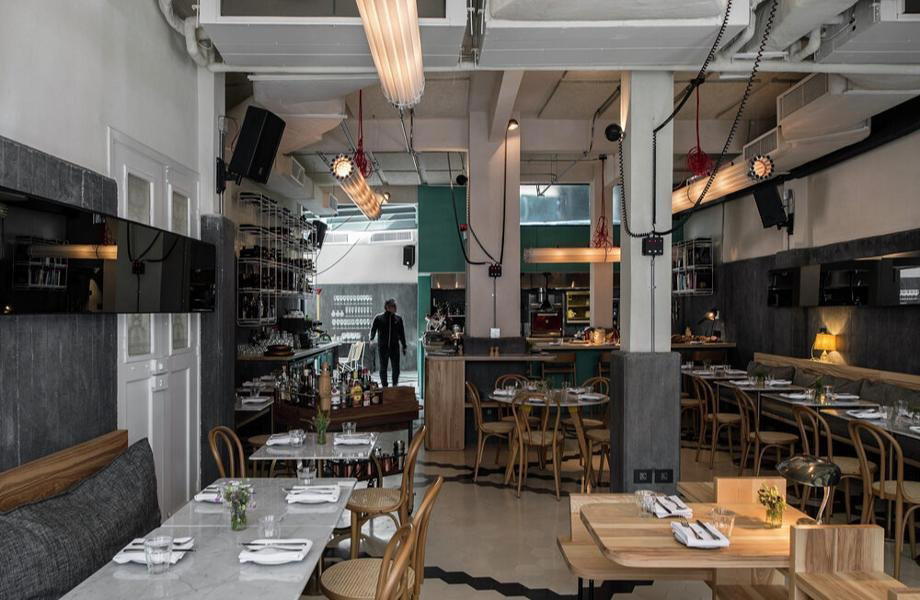
Bars in Batroun District
Browse all →
Hotels in Batroun District
Browse all →

Details
- Romantic
- Scenic
- Well Known
- Intimate
- Date Night
- Special Occasion
- Celebration
- Waterfront
- Terrace
- Standalone
- Historic Building
- Extensive Wine List
- Beer Program
- Farm To Table
- Local Sourcing
- Sustainable Seafood
- Organic
- Waterfront
- A La Carte
- Family Style
- Wine
- Beer
- Pescatarian Friendly
- Organic Focus
Current opening hours
- Monday
- 9 AM–6 PM
- Tuesday
- Closed
- Wednesday
- 9 AM–6 PM
- Thursday
- 9 AM–6 PM
- Friday
- 9 AM–6 PM
- Saturday
- 9 AM–6 PM
- Sunday
- 9 AM–6 PM
Hours can change for holidays and private events. Last verified .
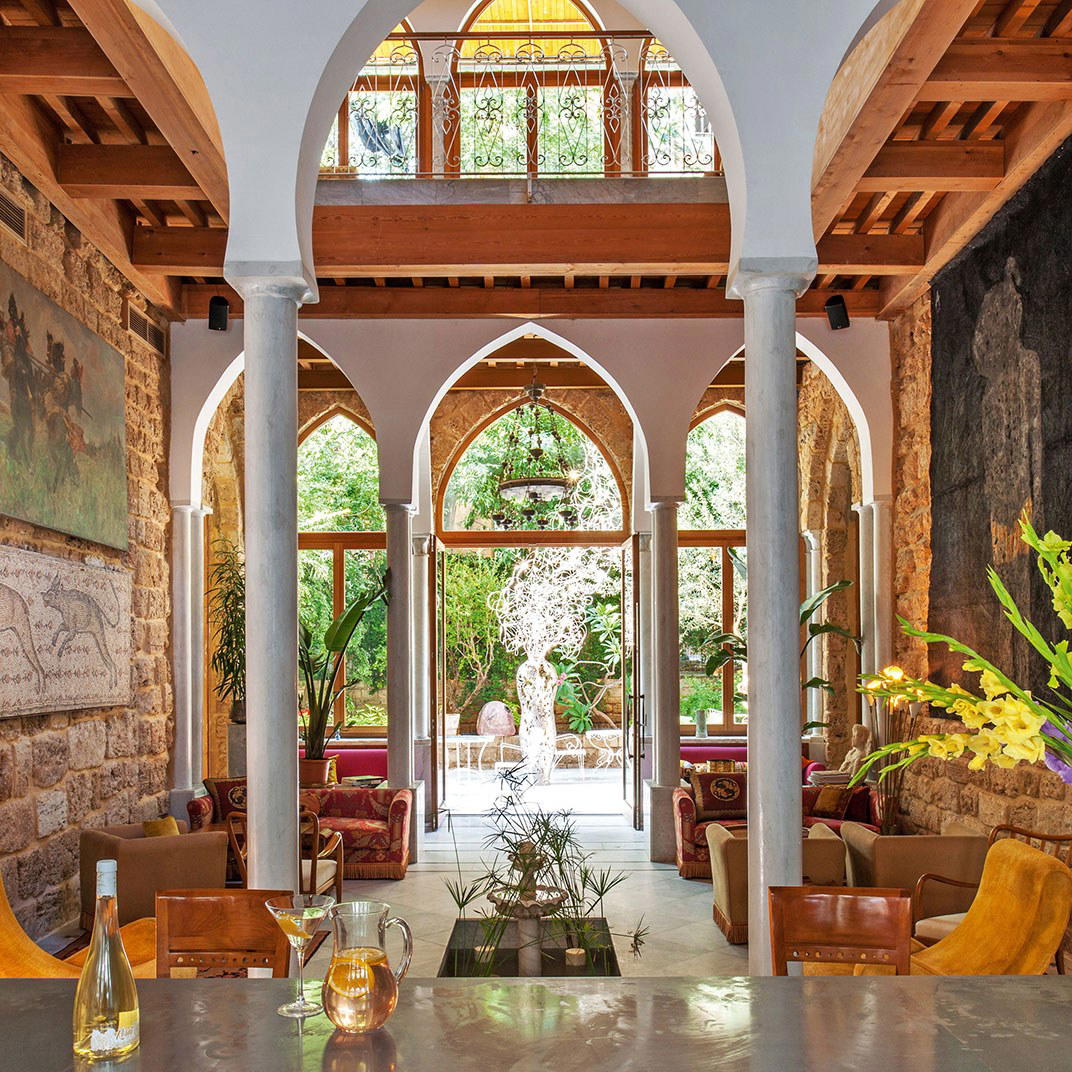
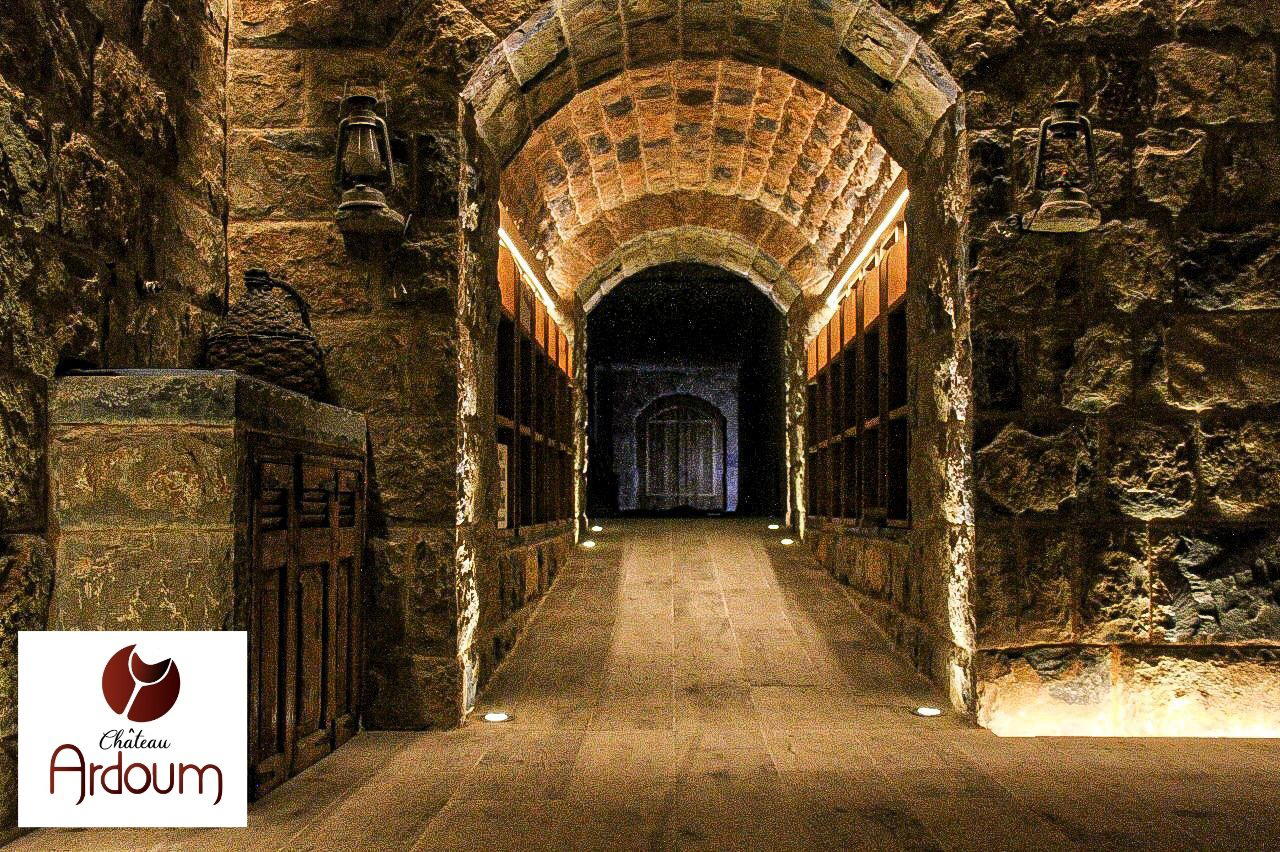
Intimate and romantic with natural Mediterranean light; set in a charming stone house dating to approximately 1930, creating a rustic yet refined atmosphere overlooking the sea.