


Michelin Selected · Relais Chateaux Award · World Travel Awards
A 1930s mansion in Achrafieh that holds the 2025 World Travel Awards title for Lebanon's Leading Boutique Hotel, Hotel Albergo operates within the Relais & Châteaux network and rates from US$306 per night. The rooftop pool with panoramic mountain views and the preserved pre-war architecture place it in a distinct category among Beirut's accommodation options — small in scale, deliberate in character.

Pearl is the En Primeur Club membership app — saves, bookings, and concierge access live there. Same editors, same standards.
- Address
- VGQ6+53W, Beirut
- Phone
- +961 1 339 797
- Website
- albergobeirut.com
- Directions
- Get directions
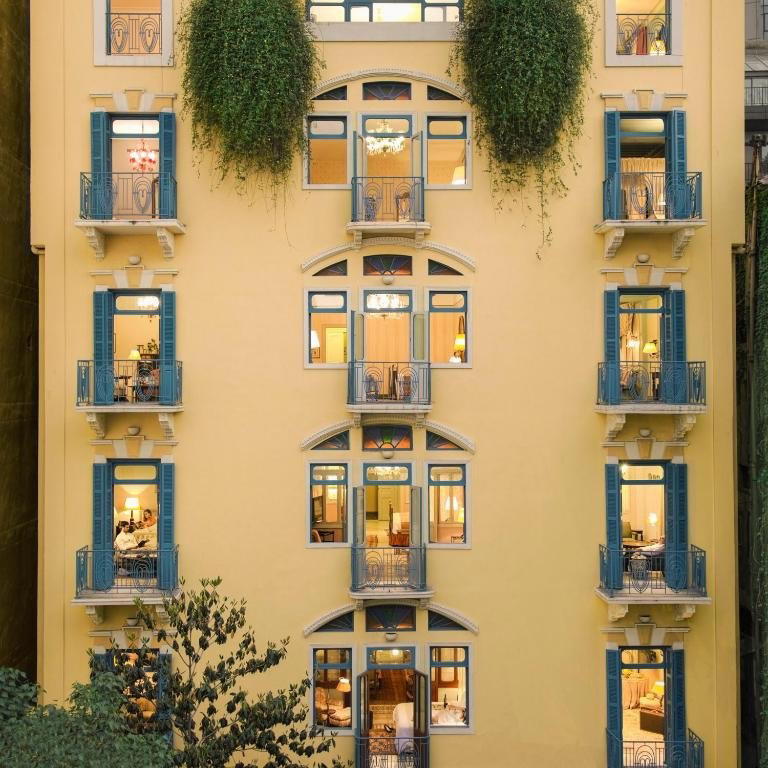
A Pre-War Mansion in a Neighbourhood That Survived
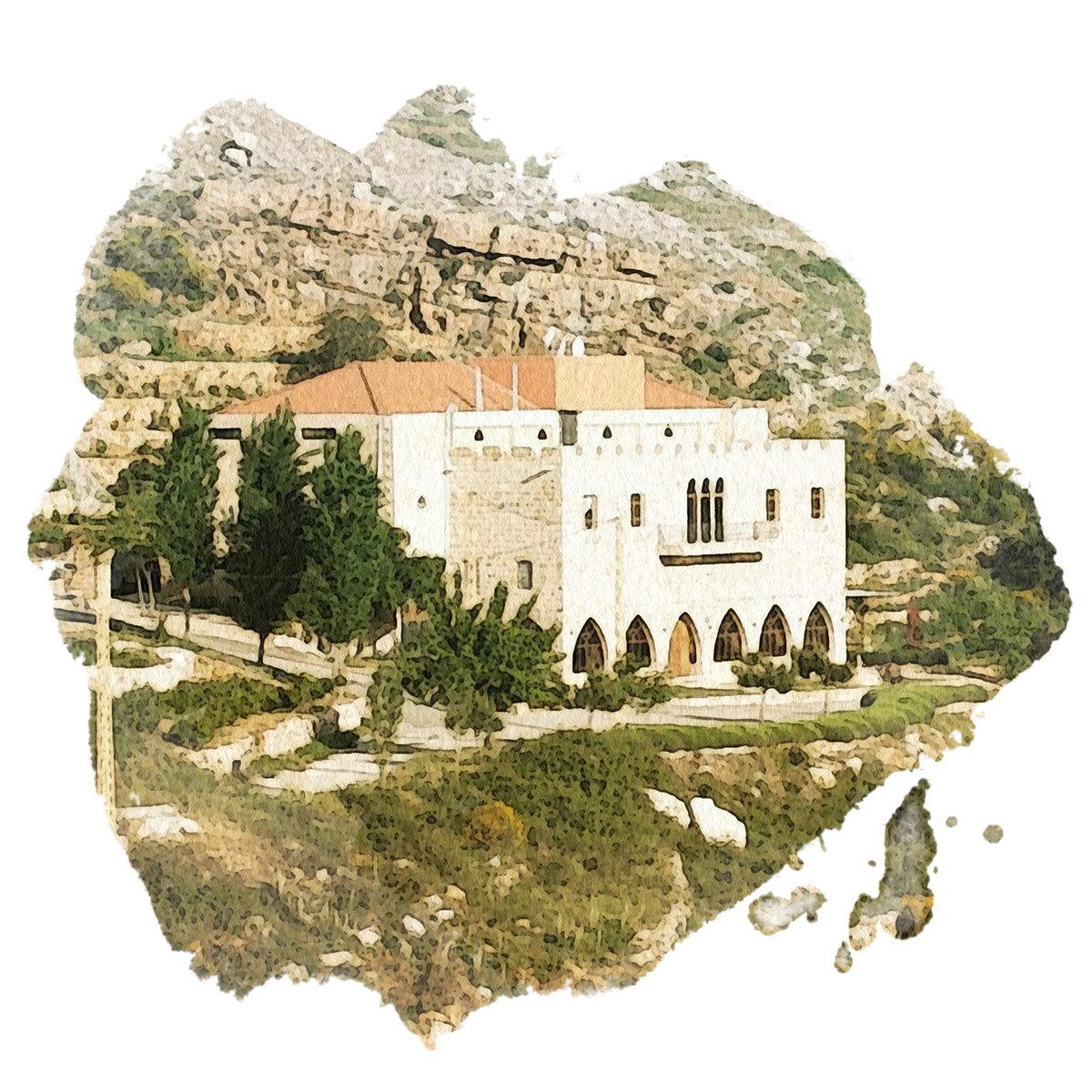
Achrafieh is the part of Beirut that long-term residents point to when they want to explain what the city was before everything changed — and then changed again. Its sloping streets carry a specific architectural grammar: French Mandate limestone, arched triple windows, wrought-iron balconies, and the occasional 1930s mansion that somehow held its ground through decades of conflict, neglect, and the kind of speculative development that erased much of the city around it. Hotel Albergo sits inside one of those survivors. Approaching the building from the street, the proportions are residential rather than commercial — deliberately so. There is no hotel signage scaled for a taxi to spot from the boulevard. The address locates itself within a neighbourhood context rather than advertising itself above it.
That restraint is architectural before it is philosophical. The 1930s construction period placed the building in a specific Levantine moment, when Beirut was competing with Alexandria and Nicosia as the region's cosmopolitan centre, and when the merchant class built homes that referenced European styles while accommodating a Mediterranean climate. High ceilings, thick stone walls, and interior courtyards were not decorative choices; they were thermal logic. Boutique hotels that occupy this building type in Beirut operate within those original constraints, and the better ones treat them as assets rather than complications. For a broader look at where Hotel Albergo sits relative to the city's dining and cultural offer, see our full Achrafieh restaurants guide.
The Rooftop as the Argument
In the hierarchy of Beirut hotel features, a rooftop pool with a clear sightline to the mountains functions as a specific kind of proof. The Lebanese capital sits at the eastern end of the Mediterranean with the Mount Lebanon range rising directly behind it, on clear days (and there are many), the visual compression of sea, city, and snow-capped peaks is the geographic fact that has defined Beirut's appeal to outsiders for centuries. A rooftop position inside Achrafieh, which occupies higher ground than the seafront districts, amplifies that sightline. At Hotel Albergo, the pool and panoramic mountain view sit at the top of the itinerary for guests who treat the property as a base rather than just a bed.
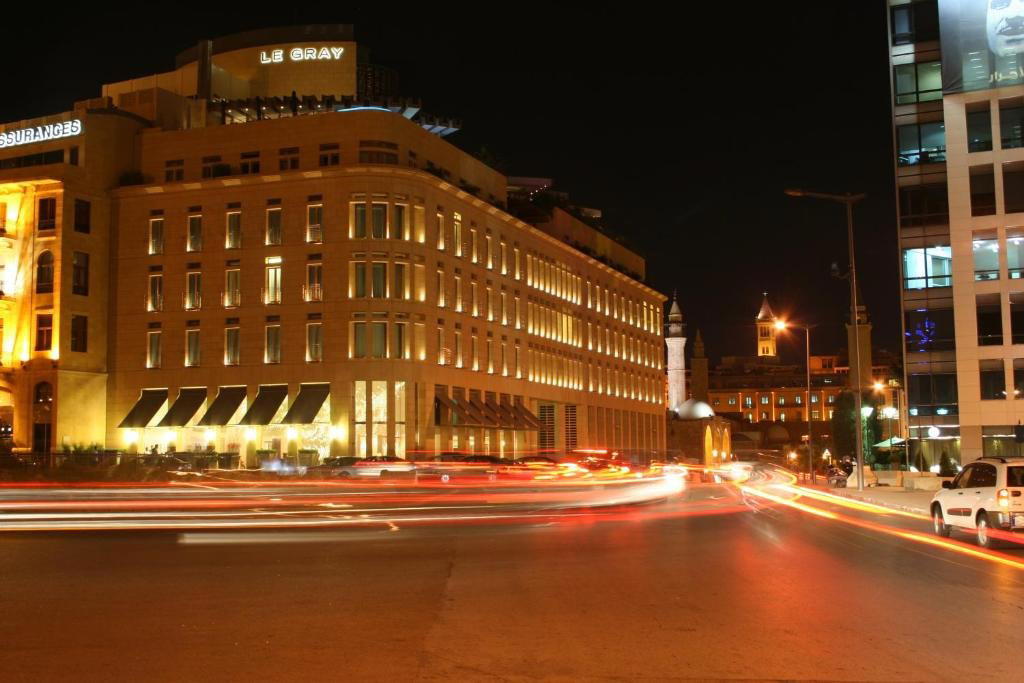
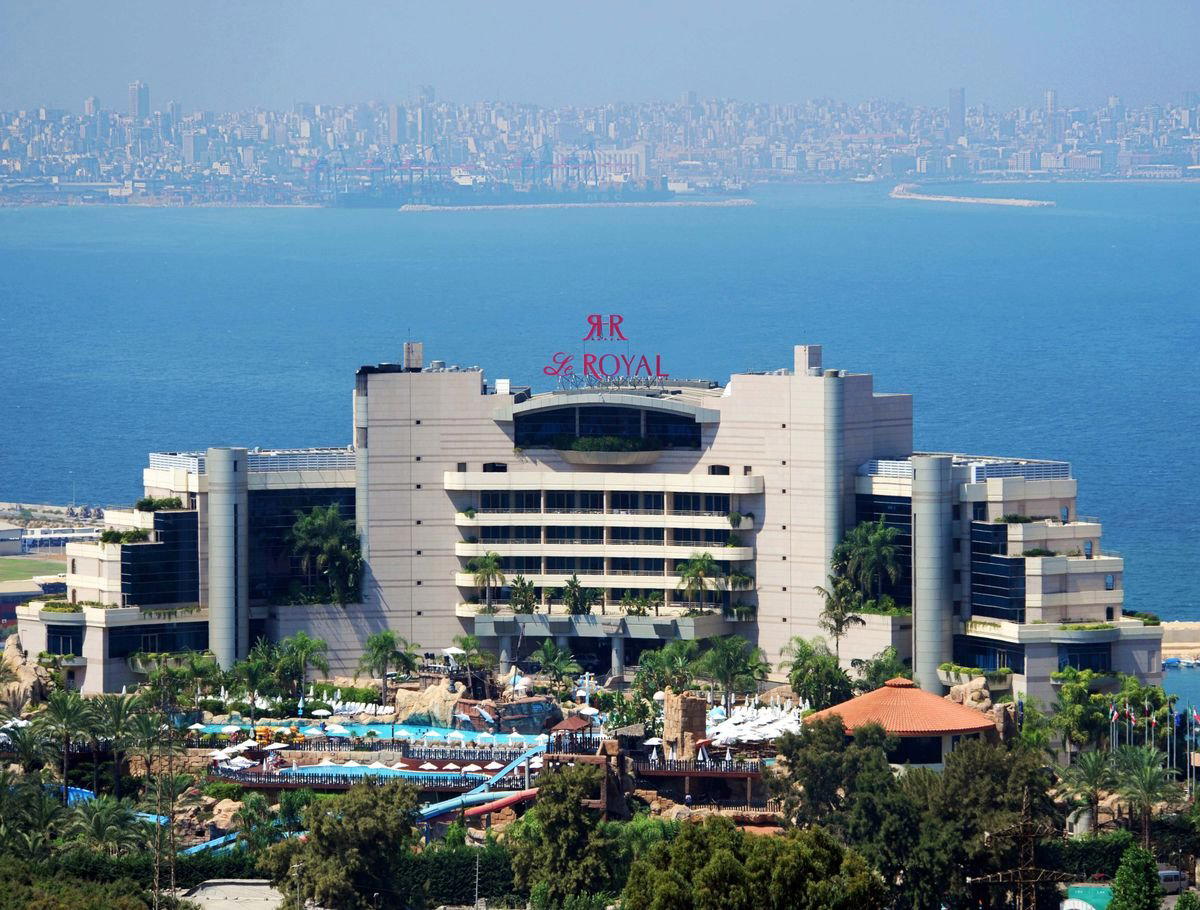
The rooftop distinction also places the hotel within a specific competitive conversation in Beirut. Full-service international properties like Le Gray in Beirut and Le Royal Hotel Beirut in Matn offer rooftop or upper-floor amenities at greater scale, but the boutique tier, where Albergo operates, prioritises a different kind of access: fewer guests, a residential pace, and the sense that the view is not being shared with a conference group from a ballroom two floors below.
Relais & Châteaux and What That Membership Signals
Hotel Albergo's affiliation with Relais & Châteaux is a specific credential worth reading carefully. The network admits properties against a set of standards that weight character, scale, and culinary identity, it is not a brand in the conventional hotel-group sense, but a curated collection with a bias toward independently-spirited properties.
Properties like Cheval Blanc Paris, Aman New York, or Bvlgari Hotel Tokyo compete on different axes, brand density, amenity scale, and global footprint. The Relais & Châteaux category tends to attract guests who are already past those metrics. What Albergo offers within that framework is something that cannot be retrofitted into a new-build: a building with actual age, in a city where that age carries historical weight.
What the 2025 World Travel Award Tells You
The World Travel Awards designation as Lebanon's Leading Boutique Hotel for 2025 is a category award rather than a global ranking, which is the appropriate frame for interpreting it. Within Lebanon, the boutique tier is small and has contracted further since 2019. The award signals that Albergo holds the recognisable leading position in that narrowed field, not that it competes directly against global references like Badrutt's Palace Hotel in St. Moritz or Hotel Du Cap-Eden-Roc in Cap d'Antibes. For a hotel in a market that has faced the pressures Lebanon has experienced since 2019, that consistency is more informative than a single award cycle.
The comparison that reveals more than direct Lebanese competitors is with the wider category of historic-mansion boutique hotels in mid-sized Mediterranean cities. Properties like Hotel Sacher Wien in Vienna or Mandarin Oriental Ritz, Madrid carry their own versions of embedded architectural identity, though at far greater scale and in markets with different risk profiles. Albergo's version of that identity is compressed into a smaller, more personal format, which is, arguably, the point.
Achrafieh as Context
Guests who choose Albergo over Beirut's downtown or seafront options are implicitly choosing a neighbourhood base. Achrafieh's concentration of restaurants, independent cafés, galleries, and the nightlife strip around Monot and Gemmayze places most of what a culturally-oriented visitor wants within walking distance or a short taxi ride. The neighbourhood's topography means that the streets immediately around the hotel have a human scale that the rebuilt downtown does not, this is not a part of Beirut that was razed and reconstructed on a commercial grid, and the ambient character reflects that. The property bills itself as an ideal base for exploring Lebanon more broadly, which also makes sense geographically: the road north to Byblos and Batroun, east to the Bekaa Valley, and south toward Sidon all begin accessible from Achrafieh without the congestion patterns that burden seafront departures.
Planning a Stay
Rates at Hotel Albergo start from US$306 per night, which positions the property at the upper end of Beirut's boutique tier, well above the mid-market international chains that have maintained a presence in the city, and in a comparable range to the better-appointed smaller properties that have opened or reopened post-2022. Reservations and direct enquiries route through the property's Relais & Châteaux email channel at albergo@relaischateaux.com or by telephone at +961 (0)1 339 797; the hotel website at albergobeirut.com holds current availability. Visitors timing around Beirut's shoulder seasons, spring and early autumn, will find the rooftop pool most useful before and after the full summer heat, and the mountain views sharpest in the cooler months when atmospheric haze drops.
Comparable Spots, Quickly
Comparable venues nearby, for context on price, style, and recognition.
| Venue | Cuisine | Price | Awards | Notes |
|---|---|---|---|---|
| Hotel AlbergoThis venue — the venue you are viewing | Luxury boutique hotel housed in a restored 1930s heritage building with old-world charm and contemporary service standards. | $200–300 | Michelin Selected · Relais Chateaux Award | Not listed |
| Arthaus Beirut | Historic family estate transformed into a high-end boutique hotel and art space in Beirut's lively Gemmayze. | $200–300 | Michelin Selected | Gemmayze |
| Le Royal Hotel Beirut | Contemporary luxury resort with art deco influences positioned as Lebanon's premier hilltop destination. | $100–200 | Not listed | Dbayeh |
| O Monot Boutique Hotel | Luxury boutique hotel blending contemporary design with refined elegance in an urban setting. | $200–300 | Small Luxury Hotels of the World Member | Sodeco |
| Le Gray | Contemporary luxury boutique in Beirut's lively core | Not listed | Leading Hotels of World Member | Beirut Central District |
Recognition history
Dated appearances from independent guides and award organizations, with the underlying list record or original source where available.
Michelin Selected
Michelin
Relais Chateaux Award
Relais Chateaux
World Travel Awards
World Travel Awards
Full recognition history (4 entries)
Relais Chateaux Award
Relais Chateaux
Continue exploring
More in Achrafieh
Hotels in Achrafieh
Browse all →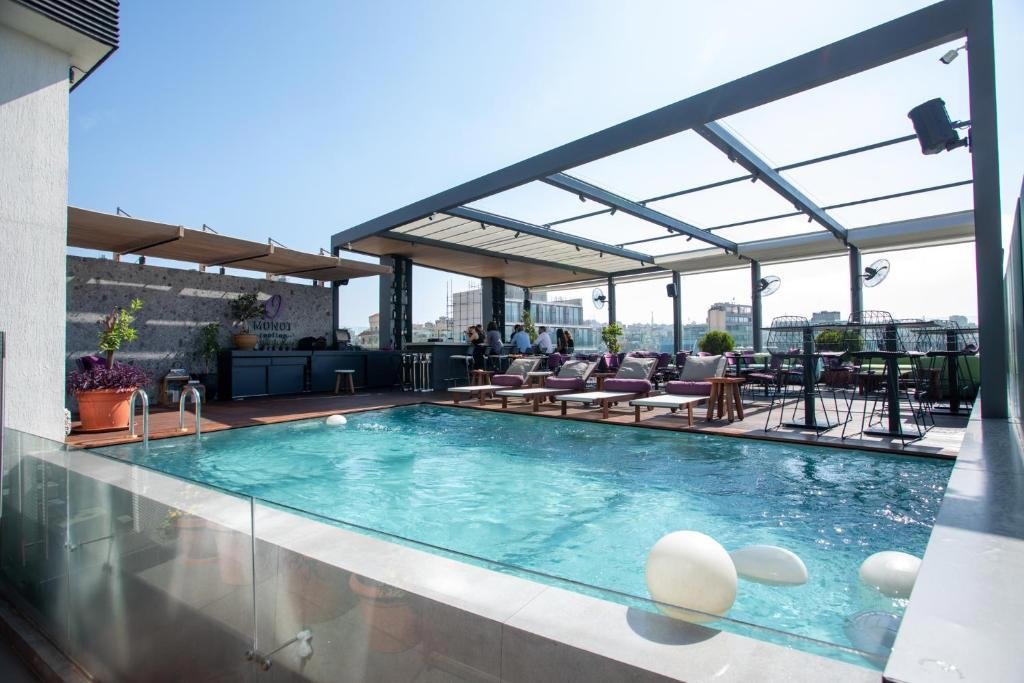
Bars in Achrafieh
Browse all →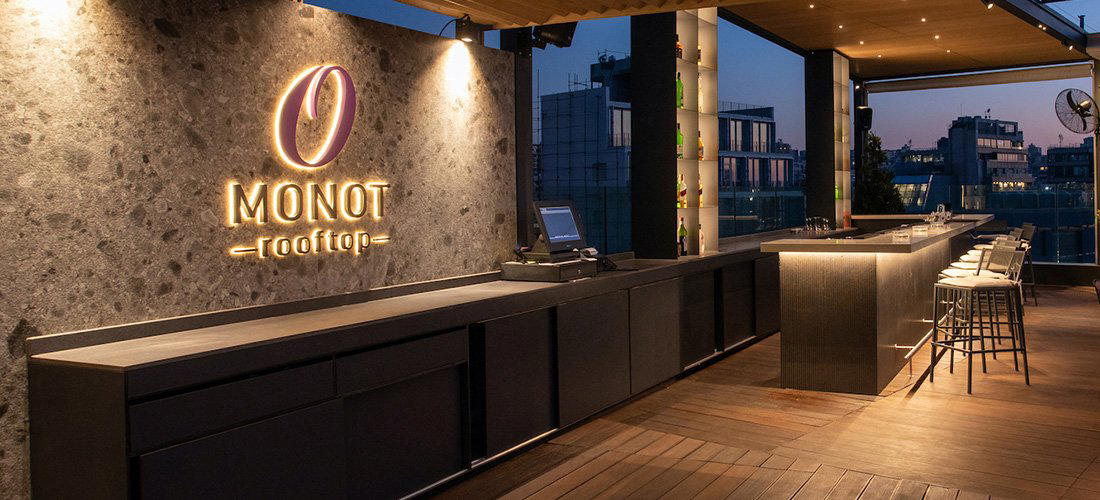
Restaurants in Achrafieh
Browse all →

Details
- Elegant
- Romantic
- Classic
- Sophisticated
- Romantic Getaway
- Anniversary
- Business Trip
- Weekend Escape
- Rooftop Pool
- Historic Building
- Panoramic View
- Terrace
- Garden
- Butler Service
- Wi Fi
- Pool
- Fitness Center
- Restaurant
- Bar
- Garden
- Room Service
- Concierge
- Skyline
- Garden
- Elevator
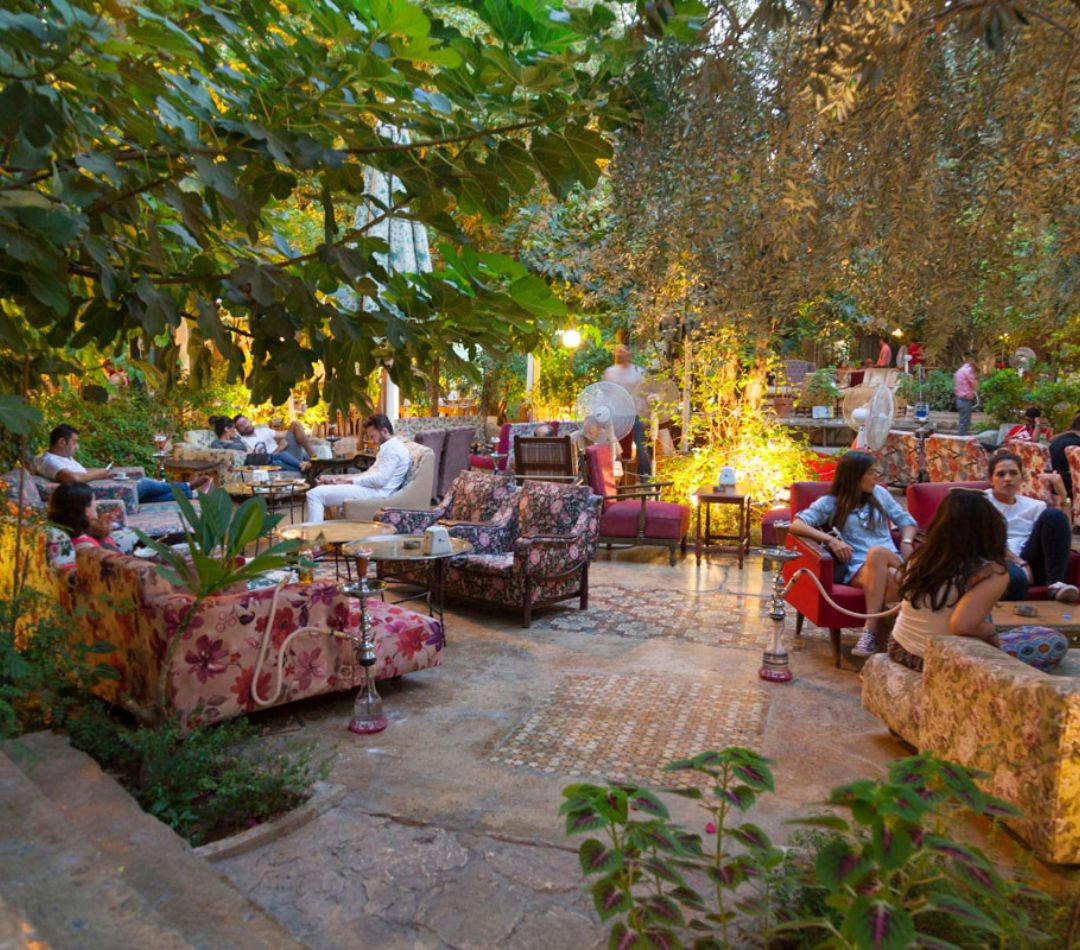
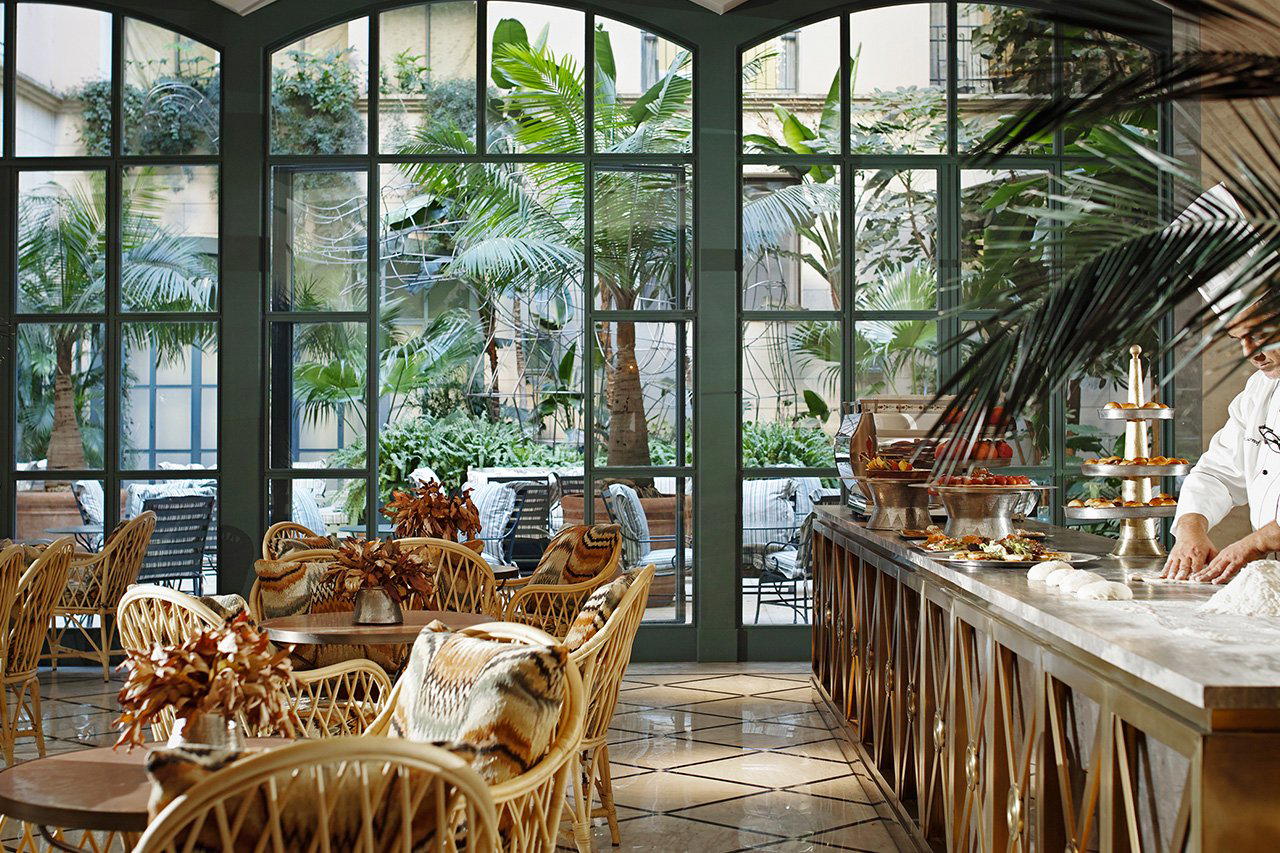
Dimly lit, intimate evening atmosphere with vintage decor and lush gardens; lively rooftop bar and restaurant scene in evenings with stylish, sophisticated ambiance.