Al Halabi Restaurant
Our verdict
Al Halabi Restaurant in Antelias sits within the Matn District's established tradition of Lebanese dining, where the table is organised around the logic of shared mezze and ingredient-forward cooking. The address places it in one of Greater Beirut's most active suburban dining corridors, where local reputation carries more weight than formal accolades. Seek it out for the kind of meal that prioritises produce over presentation.

Pearl is the En Primeur Club membership app — saves, bookings, and concierge access live there. Same editors, same standards.
- Address
- WH8R+P2V, Antelias, Lebanon
- Phone
- +9614523555
- Hours
- Daily 9 AM–11:30 PM
- Website
- facebook.com
- Directions
- Get directions
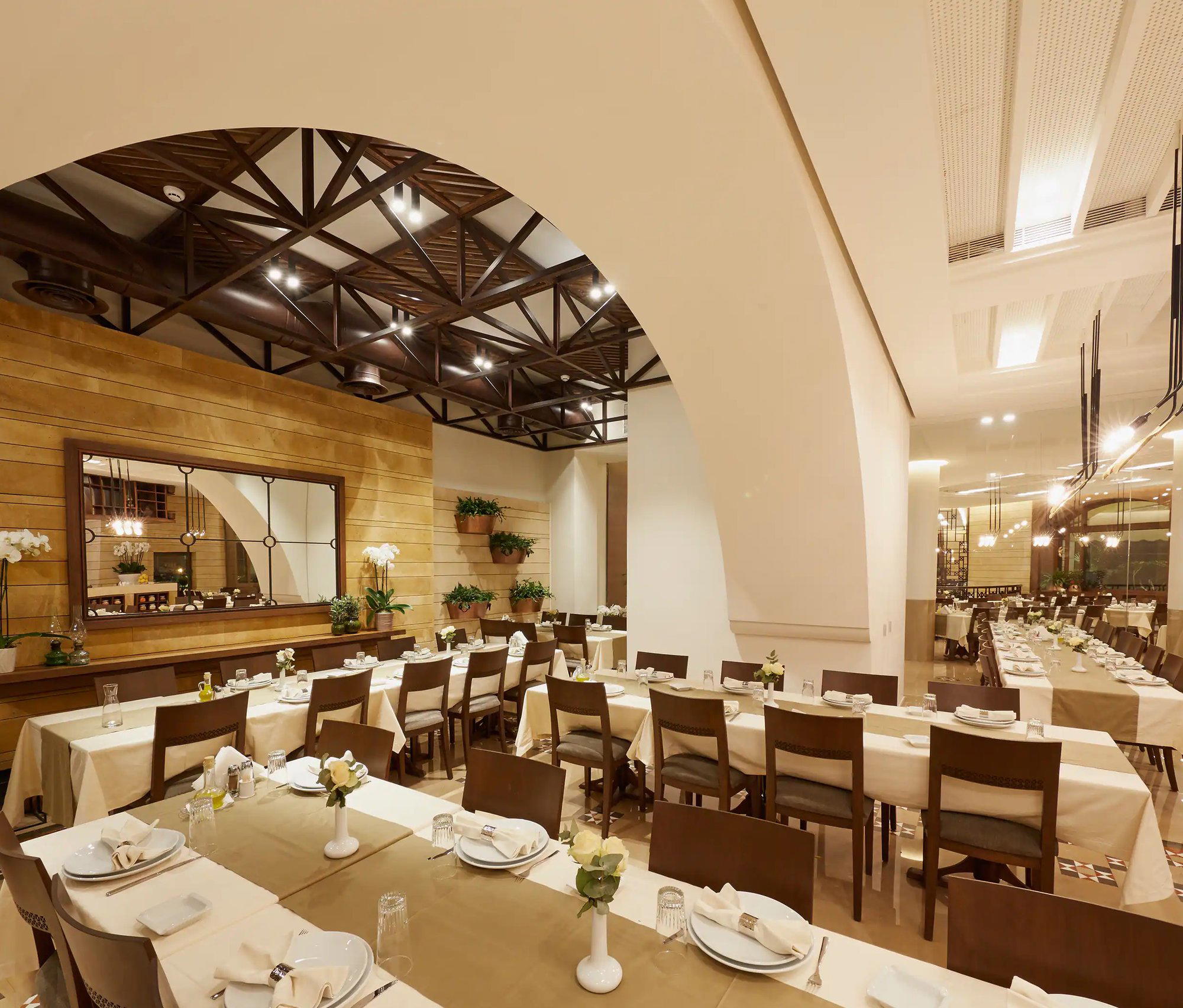
The menu
What to order
- Garlic-free hummus
- Beef tartare
- Moudardara
- Mhalabiye
Antelias and the Architecture of the Lebanese Table
The coastal highway that runs through Antelias, in Lebanon's Matn District, is not a quiet approach. Traffic accumulates early in the evening, and the low commercial frontages along the route give little away. Yet this stretch of Greater Beirut's northern suburbs has sustained a serious dining culture for decades, one built not on imported formats but on the discipline of the Lebanese mezze table, where the sourcing of ingredients is the primary editorial decision a kitchen makes. Al Halabi Restaurant operates within that tradition, in a district where restaurants are evaluated by regulars who return weekly rather than tourists who arrive once.
That distinction matters. In cities where dining is oriented toward visitors, kitchens can approximate sourcing, using acceptable substitutes and masking the difference with technique. In a neighbourhood like Antelias, where families have eaten the same dishes for two generations, the gap between a properly sourced ingredient and a replacement is immediately legible. The mezze format itself enforces accountability: when dishes arrive ungarnished and undisguised, the raw material has nowhere to hide. See also how this philosophy extends across the region at Feniqia in Byblos, where the same principle applies to coastal Lebanese cooking.
What the Ingredient-Forward Model Means in Practice
Lebanese cuisine is one of the few culinary traditions where sourcing is embedded in the grammar of the menu rather than added as a marketing note. Dishes like kibbeh nayyeh, labneh, and raw vegetable fattoush are constructed so that the quality of the base ingredient determines almost everything about the finished plate. There is no sauce architecture to compensate for inferior raw material. This is a tradition that runs from the mountain villages of the Bekaa, where producers like those at Lakkis Farm in Baalbek have maintained agricultural practices largely unchanged for generations, through to the dairy operations of the Bekaa Valley, represented in a different register by Laiterie Massabki in Chtoura.
Al Halabi occupies a position in Antelias where that supply logic is available to a restaurant that knows how to use it. The Matn District has geographic access to both the coast and the mountain interior, which means a kitchen drawing on the full Lebanese pantry — fresh seafood from the Mediterranean, mountain herbs, pressed olive oils, and dairy from inland producers — can do so within a short supply radius. That proximity to source is not incidental; it shapes what a menu can credibly offer on any given day.
For a contrasting model that makes sourcing the explicit centrepiece of the dining experience in a European context, Atelier Moessmer Norbert Niederkofler in Brunico has made Alpine regional sourcing the organising logic of a Michelin-rated menu. The structural parallel is useful: ingredient provenance as a constraint that produces rather than limits creative range.
The Matn District's Dining Position in Greater Beirut
Matn sits north of Beirut proper, and its restaurant culture tends to run parallel to the capital's rather than in competition with it. Where Beirut's most-discussed addresses, places like Em Sherif, have built reputations that travel internationally, the Matn corridor sustains a different kind of operation: venues with deep local roots, consistent regulars, and menus that evolve seasonally rather than in response to trend cycles. This is not a lesser category. It is a different purpose. The full picture of what this district offers is mapped in our full Matn District restaurants guide.
Other Matn addresses worth understanding as context include Onno Bistro in Bourj Hammoud, which represents the district's more contemporary bistro register. The contrast between that format and a more traditionally anchored Lebanese table like Al Halabi's illustrates how varied the Matn dining scene has become, even within a relatively compact geography.
Sourcing, Season, and the Lebanese Mezze Calendar
One underappreciated dimension of Lebanese restaurant culture is its implicit seasonality. Mezze is not a fixed list. The specific combination of dishes on any table shifts with what is available, and any kitchen closely tied to local supply will reflect that rhythm in ways that a set printed menu cannot fully capture. Spring brings specific herbs and vegetables that disappear by summer. Winter mezze tables lean toward preserved ingredients, aged cheeses, and dishes built for weight rather than freshness. This calendar logic is more rigorous than it appears in the finished meal, and it is one reason why the same restaurant can feel substantially different across visits spaced six months apart.
That seasonal variability is something the broader Lebanese table shares with high-commitment kitchens in other traditions. Dal Pescatore in Runate operates on a comparable principle in northern Italy, where the seasonal logic of a specific agricultural region shapes what the kitchen can and cannot do. The mechanism differs, but the underlying discipline is recognisable.
Planning a Visit to Antelias
For travellers building a broader itinerary around Lebanese food culture, the Matn District pairs logically with excursions to the Bekaa and the coast. Jammal in Batroun District offers a coastal counterpoint, while Shams Restaurant in Aanjar covers the Bekaa register. Those planning a day that starts in Beirut and moves north might also consider the casual street-food baseline established at Falafel Sahyoun as a useful calibration point before sitting down to a fuller mezze meal.
Frequently asked questions
Is Al Halabi Restaurant good for families?
Lebanese mezze dining is structurally suited to groups of mixed ages, since the format distributes dishes across the table rather than locking each diner into a single plate. Al Halabi's location in Antelias, a residential corridor in the Matn District, reflects a local dining culture that skews towards family gatherings rather than solo or business dining. The coastal highway setting means arriving by car is straightforward for larger parties.
Is Al Halabi Restaurant formal or casual?
Antelias restaurants generally occupy a middle register: dressed tables and attentive service without the formality of a Beirut fine-dining room. Al Halabi sits within this Matn District norm, where the expectation is presentable but not suited. No dress code is documented in available venue records, so erring towards smart-relaxed is a reasonable approach.
How does Al Halabi Restaurant in Antelias compare to dining in central Beirut?
Antelias sits within the Matn District, north of Beirut proper, and its restaurant culture runs on a different axis from the capital's: less attuned to international trends, more anchored in the kind of Lebanese mezze tradition that assumes a local, repeat clientele. Al Halabi's address on the WH8R+P2V plus code places it in a stretch that functions as a genuine neighbourhood dining destination rather than a tourist circuit stop. The comparison to Beirut is less about quality than orientation — Matn serves its own community first.
What's the best thing to order at Al Halabi Restaurant?
Lebanese cuisine positions mezze as the structural centre of any meal, and Antelias restaurants tend to reflect the seasonal mezze calendar closely, with specific cold and hot preparations shifting by month. Without current menu documentation on record, the safest approach is to ask the kitchen which cold mezze arrived most recently — in Lebanon's ingredient-forward tradition, that question reliably surfaces whatever is freshest that week.
What part of town is Al Halabi Restaurant in?
Al Halabi Restaurant is located at WH8R+P2V, Antelias, Lebanon, Matn District.
Can I walk in to Al Halabi Restaurant?
Al Halabi's plus code places it on the Antelias stretch of the coastal highway in Matn, a strip where restaurants see high evening traffic from both local residents and commuters coming north from Beirut. Walk-in availability on weeknights is more plausible than on weekend evenings, when Lebanese family dining culture means tables fill early.m. reduces the risk of a wait.
What makes Al Halabi Restaurant worth seeking out?
Matn District restaurants operate largely outside the international press circuit that covers Beirut's centre, which means places like Al Halabi in Antelias hold their reputation through repeat local custom rather than review cycles. Lebanese mezze cuisine in this part of the country tends to stay close to sourcing traditions that Beirut's more internationally oriented restaurants sometimes adjust for outside tastes. For a read on how the Matn dining table actually works, this corridor is more instructive than the capital.
Comparable Spots, Quickly
| Venue | Cuisine | Price | Awards | Notes |
|---|---|---|---|---|
| Al Halabi RestaurantThis venue — the venue you are viewing | Authentic Lebanese | Not listed | Not listed | Not listed |
| Albergo Rooftop | Mediterranean with Italian Accents | $50–100 | Relais Chateaux Award | Lebanese Cuisine |
| Em Sherif | Traditional Lebanese Fine Dining | $50–100 | World's 50 Best #13 | Not listed |
| Beihouse | Modern Levantine Mediterranean | $50–100 | World's 50 Best #5 · The Best Chef One Knife | Not listed |
| Buco | Modern Gastro Burgers | Not listed | World's 50 Best #39 | Not listed |
| Al Falamanki Sodeco | Traditional Lebanese | $20–30 | Not listed | Not listed |
Continue exploring
More in Matn District
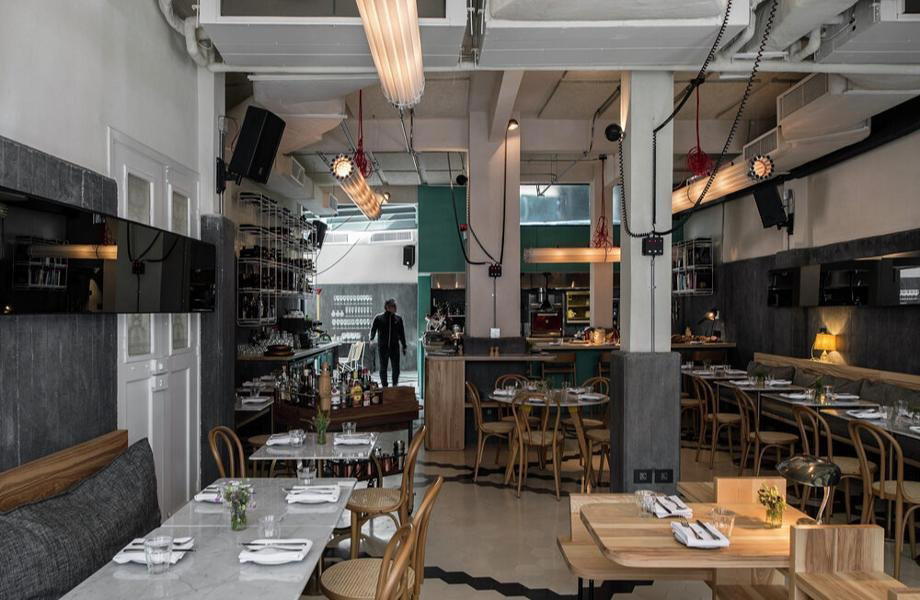
Restaurants in Matn District
Browse all →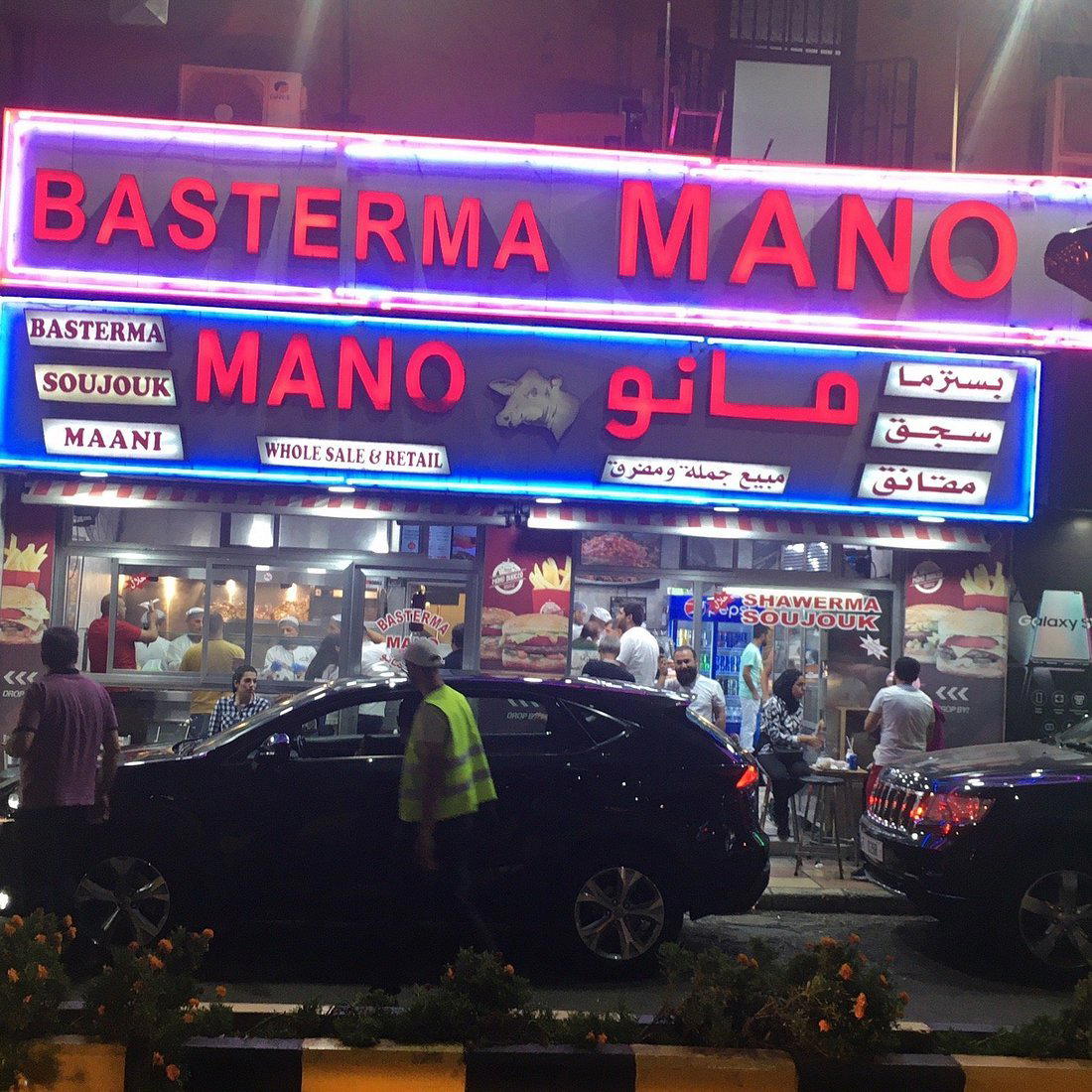
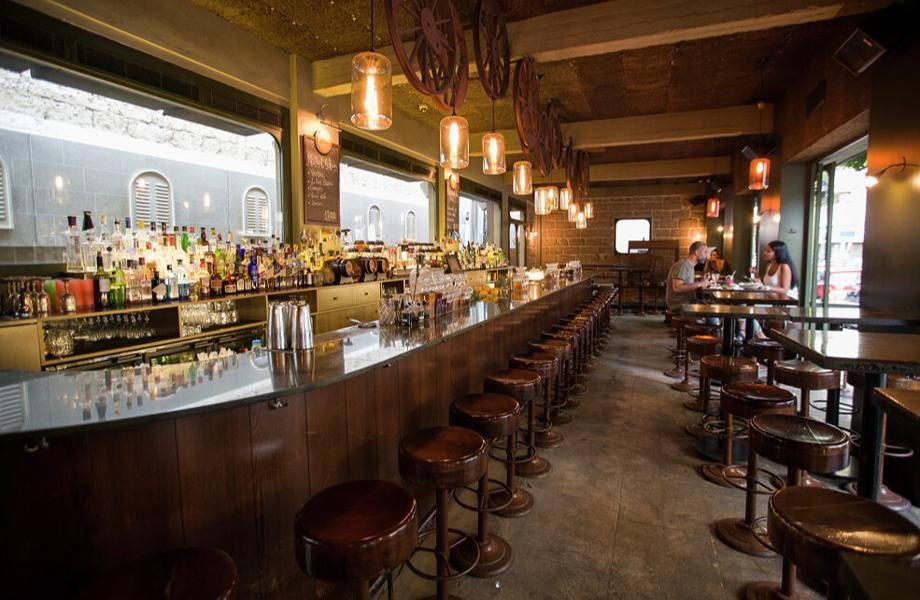
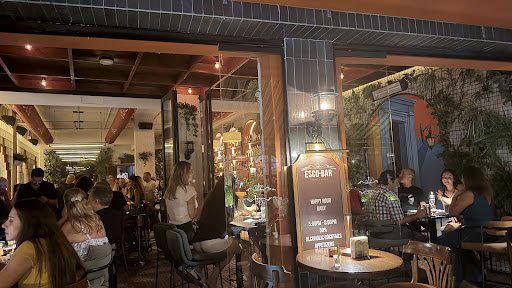
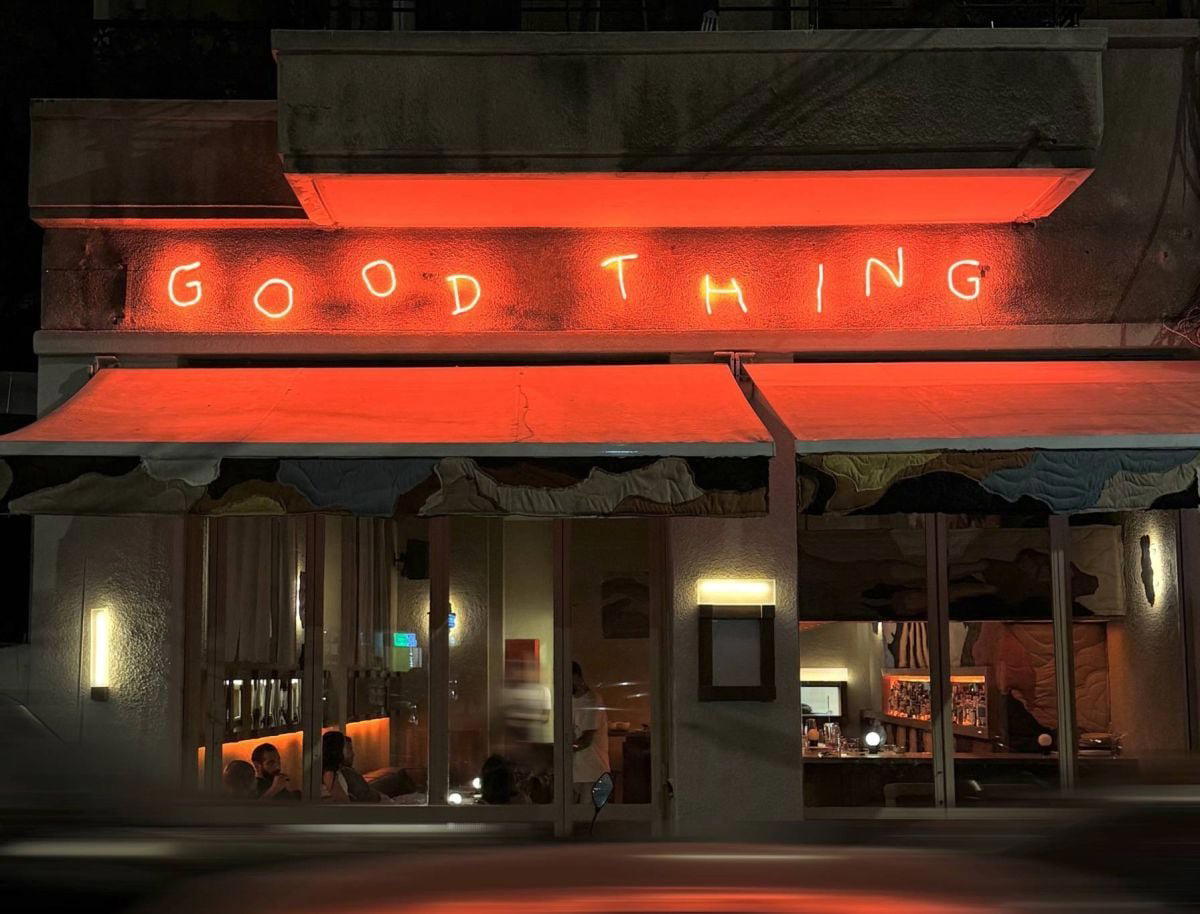
Bars in Matn District
Browse all →
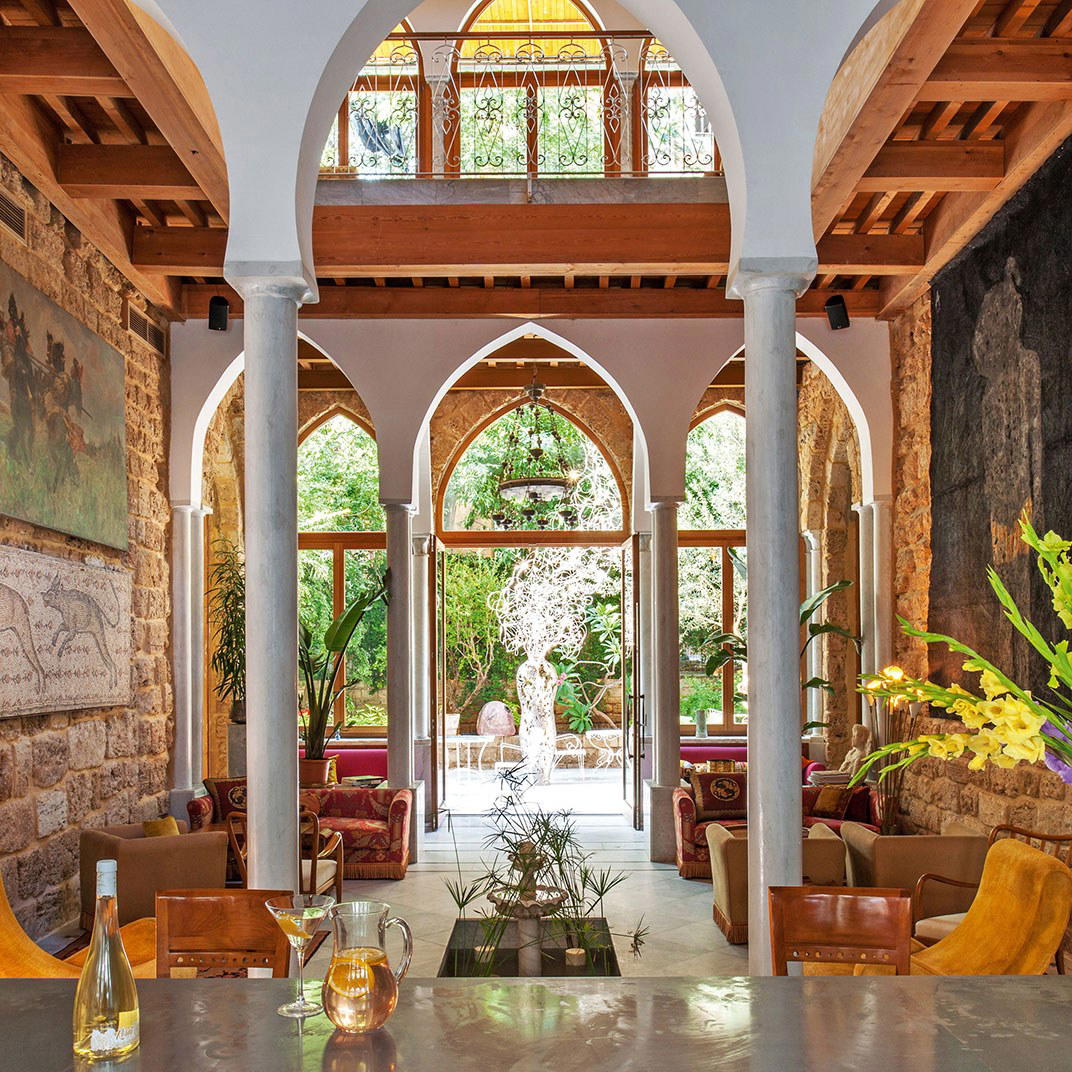
Hotels in Matn District
Browse all →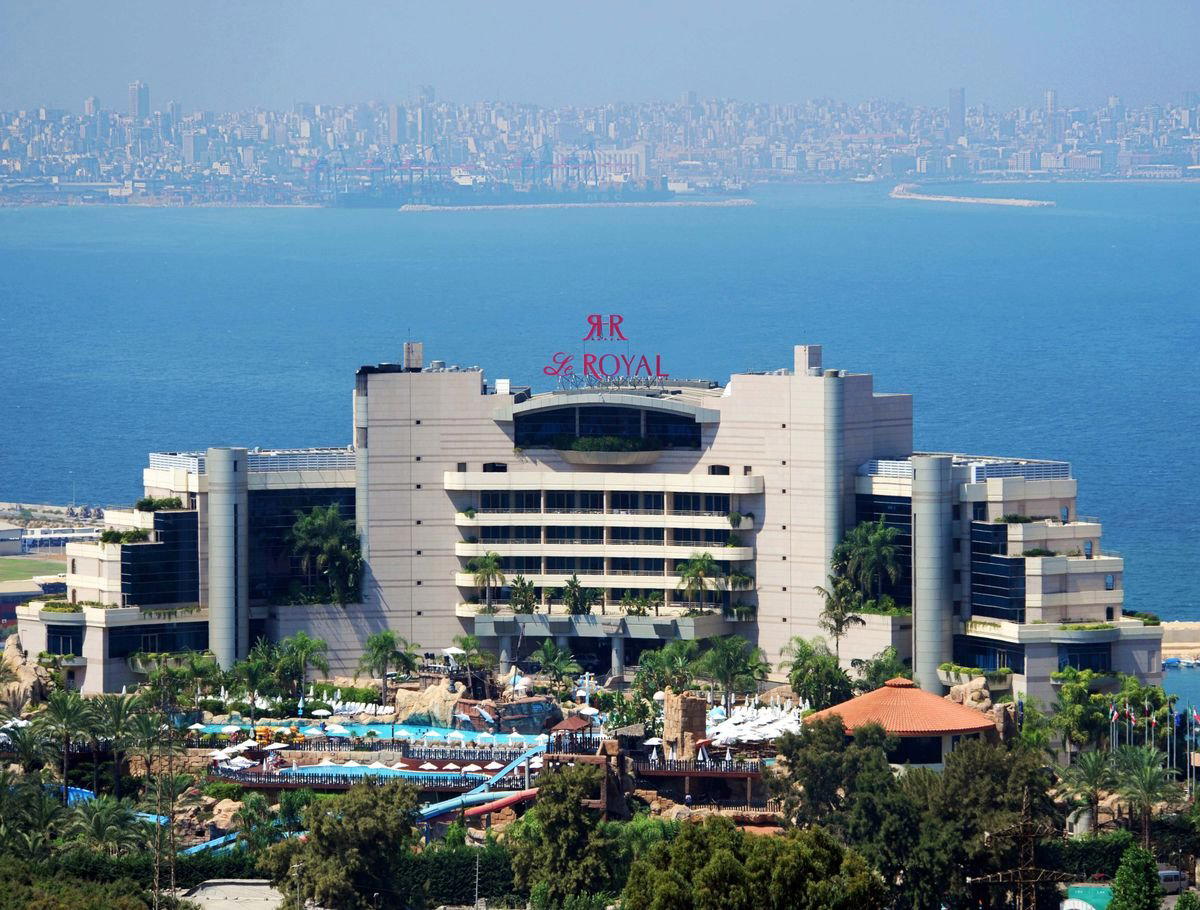

Details
- Classic
- Cozy
- Family
- Casual Hangout
- A La Carte
- Small Plates
- Vegetarian Friendly
Current opening hours
- Monday
- 9 AM–11:30 PM
- Tuesday
- 9 AM–11:30 PM
- Wednesday
- 9 AM–11:30 PM
- Thursday
- 9 AM–11:30 PM
- Friday
- 9 AM–11:30 PM
- Saturday
- 9 AM–11:30 PM
- Sunday
- 9 AM–11:30 PM
Hours can change for holidays and private events. Last verified .
Warm, old-school dining room with polished, friendly service.