
Leading Hotels of World Member
Le Gray occupies a commanding position in Beirut's Central District, carrying Leading Hotels of the World membership into 2025 — a credential that places it firmly within the city's small tier of internationally referenced luxury addresses. For travellers who want proximity to the historic downtown core without sacrificing the kind of physical and service infrastructure that global hotel programmes recognise, it makes a coherent case.

Pearl is the En Primeur Club membership app — saves, bookings, and concierge access live there. Same editors, same standards.
- Address
- Beirut Central District, Beirut
- Phone
- +961 1 971 111
- Website
- legray.com
- Directions
- Get directions
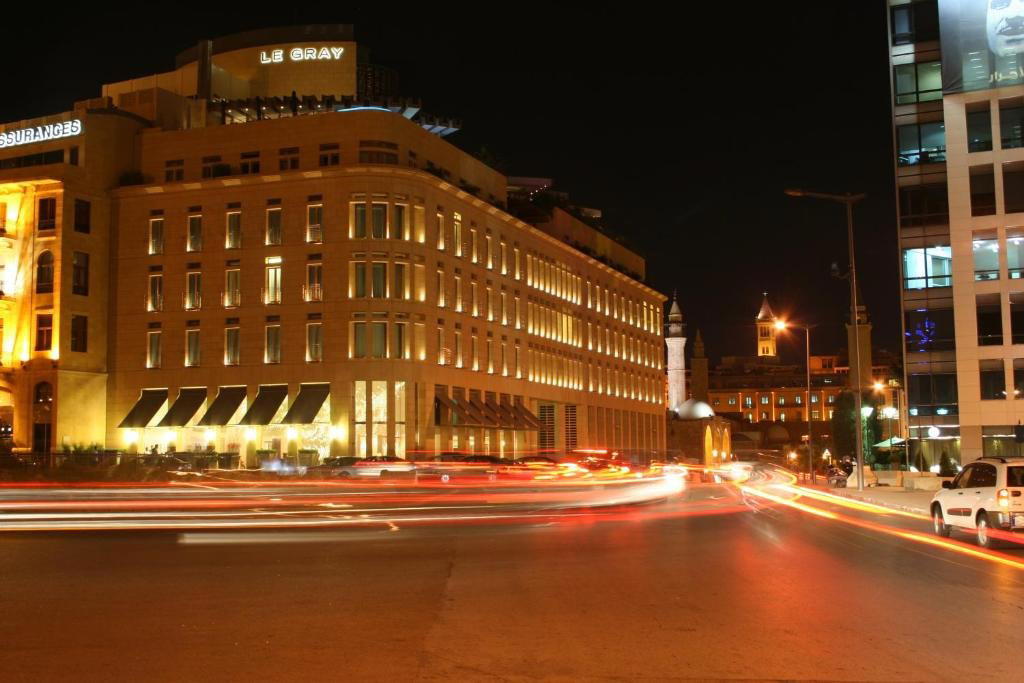
A Central District Address in Beirut's Most Contested Luxury Tier
Beirut's Central District has been rebuilt, reimagined, and contested more than almost any urban zone in the Middle East over the past three decades. The downtown area that emerged from post-civil-war reconstruction carries an architectural ambiguity that few city centres share: brand-new stone cladding sits beside Ottoman-era arcades, and the streets that fill on weekend evenings empty just as quickly when the political temperature shifts. Hotels that choose to anchor themselves here are making a deliberate statement about permanence and confidence in the city's formal centre — and Le Gray, positioned within the Central District, belongs to that particular category of declaration.
Within Beirut's accommodation tiers, the gap between internationally affiliated luxury properties and independent boutique operators is sharper than in more stable markets. O Monot Boutique Hotel represents one approach: smaller-scale, design-led, and rooted in the neighbourhood character of Monot rather than the formal downtown grid. Hotel Albergo in Achrafieh takes a similarly intimate, residential-feeling position further east. Le Gray operates in a different register entirely — a full-service city hotel with the physical footprint and programme depth that Leading Hotels of the World membership requires.
The Physical Proposition: Architecture as Positioning
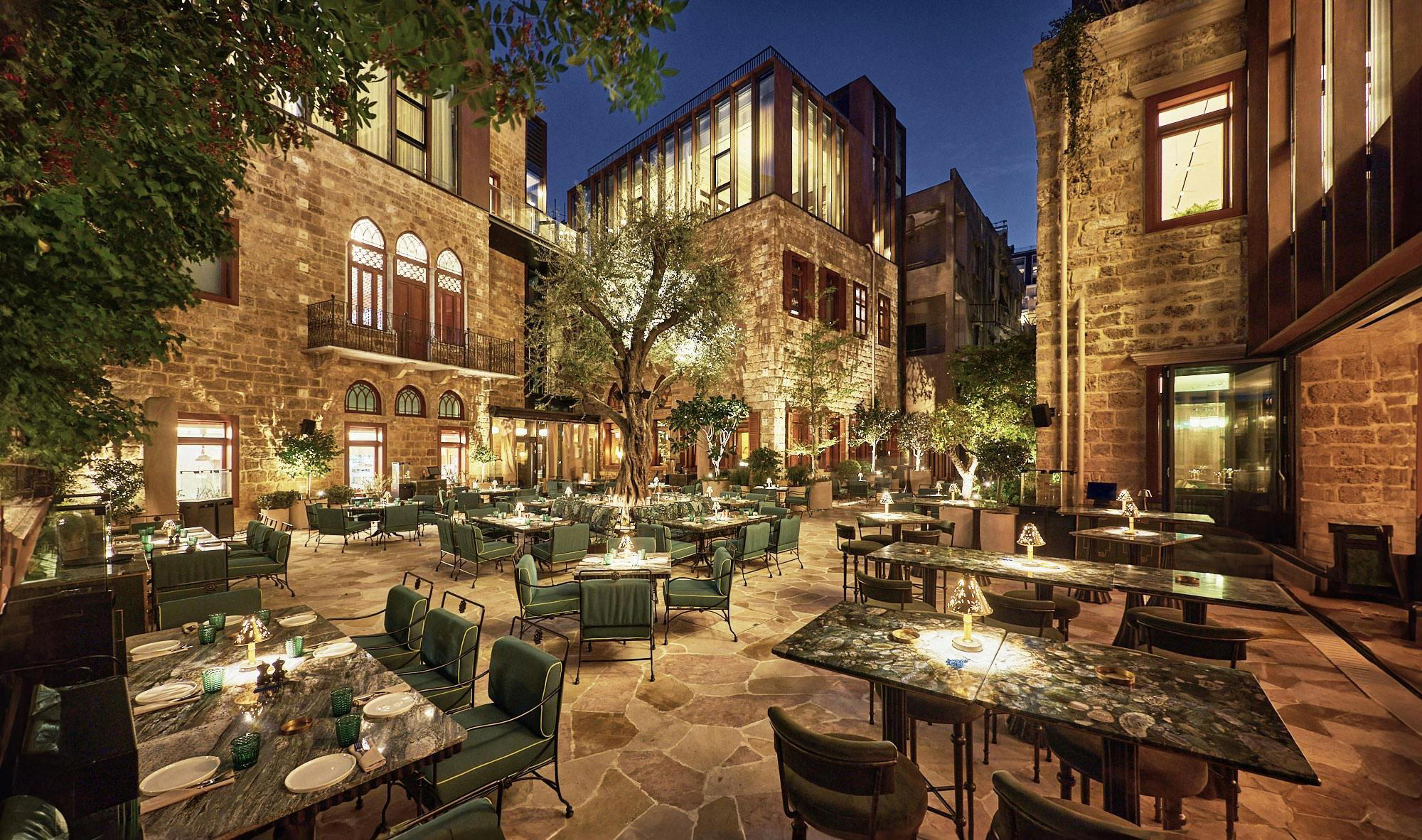
What distinguishes Le Gray architecturally within Beirut is its relationship to the Central District's peculiar urban grammar. Downtown Beirut's reconstruction under Solidere, the private company that managed the area's redevelopment from the 1990s onward, produced a built environment that is simultaneously grand and slightly unresolved: wide stone-paved streets, restored Ottoman and French Mandate buildings, and a number of purpose-built contemporary structures inserted into the historic fabric. A hotel operating at the top of this district's accommodation tier needs to read as credible within that context, neither too corporate-anonymous nor too provisional.
The design approach at Le Gray reflects the kind of considered contemporary interior work that became a signature of premium city hotels built in the 2000s, where the architecture mediates between international luxury conventions and local material references. This is a pattern visible across a generation of ambitious urban hotels: Cheval Blanc Paris in Paris and La Réserve Paris approached the same problem, how does a new or newly repositioned hotel earn architectural credibility in a city with deep built heritage, through commissions that placed interior identity above generic hotel design. Le Gray's Central District location demands something similar: a physical presence that acknowledges the ambition of the surrounding urban project without dissolving into it.
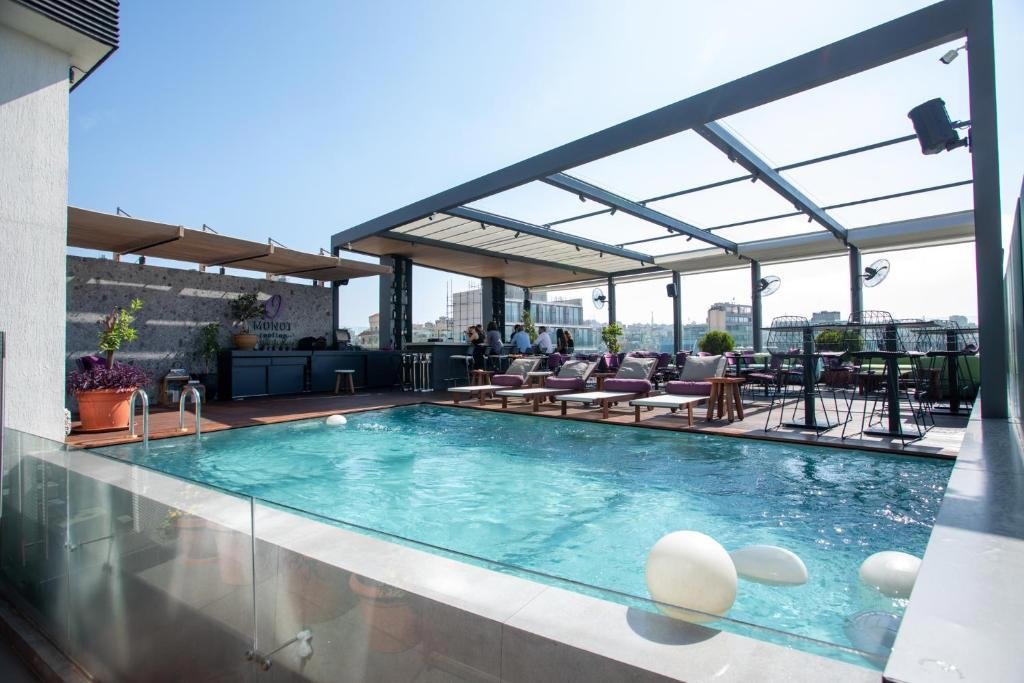
The rooftop spaces at a hotel in this position carry particular weight. In Beirut, refined outdoor areas have served as some of the most loaded social spaces in the city, simultaneously leisure infrastructure and a kind of civic commentary, given the skyline they frame. A hotel rooftop in the Central District looks out over a city that has been destroyed and rebuilt within living memory, and the better properties understand that this vantage point carries meaning beyond hospitality amenity.
Beirut's Luxury Hotel Context in 2025
Beirut's luxury hotel market operates under conditions that have no real parallel in comparable cities. The economic crisis that accelerated from 2019, combined with the August 2020 port explosion and persistent political instability, restructured the market sharply. Hotels that survived, and maintained meaningful standards, did so through a combination of foreign-currency revenue streams, reduced operational scope, and, in some cases, direct backing from ownership structures insulated from the lira's collapse. Le Gray's continued Leading Hotels of the World membership in 2025 signals that it has maintained the programme's audit thresholds through this period, which is a substantive credential in the current context rather than a routine renewal.
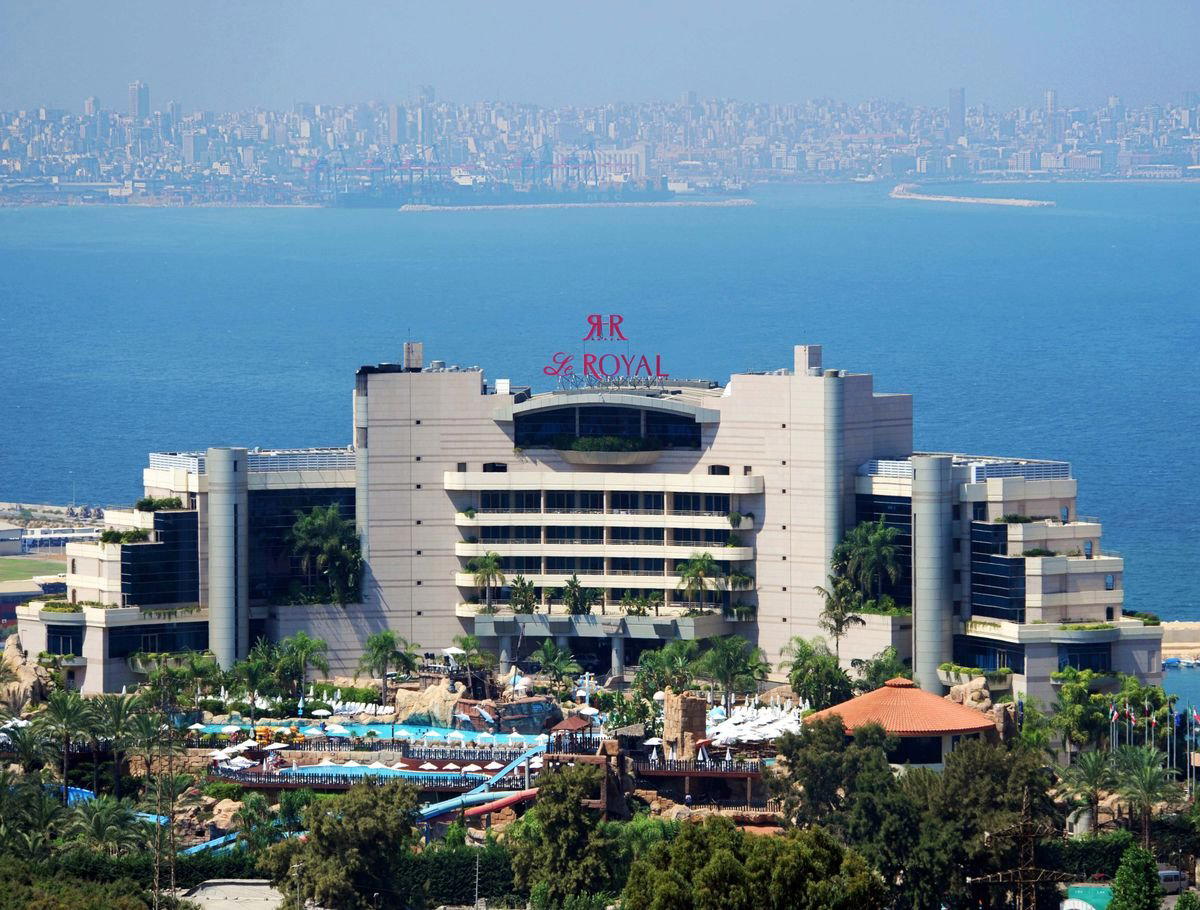
Le Royal Hotel Beirut in Matn anchors a different segment, located further from the downtown core, oriented more toward the business and conference market, and positioned in a suburban district that operates at some remove from Central District dynamics. The choice between a Central District address and a Matn location reflects fundamentally different orientations toward the city: walkability to Beirut's historic and commercial core versus access to the northern highway corridor and airport approach.
For international travellers with a reference point in properties like Aman New York, Hotel Plaza Athénée in Paris, or Mandarin Oriental Bangkok, Le Gray represents Beirut's most coherent entry point into city-centre luxury at an internationally audited level. It is not operating in the same scale or resource category as an Aman Venice or a Bvlgari Hotel Tokyo, but within the constraints of the Beirut market, it occupies the upper tier of what the city's formal downtown can currently offer.
For a broader picture of where dining and hospitality intersect in Beirut, our full Beirut restaurants guide maps the city's current scene across neighbourhoods and price points.
Planning a Stay
Le Gray sits within Beirut's Central District, which puts it within walking distance of the Beirut Souks, the Mohammad Al-Amin Mosque, and the archaeological remains visible through glass panels in the surrounding streets, a layout that makes it a functional base for anyone whose itinerary centres on the historic downtown rather than the northern coastal strip or the eastern residential neighbourhoods. Given Beirut's traffic patterns, proximity to the Central District eliminates the cab dependency that characterises stays further out. Booking through Leading Hotels of the World's GHM programme or directly with the property typically unlocks the most reliable rate and room-category guarantees; as with all Beirut hotels currently operating in foreign-currency terms, pricing should be confirmed close to the travel date given the market's continued volatility.
Comparison Snapshot
Comparable venues nearby, for context on price, style, and recognition.
| Venue | Cuisine | Price | Awards | Notes |
|---|---|---|---|---|
| Le GrayThis venue — the venue you are viewing | Contemporary luxury boutique in Beirut's lively core | Not listed | Leading Hotels of World Member | Not listed |
| O Monot Boutique Hotel | Luxury boutique hotel blending contemporary design with refined elegance in an urban setting. | $200–300 | Small Luxury Hotels of the World Member | Sodeco |
| Arthaus Beirut | Historic family estate transformed into a high-end boutique hotel and art space in Beirut's lively Gemmayze. | $200–300 | Michelin Selected | Gemmayze |
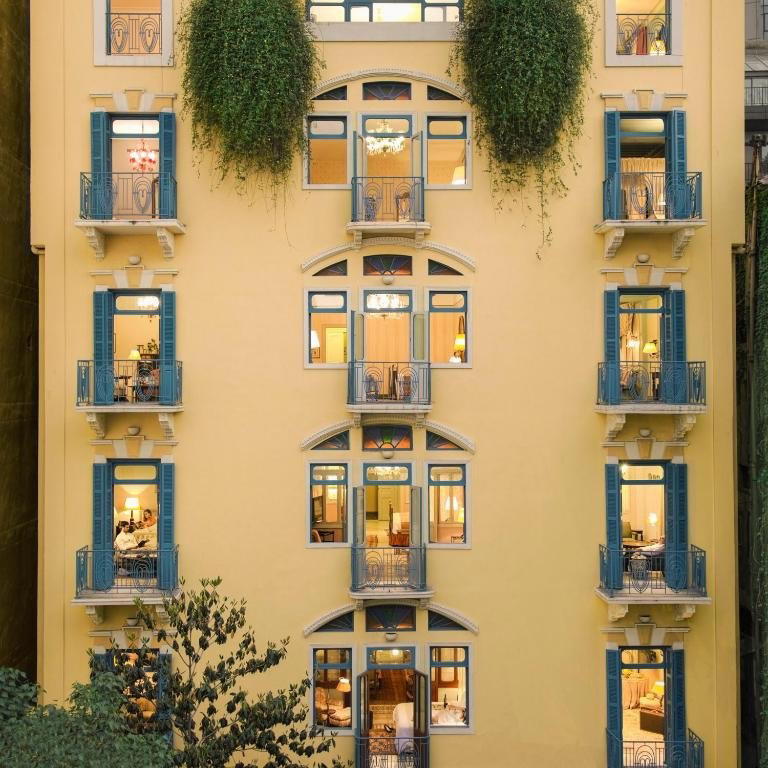
| Hotel Albergo | Luxury boutique hotel housed in a restored 1930s heritage building with old-world charm and contemporary service standards. | $200–300 | Michelin Selected · Relais Chateaux Award | Achrafieh |
| Le Royal Hotel Beirut | Contemporary luxury resort with art deco influences positioned as Lebanon's premier hilltop destination. | $100–200 | Not listed | Dbayeh |
Recognition history
Dated appearances from independent guides and award organizations, with the underlying list record or original source where available.
Leading Hotels of World Member
Leading Hotels of World
Continue exploring
More in Beirut
Hotels in Beirut
Browse all →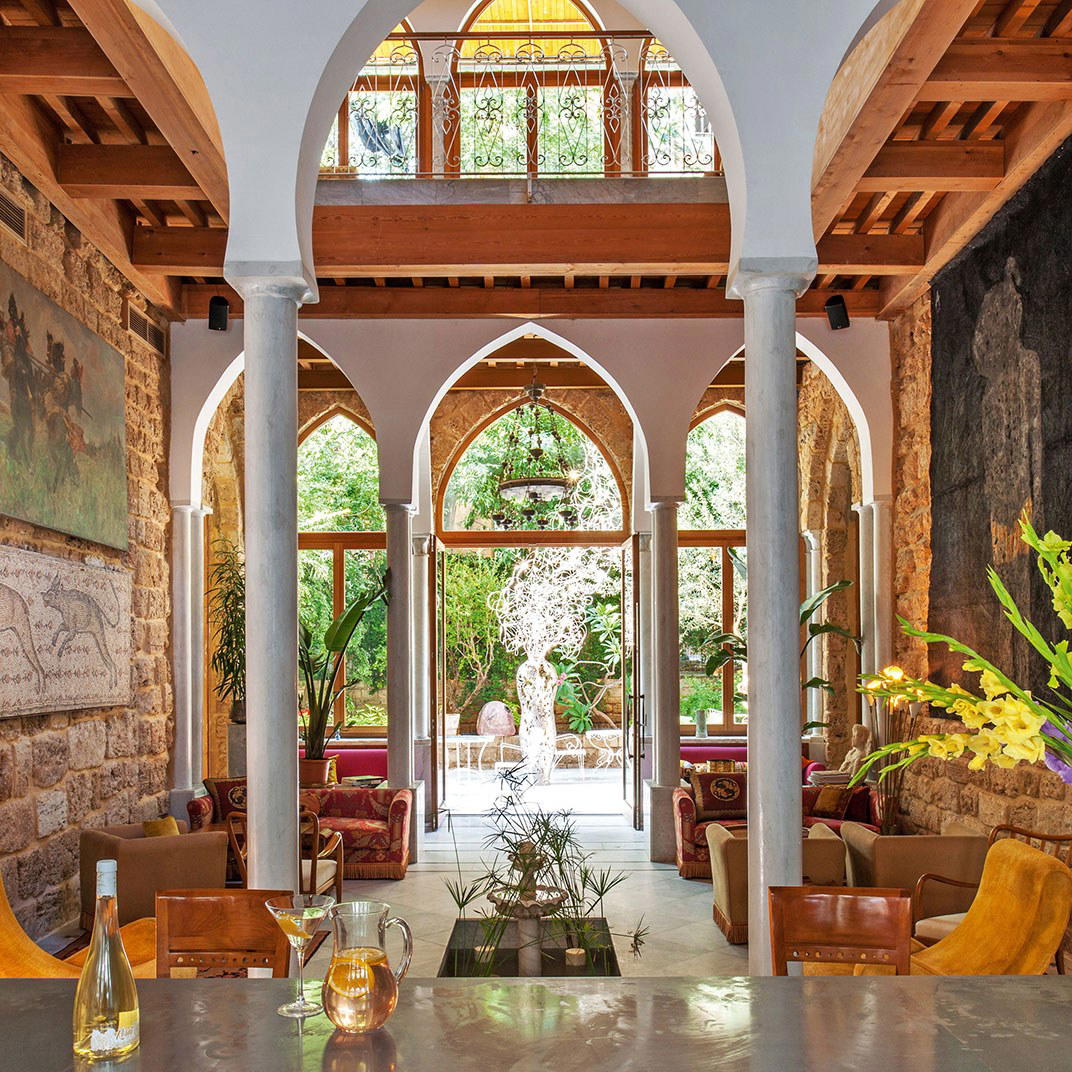
Bars in Beirut
Browse all →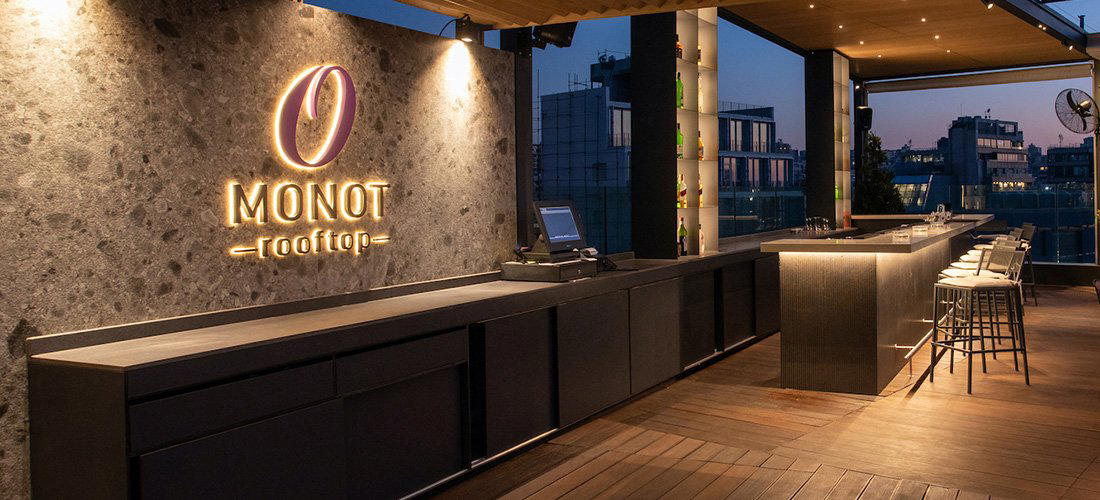
Restaurants in Beirut
Browse all →

Details
- Elegant
- Sophisticated
- Modern
- Ornate
- Romantic Getaway
- Business Trip
- Weekend Escape
- Rooftop Pool
- Panoramic View
- Wi Fi
- Pool
- Spa
- Fitness Center
- Room Service
- Concierge
- Valet Parking
- Restaurant
- Skyline
- Wheelchair Accessible
- Step Free Entrance
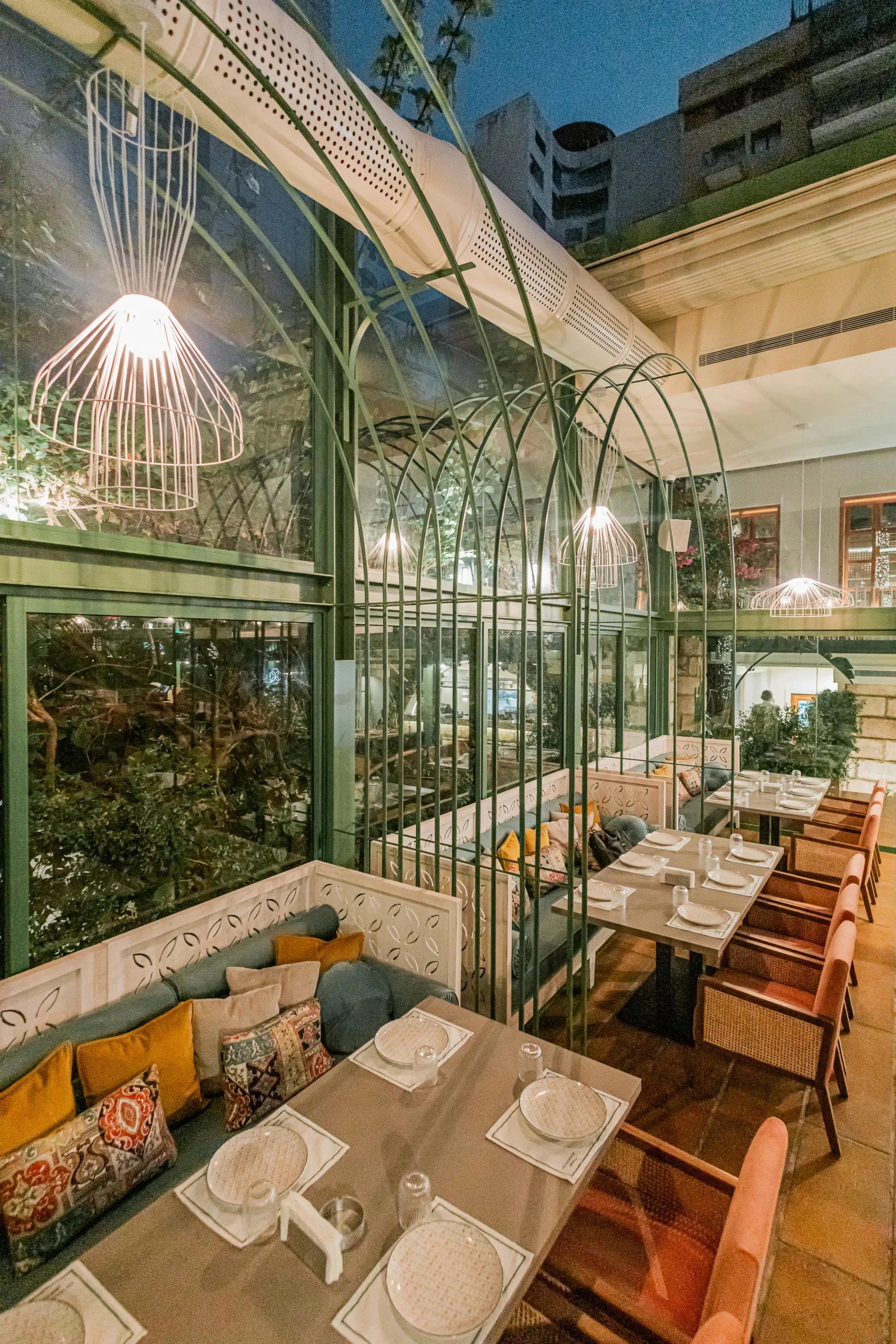
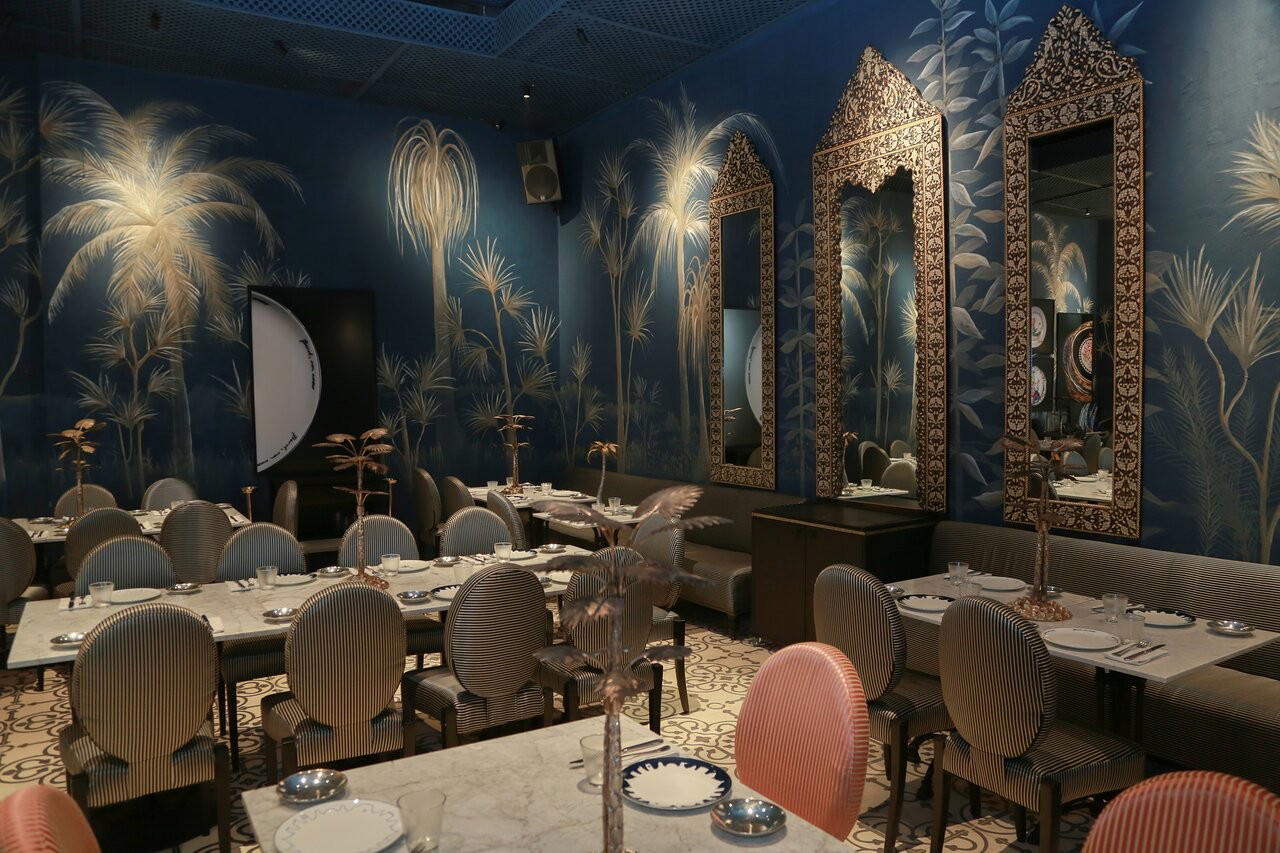
Spacious, serene rooms with soft hues, luxury fibers, and floor-to-ceiling windows; relaxing spa atmosphere and lively yet refined rooftop lounge lighting.