
A Michelin Selected property on Gouraud Street in Gemmayze, Arthaus Beirut occupies one of the neighbourhood's most architecturally considered addresses. The hotel sits within a district where adaptive reuse of historic Beiruti townhouses has become the dominant design language, and its selection by the 2025 Michelin Hotels guide places it among the city's more carefully curated stays.
Pearl is the En Primeur Club membership app — saves, bookings, and concierge access live there. Same editors, same standards.
- Address
- Gouraud street, Gemmayze, Beirut PO BOX, Beirut 175-288, Lebanon
- Phone
- +961 1 446 010
- Website
- arthaus.international
- Directions
- Get directions
 Saves & bookings on Pearl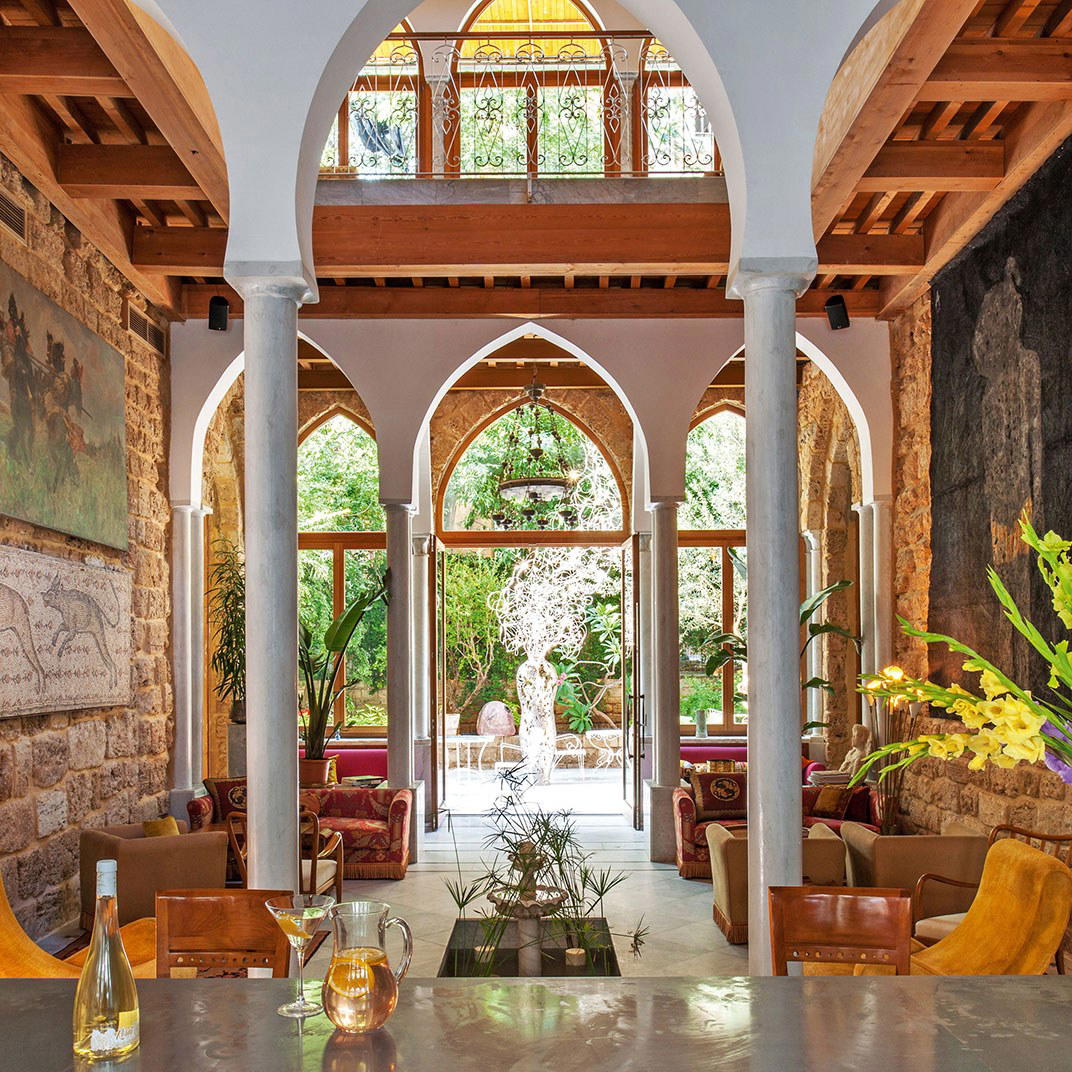
Gemmayze's Design Logic, and Where Arthaus Sits Within It
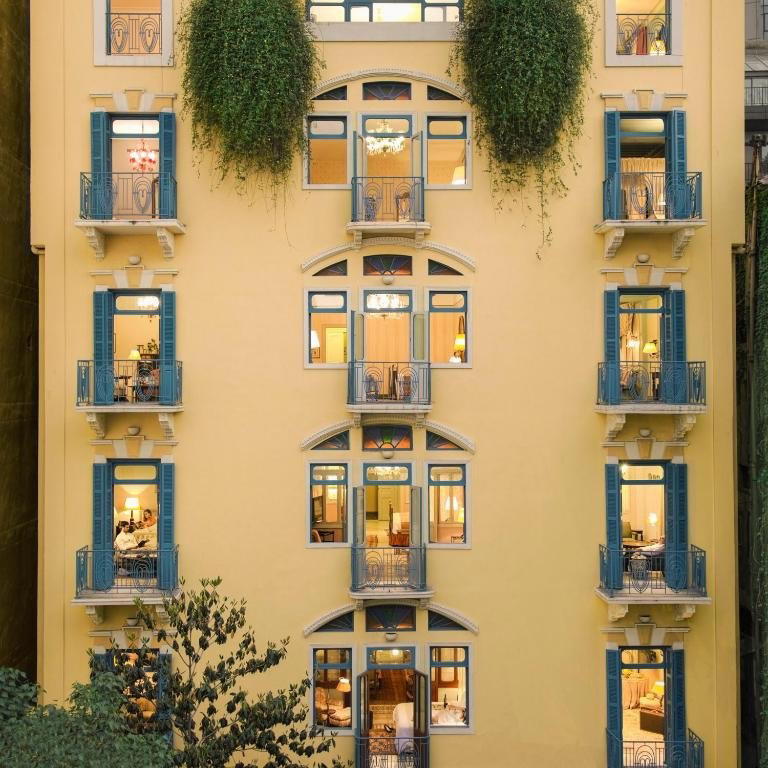
Gouraud Street is the connective tissue of Gemmayze, Beirut's most architecturally layered neighbourhood. The street runs past triple-arched limestone facades, Ottoman-era balconies painted in weathered ochre and olive, and post-civil-war infill that ranges from sympathetic restoration to blunt concrete. What has emerged over the past decade is a district where independent hotels and cultural venues have claimed particularly compelling buildings, using adaptive reuse as both aesthetic strategy and implicit statement about the city's capacity to rebuild identity through material culture. Arthaus Beirut is a five-star hotel on Gouraud Street in Gemmayze, Beirut, with nightly rates from about $277.
The broader trend in Beirut's boutique hotel sector has moved decisively away from the trophy-lobby internationalism of earlier luxury builds toward something more architecturally specific. Properties that succeed in this mode tend to treat the building's existing bones, exposed stone, original tilework, and ceiling height, as primary design material rather than something to be concealed beneath contemporary finishes. Arthaus, as the name signals, frames its identity around art and architecture as organisational principles rather than decorative add-ons. That framing connects it to a particular tier of design-led accommodation, comparable in ambition to properties like O Monot Boutique Hotel in the adjacent Monot district, which similarly uses architectural specificity as its primary point of differentiation.
The Michelin Selection Signal
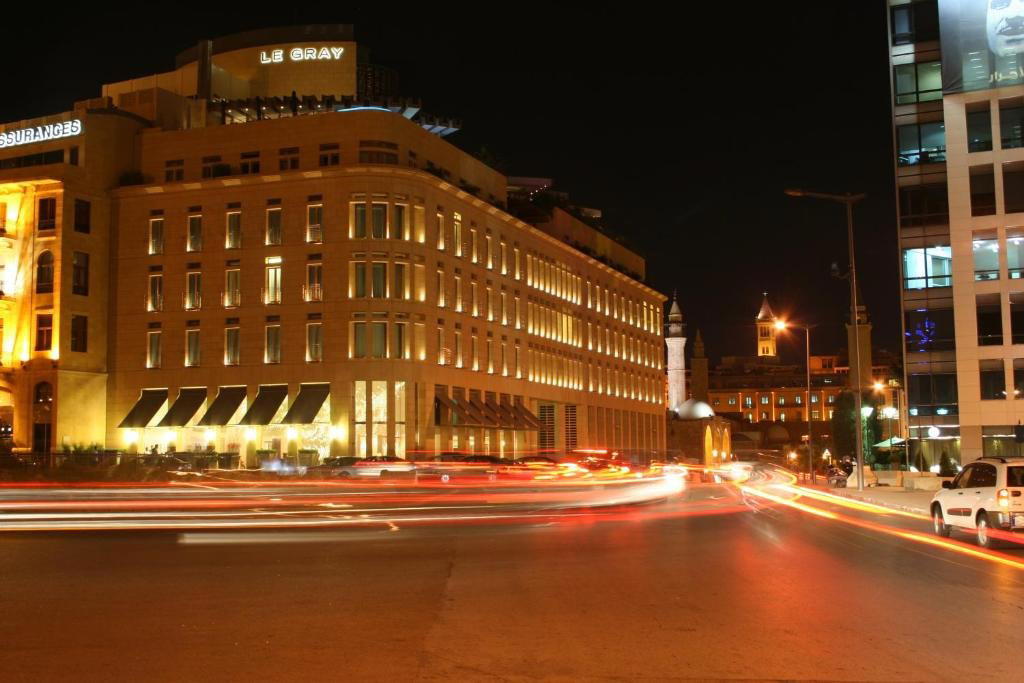
Arthaus Beirut carries a Michelin Selected designation from the 2025 Michelin Hotels guide. In the context of Beirut's accommodation market, that signal carries particular weight. Michelin's hotel program applies the same editorial discipline to accommodation as it does to its restaurant guides: selection is not an aggregate of traveller reviews but an editorial assessment against specific criteria covering design, service character, and overall positioning. Being selected places Arthaus in a comparable set that includes Le Gray and Hotel Albergo in Achrafieh, each of which holds its own position within Beirut's premium accommodation tier. Le Gray operates at a larger scale with a rooftop and pool program aimed at a broader international audience; Albergo in Achrafieh leans into its mansion conversion and long-standing reputation among a more traditional Beirut clientele. Arthaus, by contrast, reads as the more architecturally contemporary proposition, with a name and neighbourhood that pitch directly at the design-aware traveller.
For international comparison, Michelin's hotel selection process has identified properties across wildly different price points and typologies, from Badrutt's Palace Hotel in St. Moritz to smaller urban addresses. What unites them is a sense that the stay itself has been considered as an experience, not merely a transaction. Arthaus fits that framework.
Architecture as the Organising Argument
Gemmayze's built fabric is the product of several overlapping histories: French Mandate-era construction, mid-century Lebanese modernism, and the incomplete rebuilding that followed fifteen years of civil war and subsequent economic collapse. The neighbourhood absorbed significant damage in the August 2020 port explosion, which caused structural damage across much of Gemmayze and Achrafieh. That event forced a confrontation with the question of what gets restored, what gets rebuilt, and what gets left as visible record of loss. Hotels and cultural venues that opened or repositioned in this neighbourhood after 2020 carry that context whether they address it explicitly or not.
Design-led hospitality in this environment has a different register than design-led hospitality in, say, Aman Venice or Castello di Reschio in Lisciano Niccone, where the architecture is intact and the task is curation. In Gemmayze, architectural intervention exists in active dialogue with damage and recovery. A property that positions itself through art and architecture is making a claim about what Beirut builds toward, not just what it preserves.
The Neighbourhood as Context for the Stay
Guests staying on Gouraud Street have direct access to the density that makes Gemmayze function. The street and its immediate side streets hold some of the city's most concentrated independent bar and restaurant activity, particularly in the evening. This is not a neighbourhood that requires a car to engage with: the walkable radius from Arthaus covers wine bars, mezze counters, specialty coffee, and gallery spaces within a few minutes on foot. For travellers oriented around food and cultural programming, that concentration is a meaningful practical asset.
Gemmayze connects southward toward the reconstructed Solidere district of central Beirut and eastward toward Achrafieh, where Hotel Albergo anchors a different but complementary neighbourhood character. Visitors spending several days in the city can reasonably use Arthaus as a base for both districts without requiring significant transport. For broader context on where to eat and drink across the city, our full Beirut restaurants guide maps the key addresses by neighbourhood.
Positioning Within the Beirut Hotel Market
Beirut's hotel market has consolidated around a smaller number of operational properties than existed before 2019, as a combination of economic crisis and the port explosion reduced the viable stock. That contraction has, paradoxically, clarified the positioning of properties that remain operational. The market now reads in roughly three tiers: the large international-brand hotels concentrated in Hamra and the Corniche area; the mid-scale independents scattered across various districts; and a smaller cohort of design-led boutique properties, primarily in Gemmayze and Achrafieh, that compete on character rather than scale.
Arthaus sits in that third tier, alongside O Monot and the repositioned Hotel Albergo. Properties in this tier attract a visitor profile that values neighbourhood immersion over resort-style self-containment, and typically books direct or through editorially curated travel platforms rather than volume OTAs. The Michelin Selected designation functions as a trust signal for exactly that traveller type. For a sense of how design-focused boutique hotels operate at different scales internationally, properties like The Siam in Bangkok or Hotel Esencia in Tulum operate on a similar principle of architecture-first identity within their respective markets.
Planning Your Stay
Arthaus Beirut is on Gouraud Street in Gemmayze, one of the more direct addresses to arrive at from Beirut's Rafic Hariri International Airport by taxi or private transfer, typically 20 to 30 minutes depending on traffic. Gemmayze's peak evening activity runs Thursday through Saturday, so arrivals earlier in the week tend to find the neighbourhood at a quieter register, which can be useful for orienting before the weekend density picks up.
Comparison Snapshot
Comparable venues nearby, for context on price, style, and recognition.
| Venue | Cuisine | Price | Awards | Notes |
|---|---|---|---|---|
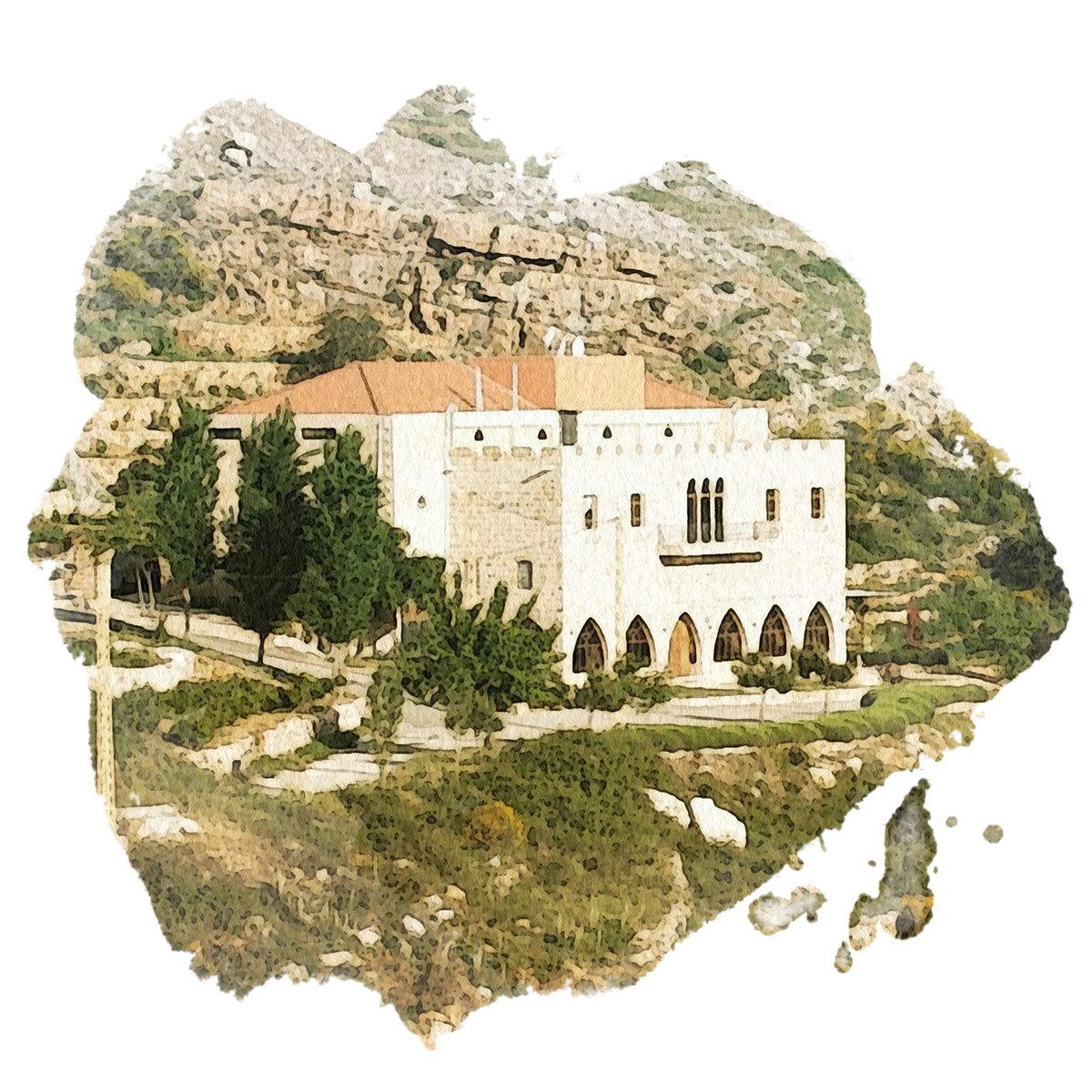
| Arthaus BeirutThis venue — the venue you are viewing | Historic family estate transformed into a high-end boutique hotel and art space in Beirut's lively Gemmayze. | $$$$ | 5-Star | Not listed |
| Le Gray | Contemporary luxury boutique in Beirut's lively core | $$$$ | 5-Star | Beirut Central District |
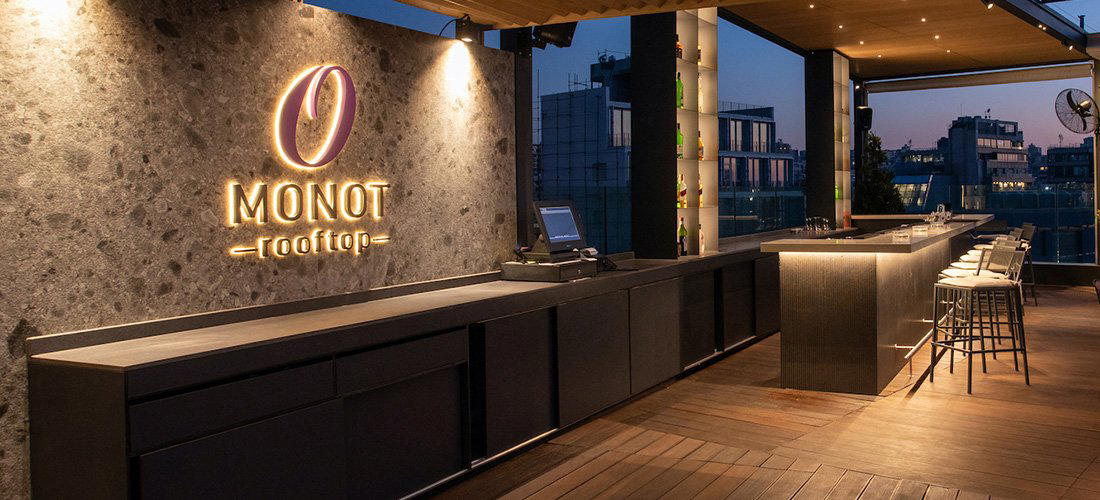
| O Monot Boutique Hotel | Luxury boutique hotel blending contemporary design with refined elegance in an urban setting. | $$$$ | 5-Star | Sodeco |
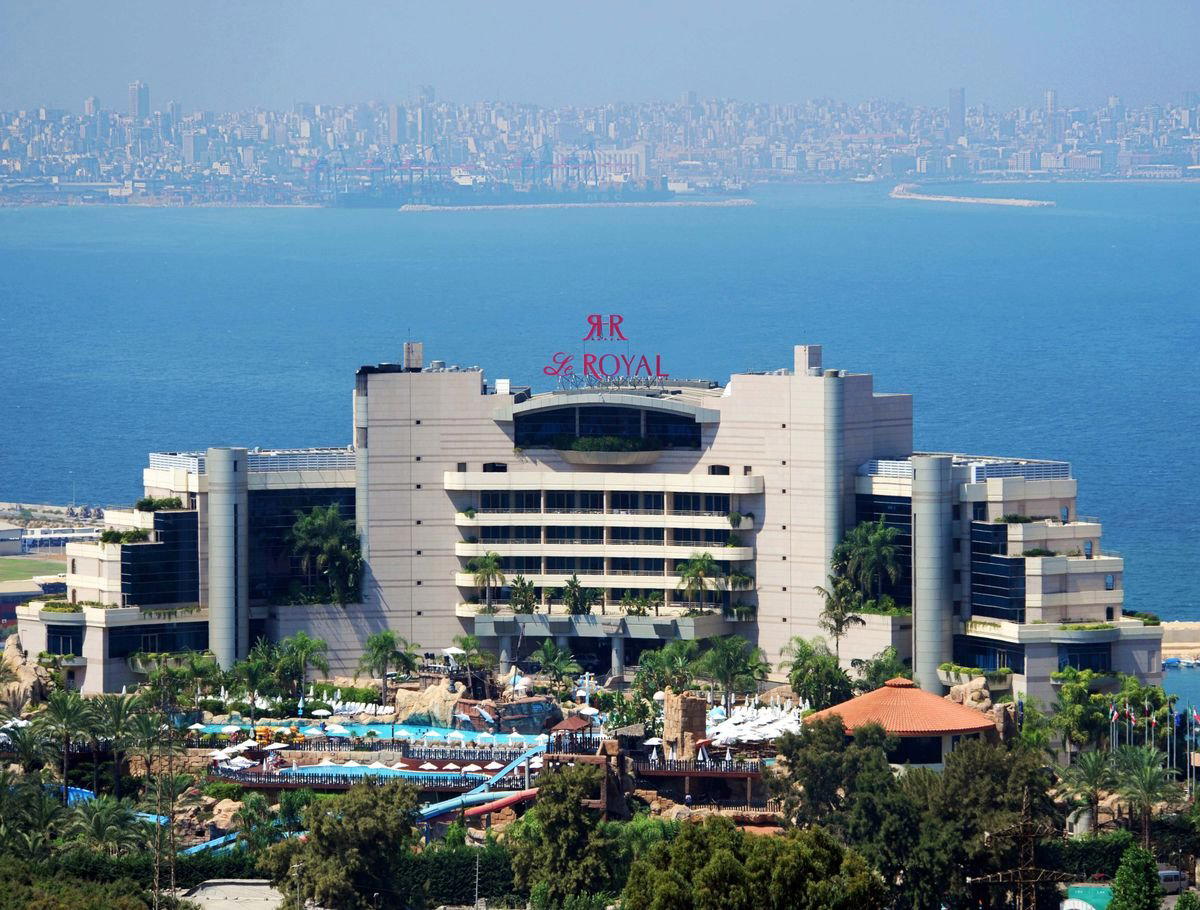
| Le Royal Hotel Beirut | Contemporary luxury resort with art deco influences positioned as Lebanon's premier hilltop destination. | $$$$ | 5-Star | Dbayeh |
| Hotel Albergo | Luxury boutique hotel housed in a restored 1930s heritage building with old-world charm and contemporary service standards. | $$$$ | 5-Star | Achrafieh |
Recognition history
Dated appearances from independent guides and award organizations, with the underlying list record or original source where available.
Michelin Selected
Michelin
Continue exploring
More in Beirut
Hotels in Beirut
Browse all →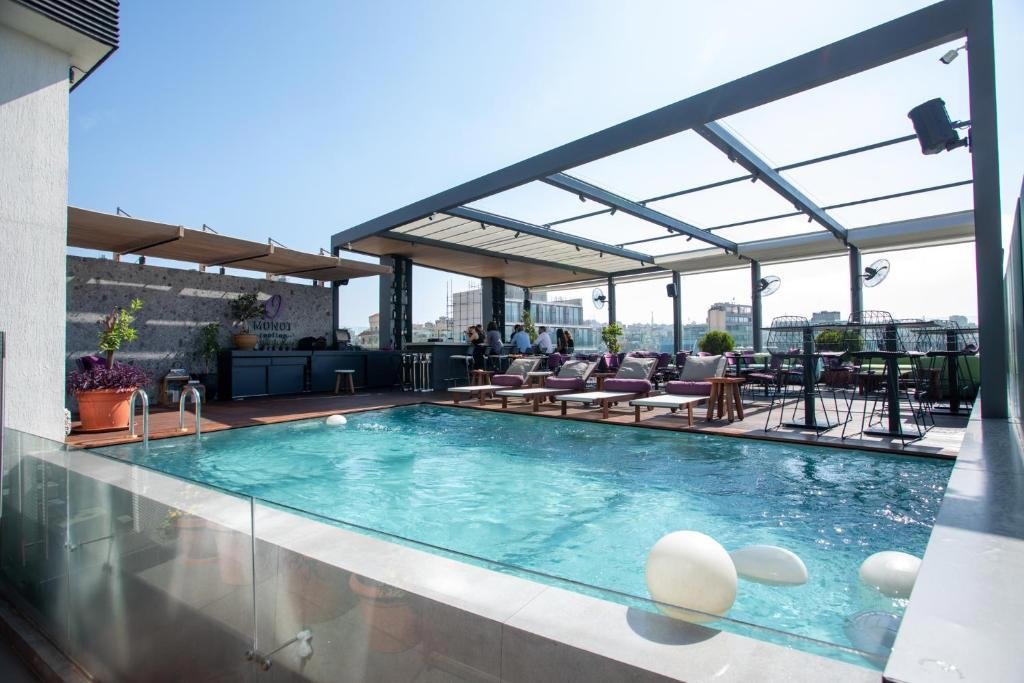
Bars in Beirut
Browse all →
Restaurants in Beirut
Browse all →

At a Glance
- Modern
- Trendy
- Bohemian
- Elegant
- Sophisticated
- Romantic Getaway
- Anniversary
- Weekend Escape
- Historic Building
- Design Destination
- Terrace
- Wi Fi
- Pool
- Spa
- Fitness Center
- Room Service
- Concierge
- Restaurant
- Garden
- Garden
- Wi Fi
- Pool
- Spa
- Fitness Center
- Room Service
- Concierge
- Restaurant
- Garden
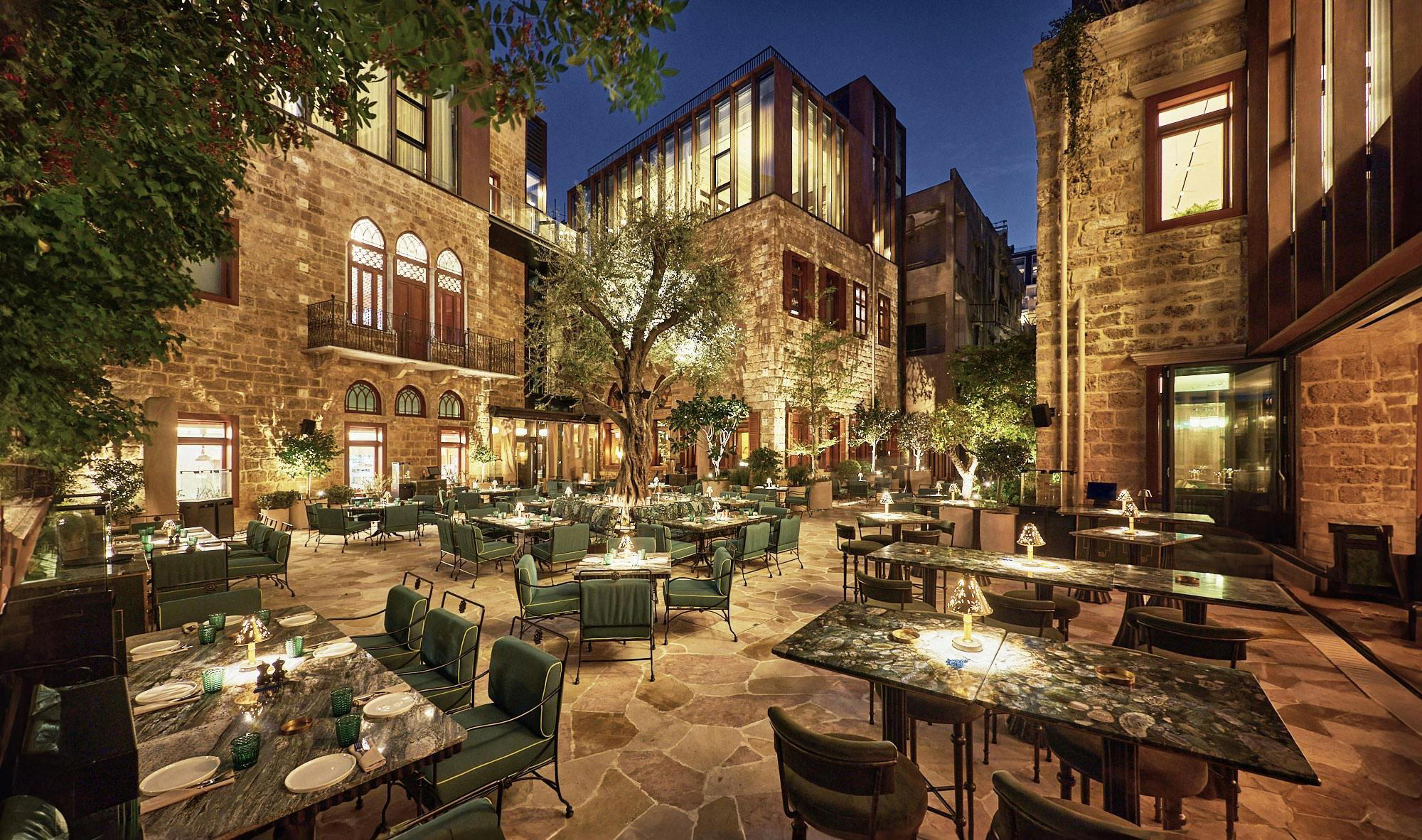
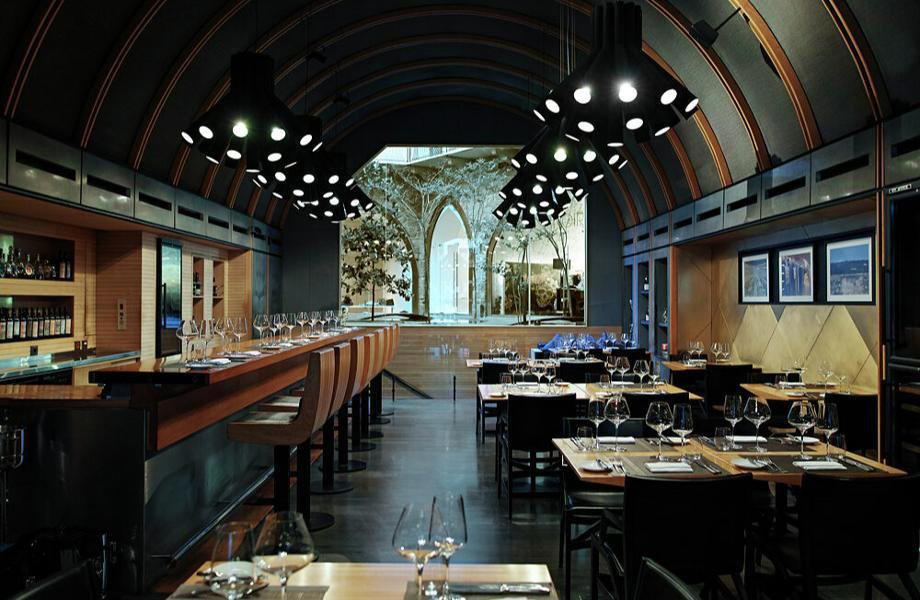
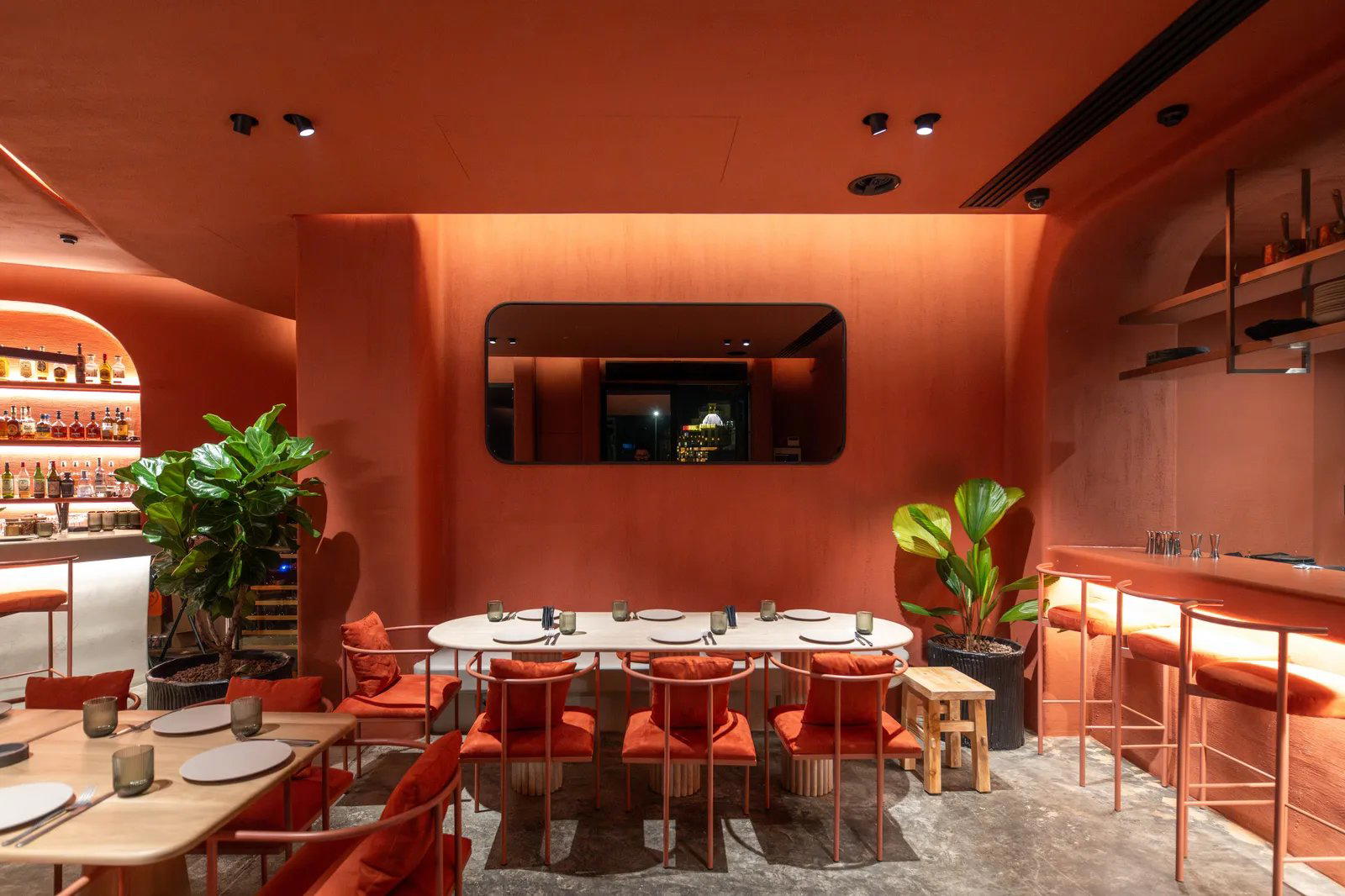
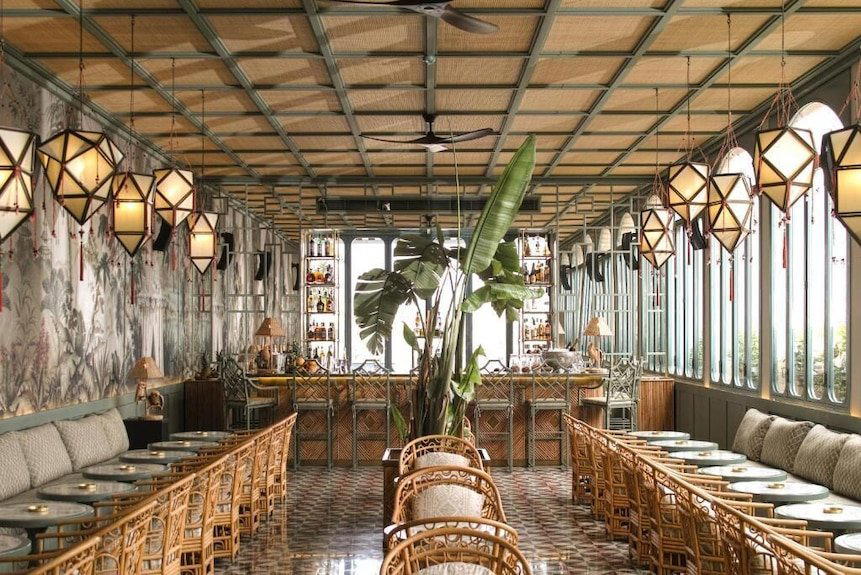
Charming residential atmosphere blending historical stone walls, vintage furnishings, contemporary artworks, and modern comforts, filled with art in a bohemian neighborhood.