Al Falamanki Sodeco serves Traditional Lebanese in Beirut with garden and terrace seating, casual service, and a conversational room that suits brunch through late night.
Pearl is the En Primeur Club membership app — saves, bookings, and concierge access live there. Same editors, same standards.
- Address
- Beirut, Lebanon
- Phone
- +961 1 323 456
- Website
- alfalamanki.com
- Directions
- Get directions
 Saves & bookings on Pearl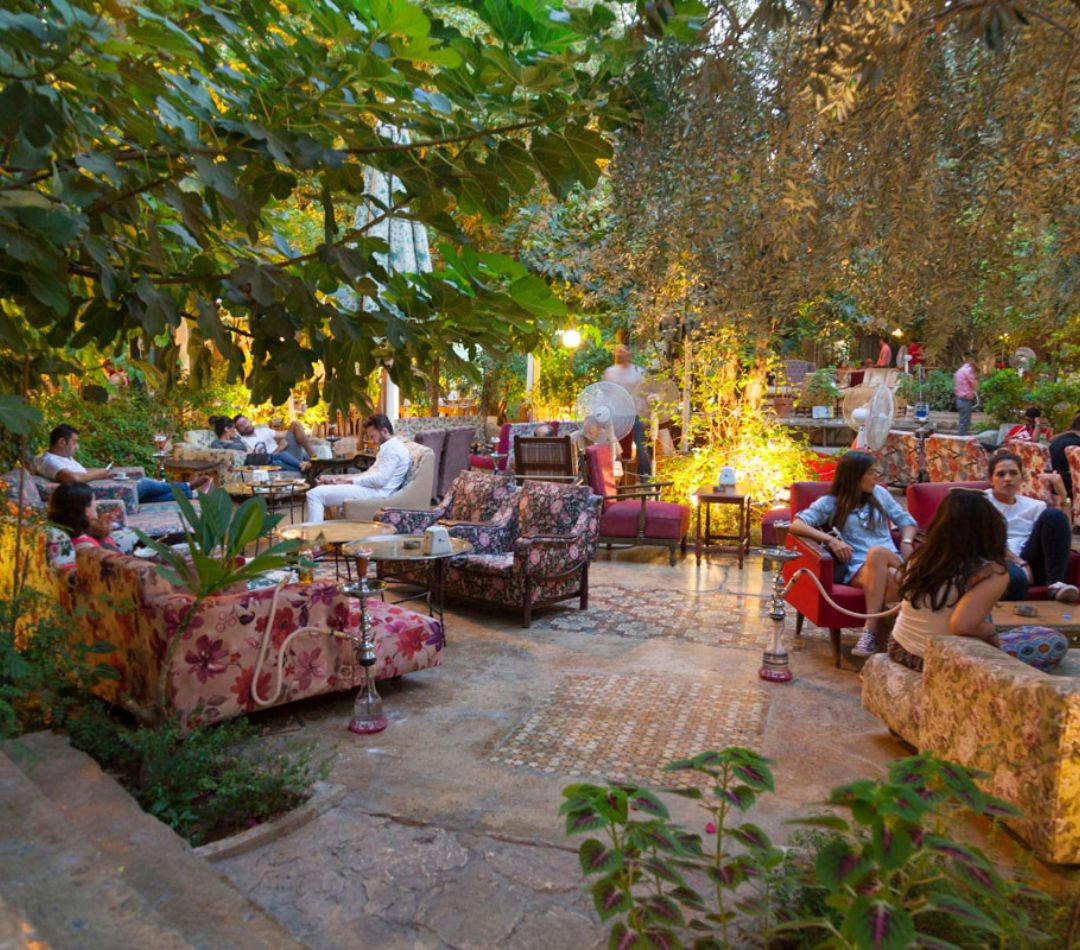
The Sodeco Gathering Culture and Where Al Falamanki Fits
In Beirut, the tradition of the long table is not a trend, it is infrastructure. Lebanese social life has always organised itself around shared plates, unhurried hours, and the particular ritual of the meze: a procession of cold dishes, warm breads, and small portions that, together, constitute the full statement of a meal. The Sodeco neighbourhood, positioned between Achrafieh and the city centre, carries this tradition with particular weight. It is an area where locals return repeatedly, where the evening extends well past what visitors might expect, and where the quality of a place is measured less by innovation than by fidelity to sourcing and preparation.
Al Falamanki Sodeco is a Traditional Lebanese restaurant in Beirut, Lebanon, with, walk-in-friendly service. The venue belongs to a category that Beirut does well and that outside cities rarely replicate with the same conviction: the large-format Lebanese restaurant where the social occasion is the product. In contrast to the polished, occasion-dining positioning of Em Sherif or the institution-status formality of Al Halabi, Al Falamanki reads as deliberately everyday, deliberately in the sense that the setting is engineered to encourage exactly the kind of extended, multi-generational gathering that defines how Beirutis actually eat.
Approaching the Space: What the Physical Setting Signals
The sensory cues begin before you are seated. Al Falamanki's design language draws on the visual grammar of a mid-twentieth-century Lebanese home: tiled floors, wooden furniture worn to the right degree, water pipes on the tables, and a general atmosphere that situates you in a time before the city's recent architectural reinventions. The sound register is high, this is not a place for intimate conversation at close proximity, but for the kind of ambient roar that signals a full room committed to its evening. Outdoor seating, a feature that Beirut's mild autumn and spring evenings make essentially mandatory for any serious gathering spot, extends the footprint considerably.
For context within Beirut's broader dining patterns, this approach to space is significant. The city's most durable gathering restaurants have always prioritised capacity and comfort over design restraint. Compare this to the rooftop positioning of Albergo Rooftop, where the setting itself is the draw, or the waterfront exposure of Babel Bay. Al Falamanki's environment is interior-facing in its logic: the warmth is generated by the people inside, not the view outside.
Ingredient Sourcing and the Lebanese Meze Tradition
The editorial case for Lebanese meze restaurants in 2024 rests substantially on the sourcing question. Lebanon's agricultural geography, compressed across a small country with mountain, valley, and coastal micro-climates, produces an ingredient diversity that sustains a cuisine of genuine depth. The Bekaa Valley, roughly two hours from Beirut depending on traffic, supplies vegetables, cheeses, and cured meats that are foundational to any credible meze spread. Baalbek-area producers, including operations like Lakkis Farm in Baalbek, represent the kind of farm-to-table connection that Lebanese restaurants have practiced structurally for decades without needing to market it as such.
The flat breads, labneh, hummus, and fattoush that anchor any traditional spread carry meaning relative to their inputs. The difference between a kibbeh nayeh made from locally sourced lamb and one made from imported frozen product is not subtle. At the level of sourcing fidelity, Al Falamanki's positioning as a gathering restaurant with roots in Lebanese domestic culture implies a supply chain oriented toward local and regional producers, though What the format itself signals is a kitchen organised around volume without sacrificing the integrity of individual preparations, a balance that is harder to achieve than the single-seating tasting menu format practiced at venues operating at the scale of Le Bernardin in New York City or Lazy Bear in San Francisco.
Al Falamanki Within the Beirut Gathering Restaurant Category
Beirut's mid-market gathering restaurants occupy a tier below the headline occasion venues and above the purely neighbourhood-local operations. Al Falamanki Sodeco sits at a point in that range where the audience is mixed, locals who return regularly, visitors pointed there by word of mouth, and larger groups for whom the scale of the space makes logistics workable. This contrasts with the more neighbourhood-specific positioning of places like Al Rawda in Shatila, where the local character of the clientele is the defining feature.
Across Lebanon more broadly, the gathering restaurant format has proven more resilient than fine dining during the country's repeated economic disruptions. Places that depend on occasion spend from a narrow luxury segment are exposed to demand volatility in a way that everyday social dining spots are not. The sustained relevance of gathering venues in Achrafieh and surrounding districts across difficult years is, in itself, an argument for the format's structural durability.
The broader restaurant scene across Greater Beirut offers additional comparison points. Onno Bistro in Bourj Hammoud and Al Halabi in Matn District illustrate how the same traditions translate into different suburban registers.
Planning Your Visit
Al Falamanki Sodeco is located in the Sodeco area of Beirut, accessible from central Achrafieh. Given the restaurant's scale and the format of the meal, groups of four or more will extract one from the experience. The format rewards coming with people. Walk-in access is generally possible given the size of the venue, though larger groups during peak evening hours on weekends would benefit from calling ahead; phone details were not available at the time of writing, so confirming via current local listings before visiting is advisable. The restaurant is open daily from 10 AM to 4 AM, making late evenings easy to plan. For those building a longer Beirut itinerary around Lebanese food culture, our full Beirut restaurants guide covers the full range of the city's current scene, from occasion dining to neighbourhood staples like Falafel Sahyoun and the community-driven format of Kitchen Garage in Aley District.
At-a-Glance Comparison
Comparable venues nearby, for context on price, style, and recognition.
| Venue | Cuisine | Price | Notes |
|---|---|---|---|
| Al Falamanki SodecoThis venue — the venue you are viewing | Traditional Lebanese | $$ | Not listed |
| Al Rawda - Shatila - Restaurant | Traditional Lebanese | $$ | Manara |
| Tawlet | Traditional Lebanese Home Cooking | $$ | Mar Mikhael |
| Café D'Orient | Oriental Middle Eastern | $$ | Ashrafieh |
| Hanna Mitri | Traditional Lebanese Bouza & Sweets | $ | Achrafieh |
| Liza | Modern Lebanese | $$$ | Achrafieh |
Continue exploring
More in Beirut
Restaurants in Beirut
Browse all →
Bars in Beirut
Browse all →
Hotels in Beirut
Browse all →

At a Glance
- Cozy
- Rustic
- Classic
- Scenic
- Brunch
- Family
- Group Dining
- Casual Hangout
- Late Night
- Garden
- Terrace
- Garden
Current opening hours
- Monday
- 10 AM–4 AM
- Tuesday
- 10 AM–4 AM
- Wednesday
- 10 AM–4 AM
- Thursday
- 10 AM–4 AM
- Friday
- 10 AM–4 AM
- Saturday
- 10 AM–4 AM
- Sunday
- 10 AM–4 AM
Hours can change for holidays and private events. Last verified .
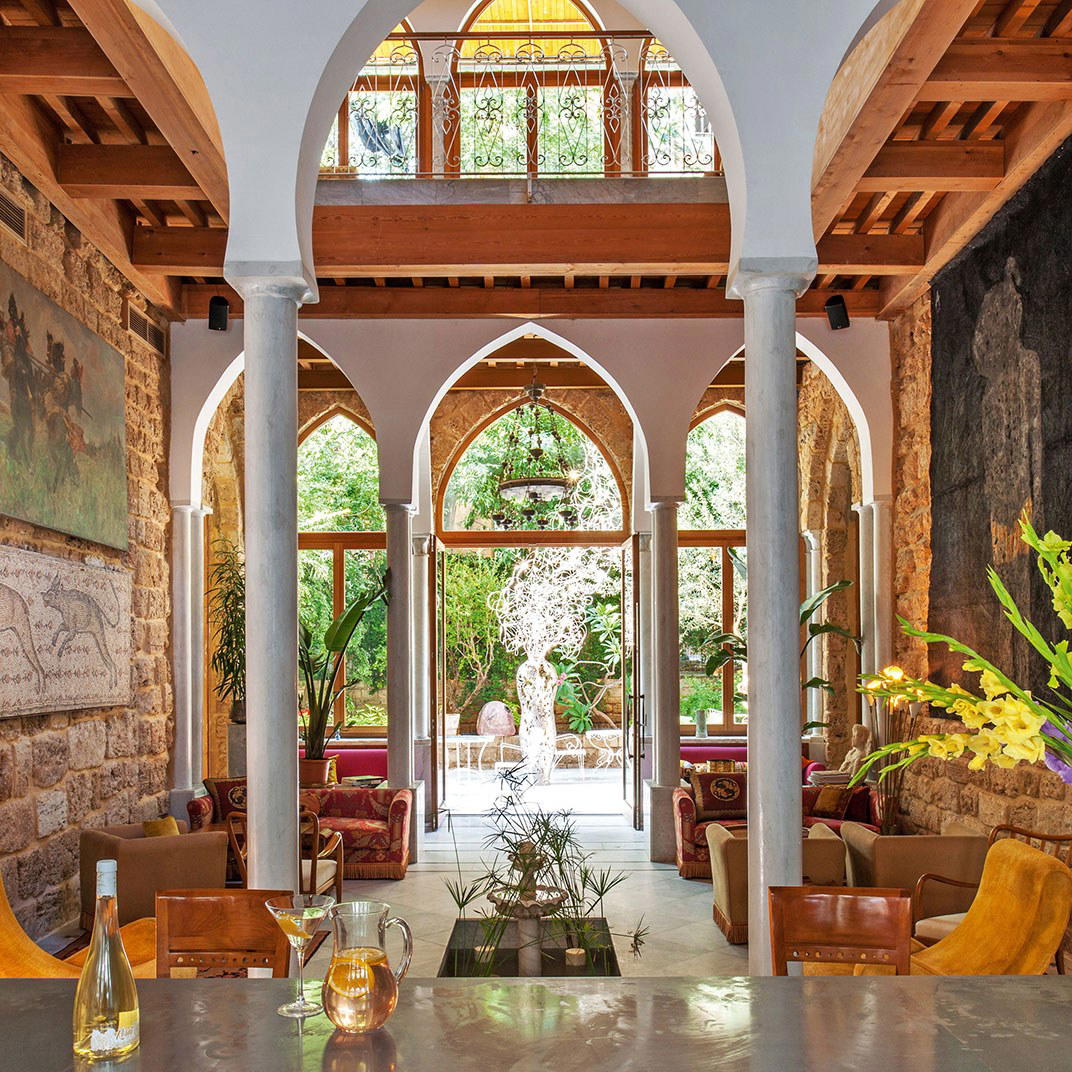
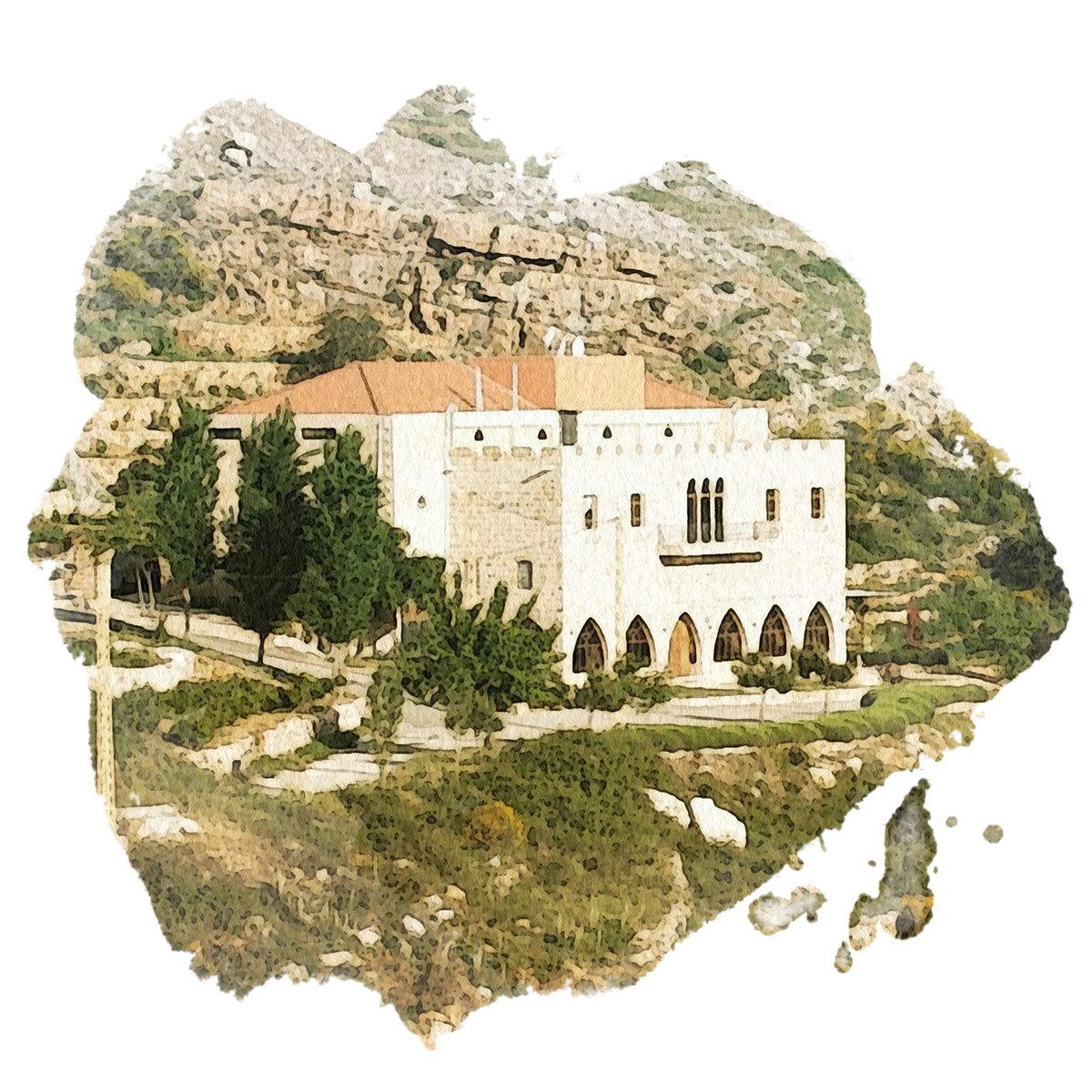
Bucolic garden terrace with trees providing peaceful atmosphere amid city bustle, traditional Lebanese village feel.