In Byblos, one of the oldest continuously inhabited cities in the world, Feniqia occupies a position in Lebanon's broader conversation about what coastal Levantine cooking can look like when its ingredients are treated as the argument. The city's Phoenician past hangs over every plate of mezze and every fire-grilled catch in ways that few dining rooms in the region can match. Feniqia puts that context to work.
Pearl is the En Primeur Club membership app — saves, bookings, and concierge access live there. Same editors, same standards.
- Address
- 4JCW+89R, Byblos, Lebanon
- Phone
- +961 9 540 444
- Website
- menu.omegasoftware.ca
- Directions
- Get directions
 Saves & bookings on Pearl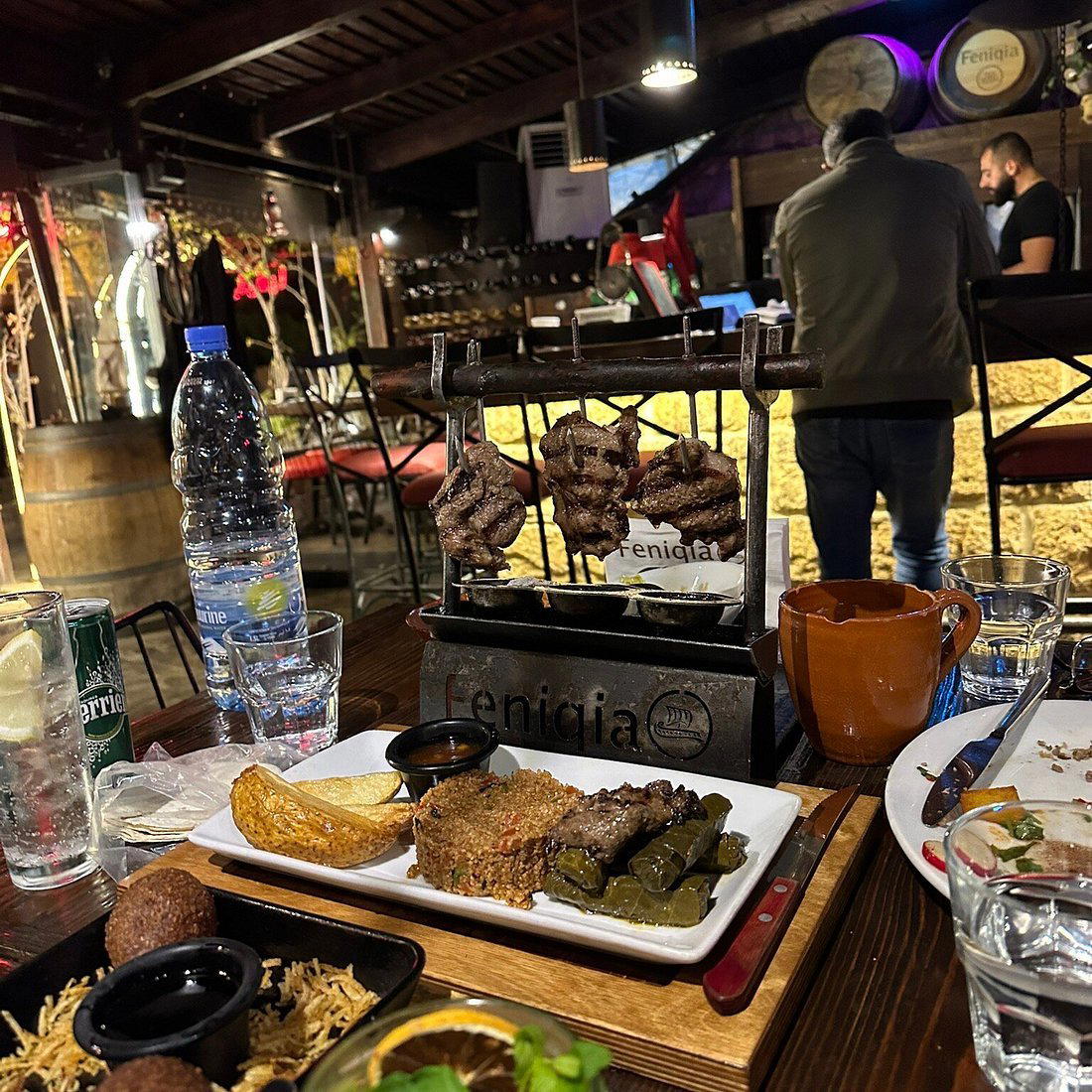
Eating in One of the World's Oldest Port Cities
Byblos doesn't require much introduction to anyone who has spent time along the eastern Mediterranean coast. The city's old port, its Crusader castle, and its Phoenician ruins aren't backdrop, they're the operating logic of the place. Restaurants here don't simply happen to sit near history; they exist inside it, and strong examples among them understand that the ingredients coming off these shores and out of these hills carry a story that predates almost any culinary tradition the reader has encountered elsewhere. Feniqia, positioned within this ancient urban fabric, draws on that inheritance in ways worth examining carefully.
For context on where Feniqia fits within Byblos's wider dining offer, our full Byblos restaurants guide maps the city's scene across price points and occasions.
Where the Ingredients Come From, and Why That Shapes Everything
Lebanon's culinary geography is unusually compressed. The Bekaa Valley, among the more productive agricultural corridors in the Levant, sits roughly an hour's drive from the coast. Byblos itself sits on a stretch of shore where the catch, red mullet, sea bass, octopus, squid, comes in daily through a working port that has functioned as a trade node since at least 3000 BCE. Mountain villages within reach of the city produce olive oil, wild herbs, labneh, and dried legumes that form the backbone of Lebanese mezze in its most unmodernized form.
This proximity between sea, mountain, and valley is the defining structural advantage of cooking in Byblos, and it is what separates Lebanese coastal dining from the coastal traditions of, say, southern Italy or the Aegean, where the same quality of inland produce access is harder to consolidate. At restaurants drawing on this supply chain, the conversation about ingredient sourcing isn't an add-on to the menu, it is the menu. The freshness of a samkeh harra, the texture of a kibbeh nayeh built from correctly handled local lamb, the acidity of a fattoush made with tomatoes that haven't traveled far: these are not flourishes but structural facts of what the food is. Feniqia operates within this tradition, in a city where the raw material quality sets a high baseline expectation before any kitchen decision has been made.
At Atelier Moessmer Norbert Niederkofler in Brunico, hyper-regional Alpine sourcing has become the organizing principle of a two-Michelin-star operation. At Dal Pescatore in Runate, four decades of working with the same Po Valley producers has produced a kind of deep-roots cooking that is almost impossible to replicate outside its geography. The Lebanese model, at its leading, does something similar but with a wider pantry and a shorter distance between producer and plate.
The Byblos Dining Scene: Position and Peer Context
Lebanon's restaurant culture clusters in Beirut, but the coastal towns north of the capital, Byblos above all, have developed a dining identity that operates on different terms. In Beirut, the reference points tend toward modern Lebanese reinterpretation: Em Sherif has built a following around refined Lebanese classics in a formal setting, while Onno Bistro in Bourj Hammoud and Al Halabi in Matn represent different registers of the city's engagement with its own culinary tradition.
Byblos restaurants tend to lean into the authenticity of place more than the theatrics of reinterpretation. The tourist traffic the city draws, archaeological sites, the old souk, the marina, creates a dining environment where the physical setting does meaningful work, and kitchens respond by letting the sourcing speak rather than reaching for technique-led differentiation. This is a different competitive logic from what you find at, say, BRUT by Youssef Akiki in Keserwan, where the emphasis is firmly on contemporary form. Feniqia sits within the Byblos model: a restaurant shaped by its address as much as by its kitchen.
The wider Lebanese restaurant geography, Jammal in Batroun to the north, Shams in Aanjar in the Bekaa, Lakkis Farm in Baalbek further inland, shows a country where regional identity in dining is genuinely meaningful, not a marketing convenience. Each of these places draws on a different slice of Lebanon's agricultural and culinary map. Feniqia's position in Byblos places it on the coastal end of that spectrum, with access to the port catch and the mountain produce that have defined the city's food culture for centuries.
It is worth noting that Falafel Sahyoun and Laiterie Massabki in Chtoura represent the kind of deep-rooted, single-product Lebanese institutions that remind you how specific excellence can get in this country's food culture, a useful reference point when thinking about what ingredient-first cooking actually means at different price points and formats.
The Atmosphere: Reading a Room in Byblos
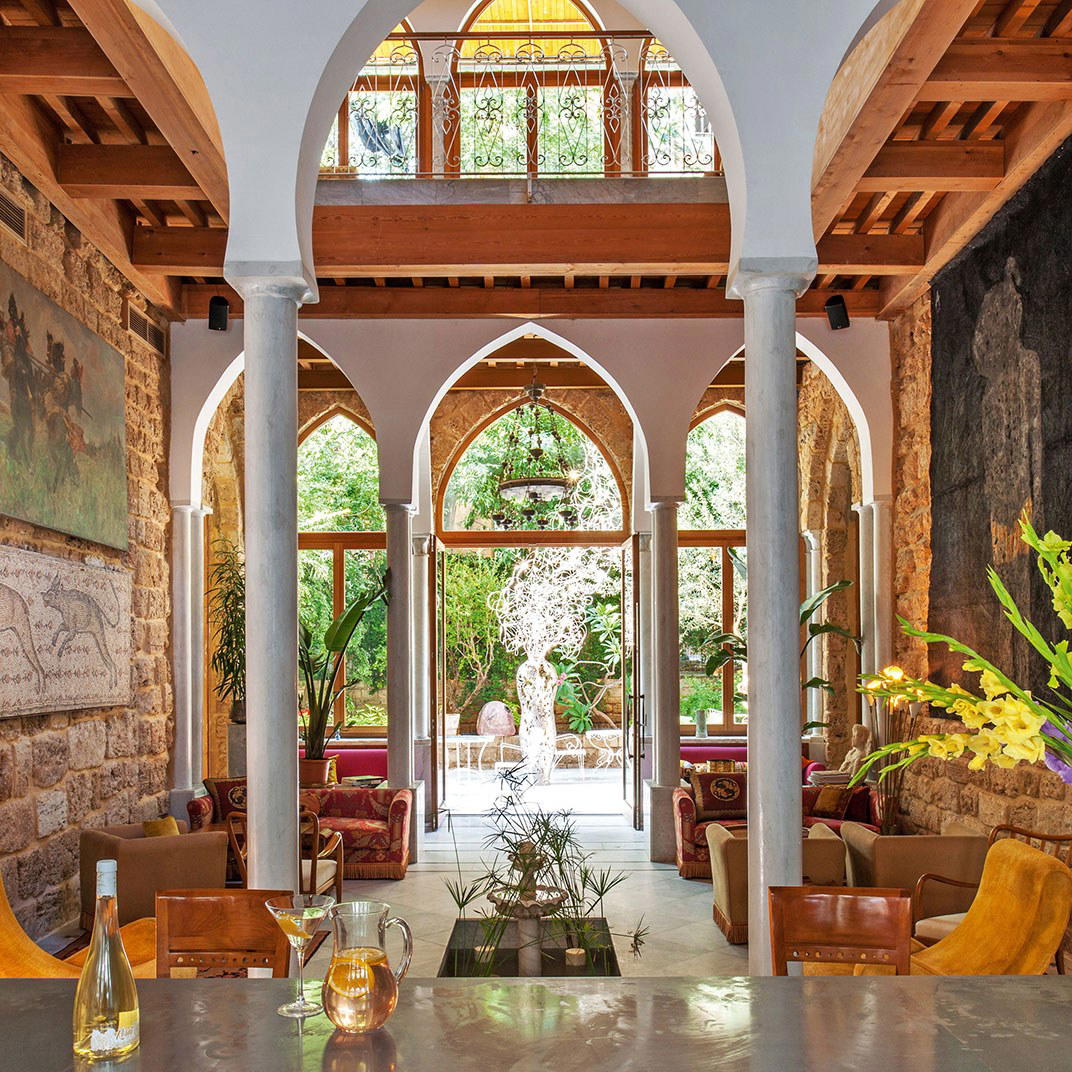
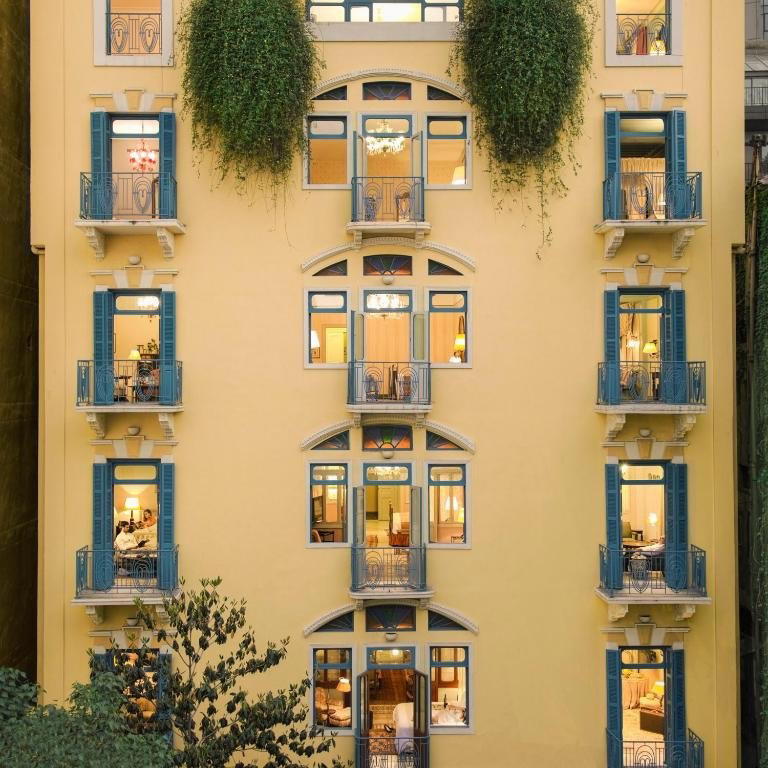
Arriving in Byblos's old city quarter, the urban texture shifts in a way that few Lebanese towns replicate. Stone lanes, Ottoman-era architecture, Roman columns visible between buildings, the sensory register is immediately different from Beirut's dense urban sprawl. Restaurants within this zone, Feniqia among them, operate in spaces where the physical environment contributes something that no interior designer could engineer from scratch. The combination of sea air, aged stone, and the ambient sound of a working port gives the area a dining atmosphere that is specific to this latitude and this history.
The name Feniqia itself references the Phoenicians, the seafaring civilization that made Byblos one of the ancient world's great port cities and gave the Mediterranean much of its early trade in cedar, purple dye, and, notably, the alphabet. That etymology isn't incidental. It frames the restaurant's relationship to place as one of deliberate historical continuity, not mere geographical coincidence.
Planning Your Visit
Byblos is approximately 37 kilometers north of Beirut along the coastal highway. The old city is compact and walkable once you arrive, with the port, the archaeological sites, and the main restaurant strip all within a short radius. Visiting on a weekday reduces competition for tables at the more sought-after spots and gives you the old souk in a quieter register. Lebanon's dining culture tends toward late evenings, and Feniqia is open daily from 10 AM to 12:30 AM. For a broader planning perspective, the approaches used at Kitchen Garage in Aley, where the journey to the venue is part of the experience, offer a useful analogy for how to think about the Byblos trip as a half-day proposition rather than a standalone dinner reservation.
For international reference points on how ingredient-sourcing restaurants operate at different ambition levels, Lazy Bear in San Francisco and Atomix in New York show how the format scales with formal recognition. Le Bernardin in New York, Emeril's in New Orleans, and HAJIME in Osaka each illustrate how deeply a kitchen can embed itself in a regional ingredient tradition when the commitment is structural rather than seasonal.
In Context: Similar Options
Comparable venues nearby, for context on price, style, and recognition.
| Venue | Cuisine | Price | Notes |
|---|---|---|---|
| FeniqiaThis venue — the venue you are viewing | Modern Lebanese-Mediterranean Fusion | $$ | Not listed |
| Malak Al Tawouk | Lebanese Tawouk & Fast Food | $$ | Dora |
| Hanna Mitri | Traditional Lebanese Bouza & Sweets | $ | Achrafieh |
| M. Sahyoun Falafel | Lebanese Falafel | $ | Ras El-Nabeh |
| Onno Bistro - Bourj Hammoud | Traditional Lebanese-Armenian Cuisine | $$ | Bourj Hammoud |
| Kitchen Garage | Modern Lebanese | $$ | Aley |
Continue exploring
More in Byblos
Restaurants in Byblos
Browse all →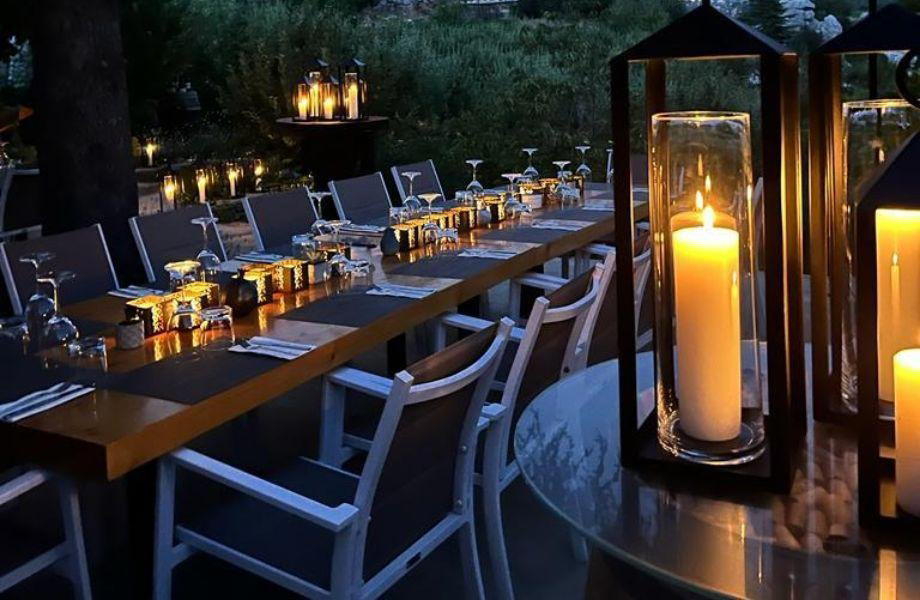
Bars in Byblos
Browse all →
Hotels in Byblos
Browse all →

At a Glance
- Lively
- Modern
- Cozy
- Date Night
- Group Dining
- Celebration
- Historic Building
- Street Scene
Current opening hours
- Monday
- 10 AM–12:30 AM
- Tuesday
- 10 AM–12:30 AM
- Wednesday
- 10 AM–12:30 AM
- Thursday
- 10 AM–12:30 AM
- Friday
- 10 AM–12:30 AM
- Saturday
- 10 AM–12:30 AM
- Sunday
- 10 AM–12:30 AM
Hours can change for holidays and private events. Last verified .
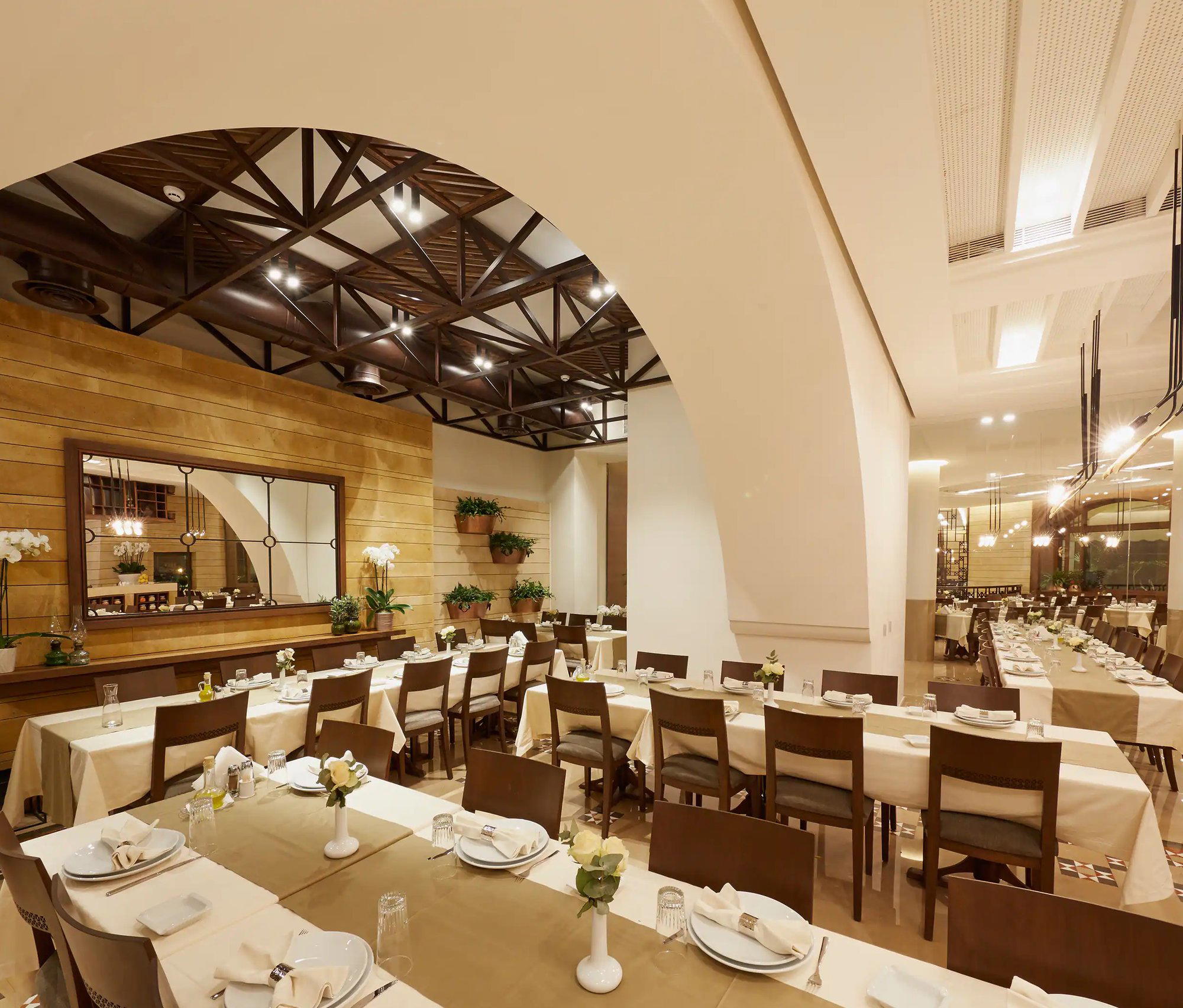
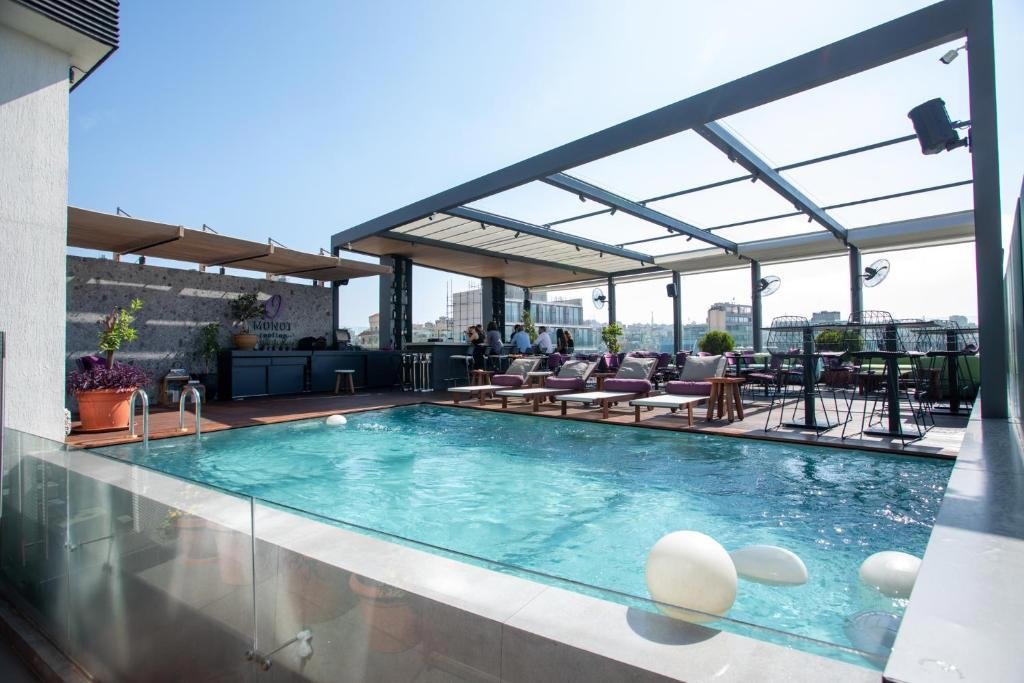
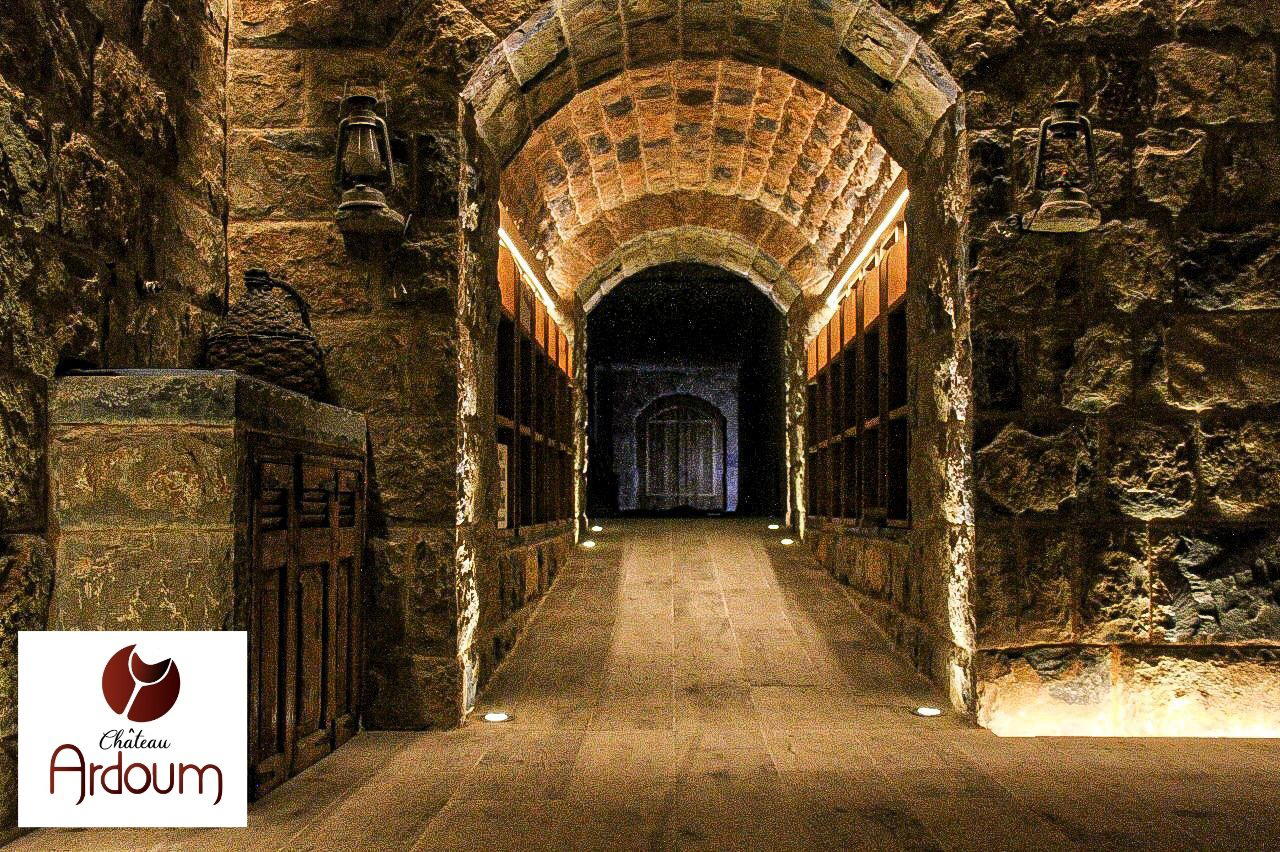
Wood-and-stone tavern-style with lively atmosphere blending tradition and modernity.