
Takumi Sushi Owana sits on the fourth floor of a quiet Ebisuminami building, where Michelin Plate recognition (2024, 2025) reflects a counter that operates well outside Ginza's premium sushi corridor. The format alternates nigiri with inventive drinking snacks, rice is seasoned with either red or white vinegar depending on the cut, and the tuna-and-pickled-daikon nigiri shaped like o-hagi rice cakes signals a lineage passed directly from mentor to apprentice.
Pearl is the En Primeur Club membership app — saves, bookings, and concierge access live there. Same editors, same standards.
- Address
- Japan, 〒150-0022 Tokyo, Shibuya, Ebisuminami, 1 Chome−17−17 4F
- Phone
- +81 3-5725-2020
- Website
- takumisushiowana-japan.com
- Directions
- Get directions
 Saves & bookings on Pearl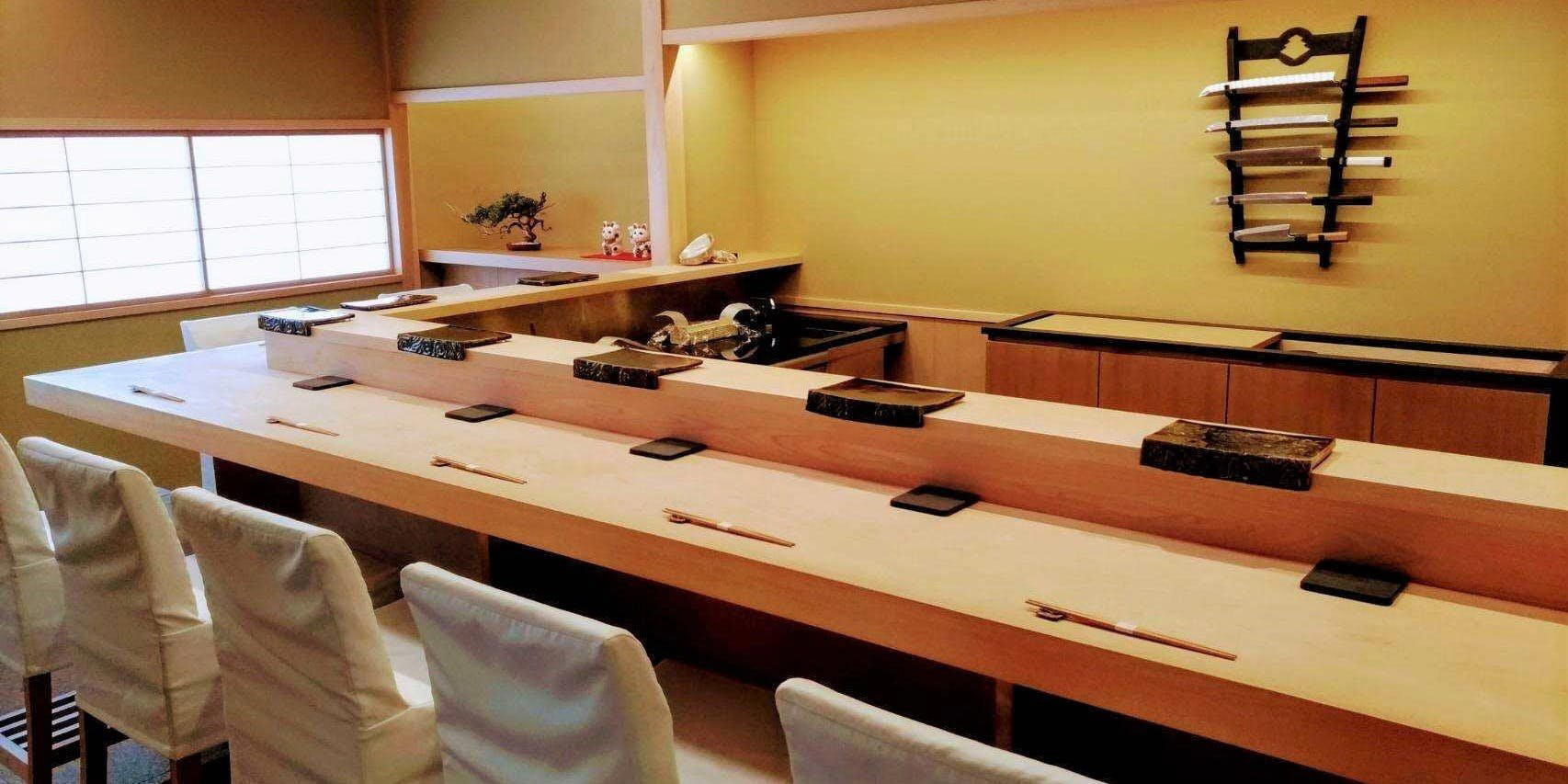
Sushi in Ebisu: A Residential District with Its Own Logic
Tokyo's sushi geography tends to compress into two familiar narratives: the Ginza omakase corridor, where counters like Sushi Kanesaka and Harutaka compete inside a dense, high-visibility district, and the scattered residential-neighbourhood counter that operates on different terms entirely. Ebisu and its immediate southern pocket, Ebisuminami, belong to the second category. The area sits roughly twenty minutes from Ginza by train, draws a local professional clientele rather than destination diners, and has historically supported a different kind of sushi house: technically serious but atmospherically lower-key, priced at the summit of the market without the theatre that Ginza real estate tends to demand.
Takumi Sushi Owana occupies the fourth floor of a building on Ebisuminami 1-chome, removed from the foot traffic that concentrates around Ebisu Station's west exit. That location is a signal before you sit down. Counters positioned this way, above street level in a residential-leaning block, tend to rely on repeat clientele and word-of-mouth booking rather than walk-in discovery. The Michelin recognition confirms the kitchen's standing without placing it in the starred bracket occupied by Sukiyabashi Jiro Roppongiten or the more formal omakase houses further north.
Format and Lineage at the Counter
The format at Takumi Sushi Owana follows a structure common to mid-tier omakase counters that take drinking seriously: nigiri alternates with tsumami, the drinking snacks that punctuate the progression and give the meal a rhythm closer to an izakaya kaiseki than a pure sushi sequence. This format has gained ground across Tokyo in the last decade, partly because it allows chefs to demonstrate range beyond the nigiri canon, and partly because it suits diners who want the evening to breathe rather than proceed at the compressed pace of a pure nigiri counter.
The drinking snacks at this counter are where the kitchen shows its inventiveness most clearly. Preparations like baked and steeped barracuda with eggplant, and conger eel grilled with Saikyo miso, draw on established Edomae technique while applying them to secondary ingredients. Compared to the more austere tsumami programs at counters like Edomae Sushi Hanabusa, this approach tilts toward generosity and surprise rather than restraint.
Rice seasoning here is not fixed. The kitchen uses either red or white vinegar depending on the cut being served, a distinction that matters more than it might initially appear. Red-vinegar shari (the shari of old Edo tradition, made from sake lees) tends to carry more umami and pairs differently with aged fish than the brighter, sharper white-vinegar version. Maintaining both and switching between them according to the fish reflects a level of rice craft that is not universal even among serious Edomae practitioners. For context on how different Tokyo counters approach this question, Hiroo Ishizaka in the adjacent residential district of Hiroo offers a useful comparison within the same neighbourhood tier.
The O-Hagi Nigiri and What Inherited Technique Signals
Among the details in the public Michelin record, one preparation is distinctive for what it communicates about the counter's identity: tuna and pickled daikon radish nigiri shaped to resemble o-hagi, the traditional Japanese sweet of rice coated in sweetened red bean paste. The shape is not aesthetic novelty. It is a direct inheritance from the chef's mentor, passed down alongside the shop's name itself. In Japanese craft culture, this kind of formal transmission, technique, form, and name transferred together, carries weight that a Western audience might underestimate. It positions the counter inside a specific lineage rather than as an independent creative project.
This matters in the context of Tokyo's sushi scene, where lineage functions as a form of credibility documentation. The Kanesaka line, the Saito line, the Jiro line: counters in Ginza and beyond are often mapped not just by their own awards but by who trained whom. At Takumi Sushi Owana, the mentor connection is embedded in the menu itself, made legible every time the o-hagi-shaped nigiri appears. The inspectors clearly read the kitchen's seriousness correctly, even if the residential Ebisu address kept it outside the more prominent recognition tiers.
Positioning in Tokyo and Across Japan
Within Tokyo's broad sushi offering, the restaurant sits in the tier of independent counters with Michelin recognition and a ¥¥¥¥ price point that nonetheless operate outside the major sushi districts. This is a growing cohort. As Ginza rents have pushed some chefs toward Shibuya-ward addresses, and as Ebisu and Daikanyama have attracted a younger, well-paid professional demographic, the residential-neighbourhood counter has gained legitimacy it previously lacked.
For readers building a Japan itinerary around serious dining, the comparison set extends well beyond Tokyo. HAJIME in Osaka and Gion Sasaki in Kyoto illustrate how the premium dining conversation shifts register entirely across cities, while akordu in Nara, Goh in Fukuoka, 1000 in Yokohama, and 6 in Okinawa each define what serious cooking looks like at the regional level. For sushi specifically at the international level, Sushi Shikon in Hong Kong and Shoukouwa in Singapore represent the diaspora of Edomae technique that Tokyo trained chefs have carried into Southeast Asia.
Planning Your Visit
The restaurant is located at 1 Chome-17-17 Ebisuminami, Shibuya, Tokyo, on the fourth floor. Ebisu Station on the JR Yamanote Line and Tokyo Metro Hibiya Line is the nearest access point; the address is a short walk south of the station. The ¥¥¥¥ price tier positions the meal in the upper range of Tokyo's sushi market, consistent with what two consecutive years of Michelin attention implies.
Comparable Spots, Quickly
Comparable venues nearby, for context on price, style, and recognition.
| Venue | Cuisine | Price | Awards | Notes |
|---|---|---|---|---|
| Takumi Sushi OwanaThis venue — the venue you are viewing | Edomae Omakase Sushi | $$$$ | Michelin Plate | Not listed |
| Tasogare | Modern Japanese Bistro with European Influences | $$$$ | Michelin Plate | Minato |
| Fugu Club miyawaki Bettei | Modern Fugu Fine Dining | $$$$ | Michelin Plate | Chūō |
| Tori-Shiki | Modern Yakitori Omakase | $$$$ | Not listed | Shinagawa |
| 東麻布 天本 - Amamoto | Modern Edomae Omakase | $$$$ | Not listed | Minato |
| Kurogi | Tokyo Kappo | $$$$ | Not listed | Minato |
Recognition history
Dated appearances from independent guides and award organizations, with the underlying list record or original source where available.
Michelin Plate
Michelin
Michelin Plate
Michelin
Michelin Plate
Michelin












At a Glance
- Elegant
- Intimate
- Sophisticated
- Date Night
- Special Occasion
- Chefs Counter
- Sake Program
Current opening hours
- Monday
- Closed
- Tuesday
- 5:30–10 PM
- Wednesday
- 12–1:30 PM, 5:30–10 PM
- Thursday
- 5:30–10 PM
- Friday
- 5:30–10 PM
- Saturday
- 12–2 PM, 5:30–10 PM
- Sunday
- 3–8 PM
Hours can change for holidays and private events. Last verified .
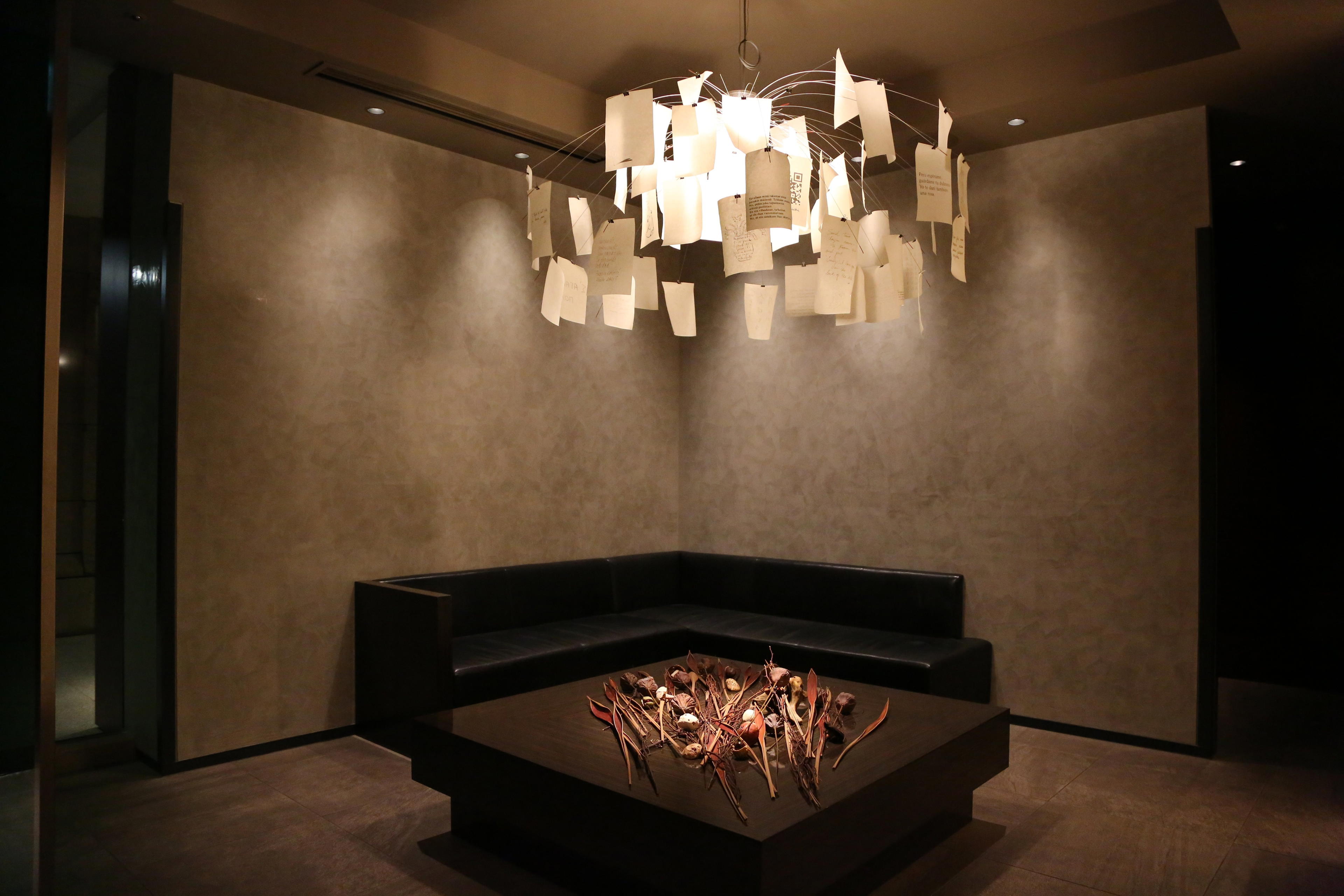
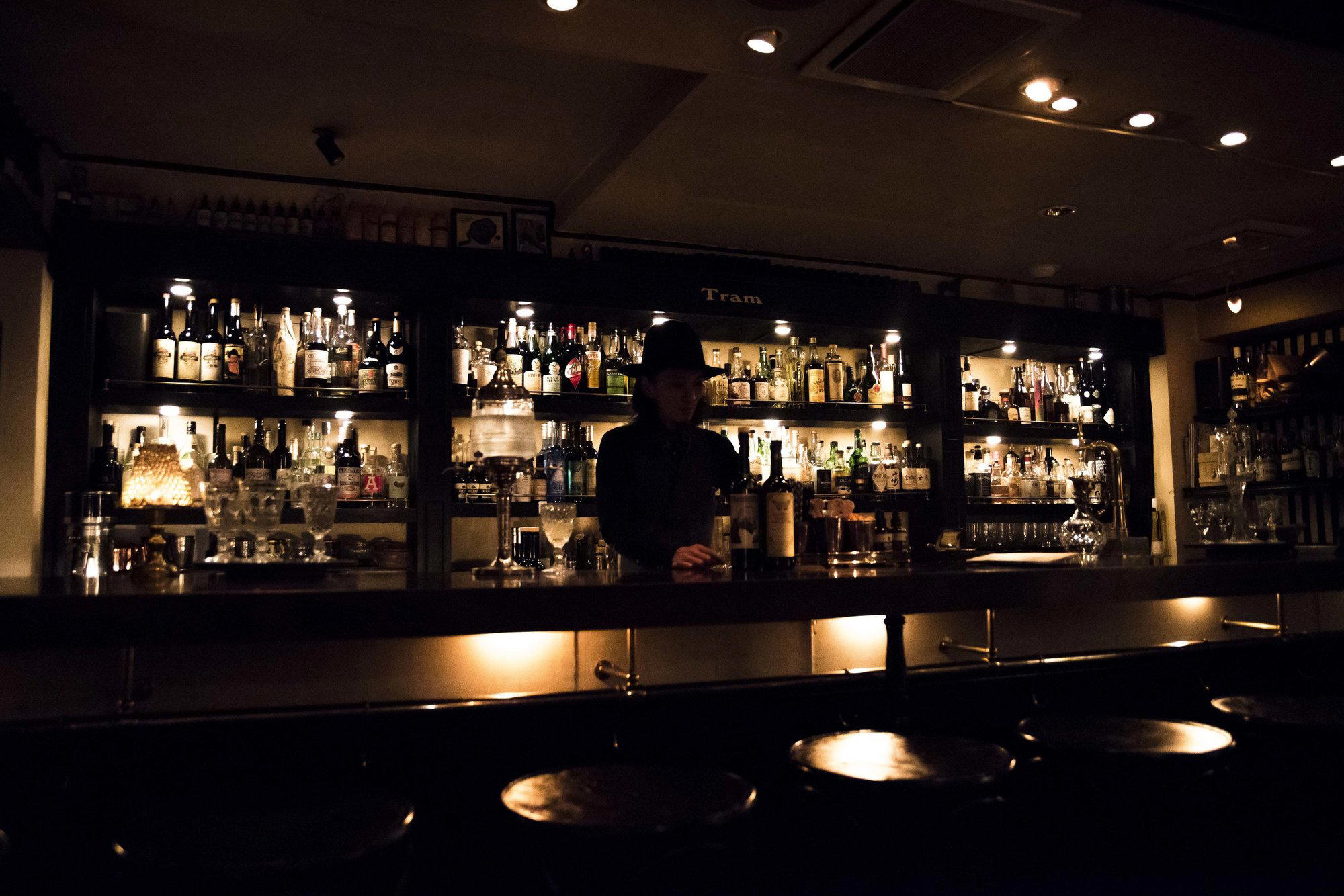
Intimate counter seating in a relaxing, hidden 4F space with practiced chef synchrony and English-speaking service creating a sophisticated yet approachable atmosphere.