


La Liste Top Restaurants · Tabelog Silver #146
Our verdict
The Meguro restaurant runs a 12-seat counter under chef Yoshiteru Ikegawa, with Tabelog Award Silver recognition in 2026, a 4.42 Tabelog score, La Liste 92 points and a 2026 OAD Japan ranking at number 14.

Pearl is the En Primeur Club membership app, where members save venues, book tables and use the concierge.
The menu
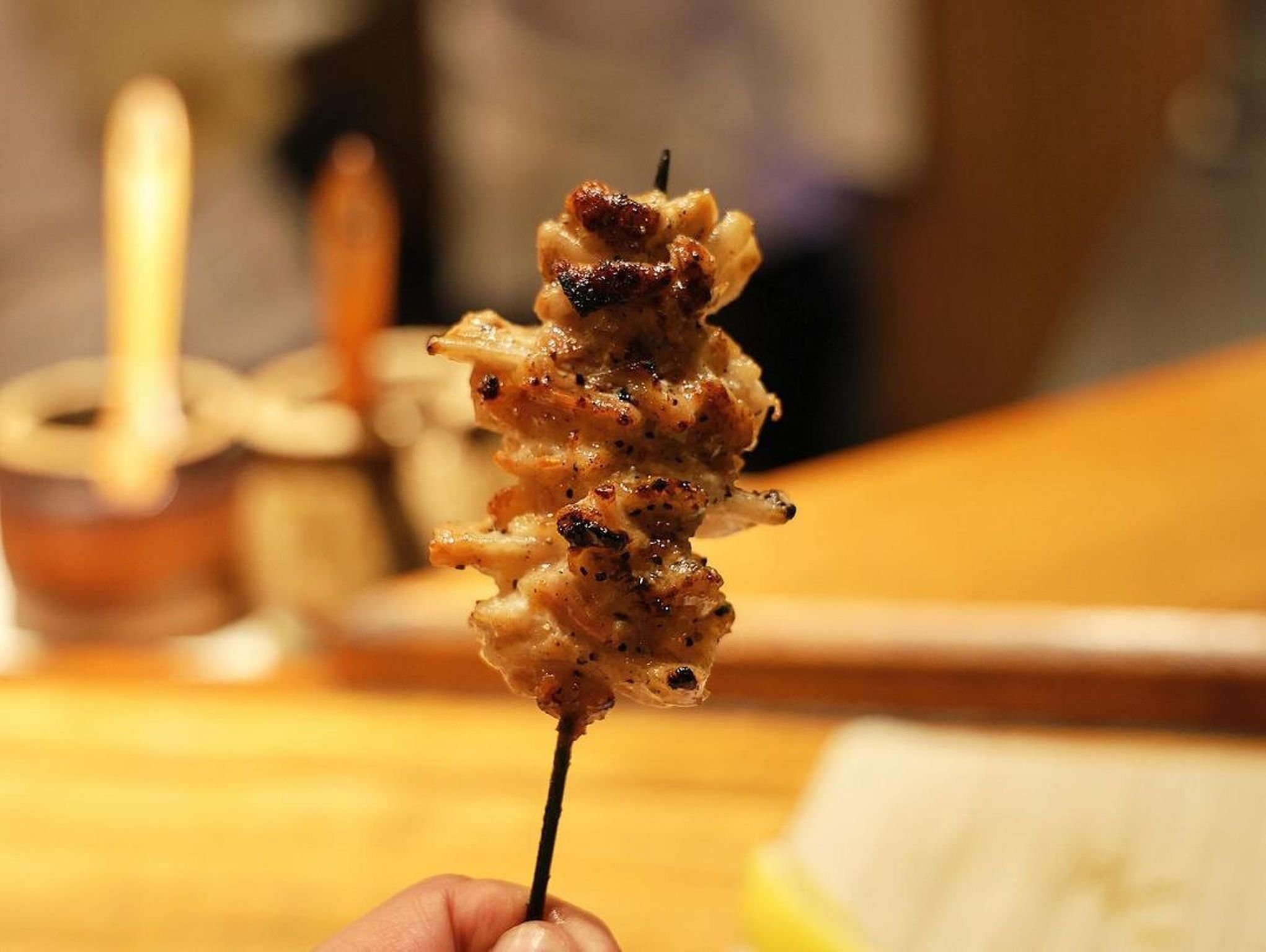
What to order
- Kappa (cartilage)
- Segimo (kidney)
- Ground chicken
- Chicken liver
Tori-Shiki’s public recognition places it in a narrow tier. It was ranked number 14 on Opinionated About Dining’s 2026 Japan restaurant list, carries a 92-point La Liste score for 2026, and received a Tabelog Award Silver in 2026 with a 4.42 score. The Tabelog history is telling, with Gold awards from 2017 through 2022 and Silver awards from 2023 through 2026, alongside repeated selection for Tabelog’s Yakitori 100 lists.enprimeurclub.enprimeurclub.enprimeurclub.enprimeurclub.enprimeurclub.
The counter is the room, not a seating plan
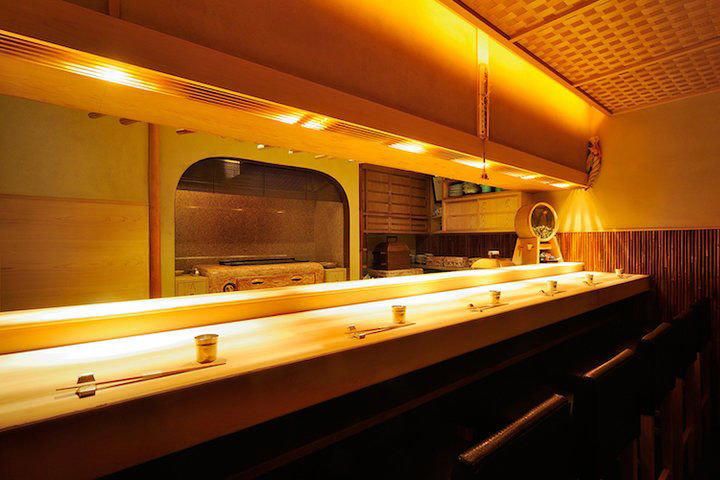
Chef Yoshiteru Ikegawa’s name matters as a credential, but the stronger editorial point is the counter system around him. With only 12 counter seats, the scale supports cooking where the diner reads the sequence in real time: skewers moving between heat zones, restrained seasoning, and pacing set by the grill rather than a printed menu. Yakitori of this caliber often feels less formal than sushi while demanding comparable concentration from the kitchen. This is no longer a category locked to beer and casual after-work drinking. Sake and shochu hold the Japanese register; wine acknowledges the fat, smoke and salt that make chicken a flexible pairing subject. The room is non-smoking, counter-only and adult in tone, with minors asked not to enter. That policy shifts the social energy: dinner among people who came for the grill, not a family compromise or broad group venue.
Price perception needs context. Tabelog lists dinner budget guidance at JPY 8,000 to JPY 9,999, while review-based spending appears much higher at JPY 30,000 to JPY 39,999. That spread is common in Japanese listings, where base guidance and actual evening spend diverge through drinks, ordering patterns or menu structure. That suits yakitori. The form works better when the room keeps attention on craft, heat and sequence rather than grand arrival. Here, the argument runs through chicken and control of fire, making the restaurant especially relevant for travelers who care about technique and sourcing more than ceremony.
Planning is less forgiving than the modest scale suggests. Reservations are handled by phone two months ahead on the first business day of the month, with a defined calling window published for future months; fax reservations are not accepted. Service runs Wednesday through Saturday evening, with closures on Monday, Tuesday and Sunday. Credit cards including Visa, Master, JCB and Diners are accepted, while electronic money and QR payments are not. There is no parking. Takeout bento boxes and skewers are listed separately, including Yakitori Bento at JPY 3,500 and Soboro Bento at JPY 3,300 from May 2025.
The broader city context helps calibrate expectations. For Japanese dining beyond the capital, EP Club also tracks Ayamuya, Yakitori in Osaka, Birdie, Yakitori in Hong Kong, -Grilled beef Sukiyaki- KAMAKURA TANUKIAN 鎌倉 たぬき庵 in Kamakura, [ki:] in Kyoto.cafe in Osaka.know in Kumamoto, (Shoku) Vietnam in Kawasaki and [Curry Senmon Ten] Maruyama Kyoju. in Sapporo.
Frequently asked questions
Is Tori-Shiki a family-friendly restaurant?
Not really. The restaurant asks that minors refrain from entering, and service is built around a 12-seat counter in Tokyo’s Shinagawa City address on Kamiosaki.
How would you describe the vibe at Tori-Shiki?
It is a counter-led yakitori room with a restrained, house-like feel rather than a large dining room. The setup is 12 counter seats, non-smoking, with Tuesday and Sunday closed and Thursday-to-Saturday dinner service.
What style of cooking does Tori-Shiki do?
Tori-Shiki serves Yakitori cuisine.
Is Tori-Shiki open every day?
Hours at Tori-Shiki: Hours: Monday Closed Tuesday Closed Wednesday 5–10 pm Thursday 5–10 pm Friday 5–10 pm Saturday 5–10 pm Sunday Closed.
Where is Tori-Shiki in Tokyo?
Tori-Shiki is located in Tokyo.
Compact Comparison
Comparable venues by cuisine and price in the same metro.
| Venue | Cuisine | Price | Awards | Notes |
|---|---|---|---|---|
| Tori-ShikiThis venue (the venue you are viewing) | Modern Yakitori Omakase | $150–200 | La Liste Top Restaurants · Tabelog Silver #146 | Not listed |
| Yakitori Abe | Yakitori | $50–100 | Michelin Bib Gourmand · Tabelog 100 #6 | Not listed |
| Ranjatai | Michelin-Starred Yakitori Omakase | $50–100 | Not listed | Yakitori |
| Toriki | Michelin-Starred Yakitori Omakase | $50–100 | Not listed | Yakitori |
| Minami Aoyama Nanachome | Premium Yakitori | $200–300 | Tabelog Bronze #309 | Yakitori |
| Chataro | Premium Yakitori Omakase | $100–150 | Tabelog Silver #13 | Yakitori |
Recognition history
Dated appearances from independent guides and award organizations, with the underlying list record or original source where available.
La Liste Top Restaurants
La Liste
Opinionated About Dining Top Restaurants in Japan Ranked #14
Opinionated About Dining
Tabelog Silver #146
Tabelog
Full recognition history (9 entries)
La Liste Top Restaurants
La Liste
Opinionated About Dining Top Restaurants in Japan Ranked #12
Opinionated About Dining
Tabelog 100 #13 · No. 13
Tabelog · Tabelog 100 - Yakitori - EAST - 2025
Tabelog Silver
Tabelog
Opinionated About Dining Top Restaurants in Japan Ranked #15
Opinionated About Dining
Opinionated About Dining Top Restaurants in Japan Ranked #25
Opinionated About Dining
Continue exploring
More in Tokyo
Restaurants in Tokyo
All restaurants in Tokyo →
Bars in Tokyo
All bars in Tokyo →




Details
- Intimate
- Elegant
- Sophisticated
- Special Occasion
- Date Night
- Chefs Counter
- Open Kitchen
- Sake Program
- Omakase
- Counter Dining
- Sake
- Shochu
- Wine
Current opening hours
- Monday
- Closed
- Tuesday
- Closed
- Wednesday
- 5–10 PM
- Thursday
- 5–10 PM
- Friday
- 5–10 PM
- Saturday
- 5–10 PM
- Sunday
- Closed
Hours can change for holidays and private events. Hours as of .
Serene and relaxing counter-only space with mesmerizing views of the open kitchen and chef's precise grilling technique.