
Michelin Plate
Our verdict
A Michelin Plate-recognised French address in Azabujuban where the menu is a blackboard and the kitchen doesn't take itself too seriously. Foie gras with Danish pastry and asparagus with zabaglione signal the register: technique applied with deliberate playfulness. The name means 'twilight', and that's the hour the doors open, a cue for how the evening is meant to unfold.

Pearl is the En Primeur Club membership app, where members save venues, book tables and use the concierge.
The menu
What to order
- Foie Gras Millefeuille à la Danoise
- White Asparagus with Warm Sake Zabaglione
- Vinegared Kohada with Sudachi and Young Ginger
- Wagyu Shin Stew with Glazed Root Vegetables
- Oyster Meuniere with Hash Browns
The Hour Things Begin
Tokyo's French restaurant tier has, over the past decade, fractured into distinct registers. At one end sit the grand European-format rooms Château Restaurant Joël Robuchon and its peers, carrying the formality of the French classical tradition into a Japanese setting. At the other end, a smaller cohort of rooms has emerged where French technique is applied with considerably less ceremony, where the blackboard matters more than the bound menu, and where the meal is structured around a different set of priorities. Tasogare, on the third floor of a building in Azabujuban's Minato City, occupies that second register, and its name tells you something important about the approach: tasogare means twilight, and the kitchen doesn't open until that hour arrives.
That choice isn't incidental. In a city where early seatings and pre-theatre schedules are common, opening at dusk signals a deliberate pacing, this is an evening address, not a daytime proposition. The darkness outside is part of the atmospheric contract. Azabujuban itself reinforces the tone: an established neighbourhood that sits between the high-visibility restaurant clusters of Roppongi and the quieter residential stretches further south, known for independent operators rather than destination-dining spectacle. The area supports the kind of room where regulars return often and the crowd isn't defined by tourism.
Reading the Blackboard
The format here is a blackboard menu, a deliberate structural choice that shapes the ritual of the meal before a single dish arrives. Blackboard formats communicate something specific: the kitchen decides what's available that day, and the guest reads the room rather than arriving with fixed expectations. It shifts the dynamic from order-placement to collaboration, and it rewards guests who are willing to be led.
What the blackboard at Tasogare tends to carry is French technique in conversation with Japanese ingredients and sensibility. The combinations documented by Michelin's inspectors give a clear signal of register: foie gras paired with Danish pastry, asparagus finished with zabaglione. These are not random provocations. Foie gras with a laminated, buttery pastry plays fat against fat while introducing textural contrast, the richness of the liver against the flake and crunch of the dough. Asparagus with zabaglione is a looser, more seasonal idea, applying an Italian egg-yolk emulsion where a French béarnaise or hollandaise might conventionally appear. Both combinations suggest a kitchen that has absorbed the logic of classical pairing and then applied it sideways.
The Michelin citation also references vinegared fish and stew as expressions of Japanese culinary essence, which positions Tasogare closer to the Franco-Japanese synthesis tradition than to a strictly European import. This is a meaningful distinction in Tokyo's French dining scene. L'Effervescence, Sézanne, and ESqUISSE all sit at the ¥¥¥¥ tier and carry Michelin stars; they represent the serious, multi-course tasting format that commands international attention. Tasogare holds a Michelin Plate at the ¥¥¥ price point, which places it in a different competitive set, not a lesser one, but one defined by different values. The Plate designation indicates food quality that Michelin considers worth noting without the formality of the star system. For a blackboard-format room with playful combinations and a twilight-only schedule, that calibration makes sense.
The Pacing of the Meal
The ritual of dining here is shaped by its informality as much as its technique. Blackboard menus don't lend themselves to long pre-visit research; guests arrive to discover what's available rather than to execute a pre-planned order. That changes the tempo of the opening minutes and, by extension, the entire meal. There is no menu to study on the walk over, no dish to anticipate across multiple courses. The format asks for presence.
Once seated, the meal at this price tier in Tokyo typically unfolds at a pace determined by the kitchen rather than the guest. At ¥¥¥ French addresses, the expectation is usually a multi-course progression, starters into mains into dessert, but without the ceremonial weight of the tasting-menu format that characterises starred rooms like Florilège. The playfulness embedded in the Michelin description suggests that courses arrive with some surprise intact. The combinations on the board, foie gras and Danish pastry, zabaglione and asparagus, point toward a kitchen that values the element of the unexpected, which means the meal's rhythm is partly built around that discovery.
For guests accustomed to the precision choreography of Tokyo's starred French rooms, this represents a different contract. For those who find that choreography occasionally exhausting, Tasogare's approach offers relief without sacrificing craft. The Michelin Plate signals that the cooking is taken seriously; the blackboard and the twilight-only hours signal that the atmosphere is not.
Placing Tasogare in Tokyo's French Tier
Tokyo holds more Michelin-starred French restaurants than most French cities, a fact that has been noted regularly since the guide expanded its Tokyo coverage in 2007. The concentration of technical skill across the city's French addresses means that even restaurants outside the star tier are operating at a level that would attract significant attention elsewhere. The Michelin Plate at Tasogare sits within that broader context: the bar for Plate recognition in Tokyo is higher than in most markets.
Within Japan more broadly, the French tradition has taken distinct regional forms. HAJIME in Osaka applies three-star rigour to a nature-philosophy framework. akordu in Nara brings a European lens to a temple-town setting. Gion Sasaki in Kyoto and Goh in Fukuoka operate in cities where French influence has merged with strong local traditions. Internationally, addresses like Hotel de Ville Crissier in Crissier and Les Amis in Singapore represent the French fine-dining tradition in different geographic contexts. Tasogare's position within this wider set is specific: a Franco-Japanese synthesis, at a middle price tier, operating with deliberate informality and a format built around discovery rather than anticipation.
Planning the Visit
Tasogare is located at 2 Chome-6, Azabujuban, Minato City, Tokyo, on the third floor. The restaurant opens at twilight, that timing is a defining feature of the experience, not a practical inconvenience, and planning around it means treating the evening as the main event rather than slotting it into a broader schedule. Azabujuban is accessible via the Toei Oedo and Tokyo Metro Namboku lines, making the neighbourhood direct to reach from central Tokyo. At the ¥¥¥ price point, Tasogare sits below the ¥¥¥¥ tier occupied by starred French addresses in the city, which makes it a considered entry point for the Franco-Japanese synthesis tradition without the booking competition or price commitment of the starred rooms.
Phone and booking details are not listed in public directories at the time of writing; the most reliable approach is to confirm current reservation access through Tokyo-based concierge services or to check directly at the address. For broader context on planning time in Tokyo, our full Tokyo restaurants guide maps the city's dining tiers, and our guides to Tokyo hotels, Tokyo bars, Tokyo wineries, and Tokyo experiences cover the wider picture. For those planning a broader Japan itinerary, 1000 in Yokohama and 6 in Okinawa represent further points on the country's restaurant map.
What to Order at Tasogare
The blackboard format means no fixed menu exists to recommend against, which is itself part of the answer. The Michelin citation references foie gras with Danish pastry and asparagus with zabaglione as representative combinations, dishes that demonstrate the kitchen's willingness to apply classical French technique through unexpected pairings. Vinegared fish and stew are also cited as expressions of Japanese culinary sensibility within the French framework. The practical approach is to arrive open to whatever is written up that evening and to ask the room's staff which combinations leading represent the current direction. The ESqUISSE and Florilège style of fixed tasting architecture doesn't apply here; the value is in surrendering the pre-visit plan and reading the board on arrival. That is the dining ritual Tasogare is built around, and working with it rather than against it is the most reliable way to get the meal right.
Frequently asked questions
What's the pricing like at Tasogare?
Pricing at Tasogare is listed as ¥¥¥.
What kind of recognition has Tasogare received?
Tasogare has received recognition including: Tasogare means ‘twilight’, and that’s when the doors open, to ensure guests an enjoyable visit. Fun is on the blackboard menu, with combinations that make visions of deliciousness dance before the eyes - foie gras with Danish pastry, for ex….
What should I order at Tasogare?
The blackboard changes nightly, so there is no fixed menu to plan against, that flexibility is the format. The Michelin citation calls out foie gras with Danish pastry and asparagus with zabaglione as representative pairings, alongside vinegared fish and stew that draw on Japanese technique. Arriving at twilight opening and working through whatever is written on the board that evening is the intended approach.
Comparison Snapshot
| Venue | Cuisine | Price | Awards | Notes |
|---|---|---|---|---|
| TasogareThis venue (the venue you are viewing) | Modern Japanese Bistro with European Influences | $150–200 | Michelin Plate | Not listed |
| Harutaka | Edo-Style Omakase Sushi | $200–300 | 3 Michelin Stars · World's 50 Best #76 | Sushi |
| RyuGin | Modern Kaiseki | $500+ | 3 Michelin Stars · World's 50 Best #41 | Kaiseki, Japanese |
| L'Effervescence | Modern French with Japanese Influences | $200–300 | 3 Michelin Stars · World's 50 Best #69 | French |
| HOMMAGE | Modern French with Japanese Influences | $150–200 | 2 Michelin Stars · World's 50 Best #78 | Innovtive French, French |
| MAZ | Innovative Peruvian-Japanese Fusion | $150–200 | 2 Michelin Stars · World's 50 Best #28 | Innovative |
Recognition history
Dated appearances from independent guides and award organizations, with the underlying list record or original source where available.
Michelin Plate
Michelin
Full recognition history (3 entries)
Michelin Plate
Michelin
Michelin Plate
Michelin
Continue exploring
More in Tokyo
Restaurants in Tokyo
All restaurants in Tokyo →

Bars in Tokyo
All bars in Tokyo →



Details
- Intimate
- Elegant
- Sophisticated
- Whimsical
- Minimalist
- Date Night
- Special Occasion
- Solo
- Chefs Counter
- Open Kitchen
- Standalone
- Sake Program
- Sommelier Led
- Local Sourcing
- Sustainable Seafood
- Tasting Menu
- Counter Dining
- Prix Fixe
- Sake
- Grower Champagne
- Burgundy Wine
- Allergy Accommodating
Current opening hours
- Monday
- 5 PM–12 AM
- Tuesday
- 5 PM–12 AM
- Wednesday
- 5 PM–12 AM
- Thursday
- 5 PM–12 AM
- Friday
- 5 PM–12 AM
- Saturday
- 5 PM–12 AM
- Sunday
- Closed
Hours can change for holidays and private events. Hours as of .
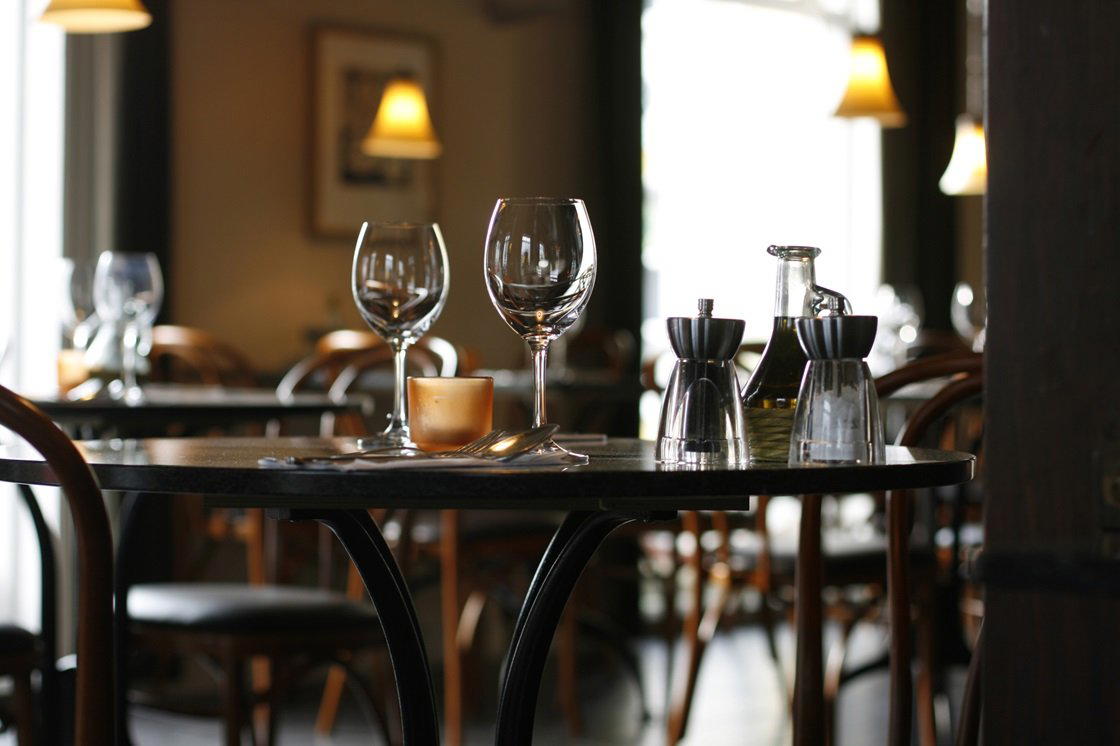
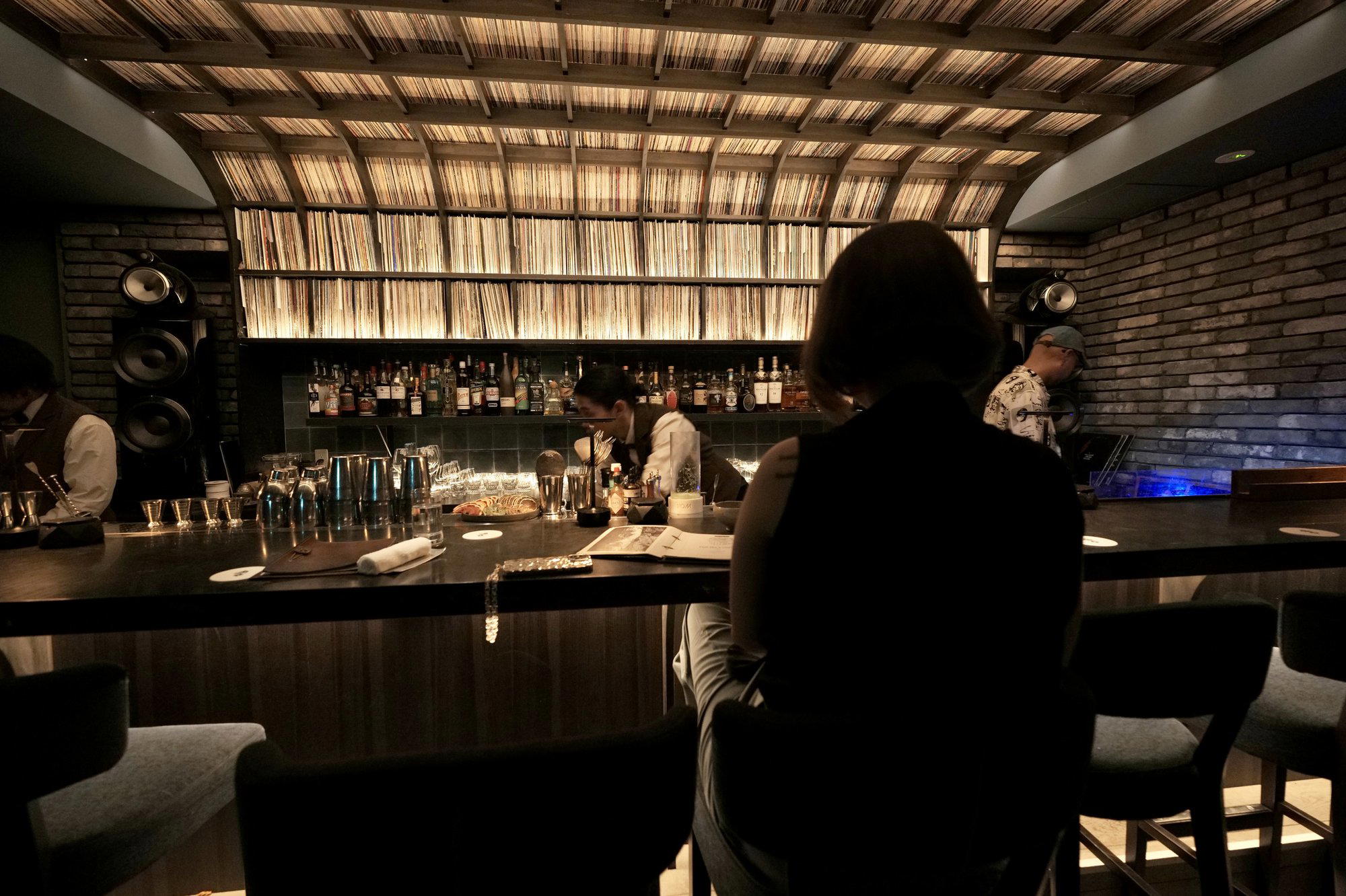
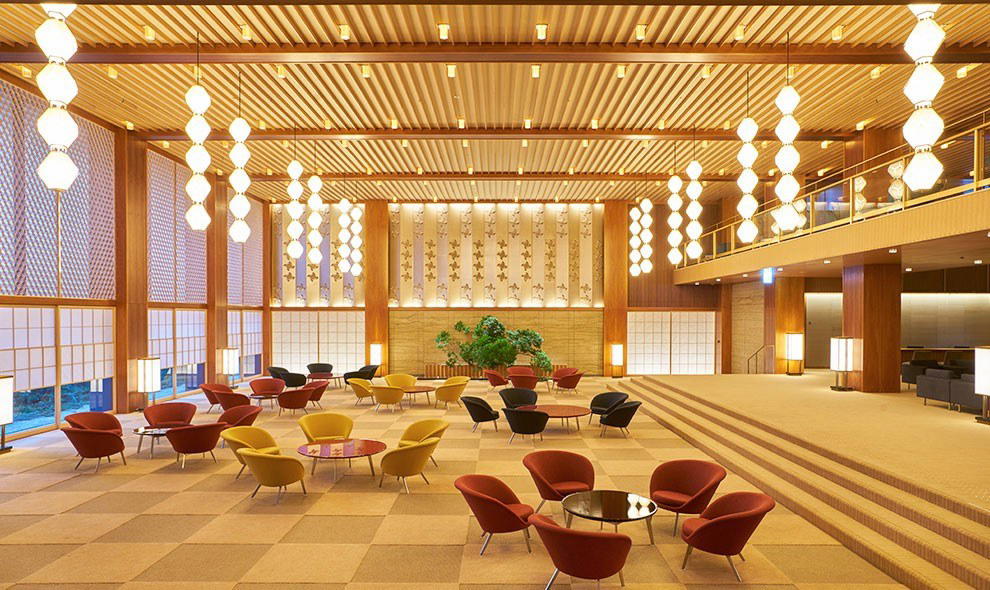
Minimalist, dim-lit interior with charcoal woods and brushed metal that echoes twilight; intimate counter seating with focused lighting creates a warm, inviting atmosphere.