

Michelin Plate
Our verdict
A Michelin Plate-recognised fugu specialist in Tsukiji, Fugu Club miyawaki Bettei positions pufferfish as an everyday celebration rather than a rarefied ritual. Thick-cut sashimi arrives dressed with caviar and olive oil, skin and milt find new form as spring rolls, and pricing is set deliberately below the upper tier of Tokyo's specialist counter scene.

Pearl is the En Primeur Club membership app, where members save venues, book tables and use the concierge.
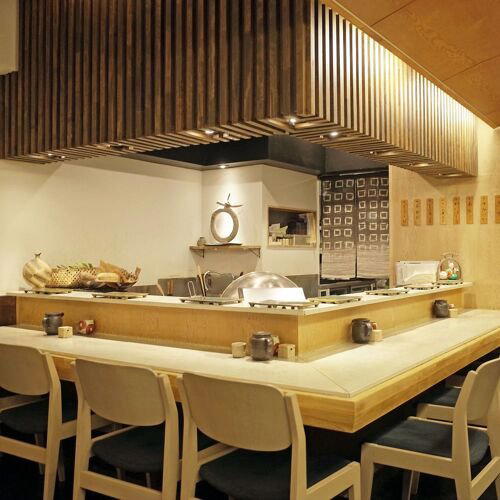
The menu
What to order
- Grilled Fugu with Salt Sauce
- Aged Tessa
- Crispy Fried Fugu
- Fugu Sashimi with Caviar
Fugu in Tsukiji: A Tradition Reframed
Tsukiji's identity has shifted in layers over the decades. The wholesale market relocated to Toyosu in 2018, but the neighbourhood retained its fish-trade character: specialist restaurants, ingredient-focused counters, and a supply-chain intimacy that most Tokyo dining districts can only approximate. Within that context, fugu has long occupied an ambiguous position. Legally restricted to licensed chefs since 1958, it carries the dual reputation of ceremonial delicacy and genuine hazard, a pairing that has historically kept prices high and occasions formal. Fugu Club miyawaki Bettei works deliberately against that inherited formality, treating the fish as something that belongs at a celebratory dinner table rather than behind a velvet rope.
The Approach to Fugu Cuisine Here
Tokyo's fugu restaurants generally divide into two camps: traditional kaiseki-adjacent formats where the fish is served across multiple courses with minimal outside influence, and a smaller group of places experimenting with cross-cultural technique. Fugu Club miyawaki Bettei sits in the second category. Thick-cut sashimi, a departure from the translucent, paper-thin tessa that defines conventional presentation, is dressed with caviar and olive oil. Skin and milt, parts that many kitchens treat as secondary, are reconfigured as spring rolls. Even the stew format, typically a communal nabemono experience, is served in individual portions. The effect is a menu that reads as strictly Japanese in its ingredient focus but draws freely on Western preparation cues where the result is stronger for it.
That kind of cross-referencing has become common at Tokyo's higher-starred counters. L'Effervescence and Sézanne, both three-Michelin-star French restaurants in the city, approach Japanese ingredients through a French technical lens. Crony, a two-star innovative French address, applies similar logic in the other direction. What distinguishes Miyawaki Bettei's version is that it applies the hybrid sensibility to a highly regulated, tradition-bound ingredient rather than to format or service style alone.
Price Tier and What It Signals
The ¥¥¥ pricing at Fugu Club miyawaki Bettei is notable partly because of what it is not. Tokyo's benchmark specialist counters, Harutaka in sushi, RyuGin in kaiseki, sit at ¥¥¥¥, where per-person spend routinely reaches ¥30,000 or beyond. Fugu restaurants at that tier reinforce the fish's ceremonial associations. Miyawaki Bettei's position at ¥¥¥ is not an accident of cost structure: the pricing is a stated editorial choice, premised on making fugu accessible to a broader range of occasions and diners.
For context, ¥¥¥ in Tokyo's specialist restaurant scene typically places a venue in the same bracket as Den, a two-Michelin-star innovative Japanese counter that has built a reputation on approachability alongside technical precision. The comparison is instructive: both venues operate at a price point where the food is serious and the occasion feels considered, but neither demands the full formal-dining protocol of the city's top tier.
Drinks and the Question of Pairing
The editorial angle that most fugu restaurants in Japan have historically neglected is the drinks list. Traditional pairings default to hot sake, specifically hirezake, a warm sake containing a toasted fugu fin, which is functional but narrow. The integration of Western fats (olive oil, caviar) into Miyawaki Bettei's menu opens a different conversation. Dishes dressed with oil and salt minerals read differently against a dry Champagne or a mineral-driven white Burgundy than they do against hot sake. Tsukiji's proximity to Tokyo's central supply networks means access to wine import channels is not an obstacle. What typically limits a specialist fugu restaurant's list is ambition rather than logistics.
For comparison, the broader evolution of Tokyo's pairing culture is visible at addresses like RyuGin, where kaiseki menus now support wine pairing options alongside sake. The direction of travel across the city's serious restaurants is toward lists that accommodate both traditions rather than defaulting to one.
Fugu Cuisine Beyond Tokyo
Fugu's geographic centre of gravity in Japan sits further west. Shimonoseki, the port city in Yamaguchi Prefecture that supplies the majority of Japan's pufferfish, and the broader Kyushu region have the longest operational history with the ingredient. In Fukuoka, Goh represents the kind of locally rooted haute cuisine that draws on regional ingredients including seafood in ways that parallel what Miyawaki Bettei is doing in Tokyo. The comparative reference points extend internationally: Kumsu Bokguk and Torafuguga in Busan represent the Korean tradition of bokguk, pufferfish soup, which operates under different regulatory and culinary frameworks but draws from the same East Asian relationship with the ingredient.
Tokyo's fugu scene is smaller and more formality-dependent than Kyushu's, which makes Miyawaki Bettei's accessibility argument more pointed. It is not just an affordable option; it is a counter-position against how the capital has historically treated the fish.
Michelin Recognition and What It Means Here
A Michelin Plate, awarded in both 2024 and 2025, indicates that inspectors found the cooking worth acknowledging without placing it in the starred tiers occupied by L'Effervescence, Harutaka, or RyuGin. In a city where Michelin coverage is dense and competition at the Plate level includes a very large number of technically competent restaurants, consistent recognition across two consecutive years is a meaningful signal. It positions Miyawaki Bettei as a reliable address within its category rather than a speculative choice.
For readers building a Tokyo itinerary that spans multiple cuisines and price points, Miyawaki Bettei sits alongside other strong mid-tier options. Our full Tokyo restaurants guide maps the broader scene across categories and price tiers. Relevant context also appears in our Tokyo hotels guide, Tokyo bars guide, and Tokyo experiences guide for those planning across multiple days. Outside Tokyo, comparable dining seriousness in different registers can be found at HAJIME in Osaka, Gion Sasaki in Kyoto, and akordu in Nara. 1000 in Yokohama and 6 in Okinawa extend the picture further across the Kanto and Ryukyu regions. Tokyo's wine scene is also worth consulting for anyone planning pairing-focused evenings across the city.
Planning Your Visit
| Venue | Cuisine | Price Tier | Michelin Recognition | Location |
|---|---|---|---|---|
| Fugu Club miyawaki Bettei | Fugu / Pufferfish | ¥¥¥ | Plate (2024, 2025) | Tsukiji, Chuo |
| Harutaka | Sushi | ¥¥¥¥ | 3 Stars | Ginza |
| RyuGin | Kaiseki | ¥¥¥¥ | 3 Stars | Roppongi |
| Crony | Innovative French | ¥¥¥¥ | 2 Stars | Minato |
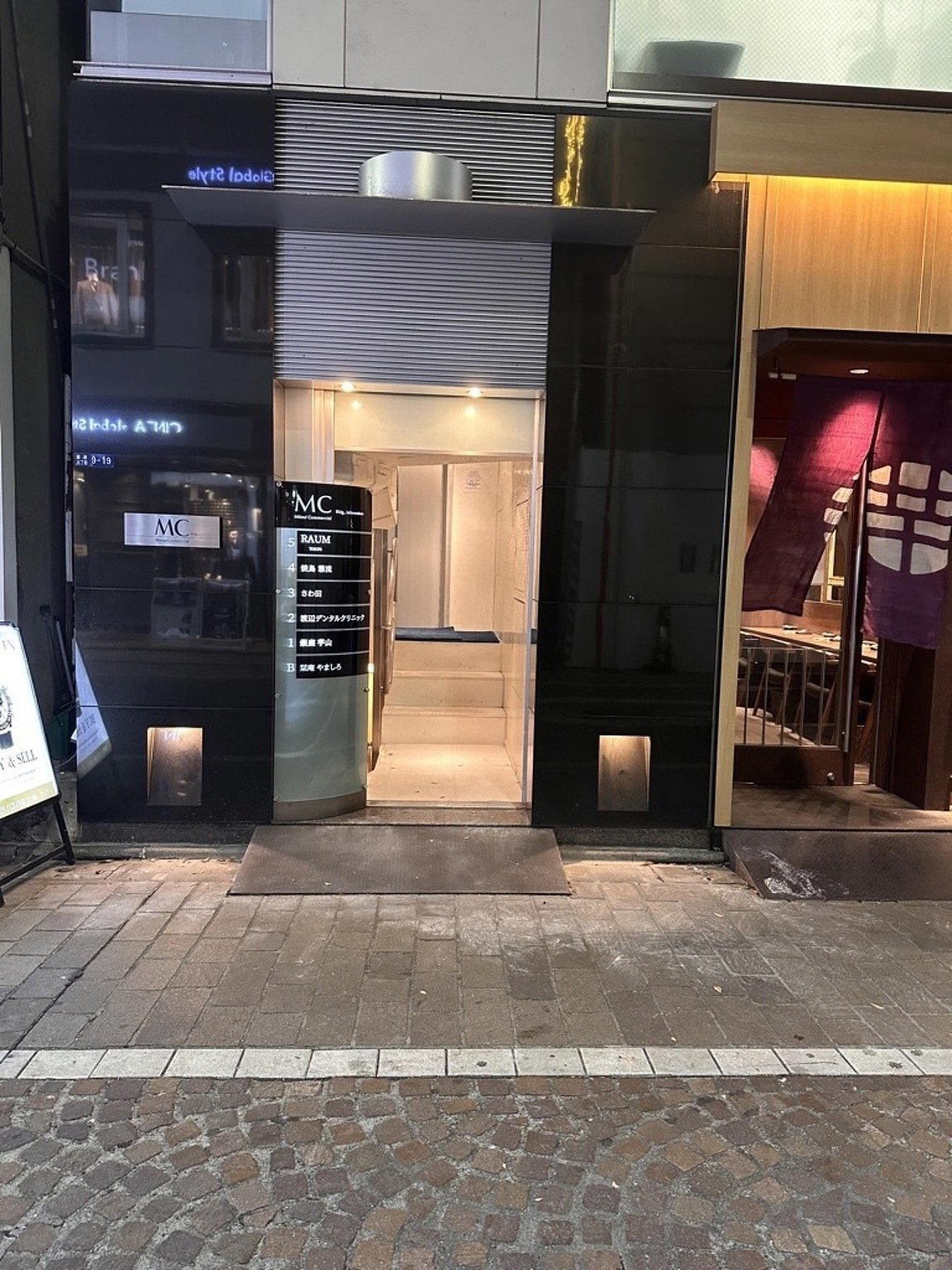
Fugu Club miyawaki Bettei is located at 6 Chome-7-7 Tsukiji, Chuo City, Tokyo. Booking method and current hours are best confirmed directly with the venue. The address is a short walk from Tsukiji Station on the Hibiya Line and Tsukijishijo Station on the Oedo Line.
Frequently asked questions
Is Fugu Club miyawaki Bettei suitable for children?
Fugu is a licensed, tightly regulated delicacy in Japan, and the dining format here is centred on a structured multi-course experience built around that single ingredient. The restaurant's positioning around celebratory occasions suggests a primarily adult clientele. Families with children who are adventurous eaters and comfortable in a formal Japanese dining setting may find it workable, but it is not designed as a family-casual environment.
What's the vibe at Fugu Club miyawaki Bettei?
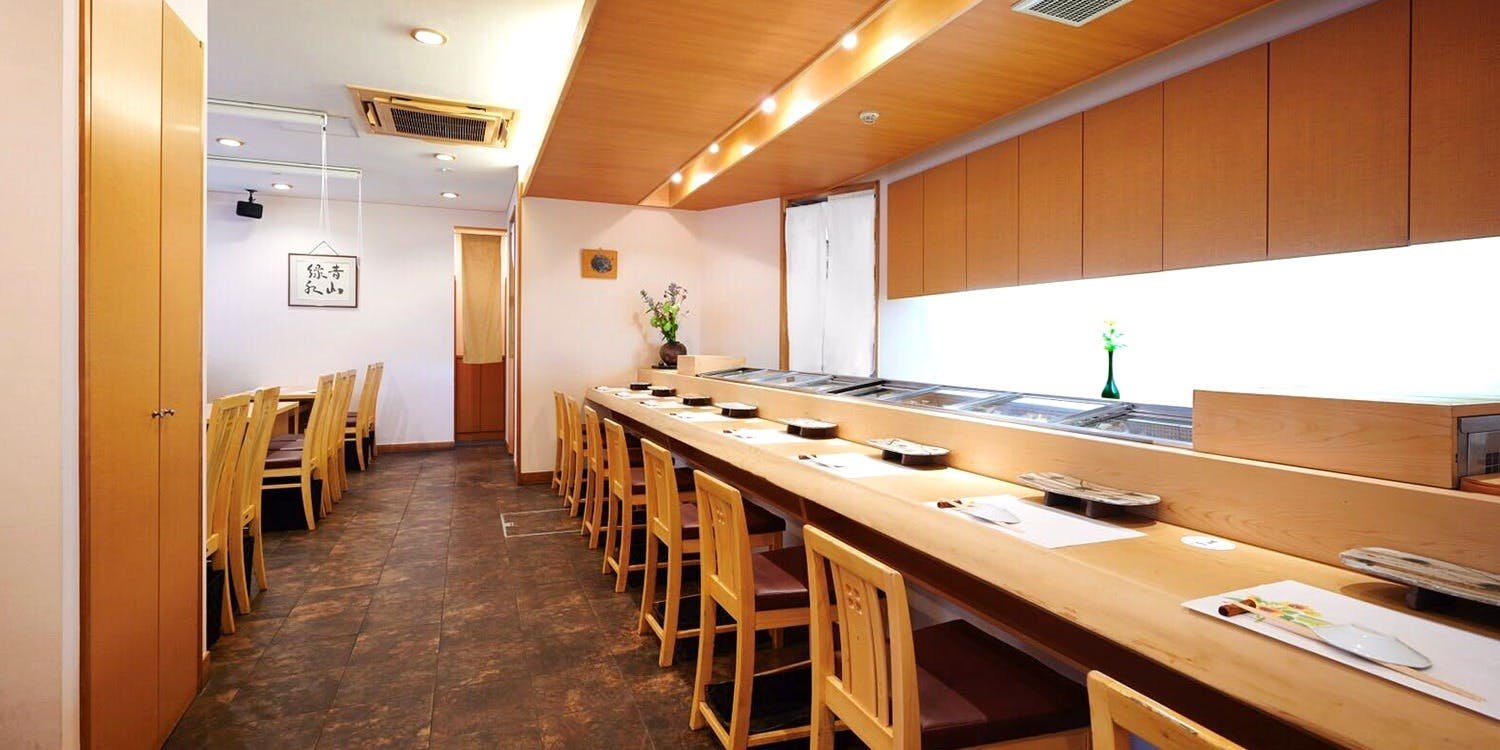
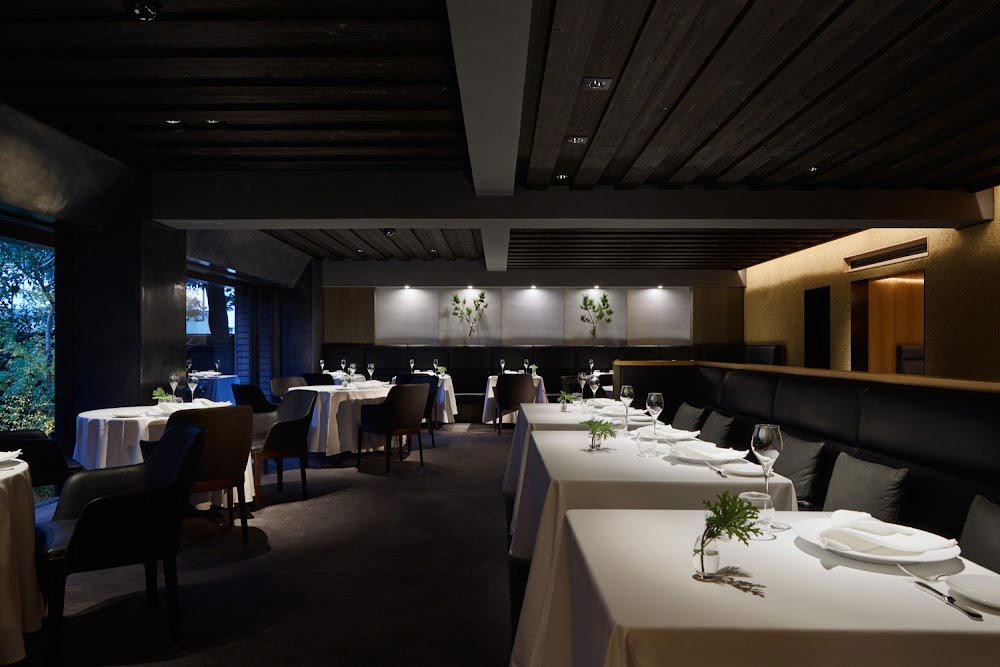
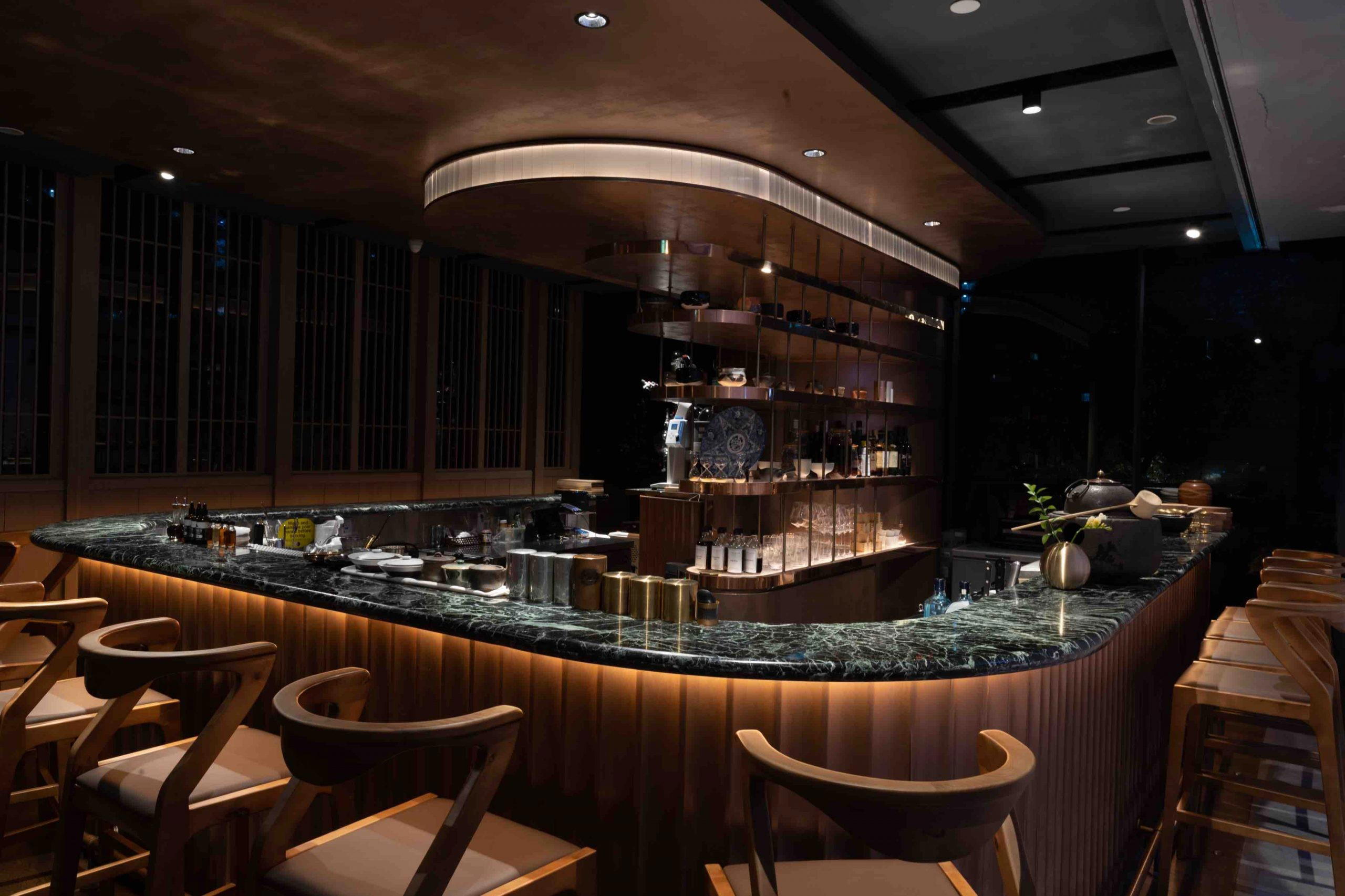
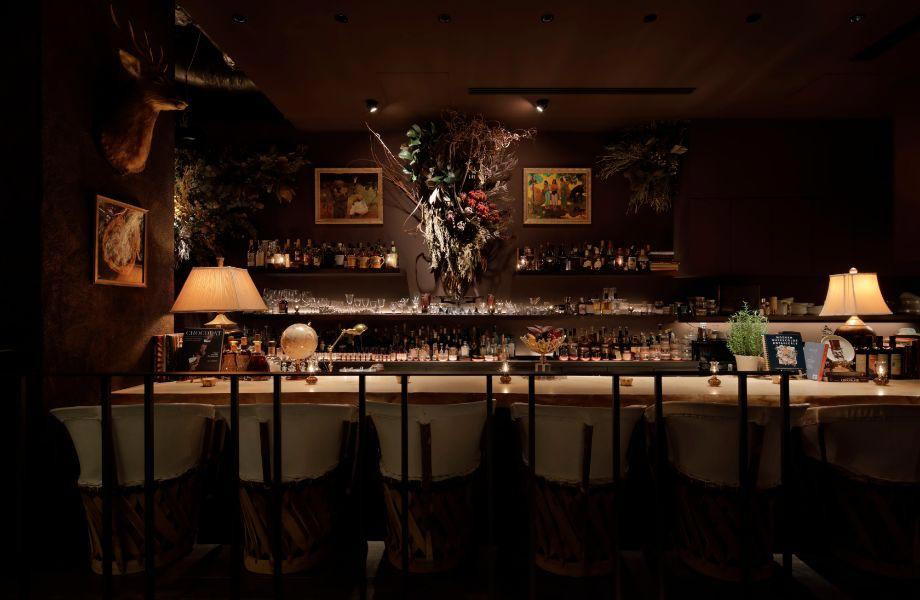
The atmosphere tracks with the restaurant's wider philosophy: fugu as a celebratory dish made accessible rather than intimidating. Located in Tsukiji's Chuo City neighbourhood, the setting reflects the area's deep fish-trade heritage while the cooking introduces Western elements, caviar, olive oil, spring roll formats, that keep the mood contemporary rather than ceremonially austere. The ¥¥¥ price tier reinforces that this is a considered occasion restaurant, not a casual drop-in counter.
Does Fugu Club miyawaki Bettei have a Michelin star or similar recognition?
Fugu Club miyawaki Bettei has received recognition including: Takashi Miyawaki is taking fugu (blowfish) cuisine to a new level. Thick-cut sashimi is dressed with caviar and olive oil; skin and milt become spring rolls. While the fare is strictly Japanese, Western ingredients and oils are added to goo….
What dish is Fugu Club miyawaki Bettei famous for?
The restaurant has drawn attention for its thick-cut fugu sashimi dressed with caviar and olive oil, a departure from the translucent paper-thin tessa cuts standard at traditional fugu restaurants. Skin and milt preparations reformatted as spring rolls further signal the kitchen's willingness to work outside convention. These approaches earned consecutive Michelin Plate recognition in 2024 and 2025.
How much does it cost to eat at Fugu Club miyawaki Bettei?
Pricing at Fugu Club miyawaki Bettei is listed as ¥¥¥.
What's Fugu Club miyawaki Bettei's location?
Fugu Club miyawaki Bettei is located at 6 Chome-7-7 Tsukiji, Chuo City, Tokyo 104-0045, Japan, Tokyo.
In Context: Similar Options
| Venue | Cuisine | Price | Awards | Notes |
|---|---|---|---|---|
| Fugu Club miyawaki BetteiThis venue (the venue you are viewing) | Modern Fugu Fine Dining | $100–150 | Michelin Plate | Not listed |
| Harutaka | Edo-Style Omakase Sushi | $200–300 | 3 Michelin Stars · World's 50 Best #76 | Sushi |
| RyuGin | Modern Kaiseki | $500+ | 3 Michelin Stars · World's 50 Best #41 | Kaiseki, Japanese |
| L'Effervescence | Modern French with Japanese Influences | $200–300 | 3 Michelin Stars · World's 50 Best #69 | French |
| HOMMAGE | Modern French with Japanese Influences | $150–200 | 2 Michelin Stars · World's 50 Best #78 | Innovtive French, French |
| MAZ | Innovative Peruvian-Japanese Fusion | $150–200 | 2 Michelin Stars · World's 50 Best #28 | Innovative |
Recognition history
Dated appearances from independent guides and award organizations, with the underlying list record or original source where available.
Michelin Plate
Michelin
Opinionated About Dining Top Restaurants in Japan Recommended
Opinionated About Dining
Full recognition history (4 entries)
Michelin Plate
Michelin
Michelin Plate
Michelin
Continue exploring
More in Tokyo
Restaurants in Tokyo
All restaurants in Tokyo →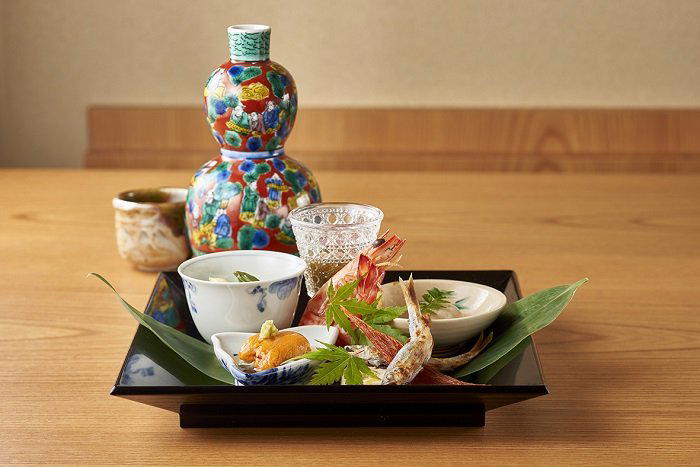





Details
- Cozy
- Intimate
- Elegant
- Sophisticated
- Special Occasion
- Date Night
- Celebration
- Chefs Counter
- Private Dining
- Historic Building
- Sake Program
- Local Sourcing
- Omakase
- Counter Dining
- Sake Program
Current opening hours
- Monday
- 5–11 PM
- Tuesday
- 5–11 PM
- Wednesday
- 5–11 PM
- Thursday
- 5–11 PM
- Friday
- 5–11 PM
- Saturday
- 5–11 PM
- Sunday
- 5–10 PM
Hours can change for holidays and private events. Hours as of .
Cozy and intimate historic kominka with warm, relaxing atmosphere, hushed and luminous lighting, and attentive service.