


La Liste Top Restaurants · Tabelog Gold #2
Our verdict
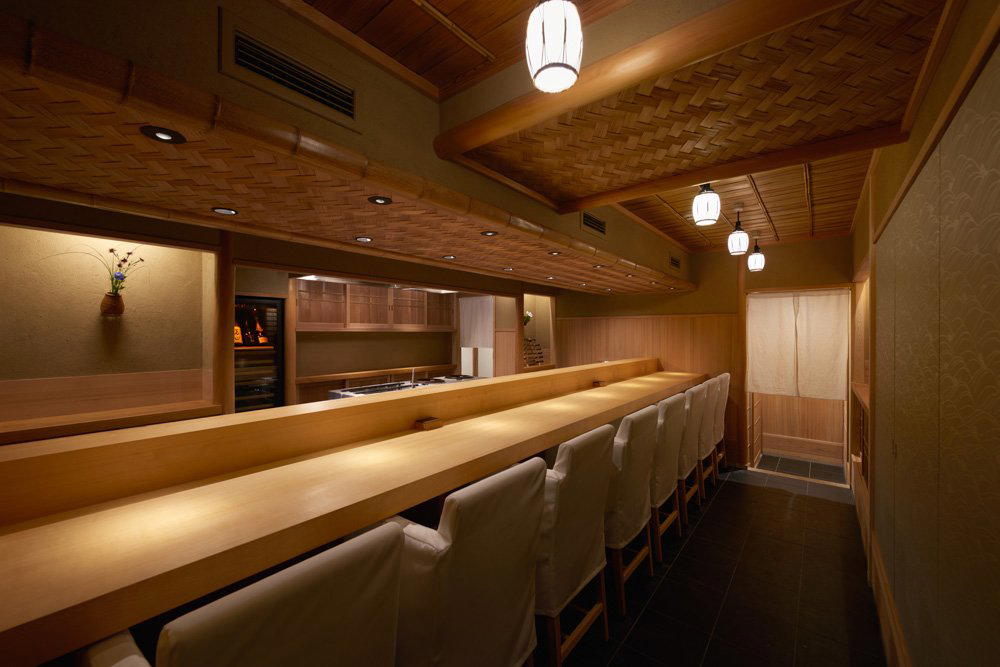
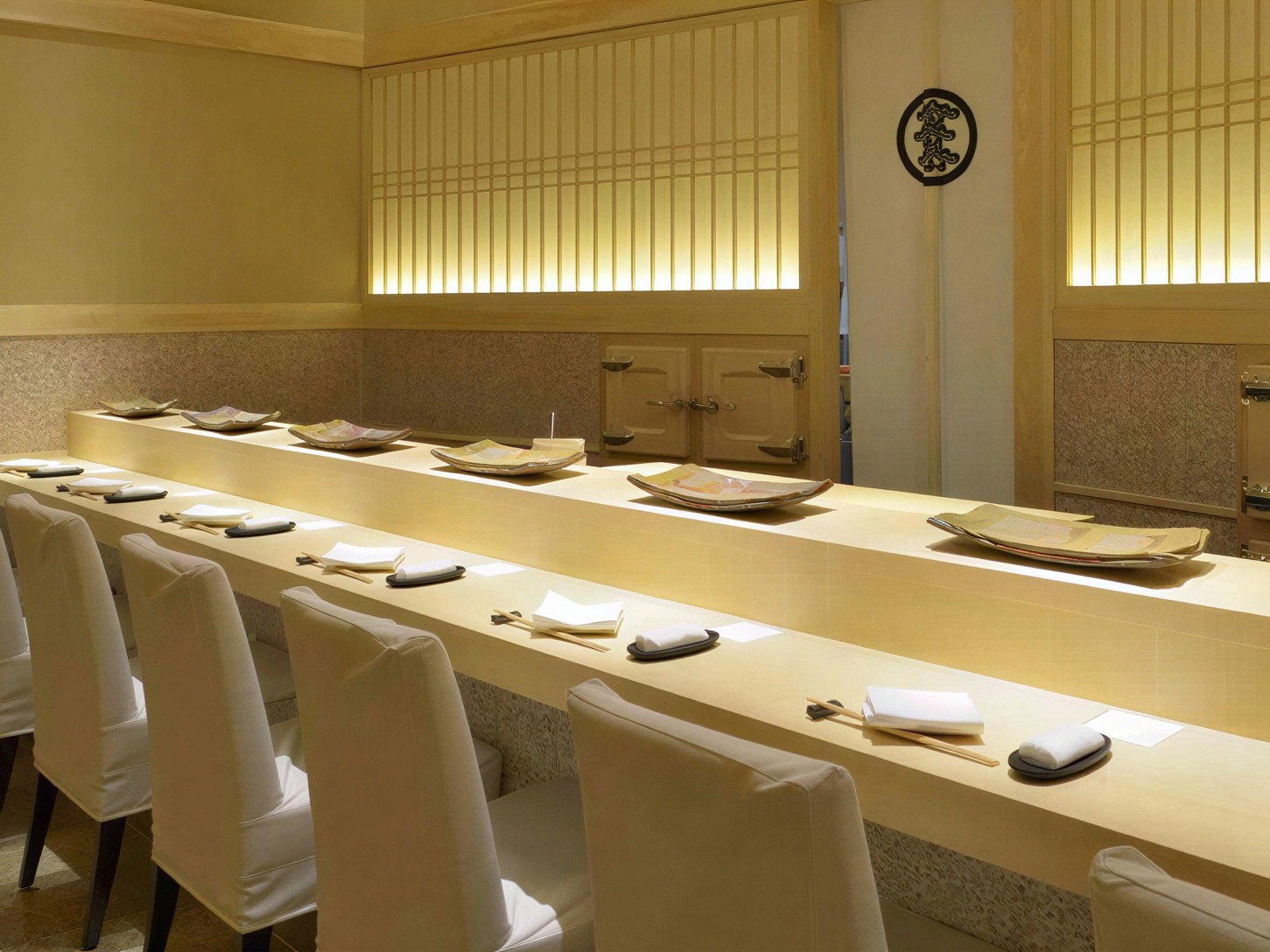
Higashiazabu Amamoto belongs to Tokyo’s rarefied counter-sushi tier, where Edomae discipline meets the pacing and seasonality of a multi-course Japanese meal. The draw is not spectacle but control: an eight-seat format, Masamichi Amamoto at the center of the room, and recognition from Tabelog, La Liste, and Opinionated About Dining that places it firmly in the city’s serious sushi conversation.

Pearl is the En Primeur Club membership app — saves, bookings, and concierge access live there. Same editors, same standards.
- Address
- 1 Chome-7-9 Higashiazabu, Minato City, Tokyo 106-0044, Japan
- Phone
- +81 3-6885-2274
- Hours
- Mon–Tue 5–11:30 PMWed ClosedThu–Sat 5–11:30 PMSun Closed
- Website
- higashiazabuamamoto.com
- Directions
- Get directions
The menu
What to order
- Katsuo smoked in front of you
- Kaki oyster
- Botan ebi marinated in Shaoxing wine with uni
- Chutoro nigiri
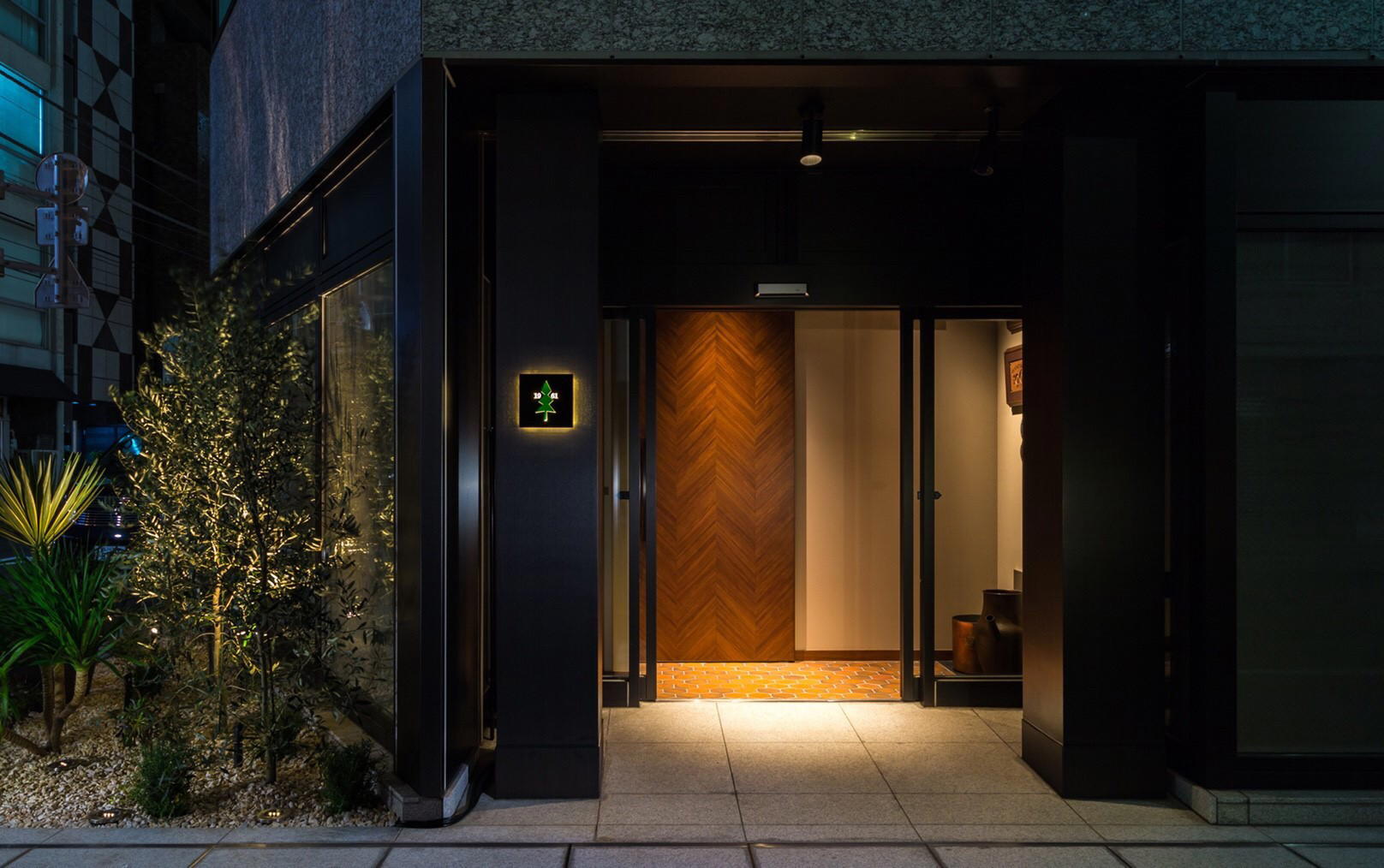
Higashiazabu is quieter than the Tokyo restaurant districts that carry the city’s international dining mythology: a residential Minato pocket closer to embassies and low-rise discretion than neon appetite. Inside, the counter removes distraction, fixes attention on the chef’s hands, and turns dinner into a measured sequence rather than a parade of luxury ingredients.
That distinction matters. Though often discussed as sushi, the experience sits near kaiseki’s aesthetic logic: seasonality, progression, negative space, and the discipline to let one course alter the next. Tokyo’s high sushi tier is crowded with expensive counters; the durable ones understand rhythm as much as product. 東麻布 天本 - Amamoto belongs there, with an eight-seat counter and a reputation built on modern Edomae technique rather than decorative excess.
Edomae sushi read through a kaiseki sense of progression
This counter is not a checklist of tuna, uni, or shellfish. Tokyo Edomae is intervention: curing, salting, marinating, simmering, aging, temperature control, rice acidity, and timing. Kaiseki adds seasonal logic and restraint. At this level, expensive ingredients are assumed; the question is whether the sequence has shape.
Amamoto’s recognition suggests the room has sustained that line. Tabelog lists it as a 2026 Gold Award restaurant with a 4.64 score, with Gold recognition back through 2019 and Silver recognition in 2017. It was also selected for Tabelog Sushi TOKYO 100 in 2025, 2022, and 2021. La Liste places it at 92 points for 2026, while Opinionated About Dining ranked it number 29 in Japan in 2025, number 10 in 2024, and number 12 in 2023. These signals do not describe flavor, but they describe consistency in a city where sushi counters rise and vanish quickly.
The chef credential is simple and relevant: Masamichi Amamoto is the named chef. In Tokyo sushi, the named chef still matters because the counter is not an abstract brand. It is judgment in motion, not theatre: deciding when a piece is ready, how the rice should sit against the fish, and where the meal should tighten or release. In kaiseki terms, those choices are compositional; in Edomae terms, technical. The leading counters make the two inseparable.
For readers comparing formal Japanese dining categories, the distinction helps. Aoyagi - 青柳 and Matsukawa - 松川 sit more squarely in kaiseki, where meal architecture often extends beyond sushi grammar. Aca 1°, Japanese Kaiseki in Kyoto and Enowa Yufuin, Japanese Kaiseki in Yufu show how regional and contemporary Japanese dining stretch the category further. Higashiazabu’s counter is narrower, and that narrowness is the point: can sushi alone carry the seasonal intelligence usually associated with broader multi-course Japanese dining?
Why the room belongs in Tokyo's serious counter tier
Tokyo’s luxury sushi economy has split into hotel-adjacent counters built for international comfort, old-guard rooms where ritual matters as much as technique, and compact counters using scarcity, reputation, and chef presence as part of the proposition. Amamoto’s eight seats place it in the last group. Small counters reduce the margin for inconsistency and intensify the social contract: diners buy not just ingredients, but proximity to decisions.
Higashiazabu Amamoto is classified as sushi, while the broader listing identifies Japanese kaiseki. The tension is editorially interesting, not contradictory. In Japan, high-end sushi has never been only raw fish on rice. It has absorbed ideas from kappo, kaiseki, and washoku service culture, especially in how a meal opens, accelerates, pauses, and resolves. At this level, the counter is closer to a chamber ensemble than a restaurant floor; capacity, pacing, and silence are part of the format.
The competitive set should not be flattened into “Tokyo fine dining.” A yakitori room such as 124. KAGURAZAKA (Yakitori) speaks through fire, repetition, and offal-to-breast sequencing. A casual seafood-and-grill address belongs to another Tokyo appetite, more direct and less ceremonial. 12/10 Shinjuku ten points toward the city’s broader sprawl, where neighborhood, price, and format shift block by block. Amamoto is narrower and more demanding: a counter for diners who care about progression, not just prestige.
Awards matter here, but only up to a point. Tabelog Gold and La Liste scores are useful filters in a dense field of high-priced counters. They show the restaurant is not a passing name, but do not replace the reader’s decision about whether this meal suits a Tokyo night. Diners seeking conversation, looseness, or broad à la carte choice may find the format restrictive. Diners interested in how fish, rice, temperature, and season become a controlled arc will understand the appeal.
How to place it within a Tokyo dining itinerary
Treat a meal here as the anchor of an evening, not a stop on a grazing route. The counter rewards attention, and Tokyo has enough lighter, louder, more casual options for the rest of a trip. Use the night for concentration, then build other days around contrast: charcoal, noodles, izakaya cooking, hotel bars, department-store food halls, and smaller neighborhood counters. The value is seeing how formal sushi differs from Tokyo’s other forms of precision.
The better comparison may be outside Tokyo. Japan’s dining culture changes sharply by region, from Kyoto’s formality to Kyushu’s ingredient-driven cooking and Hokkaido’s cold-climate pantry. Those contrasts make clear that Japanese dining is not a ladder with sushi at the summit, but a group of traditions with different rigors.
The editorial call is clear: this is a serious choice for diners who want Tokyo sushi at its compressed, counter-focused end, with kaiseki’s seasonal intelligence beneath the Edomae surface. It is not right for every Tokyo itinerary. It is right when the evening’s point is to watch restraint, technique, and timing do work that luxury dining too often assigns to ornament.
Frequently asked questions
What are the operating hours at 東麻布 天本 - Amamoto?
Hours: Monday 5–11:30 pm Tuesday 5–11:30 pm Wednesday Closed Thursday 5–11:30 pm Friday 5–11:30 pm Saturday 5–11:30 pm Sunday Closed.
What part of town is 東麻布 天本 - Amamoto in?
東麻布 天本 - Amamoto is located in Tokyo.
What kind of cuisine does 東麻布 天本 - Amamoto serve?
東麻布 天本 - Amamoto serves Japanese Kaiseki cuisine.
Recognition history
Dated appearances from independent guides and award organizations, with the underlying list record or original source where available.
La Liste Top Restaurants
La Liste
Opinionated About Dining Top Restaurants in Japan Ranked #23
Opinionated About Dining
Tabelog Gold #2
Tabelog
Full recognition history (9 entries)
La Liste Top Restaurants
La Liste
Opinionated About Dining Top Restaurants in Japan Ranked #29
Opinionated About Dining
Tabelog Gold
Tabelog
Tabelog 100 #78 · No. 78
Tabelog · Tabelog 100 - Sushi - TOKYO - 2025
Opinionated About Dining Top Restaurants in Japan Ranked #10
Opinionated About Dining
Opinionated About Dining Top Restaurants in Japan Ranked #12
Opinionated About Dining







Details
- Intimate
- Sophisticated
- Elegant
- Quiet
- Special Occasion
- Date Night
- Business Dinner
- Solo
- Chefs Counter
- Open Kitchen
- Standalone
- Omakase
- Counter Dining
- Tasting Menu
- Pescatarian Friendly
Current opening hours
- Monday
- 5–11:30 PM
- Tuesday
- 5–11:30 PM
- Wednesday
- Closed
- Thursday
- 5–11:30 PM
- Friday
- 5–11:30 PM
- Saturday
- 5–11:30 PM
- Sunday
- Closed
Hours can change for holidays and private events. Last verified .
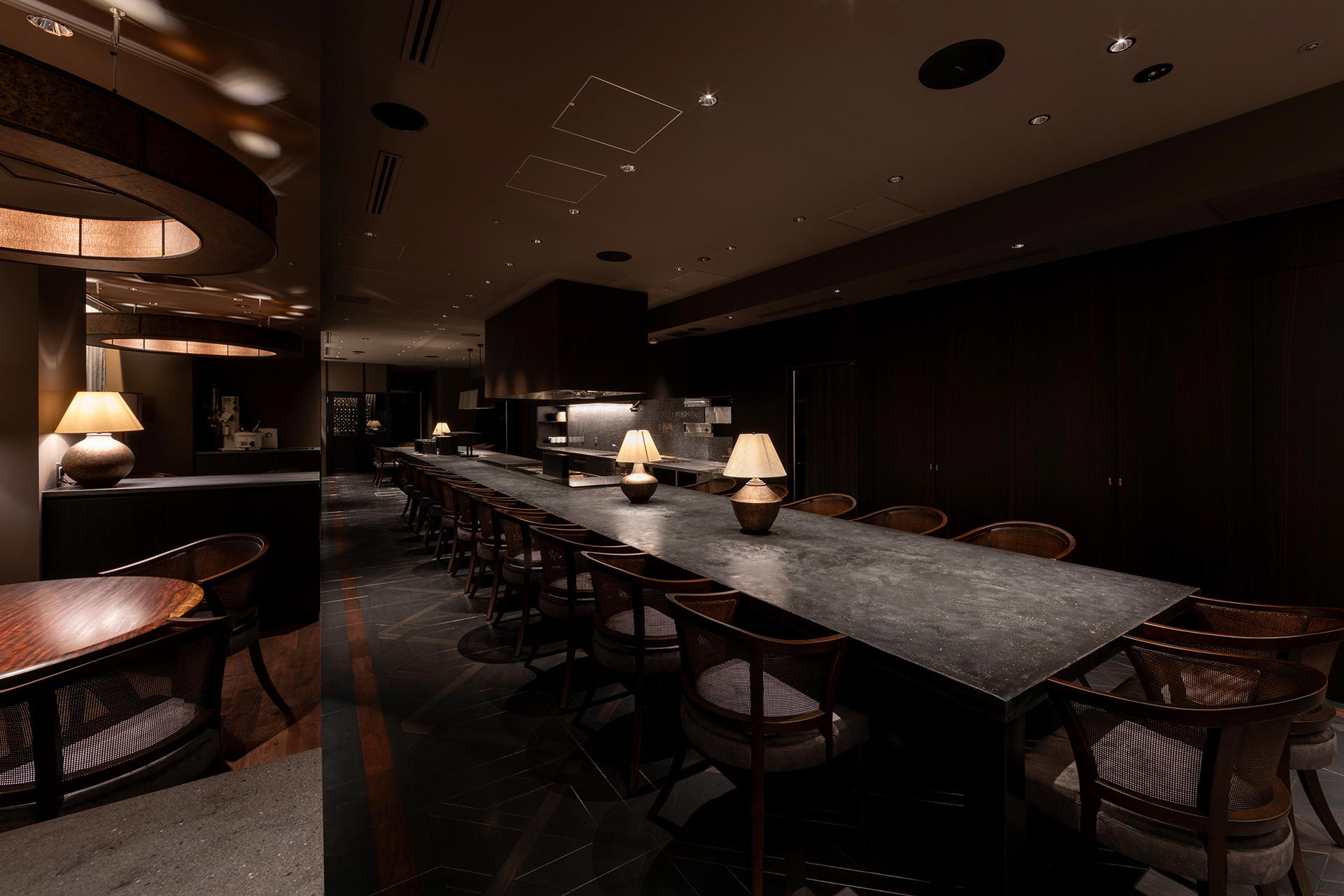
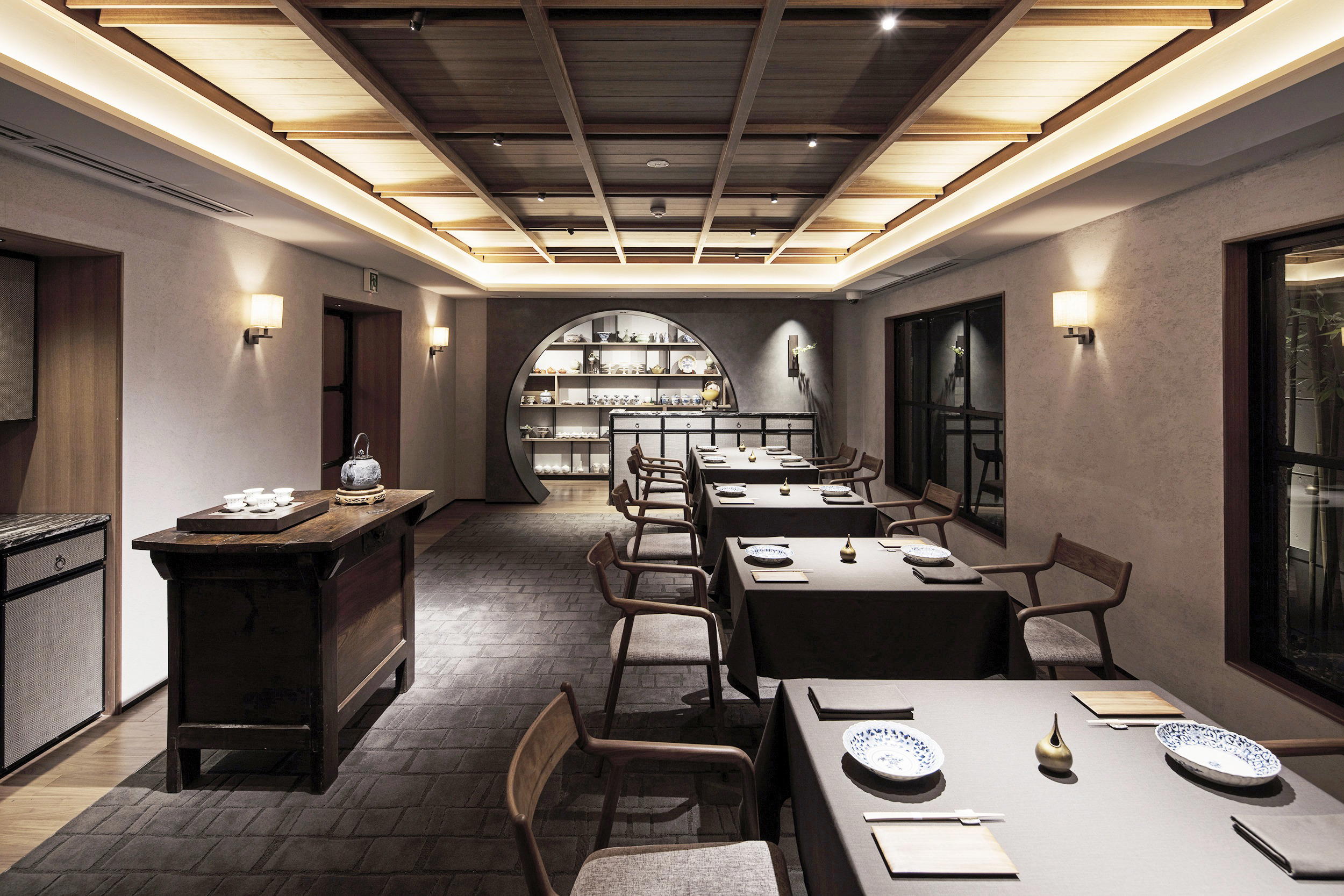
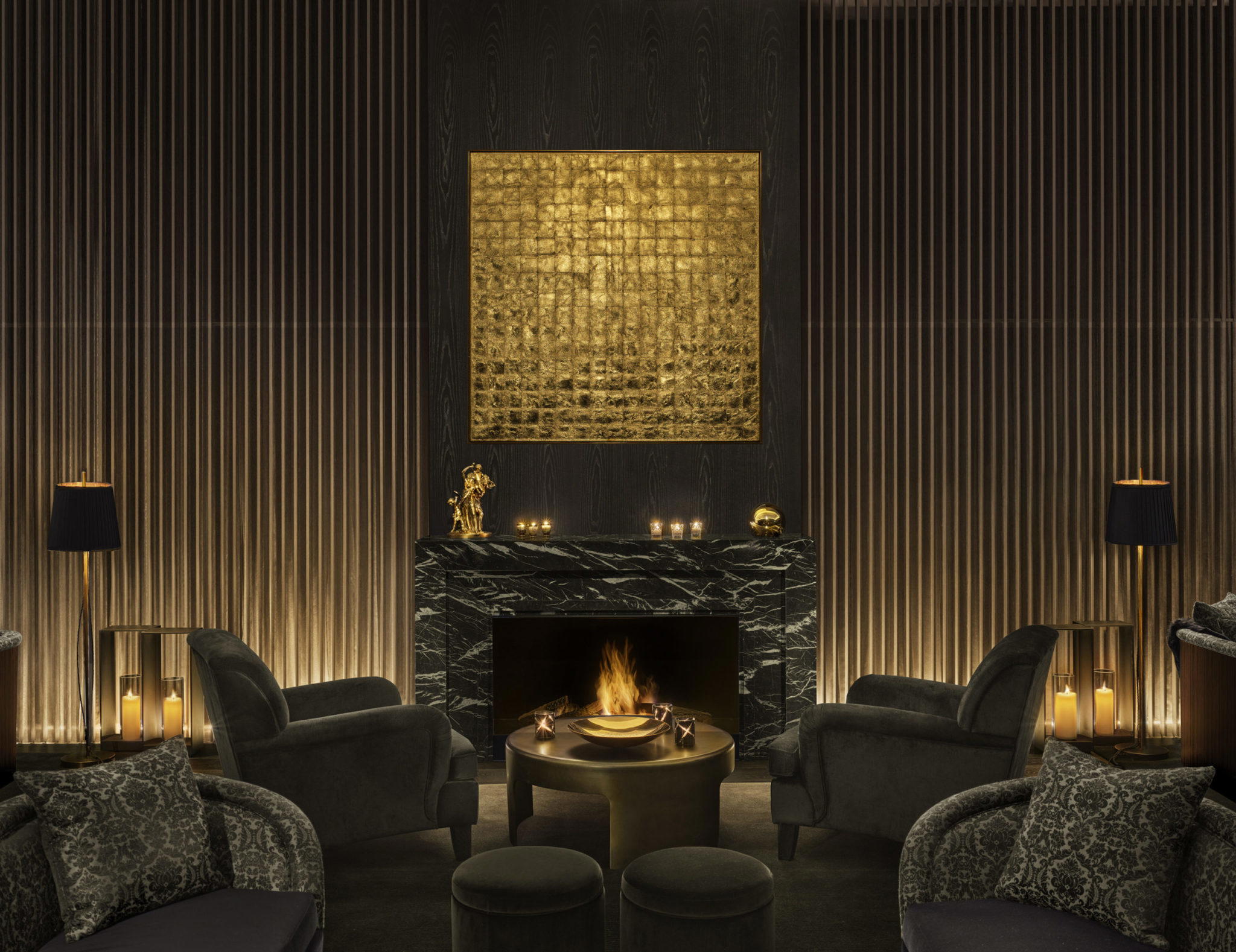
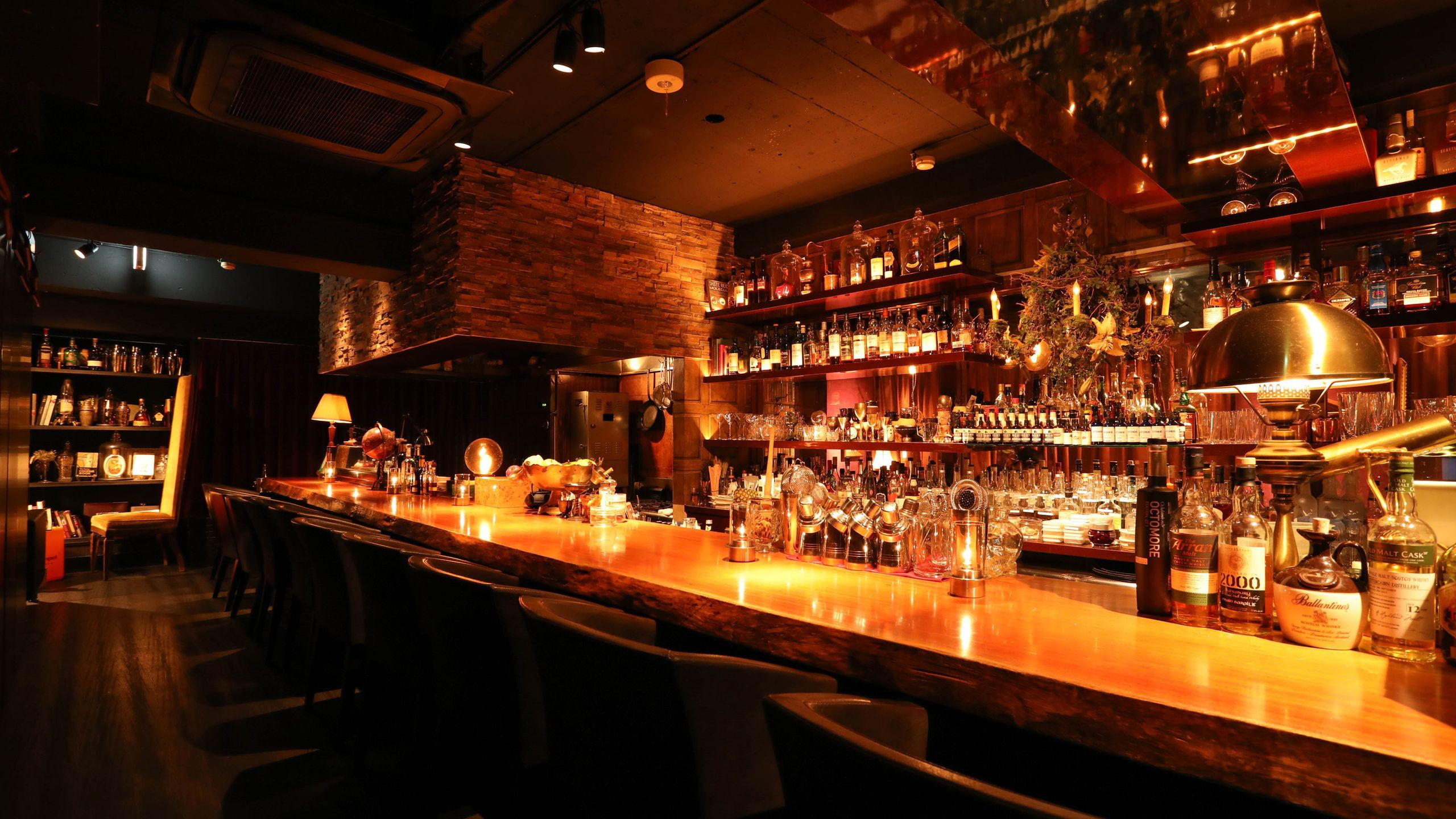
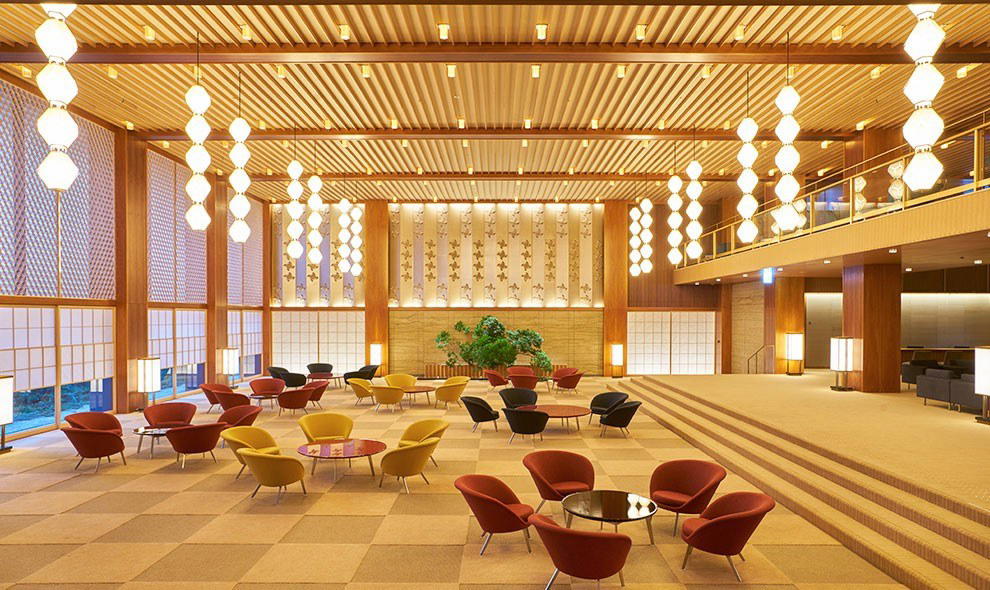
Intimate and highly focused, centered on a small chef's counter where the omakase unfolds directly in front of guests.