


La Liste Top Restaurants · Tabelog Bronze #211
Our verdict
A ten-seat kappo counter in Minato that has held Tabelog Bronze consecutively since 2019 and earned placement in Tabelog's Tokyo 100 for Japanese cuisine three times. Kurogi operates on a reservation-only basis with courses priced from ¥50,000 per person, positioning it firmly within Tokyo's highest tier of traditional Japanese dining. The format is rooted in Edo-style kappo, with an emphasis on ingredient expression over technical spectacle.

Pearl is the En Primeur Club membership app, where members save venues, book tables and use the concierge.
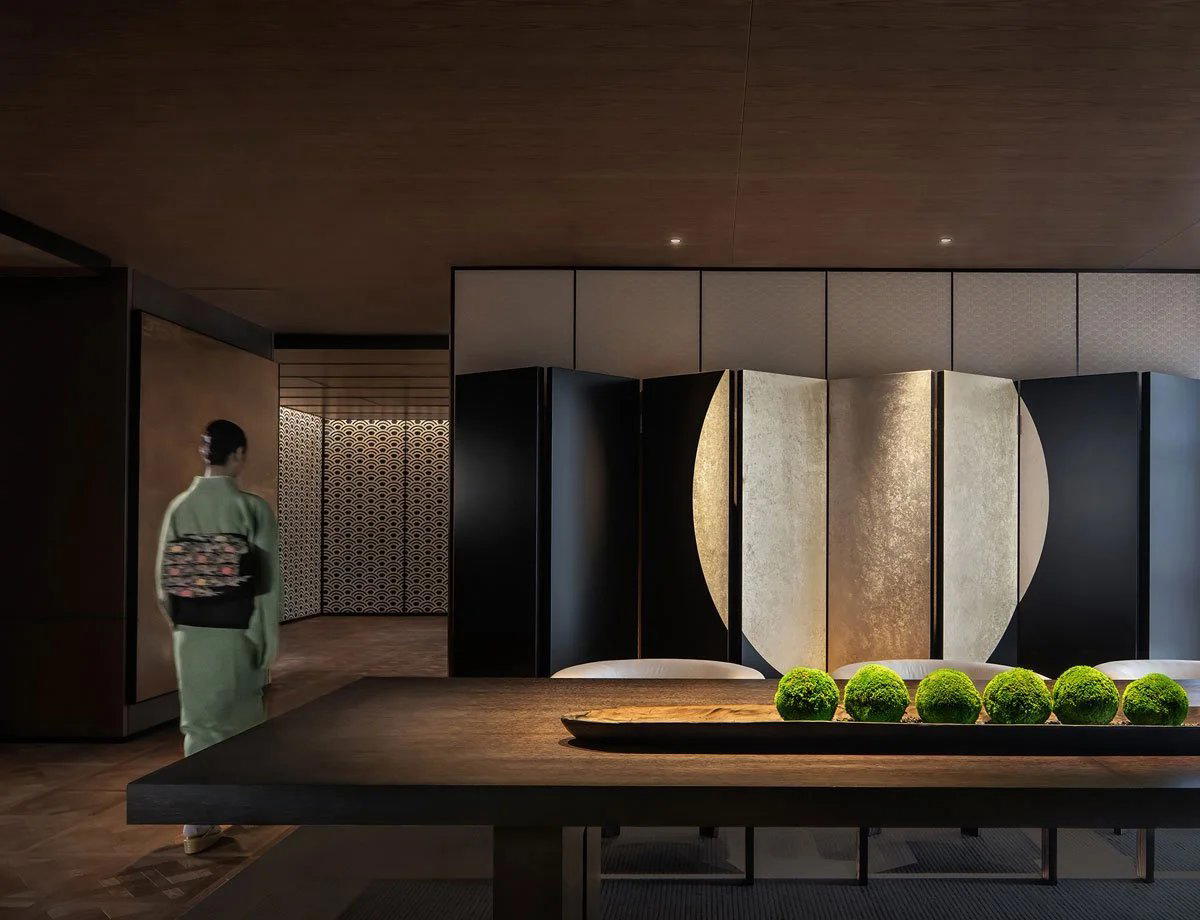
Kappo in Minato: Tokyo's Counter Tradition at Its Most Concentrated
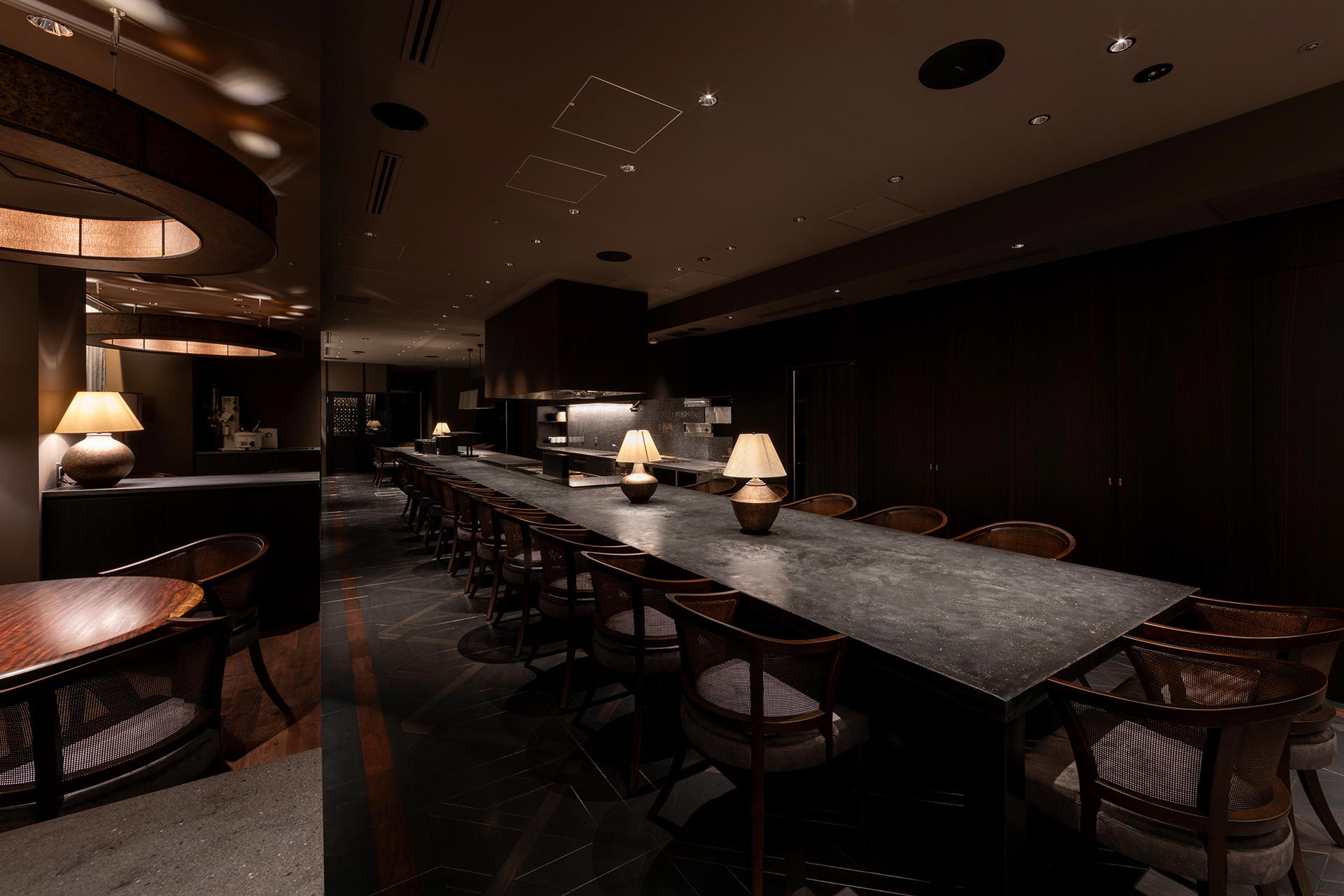
The Shibakoen address puts Kurogi slightly outside the neighbourhoods most visitors associate with high-end Japanese dining, no Ginza postcode, no Minami-Aoyama footfall. That separation is, in practice, part of the format's logic. Counter kaiseki and kappo at this price tier in Tokyo have long operated on the principle that the room should remove distraction rather than provide theatre. Ten seats, reservation-only, no private rooms, no walk-ins: the physical constraints are the same ones you find at the most committed counters in Kyoto's Gion district, transplanted into a city that has developed its own distinct idiom for the form.
Tokyo kappo, the style Kurogi specifically identifies with, differs from Kyoto kaiseki in ways that matter when you are planning where to spend ¥50,000 on a single meal. Kyoto kaiseki, as practised at venues like Ifuki or Ankyu, tends toward a more formalised sequence with deep roots in tea ceremony tradition. Kappo, by contrast, is a counter discipline: the chef works in direct sight of the guest, the pacing is more responsive, and the interaction between cook and diner is considered part of the meal's architecture. Edo-style kappo, the frame Kurogi works within, carries the flavour preferences of old Tokyo: a slightly more assertive use of dashi and cleaner lines in seasoning rather than the restrained sweetness that characterises the Kyoto palate.
A Record of Sustained Recognition
The awards record here is worth reading carefully. Kurogi has received the Tabelog Bronze Award in every consecutive year from 2019 through 2026, eight straight years. It also received the Tabelog Silver Award in 2017, which places it among the earlier cohort of venues to be recognised under that system. Beyond the annual award, it has been selected three times for Tabelog's Japanese Cuisine Tokyo 100 list (2021, 2023, and 2025), a designation that functions as a longer-form editorial statement about a counter's sustained position within the city's dining culture. Tabelog scores at this level are peer-reviewed at scale: the current score of 4.30 out of 5 on a platform where scores above 4.0 represent a small fraction of listed restaurants is a meaningful data point, not a vanity metric.
Internationally, Kurogi carries 90 points on La Liste's 2026 ranking and 90.5 points in 2025, placing it within the top tier of that aggregated global list. Opinionated About Dining, which compiles critic and expert scores, ranked it 52nd in Japan in 2023, 57th in 2024, and 89th in 2025, a range that reflects the competitive density of Japan's national fine dining pool rather than any meaningful decline in quality. For context, Japan has more Michelin-starred restaurants than any country outside France, and OAD Japan rankings compress dozens of genuinely high-calibre venues into a narrow band of scores. Kurogi holds its position inside that band consistently.
For comparison within Tokyo's kaiseki and Japanese cuisine tier, peer counters include RyuGin, which carries three Michelin stars and operates in a similar price bracket, and Kikunoi Tokyo, the capital outpost of the Kyoto main house. Kurogi’s Tabelog and La Liste positioning places it in direct conversation with those venues for guests building a Tokyo Japanese dining shortlist.
The Beverage Dimension: Sake and the Kappo Counter
The editorial angle for Kurogi that most rewards attention is the relationship between the beverage programme and the counter format. Kappo is, structurally, one of the few Japanese dining traditions where the drink pairing is embedded in the rhythm of service rather than appended to it. At a ten-seat counter with the chef present throughout, the progression of sake styles across the meal can be calibrated to the sequence of dishes in real time, a flexibility that larger formal dining rooms, where service is more choreographed, cannot easily replicate.
Japanese sake pairings at the leading kappo and kaiseki level typically move from lighter, cleaner ginjo or daiginjo styles in the early courses, where delicate dashi preparations and seasonal vegetables require a drink that amplifies rather than competes, toward fuller junmai styles or aged koshu as the meal moves into richer protein courses. The Edo-style flavour profile that Kurogi identifies with, with its cleaner, more direct seasoning, tends to suit sake selections that share that quality: high-polish rice, mineral-forward character, restrained sweetness. Shochu, particularly barley or sweet potato varieties, appears at some kappo counters as an alternative pairing for later, more intensely flavoured dishes.
What the counter format does guarantee is that the beverage pacing is not fixed. Unlike a tasting menu at a larger venue where wine or sake pairings are pre-set per course, a kappo counter allows the chef or a senior member of the team to adjust based on what the guest is drinking and how the meal is progressing. That responsiveness is one of the format's defining advantages over more formal kaiseki structures, and it is worth requesting rather than assuming when you book.
For guests interested in exploring Tokyo's broader kappo and Japanese cuisine counter scene alongside or before Kurogi, Hirosaku, Ajihiro, and Akasaka Ogino represent further reference points within the city's Japanese cuisine tier, each operating in the counter-led format that characterises serious kappo. Aoyama Jin offers a different neighbourhood context for similar price-tier Japanese dining.
The Shibakoen Context
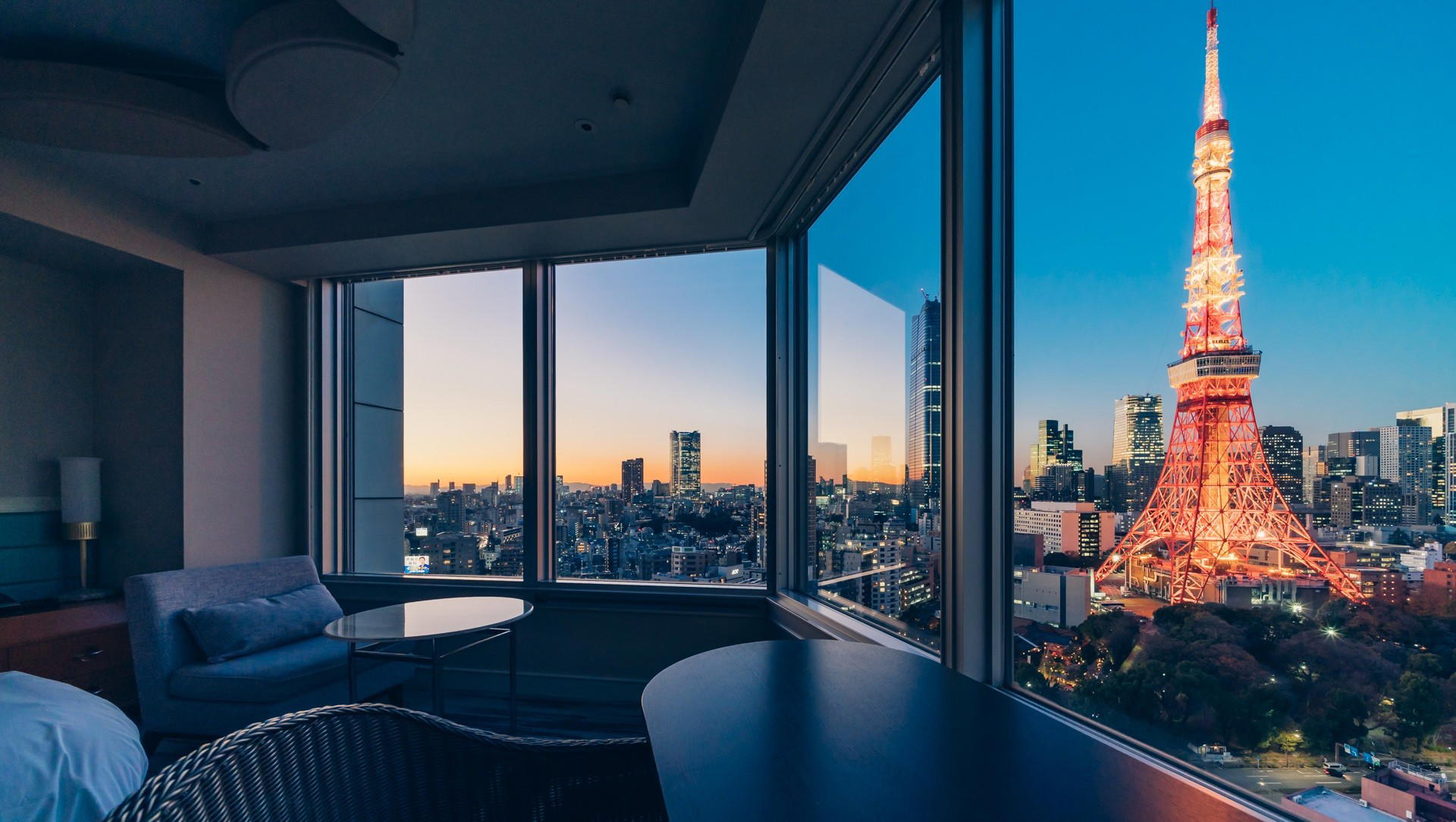
The Minato address, specifically the Shibakoen pocket between Daimon and Hamamatsucho, is not a destination dining district in the way Ginza or Roppongi is. Daimon Station on the Asakusa and Oedo lines is the closest point of access, approximately 323 metres from the restaurant. The neighbourhood is largely commercial and residential, with Tokyo Tower visible nearby, and its relative quiet is consistent with the counter format's logic: no ambient buzz from adjacent bars, no foot traffic competing for attention on the street outside. Guests arriving specifically to eat, by appointment, in a focused environment: that is the model, and the neighbourhood supports it.
Japan's Broader Fine Dining Geography
Kurogi sits within a national fine dining culture that extends well beyond Tokyo. For guests travelling across Japan, the equivalent commitment to traditional Japanese cuisine at the kaiseki level appears in Kyoto at Gion Sasaki, in Osaka at HAJIME, in Fukuoka at Goh, and in more unexpected locations like akordu in Nara, 1000 in Yokohama, and 6 in Okinawa. Each operates within the same broad culture of seasonal, ingredient-led Japanese cooking while reflecting the specific character of its region (Tokyo experiences guide).
Planning Your Visit
Kurogi operates Tuesday through Saturday for both lunch (noon to 2:30 pm) and dinner (5 to 11 pm), with Monday, Sunday, and public holidays closed. The room holds ten seats, and the format is reservation-only; phone reservations for lunch are confirmed as available. The course is priced from ¥50,000 per person before tax and service charge for both lunch and dinner, an identical price point across services, which is less common than it might seem at this tier and signals that the kitchen treats both seatings with the same weight. Credit cards are accepted; electronic money is not. There are no private rooms.
Quick reference: Reservation-only, 10 seats, ¥50,000+ per person (excl. tax and service), Tue–Sat lunch and dinner, closed Mon/Sun/public holidays, Daimon Station 323m.
What People Recommend at Kurogi
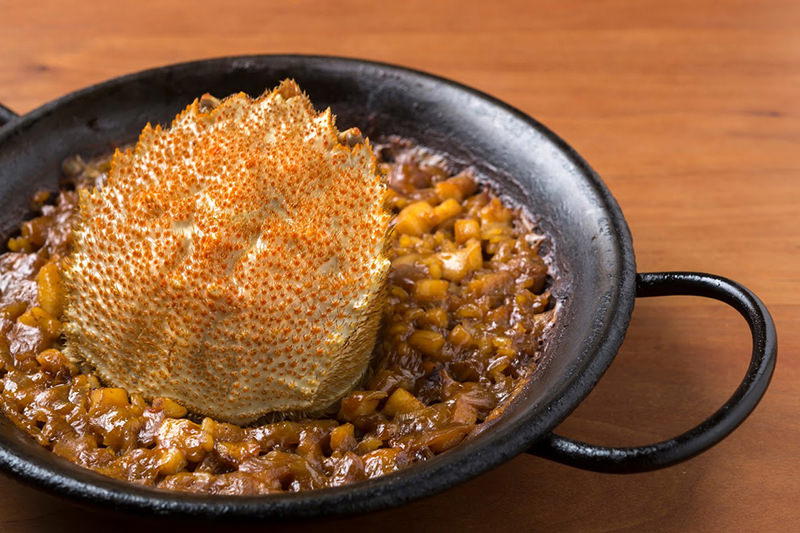
Kurogi draws its recognition from the integrity of its Edo-style kappo format rather than from a single signature preparation. The Tabelog platform, where Kurogi holds a score of 4.30 and has maintained Bronze Award status since 2019, surfaces consistent references to the quality of the seasonal course overall rather than individual dishes, consistent with a kappo kitchen whose menu shifts with the market and season. Chef Jun Kurogi leads the counter, and the kitchen's stated orientation is toward expressing the qualities of the ingredient itself: a discipline that requires technical command to execute but resists the kind of plated showmanship that draws attention to technique rather than produce. At ¥50,000 per person for a course that is identical at lunch and dinner, the expectation is a complete, seasonally calibrated sequence. That consistency across eight consecutive Tabelog Bronze Awards and three Tabelog 100 selections is the clearest statement of what the counter delivers.
Recognition Snapshot
Comparable venues nearby, for context on price, style, and recognition.
| Venue | Cuisine | Price | Awards | Notes |
|---|---|---|---|---|
| KurogiThis venue (the venue you are viewing) | Tokyo Kappo | $500+ | La Liste Top Restaurants · Tabelog Bronze #211 | Not listed |
| SUSHI KOURIN | Innovative Edomae Omakase | $300–500 | Michelin Bib Gourmand | Shibuya |
| Sushi Miyuki | Edomae Sushi Omakase | $200–300 | Michelin Plate · Tabelog 100 #77 | Chūō |
| Makitori Shinkobe | Wood-Fired Yakitori Omakase | $150–200 | Tabelog Silver #73 | Minato |
| Eigetsu | Traditional Kaiseki | $200–300 | Tabelog Bronze #58 | Bunkyō |
| Ginza Adachi Naoto | Traditional Kaiseki Omakase | $150–200 | Michelin Plate | Chūō |
Recognition history
Dated appearances from independent guides and award organizations, with the underlying list record or original source where available.
La Liste Top Restaurants
La Liste
Opinionated About Dining Top Restaurants in Japan Ranked #139
Opinionated About Dining
Tabelog Bronze #211
Tabelog
Full recognition history (9 entries)
La Liste Top Restaurants
La Liste
Opinionated About Dining Top Restaurants in Japan Ranked #89
Opinionated About Dining
Tabelog 100 #49 · No. 49
Tabelog · Tabelog 100 - Japanese cuisine - TOKYO - 2025
Tabelog Bronze
Tabelog
Opinionated About Dining Top Restaurants in Japan Ranked #57
Opinionated About Dining
Opinionated About Dining Top Restaurants in Japan Ranked #52
Opinionated About Dining
Continue exploring
More in Tokyo
Restaurants in Tokyo
All restaurants in Tokyo →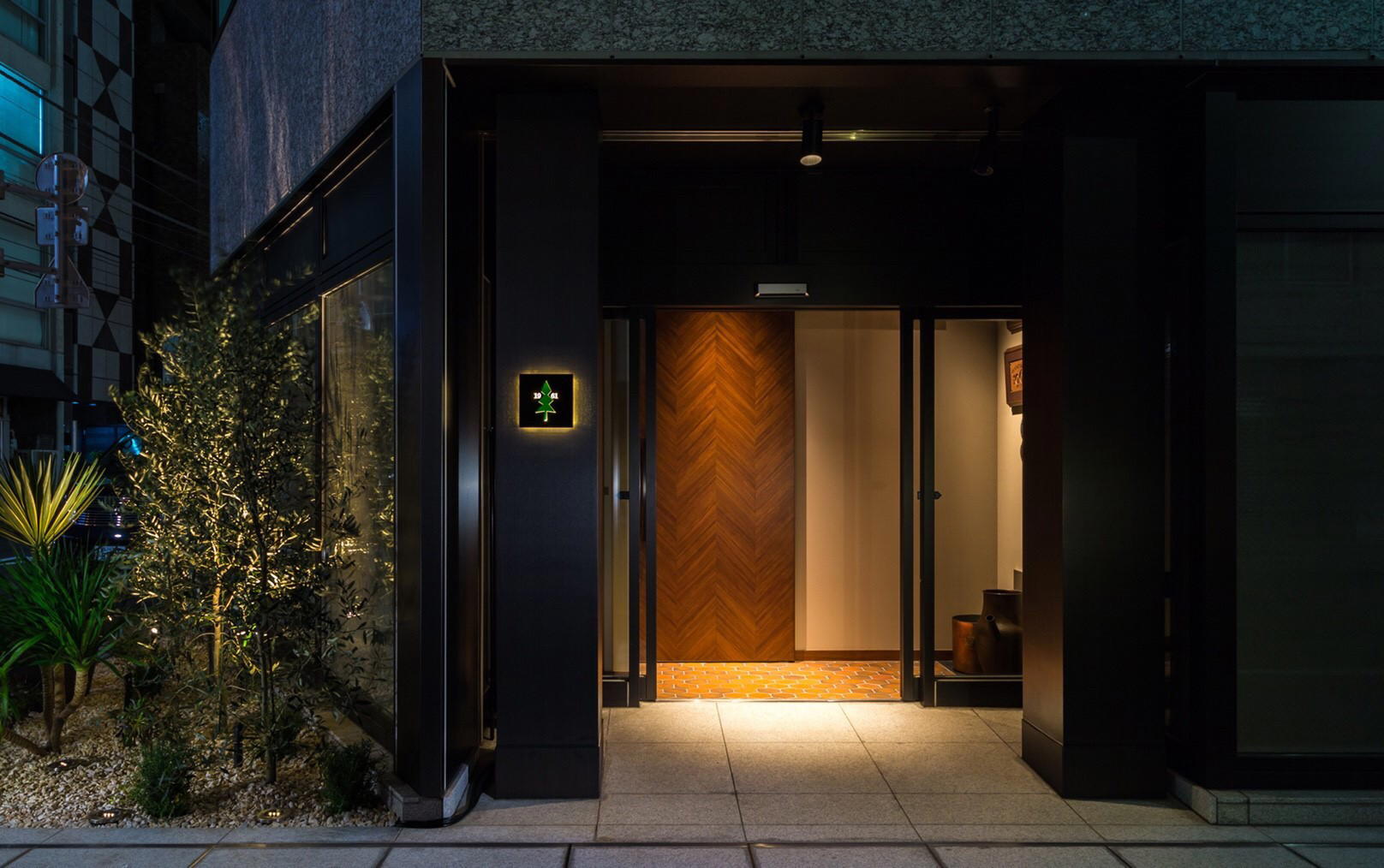

Bars in Tokyo
All bars in Tokyo →


Details
- Elegant
- Sophisticated
- Intimate
- Special Occasion
- Celebration
- Business Dinner
- Chefs Counter
- Open Kitchen
- Sake Program
- Counter Dining
- Vegetarian Friendly
- Vegan Options
- Gluten Free Options
Current opening hours
- Monday
- 5–11 PM
- Tuesday
- 12–2:30 PM, 5–11 PM
- Wednesday
- 12–2:30 PM, 5–11 PM
- Thursday
- 12–2:30 PM, 5–11 PM
- Friday
- 12–2:30 PM, 5–11 PM
- Saturday
- 12–2:30 PM, 5–11 PM
- Sunday
- Closed
Hours can change for holidays and private events. Last verified .
Lively yet refined counter seating atmosphere with warm, hospitable service evoking a close friend's home.