Google: 4.7 · 227 reviews


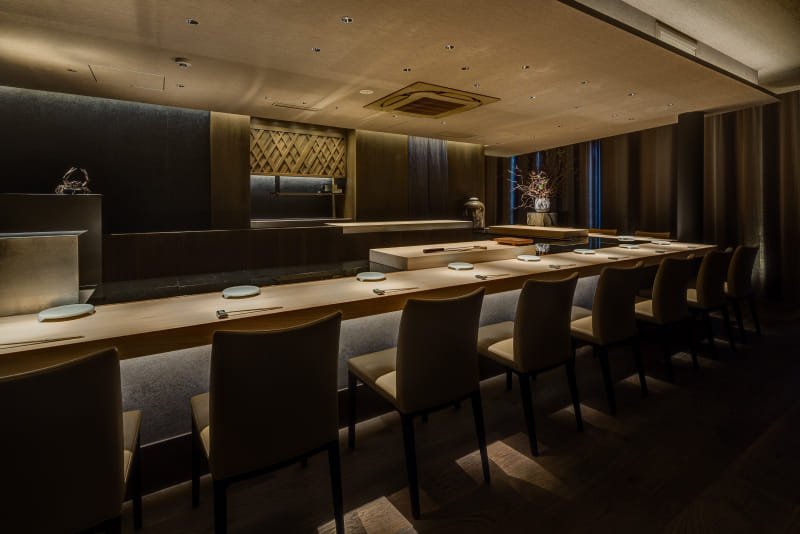
A 12-seat counter in Minami-Aoyama where edomae sushi technique intersects with French culinary logic, Sushi M under chef Shinichiro Ogata occupies a narrow category that very few Tokyo restaurants attempt. Ranked among Japan's top restaurants by Opinionated About Dining in both 2023 and 2025, the evening-only format and limited seating make advance planning essential for anyone serious about securing a table.
 Discover on Pearl
Pearl is the En Primeur Club membership app — saves, bookings, and concierge access live there. Same editors, same standards.
Where Two Disciplines Converge in Minami-Aoyama
Tokyo's restaurant culture has long tolerated — and rewarded — disciplined hybridity. The city that normalised French-trained chefs returning to Japanese kitchens, or kaiseki menus incorporating European produce, has produced a strand of dining that resists easy categorisation. Sushi M, located on the second floor of a building in Minami-Aoyama, sits at one of the more committed intersections of that tradition: a 12-seat counter where edomae sushi and French culinary logic operate not as novelty gimmicks but as parallel technical frameworks applied to the same meal.
The restaurant holds listings recognition from Opinionated About Dining, appearing as a recommended entry in 2023 and climbing to a ranked position of #513 among Japan's leading restaurants in 2025. That trajectory , from recommended to ranked within two years , reflects the kind of sustained kitchen discipline that builds a following without requiring the visibility of a major award cycle. In a city with the density of serious counters that Tokyo maintains, a consistently improving OAD position is a credible signal.
The Format and Why It Matters for Planning
The 12-seat configuration is central to understanding what kind of booking challenge Sushi M presents. At this capacity, every seat constitutes a meaningful fraction of the evening's total cover count, and the kitchen has no operational buffer for last-minute additions or casual walk-ins. Dinner service runs Tuesday through Sunday, 5 pm to 11 pm, with Mondays closed. The evening-only schedule narrows the available booking window further: unlike multi-service restaurants where a failed lunchtime reservation can be compensated with dinner, Sushi M offers one window per operating day.
Tokyo's tighter counter restaurants , those in the 8-to-16-seat range , typically operate on reservation systems that require planning weeks or months ahead, particularly for international visitors who cannot rely on local intermediaries or repeat-patron relationships. Sushi M fits squarely within that tier. Visitors arriving in Tokyo without a confirmed reservation should not expect to secure a table on short notice. The practical calculus here is worth stating directly: this is a restaurant where the booking logistics should be resolved before flights are confirmed, not after.
For context on how this booking pressure operates across the broader Tokyo dining scene, the EP Club full Tokyo restaurants guide maps the reservation difficulty across counter and omakase formats citywide. The Tokyo hotels guide includes properties with concierge teams experienced in navigating tight-capacity restaurant bookings , a practical consideration for anyone building an itinerary around small counters.
The French-Japanese Intersection as a Culinary Category
The combination that defines Sushi M , edomae sushi technique meeting French culinary language , has precedent in Tokyo, but it remains a genuinely narrow category. The city's premium sushi tier tends to be conservative: progression through established lineages, strict seasonal sequencing, minimal visible European influence. The counter that openly integrates French preparation logic alongside traditional nigiri and kaiseki-style courses is operating outside that convention, and the risk of execution failure is correspondingly higher.
French cuisine at the premium end in Tokyo, represented by restaurants such as L'Effervescence and HOMMAGE (both in the ¥¥¥¥ bracket), pursues precision and seasonal discipline using European frameworks. What distinguishes the Sushi M format is not the presence of French technique in isolation but the application of that technique within a structure still organised around the edomae tradition , the sourcing philosophy, the rice preparation, the direct relationship between counter and kitchen. The beverage pairings described in the restaurant's recognition materials are positioned as a bridging element between the two culinary cultures, which is a more specific curatorial ambition than a standard wine list or sake pairing programme.
Comparable approaches to cross-cultural precision dining can be found at venues including akordu in Nara, which applies European technique in a Japanese context, and HAJIME in Osaka, where French structure and Japanese ingredient philosophy intersect at a high level. Within Tokyo itself, the kaiseki tradition is represented at counters including Kikunoi Tokyo and Hirosaku, both of which operate within the more orthodox kaiseki format and offer a useful comparison point for understanding how far Sushi M departs from convention.
Minami-Aoyama as a Dining Address
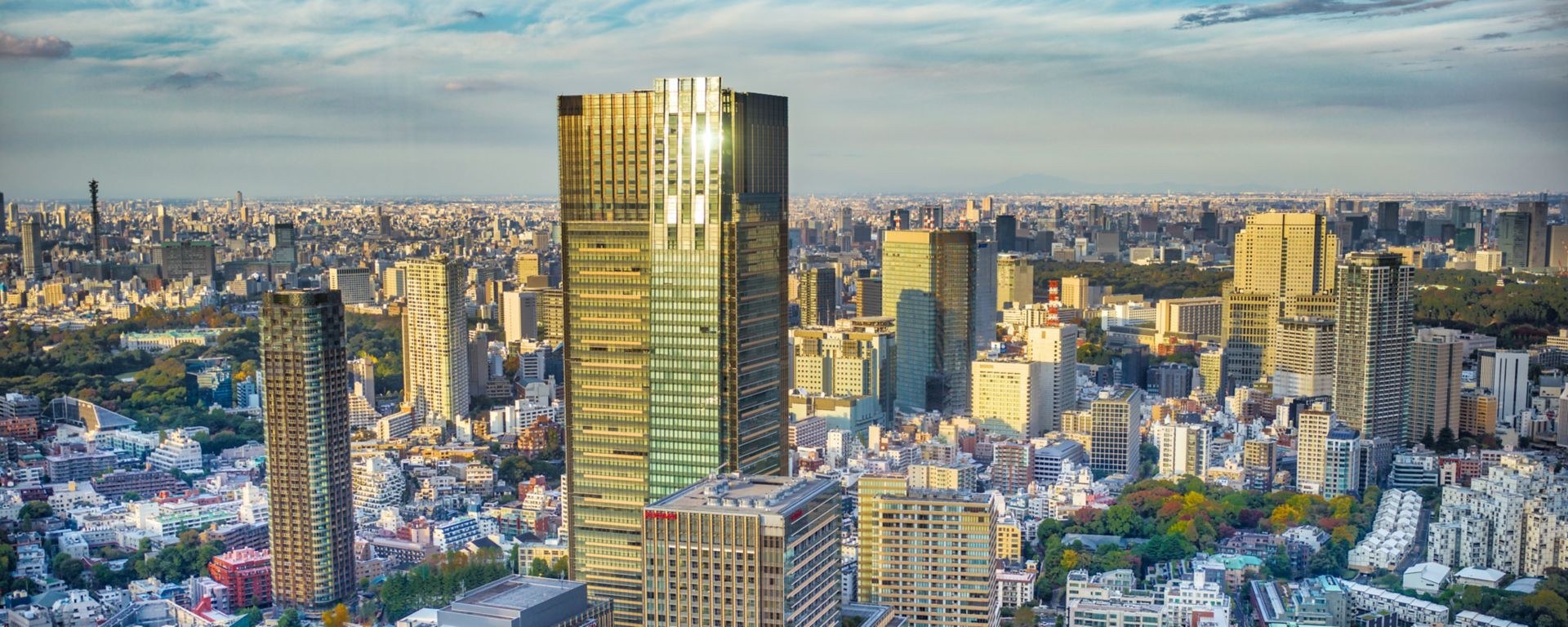
The Minami-Aoyama location shapes the restaurant's peer context as much as its cuisine does. The neighbourhood , formally part of Minato City , runs adjacent to Omotesando and carries a concentration of design-conscious businesses, independent galleries, and restaurants that tend toward the considered rather than the casual. It is not the dense restaurant district that Ginza or Roppongi represents, and its dining culture leans toward smaller, quieter operations rather than large-format destination venues.
This suits a 12-seat counter with evening-only service. The surrounding area includes other precision-focused small restaurants; Aoyama Jin operates in the same neighbourhood and represents the kind of compact, serious format that has become characteristic of the Aoyama-Minami-Aoyama corridor. Akasaka Ogino and Ajihiro are nearby alternatives for the same evening, should Sushi M prove unavailable.
For those building a wider Japan itinerary around kaiseki and precision dining, the tradition extends well beyond Tokyo. Gion Sasaki in Kyoto, Ifuki, and Ankyu operate within the more classical kaiseki form, while Goh in Fukuoka, 1000 in Yokohama, and 6 in Okinawa each represent distinct regional interpretations of precision counter dining. For the full shape of Tokyo's broader offer, including bars and cultural experiences alongside restaurants, see the EP Club guides to Tokyo bars, Tokyo wineries, and Tokyo experiences.
Planning Your Visit
Sushi M is an evening-only counter with 12 seats, open Tuesday through Sunday from 5 pm to 11 pm. The address is 2F, 4 Chome-24-8 Minami-Aoyama, Minato City, Tokyo 107-0062. Given the seat count and the restaurant's recognition by Opinionated About Dining, reservations should be secured well in advance , particularly for visitors travelling from outside Japan. No phone or website details are available in current public records; reservation access may be through a concierge or third-party booking channel. The Google rating stands at 4.6 across 197 reviews.
Quick reference: 12-seat counter, Minami-Aoyama, dinner only (Tue–Sun, 5–11 pm), OAD-ranked #513 Japan 2025, advance reservation required.
What People Recommend at Sushi M
Given the 12-seat format and the recognised integration of French technique with edomae sushi, the elements that draw repeated attention in the restaurant's public record are the beverage pairings and the cross-cultural structure of the meal itself. The pairings are described as a deliberate bridge between the French and Japanese dimensions of the menu , not a supplementary list but a considered element of how the two culinary traditions are made to cohere across a single sitting. Chef Shinichiro Ogata's approach, as captured in the restaurant's award citations, treats the interaction between French preparation methods and edomae sequencing as an active editorial decision rather than a background aesthetic. For those familiar with either kaiseki counters or French tasting menus in Tokyo , venues such as Kikunoi or the French-track ¥¥¥¥ tier , Sushi M offers a format that does not map cleanly onto either reference point, which is, by most accounts, precisely the point.
Continue exploring
More in Tokyo
More from Chef Shinichiro Ogata
Browse all →
Restaurants in Tokyo
Browse all →
Bars in Tokyo
Browse all →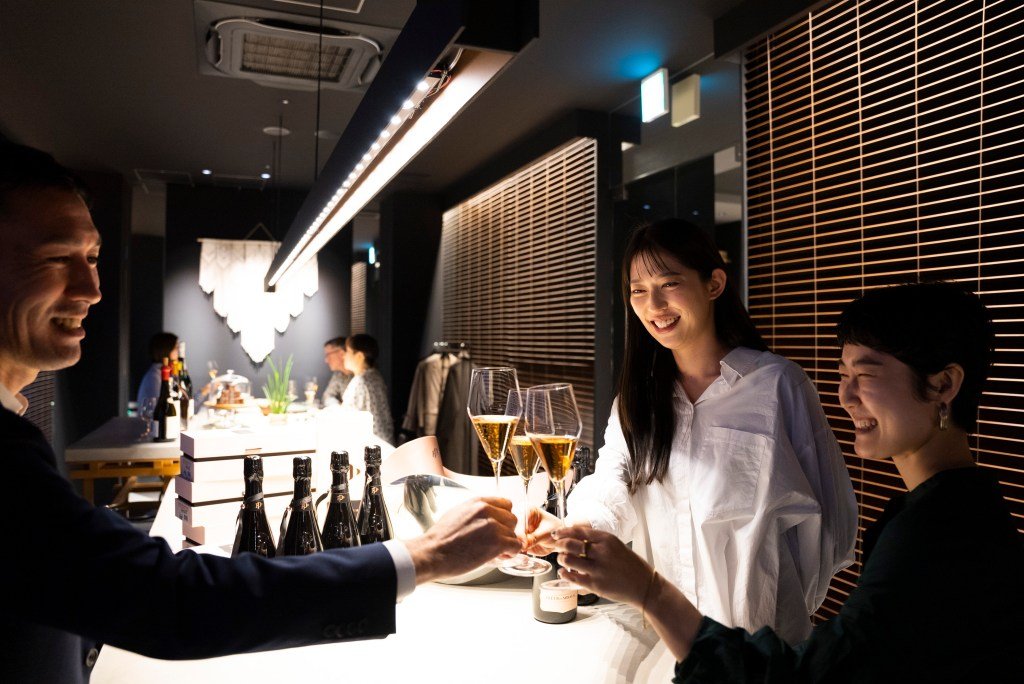
At a Glance
- Modern
- Elegant
- Intimate
- Sophisticated
- Date Night
- Special Occasion
- Chefs Counter
- Sake Program
- Extensive Wine List
- Sommelier Led
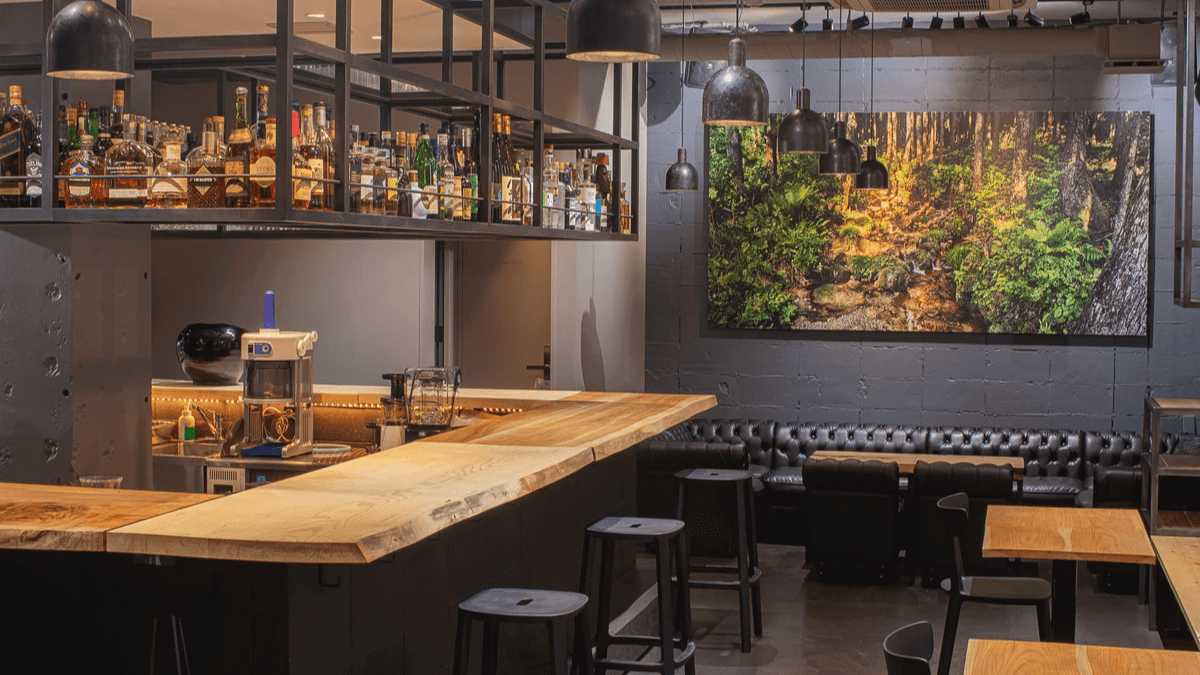
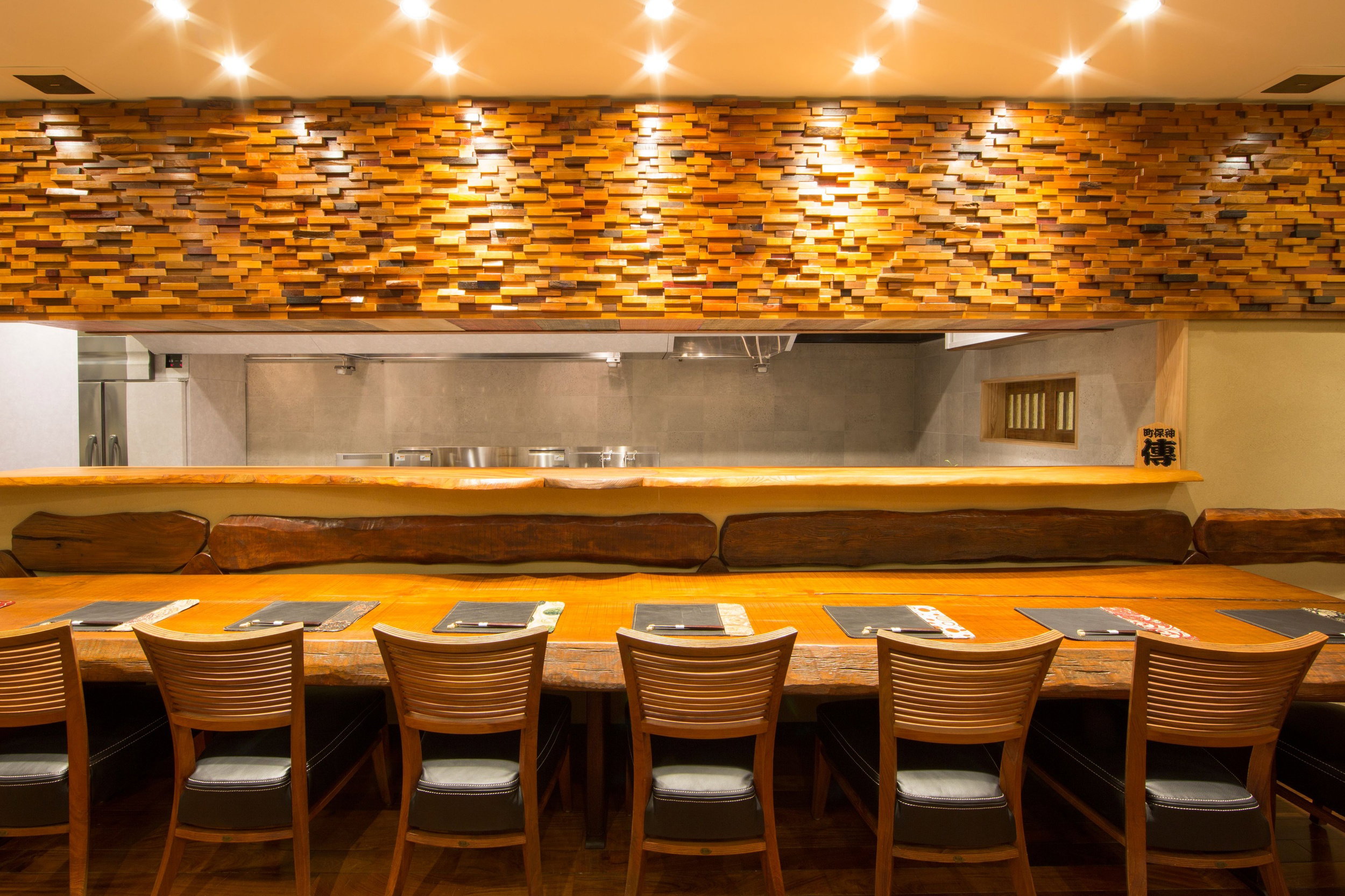
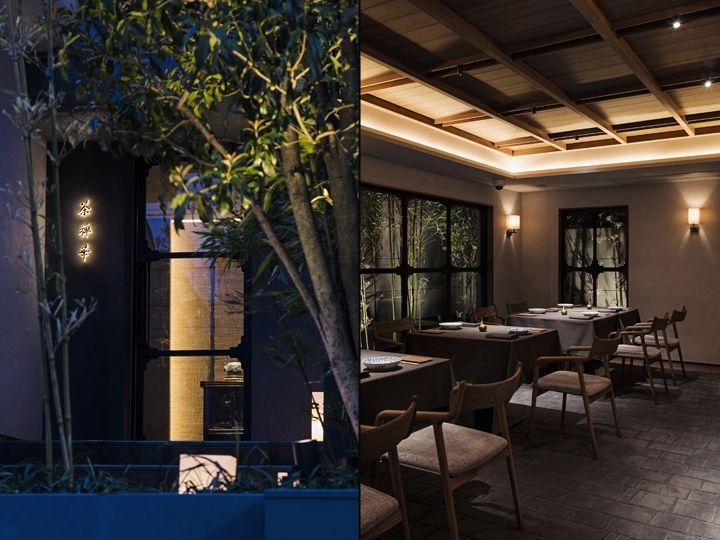
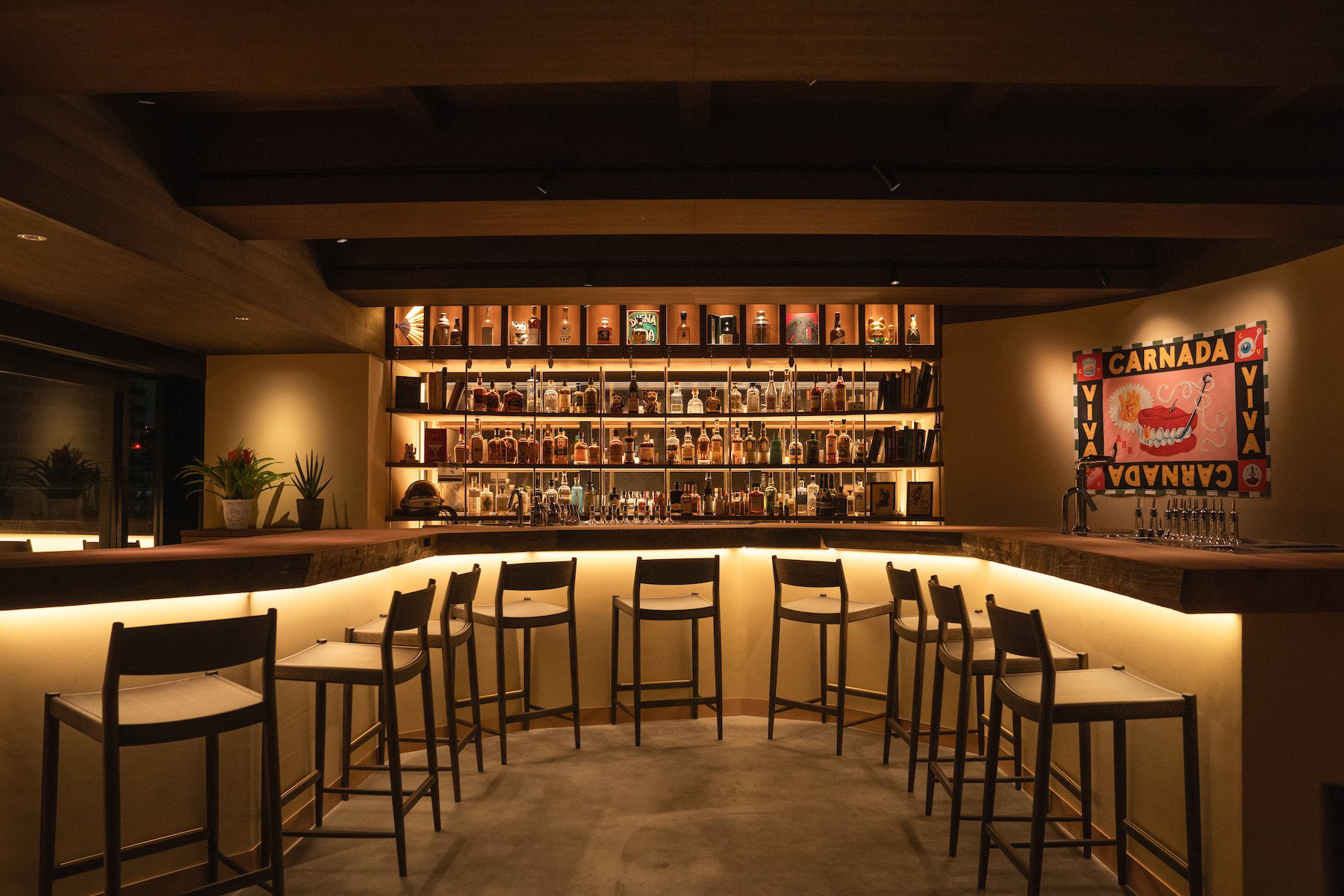
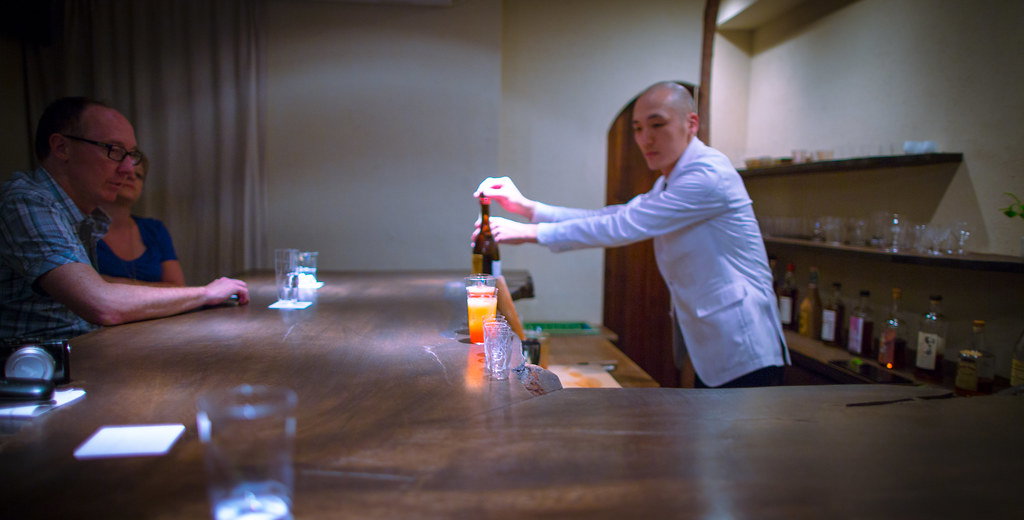
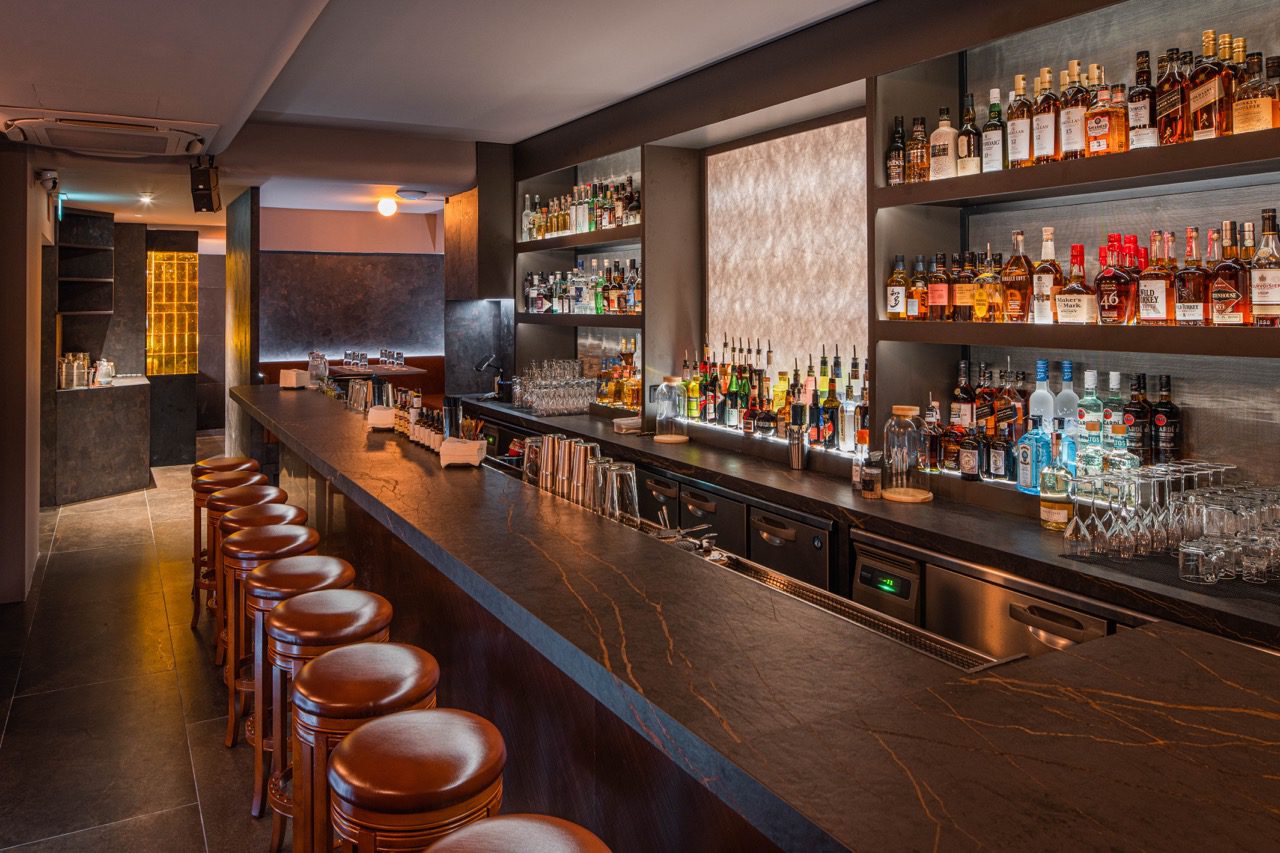
Stylish modern interior with dark lighting, downlights, and a romantic, intimate counter atmosphere.