



Kyoto kaiseki in Akasaka is not a contradiction here; it is the point. Kikunoi - Tokyo brings the ryotei and kappo registers into one Tokyo room, with Michelin two-star recognition in 2026, Tabelog Bronze status, counter and tatami seating, and a seasonal grammar that rewards diners who understand how much discipline sits behind apparent simplicity.
Pearl is the En Primeur Club membership app — saves, bookings, and concierge access live there. Same editors, same standards.
- Address
- 6 Chome-13-8 Akasaka, Minato City, Tokyo 107-0052, Japan
- Phone
- +81 3-3568-6055
- Website
- kikunoi.jp
- Directions
- Get directions
 Saves & bookings on Pearl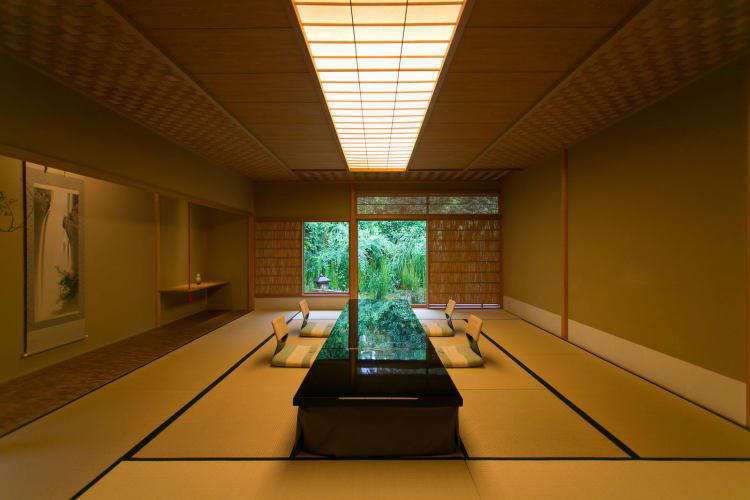
Serious kaiseki in Tokyo often begins with deceleration: a quieter street, smaller entrance and a room that makes the city recede. In Akasaka, a district of ministries, hotels, embassies and expense-account dining, that shift matters. Its better Japanese restaurants resist spectacle, asking attention to sequence, temperature, vessel, pacing and seasonal reference. Kikunoi - Tokyo brings Kyoto’s ryotei vocabulary into Tokyo without becoming a museum piece.
Read it as Tokyo absorbing regional forms and making them metropolitan, not as a transplanted brand. Kaiseki links season, craft and occasion through structure. In a city where sushi counters and French-influenced tasting menus dominate international attention, kaiseki occupies a narrower lane: less one climactic dish than proportion. The logic that makes a humble bowl of soba or udon hard to master applies here at a higher formal pitch: clarity leaves nowhere to hide.
Kyoto form, Tokyo tempo, and the discipline of restraint
Kaiseki’s reputation can suffer from reverence; the better examples are muscular in control, not fragile. The kitchen must manage broth, fish, vegetables, rice, pickles, sweets, temperature and table rhythm across a meal where excess becomes noise. Kikunoi - Tokyo’s recognition, including Michelin two-star status in Tokyo 2026, a Tabelog Award 2026 Bronze listing, La Liste 2026 at 84 points and inclusion in Opinionated About Dining’s 2026 Japan recommendations, places it in a serious competitive tier, not a nostalgia category.
Tokyo already has a deep kaiseki field. Akasaka offers routes into the tradition, from the neighbourhood formality of Akasaka Asada to the intimate contemporary language around Akasaka Ogino. Nearby comparisons such as Akasaka Ogino, Tsujitome, Suzutashiki and Yamazaki show the category’s range: some rooms lean ryotei ceremony, others counter-led immediacy. Kikunoi - Tokyo sits between, with tatami and private-room formality on one side and counter visibility on the other.
The Kyoto connection gives the meal a different centre of gravity from Tokyo’s sharper kappo culture. Kyoto cuisine prizes seasonality through market vegetables, annual events, utensils, serving order and tea-culture memory. La Liste notes yearly events woven into the menu and Western ingredients used within a Kyoto frame. Contemporary kaiseki need not freeze itself in Edo or Heian nostalgia; its authority comes from knowing which changes the structure can absorb.
The humble bowl principle: why simple Japanese food exposes skill
The cliché of luxury Japanese dining is the rare ingredient. Kaiseki at this level is better read through the humble bowl. Ramen, udon and soba show that plainness is not simplicity: broth can be over-extracted, noodles mistimed, seasoning able to flatten grain or wheat. Kaiseki uses the same unforgiving arithmetic. A clear soup, rice course or seasonal vegetable preparation can reveal more than a luxury garnish.
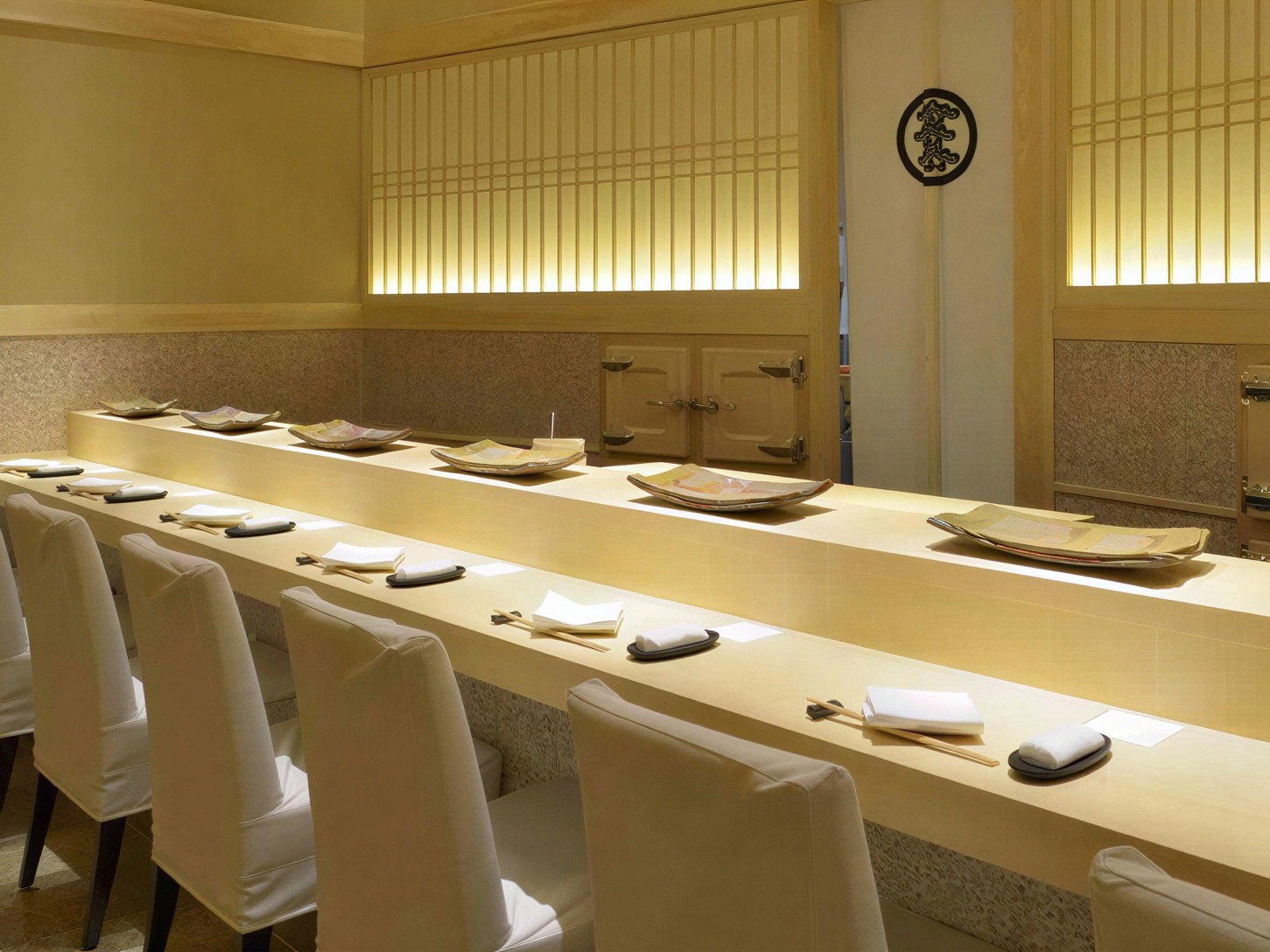
Its format has more in common with masterful comfort food than it first appears. Pleasure is cumulative, not explosive: a bowl, a lid, a small change in aroma, a shift from counter energy to ryotei quiet. These are the cuisine’s language, not decoration. Counter seating gives kappo a role, while private rooms preserve the formal rhythm expected for business meals, family occasions and ceremonial dining. The room count and seating mix support that dual identity rather than forcing one script.
Tokyo diners chasing sushi may find kaiseki more demanding. Sushi’s grammar is compressed into repeated, comparable units; kaiseki changes the unit of judgment course by course. A meal can move from delicacy to comfort, visual composition to plain rice, sake to tea, without declaring one centerpiece. Listed attention to fish, sake, shochu and wine suggests Japanese dining convention with range for international guests. An English menu and sommelier availability lower the barrier, but the cuisine rewards patience over checklist dining.
Comparisons within Japan help. Kyoto remains the source city for much of the form, and readers planning around kaiseki should look at Ankyu, Kaiseki in Kyoto and [ki:] in Kyoto for a different regional register. Kaga’s tradition, represented in our guide by Araya Totoan, Kaiseki in Kaga, has its own relationship with craft, ceramics and ryokan culture. Tokyo’s version is more compressed, urban and convenient for travelers building an itinerary around hotels, bars and restaurants.
How it fits into an Akasaka dining itinerary
Akasaka is a logical base because the neighbourhood is built for adult dining, not culinary tourism alone. Serious Japanese rooms coexist with hotel restaurants, corporate entertaining and late drinking. Kikunoi - Tokyo is a strong anchor when the meal is the plan, not a prelude. Chef Ryohei Hayashi’s name is part of the credentialing, but the larger story is Tokyo dining culture sustaining Kyoto formality without making it occasion-only.
For a broader Tokyo stay, place it within the city’s wider Japanese network, not only among kaiseki specialists. Aoyama Jin offers another lens on refined Japanese cooking, while Ajihiro and Bulgari Cafe II show how varied Tokyo becomes beyond one cuisine type. For a full city view, use Our full Tokyo restaurants guide alongside Our full Tokyo hotels guide and Our full Tokyo bars guide; the restaurant is clearer within the rhythm of where to stay, drink and recover between formal meals.
Planning beyond Tokyo sharpens the decision. A traveler comparing regional Japanese food could pair this Akasaka meal with beef-led cooking at -Grilled beef Sukiyaki- KAMAKURA TANUKIAN 鎌倉 たぬき庵 in Kamakura, casual cafe culture at.cafe in Osaka, Kumamoto’s contemporary scene at.know in Kumamoto, Vietnamese cooking in the Tokyo orbit at (Shoku) Vietnam in Kawasaki, or curry specialization at [Curry Senmon Ten] Maruyama Kyoju. in Sapporo. Those contrasts explain kaiseki’s position: not everyday comfort food, but dependent on the same Japanese respect for repetition, seasoning and timing.
The verdict is practical, not sentimental. This is a kaiseki address for diners wanting Kyoto structure inside Tokyo’s dining infrastructure, with enough formal recognition for a high-stakes itinerary. It is wrong for loud novelty or a single trophy dish. Its appeal lies in the older Japanese proposition that mastery can be quiet, and small calibrated decisions can carry more authority than a room built for applause. For wider planning, continue with Our full Tokyo experiences guide and Our full Tokyo wineries guide.
Comparable venues nearby, for context on price, style, and recognition.
| Venue | Cuisine | Price | Awards | Notes |
|---|---|---|---|---|
| Kikunoi - TokyoThis venue — the venue you are viewing | Kyo-Kaiseki | $$$$ | Michelin 2 Star | Not listed |
| Tempura Motoyoshi | Michelin-Starred Tempura Omakase | $$$$ | Michelin 2 Star | Shibuya |
| Sushi Kanesaka | Edomae Omakase | $$$$ | Michelin 2 Star | Chūō |
| Ginza Shinohara | Traditional Kaiseki Omakase | $$$$ | Michelin 2 Star | Chūō |
| Sukiyabashi Jiro Roppongiten | Traditional Japanese Omakase Sushi | $$$$ | Michelin 2 Star | Minato |
| Jingumae Higuchi | Modern Japanese Kappo Omakase | $$$$ | Michelin 2 Star | Shibuya |
Recognition history
Dated appearances from independent guides and award organizations, with the underlying list record or original source where available.
La Liste Top Restaurants
La Liste
Michelin 2 Stars
Michelin
Opinionated About Dining Top Restaurants in Japan Recommended
Opinionated About Dining
Tabelog Bronze #12
Tabelog
La Liste Top Restaurants
La Liste
Michelin 2 Stars
Michelin
Opinionated About Dining Top Restaurants in Japan Ranked #261
Opinionated About Dining
Tabelog Bronze
Tabelog
Tabelog 100 #50 · No. 50
Tabelog · Tabelog 100 - Japanese cuisine - TOKYO - 2025
Michelin 2 Stars
Michelin
Opinionated About Dining Top Restaurants in Japan Ranked #190
Opinionated About Dining
Opinionated About Dining Top Restaurants in Japan Highly Recommended
Opinionated About Dining








At a Glance
- Elegant
- Sophisticated
- Intimate
- Classic
- Special Occasion
- Business Dinner
- Sake Program
Current opening hours
- Monday
- Closed
- Tuesday
- 12–2 PM, 5–10 PM
- Wednesday
- 12–2 PM, 5–10 PM
- Thursday
- 12–2 PM, 5–10 PM
- Friday
- 12–2 PM, 5–10 PM
- Saturday
- 12–2 PM, 5–10 PM
- Sunday
- Closed
Hours can change for holidays and private events. Last verified .
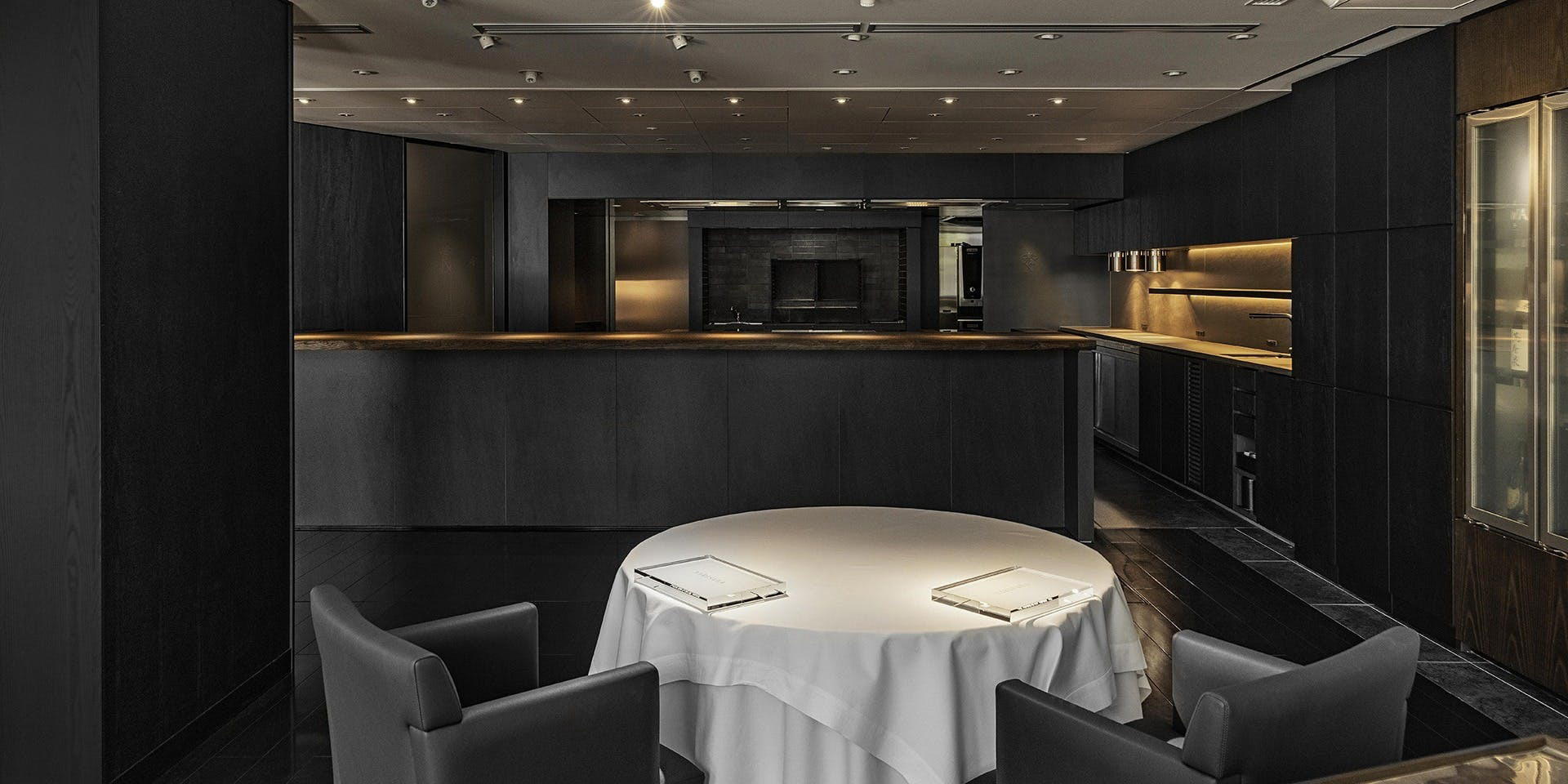
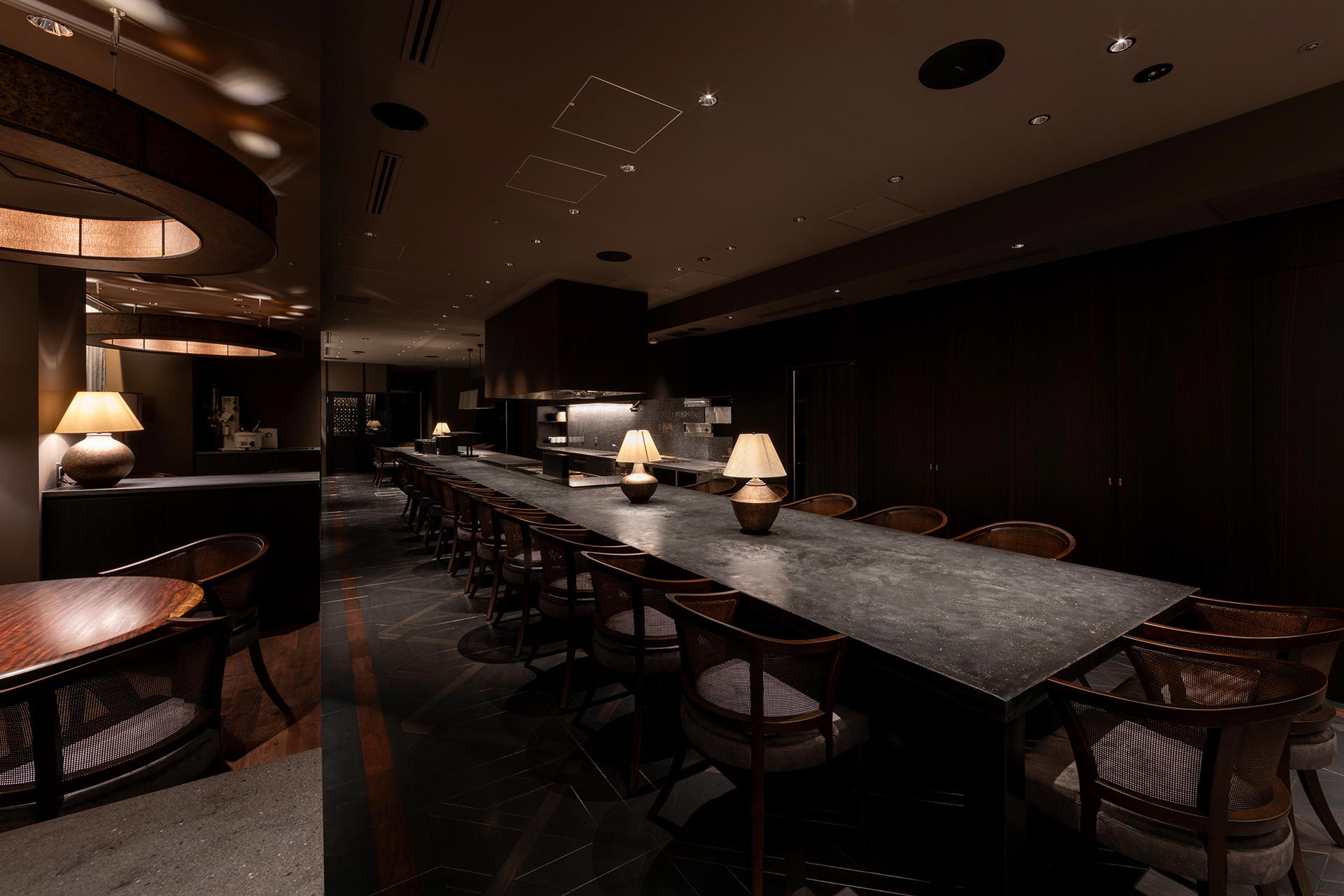
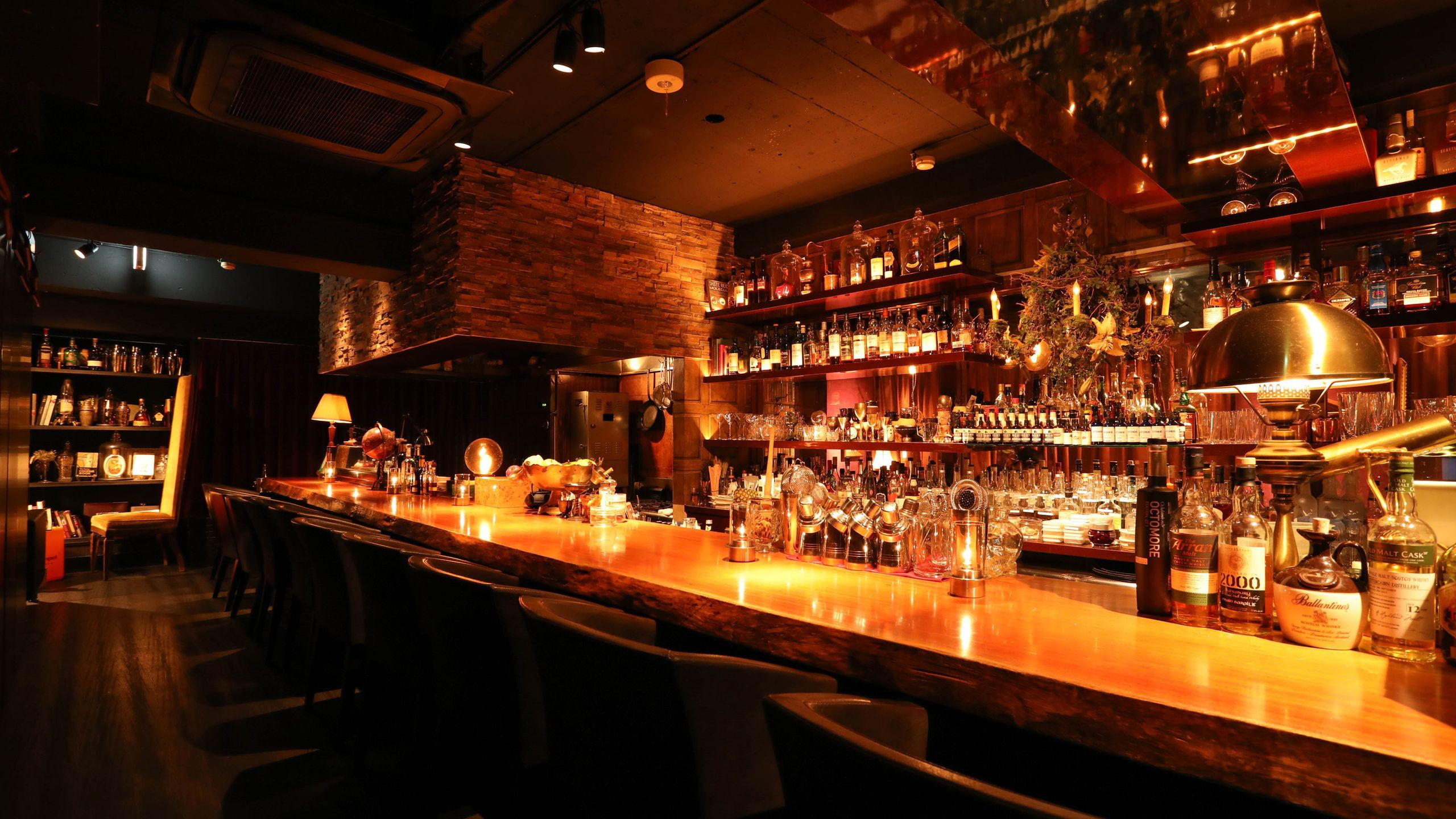
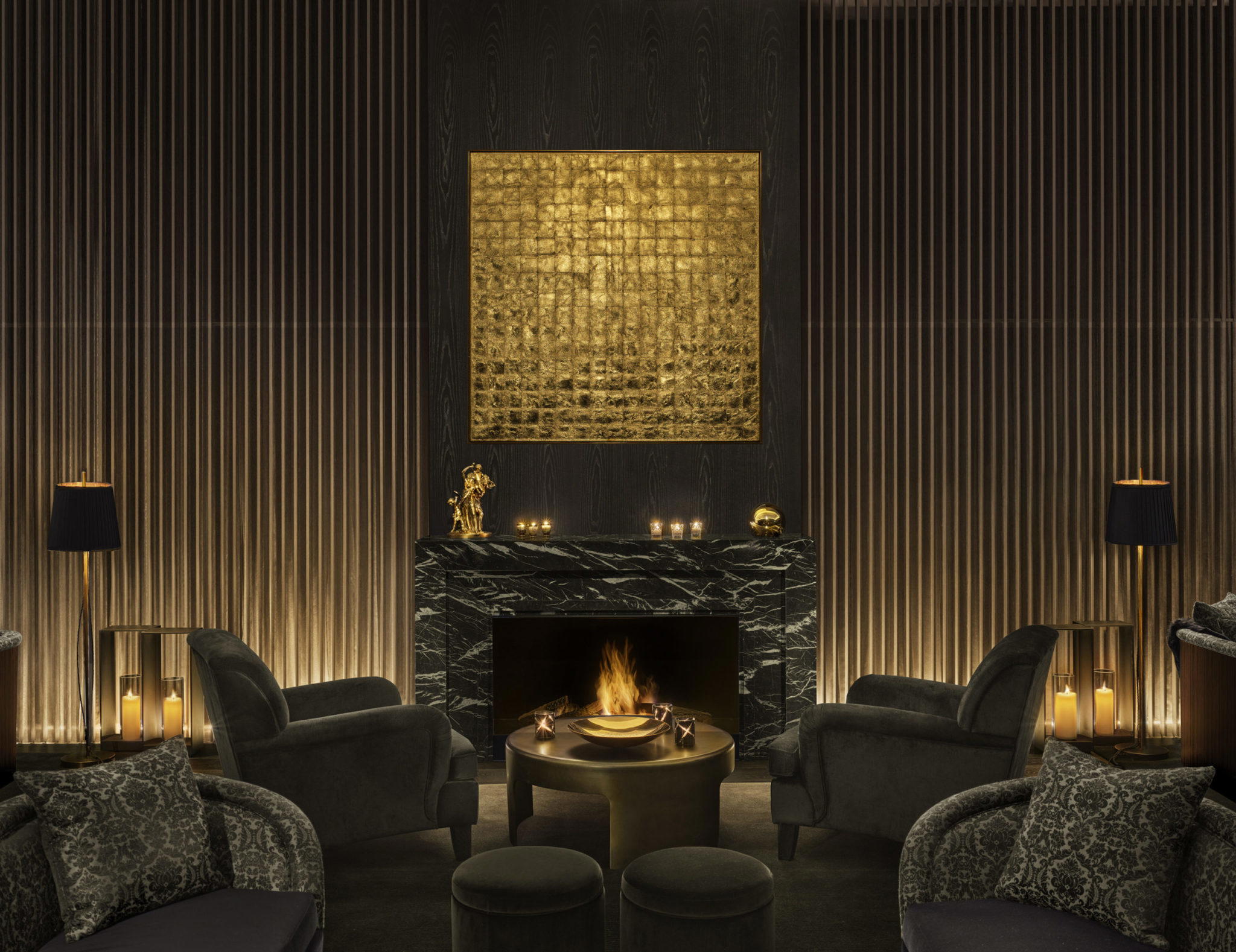
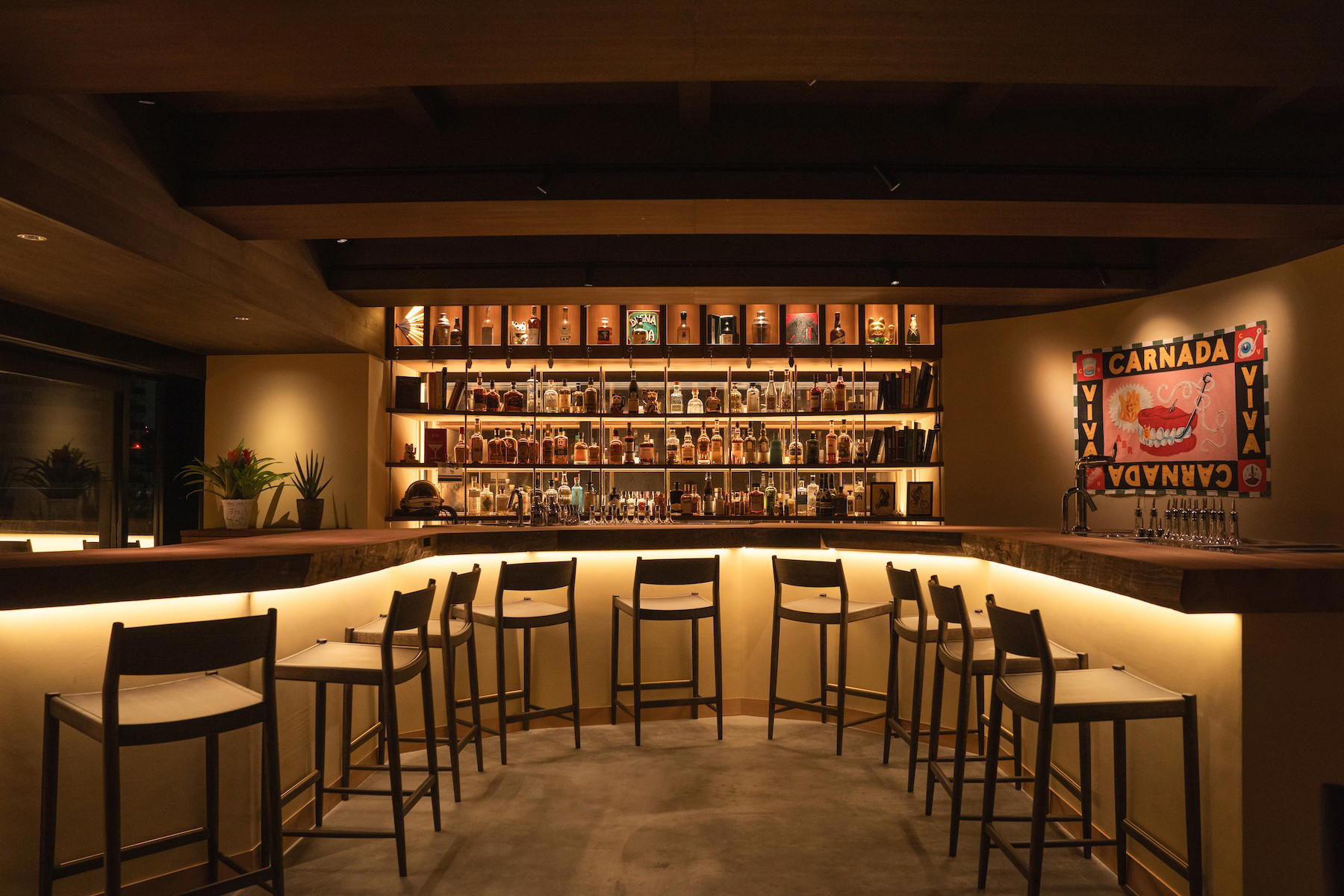
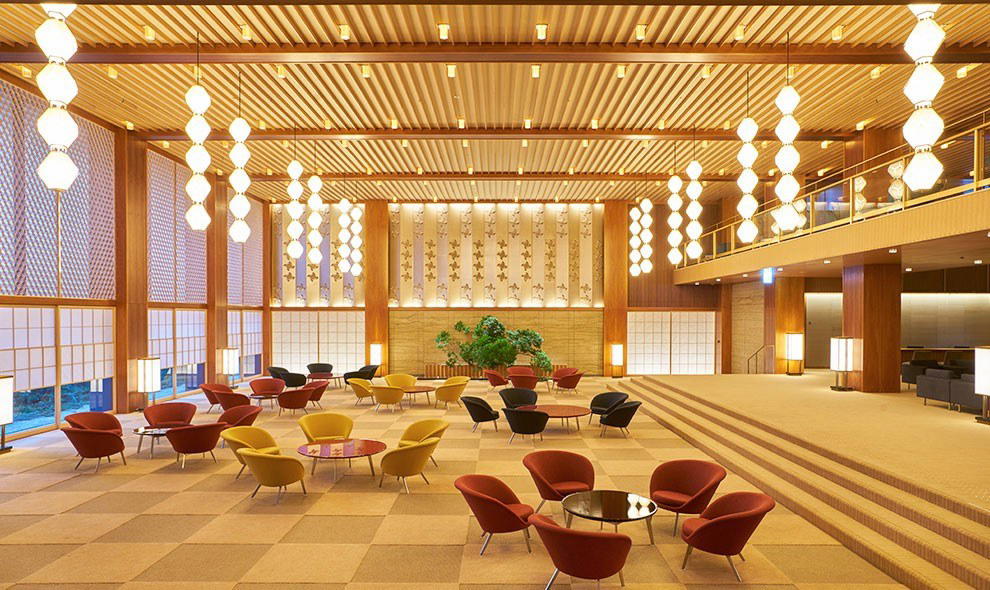
Quiet and elegant atmosphere with unhurried dining, counter seating for watching chefs, or private rooms offering traditional Japanese hospitality.