

A seven-seat kaiseki counter in Chuo Ward, Ajihiro holds a Tabelog 4.24 score, a 2026 Bronze Award, and placement in the Tabelog Japanese Cuisine Tokyo Top 100 for 2025. Dinner runs JPY 40,000 to 49,999 by listed price, with review-based spending pointing higher. Reservation-only and counter-seating only, the room operates at a scale where ingredient sourcing and sequence control the entire experience.
Pearl is the En Primeur Club membership app — saves, bookings, and concierge access live there. Same editors, same standards.
- Address
- Japan, 〒104-0042 Tokyo, Chuo City, Irifune, 3 Chome−8−9 ドミシールカワイ 102
- Phone
- +81 3-6280-5503
- Website
- tabelog.com
- Directions
- Get directions
 Saves & bookings on Pearl
Chuo Ward and the Quiet Counter Tier
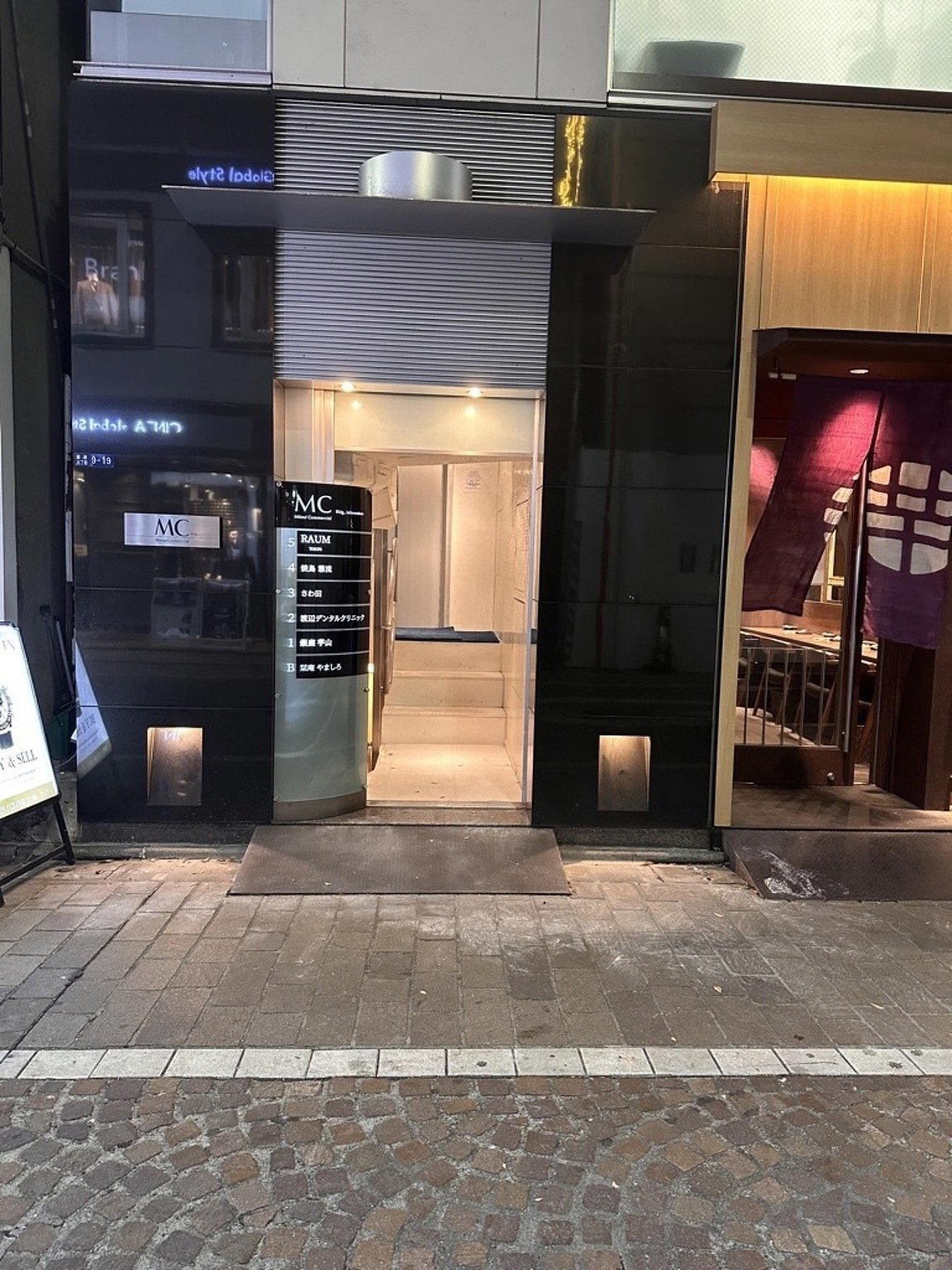
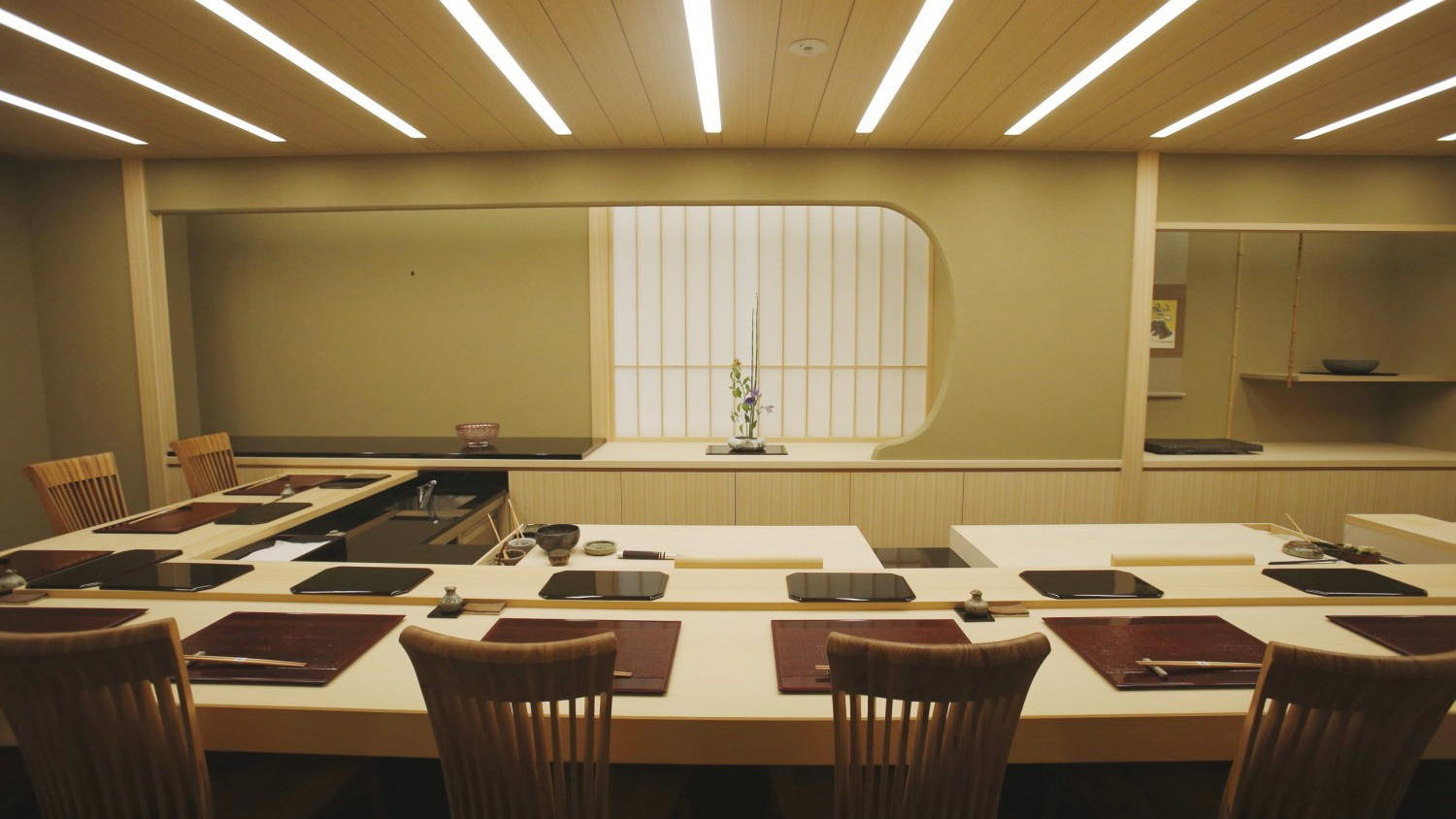
Tokyo's kaiseki scene concentrates most of its recognition in Minami-Aoyama, Azabu, and the Ginza corridor, where high rents and foot traffic have shaped a particular kind of dining scene. The Shintomicho and Irifune pockets of Chuo Ward operate differently. The streets around the Shintomi subway exit are office-district quiet by evening, and the restaurants that have settled here tend to attract a local professional clientele rather than a tourist circuit. Ajihiro sits roughly 340 meters from Shintomicho station in a low-rise residential-commercial building, in a ground-floor space configured as a single counter with seven seats. That spatial logic, one chef, one counter, one sequence of courses, is the dominant format for serious kaiseki outside the large Kyoto-heritage establishments, and it is the format through which ingredient sourcing becomes legible to the guest in a way that a larger room would dilute.
What the Awards Record Communicates
Tabelog scores at this level carry meaningful competitive weight in Tokyo dining. A score of 4.24, combined with a 2026 Bronze Award and selection for the Tabelog Japanese Cuisine Tokyo Top 100 in 2025, places Ajihiro in a tier that includes two to three dozen kaiseki counters across the entire city. Chef Tomohiro Gunji leads the counter, and the award record reflects a single practitioner's consistency.
For comparison within the broader Tokyo premium Japanese dining tier: RyuGin holds three Michelin stars and operates at a significantly larger scale; Den holds two stars and works in a more playful, contemporary idiom. Ajihiro's Tabelog recognition positions it in the tier below those headline names but well above the entry-level kaiseki market, and its seven-seat format aligns it more closely with the intimate counter school represented by venues like Hirosaku and Akasaka Ogino. Those who want to survey the full range of Tokyo's formal Japanese dining options can start with our full Tokyo restaurants guide.
Ingredient Sourcing as the Structure of the Meal
Kaiseki at this price point is not primarily about technical spectacle, it is about material selection. The format, which evolved from the tea ceremony tradition into the multi-course structure now practiced across Japan's serious Japanese cuisine restaurants, assigns enormous weight to the quality and provenance of raw ingredients. A counter of seven seats creates the conditions for procurement that would be economically untenable at larger scale: small-quantity direct relationships with producers, seasonal ingredients sourced to order, and the ability to change the menu day-to-day based on what arrives rather than what was pre-ordered for a 40-cover room. This is the practical reason why particularly ingredient-serious kaiseki in Tokyo tends to concentrate in small counters rather than in large hotel restaurants or branded multi-site operations.
The dinner price band of JPY 40,000 to 49,999 positions Ajihiro at the upper tier of Tokyo kaiseki pricing. That range is consistent with what direct-sourcing at this level requires: premium seasonal fish, aged proteins, foraged mountain vegetables, and the kind of ceramics and lacquerware that kaiseki's formal presentation tradition demands. For reference, comparable precision-sourcing kaiseki counters in Kyoto, such as Ifuki and Ankyu, operate in a similar pricing band.
The kaiseki tradition requires that ingredient sourcing track the Japanese seasonal calendar with specificity, not just the four broad seasons but the micro-seasons within them, each associated with particular fish runs, mountain harvests, and temperature-dependent flavors. At a seven-seat counter, the chef's purchasing decisions become the direct architecture of the meal in a way that a guest can follow course by course. The broader kaiseki tradition in Japan, represented at the multi-generational level by establishments like Kikunoi's Tokyo outpost and the flagship operations in Kyoto, has always centered on this seasonal fidelity; at Ajihiro's scale, it operates without the buffer of a large kitchen team to standardize or smooth over what the market provides on a given day.
The Room and the Practical Reality
Counter seating only, with seven seats and no private rooms available, means the experience is architecturally shared. Private use may be possible for small groups. No smoking throughout. Credit cards are accepted; electronic money and QR code payment are not. Parking is not available, which is standard for this type of urban counter. The closest transit access is Shintomicho station, approximately 340 meters from the address.
The counter format means the drink selection is deliberately curated rather than encyclopedic: sake (nihonshu) and wine are available, which is a typical configuration for kaiseki at this level. The pairing decision between sake and wine at a Japanese cuisine counter is worth making deliberately, as the interactions with dashi-based preparations and seasonal seafood differ significantly between the two.
The restaurant operates reservation-only. The current operating location is in Irifune.
Positioning Within the Broader Japan Premium Table
For visitors building a broader Japan itinerary around serious Japanese cuisine, the counter kaiseki format that Ajihiro represents in Tokyo has strong regional counterparts worth considering. Gion Sasaki in Kyoto operates in the same tradition with significant critical recognition. HAJIME in Osaka takes the multi-course Japanese format in a more progressive direction. Outside the main urban centers, akordu in Nara and Goh in Fukuoka represent different regional expressions of ingredient-led Japanese dining. Further afield, 1000 in Yokohama and 6 in Okinawa offer contrast cases for how the counter dining format translates outside Tokyo.
Within Tokyo itself, those building around the kaiseki and Japanese cuisine tier can cross-reference Aoyama Jin for a contrast in neighbourhood and format, or Bulgari Cafe II for a different point on the Tokyo premium dining map. Travelers who want context beyond restaurants can use our Tokyo hotels guide, our Tokyo bars guide, our Tokyo wineries guide, and our Tokyo experiences guide for broader planning.
Planning Your Visit
What should I eat at Ajihiro?
Ajihiro operates as a kaiseki counter, which means there is no à la carte choice, the kitchen sets the sequence, and the sequence is built around what the chef has sourced for that particular service. Given the Tabelog recognition and the award trajectory, the meal is best understood as an expression of the current season's leading available ingredients rather than a fixed signature menu. The 4.24 Tabelog score and repeated Tabelog 100 selections indicate consistent quality across multiple seasons and reviewer visits, which suggests that the kitchen's sourcing relationships are durable rather than opportunistic.
What is the ideal way to book Ajihiro?
Ajihiro is reservation-only, and given its seven-seat configuration, demand at this award level means advance planning is advisable. The phone number on record is +81-3-6280-5503. There is no official website, so direct phone reservation is the primary channel. Because closing days are irregular, confirm availability and hours before finalizing any travel plans around this booking. The base dinner price sits at JPY 40,000 to 49,999, but review-based spending patterns suggest budgeting JPY 80,000 to 99,999 per person once drinks are included, a figure consistent with other Tabelog Bronze-tier kaiseki counters in Tokyo.
Peers Worth Knowing
Comparable venues nearby, for context on price, style, and recognition.
| Venue | Cuisine | Price | Notes |
|---|---|---|---|
| AjihiroThis venue — the venue you are viewing | Traditional Japanese Kaiseki | $$$$ | Not listed |
| Usukifugu Yamadaya | Traditional Fugu Omakase | $$$$ | Minato |
| Arakicho Kintsugi | Michelin-Recognized Seasonal Kaiseki Omakase | $$$$ | Shinjuku |
| Furuta | Japanese Kaiseki and Kappo | $$$$ | Chūō |
| Kioicho Mitani | Modern Sushi Omakase with Wine Pairing | $$$$ | Chiyoda |
| Suetomi | Classic Kaiseki | $$$$ | Minato |
Recognition history
Dated appearances from independent guides and award organizations, with the underlying list record or original source where available.
Opinionated About Dining Top Restaurants in Japan Recommended
Opinionated About Dining
Tabelog Bronze #9
Tabelog
Opinionated About Dining Top Restaurants in Japan Ranked #344
Opinionated About Dining
Tabelog Silver
Tabelog
Tabelog 100 #96 · No. 96
Tabelog · Tabelog 100 - Japanese cuisine - TOKYO - 2025
Opinionated About Dining Top Restaurants in Japan Ranked #299
Opinionated About Dining
Opinionated About Dining Top Restaurants in Japan Highly Recommended
Opinionated About Dining





At a Glance
- Elegant
- Sophisticated
- Intimate
- Special Occasion
- Date Night
- Business Dinner
- Chefs Counter
- Sake Program
Refined and restrained aesthetic with focus on culinary artistry.