
Our verdict
Yakumo Saryo sits in Meguro's residential fringe, where kaiseki is delivered through a design-led framework that draws as much from craft and space as from the kitchen. Opinionated About Dining has tracked the restaurant's upward climb since its 2023 recommendation, reaching #352 in Japan by 2024 and #421 in 2025. Open Tuesday through Saturday, it operates as a full-day destination rather than a dinner-only counter.

Pearl is the En Primeur Club membership app, where members save venues, book tables and use the concierge.
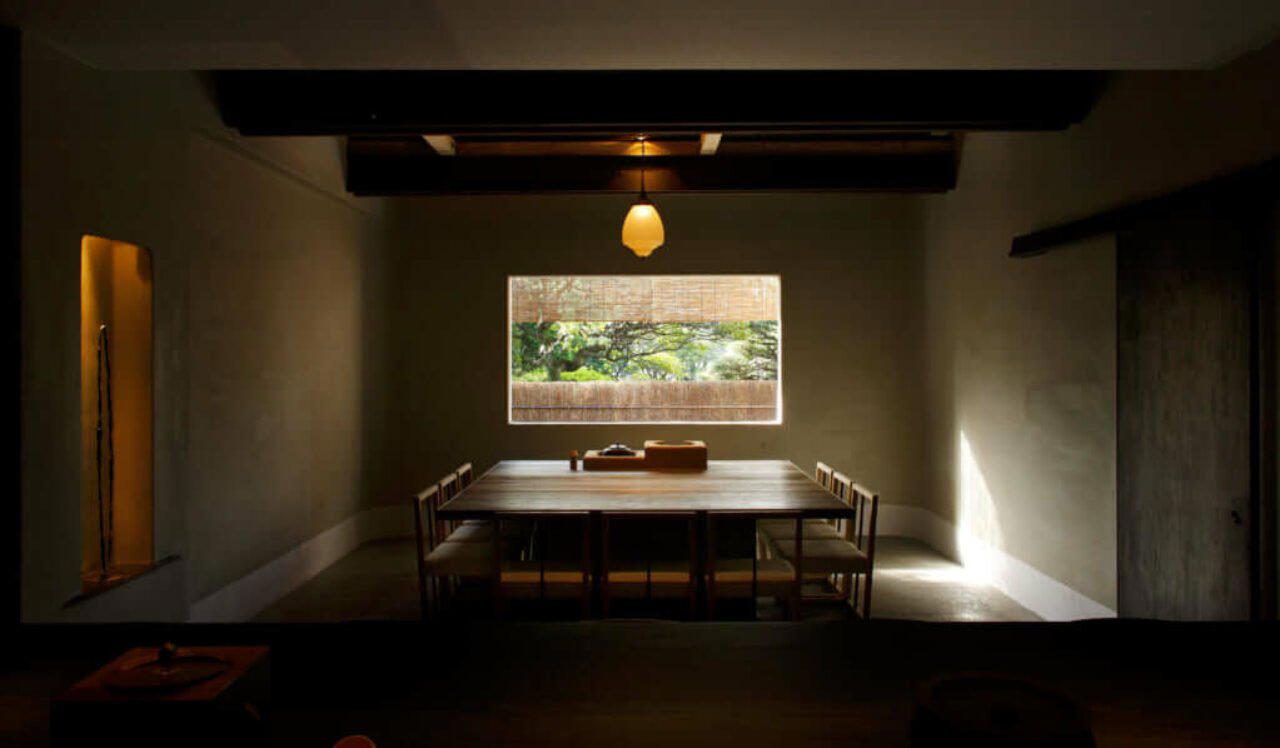
A Kaiseki Address in Meguro That Critics Have Been Tracking for Three Years
Tokyo's kaiseki circuit is usually mapped around Ginza, Akasaka, and Minami-Aoyama, where the density of high-end Japanese restaurants supports a predictable geography of white-glove dining. Meguro's quieter residential pocket, Yakumo, specifically, a neighbourhood of low-rise streets and garden walls, operates at a different register. That is the setting in which Yakumo Saryo has established itself as a critically tracked address, advancing through Opinionated About Dining's rankings of Japanese restaurants with measurable consistency: a recommendation in 2023, a ranking of #352 in Japan in 2024, and a position of #421 in 2025. That the number moved in an unusual direction, downward rather than upward, reflects the intense competition across Japan's leading restaurant tier as new entrants join the list, not any decline in the restaurant's standing.
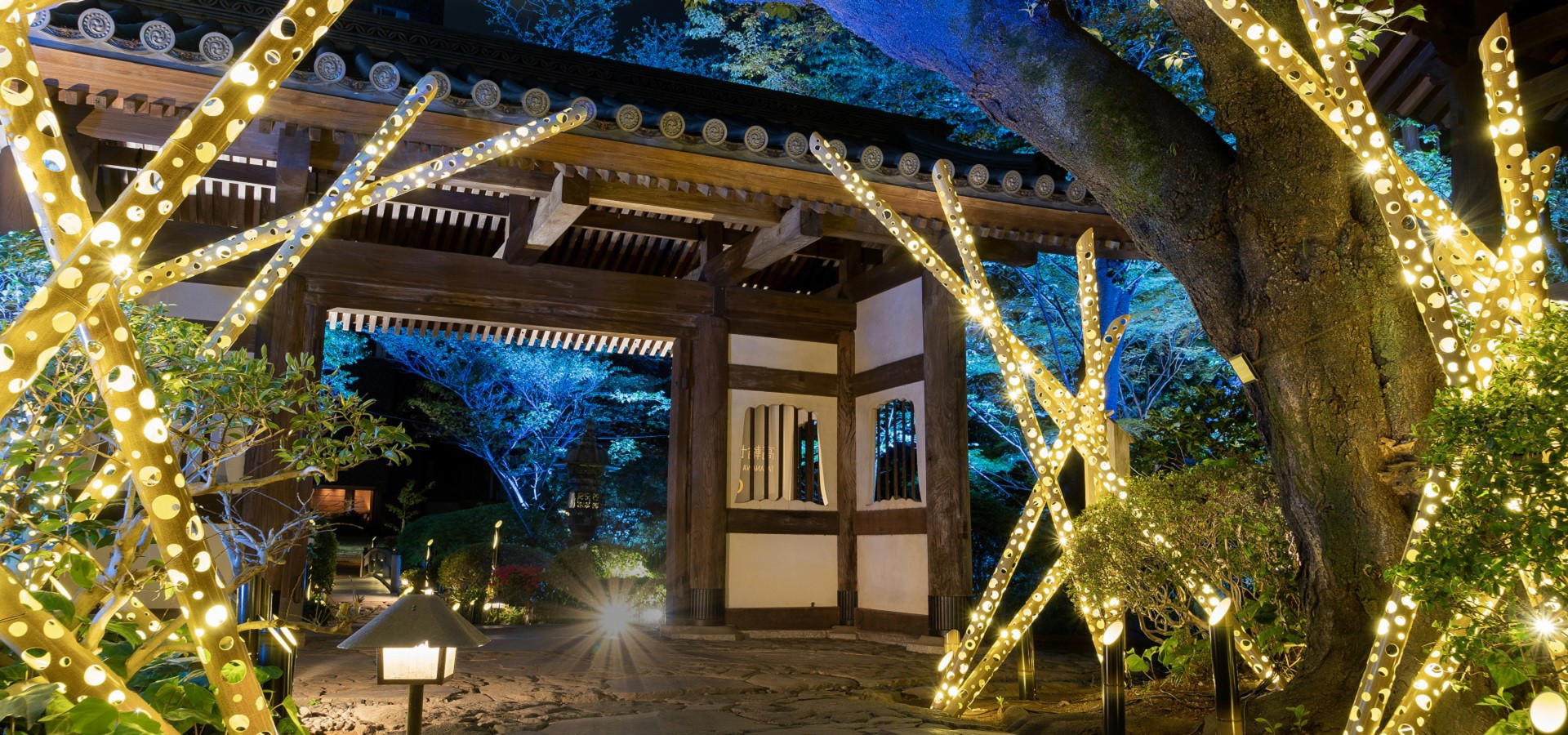
Among Tokyo kaiseki restaurants, the comparison set matters. Venues like Kikunoi - Tokyo bring Kyoto heritage to the capital, operating within a lineage of Kyoto-founded kaiseki houses that prize seasonal succession above all. Akasaka Ogino and Aoyama Jin sit within the more central, commercially visible part of that circuit. Yakumo Saryo occupies a different position: removed from the central cluster, embedded in a residential setting, and associated with a broader design and craft sensibility that distinguishes it from the purely culinary focus of its central-Tokyo peers. That positioning is a deliberate choice, not a geographical accident.
What the OAD Rankings Actually Signal
Opinionated About Dining is a survey-based critical guide whose rankings are weighted toward the opinions of frequent, experienced restaurant visitors rather than anonymous public votes. Inclusion on the list, let alone a numbered rank, places a restaurant in a field where the electorate is specifically qualified. Yakumo Saryo's trajectory, recommendation to #352 to #421 across three consecutive years, represents something specific: the restaurant has been consistently visible to this audience, generating enough repeat engagement to hold a ranked position in a country whose restaurant culture is arguably the most competitive in the world for this category.
For context, kaiseki as a format is well-represented in that competition. Restaurants like RyuGin in Tokyo operate at the highest tier of kaiseki recognition globally, with multiple Michelin stars and sustained 50 Best visibility. That Yakumo Saryo is ranked within the same national list as such addresses, while operating in a neighbourhood outside the central circuit, indicates that its appeal crosses the typical boundaries of location and format. Critics with deep Japan knowledge are choosing to include it alongside the major downtown addresses.
The Format: Full-Day, Not Dinner-Only
One of the more telling structural facts about Yakumo Saryo is its operating hours: Tuesday through Saturday, 9am to 10pm, with both Monday and Sunday closed. This is not the format of a dinner-focused kaiseki counter. The extended hours suggest a space that functions across daytime and evening in a way more common to a ryokan or a combined café-and-restaurant operation than a traditional kaiseki address. The Sunday and Monday closures are consistent with the pattern of serious Japanese restaurants that close two consecutive days rather than one, allowing kitchen teams a genuine reset.
That full-day model sets Yakumo Saryo apart from the evening-only kaiseki counters that define much of Tokyo's high-end Japanese dining. Venues like Hirosaku and Ajihiro operate within more conventional dinner-counter frameworks. Yakumo Saryo's daytime presence implies a different relationship with the guest: one that extends beyond the tasting-menu ritual to include tea, craft objects, and the architecture of the space itself as part of what the visit delivers. Chef Shinichiro Ogata's background spans design as well as cuisine, and that dual sensibility shapes the physical environment of the restaurant in ways that make the daytime visit specifically worth considering.
Meguro and the Geography of Tokyo's Kaiseki Scene
Understanding where Yakumo Saryo sits geographically requires a brief read of how Tokyo's kaiseki scene is distributed. The heaviest concentration of critically recognised kaiseki restaurants runs through the central wards: Chuo, Minato, Chiyoda, and the western edge of Shinjuku. Meguro City is directly southwest of those wards, accessible and urban, but residential in character rather than commercial. The address, 3 Chome-4-7 Yakumo, is in a quiet part of Meguro that most visitors to Tokyo would not pass through by chance.
That specific geography connects to a broader pattern in Tokyo dining, where a subset of the most critically engaged restaurants have deliberately located outside the central circuit to build a particular kind of experience. The remove from the city's restaurant density creates the conditions for a visit that feels considered rather than convenient. Guests make a specific trip; the neighbourhood context reinforces the sense of arrival at something distinct from the central-Tokyo kaiseki axis.
For those building a Japan itinerary that extends beyond Tokyo, comparable kaiseki traditions are tracked at Ifuki and Ankyu in Kyoto, where the form's historical roots give the cuisine a different kind of grounding. Gion Sasaki in Kyoto represents the upper end of that city's kaiseki field. Further afield, HAJIME in Osaka, Goh in Fukuoka, akordu in Nara, 1000 in Yokohama, and 6 in Okinawa each represent how Japan's high-end restaurant culture extends well beyond the Tokyo axis.
Planning Your Visit
- Address: 3 Chome-4-7 Yakumo, Meguro City, Tokyo 152-0023, Japan
- Hours: Tuesday to Saturday, 9am to 10pm. Closed Sunday and Monday.
- Cuisine: Kaiseki
- Recognition: Opinionated About Dining, Leading Restaurants in Japan: Recommended (2023), #352 (2024), #421 (2025)
- Booking: Booking method, direct contact or a local concierge is advisable for confirmed reservations
- Getting there: Meguro City, southwest Tokyo; the Yakumo neighbourhood requires a taxi or local bus from the nearest metro lines
For broader Tokyo planning, see our full Tokyo restaurants guide, our full Tokyo hotels guide, our full Tokyo bars guide, our full Tokyo wineries guide, and our full Tokyo experiences guide.
Frequently asked questions
at Yakumo Saryo?
Kaiseki is a sequential, multi-course format, meaning individual dish selection is not the operative question. The cuisine follows a seasonal progression, often eight to twelve courses, built around a single kitchen's interpretation of what is available and appropriate at a given point in the year. At Yakumo Saryo specifically, the format appears to extend across daytime hours as well as evening service, which is worth considering when booking: a lunch or afternoon visit may offer a different cadence than a full evening kaiseki. The OAD recognition across three consecutive years points to the kitchen's consistency rather than any single standout preparation, which in kaiseki terms is itself the measure of quality.
Comparison Snapshot
| Venue | Cuisine | Price | Awards | Notes |
|---|---|---|---|---|
| Yakumo SaryoThis venue (the venue you are viewing) | Japanese Kaiseki | Not listed | Not listed | Not listed |
| Harutaka | Edo-Style Omakase Sushi | $200–300 | 3 Michelin Stars · World's 50 Best #76 | Sushi |
| RyuGin | Modern Kaiseki | $500+ | 3 Michelin Stars · World's 50 Best #41 | Kaiseki, Japanese |
| L'Effervescence | Modern French with Japanese Influences | $200–300 | 3 Michelin Stars · World's 50 Best #69 | French |
| HOMMAGE | Modern French with Japanese Influences | $150–200 | 2 Michelin Stars · World's 50 Best #78 | Innovtive French, French |
| MAZ | Innovative Peruvian-Japanese Fusion | $150–200 | 2 Michelin Stars · World's 50 Best #28 | Innovative |
Recognition history
Dated appearances from independent guides and award organizations, with the underlying list record or original source where available.
Opinionated About Dining Top Restaurants in Japan Recommended
Opinionated About Dining
Full recognition history (4 entries)
Opinionated About Dining Top Restaurants in Japan Ranked #421
Opinionated About Dining
Opinionated About Dining Top Restaurants in Japan Ranked #352
Opinionated About Dining
Opinionated About Dining Top Restaurants in Japan Recommended
Opinionated About Dining
Continue exploring
More in Tokyo
Restaurants in Tokyo
All restaurants in Tokyo →
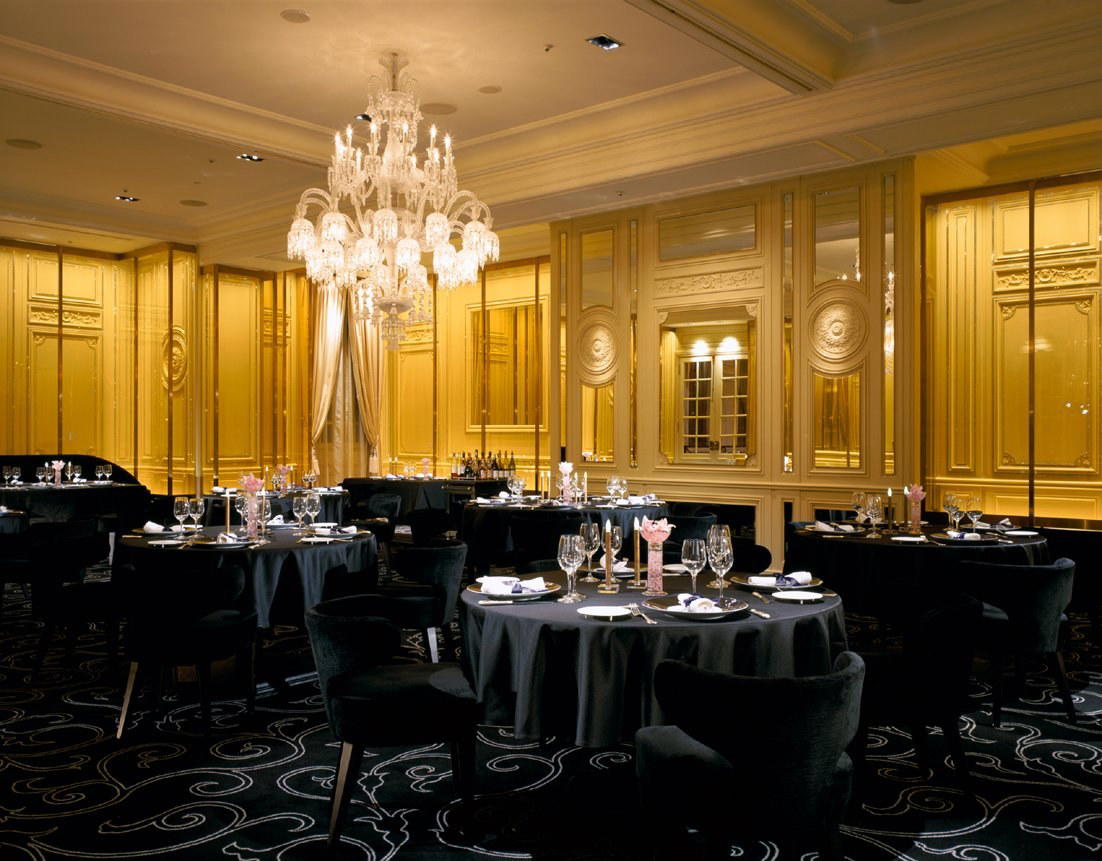
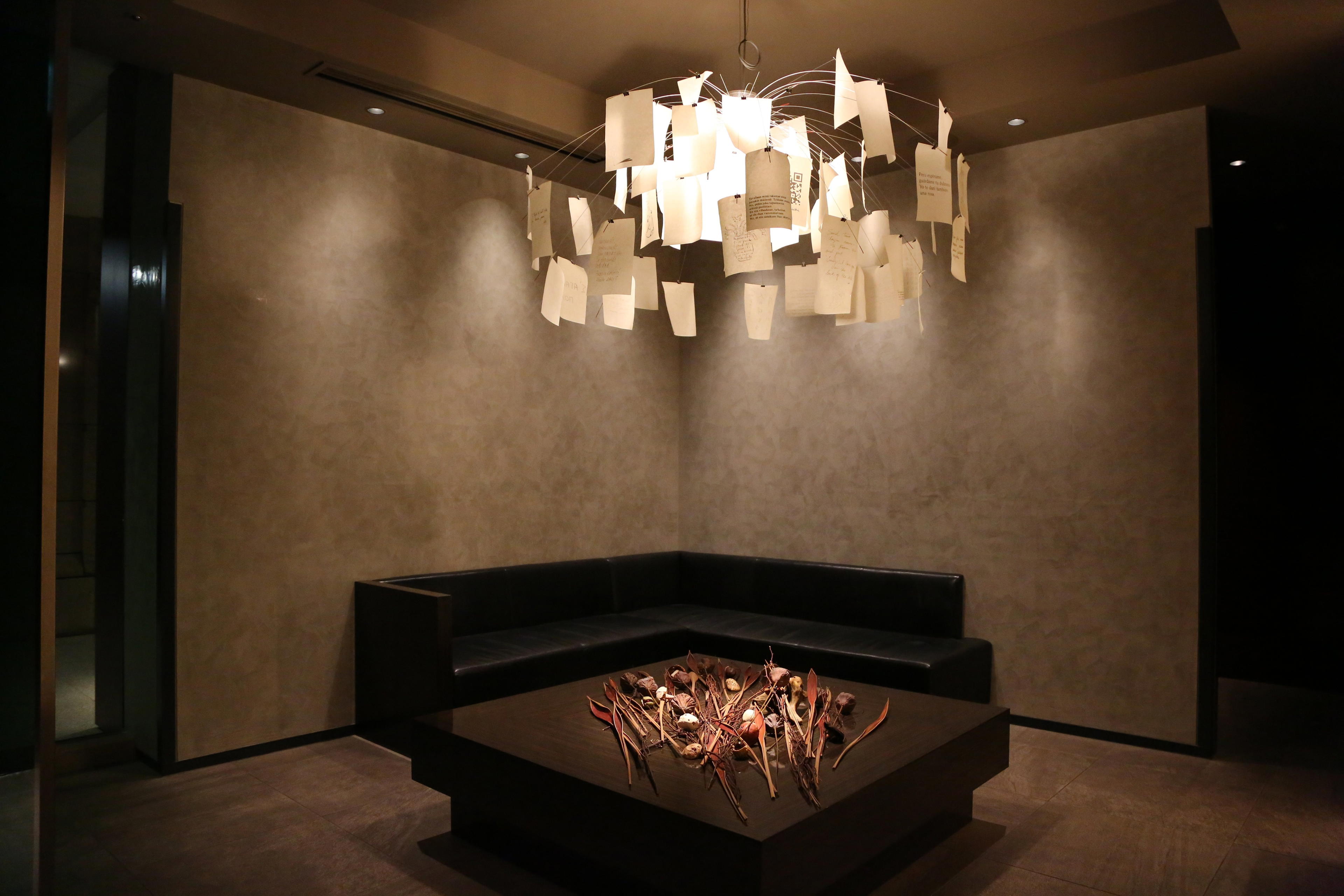


Bars in Tokyo
All bars in Tokyo →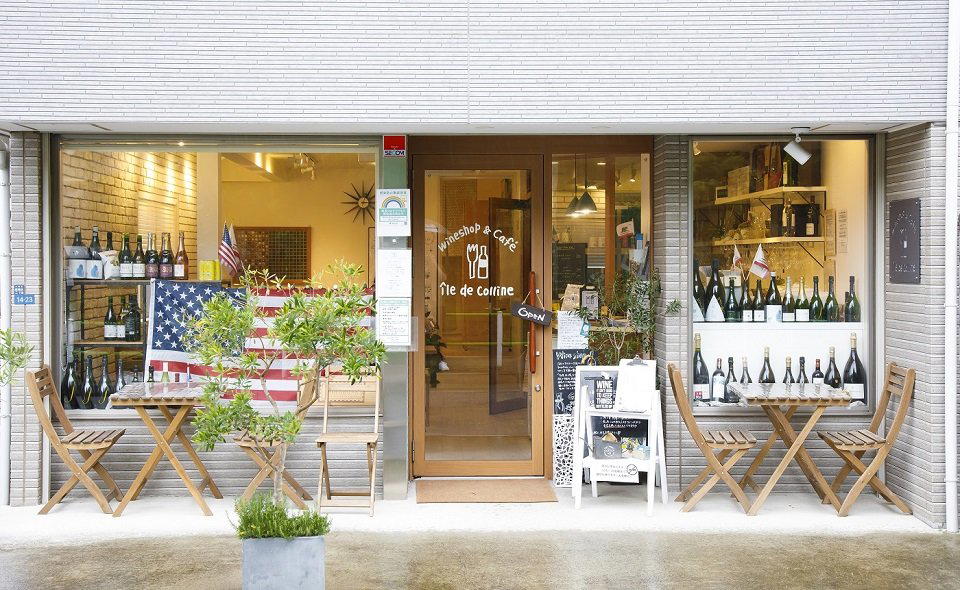


Details
- Quiet
- Elegant
- Intimate
- Classic
- Sophisticated
- Date Night
- Business Dinner
- Special Occasion
- Group Dining
- Garden
- Standalone
- Garden
- Set Menu
Current opening hours
- Monday
- Closed
- Tuesday
- 9 AM–4 PM
- Wednesday
- 9 AM–4 PM
- Thursday
- 9 AM–4 PM
- Friday
- 9 AM–4 PM
- Saturday
- 9 AM–4 PM
- Sunday
- Closed
Hours can change for holidays and private events. Hours as of .
Calm and zen, with a minimalist wood-and-stone interior, abundant natural light from windows and skylights, and a peaceful residential setting.