
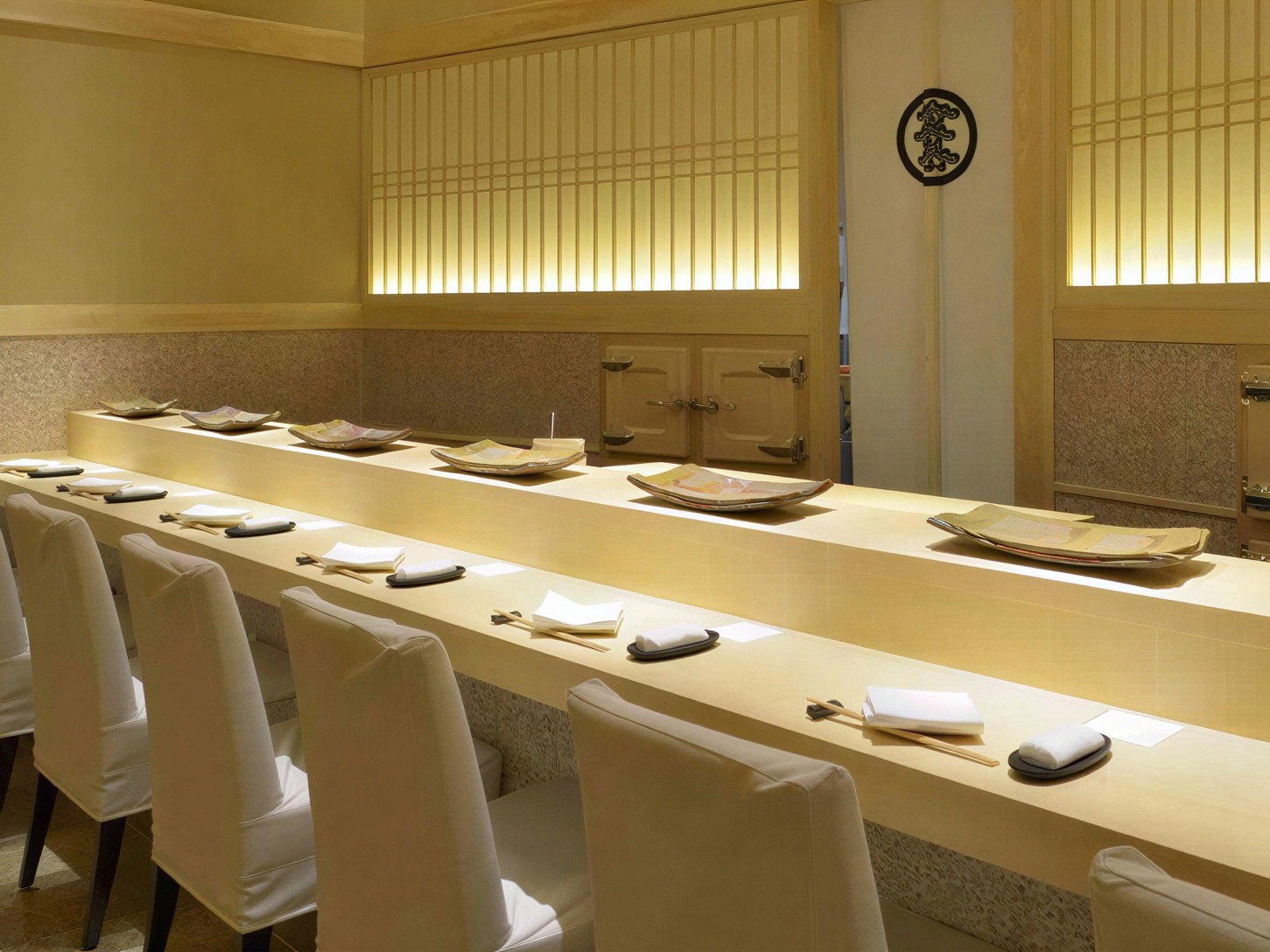
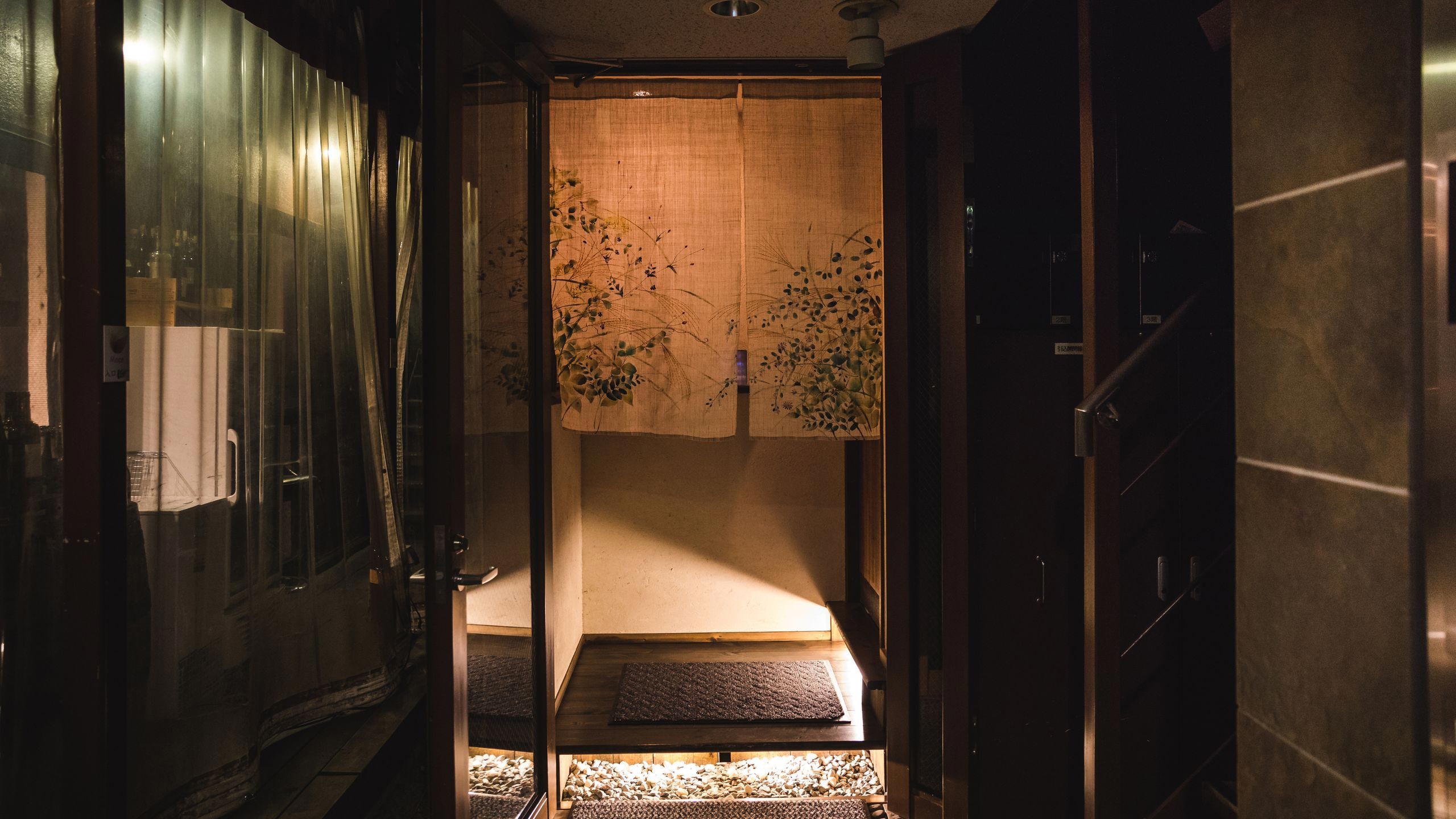
A kaiseki counter in Minami-Aoyama's quiet residential backstreets, Aoyama Jin has climbed the Opinionated About Dining Japan rankings consecutively since 2023, reaching #375 in 2025. Chef Takahiro Tomii works within a neighbourhood that prizes precision and restraint, and the room reflects those same values. Open six days a week for lunch and dinner, with Sunday the sole dark day.
Pearl is the En Primeur Club membership app — saves, bookings, and concierge access live there. Same editors, same standards.
- Address
- Japan, 〒107-0062 Tokyo, Minato City, Minamiaoyama, 3 Chome−9−1 1階
- Phone
- +81 3-6721-1131
- Website
- aoyama-jin.jp
- Directions
- Get directions
 Saves & bookings on Pearl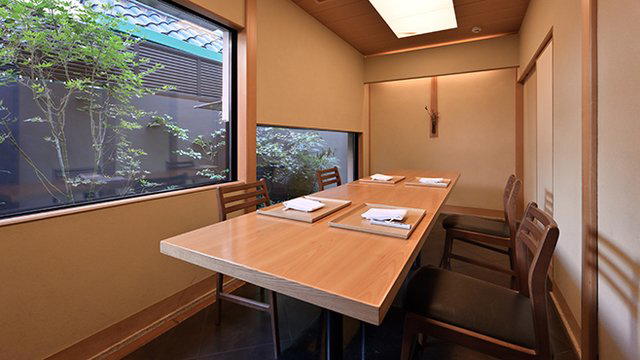
Where Minami-Aoyama's Character Meets the Kaiseki Counter
Gallery spaces, considered craft shops, and single-purpose ateliers occupy ground floors that in other districts would house convenience stores or chain restaurants. Dining rooms that take root here tend to absorb those values. Aoyama Jin, positioned at the ground floor of a building on this stretch, is one of them.
Kaiseki as a format rewards this kind of address. The cuisine's architecture, built around seasonal sequencing and the discipline of doing little to good ingredients, aligns with a neighbourhood that has always been more interested in rigour than spectacle. Kyoto may hold kaiseki's spiritual home, and venues like Ifuki and Ankyu in Kyoto carry that tradition with deep local roots, but Tokyo's kaiseki rooms operate under a different pressure: they must justify their address in one of the world's most competitive dining cities without the built-in cultural authority that Kyoto confers.
Consecutive Recognition and What It Signals
Aoyama Jin's trajectory on the Opinionated About Dining Japan list tells a story that reward notices alone don't fully capture. A Recommended listing in 2023 became a ranked position at #443 in 2024, then climbed to #375 in 2025. That kind of consistent upward movement in a list where Japanese kaiseki and sushi rooms compete at extreme depth is not accidental. OAD rankings aggregate critic and enthusiast votes with a frequency that rewards sustained quality over a single notable season, which makes three consecutive years of improving position a meaningful signal.
For context, that same list includes Tokyo neighbours across several categories: the capital's kaiseki tier runs from destination-level rooms like Kikunoi Tokyo down through neighbourhood counters where the format is more intimate and the transaction more personal. Aoyama Jin sits in the latter cohort, where the peer comparison is less about Michelin star counts and more about the consistency of execution that repeat visitors and informed critics return to track. Compare this to the kind of acclaim earned by Hirosaku or Akasaka Ogino, also working within Tokyo's Japanese fine dining register, and the competitive field becomes clearer.
The Kaiseki Format in a Tokyo Neighbourhood Context
Kaiseki's structure, typically a progression from light to substantial, from raw to cooked, from restrained to richly seasoned, is designed to map the season rather than showcase individual dishes. This means a kaiseki counter rewards repeat visits across the calendar in a way that a tasting-menu restaurant built around a fixed signature format does not. In Minami-Aoyama, where the clientele skews toward residents and regulars rather than tourists following a guidebook trail, that seasonal rhythm fits the neighbourhood's own pace.
Chef Takahiro Tomii works within this tradition. The kaiseki frame, with its prescribed sequencing and its demand that ingredients rather than technique be the protagonist, is not a loose category in Japan. It carries obligation: to the season, to the supplier, and to a guest who has likely eaten kaiseki many times and will notice when the approach drifts toward performance. In a district where the surrounding businesses maintain similarly high thresholds for what constitutes finished work, that alignment between format and address is more than coincidental.
Rooms operating at this level in Aoyama sit in a neighbourhood that also accommodates a different register of hospitality. The Bulgari Cafe II operates nearby, pointing at the international luxury tier that the district also supports. The two modes coexist without friction in Minami-Aoyama because the neighbourhood is large enough in ambition to hold both, but they are drawing on entirely different guest psychology. Kaiseki, at its core, asks for time and attention; it is a format that resists eating in a hurry.
Where Aoyama Jin Sits in a Wider Japanese Fine Dining Circuit
Travellers building an itinerary around Japan's serious dining rooms increasingly plot routes that include multiple cities. The kaiseki tradition has strong expressions beyond Tokyo: Gion Sasaki in Kyoto operates within the city that defines the form, while venues like HAJIME in Osaka push toward a more contemporary idiom. For those extending further, Goh in Fukuoka and akordu in Nara add regional texture, and more experimental registers appear at addresses like 1000 in Yokohama and 6 in Okinawa.
Within Tokyo itself, the kaiseki and Japanese fine dining comparable set is broad. Ajihiro occupies its own position in the city's Japanese dining map, and the capital supports kaiseki rooms across several price tiers and neighbourhood types. The restaurant's position in that map is as a climbing, neighbourhood-anchored counter in one of the city's most considered residential and cultural districts, with three years of improving external recognition as evidence of a room that is getting more consistent, not less.
Planning a Visit
The restaurant operates Monday through Saturday from noon until 10 pm, with Sunday closed. The Minami-Aoyama address places it within direct reach of Omotesando Station on the Tokyo Metro Ginza, Chiyoda, and Hanzomon lines, making it accessible from most central Tokyo hotels without requiring a taxi. The neighbourhood itself is worth arriving slightly early for: the streets around 3-chome reward the kind of slow walking that sets the right pace before sitting down to a kaiseki progression.
Reservations are essential. For one reliable reservation approach, searching directly by name or consulting a hotel concierge familiar with Minami-Aoyama's dining rooms will be one dependable route.5 across 53 responses.
For those building a broader Tokyo itinerary around Japanese fine dining, our full Tokyo restaurants guide covers the city's range in detail.
Cuisine and Awards Snapshot
Comparable venues nearby, for context on price, style, and recognition.
| Venue | Cuisine | Price | Awards | Notes |
|---|---|---|---|---|
| Aoyama JinThis venue — the venue you are viewing | Seasonal Kaiseki Omakase | $$$ | Not listed | Not listed |
| Hakata Hotaru | Hakata Izakaya | $$$ | Not listed | Minato |
| Makino | Fugu (Pufferfish) Specialist | $$$ | Not listed | Taitō |
| Butagumi | Premium Tonkatsu | $$$ | Not listed | Minato |
| Kagari | Traditional Japanese Cuisine | $$$ | Not listed | Nakano |
| Koshita | Japanese Fine Dining | $$$ | Michelin Plate | Chiyoda |
Recognition history
Dated appearances from independent guides and award organizations, with the underlying list record or original source where available.
Opinionated About Dining Top Restaurants in Japan Recommended
Opinionated About Dining
Opinionated About Dining Top Restaurants in Japan Ranked #375
Opinionated About Dining
Opinionated About Dining Top Restaurants in Japan Ranked #443
Opinionated About Dining
Opinionated About Dining Top Restaurants in Japan Recommended
Opinionated About Dining











At a Glance
- Elegant
- Quiet
- Intimate
- Sophisticated
- Business Dinner
- Special Occasion
- Celebration
- Date Night
- Private Dining
- Garden
- Chefs Counter
- Sake Program
- Local Sourcing
- Garden
Current opening hours
- Monday
- 12–10 PM
- Tuesday
- 12–10 PM
- Wednesday
- 12–10 PM
- Thursday
- 12–10 PM
- Friday
- 12–10 PM
- Saturday
- 12–10 PM
- Sunday
- Closed
Hours can change for holidays and private events. Last verified .
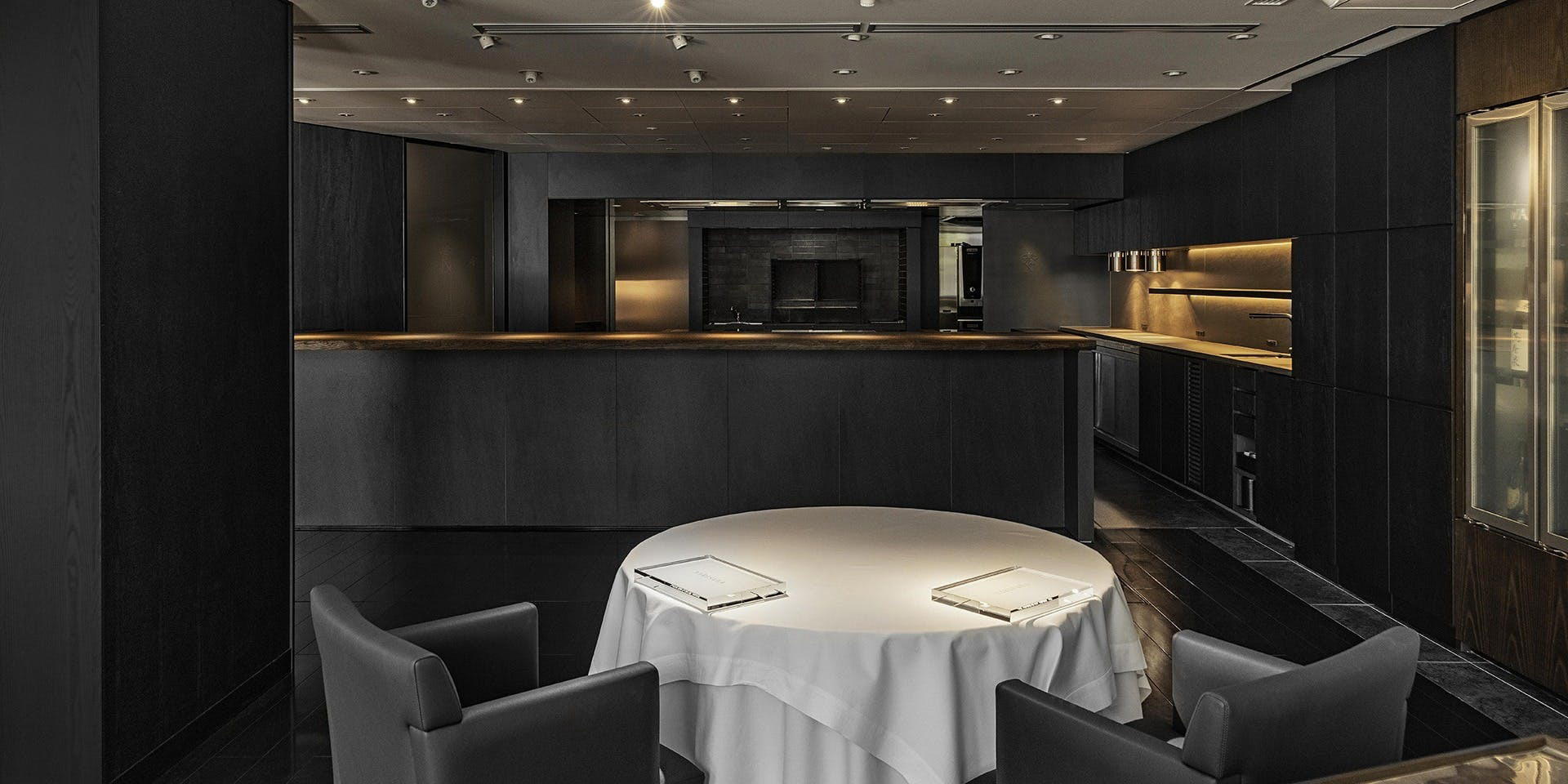
Serene and refined with natural wood elements, elegant lighting, and views of a tranquil garden through large windows, creating a sense of harmony with nature.