

A Tabelog Bronze Award winner every year from 2017 through 2026, Hirosaku operates as an 18-seat kaiseki counter and tatami room in Shimbashi, holding a Michelin star since 2019 and placing on the Tabelog Tokyo 100 list in 2021, 2023, and 2025. Dinner runs between ¥50,000 and ¥59,999 per head; lunch offers a quieter, more accessible entry point. Chef Satoshi Watanabe runs the room with a stripped-back team of three.
Pearl is the En Primeur Club membership app — saves, bookings, and concierge access live there. Same editors, same standards.
- Address
- 3 Chome-6-13 Shinbashi, Minato City, Tokyo 105-0004, Japan
- Phone
- +81 3-3591-0901
- Website
- ge4m600.gorp.jp
- Directions
- Get directions
 Saves & bookings on Pearl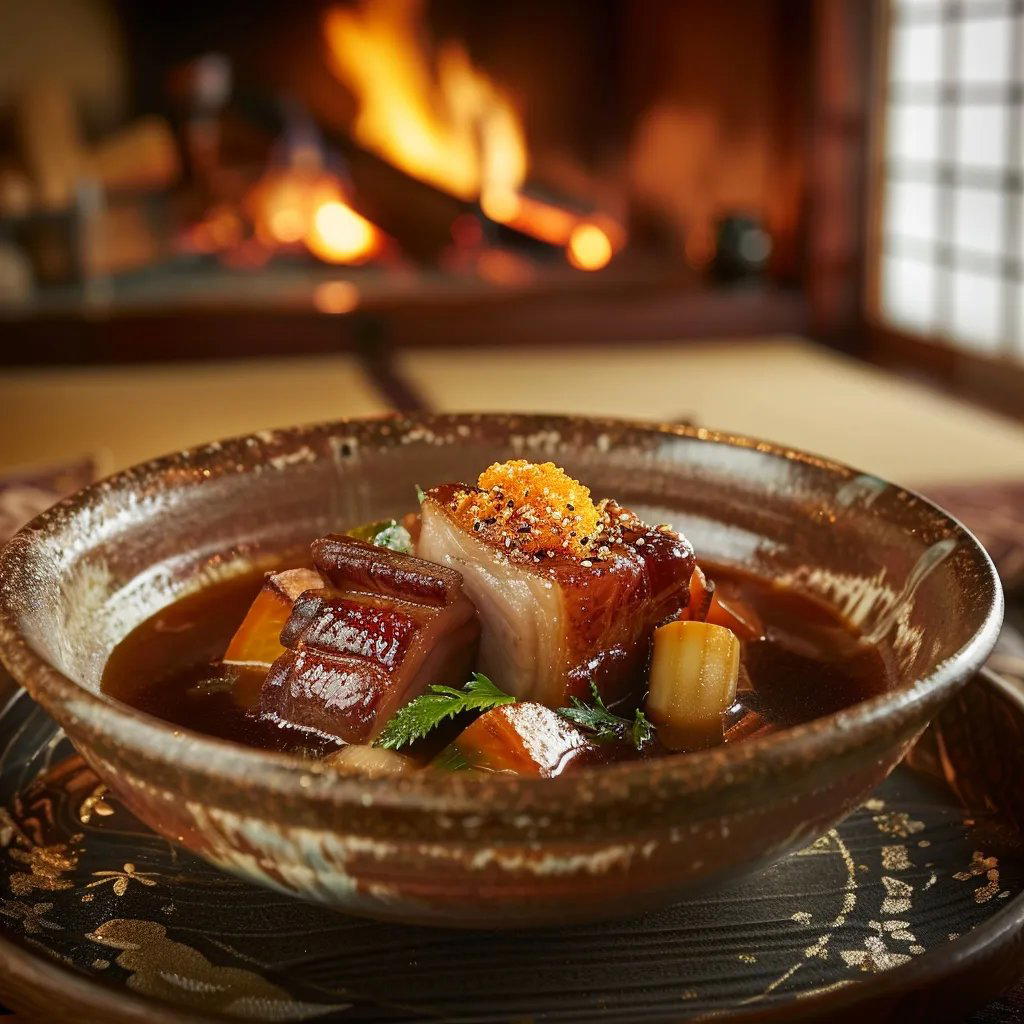
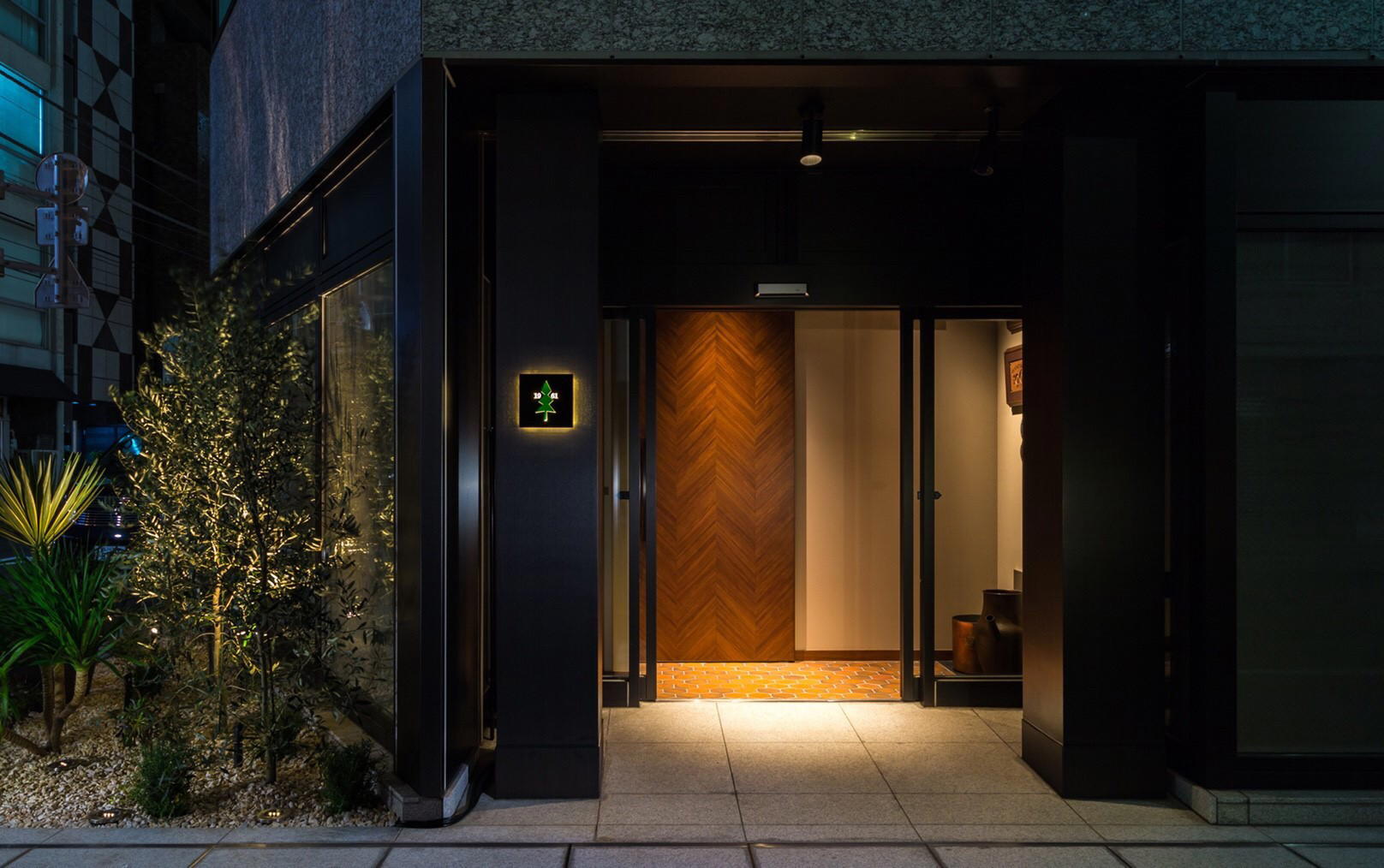
Hirosaku is a restaurant in Tokyo serving Traditional Japanese Kaiseki Kappo; it is headed by chef Satoshi Watanabe and dinner is priced at about ¥300 per person. Shimbashi is not the obvious address for kaiseki at this level. The district sits between Ginza's luxury corridor and Shiodome's corporate towers, and its street-level identity runs more toward yakitori alleys and salaryman izakayas than multi-course Japanese cuisine priced at ¥50,000 a head. That gap between setting and register is part of what defines Hirosaku's position in Tokyo's dining hierarchy: it operates as a house restaurant in a quiet residential-commercial pocket of Minato City, with 18 seats spread across a five-seat counter, table seating, and private tatami rooms on the second floor. The physical scale signals something specific, this is not a dining-room-as-theatre operation, but a format where the cooking carries all the weight.
A Decade of Consistent Critical Recognition
Tokyo's kaiseki tier is competitive in ways that aggregate ratings tend to flatten. The award streak reflects sustained recognition over time. Hirosaku has held that Bronze designation every year from 2017 through 2026, a ten-year run that places it in a narrow cohort of restaurants with sustained rather than momentary recognition. For context, the Tabelog score of 3.88 (with review-weighted spend averaging ¥40,000 to ¥49,999 at dinner) reflects the platform's conservative scoring methodology, where scores above 3.5 represent genuine critical weight.
Alongside the Tabelog Award streak, Hirosaku has appeared on the Tabelog Japanese Cuisine Tokyo 100 list in 2021, 2023, and 2025, a selection that identifies the hundred restaurants considered most significant within the Japanese cuisine category for the city. The Michelin Guide added a single star in its 2019 edition, and the restaurant has been ranked on Opinionated About Dining's Leading Restaurants in Japan list across multiple years: Highly Recommended in 2023, ranked 171st in 2024, and rising to 171st in 2025. Taken together, these signals indicate a restaurant that Western fine-dining audiences and the Japanese critical establishment have independently validated, which is not a given in Tokyo's kaiseki market.
Among comparable venues in Tokyo's premium kaiseki and Japanese cuisine tier, Hirosaku occupies a distinct position. Operations like Kikunoi Tokyo represent the institutional end of kaiseki, with multi-location presence and long institutional history, while Akasaka Ogino and Aoyama Jin occupy comparable single-venue territory. Hirosaku's pricing at ¥50,000 to ¥59,999 for dinner sits below the three-Michelin-star ceiling, venues like RyuGin command higher price floors, but well above the mid-tier kaiseki market, placing it in a bracket where the cooking is the credential rather than the brand.
The Format and What It Implies
Kaiseki in Tokyo now operates across a wide structural range, from high-volume tasting menus calibrated for international tourism to spare, appointment-style rooms where the guest-to-cook ratio approaches one-to-one. Hirosaku fits the latter model. With five counter seats and an 18-seat total capacity across the room and second floor, the kitchen is cooking for a small number of people at any given service. The operating hours reinforce this: Monday through Friday only, with lunch running from 12:00 to 13:00 and dinner from 18:00 to 20:00. The restaurant is closed Saturday and Sunday.
This kind of schedule is characteristic of owner-operated Japanese restaurants where the kitchen team is small enough that days off are structural rather than commercial. The restaurant runs with a small team across front and back of house. At the dinner price point, that staffing model implies a high degree of personal attention, and a correspondingly limited number of covers per week. The private tatami rooms on the second floor can accommodate up to four people and are available for private hire, which makes Hirosaku viable for small business dinners or occasions that require discretion without requiring a full restaurant buyout.
Lunch as a Different Proposition
One of the more analytically interesting features of Hirosaku's operation is the gap between lunch and dinner pricing. Dinner runs ¥50,000 to ¥59,999 per head before tax; lunch, depending on the course, ranges from roughly ¥4,000 to ¥17,000 (the February 2021 price list notes a soba and soba appetizer course at ¥3,800, a kaiseki without soup at ¥12,000, and a kaiseki with soup at ¥17,000, all excluding tax). That is a more than threefold price differential at the upper end, and an order of magnitude at the lower, which raises a meaningful question about what the lunch format delivers relative to dinner.
In traditional kaiseki restaurants, lunch menus tend to be abbreviated forms of the dinner sequence, fewer courses, similar technique. The inclusion of a soba-focused entry at lunch also gestures toward the broader tradition of washoku restaurants offering a noodle course as both a punctuation and a demonstration of craft. Review-weighted average lunch spend of ¥6,000 to ¥7,999 suggests most guests are choosing the mid-range lunch option rather than the full kaiseki, which makes Hirosaku's lunch service one of the more affordable routes into a Michelin-recognized kitchen at this tier.
Similar access dynamics exist across Tokyo's kaiseki spectrum. Ajihiro offers comparable Japanese cuisine in a different register, and for visitors interested in the broader kaiseki tradition outside Tokyo, Ifuki in Kyoto and Ankyu in Kyoto represent the form in its home geography. Regionally, Gion Sasaki in Kyoto and HAJIME in Osaka occupy stronger examples from the kaiseki and Japanese fine dining tier in their respective cities, each with a different structural relationship to tradition and innovation.
Location and Access
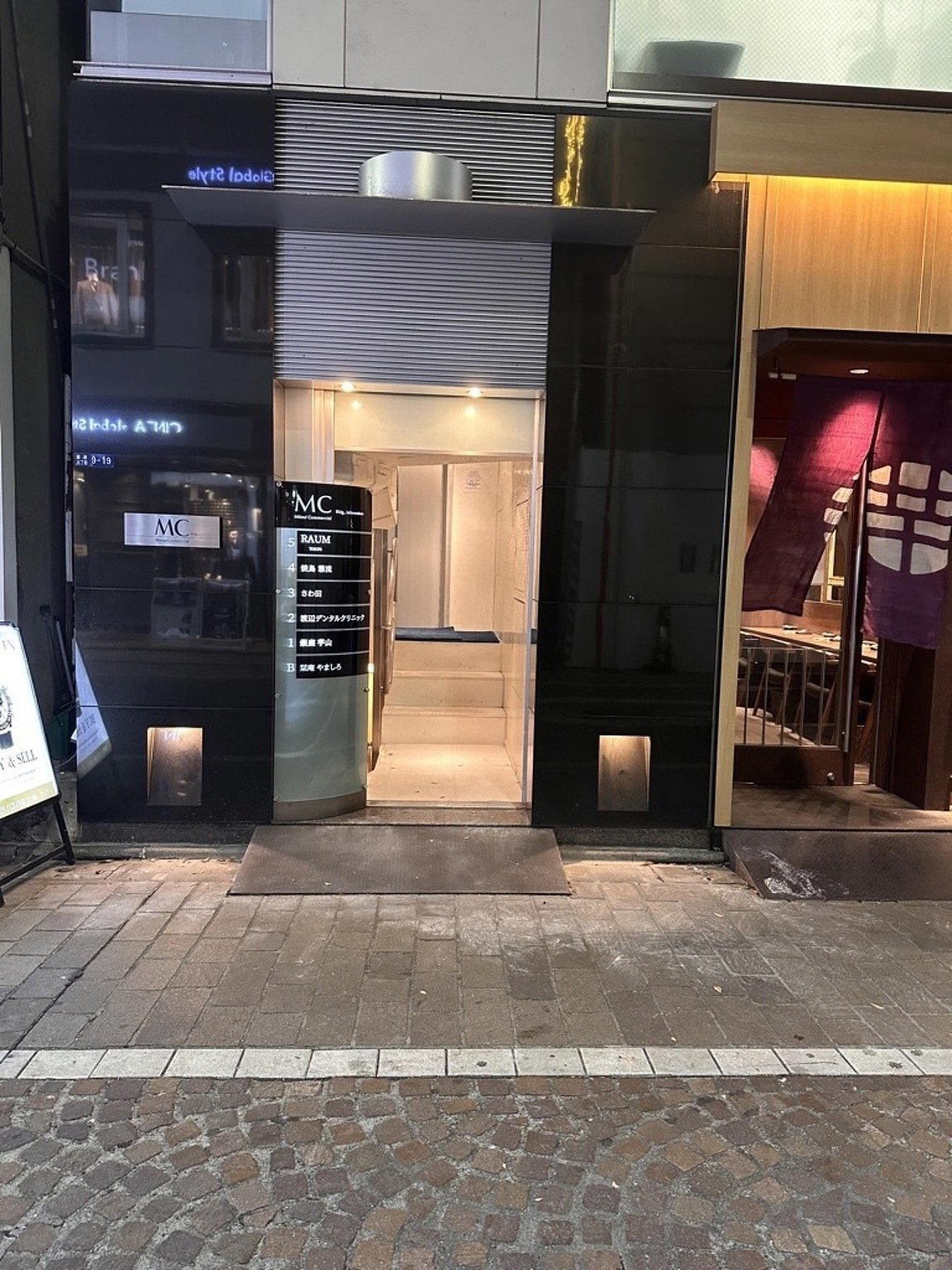
The Shimbashi address is direct to reach from multiple lines. JR Yamanote and Keihin-Tohoku Line trains stop at Shimbashi Station, with the Karasumori Exit placing guests a four-minute walk from the restaurant. The Tokyo Metro Ginza Line stops at the same station; the Toei Subway Mita Line's Uchisaiwaicho Station is also a four-minute walk. The full address is 3 Chome-6-13 Shinbashi, Minato City. Parking is not available on site, though paid lots exist nearby.
For guests planning a broader Tokyo itinerary, the area sits close enough to Ginza to combine with other high-caliber dining or cultural programming. The Bulgari Cafe II operates in a different register but within the same general luxury hospitality tier. Those building out a multi-day Tokyo program can consult, alongside, and our Tokyo experiences guide. For those extending travel beyond the capital, akordu in Nara, Goh in Fukuoka, 1000 in Yokohama, and 6 in Okinawa represent the range of Japan's serious dining outside the main city clusters. Wine-focused visitors can also reference.
Planning Your Visit
Reservations: Reservations are available and should be made well in advance given the small seat count; the restaurant requests a call if plans change or guests are running late. Phone: 03-3591-0901. Hours: Monday to Friday, lunch 11:45 to 13:00 (last entry noon), dinner 18:00 to 20:00; closed Saturday, Sunday, public holidays, and the year-end and New Year period. Budget: Dinner ¥50,000 to ¥59,999 per head (review-weighted average ¥40,000 to ¥49,999); lunch ¥4,000 to ¥17,000 depending on course selection, all prices excluding tax. Payment: Cash only; credit cards, electronic money, and QR code payments are not accepted. Seating: 18 total seats: five at the counter, table seating, and private tatami rooms on the second floor accommodating up to four people. Smoking: Non-smoking throughout. Access: Four-minute walk from Shimbashi Station (Karasumori Exit), JR Yamanote and Keihin-Tohoku Lines; five-minute walk from Shimbashi Station, Tokyo Metro Ginza Line; four-minute walk from Uchisaiwaicho Station, Toei Subway Mita Line.
What Dish Is Hirosaku Known For?
Hirosaku's kaiseki format means the menu changes with the season rather than anchoring on fixed signature dishes, that seasonal rotation is a structural feature of the form, not a marketing choice. The lunch program's soba courses have attracted specific attention in the review record, offering a more focused entry into the kitchen's approach. At dinner, the kaiseki sequence follows the traditional progression of Japanese courses, calibrated by kaiseki convention and the ingredient calendar. The restaurant's sustained awards history, including consecutive Tabelog Bronze recognition from 2017 through 2026 and Michelin star status since 2019, reflects overall program quality rather than a single dish, which is consistent with how the kaiseki tradition is assessed critically.
Style and Standing
Comparable venues nearby, for context on price, style, and recognition.
| Venue | Cuisine | Price | Awards | Notes |
|---|---|---|---|---|
| HirosakuThis venue — the venue you are viewing | Traditional Japanese Kaiseki Kappo | $$$$ | Not listed | Not listed |
| Motoazabu Kushima | Modern Japanese Kappo Omakase with Wagyu | $$$$ | Michelin Plate | Minato |
| ROPPONGI RIAN | Kyoto-style Kappo | $$$$ | Michelin Plate | Minato |
| Haramasa | Modern Kaiseki | $$$$ | Not listed | Shinjuku |
| Grill Ukai | Japanese Grill | $$$$ | Not listed | Chiyoda |
| Sushi Miyuki | Edomae Sushi Omakase | $$$$ | Michelin Plate | Chūō |
Recognition history
Dated appearances from independent guides and award organizations, with the underlying list record or original source where available.
Opinionated About Dining Top Restaurants in Japan Recommended
Opinionated About Dining
Opinionated About Dining Top Restaurants in Japan Ranked #181
Opinionated About Dining
Tabelog 100 #46 · No. 46
Tabelog · Tabelog 100 - Japanese cuisine - TOKYO - 2025
Opinionated About Dining Top Restaurants in Japan Ranked #171
Opinionated About Dining
Opinionated About Dining Top Restaurants in Japan Highly Recommended
Opinionated About Dining










At a Glance
- Intimate
- Elegant
- Cozy
- Classic
- Special Occasion
- Business Dinner
- Chefs Counter
- Private Dining
- Sake Program
Current opening hours
- Monday
- 12–1 PM, 6–8 PM
- Tuesday
- 12–1 PM, 6–8 PM
- Wednesday
- 12–1 PM, 6–8 PM
- Thursday
- 12–1 PM, 6–8 PM
- Friday
- 12–1 PM, 6–8 PM
- Saturday
- Closed
- Sunday
- Closed
Hours can change for holidays and private events. Last verified .
Homely tatami mat rooms with floor-cushion seating, quiet and warm hospitality from chef couple, traditional Japanese house atmosphere.