
A counter-format yakitori restaurant in Asagaya, Suginami, where prix fixe menus alternate between Okukuji Shamo chicken and seasonal vegetables, all grilled over an open flame to the sound of piped jazz. Holding a Michelin Plate in both 2024 and 2025, this mid-price spot sits outside central Tokyo's tourist circuit and has been credited with popularising the oyster cut among the city's chicken-focused dining scene.
Pearl is the En Primeur Club membership app — saves, bookings, and concierge access live there. Same editors, same standards.
- Address
- Japan, 〒166-0004 Tokyo, Suginami City, Asagayaminami, 3 Chome−37−9 パールアサガヤ 1F
- Phone
- +81 3-3392-8941
- Website
- asagaya-bird-land.com
- Directions
- Get directions
 Saves & bookings on Pearl
Asagaya and the Quiet Shift in Tokyo's Yakitori Geography
Tokyo's yakitori scene has long concentrated in central neighbourhoods: the smoky alleys of Yurakucho, the dense counter rows of Ginza, the clustered grill bars near Shinjuku. Over the past decade, though, a countermovement has taken hold in the city's residential west, where chefs trained in established lineages have set up smaller, more deliberate operations in quieter postal codes. Asagaya, a neighbourhood in Suginami City associated more with jazz culture and independent bookshops than with premium dining, has become one of the more interesting places to find this pattern. Asagaya BIRD LAND sits at the centre of that shift.
The room itself announces its priorities immediately. A counter wraps around an open grill, the format leaving no distance between the cook and the guest. Jazz plays continuously in the background, a detail that connects the restaurant to Asagaya's wider identity as one of Tokyo's long-standing jazz neighbourhoods. The price range sits at ¥¥¥, placing it well below the ¥¥¥¥ tier occupied by the city's Michelin-starred kaiseki and sushi counters, and well below the level of venues like BIRD LAND in Ginza, which the chef's mentor runs and from which this counter draws its name and training lineage. Michelin has recognised Asagaya BIRD LAND with a Plate in both 2024 and 2025, a signal of consistent, honest cooking rather than destination-level spectacle.
Sourcing as Structure: Okukuji Shamo and the Ethics of a Single Ingredient
It is made through sourcing specificity. When a counter commits to a single breed raised in a named region, it is effectively choosing depth over volume, traceability over convenience. Asagaya BIRD LAND's use of Okukuji Shamo chicken, a free-range breed from Ibaraki Prefecture, reflects this logic directly. Shamo is a fighting-cock lineage known for dense, fibrous muscle and a pronounced flavour profile. Here, it is the foundation of every menu.
Prix fixe format reinforces that commitment. By alternating courses between chicken and vegetables rather than offering an à la carte selection, the kitchen controls waste, paces the fire, and ensures that every part of the bird is used across the sequence. Yakitori as a culinary tradition emerged partly from the principle of whole-bird utilisation, a discipline that treats the less prominent cuts with equal seriousness. In this neighbourhood, that principle has a documented history: the oyster cut, the small, curved morsel of meat that sits against the hip bone and is considered among the more texturally rewarding pieces on the bird, gained wider recognition through restaurants in this area. The restaurant's menu continues to treat that cut as a focal point, a detail that speaks to the counter's place within a specific local tradition rather than a broader trend.
Wine pairings are part of the offering. Most yakitori counters in Tokyo default to beer or shochu. Pairing grilled chicken with wine, particularly given the varied textures and fat levels across a whole-bird prix fixe, requires considered curation. It also signals an audience that expects more from the experience than speed and informality, without demanding the formality of a three-star room. For comparable approaches to thoughtful pairings in the yakitori format, Yakitori Omino offers another reference point in the city's counter-grill tradition.
Counter Format, Neighbourhood Scale, and the comparable set
Comparison venues that define Tokyo's premium dining conversation, RyuGin, Den, L'Effervescence, Crony, Harutaka, operate at ¥¥¥ and ¥¥¥¥ price points with Michelin star recognition. The restaurant belongs to a different tier by design. Its Michelin Plate recognition, a category the guide uses to denote restaurants with quality cooking that does not yet reach or pursue star level, places it in a set of counters where accessibility is built into the format. The ¥¥ price range means this is not a compromise version of the city's leading chicken; it is a different proposition altogether, one where the single-breed sourcing and structured menu deliver above what the price tier typically signals.
For travellers already covering the city's formal dining options, venues like Aria di Takubo or 124. KAGURAZAKA represent the higher-investment end of the Tokyo restaurant calendar. The restaurant fills a different slot: an evening that trades prestige signalling for genuine craft at the grill, in a neighbourhood that most visitors to central Tokyo never reach.
For those building a broader Japan itinerary, the country's regional yakitori and grill tradition extends well beyond the capital. Ichimatsu in Osaka and Torisaki in Kyoto represent the format's evolution in Kansai, while Goh in Fukuoka and HAJIME in Osaka show how broader Japanese cooking philosophy adapts across geographies. For those combining Asagaya with other Kansai stops, Gion Sasaki in Kyoto, akordu in Nara, and 6 in Okinawa complete a picture of Japan's dining geography at different price points and formats. Closer to Tokyo, 1000 in Yokohama is worth tracking as a day-trip addition.
Planning a Visit
The restaurant is located at 3 Chome-37-9 Asagayaminami, Suginami City, on the ground floor of the Pearl Asagaya building. Asagaya Station on the JR Chuo Line connects directly to Shinjuku in around twelve minutes, making the neighbourhood more accessible from central Tokyo than its residential character suggests. The counter format and the fixed menu structure mean that solo diners and small groups of two to four are the natural fit. Booking ahead is advisable given the limited capacity that a counter-around-a-grill format implies; the Michelin Plate recognition in two consecutive years means demand outpaces walk-in availability on most evenings. The ¥¥ price point makes this a lower-risk reservation than a full omakase commitment, and the wine pairing option adds an evening's structure without requiring a separate stop. Arrive with time to walk the neighbourhood before the meal: Asagaya's shotengai and independent music shops are part of the same cultural frame as the jazz playing inside the restaurant.
What It’s Closest To
Comparable venues nearby, for context on price, style, and recognition.
| Venue | Cuisine | Price | Awards | Notes |
|---|---|---|---|---|
| Asagaya BIRD LANDThis venue — the venue you are viewing | Yakitori (Okukuji Shamo Chicken) | $$$ | Michelin Plate | Not listed |
| Edomae Shibahama | Edomae-style Japanese | $$$ | Michelin Plate | Minato |
| Chiso Koryu | Seasonal Japanese Kaiseki | $$$ | Michelin Plate | Chūō |
| Daikanyama Issai Kassai | Modern Japanese Izakaya | $$$ | Michelin Plate | Shibuya |
| Sushi Teru | Edomae Sushi Omakase | $$$ | Michelin Plate | Shinjuku |
| Asakusa Nagami | Traditional Kaiseki | $$$ | Michelin Plate | Taitō |
Recognition history
Dated appearances from independent guides and award organizations, with the underlying list record or original source where available.
Michelin Plate
Michelin
Michelin Plate
Michelin
Michelin Plate
Michelin












At a Glance
- Cozy
- Intimate
- Elegant
- Date Night
- Special Occasion
- Open Kitchen
- Sake Program
- Extensive Wine List
Current opening hours
- Monday
- Closed
- Tuesday
- 5–10:30 PM
- Wednesday
- 5–10:30 PM
- Thursday
- 5–10:30 PM
- Friday
- 5–10:30 PM
- Saturday
- 5–10:30 PM
- Sunday
- Closed
Hours can change for holidays and private events. Last verified .
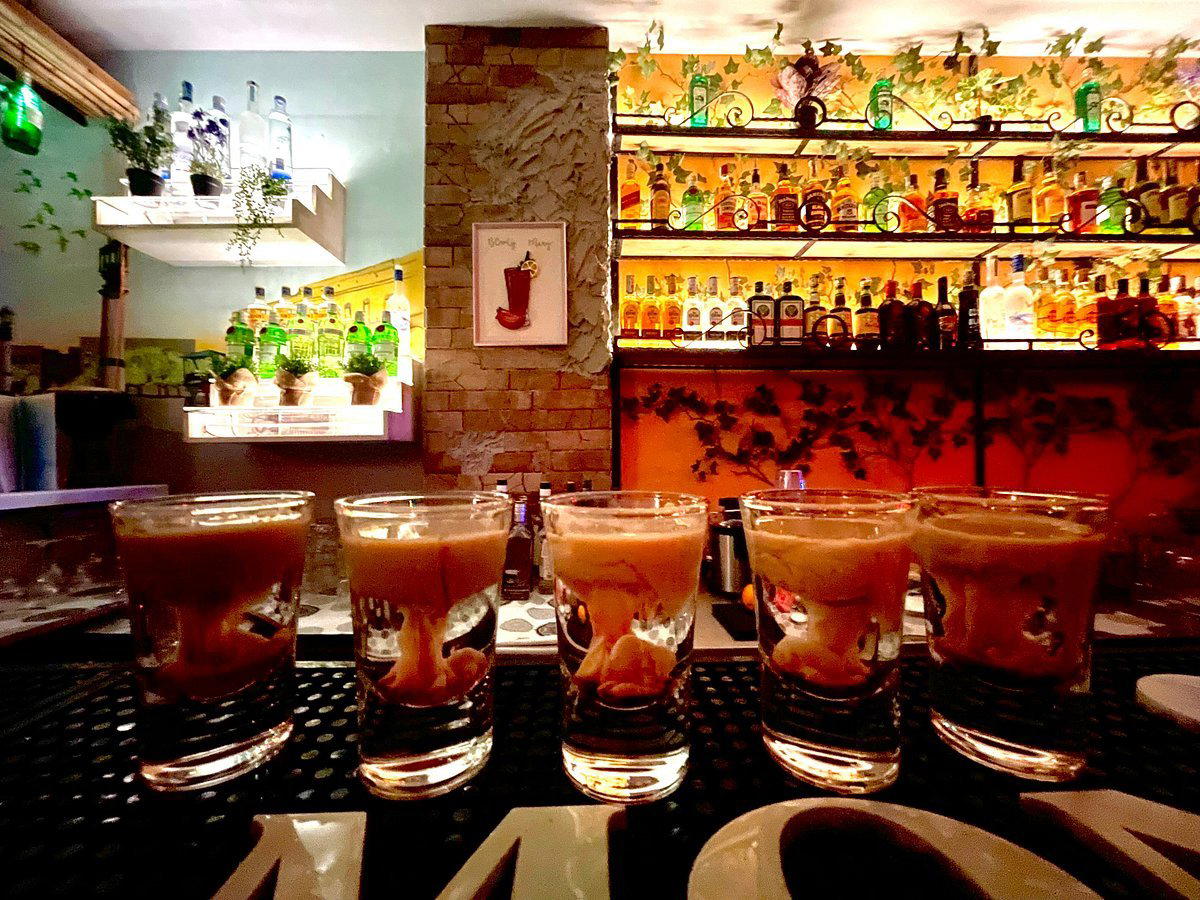
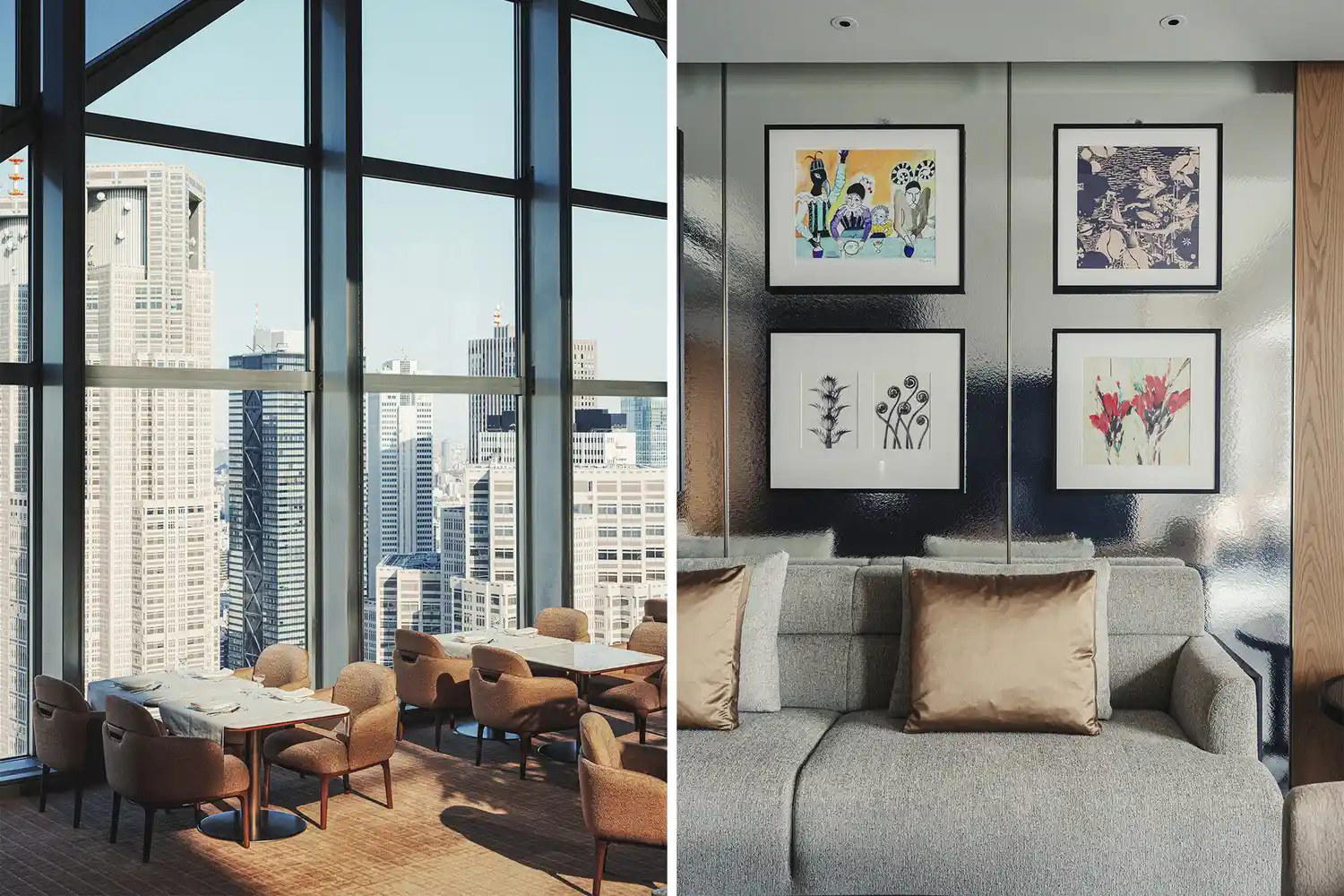
Calming and cozy with wooden pillars, French windows, stylish space, and relaxing counter seating where diners watch the grilling.