
A Michelin Plate-recognised izakaya in Shibuya's Uehara neighbourhood, Shiomachi anchors its menu in daily Toyosu Market sourcing, with the owner-chef personally selecting and bleeding fish each morning before service. The name, 'waiting for the right tide', signals the deliberate pace and precision that defines the fish-forward menu. Priced at ¥¥¥, it sits above casual izakaya fare without crossing into omakase territory.
Pearl is the En Primeur Club membership app — saves, bookings, and concierge access live there. Same editors, same standards.
- Address
- Japan, 〒151-0064 Tokyo, Shibuya, Uehara, 1 Chome−34−10 志賀屋ビル 2F
- Phone
- +81 3-6804-8484
- Directions
- Get directions
 Saves & bookings on Pearl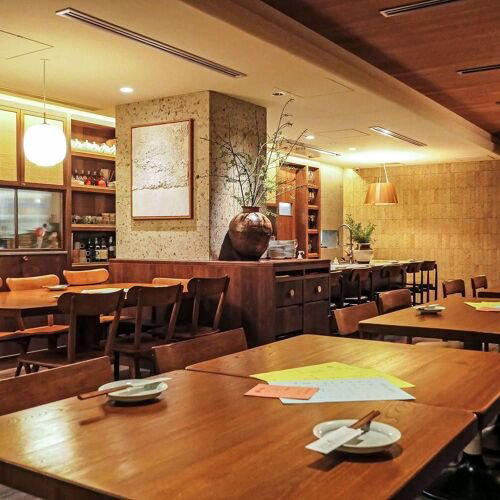
Fish-Forward Izakaya in Tokyo's Uehara Quarter
Tokyo's izakaya spectrum runs from chain-operated standing bars to single-room operations where the sourcing discipline rivals a fine-dining kitchen. Shiomachi, on the second floor of a small building in Uehara, Shibuya, belongs to the latter category. It earned a Michelin Plate in 2025, placing it among izakaya that take ingredient quality seriously without converting to the formal structure of kaiseki or omakase. At ¥¥¥ pricing, it sits above the neighbourhood staple bracket and appeals to the kind of diner who wants serious fish without the ceremony of a counter-only tasting format.
The izakaya format has always been a vehicle for serious drinking culture, but in the hands of sourcing-obsessed operators, it becomes something else: a place where the informality of shared plates and ordered-as-you-go dining coexists with ingredient standards that most restaurants at this price point cannot match. That combination, relaxed structure, high sourcing rigour, is what places Shiomachi in a specific and smaller subset of Tokyo's wide izakaya category.
The Toyosu Ritual and What It Means at the Table
The editorial angle most useful for understanding Shiomachi is not its awards or its address but its sourcing routine. The owner-chef visits Toyosu Market daily, speaks directly with brokers, selects fish, and performs ikejime-style blood draining on-site to halt enzymatic degradation. This is not an unusual practice at the summit end of Tokyo's sushi or kappo tier, but it is less common in izakaya. The daily visit also means the fish on offer reflects market availability rather than a fixed menu, a condition worth understanding before you visit.
Practice of ike-jime and correct bleeding is a technical discipline that affects texture and flavour across the board: fish handled correctly at the point of kill and immediately after retain their cellular integrity for longer, which matters both for raw preparations and for cooked fish held through service. At an izakaya operating in the ¥¥¥ range, that level of post-catch handling represents a meaningful cost and time investment. It is the kind of operational choice that rarely appears on menus but distinguishes the sourcing standard from venues that rely on market reputation alone.
Name Shiomachi, literally 'waiting for the tide', maps directly to this sourcing philosophy. Fishermen gather and wait for conditions that allow a safe and productive departure; the chef applies the same patience to acquisition, holding out for a catch worth serving. That naming context is not just branding detail. It signals an operating posture that shapes the menu on any given evening.
Comfort and Skill: Why Simple Fish Dishes Are the Harder Argument
Simplicity demands more skill than complexity. A technically complex dish, layered sauces, precision gels, multi-component plating, can absorb and redirect attention away from ingredient quality. A lightly grilled mackerel, a plate of sashimi cut to the right thickness and served at the right temperature, a clear dashi-based soup: these dishes expose sourcing and knife work directly. There is no architecture to hide behind. This is why the daily Toyosu visit and the careful handling matter. They are not hospitality storytelling. They are the operational foundation that makes a simpler dish worth ordering.
This is the axis on which Shiomachi competes. Not against the kaiseki houses like Gion Sasaki in Kyoto or the multi-course innovation of HAJIME in Osaka, but against a comparable set of fish-led izakaya where the evening's value is determined by what arrived at Toyosu that morning. Within Shibuya and the broader Uehara area, that competitive set is smaller than the density of the neighbourhood's restaurant options would suggest.
For Tokyo diners already familiar with the city's fish-focused drinking-dining circuit, venues like Daikanyama Issai Kassai or the kappo-influenced bars of Ginza such as Ginza Nominokoji Yamagishi and Ginza Shimada, Shiomachi represents a more neighbourhood-scaled version of the same sourcing commitment. It is located in a residential pocket of Shibuya rather than in a high-footfall entertainment zone, which affects both the atmosphere and the practical question of how to reach it.
Setting and Context
Uehara is a quiet sub-district of Shibuya, not part of the dense commercial corridors around Shibuya Station or the boutique concentration in Daikanyama. The second-floor location in a small building reinforces the low-profile character of the operation. This is a format more common in Tokyo than in most other cities: a serious kitchen operating above street level in a residential-adjacent building, relying on word of mouth and search traffic rather than foot traffic or signage. That geographic and physical positioning shapes the experience before anyone has ordered anything. The room is compact.
Tokyo's broader dining context places this kind of venue in a well-established tradition. Ramen shops, izakaya, and soba counters in residential Tokyo neighbourhoods have long operated at standards that would be considered specialist-grade in most other cities. The Michelin Plate designation acknowledges quality at a neighbourhood scale.
Shiomachi also shares the sourcing-driven ethos visible at some of Tokyo's more fish-focused ramen and brothed-dish specialists, where the quality of a single ingredient, a well-sourced fish, a dashi made from properly aged kombu, determines whether a direct bowl is ordinary or worth returning for. The editorial case for izakaya like Shiomachi rests on exactly this point: the humility of the format should not be confused with low ambition in the kitchen.
Hakata Connections
Tokyo's fish izakaya scene intersects at points with the Hakata tradition of high-turnover, high-quality fish drinking venues. Hakata Hotaru and Hakata Issou in Tokyo represent that lineage, and while Shiomachi does not appear to operate in the Hakata format, the broader category of Tokyo izakaya that prioritise Kyushu-influenced fish handling and sake pairing overlaps with Shiomachi's positioning as a destination for sourcing-led informal dining.
Planning Your Visit
Shiomachi is located at 志賀屋ビル 2F, 1-34-10 Uehara, Shibuya, Tokyo. Reservations: Given the Michelin Plate recognition and the small-building format typical of this neighbourhood, booking ahead is advisable, walk-in availability on weekend evenings is likely limited. Budget: ¥¥¥ pricing positions this above casual izakaya but well below the city's starred omakase tier; expect to spend meaningfully on food and drink combined, particularly if the day's Toyosu selection includes premium species. Dress: The dress code is smart casual. Timing: The daily Toyosu run means evening service reflects morning market conditions; later arrivals may find the highest-demand items already ordered by earlier seatings.
For dining in Okinawa, a different register of Japanese seafood culture applies entirely.
At-a-Glance Comparison
Comparable venues nearby, for context on price, style, and recognition.
| Venue | Cuisine | Price | Awards | Notes |
|---|---|---|---|---|
| ShiomachiThis venue — the venue you are viewing | Tokyo Omakase Seafood | $$$ | Michelin Plate | Not listed |
| Raisan | Kyoto-style Japanese Kaiseki | $$$ | Michelin Plate | Shibuya |
| Chiso Koryu | Seasonal Japanese Kaiseki | $$$ | Michelin Plate | Chūō |
| Ichiu | Japanese Kaiseki-Sushi Omakase | $$$ | Michelin Plate | Shinjuku |
| Edomae Shibahama | Edomae-style Japanese | $$$ | Michelin Plate | Minato |
| Tokihami | Modern Kappo Izakaya | $$$ | Michelin Plate | Chūō |
Recognition history
Dated appearances from independent guides and award organizations, with the underlying list record or original source where available.
Michelin Plate
Michelin
Michelin Plate
Michelin
Michelin Plate
Michelin













At a Glance
- Intimate
- Elegant
- Minimalist
- Sophisticated
- Solo
- Date Night
- Special Occasion
- Chefs Counter
- Open Kitchen
- Sake Program
- Sustainable Seafood
Current opening hours
- Monday
- 5–10 PM
- Tuesday
- 5–10 PM
- Wednesday
- Closed
- Thursday
- Closed
- Friday
- 6–10 PM
- Saturday
- 5–10 PM
- Sunday
- 5–10 PM
Hours can change for holidays and private events. Last verified .
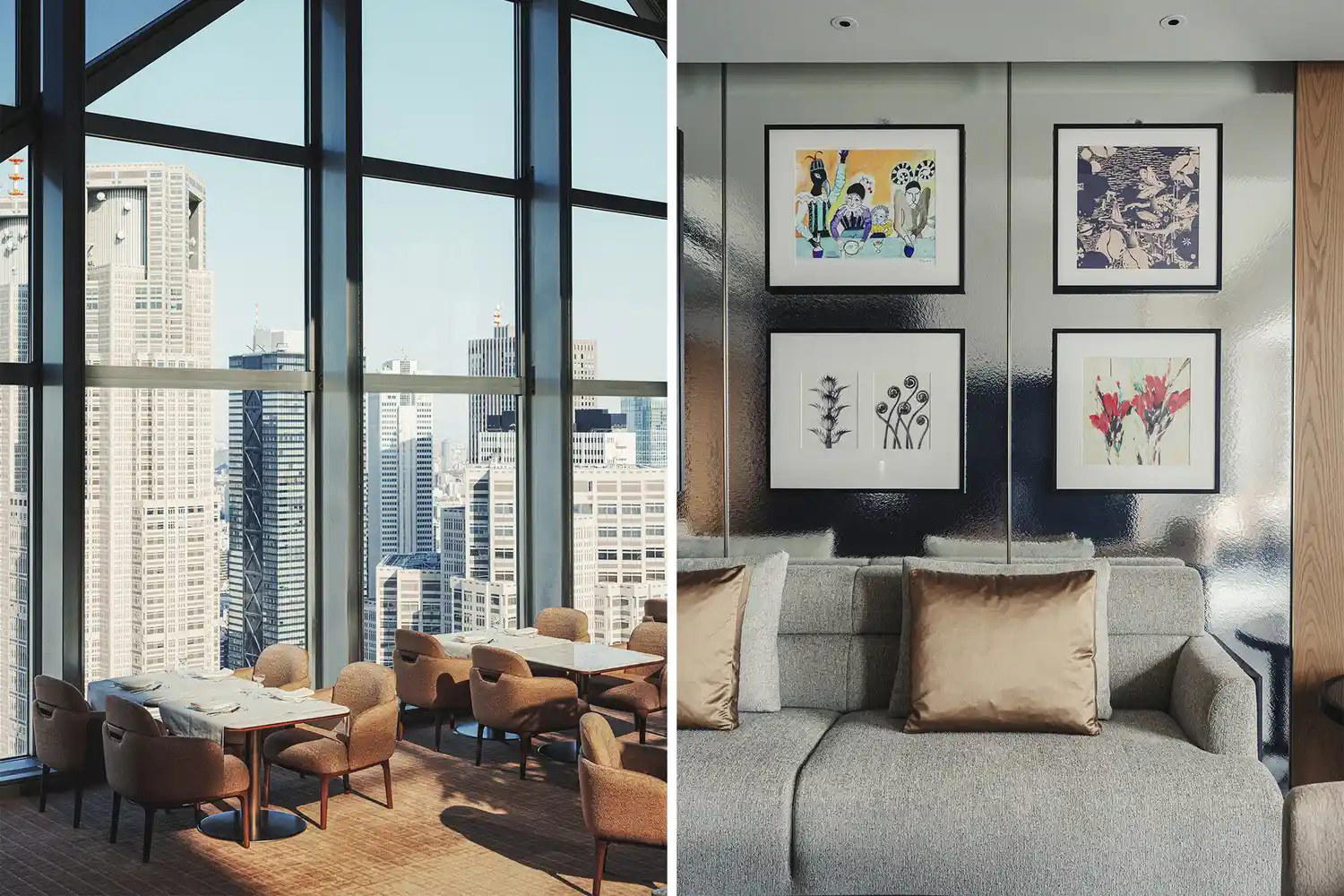
Serene and hushed coastal atmosphere with gleaming counter and subtle, exacting presentation evoking quiet luxury.