Michelin Plate
Our verdict
Sudachi brings an unusual proposition to Minami-Aoyama: evening menus structured around goroawase-coded puzzles that reward guests who arrive with a little Japanese, alongside a more conventional kaiseki lunch. A Michelin Plate holder in 2025 and recommended by Opinionated About Dining, it occupies a mid-range price tier in a neighbourhood that otherwise skews toward high-end omakase and French technique.

Pearl is the En Primeur Club membership app, where members save venues, book tables and use the concierge.
The menu
What to order
- Miyazaki Beef Niku Kappo
- Seasonal Sushi with Foie Gras
- Wagyu and Duck Course
A Different Register in Minami-Aoyama
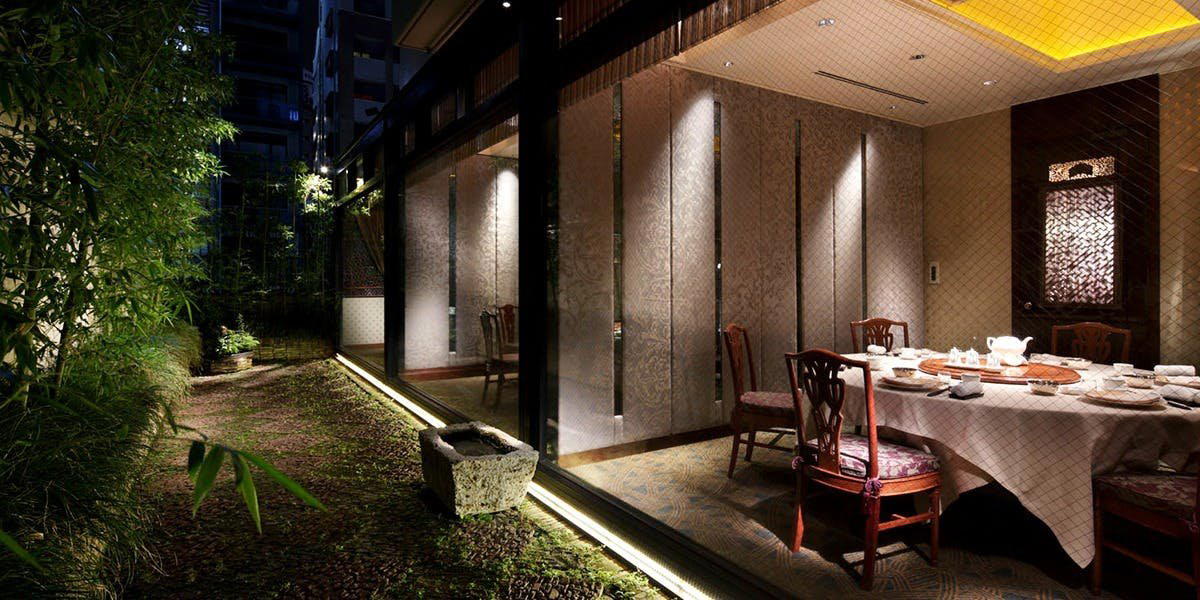
Tokyo's dining scene has long been sorted into clearly legible tiers: the omakase counters running ¥¥¥¥ and multi-hour kaiseki progressions at their most formal, and a mid-range band where younger kitchens tend to operate with more latitude. Minami-Aoyama, the southern pocket of Aoyama that meets Omotesando, has historically tilted toward the upper end, French-technique restaurants, high-end sushi, and expense-account kaiseki. Sudachi, set one floor below street level in the Moa Building on 7-chome, occupies the mid-range within that environment, which is itself a positioning choice. Counter seating and a format built partly around wordplay places it in a different register from the silent-reverence model that defines much of the area's serious dining.
The name carries meaning worth noting: sudachi can be read as 'leaving the nest,' and the kitchen is staffed by younger cooks whose energy is, by accounts in the venue's critical reception, palpable across the counter. That youth is not presented as a liability. In the segment of Tokyo dining where goroawase-coded menus and puzzle formats appear, the tone is participatory rather than ceremonial, a contrast to the studied formality at places like RyuGin or the technical concentration at L'Effervescence.
Goroawase and the Puzzle Format
Goroawase is a Japanese numerical wordplay tradition in which numbers are assigned syllable sounds and then read as words or phrases. It appears in everyday contexts throughout Japan, lucky numbers on phone lines, mnemonics in education, but its application to a restaurant menu is unusual enough to function as a genuine differentiator. At Sudachi, the evening format builds coded menus around this tradition, meaning that guests with some Japanese literacy arrive at a layer of anticipation that is inaccessible in most Tokyo dining rooms.
The puzzle element is evening-only, which creates a structural split in how the restaurant performs across the day. This split between a playful evening mode and a conventional kaiseki lunch is not unlike how some Tokyo venues run sharply different personas at different service times, though Sudachi's version is unusually explicit about the division. The puzzle format is not a gimmick layered onto otherwise generic cooking; its Michelin Plate recognition and Opinionated About Dining recommendation both suggest that the culinary substance holds up under scrutiny beyond the format alone.
For context, the Michelin Plate designation, introduced to the Tokyo guide, marks restaurants where inspectors consider the cooking good, without the starred tier's implication of exceptional technique or concept. In a city with more Michelin stars per capita than any other, a Plate result inside Minami-Aoyama still carries weight as a quality floor marker. Harutaka, operating at ¥¥¥¥ in the Ginza sushi bracket, represents the upper tier that Sudachi's ¥¥¥ pricing does not attempt to match, the two sit in different competitive sets entirely.
Lunch and Dinner: Two Formats, One Kitchen
Tokyo kaiseki at lunch is increasingly a way for restaurants to make their cooking accessible at a lower price point. The format compresses the seasonal progression into a shorter arc and typically concludes with rice. At Sudachi, the lunch service ends with sea bream rice finished with green tea poured over it, a preparation in the ochazuke tradition, which involves pouring hot broth or tea over cooked rice. This closing move is both comforting and distinctly Japanese, signaling a kitchen comfortable with idiom rather than performing it.
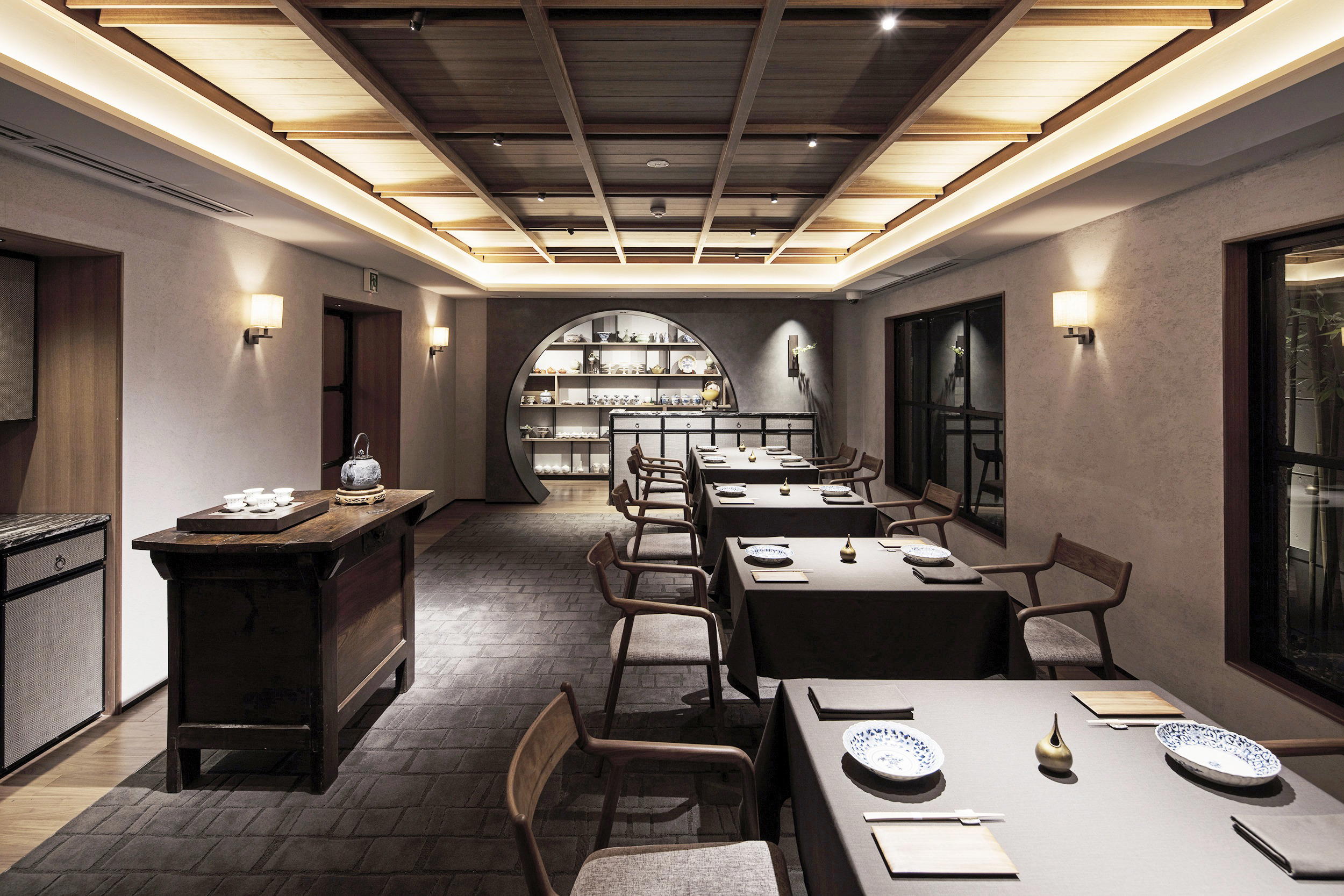
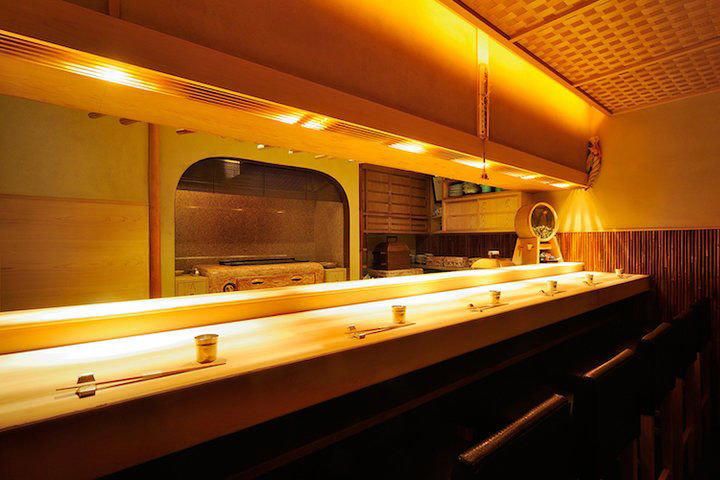
The evening service, with puzzle menus in play, runs from 6 to 11 pm Tuesday through Sunday. Lunch runs from 11:30 am to 2 pm on the same days, with Monday closed entirely. The counter format across both services means guests sit facing the preparation process, which is standard for high-involvement Japanese dining but less common in the mid-range bracket where tables are the default.
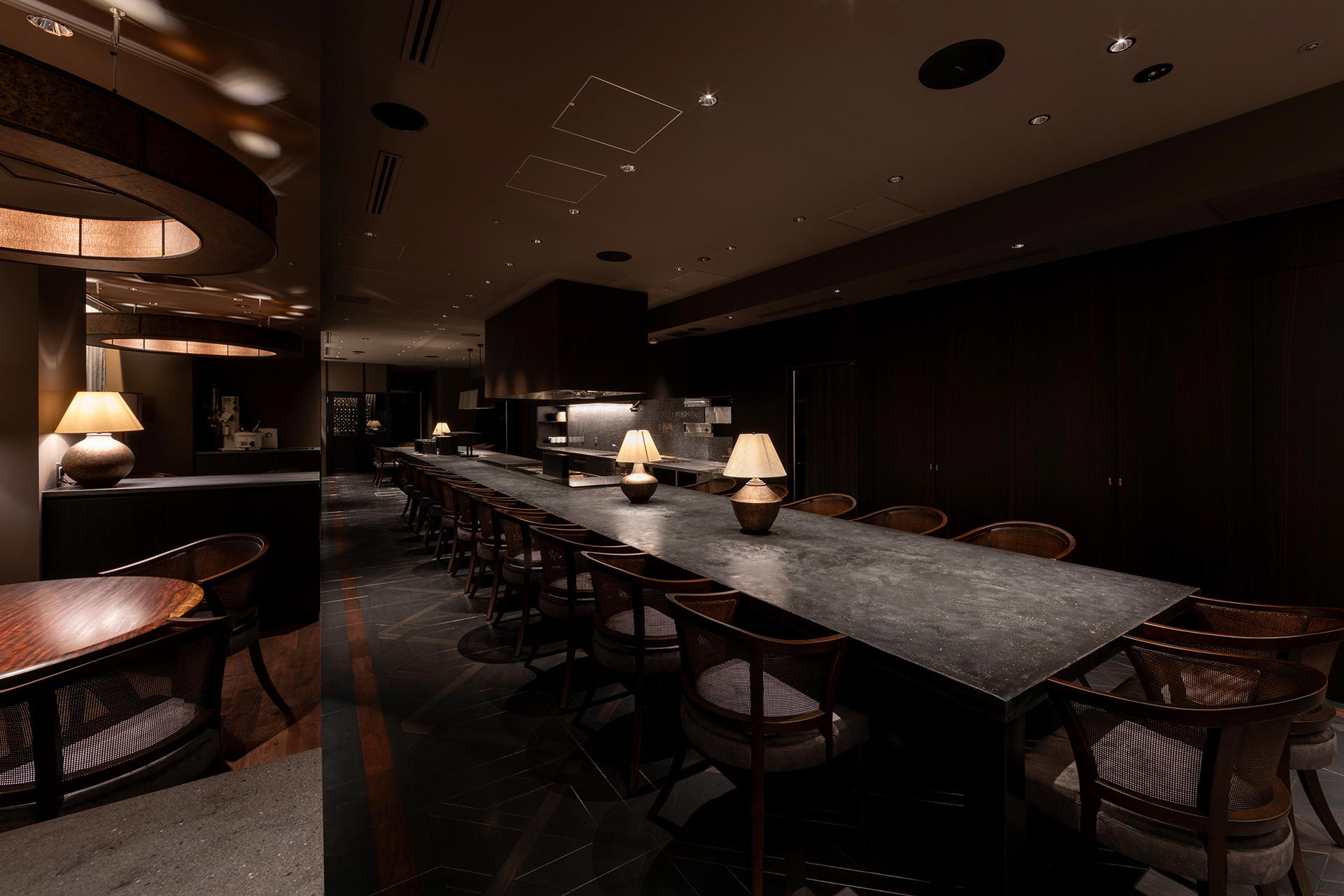
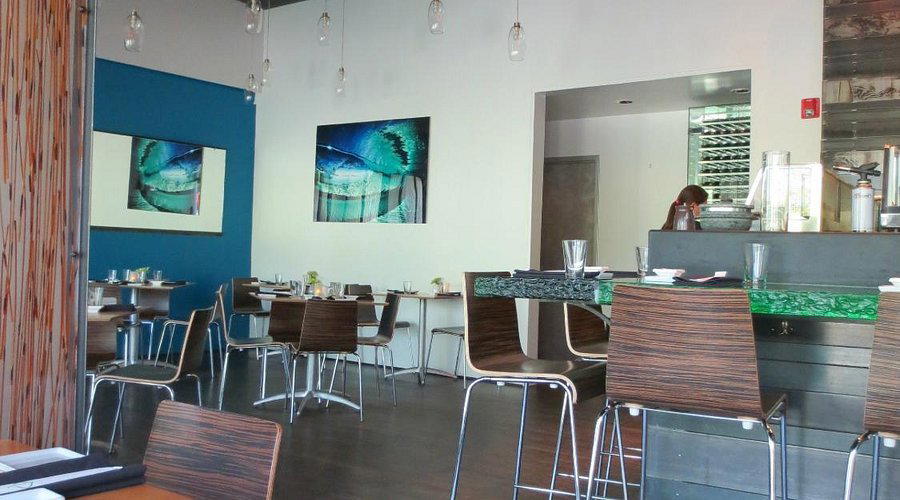
Counter dining in Tokyo's mid-range carries its own logic: it creates a proximity to the kitchen that puts the cooks' work in continuous view, which matters more when the format itself is participatory. At the ¥¥¥¥ omakase tier, the chef-as-performer model is well established. At ¥¥¥, that dynamic becomes more conversational, and Sudachi's reported atmosphere, young cooks, a cheerful tone, fits a dining style that is less about deference and more about engagement.
Critical Reception and Peer Context
The Opinionated About Dining recommendation from 2023 is a signal worth weighing carefully. OAD rankings are generated from aggregated critic and professional scores rather than single-inspector decisions, which means the recommendation reflects consensus across multiple informed palates rather than one inspector's visit. For a mid-range Tokyo restaurant operating in a format as singular as puzzle kaiseki, landing on that list alongside considerably more expensive peers is a reasonable indicator that the food itself is doing work beyond the concept.
In Tokyo's competitive dining environment, where guest expectations are precise and public criticism granular, maintaining that average over more than 100 responses suggests reliable delivery rather than occasional brilliance.
For travellers building a Tokyo dining itinerary around Japanese technique, Sudachi functions as a lighter-stakes entry into the kaiseki tradition at lunch, with the evening puzzle format as the more experiential mode. Those looking for the full kaiseki architecture in a more formal register should consider Gion Sasaki in Kyoto or HAJIME in Osaka. Within Tokyo, Sézanne and Crony represent the French-technique bracket at higher price points in a different neighbourhood context. Beyond Japan, sushi at the top of its format appears at Masa in New York City and Sushi Masaki Saito in Toronto, both operating at a substantially different price tier and format.
For broader exploration of the city's dining, drinking, and lodging, see our full Tokyo restaurants guide, our full Tokyo hotels guide, our full Tokyo bars guide, our full Tokyo wineries guide, and our full Tokyo experiences guide. For other regional references, see akordu in Nara, Goh in Fukuoka, 1000 in Yokohama, and 6 in Okinawa.
Planning Your Visit
Location: Minami-Aoyama 7-chome, Minato City, Tokyo, basement level of the Moa Building. Hours: Tuesday through Sunday; lunch 11:30 am to 2 pm, dinner 6 to 11 pm; closed Monday. Price range: ¥¥¥, positioning this as mid-range relative to the ¥¥¥¥ tier that dominates the surrounding neighbourhood. Format note: puzzle menus using the goroawase tradition are an evening-only feature; lunch follows a kaiseki format concluding with green tea poured over sea bream rice. Booking:
What Do Regulars Order at Sudachi?
This finishing move has been cited in Michelin's own descriptor for the restaurant, suggesting it functions as a through-line rather than a variable. In the evening, the puzzle menus built around goroawase coding are the format that defines the experience, with the coded presentation designed to reward guests who can engage with the Japanese-language layer. Regulars familiar with both services tend to treat the puzzle evenings as the more distinctive mode, while the kaiseki lunch offers more conventional access to the kitchen's sensibility.
Frequently asked questions
What does dinner at Sudachi typically cost?
Pricing at Sudachi is listed as ¥¥¥.
What days is Sudachi closed?
Hours at Sudachi: Hours: Monday Closed Tuesday 6–11 pm Wednesday 11:30 am–2 pm, 6–11 pm Thursday 11:30 am–2 pm, 6–11 pm Friday 11:30 am–2 pm, 6–11 pm Saturday 11:30 am–2 pm, 6–11 pm Sunday 11:30 am–2 pm, 6–11 pm.
What kind of recognition has Sudachi received?
Sudachi has received recognition including: This Japanese restaurant offers puzzles and coded menus! The puzzles rely on a coded-language tradition called goroawase, so if you know a little Japanese, they are sure to raise anticipation. Counter seating, which affords a view of the fo….
What do regulars order at Sudachi?
The confirmed signature of the lunch service is the closing course: sea bream rice with green tea poured over it, an ochazuke-style preparation that anchors the traditional kaiseki progression. In the evening, the goroawase puzzle menus are the draw, coded in numerical wordplay that rewards guests with some Japanese literacy. Counter seating means you watch the preparation unfold, which is part of how the format works rather than an afterthought.
How would you describe the cuisine at Sudachi?
Where is Sudachi in Tokyo?
Sudachi is located at Japan, 〒107-0062 Tokyo, Minato City, Minamiaoyama, 7 Chome−12−12 南青山モワビル 地下1階, Tokyo.
Who runs the kitchen at Sudachi?
The chef associated with Sudachi is Various.
Side-by-Side Snapshot
| Venue | Cuisine | Price | Awards | Notes |
|---|---|---|---|---|
| SudachiThis venue (the venue you are viewing) | Creative Japanese Kappo | $50–100 | Michelin Plate | Not listed |
| Harutaka | Edo-Style Omakase Sushi | $200–300 | 3 Michelin Stars · World's 50 Best #76 | Sushi |
| RyuGin | Modern Kaiseki | $500+ | 3 Michelin Stars · World's 50 Best #41 | Kaiseki, Japanese |
| L'Effervescence | Modern French with Japanese Influences | $200–300 | 3 Michelin Stars · World's 50 Best #69 | French |
| HOMMAGE | Modern French with Japanese Influences | $150–200 | 2 Michelin Stars · World's 50 Best #78 | Innovtive French, French |
| MAZ | Innovative Peruvian-Japanese Fusion | $150–200 | 2 Michelin Stars · World's 50 Best #28 | Innovative |
Recognition history
Dated appearances from independent guides and award organizations, with the underlying list record or original source where available.
Michelin Plate
Michelin
Opinionated About Dining Top Restaurants in Japan Recommended
Opinionated About Dining
Full recognition history (5 entries)
Michelin Plate
Michelin
Michelin Plate
Michelin
Opinionated About Dining Top Restaurants in Japan Recommended
Opinionated About Dining