
Tokyo’s serious chicken cooking is not limited to yakitori, and Gotanda gives that tradition a practical, less ceremonial frame. Tori Ryori Fuji works in chicken dishes, sukiyaki and mizutaki, with Tabelog 100 Chicken Cuisine selection in 2025, an 18-seat room, and a dinner band of JPY 8,000–9,999 that places it above casual poultry counters without pushing into luxury tasting-menu territory.
Pearl is the En Primeur Club membership app — saves, bookings, and concierge access live there. Same editors, same standards.
- Address
- 東京都品川区西五反田2-15-11 松岡ビル 2F
- Phone
- +81334951129
- Website
- jo-inc.jp
 Saves & bookings on Pearl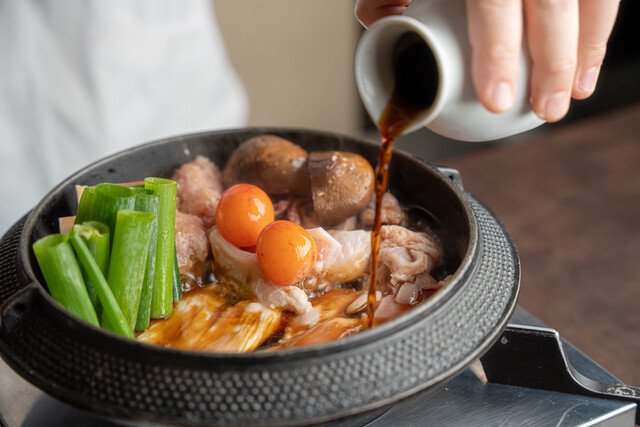
Gotanda’s west side changes quickly after the station: office blocks, river crossings, small upstairs dining rooms, and restaurants built more on repeat local use than spectacle. Here, chicken cuisine has a different rhythm from theatrical yakitori: less a sequence of skewers than a paced table meal of cooked dishes, hotpot traditions, sake-friendly portions, and conversation that does not turn dinner into a show.
Tori Ryori Fuji belongs to that narrower Tokyo category. Its recognition on the Tabelog 100 Chicken Cuisine list for 2025 matters because the category separates poultry specialists from the broader wash of izakaya, yakitori and casual nabe rooms. The listed categories, chicken dishes, sukiyaki and mizutaki, point to a kitchen built around technique and broth as much as grill work. For travelers expecting yakitori to define Tokyo chicken dining, the city’s poultry culture is wider, and Gotanda is a credible place to read it without Ginza price language.
Chicken cuisine beyond the skewer counter
Tokyo diners tend to understand format before décor. Sushi, tempura, yakitori and kaiseki each come with rules of pace, seating and deference. Chicken cuisine is looser, making good addresses harder to classify. Mizutaki brings communal hotpot logic; sukiyaki brings sweetness, fat and controlled richness; composed chicken dishes let the kitchen move between small plates and shared courses. The result rewards groups as much as solo counter dining.
That format explains the price position. At JPY 8,000–9,999 for dinner, Tori Ryori Fuji sits above everyday Gotanda options such as Age Fuku and ARALIYA LANKA Gotanda honten, and above the steak-house affordability of Meat Yazawa Gotanda honten. It is closer in seriousness to poultry specialist Niwa Tori, while remaining below the higher dinner band attached to TEPPANYAKI SOUTHERN. These rooms do not serve the same food; rather, Gotanda’s dining economy lets a specialist chicken meal occupy a middle-premium lane rather than a luxury one.
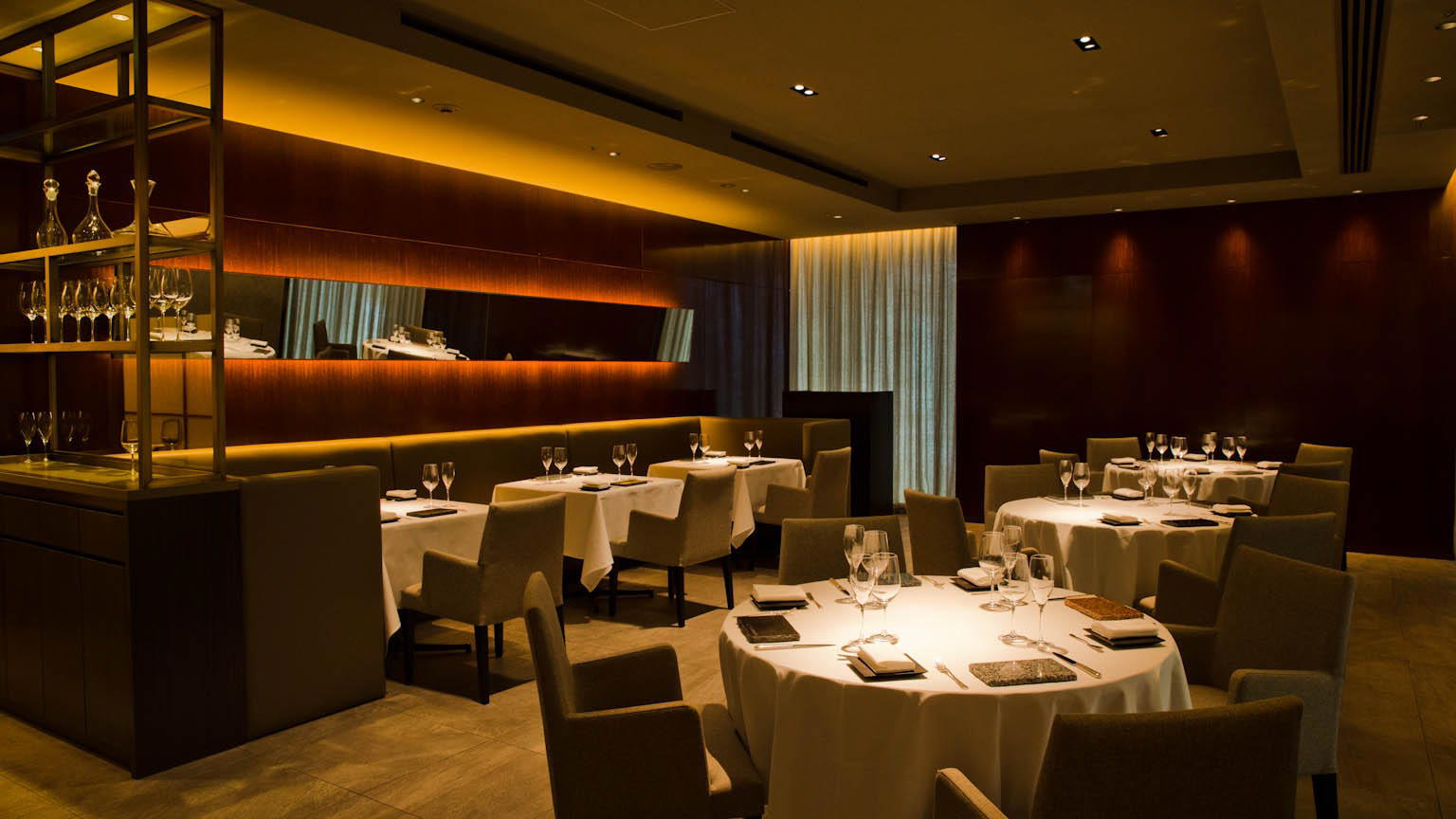
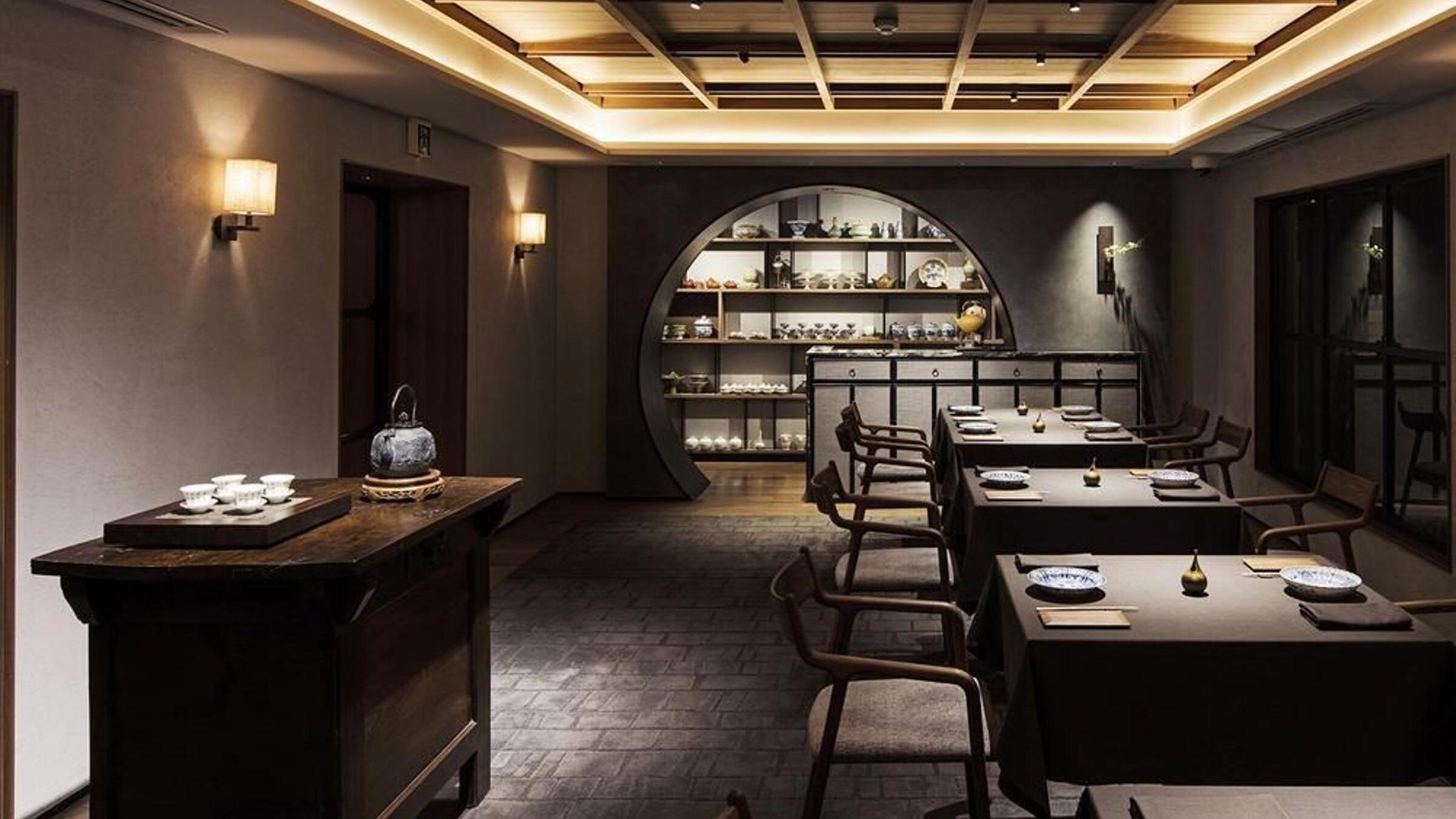
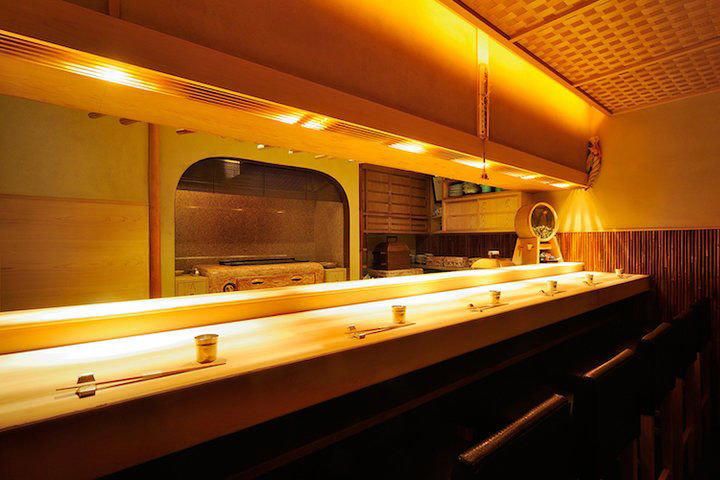
The room size sharpens the ritual. Eighteen seats, split between 8 counter seats and 10 table seats, create two dinners under one roof. The counter suits guests who want a kitchen-facing cadence; the tables suit friends, family and shared hotpot pacing. Private rooms are not part of the format, so the experience is built around the public room rather than sealed-off occasion dining. Non-smoking status keeps attention on food and drink rather than the older izakaya atmosphere that still shapes parts of Tokyo’s after-work culture.
Gotanda's practical appetite, read through poultry and sake
Gotanda is not a ceremonial dining district in the way Ginza can be, and that is its advantage. Its strongest restaurants often serve people who live or work nearby, then quietly draw destination diners once a category list or reservation chatter catches up. A Tabelog score of 3.60 and inclusion in the 2025 chicken-cuisine selection place this address in a documented specialist tier, not tourist shorthand for famous sushi and ramen.
Drink service supports the same reading. Sake, shochu, wine and cocktails are listed, with particular attention to sake and wine. For chicken cuisine, that range matters: broth, sweet soy, grilled or simmered poultry, and richer hotpot preparations do not ask for one pairing dogma. Sake handles umami and warmth; shochu keeps the meal dry and direct; wine signals contemporary Tokyo’s habit of matching Japanese formats with nontraditional bottles. The ritual is flexible rather than scripted.
There is useful restraint in the occasion signals. School-age children are welcomed, with limited seating, and the room is recommended for family and friends rather than corporate privacy or formal celebration alone. Birthday plates are available, but the natural register is shared dinner, not staged event. Groups of 5 or more are asked to contact the restaurant directly, and meals for parties that size are requested as a course, consistent with a small kitchen managing timing in an 18-seat room.
How to place it in a Tokyo dining itinerary
For travelers building a Tokyo food schedule, this dinner works between harder reservations. It does not replace sushi, tempura or yakitori; it fills another slot, where Japanese poultry traditions are read through hotpot, sukiyaki and sake rather than smoke and skewers alone. The 2013 opening date gives it operating history within the neighborhood, while the 2025 Tabelog selection gives current relevance.
Logistics are compact by Tokyo standards: the restaurant is listed a 5-minute walk from Gotanda Station, on the 2nd floor at 2-15-11 Nishi-Gotanda, Shinagawa. Dinner runs Monday to Saturday and public holidays from 5:00 PM to 11:00 PM, with Sunday closed; weekend lunch is by consultation. Payment is cashless only, with major credit cards, transport IC cards and PayPay accepted, and parking is unavailable. Reservations are available, and the small seat count makes advance planning sensible rather than optional.
For wider planning around the city, compare the poultry focus here with other Tokyo restaurant styles in Our full Tokyo restaurants guide, or branch into formats such as 124. KAGURAZAKA (Yakitori), 12/10 Shinjuku ten, . 鮪と炭火焼き うお炭 秋葉原店, 2D Cafe, and 3 Chome no Curry Ya San. Travelers pairing dinner with stays, drinks or cultural time can also use Our full Tokyo hotels guide, Our full Tokyo bars guide, Our full Tokyo wineries guide, and Our full Tokyo experiences guide.
Outside Tokyo, the same planning logic applies: compare category, price and ritual rather than chasing names alone. For sukiyaki context, see -Grilled beef Sukiyaki- KAMAKURA TANUKIAN 鎌倉 たぬき庵 in Kamakura; for other Japanese city dining references, see.cafe in Osaka.know in Kumamoto, (Shoku) Vietnam in Kawasaki, [Curry Senmon Ten] Maruyama Kyoju. in Sapporo, and [ki:] in Kyoto. Japanese food culture abroad can be cross-read through Jōdo Saké Bar in Los Angeles and Onigiri Time in Pasadena, where format and setting change the meaning of familiar ingredients.
The Minimal Set
Comparable venues by cuisine and category.
| Venue | Cuisine | Price | Notes |
|---|---|---|---|
| Tori Ryori FujiThis venue — the venue you are viewing | Not listed | $$$ | Not listed |
| Toriyaki Sasaya | Meguro, Traditional Yakitori Course Menu | $$$ | Not listed |
| Igarashi | Not listed | $$$ | Shibuya, Traditional Japanese Fugu Kaiseki |
| sumiyaki kadota or yourisu zuki | Not listed | $$$ | Shibuya, Charcoal-grilled Japanese diner & motsunabe |
| Gonpachi Shibuya | Not listed | $$$ | Shibuya, Japanese Izakaya with Yakitori & Handmade Soba |
| Yakiniku Horumon Kinju Hanare | Not listed | $$$ | Minato, Yakiniku & horumon with Morioka-style cold noodles |
Recognition history
Dated appearances from independent guides and award organizations, with the underlying list record or original source where available.
Tabelog 100 #37 · No. 37
Tabelog · Tabelog 100 - Chicken cuisine - 2025











At a Glance
- Cozy
- Intimate
- After Work
- Group Dining
- Casual Hangout
- Date Night
- Standalone
- Sake Program
- Beer Program
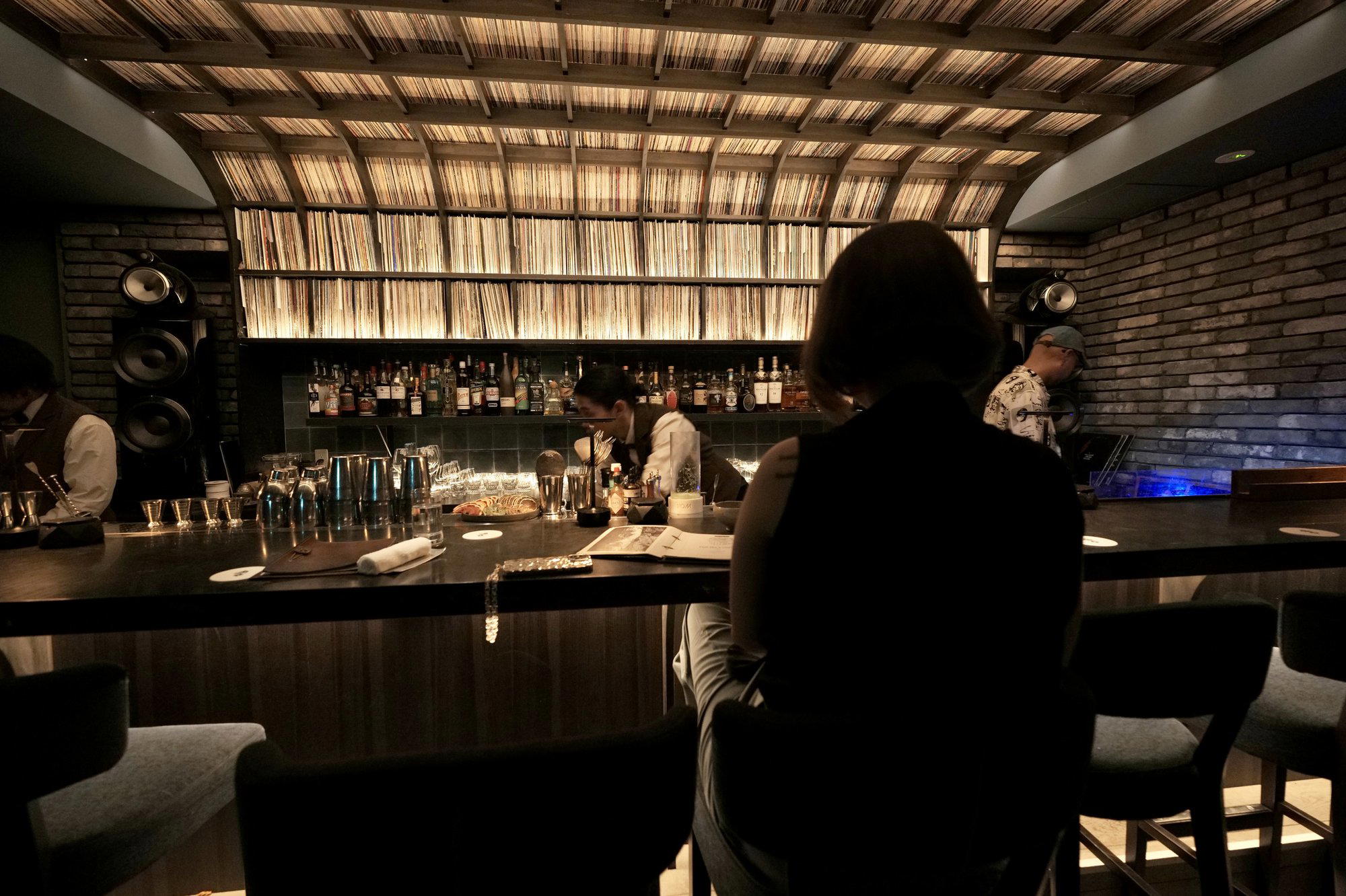
A small, relaxed neighborhood spot near Gotanda Station with a warm, cozy dining room focused on enjoying carefully prepared chicken dishes with drinks.