Zorome occupies a basement unit in Mejiro's Toshima district, a neighbourhood that sits outside Tokyo's established fine-dining corridors but draws a specific kind of local following. With minimal public data and no prominent digital presence, the restaurant operates closer to word-of-mouth than algorithm. For travellers willing to work for a table, that opacity is part of the signal.
Pearl is the En Primeur Club membership app — saves, bookings, and concierge access live there. Same editors, same standards.
- Address
- Japan, 〒171-0031 Tokyo, Toshima City, Mejiro, 3 Chome−3−1 目白スクエアビル B1F
- Phone
- +81369083653
- Website
- tablecheck.com
- Directions
- Get directions
 Saves & bookings on Pearl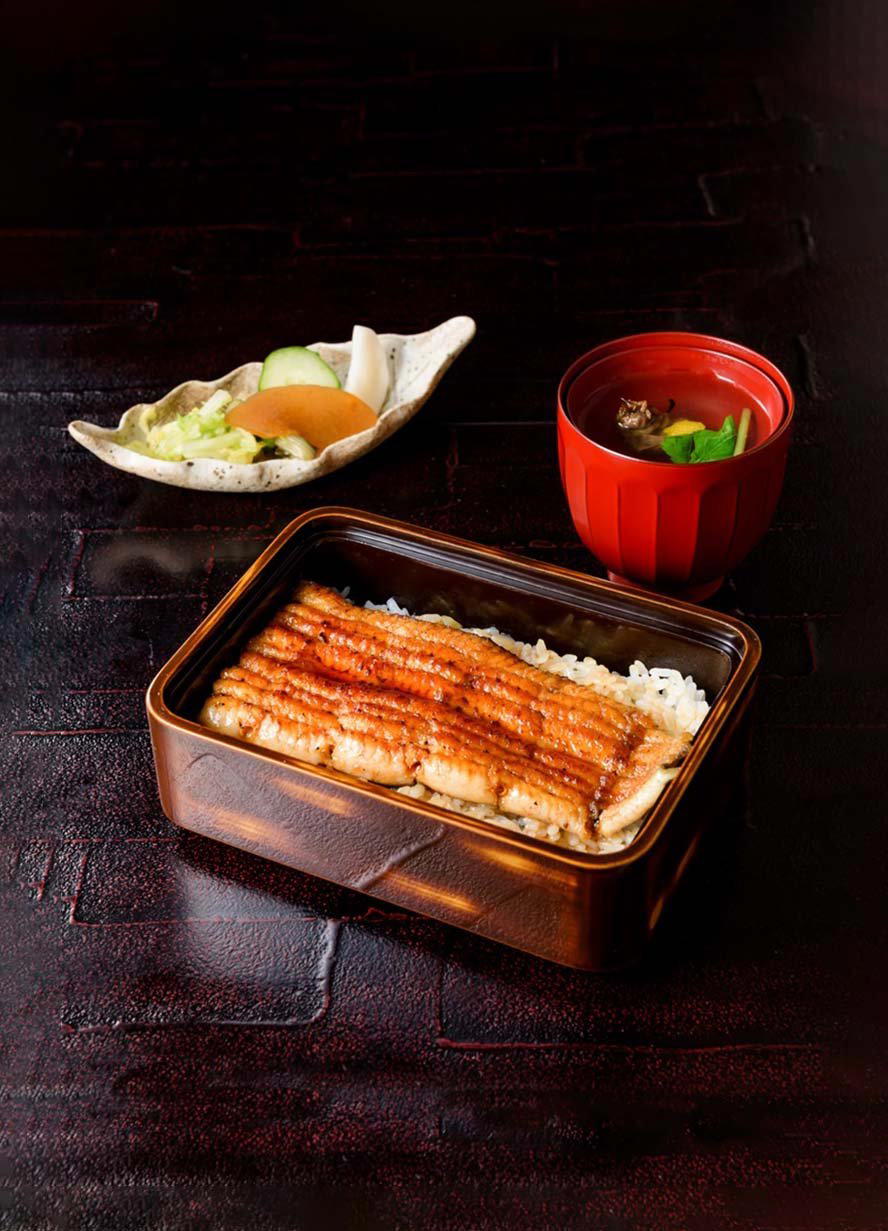
Below Ground in Mejiro: What Tokyo's Quieter Dining Districts Tell You
Tokyo's fine-dining conversation tends to anchor itself in a handful of postcodes: Ginza, Azabu-Juban, Nishi-Azabu, the corridor around Roppongi Hills. These are the neighbourhoods where restaurants like Harutaka and Sézanne compete for reservation slots months in advance and price against a comparable set operating at the city's ceiling. Mejiro, by contrast, sits in Toshima ward on the Yamanote Line, a residential district known more for its quiet streets and local coffee shops than for its position in the international dining press. That geography matters. Restaurants that open in areas like Mejiro are making a different kind of argument about where dining can happen.
Zorome is on the B1F level of a building at 3-3-1 Mejiro Square, a basement address that follows a pattern common across Japanese cities: particularly focused cooking in a neighbourhood happens below street level, away from foot traffic, dependent on a clientele that already knows to look. The format, a below-ground room with no prominent signage, places it in a category of Tokyo dining that resists easy visibility. This is not unusual in the city. Plenty of serious restaurants, from Crony in its early phase to smaller kaiseki rooms across the east side, have operated with minimal digital exposure while maintaining full books through regulars and chef-to-chef referrals.
The Sensory Logic of Basement Dining in Japan
Basement restaurants in Japanese cities tend to produce a particular atmosphere. The descent from street level creates an immediate acoustic shift: the ambient noise of the neighbourhood, trains, bicycle bells, the Yamanote Line's approach, drops away. What replaces it is controlled: the sound of a kitchen working at close range, conversation kept at the right register, ceramic on wood. Japanese dining rooms in the B1F tier often use this architectural containment deliberately. The room becomes self-contained in a way that upper-floor or street-level spaces rarely achieve.
In the context of Tokyo's wider dining scene, this matters because restaurants like RyuGin and L'Effervescence, often invests heavily in the physical environment as part of the experience. Materials, lighting temperature, the ratio of table spacing to seat count: these are considered design decisions, not incidental. Smaller, less-exposed rooms in outer districts tend to achieve the same containment through simplicity rather than budget. The result is a different kind of focus, one that pushes attention toward what arrives on the table rather than the room itself.
Zorome's address in Mejiro Square's basement fits this pattern. The venue has chosen a location and a floor level that, in Tokyo dining terms, signals intimacy over visibility. That is a coherent choice, and it correlates with a particular type of operation across Japan's regional and metropolitan scene, from Gion Sasaki in Kyoto to HAJIME in Osaka and further afield to Goh in Fukuoka.
Zorome has no confirmed awards record, no listed price range, and no published hours. In Tokyo's dining market, this combination of absences points in one of two directions: a restaurant in its earliest phase, still building its public record, or a deliberate choice to remain below the radar of the international dining press. Both are legitimate strategies, and both produce the same practical outcome for the visiting diner: the usual pre-trip research workflow does not apply.
This is not unprecedented in Japan. Restaurants in cities like Nanao (一本杉 川嶋制), Sapporo (夕凪山乃), Takashima (湖畔庵), and Nishikawa Machi (庄羽屋) operate outside the aggregated review systems that govern international dining decisions, and they draw a following precisely because the effort required to access them filters the clientele. Zorome in Mejiro occupies a version of that position within Tokyo itself: geographically accessible via the Yamanote Line, but operationally opaque in a way that the city's more prominent addresses are not.
For comparison, restaurants in Tokyo's recognisable fine-dining tier, or internationally at the level of Le Bernardin in New York City or Atomix, carry enough public data that a visiting diner can calibrate expectations before arrival: price, format, seat count, booking lead time, dress code. None of that scaffolding exists for Zorome at the time of writing. Arriving without it requires a different posture: flexible, prepared for the possibility that the room is smaller than expected, that the menu format is fixed, that the booking confirmation came through a third party rather than a direct system.
Getting There and Practical Orientation
Mejiro Station on the JR Yamanote Line is the access point. The neighbourhood is compact and walkable from the station's south exit. Mejiro Square, the building listed in Zorome's address at 3 Chome-3-1 Mejiro, is a short walk from the main shopping street. The B1F designation means you are looking for a basement entrance, which in Japanese buildings is typically marked at street level, though not always conspicuously. Verifying hours and booking availability before travelling is advisable. Do not assume walk-in availability. For a wider picture of what Tokyo's dining scene offers across price tiers and neighbourhoods, the EP Club Tokyo restaurants guide maps the full range, from established Ginza counters to less-documented neighbourhood rooms like this one.
Comparisons to places like Bistro Ange in Toyohashi or Birdland in Sakai are instructive: these are restaurants operating outside the primary media circuits of their respective cities, holding a loyal following without the infrastructure of a digital-first operation. Zorome sits in that category within Tokyo, and the city is large enough that such rooms can sustain themselves on neighbourhood regulars and referrals alone, indefinitely.
A Quick Peer Check
Comparable venues nearby, for context on price, style, and recognition.
| Venue | Cuisine | Price | Notes |
|---|---|---|---|
| ZoromeThis venue — the venue you are viewing | Traditional Japanese Unagi (Kyosui Eel) | $$$ | Not listed |
| Arakawa (Kyoto) | Traditional Kyoto yakiniku (Japanese BBQ) | $$$ | Nakagyo Ward / Kawaramachi |
| Unagi Senmonten Aikawa | Traditional Unagi (eel) specialty restaurant | $$$ | Shinjuku |
| Yakiniku Horumon Kinju Hanare | Yakiniku & horumon with Morioka-style cold noodles | $$$ | Minato |
| Kuroda | Yakiniku (Japanese BBQ) | $$$ | Shibuya |
| Kasumitei Matsubara | Kaiseki | $$$ | Minato |














At a Glance
- Elegant
- Intimate
- Sophisticated
- Date Night
- Solo
- Special Occasion
- Chefs Counter
- Open Kitchen
- Private Dining
- Sake Program
- Local Sourcing
Current opening hours
- Monday
- 11 AM–2 PM, 5–9 PM
- Tuesday
- 11 AM–2 PM, 5–9 PM
- Wednesday
- Closed
- Thursday
- 11 AM–2 PM, 5–9 PM
- Friday
- 11 AM–2 PM, 5–9 PM
- Saturday
- 11 AM–2 PM, 5–9 PM
- Sunday
- 11 AM–2 PM, 5–9 PM
Hours can change for holidays and private events. Last verified .
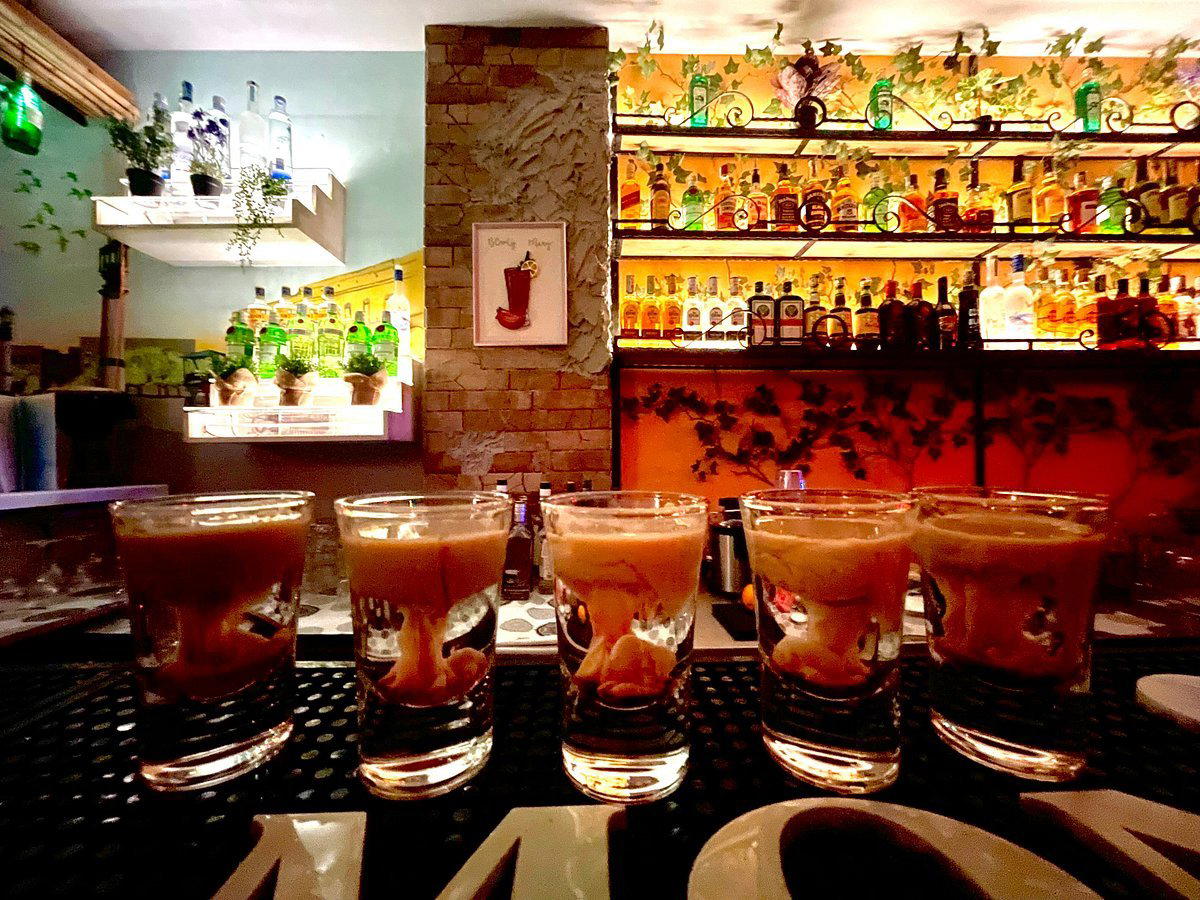
Stylish and elegant Japanese-modern interior with counter seating around the charcoal grill, private tatami rooms, and a calm, welcoming traditional atmosphere.