
Tabelog 100 #91
Our verdict
Kagayaki puts Ginza’s hot-pot tradition into a compact, format-driven room rather than the hushed luxury register usually associated with the district. The draw is shabu shabu, Japanese beef dishes, drink-friendly pacing, and a 2024 Tabelog Hot Pot 100 selection that places it inside Tokyo’s serious nabe conversation without pushing into the city’s highest-priced dining tier.

Pearl is the En Primeur Club membership app, where members save venues, book tables and use the concierge.
The menu
What to order
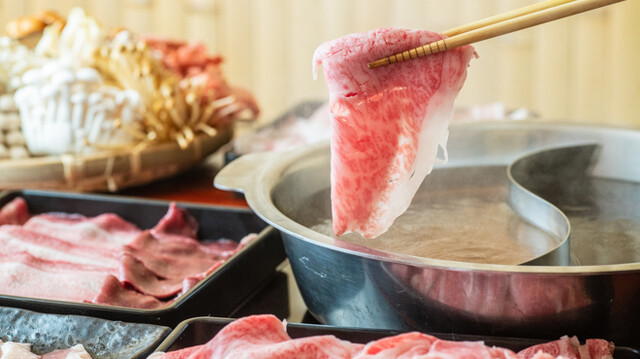
- Wagyu shabu-shabu all-you-can-eat course
- Seasonal kaiseki course at the counter
- Assorted Japanese beef and branded pork in two kinds of dashi
Tokyo changes character from block to block, and Kagayaki belongs to the side of the city where restaurants can feel local without losing the precision expected from a serious dining address. Kagayaki is a shabu shabu and beef-focused restaurant in Tokyo, with Japanese cuisine and beef dishes sitting at the centre of the meal rather than acting as supporting courses.
Tokyo’s hot-pot culture rewards repetition and timing. Shabu shabu is not built around a chef’s long biography or a parade of composed plates; it is built around broth, sliced meat, dipping sauces, pacing, and the shared rhythm of the table. That distinction matters in Tokyo, where diners often arrive expecting either counter austerity or high-spend formality. Here, the category is warmer and more communal, with the meal’s appeal coming from focus, rhythm, and a beef-led register.
Tokyo hot pot with a social, beef-led register
Hot pot occupies a particular place in Tokyo dining: it can be casual, expensive, nostalgic, seasonal, or celebratory depending on room, product, and service structure. In Tokyo, the genre can carry a sharper sense of occasion because clientele and expectation compress the category upward. Kagayaki sits in the useful middle of that spectrum. Its listed dinner spend of JPY 6,000 to JPY 7,999 keeps it below more rarefied dining formats, while its Tabelog recognition signals a more serious proposition than a generic nabe stop.
The 2024 Tabelog Hyakumeiten recognition is the key trust signal here. It places the restaurant in a curated conversation around category-specific dining, where consistency can matter more than novelty. Tabelog’s public score of 3.63 also helps frame the restaurant accurately: respected, focused, and useful for diners who want a clear Tokyo dinner without turning the evening into a multi-hour tasting-menu exercise.
That price-positioning separates it from beef-led rooms such as Oniku Karyu, where the spend and format belong to a different tier. It also differs from Tokyo’s broader destination dining register, represented in the comparison set by places such as Furuta, LA BETTOLA da Ochiai, 銀座 うち山, and ARROCERÍA La Panza, where cuisine type, service tempo, and table expectations point in other directions. The more relevant question is not whether this is Tokyo’s grandest dinner, but whether shabu shabu is the right answer for the night: communal, drink-compatible, and structured around beef rather than chefly performance.
The room tells you how to use it
The experience is best understood through the format rather than through a long list of room details. Shabu shabu naturally gives diners a clear choice in how to use the evening: smaller parties can keep the meal tighter and more directed, while groups can let the table become more conversational and paced around sharing. That flexibility keeps the operation compact in feel without making it precious.
The meal also lends itself to sociability. In a shabu shabu setting, the drinking rhythm and the cooking rhythm often move together because the format stretches across the table rather than peaking around a single plate. Hot pot is forgiving for mixed groups: some diners focus on beef, others on broth and vegetables, and the evening can stay relaxed without losing structure.
For travellers plotting a Tokyo evening, the location is practical in the useful sense, not the postcard sense. Kagayaki works best as part of a wider Tokyo plan rather than as a restaurant that demands a full night’s choreography. It can anchor a low-key dinner, a group meal, or a more relaxed night built around shared food. For broader planning, Our full Tokyo restaurants guide, Our full Tokyo bars guide, Our full Tokyo hotels guide, Our full Tokyo wineries guide, and Our full Tokyo experiences guide give the surrounding city more shape.
How to place it in a Tokyo itinerary
Kagayaki is the kind of restaurant that should be judged by repeat use rather than launch noise. That matters in Tokyo, where hot-pot restaurants survive on dependability as much as publicity. The format is not about surprise for its own sake. It is about whether the meal can hold a group, whether the beef-focused cooking feels coherent, and whether the evening lands at the right level of formality for the city.
Use Kagayaki when the night calls for Tokyo without stiffness. It suits diners who want Japanese hot pot, beef, and a shared table in a city where many restaurants can feel either highly codified or priced for ceremony. It is less appropriate for travellers chasing a chef-counter narrative or a rarefied tasting menu. The better read is category fluency: shabu shabu in Tokyo, recognised by Tabelog in 2024, with a price band that keeps the decision refreshingly grounded.
Tokyo comparison planning benefits from thinking by mood rather than checklist. Other casual or specialised dining rooms across the city can offer useful contrasts in tempo, format, and price, but Kagayaki’s case is clearest when kept close to its own category. Regional and international contrasts sharpen the point further in a general sense: Japanese comfort formats shift by city, audience, and service style, while Kagayaki remains a Tokyo reference for shabu shabu, Japanese cuisine, and beef dishes at a clearly listed dinner spend.
Frequently asked questions
When can I go to Kagayaki?
Confirm current opening hours directly with Kagayaki before visiting.
Is Kagayaki more mid-range or high-end?
Pricing at Kagayaki is listed as JPY 6,000 - JPY 7,999.
Where is Kagayaki in Tokyo?
Tokyo.
What's Kagayaki best at?
Kagayaki is built for shabu shabu, Japanese cuisine, and beef dishes. Its 2024 Tabelog Hyakumeiten recognition, 3.63 Tabelog score, and JPY 6,000–JPY 7,999 dinner price range make it a practical Tokyo hot pot choice.
Fast Comparison
Comparable venues at the same tier for side-by-side context.
| Venue | Cuisine | Price | Awards | Notes |
|---|---|---|---|---|
| KagayakiThis venue (the venue you are viewing) | Kaiseki-style Japanese and shabu-shabu | $50–100 | Tabelog 100 #91 | Not listed |
| Soba Kaiseki Tsukiji Bunkajin Kaza | Soba kaiseki with seasonal course menus | $50–100 | Tabelog 100 #15 | Chūō |
| 365 Nichi to Nihonbashi | Artisan Japanese Bakery | $10–20 | Tabelog 100 #31 | Chūō |
| Hantei | Traditional Japanese Kushiage | $50–100 | Not listed | Chiyoda |
| Aigamo Ippin Toriyasu | Traditional Duck Sukiyaki (Aigamo) | $50–100 | Tabelog 100 #24 | Chūō |
| Seiyo Oryouri Touyou Ken | Historic Yoshoku & Matsusaka Beef Fine Dining | $50–100 | Tabelog 100 #71 | Minato |
Recognition history
Dated appearances from independent guides and award organizations, with the underlying list record or original source where available.
Tabelog 100 #91 · No. 91
Tabelog · Tabelog 100 - Hot Pot - 2024
Continue exploring
More in Tokyo
Restaurants in Tokyo
All restaurants in Tokyo →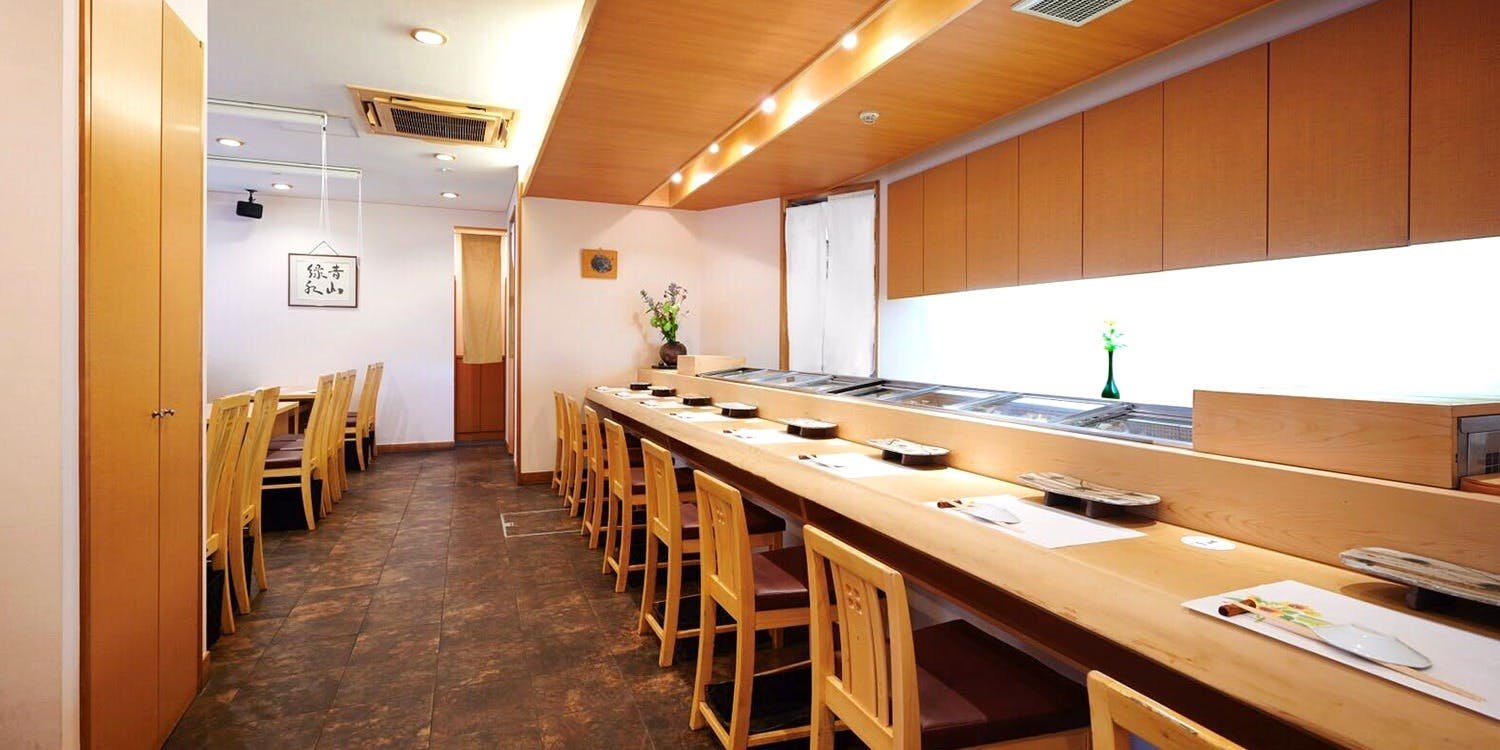
Bars in Tokyo
All bars in Tokyo →



Details
- Cozy
- Intimate
- Classic
- Date Night
- Business Dinner
- Special Occasion
- Group Dining
- After Work
- Chefs Counter
- Standalone
- Private Dining
- Sake Program
- Beer Program
- Local Sourcing
- Tasting Menu
- Set Menu
- Counter Dining
- Sake
- Beer
- Shochu
Current opening hours
- Monday
- 5–10 PM
- Tuesday
- 5–10 PM
- Wednesday
- 5–10 PM
- Thursday
- 5–10 PM
- Friday
- 5–10 PM
- Saturday
- 5–10 PM
- Sunday
- Closed
Hours can change for holidays and private events. Hours as of .
Warm, traditional Japanese atmosphere with counter seating downstairs and small tables upstairs, focused on a relaxed, unhurried course-style meal experience.