Our verdict
PIOPIKO occupies a quiet address in Kyoto's Nakagyo Ward, where the city's ingrained respect for seasonal produce meets technique drawn from beyond Japan's borders. In a dining scene defined by kaiseki orthodoxy, it represents a different kind of proposition: local ingredients read through a global lens. Advance planning is advisable for those visiting Kyoto's more distinctive dining addresses.

Pearl is the En Primeur Club membership app — saves, bookings, and concierge access live there. Same editors, same standards.
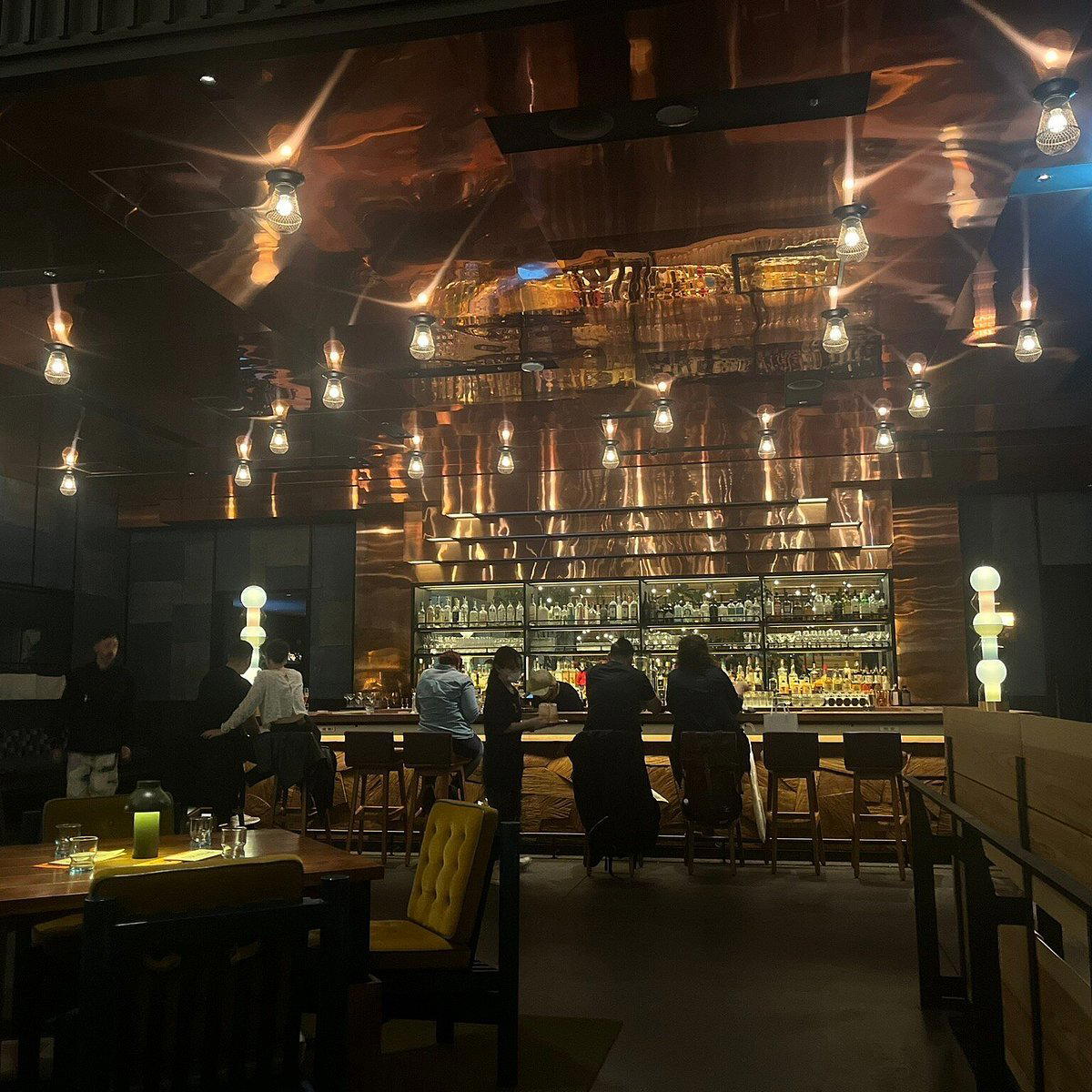
Where Kyoto's Seasonal Discipline Meets Imported Technique
Kyoto's dining identity is, at its core, an argument about restraint. The city's kaiseki tradition — codified over centuries in the tea-ceremony kaiseki of temples and the more elaborate honzen formats that followed — treats the calendar as the primary creative force. What grows, what the rivers yield, what the mountains offer: these determine the menu. It is a discipline that has produced some of Japan's most formally demanding restaurants, including Kikunoi Honten, Hyotei, and Gion Sasaki, all of which operate within a framework where technique serves tradition rather than announcing itself.
PIOPIKO, at 245-2 Kurumayacho in Nakagyo Ward, enters a different conversation. Nakagyo sits at the geographic and cultural midpoint of the city, neither the temple-dense south nor the geisha-district east of Gion, which positions it as territory where Kyoto's classical gravity is present but not absolute. It is precisely the kind of address where a kitchen can draw on local ingredient culture while reaching outward for method and reference.
The Intersection of Indigenous Products and Global Method
Across Japan's more forward-looking dining rooms, a recognisable pattern has emerged over the past decade: chefs trained in European kitchens, or in hybrid environments across Tokyo and Osaka, returning to regional ingredient pools with a different technical vocabulary. The results tend to sit outside the kaiseki bracket without rejecting its foundational logic. The seasonal instinct remains; the presentation grammar and cooking technique shift.
This is the territory that connects PIOPIKO to a broader national movement. Venues like HAJIME in Osaka and akordu in Nara have demonstrated that the Kansai region is not a monolith of tradition, it contains restaurants that use local produce as the anchor while applying fermentation science, French plating logic, or Nordic-influenced minimalism as the method. Goh in Fukuoka takes a similar approach further south. The common thread is that these kitchens treat Japanese ingredients not as a cultural obligation but as a genuine starting point for technical curiosity.
Kyoto's own version of this pattern is visible in places like Isshisoden Nakamura, which operates across centuries of institutional weight, and in the more contemporary approaches surfacing in the city's mid-century machiya buildings. PIOPIKO belongs to the latter atmosphere: a Kyoto address that is engaging with the city's ingredient heritage rather than simply reproducing its ceremonial forms.
Nakagyo Ward: A Working Context for an Evolving Scene
Understanding where PIOPIKO sits physically matters for understanding what kind of experience to expect. Nakagyo Ward covers the central band of Kyoto, bordered to the north by Kamigyo and to the south by Shimogyo, and contains the city's main commercial artery around Shijo-Kawaramachi. Kurumayacho, the specific street address, runs through a quieter residential-commercial pocket of the ward, the kind of Kyoto block where a specialist food operation can exist without the foot traffic pressure of tourist-facing zones. This is relevant because it affects both the dining atmosphere and the likely booking profile. Addresses in this kind of setting in Kyoto tend to operate on advance reservation, often require Japanese-language contact, and draw a local clientele alongside informed visitors.
For context on what Kyoto's more formalised restaurant tier looks like from a booking and format standpoint, Mizai represents the kaiseki end of that spectrum, with its structured multi-course format and Michelin recognition. PIOPIKO's approach appears to sit at a different register, closer to the pattern seen at Bistro Ange in Toyohashi or Birdland in Sakai, where regional specificity and technical intent define the offer rather than ceremonial format.
Japan's Ingredient-Forward Dining and What It Demands of a Kitchen
The wider context here is worth stating plainly. Japan has some of the most developed ingredient sourcing infrastructure in the world, particularly for vegetables, fish, and aged proteins. Kyoto's specific contribution to that system is the category of Kyo-yasai, traditional Kyoto vegetables, many of them cultivated varieties protected under prefecture-level designations, which appear across the city's high-end kitchens regardless of format. When a kitchen at this level commits to local produce and applies non-kaiseki technique, the creative pressure falls on how those ingredients are handled and what the kitchen brings to them from outside Japan's culinary canon.
This is exactly the kind of argument that venues at the intersection of place and technique are making across the country. Harutaka in Tokyo makes it through the precision of its sushi craft; Atomix in New York City makes it from a Korean-ingredient base through a fine-dining Western format; Le Bernardin in New York City has made a version of the same argument about French technique and global seafood for decades. The underlying logic, that culinary identity comes from what you source and how you transform it, is one that Kyoto's geography and agricultural history make particularly available to a kitchen willing to use both.
Regionally, the pattern extends further: restaurants in Nanao work with Noto Peninsula seafood under similar logic, while venues in Sapporo, Takashima, and Nishikawa Machi reflect how ingredient-led cooking with global technique has spread well beyond the major cities.
Planning a Visit
PIOPIKO is located at 245-2 Kurumayacho, Nakagyo Ward, Kyoto, a central address that is reachable on foot from Karasuma-Oike Station, which sits on both the Karasuma and Tozai subway lines, placing it roughly ten to fifteen minutes from Kyoto Station by rail. The Nakagyo location means it is also within reasonable walking distance of the Nishiki Market district, useful for building a half-day itinerary in the area.
For an address of this type in Kyoto, a non-tourist-corridor location with a specialist offer, reservation in advance is the sensible assumption, and Japanese-language contact may be required depending on the booking channel. Those building a broader Kyoto dining itinerary should consult our full Kyoto restaurants guide for mapped context across the city's different neighbourhoods and price tiers.
Frequently asked questions
What is the overall feel of PIOPIKO?
PIOPIKO occupies a Nakagyo Ward address that sits outside Kyoto's most formal tourist-facing dining zones, which gives it an atmosphere more consistent with the city's neighbourhood restaurant culture than its ceremonial kaiseki tradition. Without confirmed award recognition or an established price tier, it reads as a specialist address for visitors interested in the intersection of Kyoto's ingredient culture and technique that extends beyond kaiseki orthodoxy. Those already familiar with Kyoto's formal dining tier, places like Gion Sasaki or Hyotei, will find PIOPIKO represents a different register of the same city.
What do people recommend at PIOPIKO?
The kitchen's apparent positioning at the intersection of local Kyoto ingredients and globally influenced technique suggests the menu follows seasonal availability closely, the same principle that drives Kyoto's broader restaurant culture, from kaiseki counters to more contemporary formats. Visiting with openness to a chef-led format is the practical approach for an address of this type.
Is PIOPIKO reservation-only?
In Kyoto generally, restaurants operating at a specialist or destination level in residential-commercial addresses like Kurumayacho almost universally require advance reservation, and walk-in availability is not a reliable assumption. Visitors should treat reservation as necessary and verify contact channels directly; Japanese-language booking assistance may be useful given the address and format type.
How does PIOPIKO fit into Kyoto's wider scene of ingredient-forward cooking with international technique?
Kyoto's classical restaurants, including Michelin-recognised kaiseki addresses, treat local and seasonal ingredients as the foundation of their format, but the method is specific to Japanese tradition. PIOPIKO's Nakagyo location and apparent positioning suggest it operates in the newer stratum of Japanese restaurants that source from the same regional ingredient pool while applying technique with a broader international reference set, a pattern visible at venues like akordu in Nara and HAJIME in Osaka across the Kansai region. For visitors building a multi-city itinerary across Japan's more ingredient-driven kitchens, it represents a Kyoto entry point into that conversation.
A Minimal comparable set
Comparable venues nearby, for context on price, style, and recognition.
| Venue | Cuisine | Price | Awards | Notes |
|---|---|---|---|---|
| PIOPIKOThis venue — the venue you are viewing | Modern Mexican Taqueria | $20–30 | Not listed | Not listed |
| Kyoto Tsurara | Modern Japanese Kakigori | $1–10 | Not listed | Nakagyo Ward, Nijo Area, Modern Japanese Kakigori |
| le sel | Organic Ramen Course | $30–50 | Not listed | Gion-Shijo, Organic Ramen Course |
| Mlesna Tea House Kyoto | Not listed | $10–20 | Tabelog 100 #75 | Nakagyō, Sri Lankan black tea house & cafe |
| Bar Gaudi | Modern izakaya & Spanish-style standing bar | $20–30 | Tabelog 100 #36 | Shimogyō, Modern izakaya & Spanish-style standing bar |
| Aje Matsubara honten | Yakiniku & Horumon (Offal) Barbecue | $30–50 | Tabelog 100 #42 | Shimogyō, Yakiniku & Horumon (Offal) Barbecue |
Continue exploring
More in Kyoto
Restaurants in Kyoto
All restaurants in Kyoto →
Bars in Kyoto
All bars in Kyoto →
Hotels in Kyoto
All hotels in Kyoto →
Wineries in Kyoto
Browse all →
Details
- Lively
- Modern
- Trendy
- Energetic
- Casual Hangout
- Late Night
- After Work
- Hotel Restaurant
- Open Kitchen
- Craft Cocktails
- Sake Program
- Local Sourcing
- A La Carte
- Small Plates
- Craft Cocktails
- Vegetarian Friendly
Current opening hours
- Monday
- 3 PM–12 AM
- Tuesday
- 3 PM–12 AM
- Wednesday
- 3 PM–12 AM
- Thursday
- 3 PM–12 AM
- Friday
- 3 PM–12 AM
- Saturday
- 11:30 AM–12 AM
- Sunday
- 11:30 AM–12 AM
Hours can change for holidays and private events. Last verified .
High-energy lobby lounge with DJ booth, lively decor, and busy festive atmosphere.