

Genji Kyoto occupies a modern reinterpretation of the machiya townhouse form in Gojo-Kawaramachi, steps from the Kamo River. Its 19 rooms blend radiant floor heating, tatami formats, and cedar-imprinted concrete with mid-century furniture gestures, earning a Michelin 1 Key in 2024. Dining moves between the Genji Lounge and a rooftop Sky Forest Garden with panoramic river views, at rates from $512 per night.
Pearl is the En Primeur Club membership app — saves, bookings, and concierge access live there. Same editors, same standards.
- Address
- 362-3 Hashidonochō, Shimogyo Ward, Kyoto, 600-8113
- Phone
- +81 75-365-3001
- Website
- genjikyoto.com
- Directions
- Get directions
 Saves & bookings on Pearl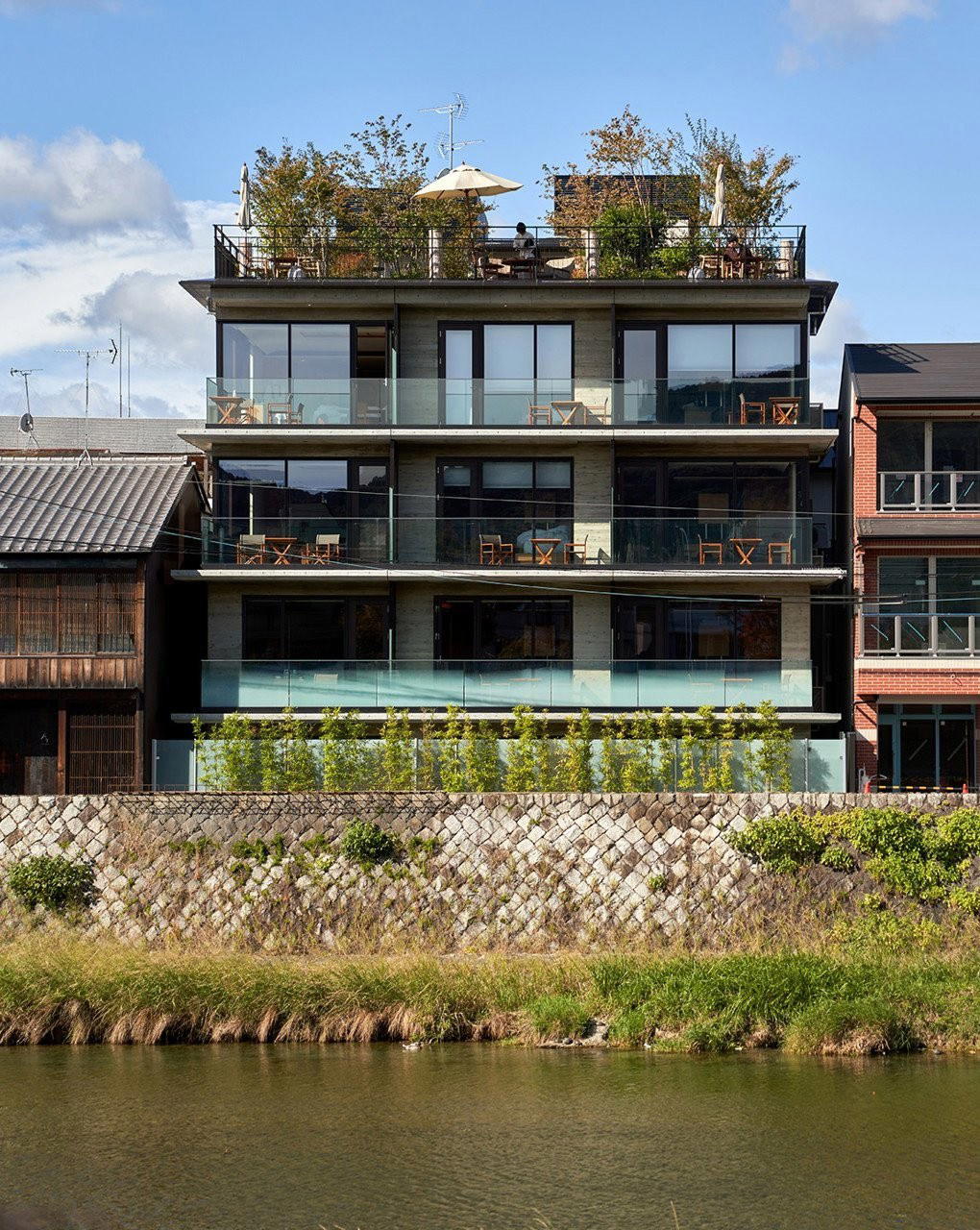
Where the Machiya Tradition Meets a Contemporary Sensibility
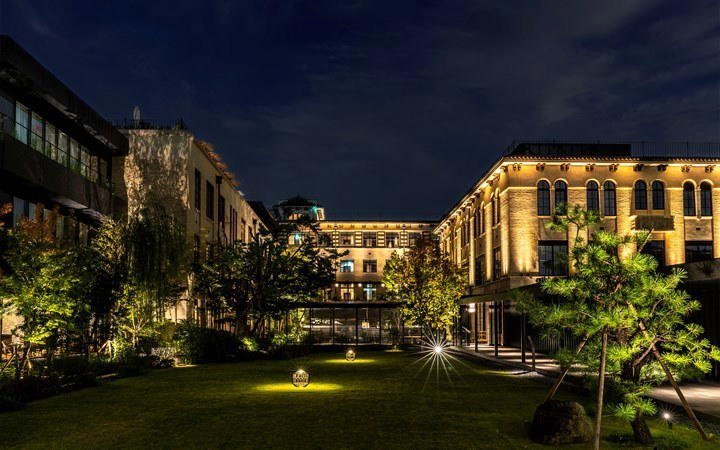
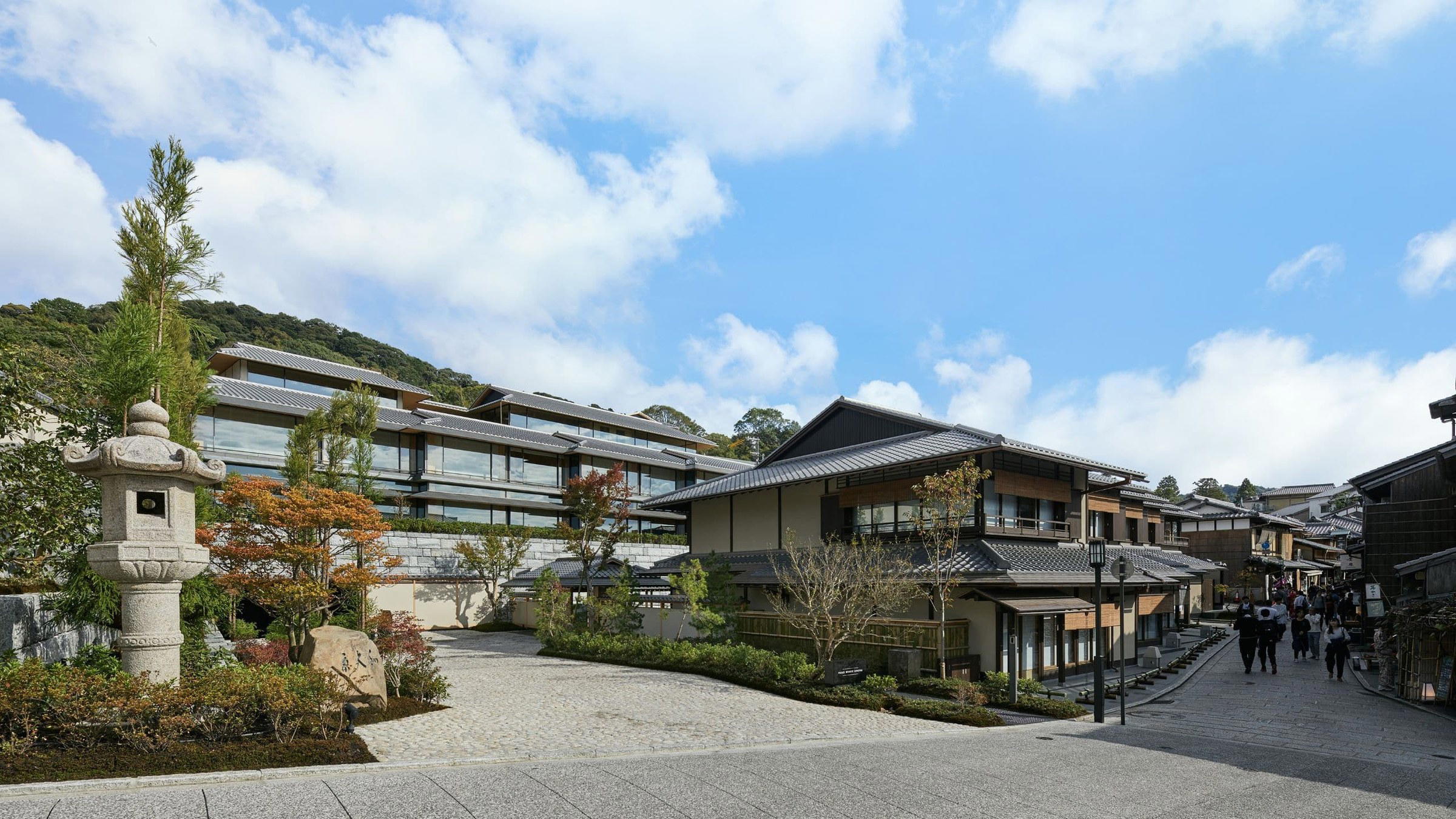
Approach Genji Kyoto from the Kamo River side and you read it first as architecture before you read it as hotel. The building sits in Gojo-Kawaramachi, a neighbourhood that still holds genuine machiya townhouses along its lanes, and the hotel's concrete form carries cedar imprints on its surfaces, the ghost of the timber moulding process made permanent. That decision is not decorative. It places the structure in conversation with a centuries-old domestic building tradition rather than above it, which is the correct posture for a city where context is everything.
Kyoto's premium lodging has fractured into two broad tendencies over the past decade. International groups, the Four Seasons Hotel Kyoto, Park Hyatt Kyoto, Aman Kyoto, have brought substantial key counts and branded F&B; programs. Smaller, design-led independents and boutique operators have taken a different path: fewer rooms, higher material specificity, and a quieter claim on cultural authenticity. Genji Kyoto belongs firmly to the second camp. With 19 rooms in total, it operates at a scale where spatial quality and craft detail matter more than amenity breadth.
The Architecture of Restraint
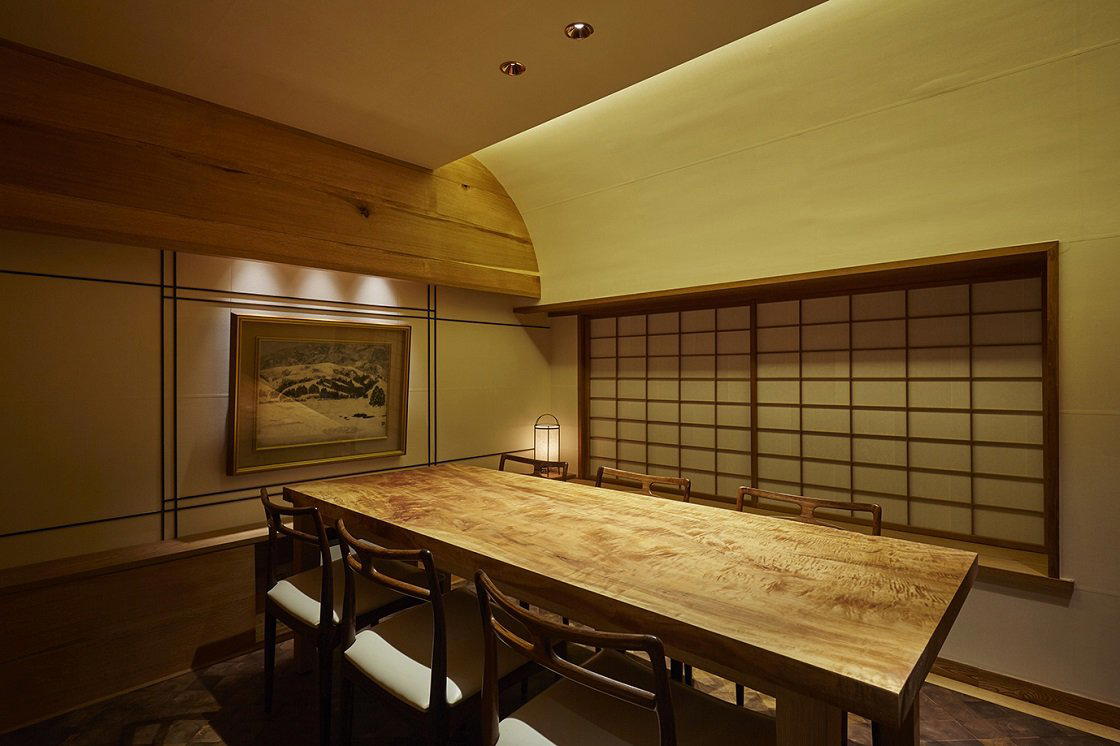
The rooms read as visually restrained, close to minimalist in palette, but that surface simplicity is earned rather than imposed. Kyoto craftsmen built the interiors, and the hand work shows in the proportions and finish rather than in any obvious ornamental gesture. Radiant floor heating runs throughout the property, a practical detail that matters in a city where winters are genuinely cold, and nine of the river-facing rooms include private balconies. Tatami floor formats appear across the accommodation range, and the inclusion of Verner Panton chairs as a cross-cultural gesture in those tatami rooms is an unusual editorial choice: not ironic, not careless, but a considered signal that the hotel is thinking about comfort and reference simultaneously.
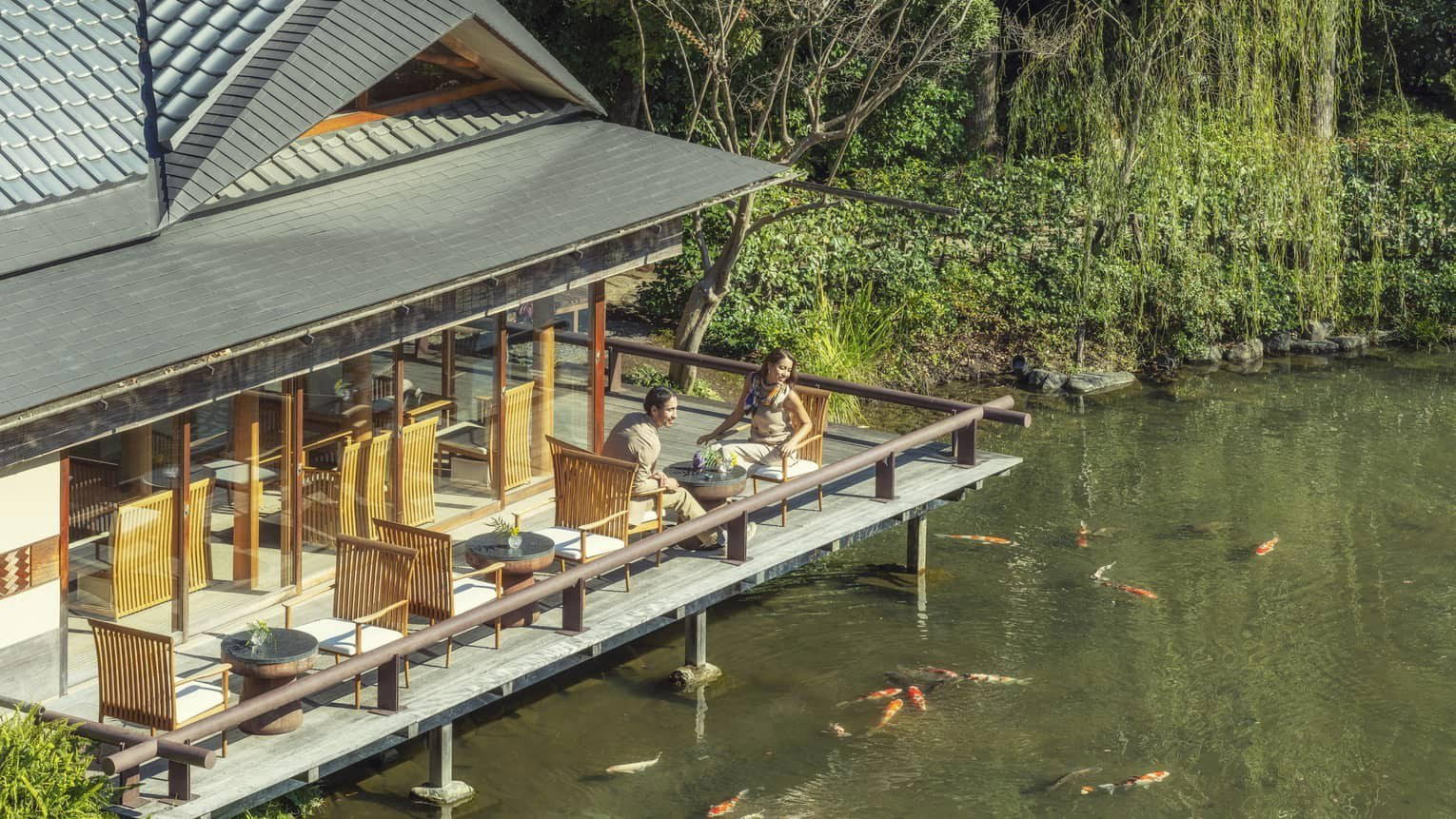
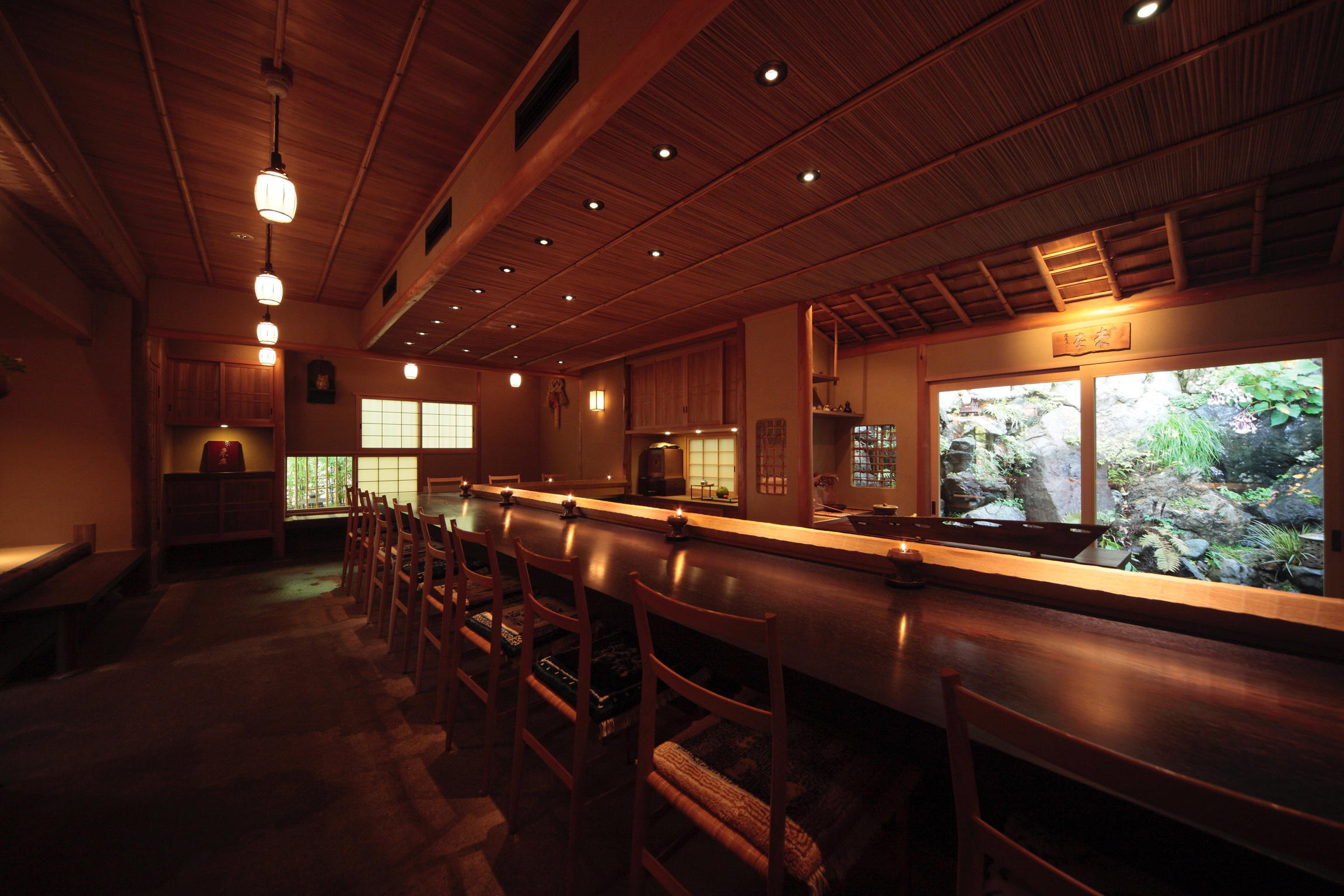
Courtyard gardens anchor the communal experience on the ground plane. The tradition they invoke runs back more than a thousand years in Kyoto's residential and temple architecture, the enclosed garden as a compression of landscape, a place to slow perception rather than expand it. Here, that function remains intact. The gardens are not a feature; they are part of the rhythm the building asks guests to adopt.
The Dining Ritual at Genji Kyoto
In Kyoto, the relationship between architecture, ritual, and meal has always been tighter than in most cities. The kaiseki tradition that originated here is fundamentally about pacing, courses calibrated to season, time of day, and the weight of what came before, and the leading hotel dining programs in the city understand that pacing matters as much as sourcing. Genji Kyoto structures its dining across two distinct settings: the Genji Lounge at ground level and the rooftop Sky Forest Garden, which looks out over the city and the river.
The Sky Forest Garden changes the register of a meal simply by placing it at elevation, with panoramic views across the Kamo corridor and the hills to the east. In a city where the horizon is almost always interrupted by a temple roof or a forested ridge, eating outdoors at height is a different kind of spatial experience than you find at ground level. The menu spans Japanese and international dishes, which positions the kitchen as attentive to an internationally-minded guest without abandoning local reference. The Genji Lounge functions as the more contained, interior option, appropriate for slower mornings or evenings that call for enclosure rather than outlook.
For guests arriving from other Japanese properties where the meal ritual is more codified, Gora Kadan in Hakone, Asaba in Izu, or Nishimuraya Honkan in Kinosaki-cho, where kaiseki sequencing is the primary dining language, the dual-format approach here offers more flexibility without abandoning craft intention.
Positioning in the Kyoto Hotel Market
At $600 per night, the hotel prices into a band where it competes not on scale or brand recognition but on material and spatial quality. The Michelin 1 Key places it in a recognised tier of hotel hospitality in Japan's most demanding culinary and aesthetic city. The Key designation evaluates overall experience rather than restaurant alone, which means the award speaks to the coherence of the full stay rather than any single element in isolation.
Among Kyoto's smaller independent and boutique properties, SOWAKA in the Gion district and The Shinmonzen occupy a comparable design-led niche with similarly limited room counts. The difference at the hotel is its river position and the specific architectural language drawn from the machiya form, which gives it a locational and material distinctiveness within that peer group. Guests more interested in temple-adjacent addresses in the northern hills would look toward Aman Kyoto or Ace Hotel Kyoto, which each occupy different urban registers. The Gojo-Kawaramachi location means proximity to the river walk and to the southern edge of Gion, making it a workable base for the city's densest concentration of cultural sites without the pedestrian pressure of Higashiyama's most heavily visited lanes.
Travellers building a broader Japan itinerary, pairing Kyoto with quieter ryokan territories like Zaborin in Kutchan, ENOWA Yufu in Yufu, or Benesse House in Naoshima, will find the hotel pitched at an appropriate level of restraint and cultural specificity to function as a connective node rather than a departure from the trip's overall register. For those arriving via or departing to Tokyo, Bvlgari Hotel Tokyo sits at the opposite end of the design and scale spectrum and makes a useful contrast stay. Other Aman loyalists may also consider Amanemu in Mie or Aman Venice within a wider Aman-oriented itinerary.
Planning Your Stay
The address, 362-3 Hashidonochō, Shimogyo Ward, places the property in Shimogyo, the lower city, close to the Kamo River's central stretch. Kyoto's spring cherry blossom season (late March to mid-April) and autumn colour season (mid-November) represent peak demand periods for the entire city; at 19 rooms, the hotel has limited availability during those windows and books early. The shoulder months of May, June, and September offer the city at reduced visitor volume with milder conditions on the river. Given the absence of a direct booking link in publicly available records, reservations are most reliably secured through a travel advisor with Japan specialist access or through the major hotel booking platforms that list the property. The Dusit Thani Kyoto and HOTEL THE MITSUI KYOTO operate in the same city and offer different scale and service formats for comparison when planning.
Recognition Snapshot
Comparable venues nearby, for context on price, style, and recognition.
| Venue | Cuisine | Price | Awards | Notes |
|---|---|---|---|---|
| Genji KyotoThis venue — the venue you are viewing | Contemporary Japanese sanctuary inspired by the Tale of Genji | $$$$ | Michelin 1 Key | Not listed |
| Banyan Tree Higashiyama Kyoto | Contemporary Japanese luxury ryokan with natural hot springs | $$$$ | Michelin 1 Key | Higashiyama |
| The Hotel Seiryu Kyoto Kiyomizu | Renovated historic school building blending Japanese heritage with contemporary luxury | $$$$ | Michelin 1 Key | Higashiyama |
| The Ritz-Carlton, Kyoto | Japanese-inspired urban resort | $$$$ | Michelin 1 Key | Nakagyō |
| MUNI KYOTO by Onko Chishin | Contemporary luxury riverside retreat blending Japanese tranquility with modern design | $$$$ | Michelin 1 Key | Ukyō |
| Suiran, a Luxury Collection Hotel, Kyoto | Traditional Japanese luxury ryokan blended with modern amenities | $$$$ | Michelin 1 Key | Ukyō |
Recognition history
Dated appearances from independent guides and award organizations, with the underlying list record or original source where available.
Design Hotels Member
Design Hotels
Michelin 1 Key
Michelin
Michelin 1 Key
Michelin
Continue exploring
More in Kyoto
Hotels in Kyoto
Browse all →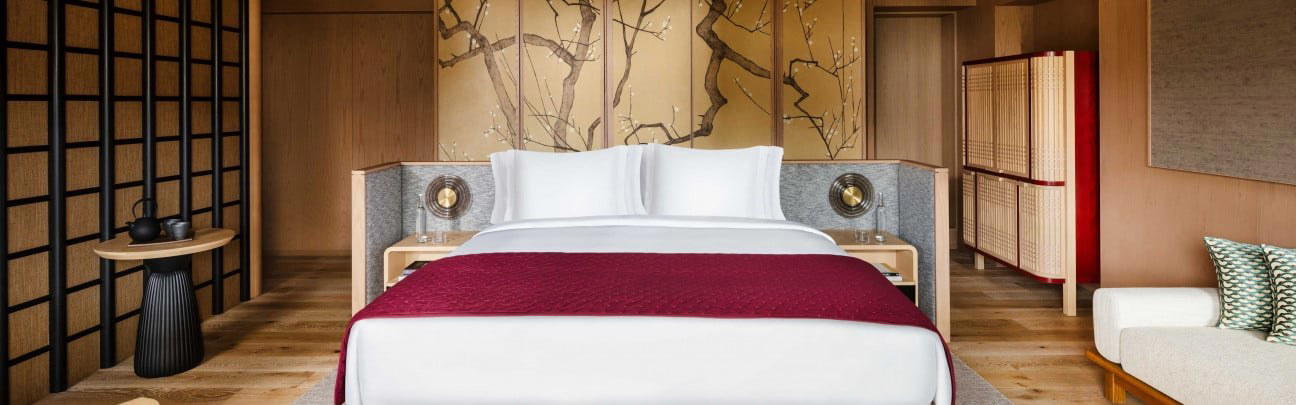
Bars in Kyoto
Browse all →

Restaurants in Kyoto
Browse all →

Wineries in Kyoto
Browse all →
At a Glance
- Elegant
- Modern
- Quiet
- Sophisticated
- Intimate
- Scenic
- Romantic Getaway
- Anniversary
- Weekend Escape
- Garden
- Terrace
- Historic Building
- Panoramic View
- Wi Fi
- Room Service
- Concierge
- Laundry Service
- Bicycle Rental
- Garden
- Mountain
- Wi Fi
- Room Service
- Concierge
- Laundry Service
- Bicycle Rental
Serene and elegant with soft washi lighting, natural wood elements, and tranquil river or garden views, praised for its peaceful oasis atmosphere.